Threaded Y Strainer: What It Is and Why It Matters Globally
In industries ranging from water treatment to petrochemical processing, the humble threaded y strainer plays an outsized role—removing debris, protecting equipment, and ensuring smooth operations. Though it sounds technical (and it is), understanding threaded y strainers has global implications. They help reduce downtime, cut maintenance costs, and even improve environmental safety. Oddly enough, their simple, reliable design makes them vital in projects worldwide—from huge industrial plants to remote humanitarian water distribution systems.
Mini takeaway: A threaded y strainer is more than just a pipe fitting. It’s a guardian of industrial efficiency everywhere.
Introduction: The Global Context of Threaded Y Strainers
Globally, industries pump trillions of gallons of fluids annually, often through complex piping systems. According to the International Organization for Standardization (ISO), over 30% of maintenance downtime in industrial plants is related to clogging and damaged equipment caused by debris or sediments in pipelines. The threaded y strainer is a small but critical component to prevent these issues. Especially in developing regions, where infrastructure is aging or resources limited, minimizing downtime has big economic and social impacts.
Whether in Europe’s chemical sector, Asia’s fast-growing water purification projects, or North American oil pipelines, these strainers help industries run cleaner and safer. The challenge they address is universal: how to protect costly pumps, valves, and machinery from particles without sacrificing flow efficiency.
What Is a Threaded Y Strainer?
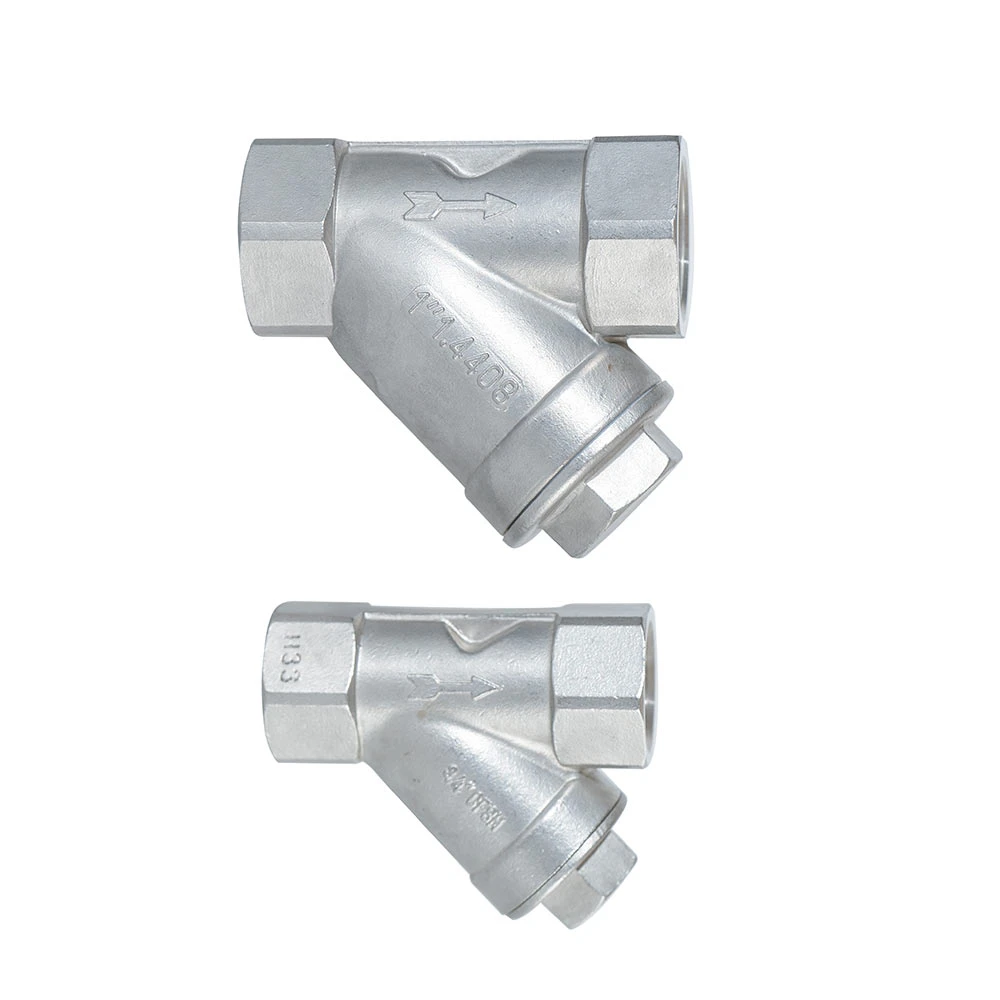
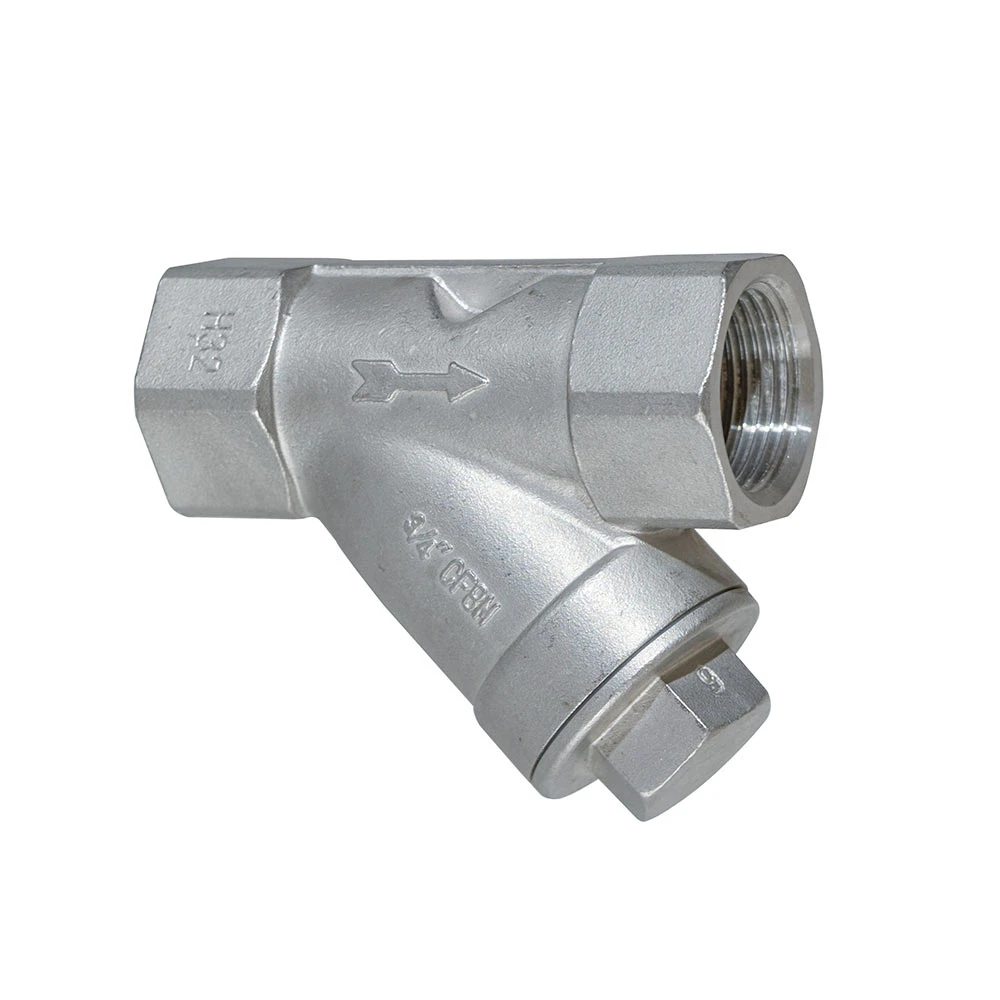
Simply put, a threaded y strainer is a type of inline filtering device shaped like the letter “Y.” It is installed in pipeline systems to catch debris and particles before they reach sensitive equipment. The "threaded" part refers to the way the strainer connects to pipes using screw threads, which is often advantageous for smaller diameter pipes or systems requiring easier disassembly.
Modern industries rely on this device to maintain process fluid cleanliness — key for accuracy, safety, and longevity. Beyond industry, NGOs and water sanitation projects use them to ensure safe delivery of water in remote or disaster-affected areas, where maintaining filtration is critical to health.
Core Components and Key Factors
1. Durability and Materials
Most threaded y strainers are made from stainless steel, carbon steel, or brass. Material choice affects corrosion resistance, pressure rating, and lifespan. For example, stainless steel strainers excel in harsh chemical environments but cost more. Material dictates suitability for industries like wastewater versus food production.
2. Filtration Mesh Size
The internal mesh or perforated screen captures solids of varying sizes—from millimeters down to microns. A finer mesh means better filtration but can increase pressure drop. Finding the balance is key for specific applications.
3. Pressure and Temperature Ratings
Threaded y strainers come rated for pressures typically from 150 to 300 PSI and temperatures up to 400°F or more. Choosing the right rating ensures reliable operation without leaks or damage. This gets tricky in steam or high-pressure oil applications.
4. Ease of Maintenance
The “Y” angle allows for quick removal and cleaning of the strainer element without dismantling the entire pipeline. This reduces downtime and labor costs, especially vital in industrial plants.
5. Connection Types
Threaded connections are common for ease of installation in smaller pipelines, though sometimes flanged or welded options are used. This flexibility helps tailor systems to industry standards or field conditions.
Mini takeaway:
When selecting a threaded y strainer, the main considerations boil down to material, mesh size, pressure rating, and maintenance convenience—all critical to how well it protects your equipment and processes.
| Specification | Description |
|---|---|
| Material | Stainless Steel, Carbon Steel, Brass |
| Mesh Size | 40 to 200 mesh (micron range 75-400) |
| Pressure Rating | 150-300 PSI |
| Temperature Range | -20°C to 400°C (-4°F to 752°F) |
| Connection | Threaded (NPT/BSP), optional flanged |
| Size Range | 1/2 inch to 4 inches |
Global Applications and Use Cases
Threaded y strainers are everywhere—sort of quietly doing their job. In post-disaster relief operations, for example, they protect portable water pumps, stopping sand or detritus that could rapidly wear out equipment. In remote industrial zones, such as mining camps in South America or oil fields in the Middle East, they keep fluids free of harmful debris, saving expensive repairs and downtime.
Urban water treatment plants in Europe use them extensively to safeguard critical valves and analyzers. Even in food and beverage manufacturing, strainers ensure sanitation by filtering solids before processing. More broadly, threaded y strainers form part of the backbone for safe, sustainable infrastructure worldwide.
Vendor Comparison: Popular Threaded Y Strainers Providers
| Vendor | Material Options | Pressure Ratings | Price Range | Lead Time |
|---|---|---|---|---|
| Houde Valve | Stainless Steel, Carbon Steel, Brass | 150-300 PSI | $$ | 2-4 weeks |
| Global Strainers Inc. | Stainless Steel, Plastic | 100-250 PSI | $ | 3-6 weeks |
| StreamTech Valves | Carbon Steel, Alloy Steel | 200-350 PSI | $$$ | 1-3 weeks |
Advantages & Long-Term Value
Why invest in threaded y strainers? They dramatically reduce equipment failure and maintenance costs by trapping harmful debris early. This saves money and reduces downtime — a big deal when you run a plant where every minute counts. Plus, they help in maintaining environmental compliance by preventing particles from contaminating downstream treatment processes.
On an emotional level, many plant managers speak of the peace of mind they get knowing their pumps and valves are protected. It’s about trust—trust in equipment but also in the people and processes that rely on it. In humanitarian terms, reliable filtration can mean safer drinking water and healthier communities.
Future Trends & Innovations
The industry is slowly shifting toward greener, smarter threading y strainers. Innovations include advanced filtration media that self-clean or resist biofouling, and integration with sensors for predictive maintenance. Digital transformation means that someday soon, you might know the clog level remotely before it becomes a problem.
Materials are evolving too: composites and corrosion-resistant alloys are gaining traction, improving lifespan while reducing environmental impact. This trend aligns with international policies aimed at reducing waste and energy consumption in infrastructural components.
Challenges & Solutions
Threaded y strainers aren’t perfect. They can clog if maintenance is neglected, causing flow restrictions. In high-pressure or temperature environments, improper material choice can lead to failure. Installation errors can cause leaks or reduce filtration effectiveness.
The solution? Expert consultation during design and regular maintenance schedules. Automated strainer cleaners and IoT-enabled monitoring systems offer promising ways to overcome traditional limitations.
FAQ: Frequently Asked Questions About Threaded Y Strainer
- Q: What pipe sizes typically use threaded y strainers?
A: Threaded y strainers are commonly used on pipes sized between 1/2 inch and 4 inches. Larger pipes often require flanged strainers for secure connections. - Q: How often should I clean the strainer screen?
A: Cleaning frequency depends on your system’s debris load but inspecting monthly in heavy-duty applications and quarterly in clean systems is a good practice. - Q: Can threaded y strainers be used with corrosive fluids?
A: Yes, but selecting the right material—such as stainless steel or specially coated alloys—is critical to prevent corrosion and maintain integrity. - Q: Are threaded connections reliable for high-pressure applications?
A: Threaded connections are generally suitable for moderate pressures up to around 300 PSI. For very high pressures, welded or flanged connections are safer.
Conclusion
Threaded y strainers, though often overlooked, are key players in maintaining safe, efficient piping systems across the globe. Their simplicity belies their critical role in protecting costly equipment and ensuring uninterrupted processes — which matters to industries and communities alike.
For engineers or decision-makers interested in quality, reliability, and practical solutions, exploring the options available from manufacturers like Houde Valve is a smart next step. In a world that increasingly values sustainability and technology integration, choosing the right strainer is more important than ever.
Mini takeaway: Threaded y strainers are deceptively simple components that pack serious performance benefits — worth considering in any fluid handling system.
References:
1. ISO - Maintenance practices in process industry pipelines
2. Wikipedia - Y Strainer (https://en.wikipedia.org/wiki/Y_strainer)
3. International Journal of Industrial Engineering Research