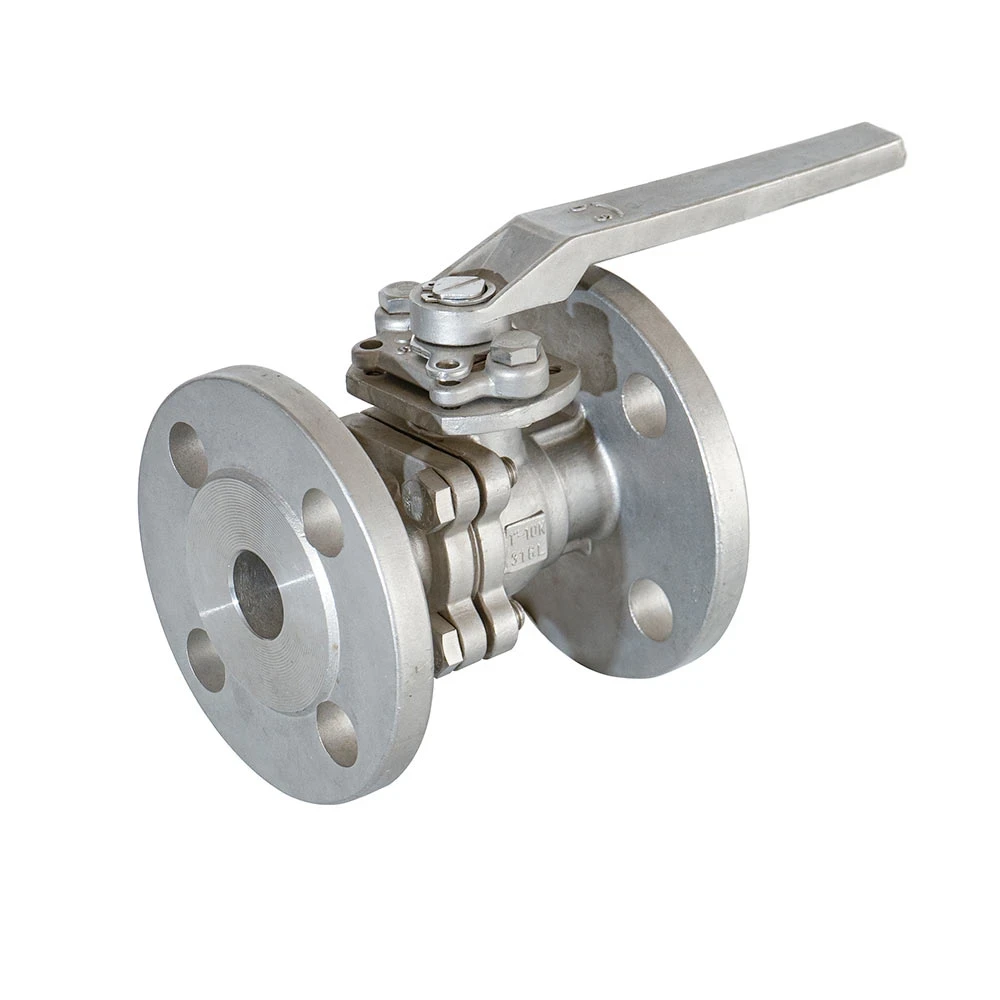
The Practical Value of Y Strainer Stainless: Filtering Efficiency Across Industries
When you think about the smooth running of industrial systems or municipal pipelines, it's easy to overlook a humble hero working quietly behind the scenes—a y strainer stainless. Globally, such strainers play a vital role in protecting equipment and ensuring process reliability. Oddly enough, despite their understated presence, stainless steel y strainers are crucial in preventing costly breakdowns and contamination, affecting everything from clean water delivery to food processing.
Understanding the benefits and applications of these devices offers insight into how industries maintain high standards of performance and safety worldwide. Let’s explore why this simple stainless steel filter matters in so many complex systems.
Y Strainer Stainless in the Global Industrial Landscape
Stainless steel y strainers find their place in sectors that are pillars of global infrastructure—water treatment, chemical manufacturing, power generation, and even food and pharmaceuticals. According to the International Organization for Standardization (ISO) and industrial analyses, filtration components that ensure clean process fluids are key to reducing downtime and waste.
For example, the global water treatment market, valued at over $250 billion in 2023, heavily relies on filtration solutions, where stainless steel strainers provide durability and corrosion resistance essential in harsh environments. But the main challenge these strainers address is preventing particulate debris from damaging expensive machinery or contaminating sensitive processes, a problem faced universally.
What Exactly is a Y Strainer Stainless?
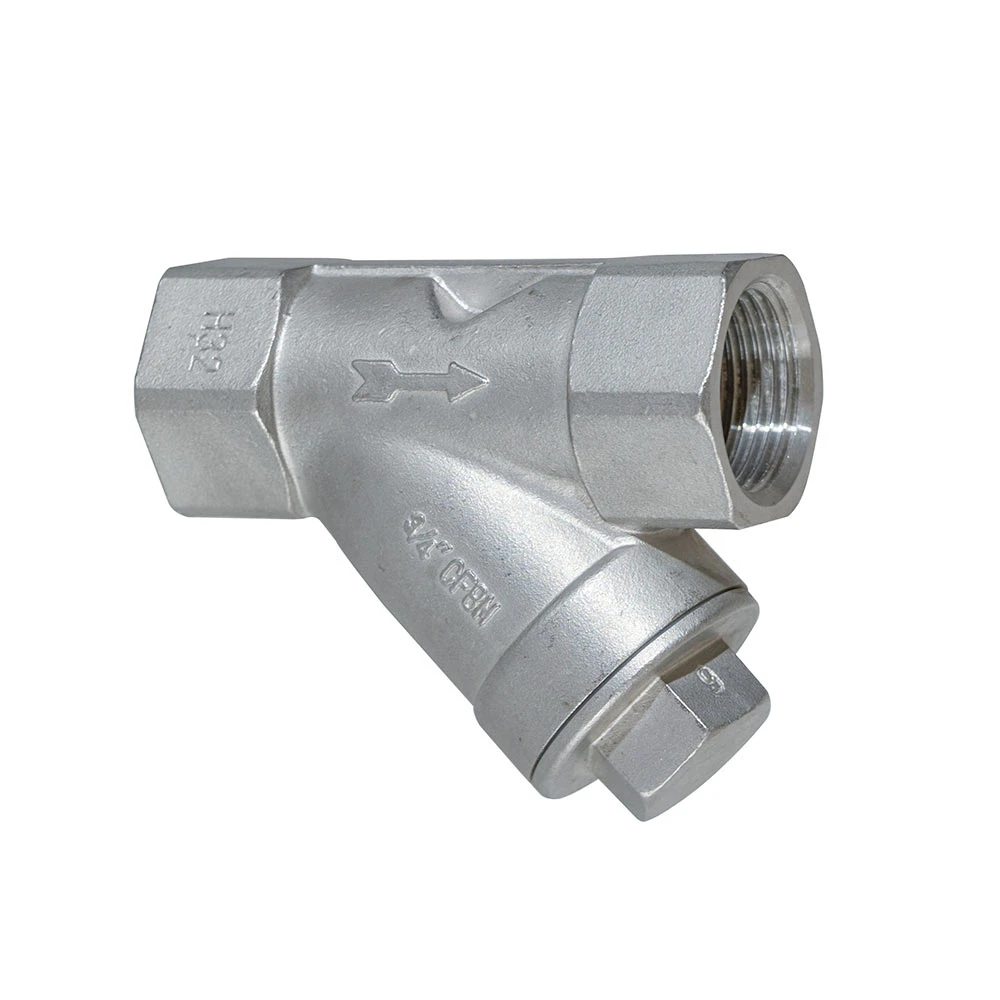
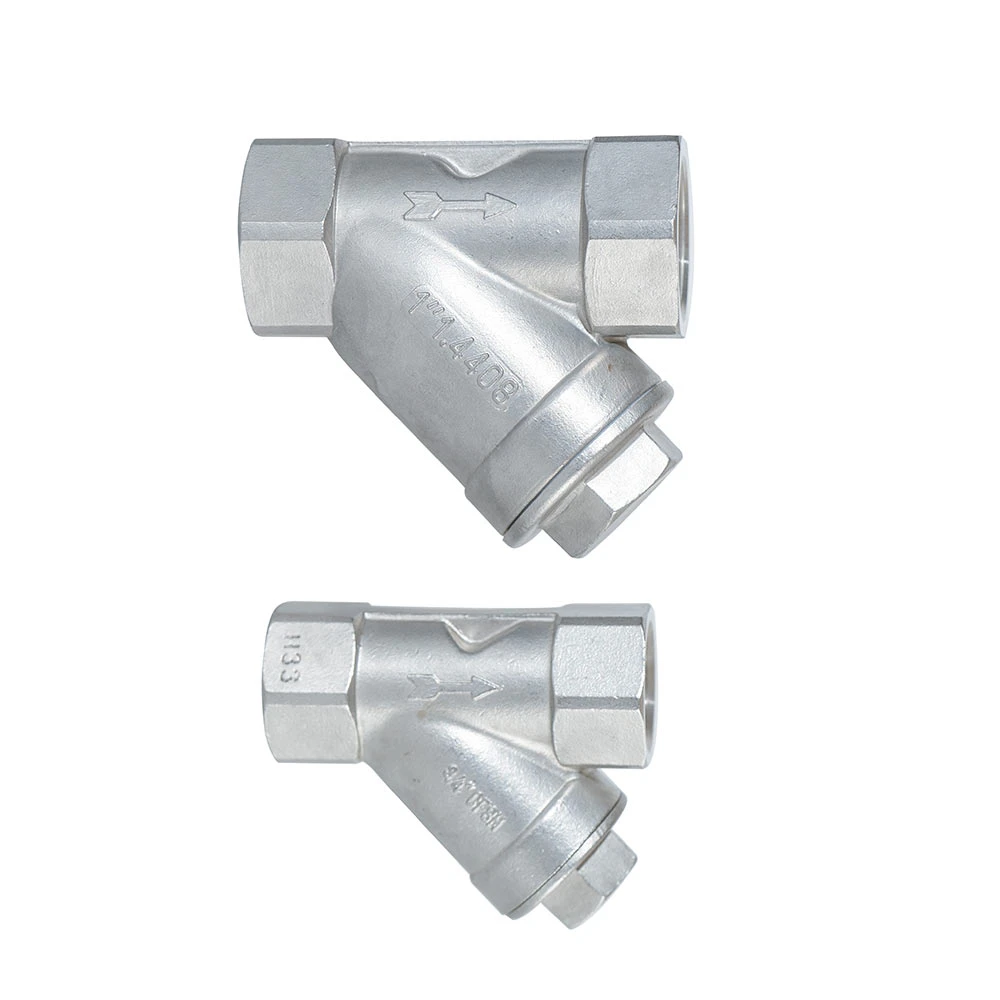
At its core, a y strainer stainless is a mechanical filtering device shaped roughly like the letter 'Y', made entirely from stainless steel for robustness. It is installed inline in pipelines to trap solids, such as dirt and rust flakes, with a mesh screen, allowing only clean fluid to pass through.
This small but mighty component not only extends the life span of pumps, valves, and meters but also supports global goals in sustainability by reducing waste and energy use. Its connection to the modern industry rests in its reliability in critical infrastructures, especially in humanitarian efforts where clean water access must be safeguarded.
Key Features That Define Y Strainers Stainless
Durability
Stainless steel excels in corrosion resistance, which means these strainers withstand harsh chemicals and high temperatures better than many alternatives. This durability minimizes replacement frequency and maintenance costs, essential in large-scale operations.
Filtration Efficiency
The mesh screen inside captures particles down to microns scale, customizable by industry needs. Whether filtering sediment in irrigation or protecting turbine blades, the efficiency impacts operational reliability directly.
Ease of Maintenance
Many models feature blow-off valves or removable screens, making cleaning straightforward without extensive downtime—a feature production managers appreciate.
Versatility
Stainless steel y strainers come in a variety of sizes and pressure ratings to fit pipelines from small diameters to large industrial lines, accommodating different fluids, from water to corrosive acids.
Cost-Efficiency
While initial costs might be higher than plastic or cast iron strainers, the long-term savings via extended equipment life and reduced maintenance justify the investment in industrial contexts.
Inline Product Specification Table
| Specification | Typical Value | Notes |
|---|---|---|
| Material Grade | 304 / 316 Stainless Steel | 316 preferred for highly corrosive environments |
| Pressure Rating | 150-300 PSI | Dependent on size and design |
| Screen Mesh Size | 20-200 mesh | Customizable per application |
| Temperature Range | -50°C to +400°C | Suitable for steam and hot fluids |
Where and How Stainless Steel Y Strainers Are Used Globally
Industrial and municipal projects across continents rely on stainless steel y strainers to enhance safety and efficiency. In Asia, heavy industries use them for petrochemical refining, while European cities install these devices in complex water distribution networks.
In disaster relief scenarios, where clean water supply is critical but infrastructure fragile, these strainers help NGOs maintain sanitary water on the move. For instance, when a flood disrupts water pipelines, portable stainless steel strainers become indispensable for emergency water treatment units.
These strainers prove especially useful in remote oil and gas extraction sites in Africa, where replacement downtime can be incredibly costly. The robust stainless steel construction means fewer failures and longer service intervals.
Vendor Comparison Table: Leading Manufacturers of Stainless Steel Y Strainers
| Vendor | Material Options | Customization | Global Reach | Typical Lead Time |
|---|---|---|---|---|
| Houde Valve Co. | 304, 316 SS | Screen size & pressure rating | Worldwide (incl. USA, Europe, Asia) | 4-6 weeks |
| GlobalSteel Filters | 316 SS only | Limited mesh variations | Europe, Asia | 6-8 weeks |
| AquaFilter Corp. | 304 SS | Standard options only | North America | 2-4 weeks |
Advantages and Long-Term Value of Stainless Steel Y Strainers
- Cost Savings: By protecting expensive equipment from damage, they reduce repair and replacement spend substantially.
- Sustainability: Stainless steel's recyclability and longevity contribute to lower environmental footprints compared to plastic alternatives.
- Reliability & Safety: Preventing contamination aligns with increasing regulatory pressures to ensure product quality and public health.
- Peace of Mind: For operators, using proven filtration means fewer unexpected shutdowns—a kind of trust built upon proven engineering.
Frankly, in real terms, it feels like investing in these strainers is investing in risk management that pays ongoing dividends.
Looking Ahead: Future Trends in Y Strainer Stainless Technology
Innovation in materials science points toward hybrid strainers combining stainless steel with advanced coatings for even greater corrosion resistance. Digitization is making inroads with smart strainers that monitor clogging levels and send alerts, minimizing manual checks.
Moreover, as the world embraces greener energy and sustainability goals, using long-lasting stainless strainers aligns well with circular economy principles. Governments and industries increasingly demand products certified by ISO standards relating to environmental management and quality.
Challenges and Practical Solutions
Despite many advantages, stainless steel y strainers face challenges like initial cost barriers or sizing mismatch in complex pipeline setups. There’s also the occasional issue of clogging if maintenance is neglected.
Expert practitioners recommend selecting strainers as part of comprehensive fluid system designs and using modular, easy-to-access units to simplify cleaning. Sometimes a combination with automated blow-off valves is the solution for continual operations.
FAQs About Y Strainer Stainless
- Q1: How do I choose the right mesh size for my stainless steel y strainer?
- A1: It depends on the particle size you need to filter out and your specific industry's standards. For example, food-grade processes typically require finer mesh sizes (y strainer stainless manufacturers helps refine this choice.
- Q2: Can stainless steel y strainers handle high-temperature steam systems?
- A2: Yes, most stainless steel strainers (especially in 316 grade) can operate efficiently up to 400°C, making them suitable for steaming applications in power plants or sterilization.
- Q3: What maintenance is required to keep a y strainer stainless performing optimally?
- A3: Regular inspections and cleaning of the screen are essential. Some models allow blow-off cleaning without dismantling. Frequency depends on system usage and particulates levels.
- Q4: Are there environment-friendly alternatives to traditional stainless steel y strainers?
- A4: While stainless steel remains highly recyclable, some emerging composites boast lower carbon footprints but may not match durability or corrosion resistance. Stainless steel remains a reliable, eco-conscious choice globally.
- Q5: How critical is installation orientation for a y strainer stainless?
- A5: Proper orientation ensures debris collects in the correct part of the strainer for easy cleaning and performance. Typically, the 'Y' leg is installed downward or at an angle as per manufacturer guidelines.
In Conclusion
Understanding the role of y strainer stainless in filtration systems reveals a story of smart engineering underpinning many everyday comforts—from clean drinking water to safe industrial manufacturing. Long-lasting, reliable, and increasingly sophisticated, stainless steel strainers are more than simple filters; they are investments in system longevity and sustainability.
If you want to explore detailed product lines or expert advice, visit our website today for tailored solutions that keep your operations running smoothly.
Summary takeaway: Investing in stainless steel y strainers is investing in peace of mind and operational excellence.