Understanding Y Strainer Threaded: Essential Filtration for Modern Industry
In the sprawling world of industrial plumbing and fluid control, the humble y strainer threaded quietly but effectively plays a pivotal role. If you work with fluid systems—be it water treatment, petrochemical processing, or HVAC—you likely know how critical it is to keep equipment safe from debris. That’s exactly where a y strainer threaded comes in. Understanding this device not only boosts operational reliability but also reduces long-term costs and enhances safety globally.
According to the International Organization for Standardization (ISO), effective fluid filtration components are fundamental in ensuring sustainable and safe industrial operations worldwide.1 With growing complexity in piping networks and tighter environmental regulations, threaded y strainers are increasingly relevant across industries. So, what exactly makes this component indispensable? Let’s explore.
What Is a Y Strainer Threaded?
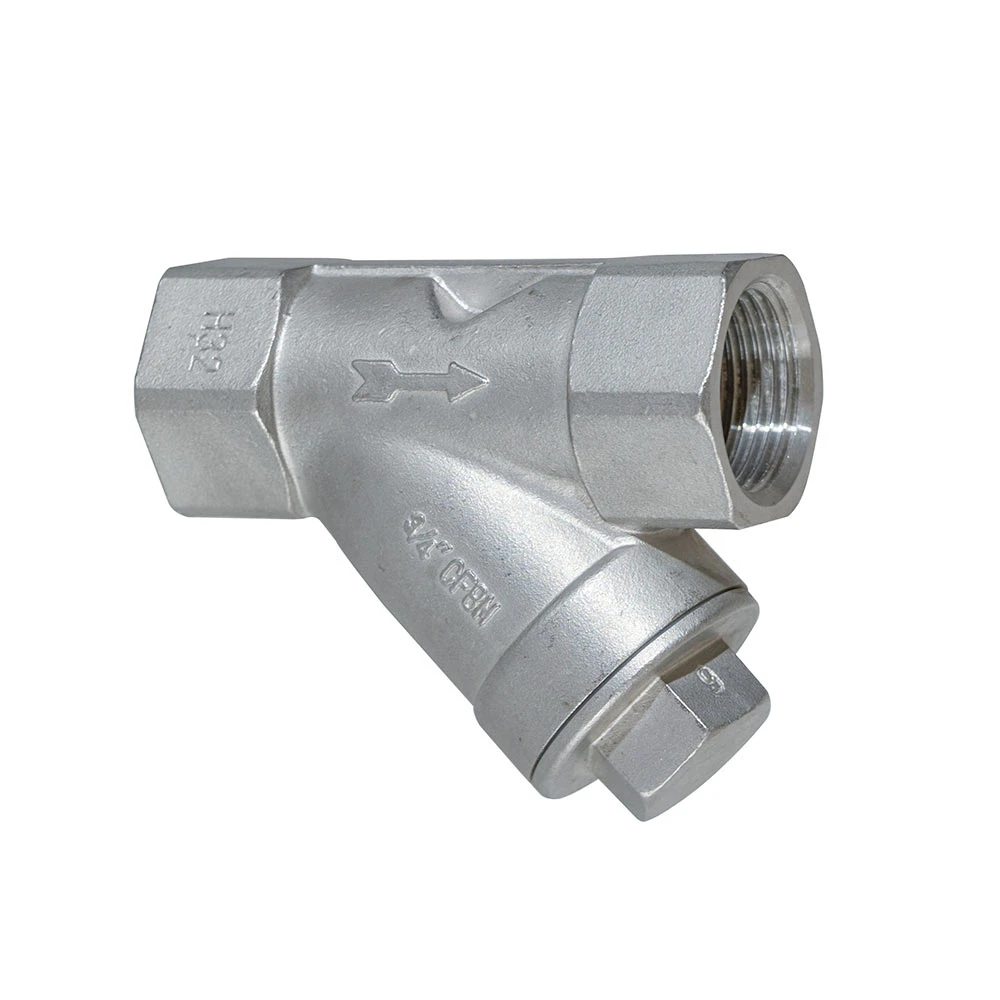
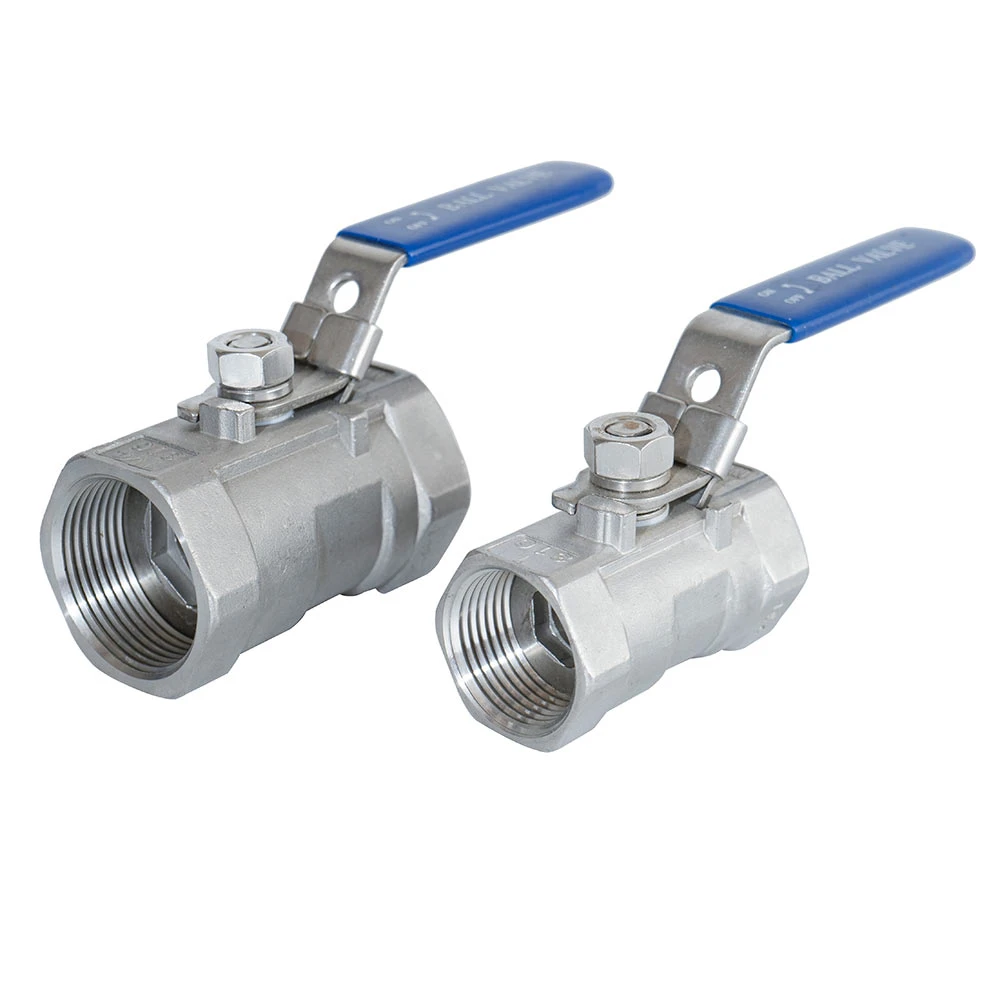
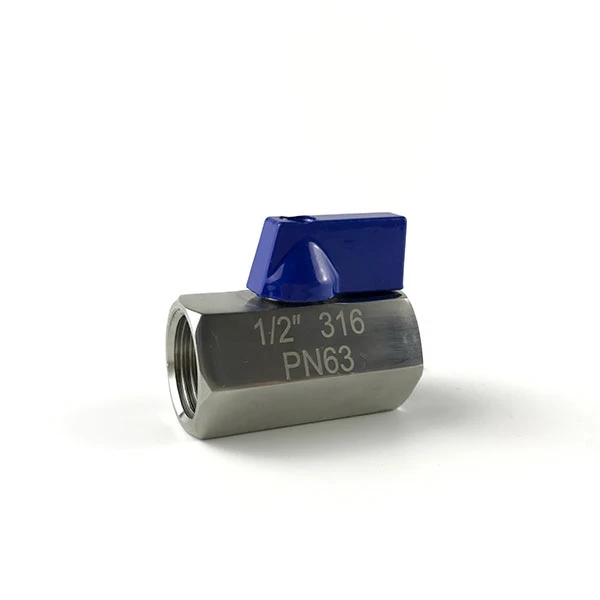
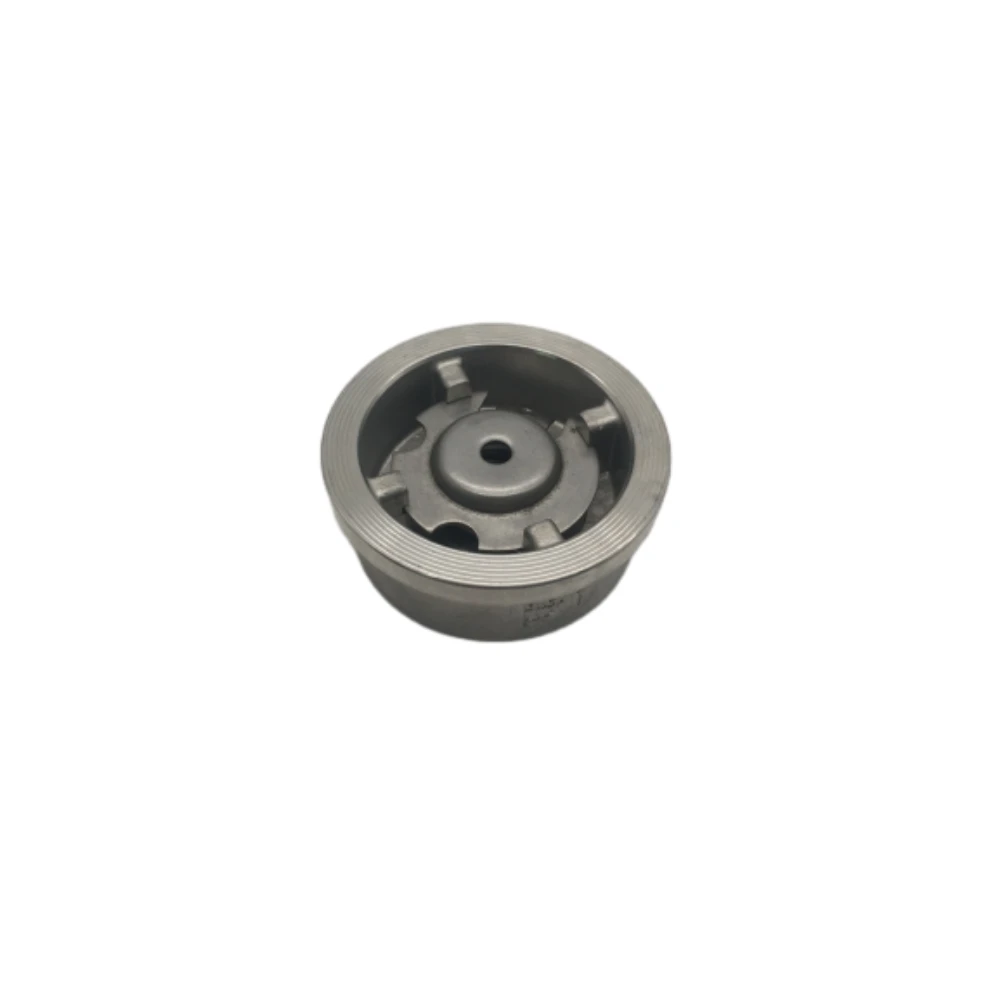
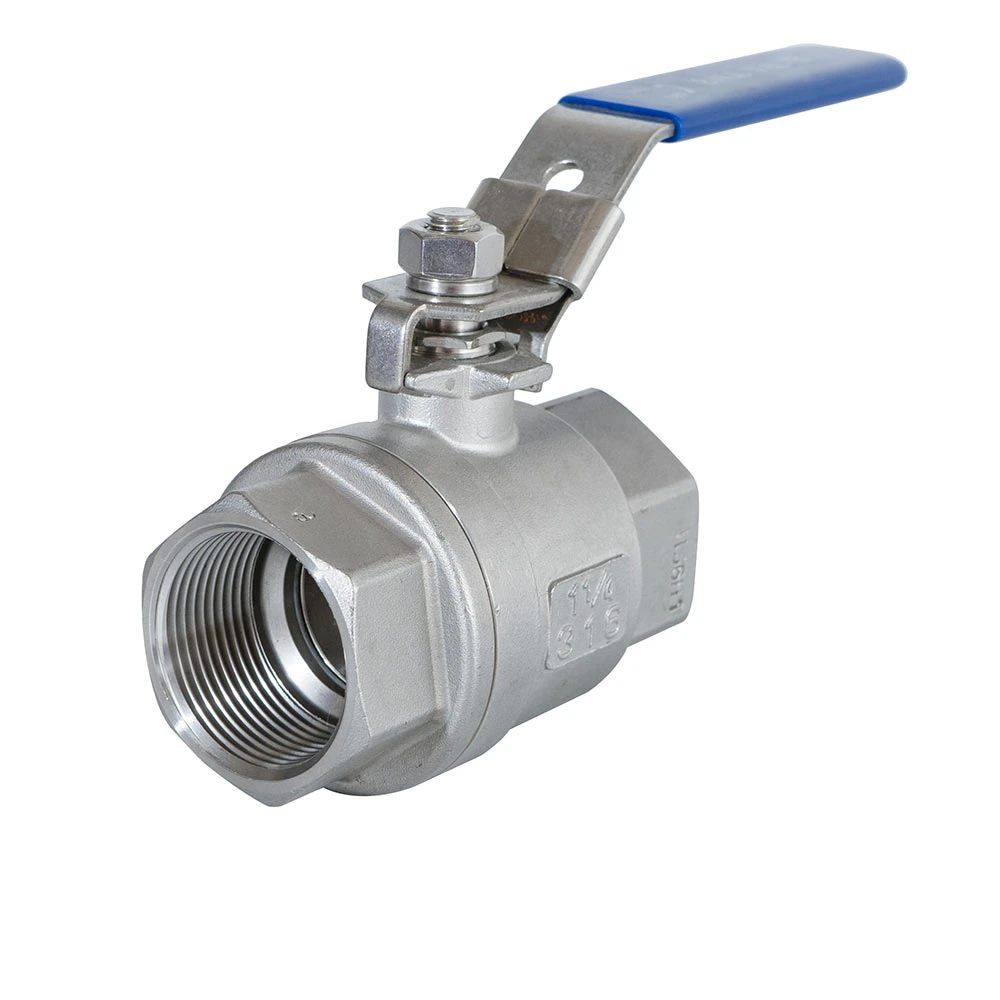
Simply put, a y strainer threaded is a plumbing filter shaped somewhat like the letter "Y" that is installed in piping systems using threaded connections. It traps unwanted particles to protect pumps, valves, meters, and other equipment downstream. Its threaded ends enable easy installation and removal without welding, making it ideal for maintenance-intensive settings.
More than just a mechanical filter, this strainer supports key industrial goals—reducing downtime, prolonging equipment life, and minimizing contamination in fluid lines. For humanitarian water projects too, especially in remote or disaster-prone areas, threaded y strainers are valued for their simplicity and reliability.
Key Components and Features of Y Strainer Threaded
1. Durable Construction
Typically made from cast iron, stainless steel, or carbon steel, these strainers withstand high pressure and corrosive environments. That durability underpins their role in harsh industrial settings—think oil refineries or heavy manufacturing.
2. Threaded Connection Type
Threaded ends simplify integration into existing pipelines without special tools or expertise. This reduces installation time and ensures easier access for cleaning or replacement compared to welded flanges.
3. Mesh Screen Options
The heart of any y strainer is its mesh screen, which can vary widely in mesh size, material, and shape—allowing customization based on the specific contaminants expected.
4. Size Range & Pressure Ratings
Y strainers come in sizes from as small as 1/2 inch to several inches in diameter with pressure ratings tailored for different applications—crucial for engineers to match system requirements accurately.
5. Versatility and Compact Design
Compact and lightweight, these strainers fit well even in tight spaces, making them favored in both new constructions and retrofitting projects.
Mini takeaway: A y strainer threaded combines rugged durability with user-friendly design, making it a trusted guardian of fluid systems across industries.
Global Applications and Use Cases
Industries worldwide benefit from y strainers’ reliability. For example:
- Water Treatment Plants: Filtering sand or rust to protect pumps and valves.
- Oil & Gas: Keeping pipelines free from metal shavings or scale.
- Industrial Manufacturing: Preventing clogging in chemical processing lines.
- Agriculture: Ensuring irrigation systems remain debris-free.
- Emergency Relief Operations: NGOs rely on threaded y strainers for quick-deploy water purifying setups when disaster strikes.
Regions with extreme environments like the Middle East’s deserts or remote mountainous areas often use y strainers threaded due to their ease of maintenance and robustness. And oddly enough, many field engineers I’ve met say these devices are “unsung heroes” ensuring equipment longevity under tough conditions.
Advantages and Long-Term Value of Y Strainer Threaded
Why choose a y strainer threaded over other filtration methods? Here’s what stands out:
- Cost-Effectiveness: Low initial investment plus reduced repair costs for downstream equipment.
- Sustainability: Reusable mesh screens minimize waste, and extended equipment life reduces resource consumption.
- Reliability & Safety: Prevents sudden failures caused by debris—protecting workers and preserving process integrity.
- Ease of Maintenance: Threaded connection means quick cleaning without complex disassembly.
- Confidence & Trust: Knowing your pipeline is safeguarded offers critical peace of mind for operators.
Mini takeaway: The threaded y strainer isn’t just a filter—it’s a strategic investment in operational excellence.
Product Specification Table: Typical Y Strainer Threaded Model
| Specification | Details |
|---|---|
| Material | Cast Iron / Stainless Steel / Carbon Steel |
| Connection Type | NPT Threaded (National Pipe Thread) |
| Size Range | 1/2 inch to 6 inches |
| Pressure Rating | 150 psi to 300 psi (PN10 to PN20) |
| Screen Type | Stainless Steel Mesh, Various Mesh Sizes |
| Typical Temperature Range | -20°C to 200°C |
Comparing Top Vendors: Y Strainers Threaded
| Vendor | Material Options | Price Range | Delivery Time | Customization |
|---|---|---|---|---|
| Houde Valve | Cast Iron, SS304, SS316 | $$ | 1-3 weeks | Available |
| Vendor B | Carbon Steel, SS304 | $ | 2-4 weeks | Limited |
| Vendor C | Stainless Steel Only | $$$ | 4-6 weeks | Full Custom Design |
Emerging Trends & Innovations
Looking ahead, you’ll find that the industry is innovating alongside global sustainability goals. Newer materials, like duplex stainless steel and corrosion-resistant polymers, are gaining traction to extend strainer life in corrosive environments. Smart sensors are also being integrated to monitor clogging and pressure drops remotely—quite exciting for maintenance teams.
Additionally, automation in manufacturing processes is improving strainer precision and consistency. And on the policy side, stricter ISO certifications for filtration components push vendors to maintain higher quality standards—a plus for end-users worldwide.
Challenges and How to Tackle Them
While y strainers threaded are robust, users sometimes wrestle with issues like screen clogging or incorrect sizing which leads to pressure loss. Best practice usually involves correct mesh selection based on fluid characteristics and regular scheduled maintenance. Engineers also advocate for local sourcing of spares to avoid downtime during repairs.
Advanced coatings to reduce fouling and innovations in self-cleaning strainers promise relief but may add upfront costs—so balancing innovation with practicality remains key.
Frequently Asked Questions About Y Strainer Threaded
- What size y strainer threaded do I need for my pipeline?
- Choosing the right size depends on your pipe diameter and flow rate. Generally, the strainer size matches the pipe size, but consulting with manufacturers or engineers ensures optimal performance.
- How often should the mesh screen be cleaned or replaced?
- Cleaning frequency varies by use but inspecting it monthly is advisable. Replace the screen if damaged or severely clogged—as timely maintenance avoids costly equipment damage.
- Can y strainers threaded be used with corrosive fluids?
- Yes, but material selection is critical. Stainless steel or specialized alloys handle corrosive fluids better than cast iron to prevent premature failure.
- Is installation difficult for threaded y strainers?
- Not at all. Threaded design enables easy installation with basic tools, making field replacement faster compared to welded alternatives.
In Conclusion
Y strainers threaded might not steal the spotlight, but they are foundational to a safe, efficient fluid system. Their blend of durability, ease of use, and cost-effectiveness matches well with the demands of various industries globally. Investing in quality strainers means fewer disruptions and peace of mind—something every operator values.
If you’re exploring reliable filtration components, I invite you to check out Houde Valve’s wide range of y strainers threaded. There, you’ll find technical specs, expert advice, and customization to fit your exact needs.
Oddly enough, sometimes the smallest parts make the biggest difference.
References: