Understanding the 2 pieces valve and Its Industrial Edge
Having been knee-deep in the industrial equipment world for over a decade, I’ve come to appreciate how crucial reliable valves are — especially the humble but often overlooked 2 pieces valve. Frankly, it's one of those components that might not grab headlines but quietly keeps plants running smooth and safe.
Oddly enough, many engineers I’ve worked alongside have stressed how the two-piece valve design perfectly balances maintenance needs with durability. It feels like the sweet spot between hefty one-piece valves and the sometimes fragile multi-piece types. When you’re dealing with fluid control under pressure, that reliability isn't just a nice-to-have; it’s a literal lifesaver.
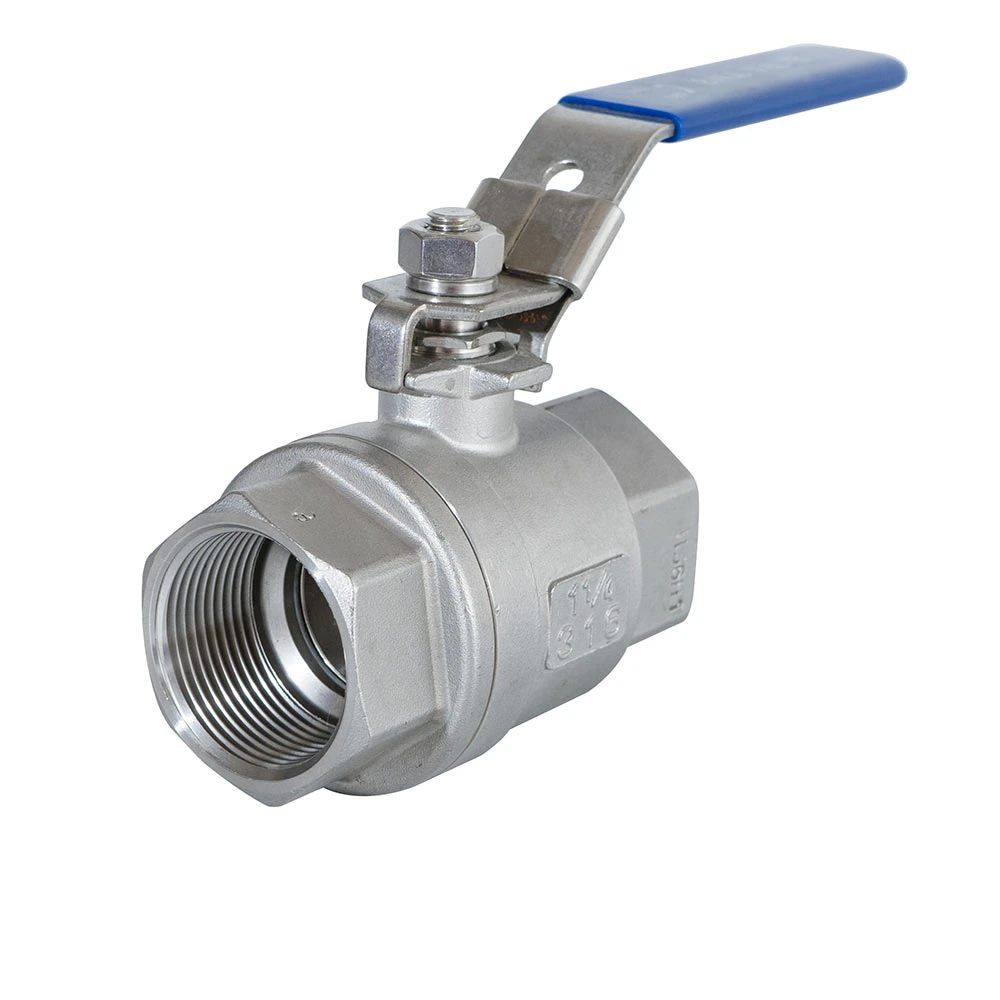
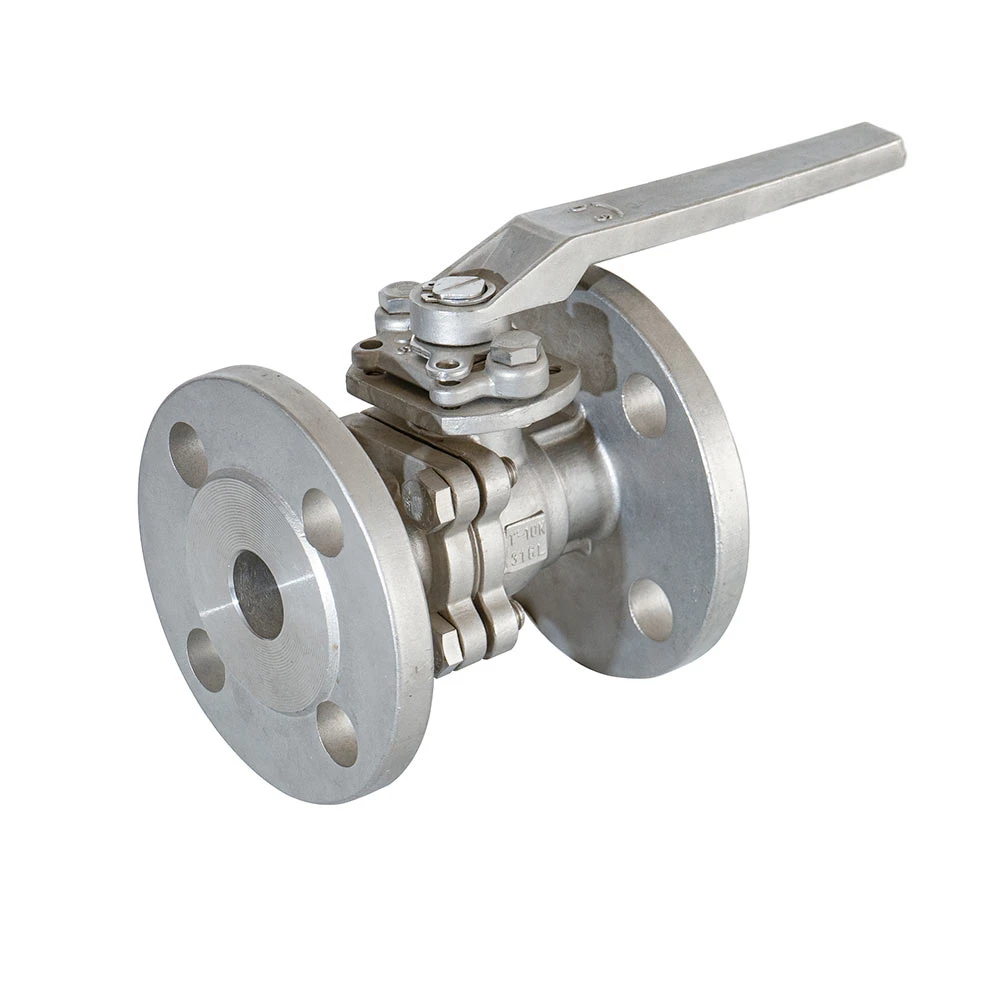
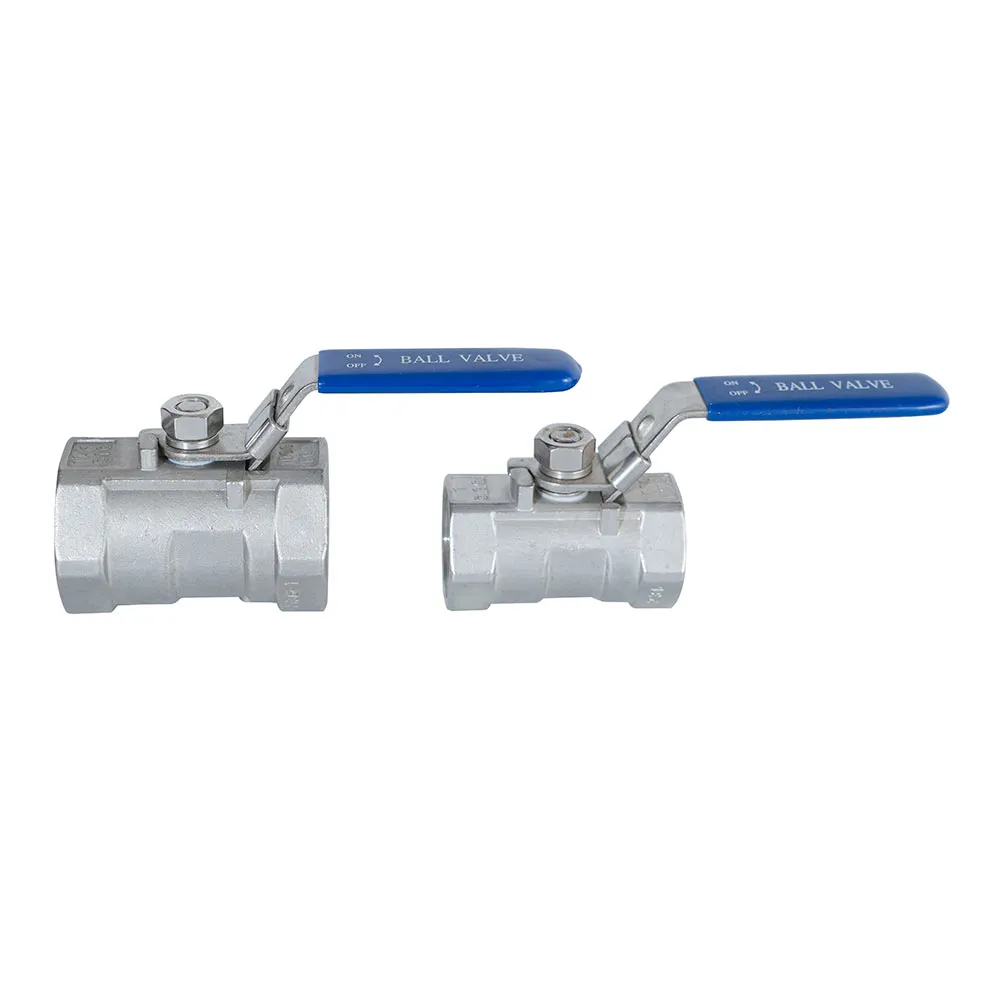
To get a bit technical, the “2 pieces” refers to the valve body being composed of two separate parts bolted together. This design simplifies maintenance — no dismantling the entire system to replace seats or seals. As anyone with a few plant shutdowns under their belt will tell you, less downtime is money saved, period.
Materials often used range from stainless steel to carbon steel, sometimes alloy variants depending on the medium being controlled — corrosive chemicals, hot steam, or abrasive slurries. I’ve noticed that Houde Valve, in particular, offers a solid mix of options here, with stringent testing protocols ensuring each valve meets global standards. It’s reassuring to see vendors putting real effort into quality control, especially with pressure ratings that can reach up to Class 600 or higher.
| Specification | Details |
|---|---|
| Body Material | Carbon Steel, Stainless Steel, Alloy Steel |
| Pressure Rating | Class 150 to Class 600 (varies by size and material) |
| End Connections | Flanged, Threaded, Butt Weld |
| Sealing Type | Metal to Metal, Soft Seals (PTFE, Graphite) |
| Temperature Range | -40°C to 425°C (varies by design) |
Interestingly, one memorable project I handled involved a chemical plant where downtime was a nightmare. Swapping to a top-tier 2 pieces valve from Houde Valve cut maintenance time in half, which was a huge win for the plant manager and the whole operations team. It’s oddly satisfying when a component you specify lives up to its promise.
When comparing vendors, I often focus on three pillars: quality consistency, lead times, and customer support. To help out, here’s a brief vendor comparison I’ve observed in the valve sector:
| Vendor | Quality Assurance | Delivery Time | Technical Support | Customization |
|---|---|---|---|---|
| Houde Valve | ISO 9001, API 6D tested | 4-6 weeks typical | 24/7 expert support | High (materials, pressure classes) |
| Vendor B | API certified | 6-8 weeks | Business hours only | Moderate |
| Vendor C | In-house QC only | 2-3 weeks | Limited | Low |
In real terms: if you’re after a valve that simply won’t let you down and is backed by solid support, Houde Valve’s offerings are well worth a close look. Of course, it depends on your specific plant needs, but their track record is tough to beat.
To sum it up, the 2 pieces valve shows how thoughtful engineering, combined with quality manufacturing, can make a big difference. It's a reminder that sometimes, simple designs shine brightest — especially when downtime isn’t an option, and safety matters most.
Takeaway: The next time you specify valves, consider the little things — like the two-piece design — that pay dividends in maintenance, reliability, and peace of mind.
References:
1. API 6D Specification and Manufacturer Standards
2. Houde Valve Product Catalog (2024)
3. Industrial Valve Maintenance Case Studies, Plant Operations Journal