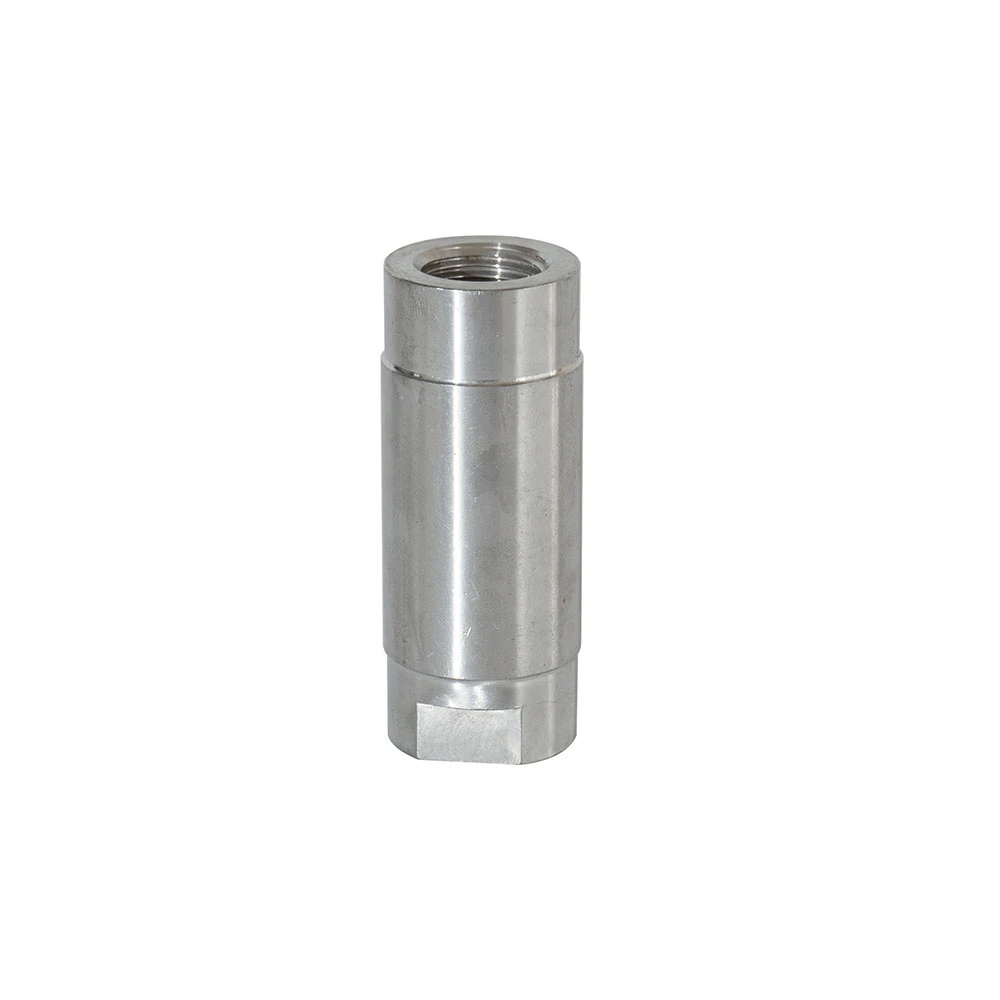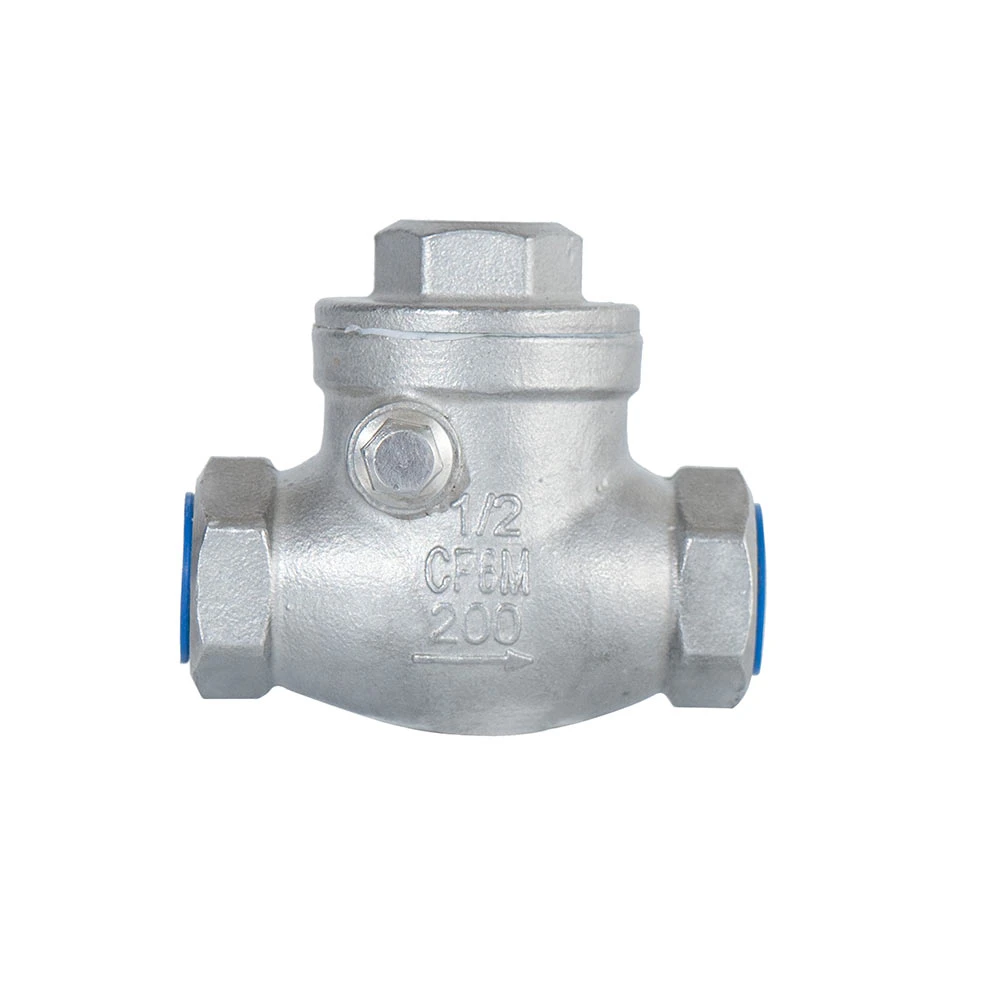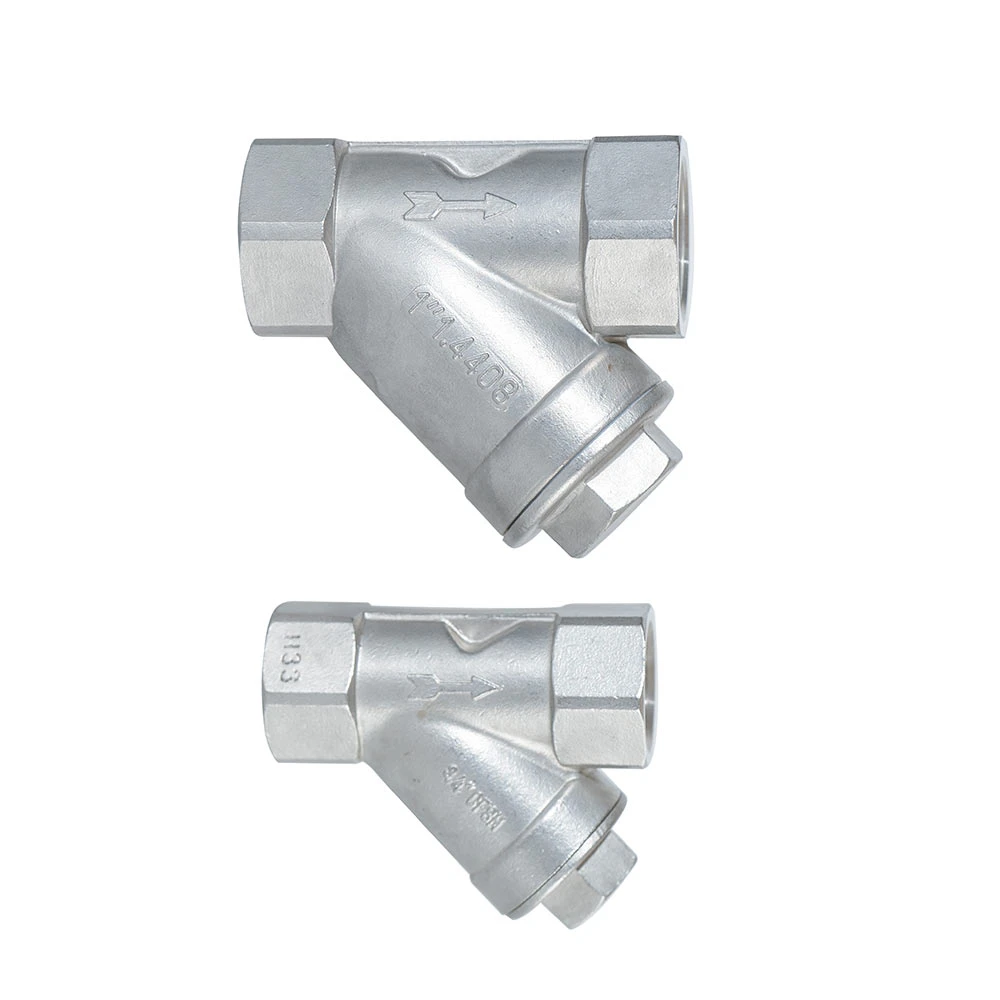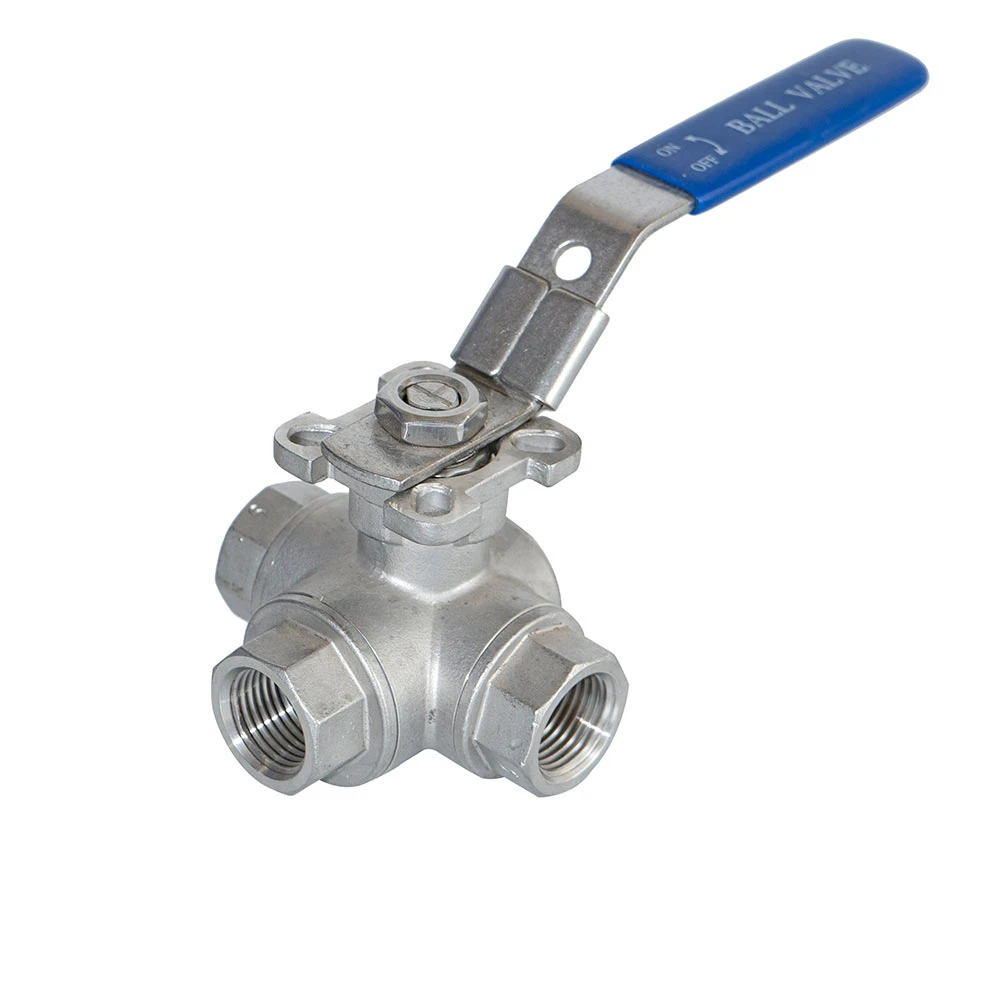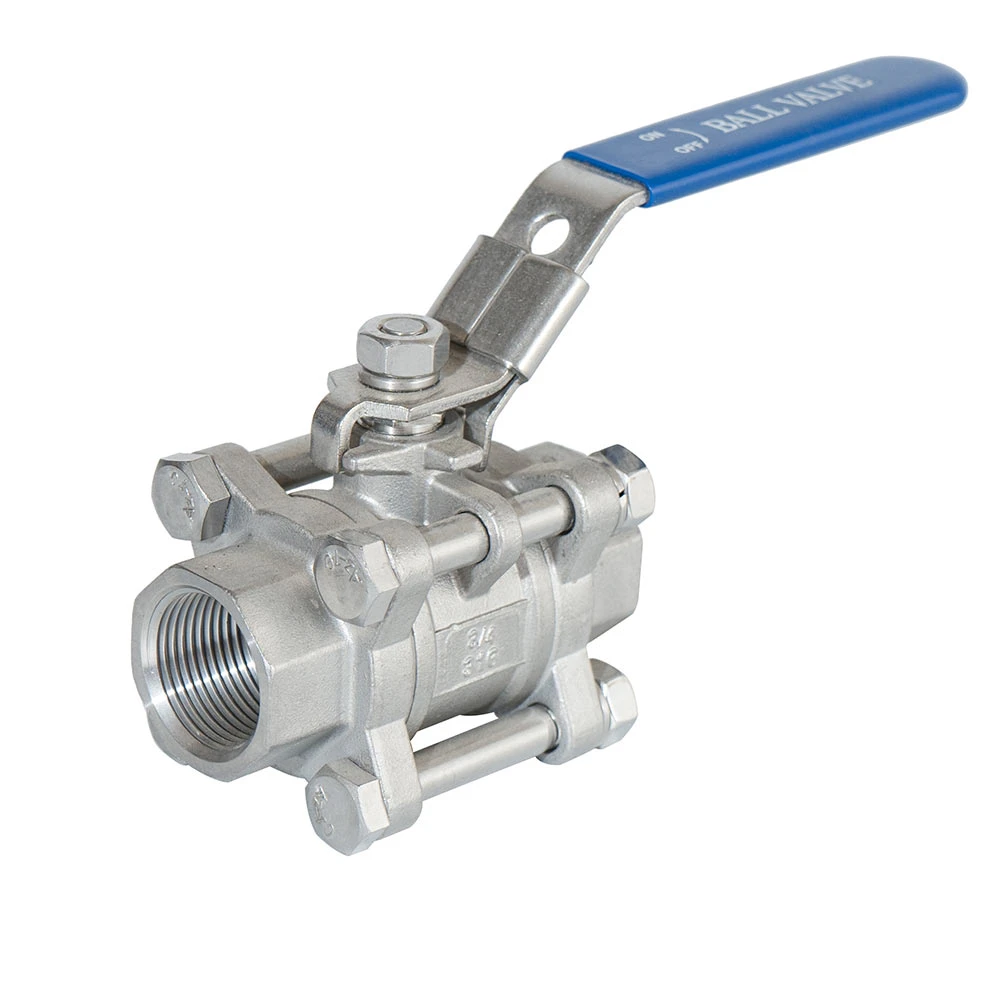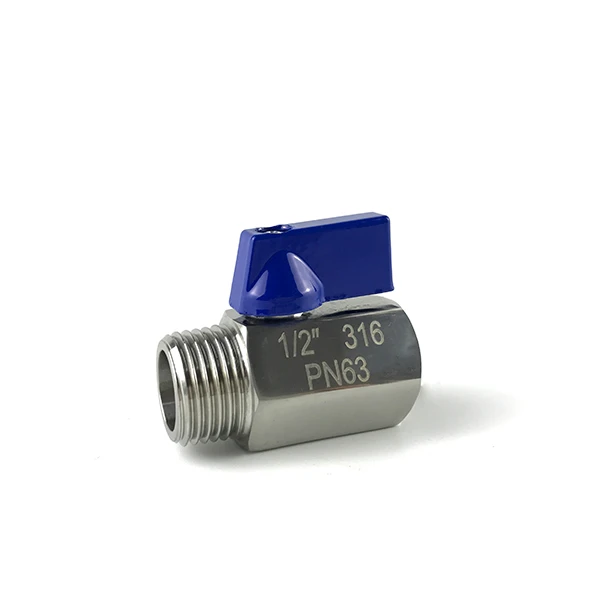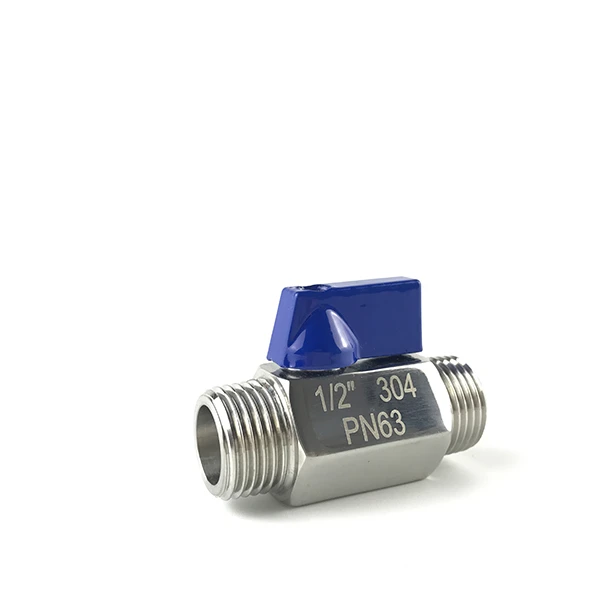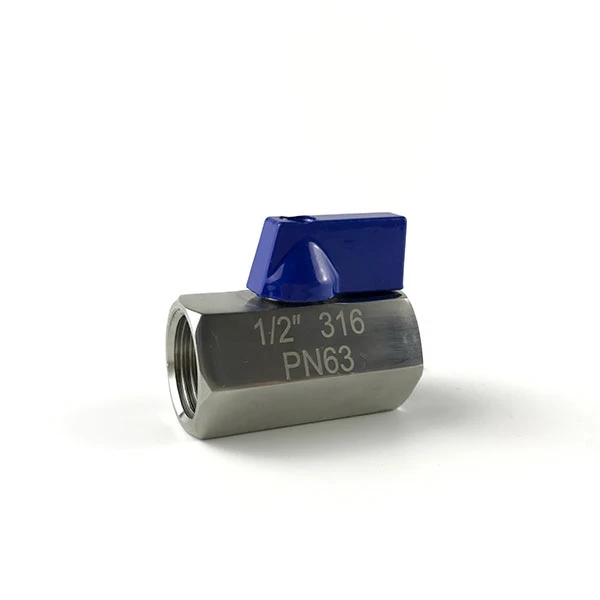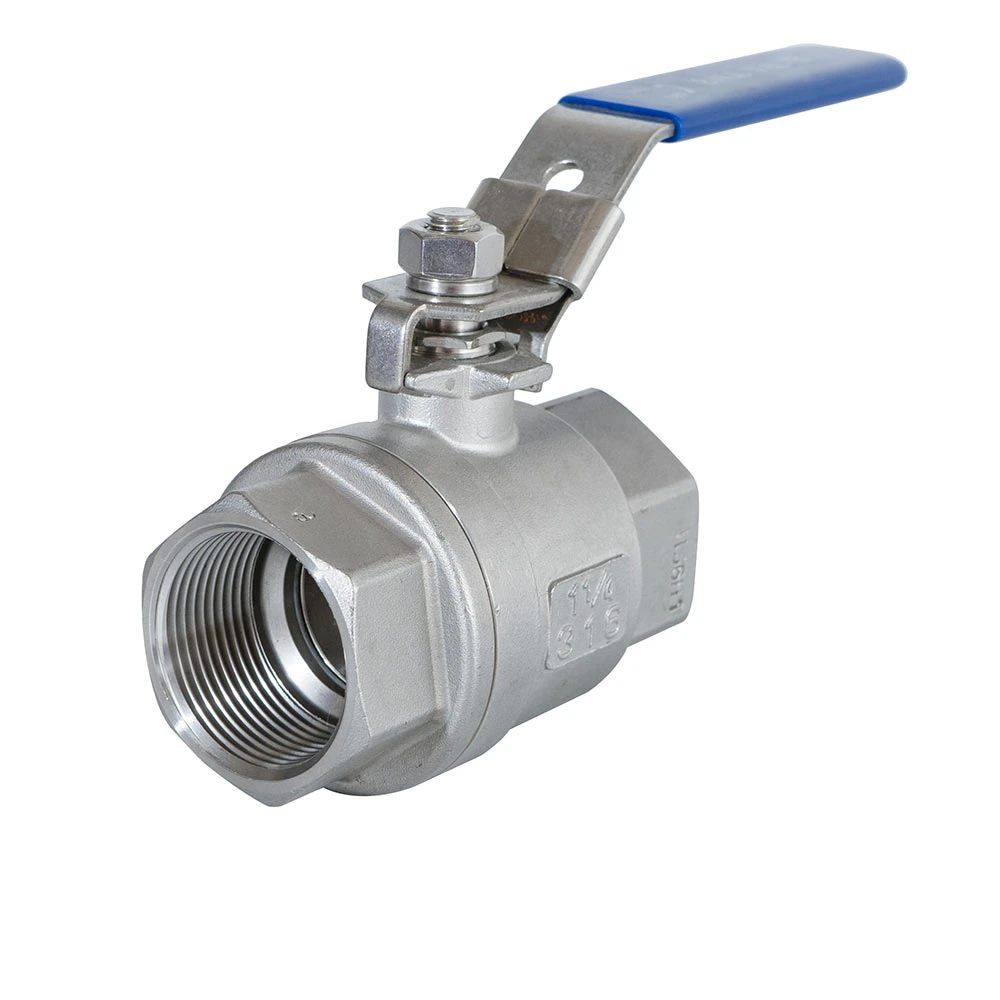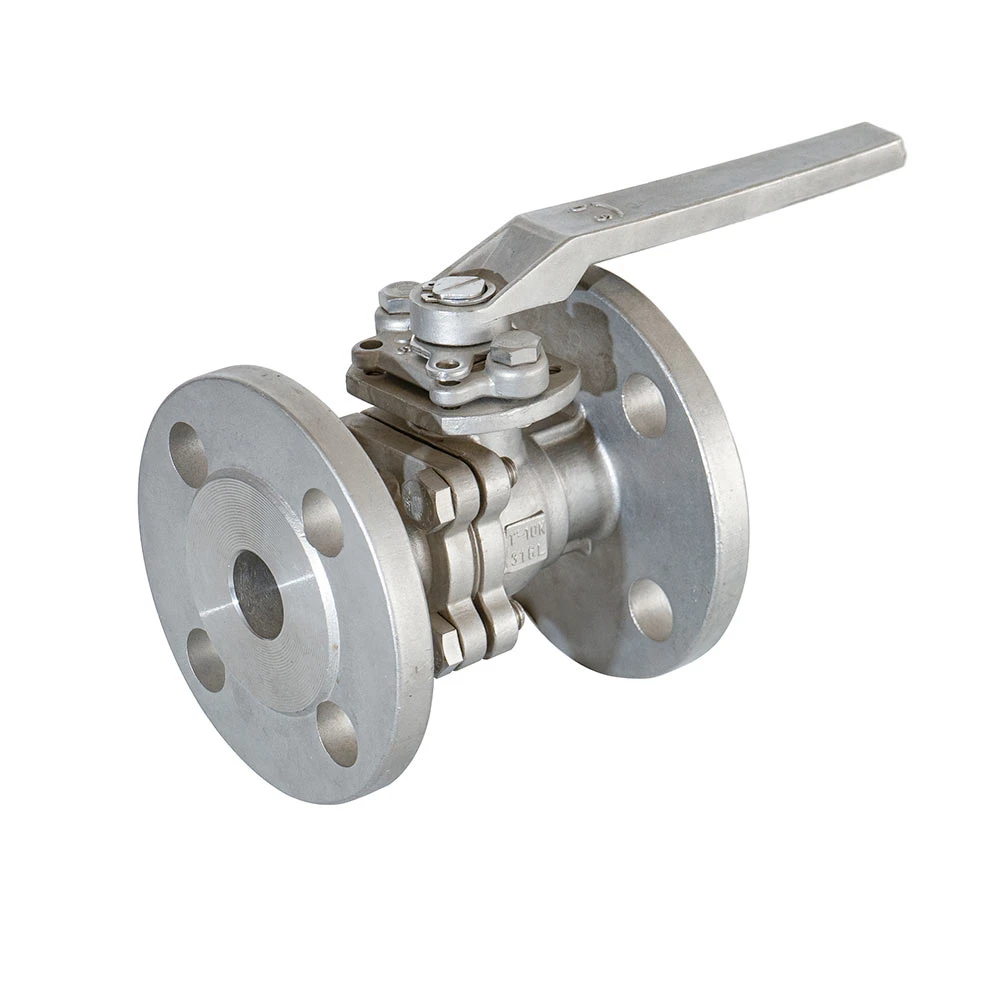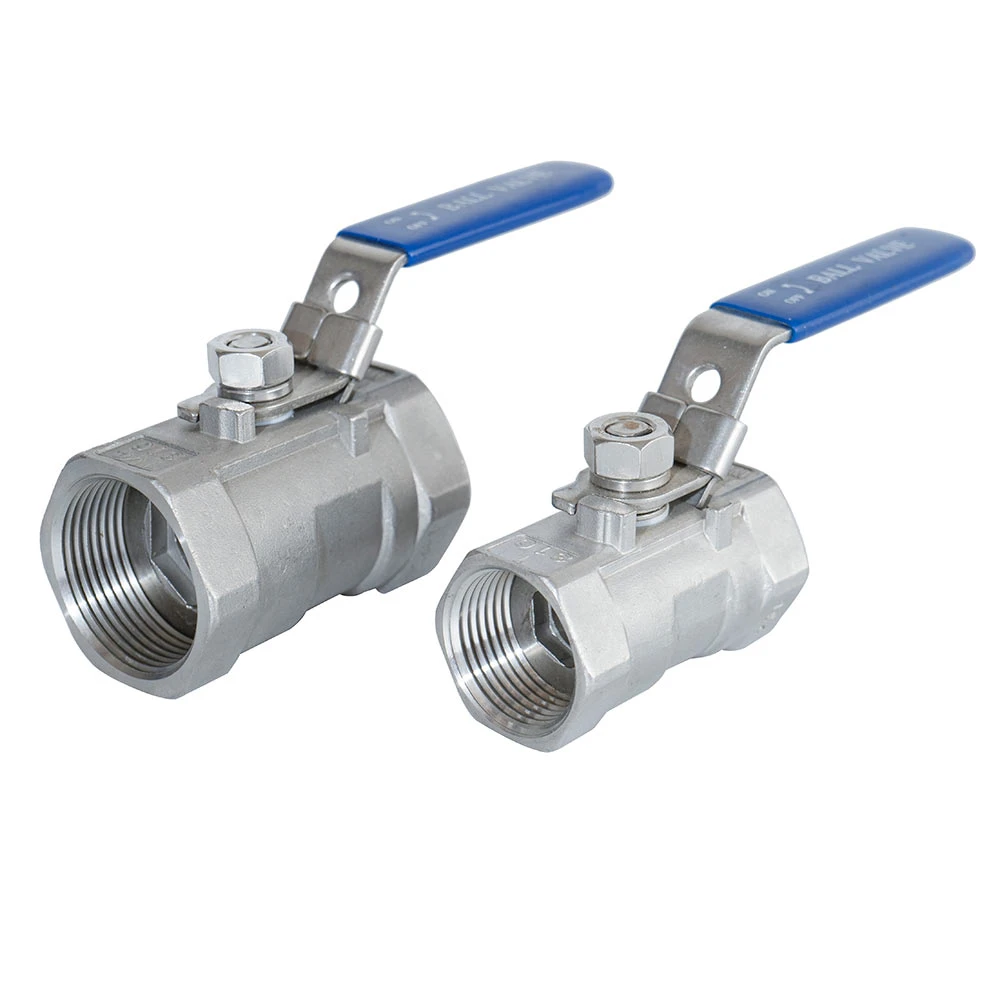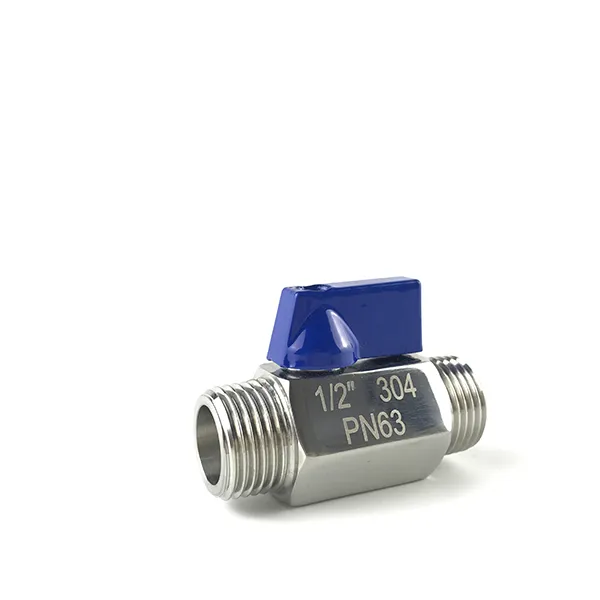
1 4 Stainless Valve is a key solution in the industry, specifically within multiple sectors that rely on robust, corrosion-resistant valve technology for fluid control. This article explores how https://www.houdevalve.com supports professionals with durable, high-performance products, and explains why this product is an ideal choice for businesses in these sectors.
Table of Contents
- 1 4 Stainless Valve Overview
- Benefits & Use Cases of 1 4 Stainless Valve
- Cost, Maintenance & User Experience
- Sustainability & Market Trends
1 4 Stainless Valve Overview
So, what exactly is the 1 4 Stainless Valve? At its core, it’s a compact valve made primarily of stainless steel, designed for controlling the flow of liquids and gases in industrial environments. The name “1 4” typically refers to the valve's nominal size or connection dimension, often 1/4 inch, popular for systems requiring precise control in tight spaces. You know, it’s the kind of valve that stands up reliably even under tough conditions like high pressure, variable temperatures, and corrosive fluids.
The technical specs are quite robust: usually 316-grade stainless steel is favored for its superior corrosion resistance and strength — making these valves a go-to for sectors like chemical processing or food and beverage, where contamination and wear are serious concerns. Houde Valve, in particular, offers extensive testing on performance and leakage rates, adhering to industry standards such as API, ANSI, and ISO certifications to back their product's trustworthiness. A recent case study showed their valve used in a petrochemical plant operating seamlessly for over three years without major maintenance — quite the testimony, wouldn’t you say?
| Specification | Details |
|---|---|
| Material | 316 Stainless Steel |
| Size | 1/4 inch (Nominal) |
| Pressure Rating | Up to 6000 PSI |
| Temperature Range | -60°C to 190°C |
| Connection Type | NPT, BSP, or Custom Flanges |
| Certification | API, ANSI, ISO 9001 |
Benefits & Use Cases of 1 4 Stainless Valve
Honestly, the versatility of the 1 4 Stainless Valve is one of its biggest draws. Engineers consistently note its precision and reliability, making it ideal for fluid control applications across everything from pharmaceuticals and food production to oil and gas. You’ll often find it in instrumentation panels or as a means to regulate flow in compressed air systems, where even minor leaks can be a real headache.
What stands out, frankly, is the combination of stainless steel’s corrosion resistance with thoughtful design features like a smooth, tapered seat for tight sealing and a leak-proof stem packing. This gives the valve a competitive edge, especially compared to cheaper brass or plastic alternatives, not to mention improved longevity under harsh chemical exposure. Houde Valve also offers customization options, such as different end connections or handle styles, which can be crucial for integrating into varied industrial setups.
Vendor Comparison
| Feature | Houde Valve | Competitor A | Competitor B |
|---|---|---|---|
| Material Grade | 316 Stainless Steel | 304 Stainless Steel | Brass |
| Pressure Rating | 6000 PSI | 4500 PSI | 3000 PSI |
| Corrosion Resistance | High | Medium | Low |
| Customization Options | Extensive | Limited | Minimal |
| Certifications | API, ANSI, ISO | ANSI, CE | None |
Cost, Maintenance & User Experience
When you’re evaluating valves, total cost of ownership often sticks out more than the initial purchase price — and with good reason. The 1 4 Stainless Valve from Houde Valve, while sometimes priced a little above the budget models, really shines through durability and reduced maintenance intervals. That means fewer shutdowns and lower replacement costs over time, which frankly pays off briskly in industrial operations.
User feedback consistently praises the smooth operation, tight sealing, and resilience to harsh chemicals or extreme conditions. Plus, the valves’ modular design means maintenance can often be done in-situ, saving valuable downtime. Anecdotally, I’ve heard from engineers who’ve noted their switch to this valve reduced leak incidents by over 80% compared to previous brands — a practical improvement you don’t always quantify until it’s gone.
Sustainability & Market Trends
Oddly enough, even valves are a part of the bigger sustainability puzzle. Stainless steel, especially 316 grade, is highly recyclable which fits well in circular economy goals. There’s also growing market pressure for valves that prevent leakage, thus conserving resources and reducing environmental impact — a trend Houde Valve has clearly anticipated with their design philosophy.
Industry regulations are increasingly stringent, particularly around emissions and chemical handling, meaning high-quality valves like the 1 4 Stainless Valve become not just a nice option but a compliance necessity. The market for these valves is projected to grow steadily as industrial sectors invest in upgrading their infrastructure toward safer and greener processes.
Frequently Asked Questions about 1 4 Stainless Valve
- What is 1 4 Stainless Valve and how does it work?
- The 1 4 Stainless Valve is a small-diameter valve made primarily from stainless steel that regulates the flow of liquids or gases by opening, closing, or partially obstructing the passage. Its working principle depends on the valve type but generally involves a movable element, like a ball or gate, controlled manually or automatically to adjust flow rates.
- What are the main benefits of using 1 4 Stainless Valve in industrial applications?
- Benefits include excellent corrosion resistance due to stainless steel, high pressure and temperature tolerance, tight sealing that reduces leaks, long service life, and relatively low maintenance requirements, making it cost-effective over time.
- How does 1 4 Stainless Valve compare to traditional alternatives?
- Compared to traditional materials like brass or plastic, stainless steel valves offer superior durability, corrosion resistance, and pressure rating. The 1 4 Stainless Valve often features enhanced sealing and customizable options, making it more adaptable to modern industrial demands.
- What industries can benefit most from 1 4 Stainless Valve implementation?
- Key industries include chemical processing, petrochemical, pharmaceuticals, food and beverage, oil and gas, and instrumentation sectors — basically anywhere precise, reliable fluid control is critical under challenging conditions.
Conclusion on 1 4 Stainless Valve from china
In real terms, the 1 4 Stainless Valve stands out as a resilient, efficient, and versatile choice that tick all the boxes for industries demanding precision and durability. From quality materials to compliance-ready designs, Houde Valve has clearly positioned their product as a reliable player for B2B decision makers looking to future-proof their fluid control systems. If you want to see what’s driving the difference, I encourage you to visit our website: https://www.houdevalve.com — sometimes, seeing the specs and testimonials firsthand is what seals the deal.
References:
1. API standards documentation
2. Houde Valve product specs sheet
3. Industry feedback surveys, 2023