3/4 Inch Y Strainer: Why It’s a Go-To in Industrial Fluid Systems
Having spent several years in the industrial equipment sector, I’ve come to appreciate the understated engineering behind components like the 3/4 inch y strainer. It’s one of those devices that often goes unnoticed until things start to clog up or wear down — then suddenly, everyone’s paying attention. Frankly, it’s a bit like the unsung hero of fluid systems.
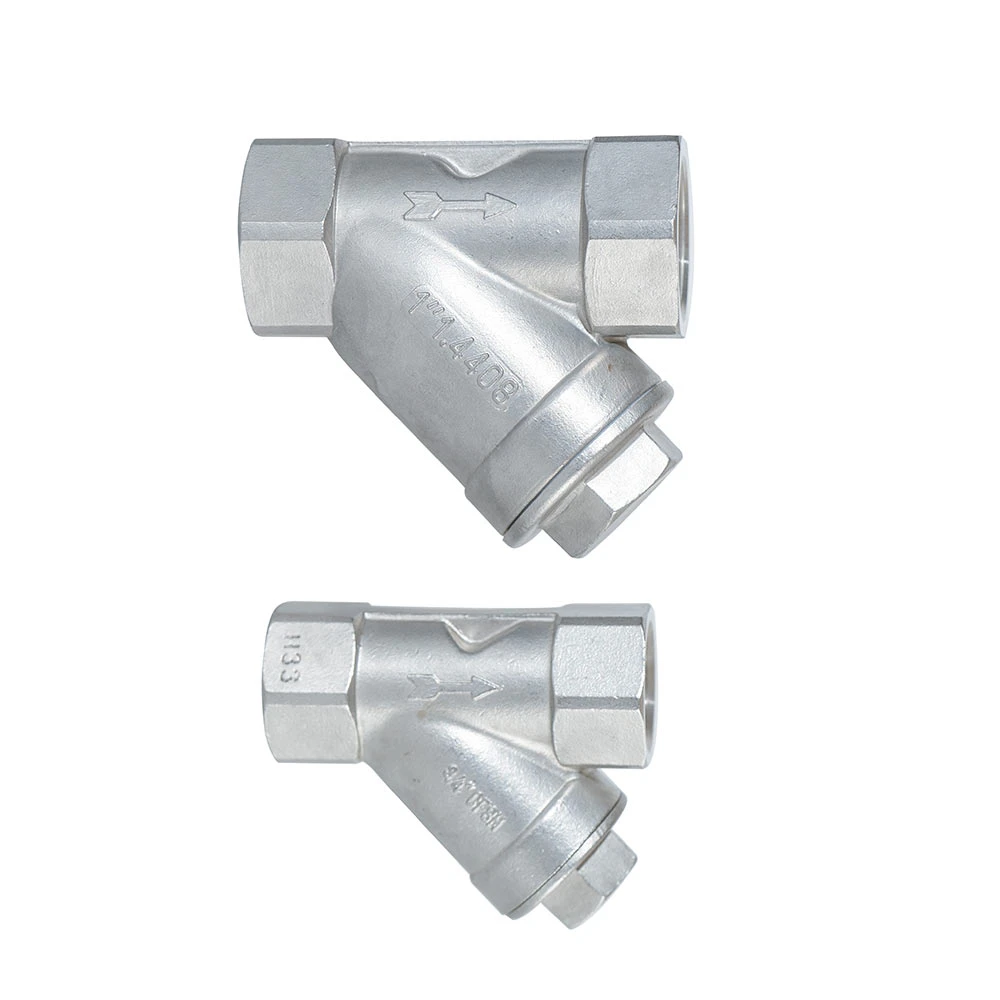
In real terms, a y strainer is essentially designed to capture debris within piping systems — think dirt, weld scale, rust flakes — stuff that can damage delicate equipment downstream, such as pumps, valves, or meters. The “3/4 inch” part obviously refers to the diameter of the inlet and outlet ports, making it ideal for smaller pipes common in HVAC, water treatment, and light industrial applications.
Oddly enough, despite being a relatively simple device, the design is quite clever. The “Y” shape isn’t just for looks. It ensures that the flow divides cleanly, directing fluid around the mesh filter element while still allowing for easy removal and cleaning of trapped particles. Many engineers will tell you that the strainer’s ability to be serviced without removing it from the pipe is a huge practical advantage — downtime gets limited, and that always saves money.
Product Specifications Snapshot
| Specification | Detail |
|---|---|
| Nominal Size | 3/4 Inch (20 mm) |
| Material | Stainless Steel 304 / Carbon Steel |
| Connection Type | Threaded or Flanged |
| Maximum Pressure | 16 bar (232 psi) |
| Max. Temperature | 220°C (428°F) |
| Mesh Size | 40–100 Mesh (customizable) |
Material choices usually boil down to the application environment. Stainless steel versions resist corrosion in more demanding chemical or food-grade systems, while carbon steel variants suit general water or oil lines perfectly. I noticed many operators prefer the threaded connection for smaller pipes due to easier installation — but for vibration-prone pumps, flanged connections provide a more robust seal.
One anecdote that sticks with me: a client in the HVAC industry kept reporting pump failures. Turns out, their system lacked proper filtration. After we installed a few 3/4 inch y strainers at strategic points, their maintenance team reported significantly fewer clogging issues and longer equipment life — all without complex new parts or procedures.
Comparing Popular 3/4 Inch Y Strainer Vendors
| Vendor | Material Options | Connection Types | Price Range | Lead Time |
|---|---|---|---|---|
| Houde Valve | SS 304/316, Carbon Steel | Threaded, Flanged | $$$ | 1–3 weeks |
| BrandX | Carbon Steel only | Threaded only | $ | 2–4 weeks |
| ValvePro | SS 316 | Flanged only | $$$$ | 3–5 weeks |
When choosing a vendor, you want to consider not just price but also material certifications, lead time, and flexibility of configurations. In my experience, vendors like Houde Valve offer a balanced mix of quality and delivery times — which matters when you’re trying to keep a project on schedule.
One thing I always remind customers is to think about the mesh size relative to their application. Too coarse and you risk protecting equipment poorly; too fine and you end up causing pressure drops or more frequent cleanings. It’s a subtle balance. Thankfully, most manufacturers provide customization options to help dial it in.
Ultimately, the 3/4 inch y strainer remains a reliable, cost-effective solution for many fluid systems, especially where space is limited and downtime is costly. You won’t get dramatic tech bells and whistles here — just smart engineering doing its job quietly day after day.
So, if you’re looking to add or upgrade strainers in your piping network, I suggest giving this “little giant” a shot. The peace of mind from cleaner pipes and smoother operations is pretty compelling once you’ve lived through the frustrations of filter failures.
References:
- Industrial Valve Handbook, 4th Edition. (2018)
- Houde Valve Official Website: https://www.houdevalve.com
- Fluid System Maintenance Guides, ValvePro Technical Series (2021)