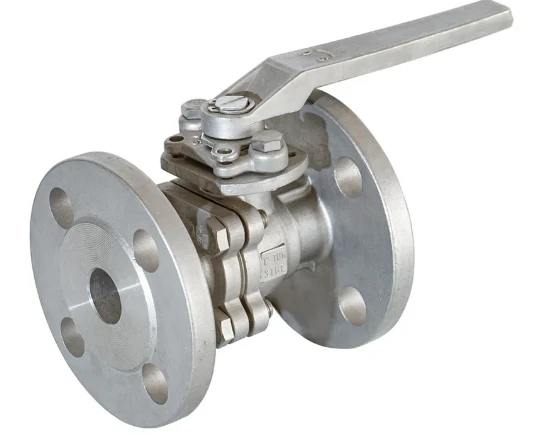
Understanding the 3 4 Strainer Valve: Practical Insights from Industry Experience
Having worked on industrial plants for over 15 years, I’ve become quite familiar with the humble yet vital 3 4 strainer valve. Oddly enough, it's often overlooked by many newcomers, but frankly, this valve plays a key role in keeping systems clean and efficient.
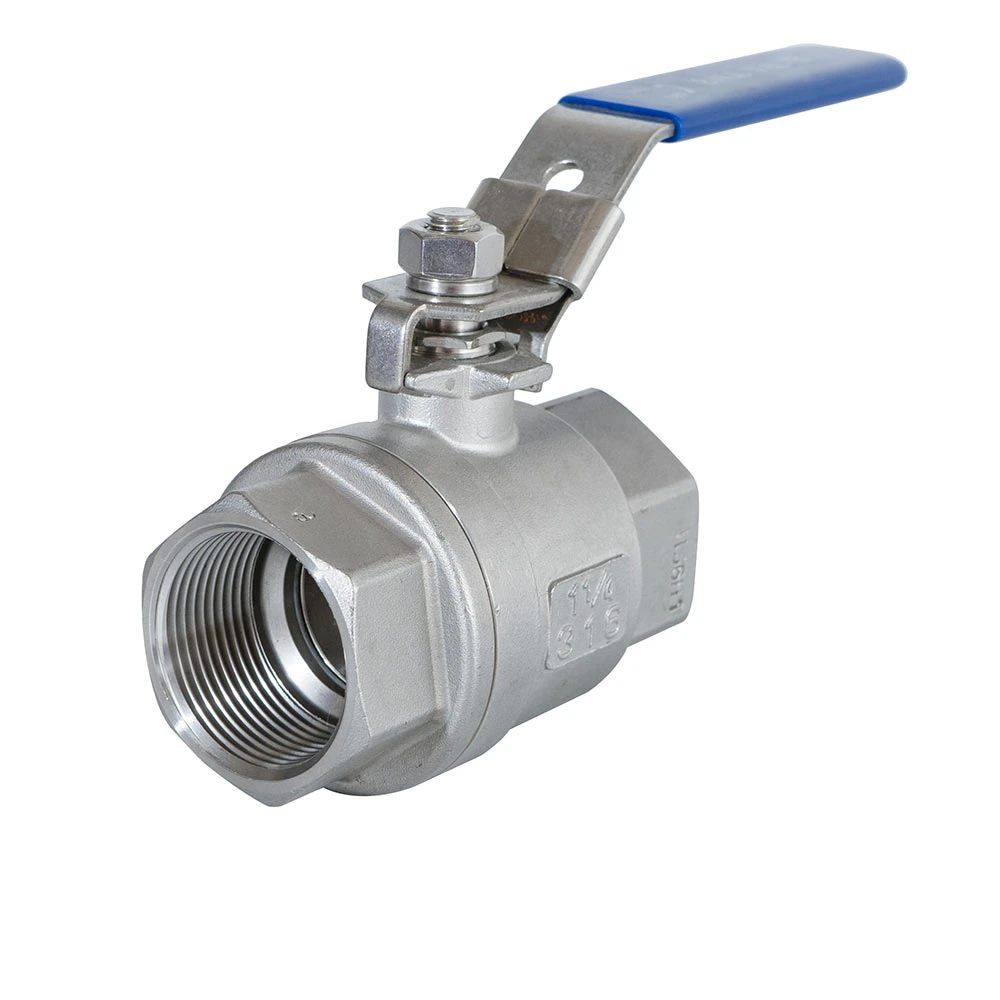
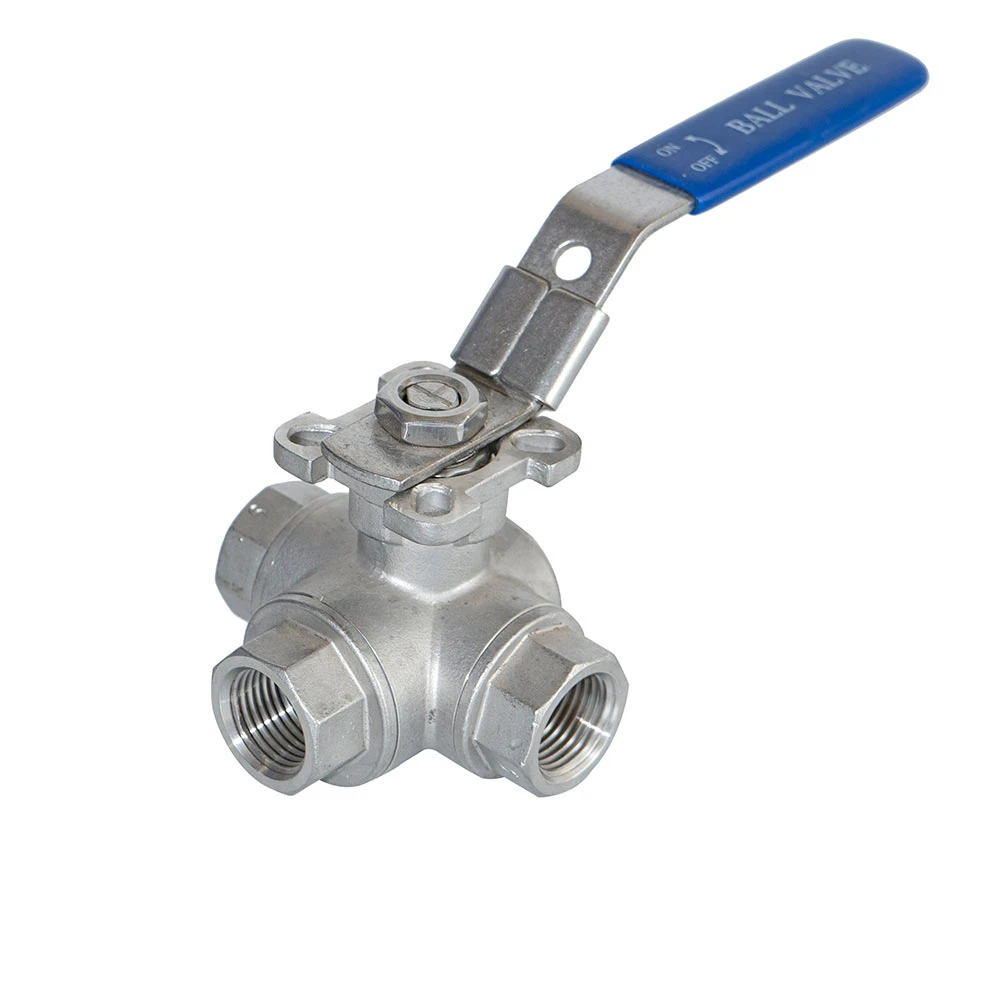
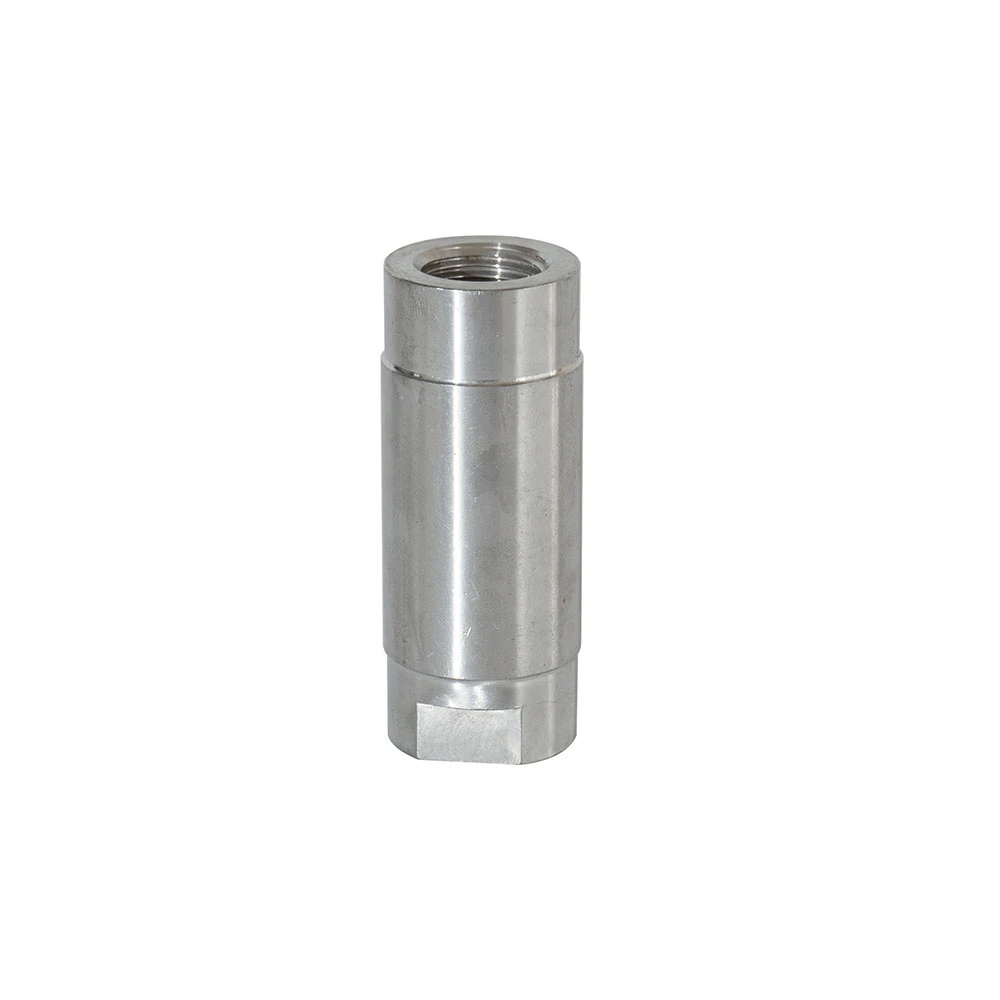
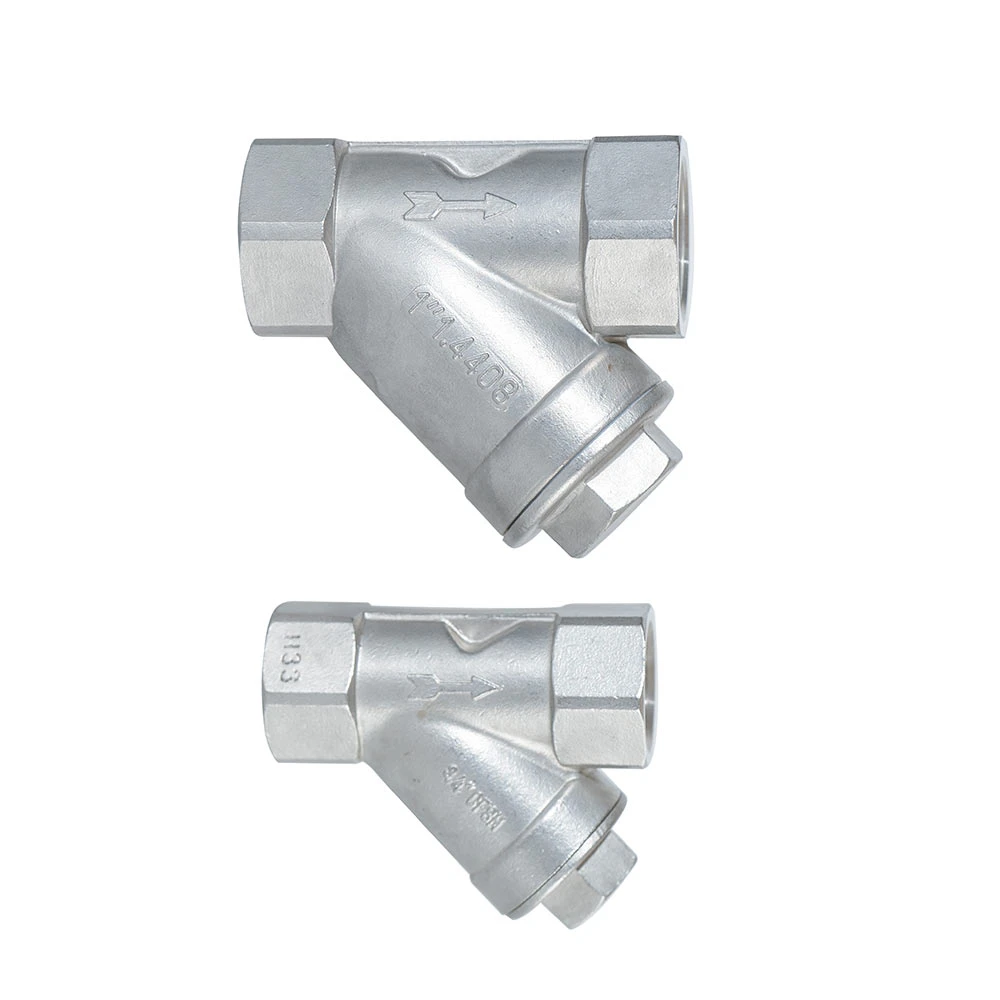
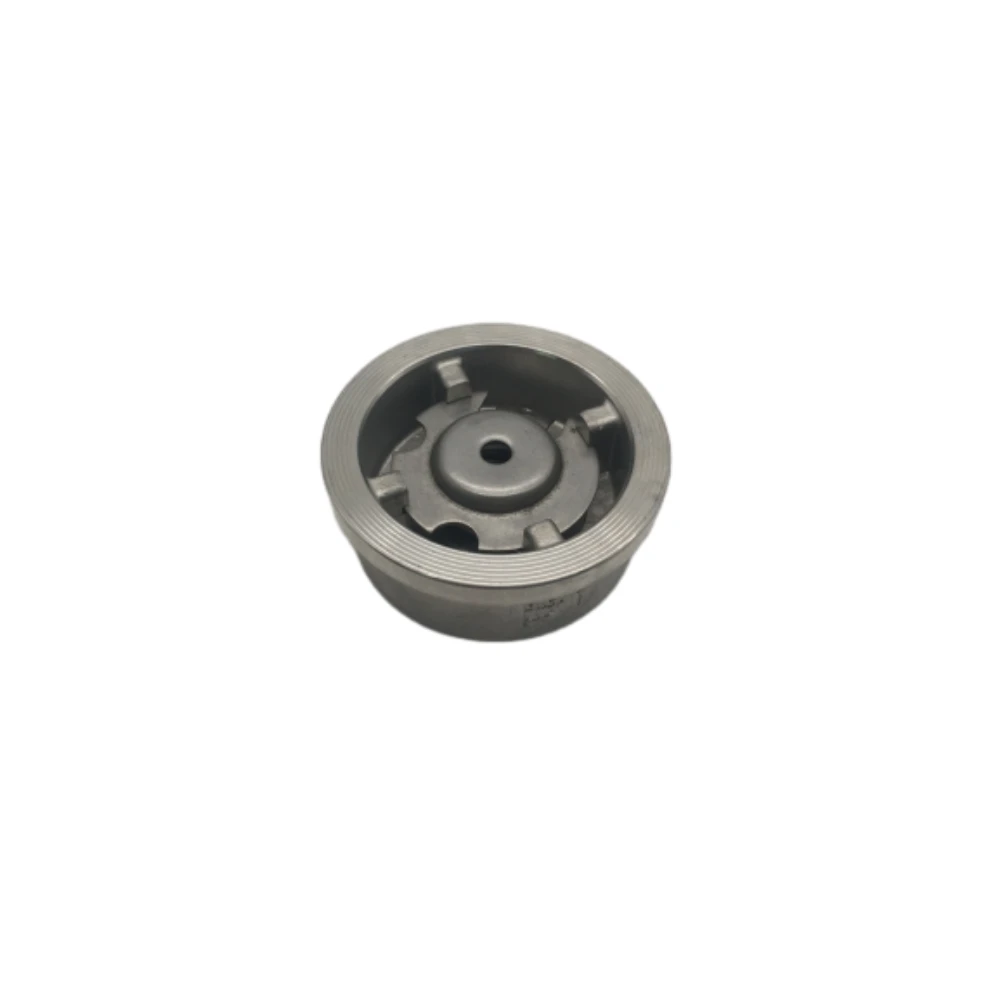
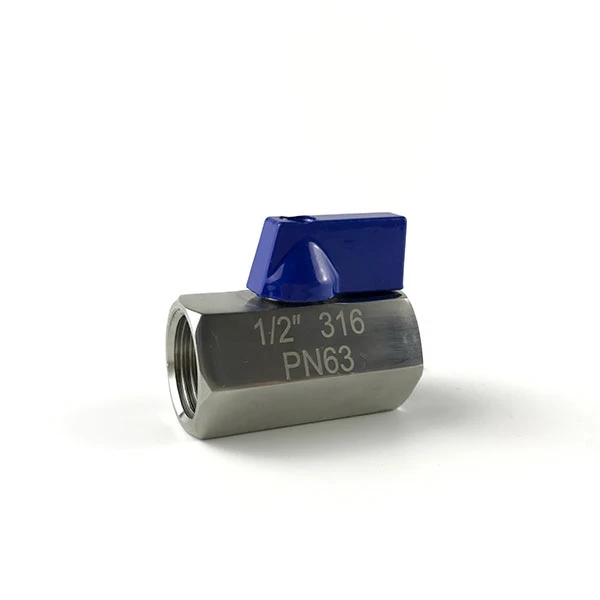
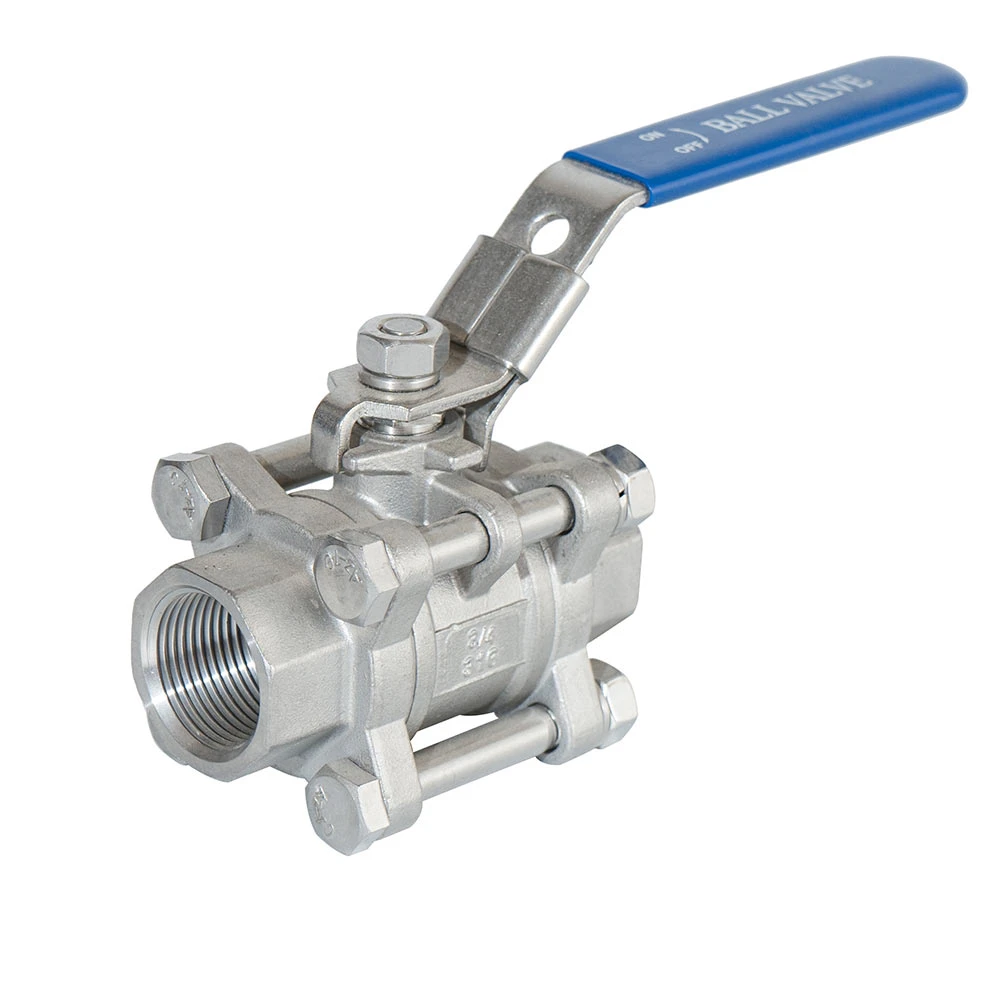
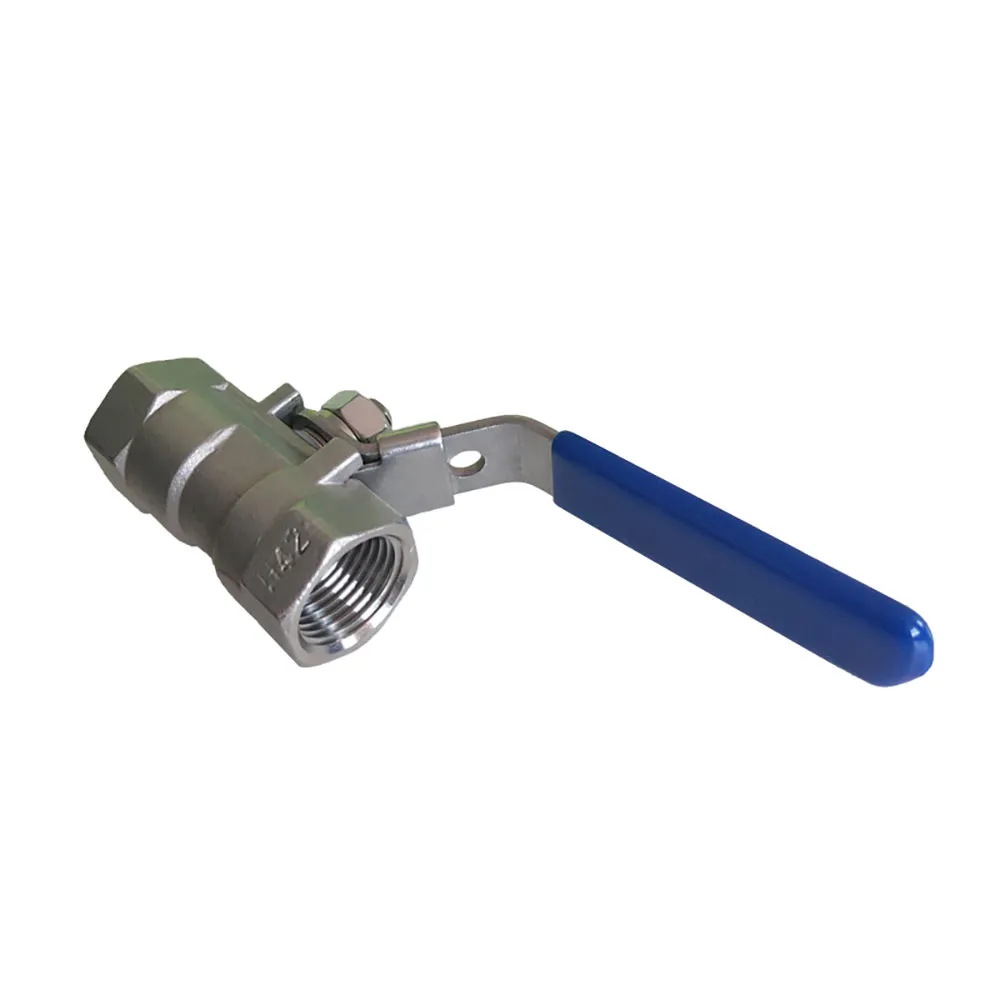
To start, what is a 3 4 strainer valve? In real terms, it's a pipeline valve with an integrated strainer designed to filter out debris and prevent damage downstream. Whether you’re running water, oil, or chemical lines, the strainer helps catch solids—think grit, rust, scale—before they cause headaches like erosion, clogging, or equipment failure. The “3 4” denotes the nominal pipe size, typically meaning ¾ inch, a common size that balances flow capacity with compactness.
I remember one project where an overlooked strainer valve led to a shutdown — a costly lesson. Since then, I've always emphasized selecting the right one and understanding how it fits into the bigger system.
Materials and Design Considerations
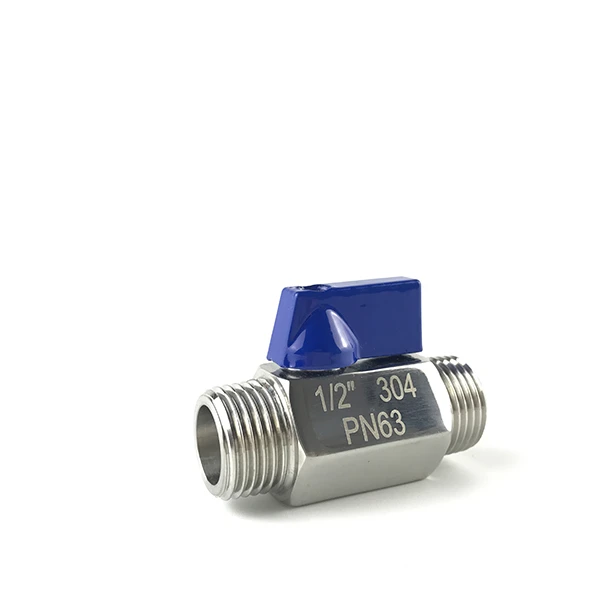
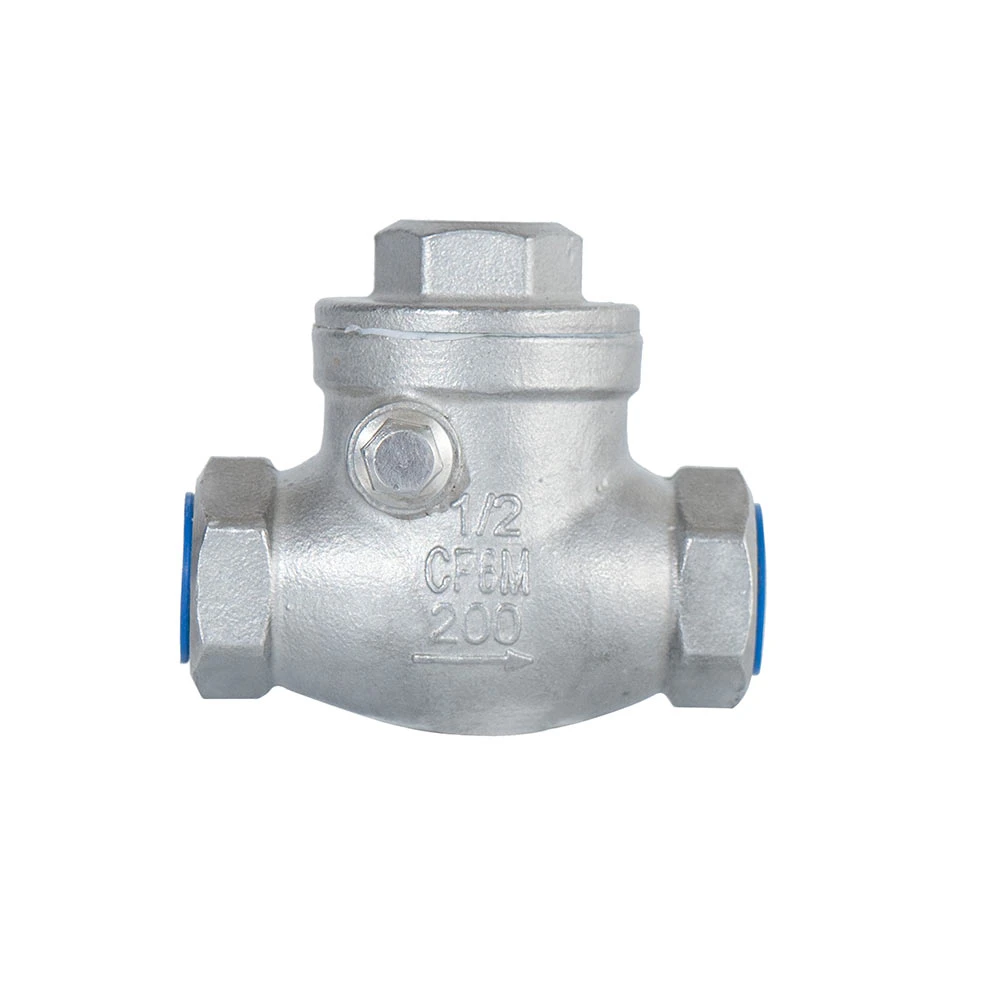
The design of these valves can be surprisingly varied. Most 3 4 strainer valves are crafted from durable materials like stainless steel (304 or 316), brass, or cast iron. Stainless steel is particularly prized for chemical resistance and longevity. In corrosive environments, it's just the way to go. You’ll also find different mesh sizes on the strainers themselves — the finer the mesh, the smaller particles it blocks, but at the cost of higher pressure drop and more frequent cleaning.
Speaking of cleaning, many valves offer a removable strainer basket for easy maintenance without dismantling the entire valve. This small feature saves countless hours in field servicing. You learn to appreciate that when you’re elbow-deep in the plant during turnaround.
| Specification | Details |
|---|---|
| Nominal Size | 3/4 inch (20mm) |
| Material | Stainless Steel 304/316, Brass, Cast Iron |
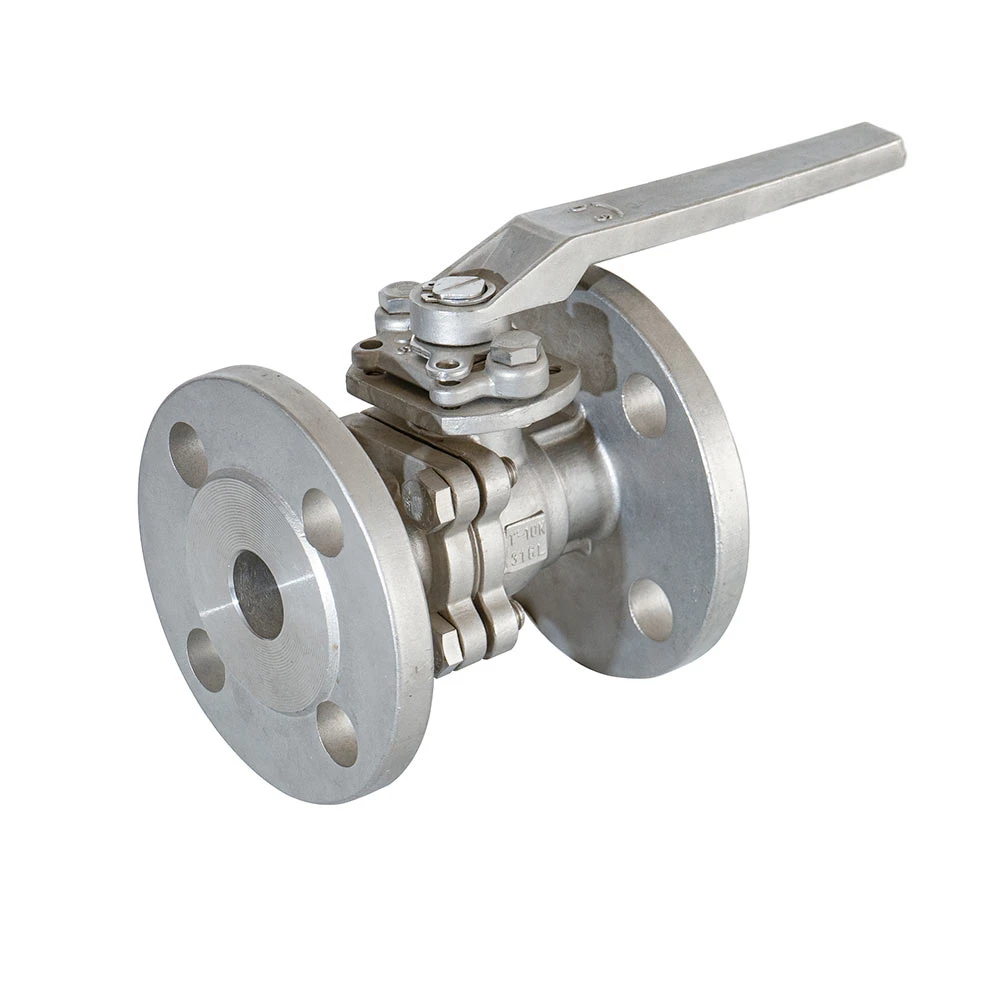
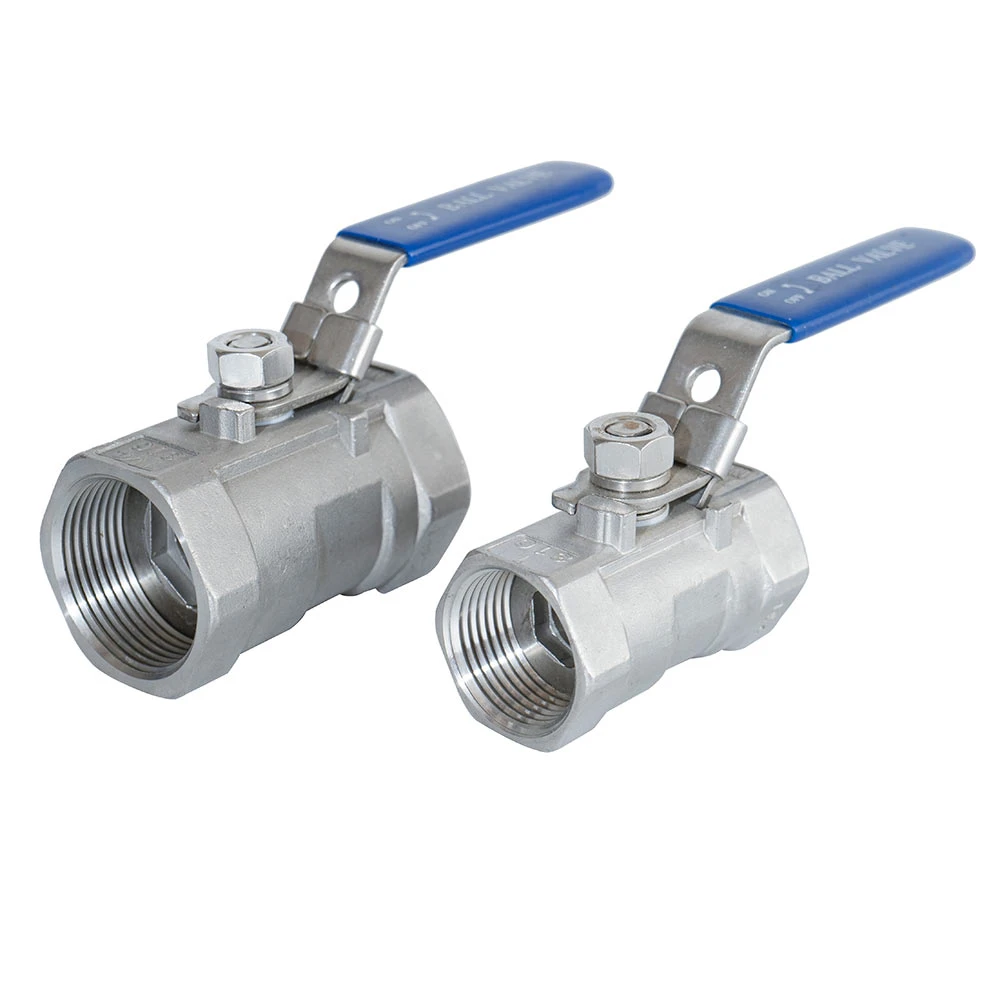
| Connection Type | Threaded, Flanged |
| Strainer Mesh Size | 20 to 100 mesh options |
| Pressure Rating | Up to 16 bar (230 psi) |
| Temperature Range | -20°C to 200°C (-4°F to 392°F) |
Choosing the Right Vendor: What to Look For
It’s not just about specs on paper though. In my experience, vendor reliability and support sometimes matter even more. I’ve dealt with a handful of suppliers who offered nearly identical valve specs but vastly different service levels.
| Vendor | Product Range | Material Quality | Support & Delivery | Custom Options |
|---|---|---|---|---|
| HoudeValve | Extensive (incl. 3/4 strainer valves) | High-grade stainless steel | Responsive; fast shipping | Yes, mesh & connections |
| ValveTech Inc. | Moderate selection | Standard stainless steel | Average; occasional delays | Limited |
| PipePro Solutions | Good, focus on custom | Varies, some cast iron options | Good, but pricier | Highly customizable |
For example, I’ve long recommended HoudeValve to clients when the specs require tough materials and quick turnaround. Their 3 4 strainer valves are particularly reliable, and in one instance, I noticed their attention to quality saved us from multiple unscheduled stops due to clogging.
Customization options also make a big difference. Some projects call for varying mesh sizes or special connection types — it’s nice when vendors can accommodate that without adding weeks to the lead time.
Final Thoughts: Why Strainer Valves Matter More Than You Think
Honestly, it feels like such a small component, but a well-chosen 3 4 strainer valve quietly improves uptime and protects expensive gear. It’s a bit like a gatekeeper — keeping contaminants at bay so pumps and meters run smoothly. Many engineers I’ve talked with say the same: paying attention to strainers upfront saves a lot of headaches downstream.
So next time you’re specifying valves, don’t overlook the strainer option. Take a moment to understand your flow conditions, debris risk, and maintenance access. I suppose that’s what experience teaches you — that even small details can have big impacts.
Thanks for reading—and if you want to explore some reliable choices, consider checking out HoudeValve's offerings. It’s been a go-to in our field for years.
— John M., Industrial Equipment Specialist
References:
- Industrial Valve Handbook, 4th Edition, Valve Manufacturers Association
- Material Compatibility Guide, Stainless Steel Producers Association
- Personal experience working in chemical and water processing plants, 2007–2023