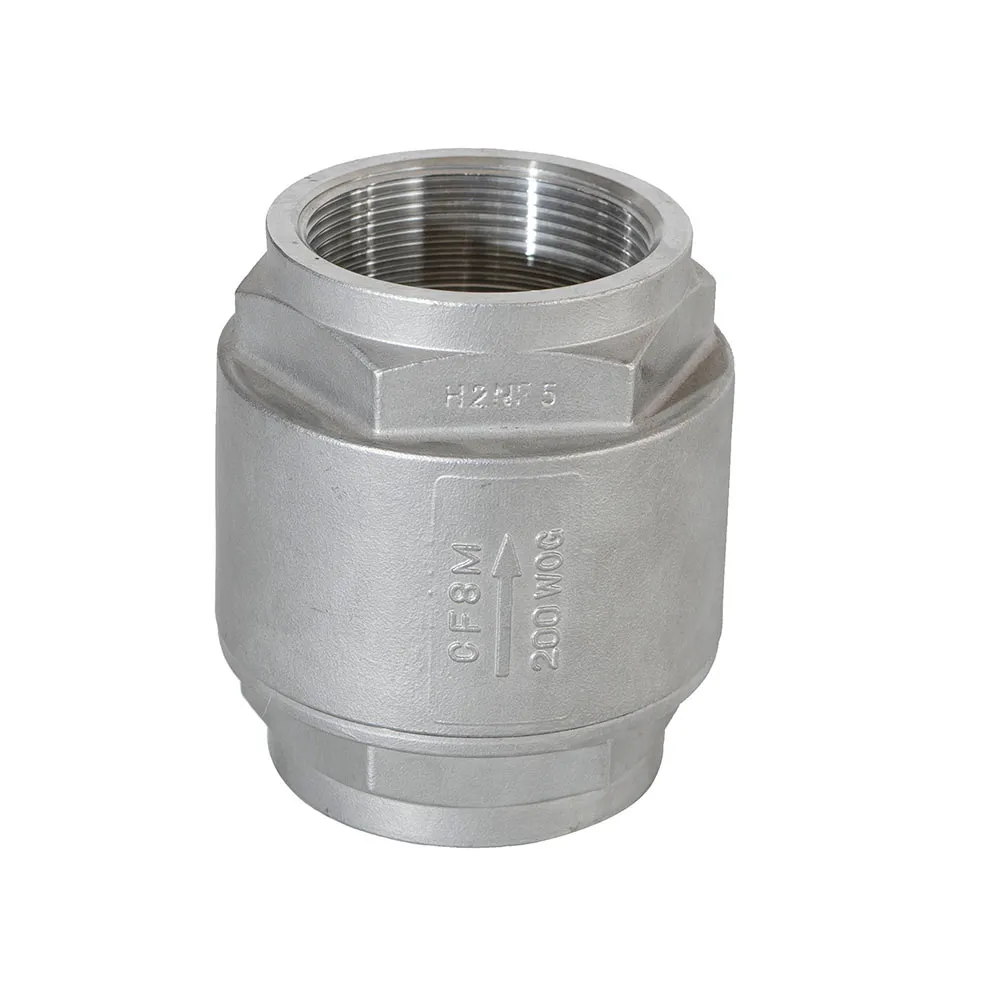
Understanding Y Check Valves in Industrial Applications
In critical industrial fluid control systems, the integrity and efficiency of components are paramount. Among these, y check valves stand out as essential devices designed to prevent backflow, protect sensitive equipment, and maintain unidirectional flow. Specifically, the Y Spring Vertical Check Valve, a prominent example of a check valve y type, offers distinct advantages in various demanding environments. This article delves into the intricate details of these valves, covering their manufacturing, technical specifications, diverse applications, and the critical considerations for their selection and implementation in B2B contexts. We will explore how a y type check valve contributes to operational reliability and safety across numerous industries.
Manufacturing Process: Precision and Durability
The manufacturing of high-performance y check valves is a meticulous process that emphasizes precision engineering, robust material selection, and rigorous quality control. The goal is to produce a valve capable of enduring harsh industrial conditions, ensuring a long service life and reliable operation.
Materials and Fabrication Techniques:
The selection of materials is critical for the performance and longevity of a check valve y type. Common materials include:
- Carbon Steel (e.g., ASTM A216 WCB, A105): Ideal for general industrial applications where high strength and good weldability are required, particularly in non-corrosive environments.
- Stainless Steel (e.g., ASTM A351 CF8, CF8M; A182 F304, F316): Offers excellent corrosion resistance and is suitable for a wide range of chemical and petrochemical processes, especially with corrosive media. CF8M (316 SS equivalent) is particularly prized for its resistance to pitting and crevice corrosion.
- Duplex & Super Duplex Stainless Steel (e.g., ASTM A995 CD3MN, CD4MCu): Chosen for highly corrosive applications requiring superior strength and resistance to stress corrosion cracking, common in offshore oil & gas and desalination plants.
- Alloy Steels (e.g., ASTM A217 WC6, WC9, C5): Used for high-temperature and high-pressure services in power generation and refining.
- Bronze/Brass (e.g., ASTM B61, B62): Typically for water, steam, and non-corrosive services at moderate temperatures and pressures.
Manufacturing processes generally follow these key stages:
- Design & Engineering: Utilizing CAD/CAE software for precise design, finite element analysis (FEA) to predict performance under stress, and flow dynamics simulation to optimize the Y-pattern for minimal pressure drop.
- Material Sourcing & Inspection: Raw materials undergo stringent chemical composition and mechanical property tests to ensure compliance with international standards (e.g., ASTM, EN).
- Casting or Forging: The valve body and bonnet are typically produced through casting for complex shapes or forging for superior strength and density, especially for high-pressure applications. Advanced foundries employ techniques like investment casting for intricate details and improved surface finish.
- CNC Machining: Precision machining is applied to critical components such as the seat, disc, spring guide, and stem to achieve tight tolerances, ensuring optimal sealing and smooth operation. This step is vital for the spring-loaded mechanism characteristic of the Y Spring Vertical Check Valve.
- Assembly: Components are carefully assembled in a clean environment, including the spring, disc, stem, gasket, and bonnet. Proper alignment and torqueing are essential.
- Welding (if applicable): For certain designs or larger sizes, welding might be used for permanent joints, following codes like ASME Section IX.
- Surface Treatment: Depending on the material and application, processes like passivation (for stainless steel), sandblasting, or protective coating/painting are applied.
Testing and Quality Assurance:
Adherence to international testing standards is non-negotiable for y check valves. Key standards include:
- ISO 15761: Steel gate, globe, and check valves for the petroleum and natural gas industries.
- ANSI/ASME B16.34: Valves—Flanged, Threaded, and Welding End, dictating design, material, pressure-temperature ratings.
- API 594: Check Valves: Flanged, Wafer, Lug, and Butt-welding Ends, specifically for check valve design.
- MSS SP-61: Pressure Testing of Steel Valves.
- NACE MR0175 / ISO 15156: For materials used in H2S-containing environments in oil and gas production.
Testing protocols include:
- Hydrostatic Testing: To verify the pressure-retaining capability of the valve body and seat closure.
- Pneumatic Testing: For low-pressure leak detection, often specified for critical services.
- Non-Destructive Testing (NDT): Radiographic Testing (RT), Ultrasonic Testing (UT), Liquid Penetrant Testing (PT), and Magnetic Particle Testing (MT) are employed to detect internal or surface flaws in castings/forgings.
- Functional Testing: Verifying the disc movement, spring action, and closure mechanism.
Service Life and Target Industries:
The typical service life of a well-manufactured y check valve can range from 10 to 30 years, depending heavily on the operating conditions (pressure, temperature, media corrosivity, cycling frequency), material selection, and adherence to maintenance schedules.
These valves are indispensable across a broad spectrum of target industries, including:
- Petrochemical & Oil & Gas: For preventing backflow in processing units, pipelines, and storage facilities, often handling highly corrosive and volatile media.
- Power Generation: In steam lines, boiler feedwater systems, and cooling water circuits.
- Water Supply & Drainage: Ensuring unidirectional flow in municipal water treatment plants, pumping stations, and irrigation systems.
- Chemical Processing: Handling aggressive chemicals where material compatibility and reliable sealing are paramount.
- Pharmaceutical & Food & Beverage: Requiring hygienic designs and materials (e.g., polished stainless steel) to prevent contamination.
- HVAC: In hot and chilled water loops to prevent flow reversal.
- Mining & Metallurgy: For slurry transport and process water lines under abrasive conditions.
Key Advantages in Application Scenarios:
- Energy Saving: The Y-pattern design minimizes pressure drop across the valve, reducing pumping costs and improving overall system efficiency. This is particularly noticeable in high-flow systems where even minor pressure losses can accumulate into significant energy expenditure.
- Corrosion Resistance: With the right material selection (e.g., Duplex Stainless Steel or exotic alloys), y check valves offer superior resistance to aggressive chemicals, extending operational life and reducing replacement frequency in corrosive environments.
- Reliable Backflow Prevention: The spring-loaded disc ensures quick, positive closure, effectively preventing water hammer and protecting upstream equipment from reverse flow damage. This is critical for pump protection.
- Vertical Flow Optimization: While adaptable, Y Spring Vertical Check Valves excel in vertical pipe runs where gravity aids in closing the disc, leading to enhanced reliability compared to swing check valves in vertical applications.
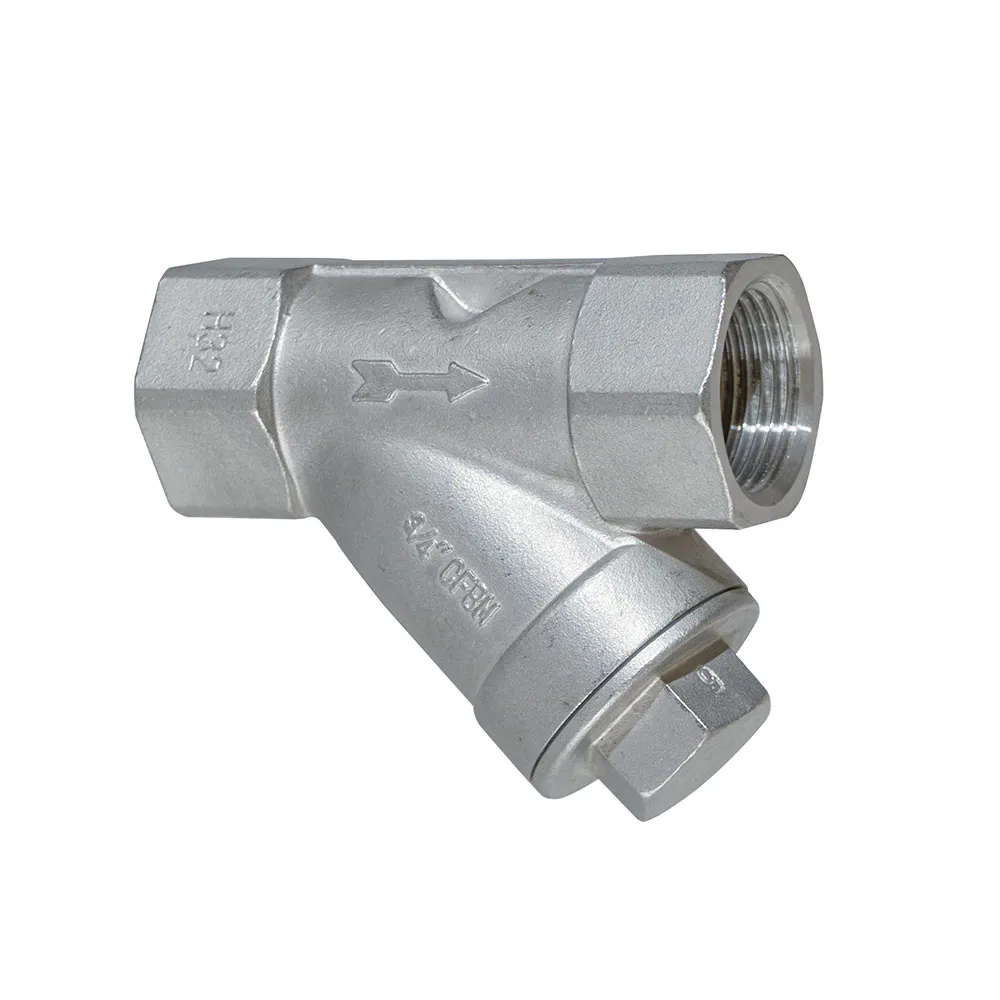
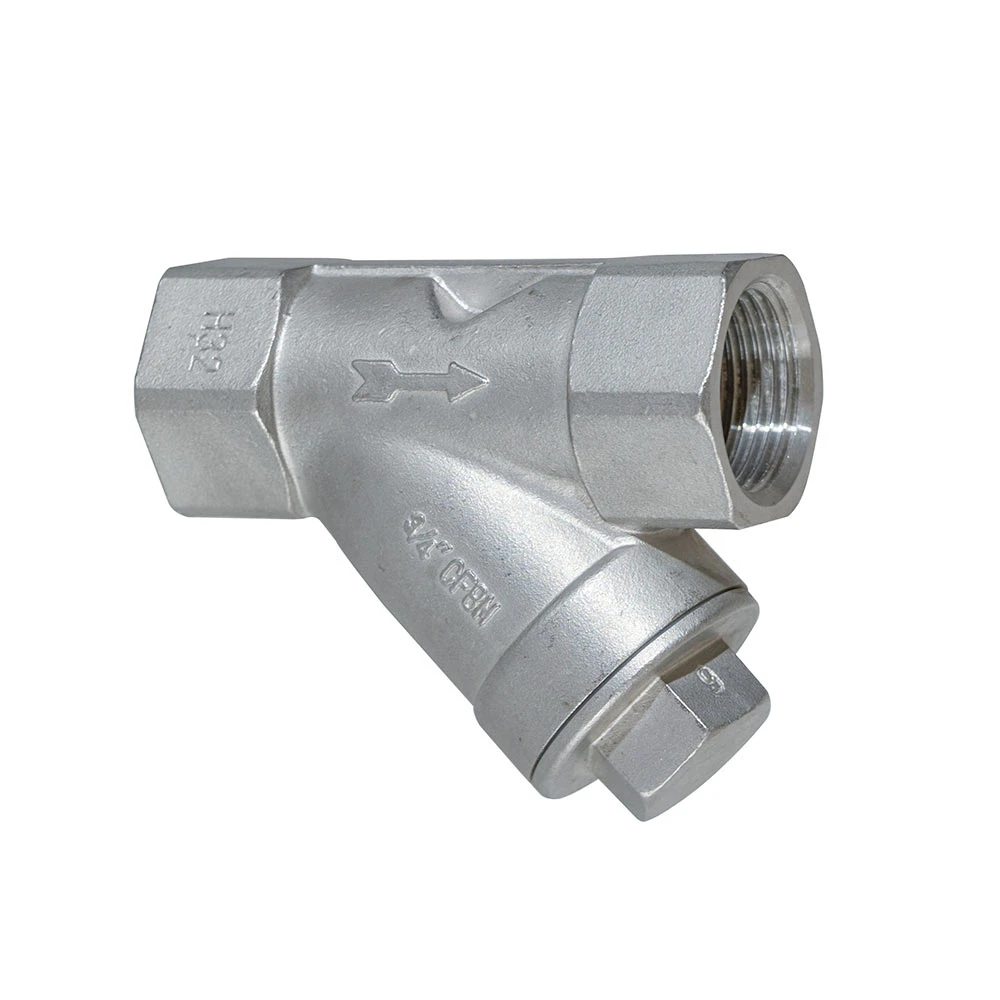
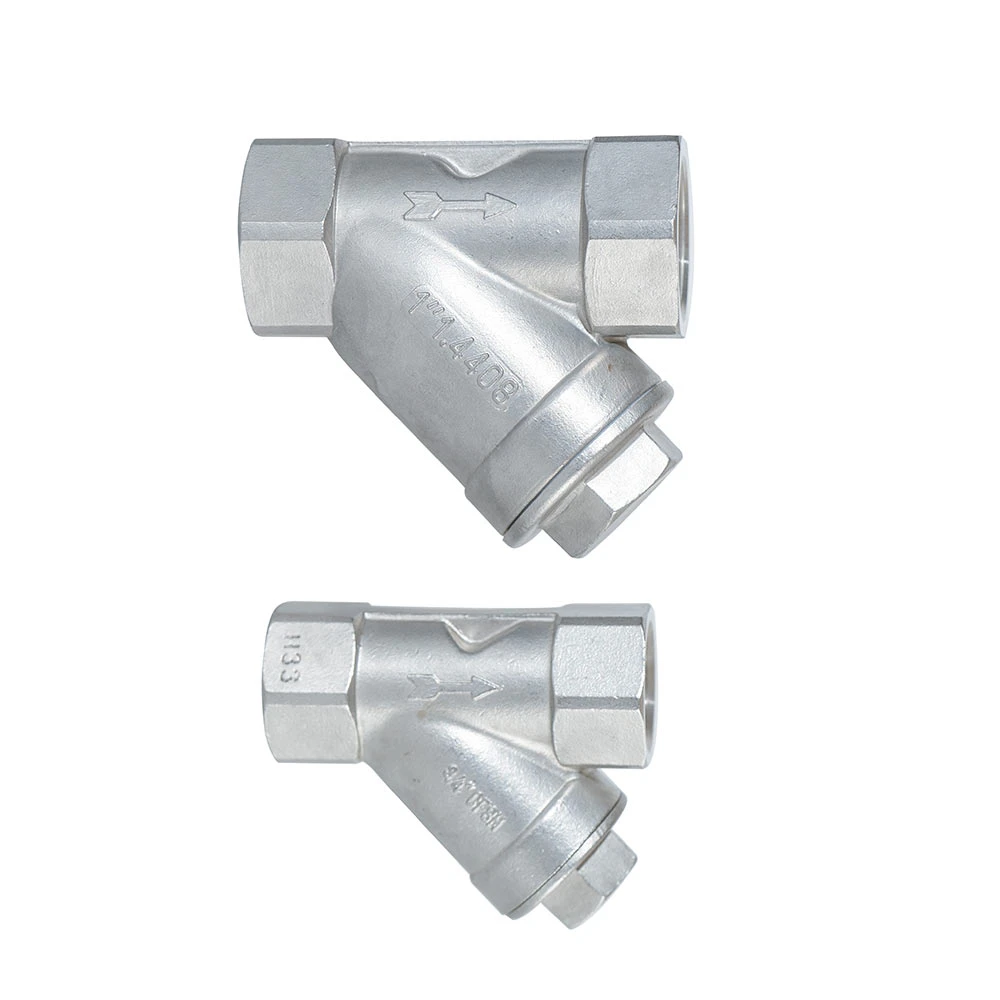
Figure 1: Cross-section of a Y Spring Vertical Check Valve, highlighting the streamlined flow path.
Technical Specifications and Parameters
Understanding the detailed technical parameters of y check valves is crucial for engineers and procurement specialists to ensure optimal system performance and compliance with project requirements.
Key Parameters Explained:
- Nominal Diameter (DN/NPS): Specifies the pipe size the valve is designed for, ranging from DN15 (NPS 1/2") up to DN600 (NPS 24") and beyond for large-scale industrial applications.
- Pressure Rating (PN/Class): Indicates the maximum working pressure the valve can safely withstand at a given temperature. Common ratings include PN16, PN25, PN40 (equivalent to Class 150, 300, 600) up to PN400 (Class 2500) for high-pressure systems.
- Material Grades: As discussed, selected based on fluid compatibility, temperature, and pressure requirements. Specific grades ensure the valve's integrity against corrosion, erosion, and mechanical stress.
- Connection Types:
- Flanged Ends (RF, RTJ): Most common, offering ease of installation and maintenance. RF (Raised Face) and RTJ (Ring Type Joint) are selected based on pressure and sealing requirements.
- Threaded Ends (NPT, BSPT): For smaller bore sizes, offering compact connections.
- Welded Ends (BW, SW): Butt Weld (BW) for high-pressure, high-temperature, and permanent installations; Socket Weld (SW) for smaller sizes where leak integrity is critical.
- Operating Temperature Range: Defines the safe temperature limits for the valve, typically from -29°C to 425°C for standard materials, with cryogenic options extending to -196°C and high-temperature alloys exceeding 600°C.
- Applicable Media: Broadly includes water, oil, gas, steam, and various corrosive fluids. Specific media compatibility must be verified with material choice.
- Design Standards: Adherence to standards like ASME B16.34, API 6D, BS 1868 ensures interchangeability, reliability, and safety.
Y Spring Vertical Check Valve - Typical Specifications:
| Parameter | Range/Value | Relevant Standard |
|---|---|---|
| Nominal Size (DN/NPS) | DN15 - DN600 (NPS 1/2" - 24") | ASME B16.10 |
| Pressure Class (PN/Class) | PN16 - PN400 (Class 150 - 2500) | ASME B16.34 |
| Body Materials | WCB, LCC, CF8, CF8M, CF3, CF3M, CD4MCu, Bronze, Hastelloy, Monel | ASTM A216, A351, A995, B61, B564 |
| Trim Materials (Disc, Seat, Stem) | 13Cr, SS304, SS316, Stellite overlay, Monel, Duplex | API 600, API 602 |
| End Connections | Flanged (RF, RTJ), BW, SW, Threaded (NPT, BSPT) | ASME B16.5, B16.25, B1.20.1 |
| Operating Temperature | -196°C to +650°C (depending on materials) | ASME B16.34 |
| Design & Manufacture | API 594, ASME B16.34, BS 1868 | Industry Standards |
| Test & Inspection | API 598, MSS SP-61, ISO 5208 | Industry Standards |
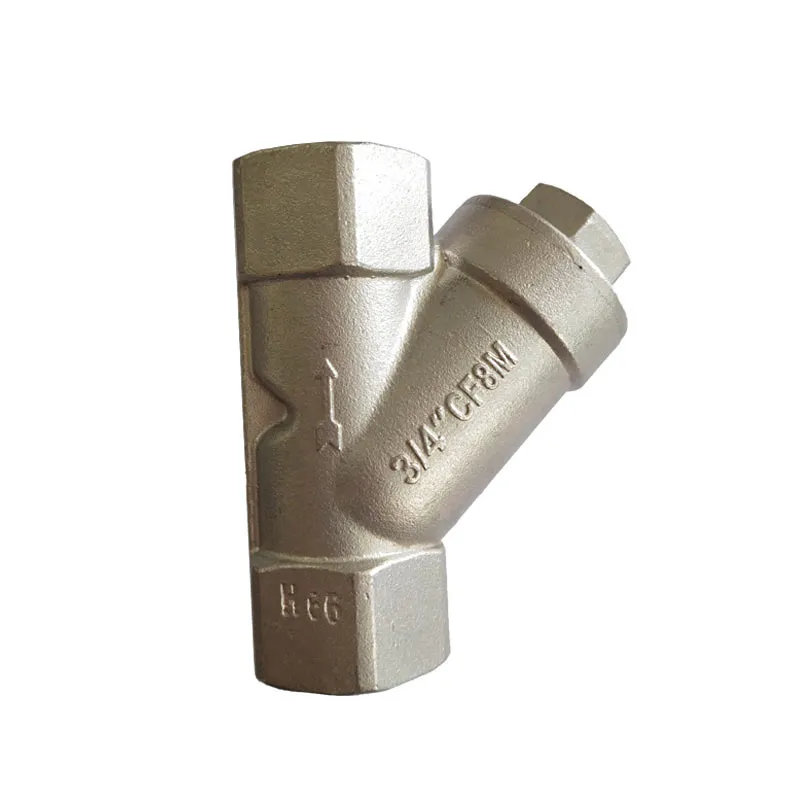
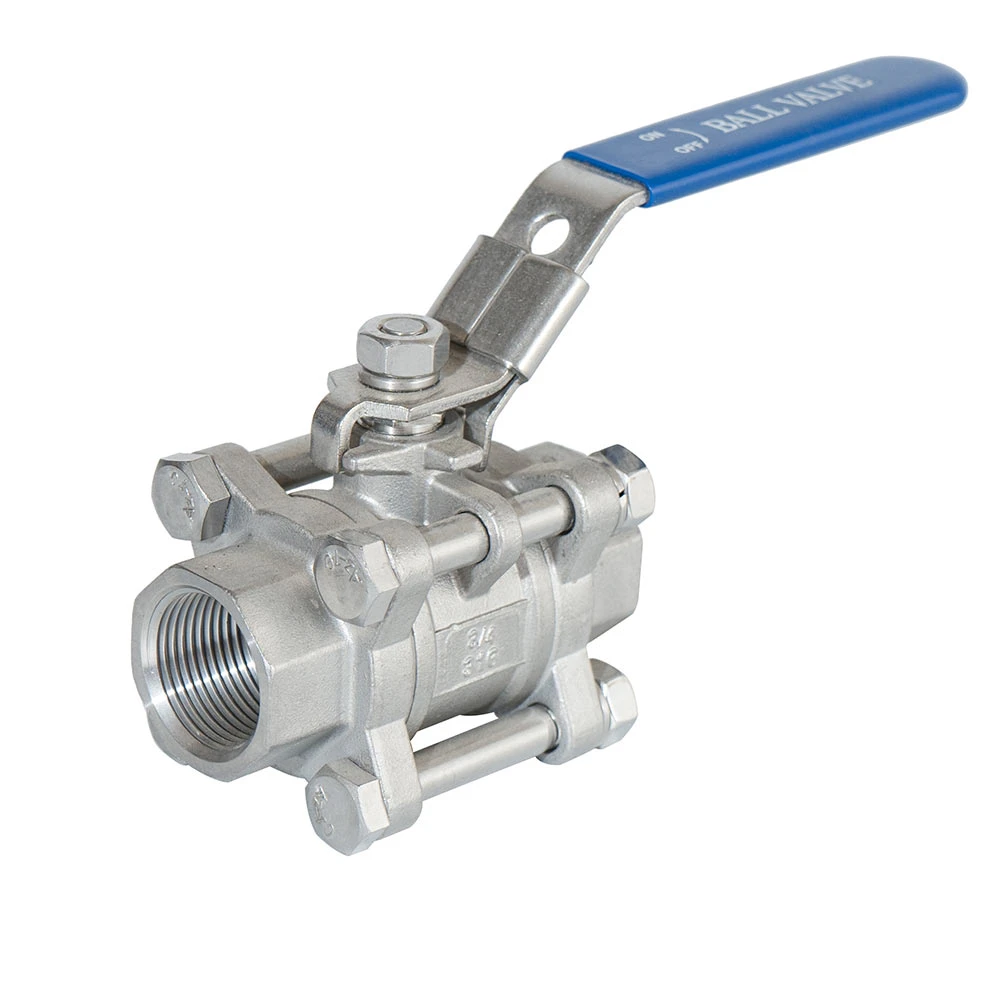
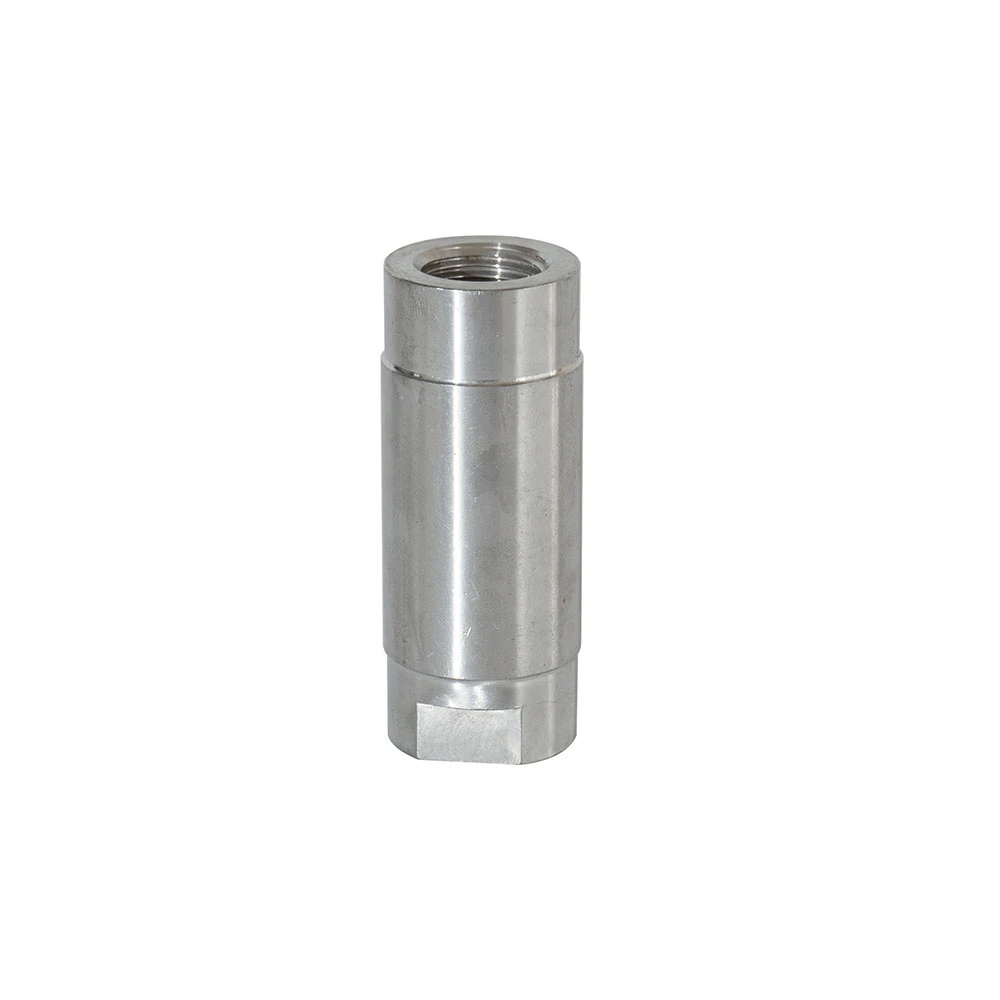
Figure 2: A Y Spring Vertical Check Valve ready for installation.
Industry Trends and Innovations in Check Valve Technology
The industrial valve market is dynamic, with continuous innovation driven by evolving operational demands, stricter environmental regulations, and advancements in materials science and digital technology. For y check valves, several key trends are shaping their development and application:
- Smart Valve Technology & IoT Integration: The integration of sensors for real-time monitoring of valve status (open/closed, leakage, pressure drop, temperature) is gaining traction. This allows for predictive maintenance, optimized operational efficiency, and enhanced safety by providing immediate data to control systems, moving towards Industry 4.0.
- Advanced Materials for Extreme Conditions: The demand for valves capable of operating under increasingly severe conditions – ultra-high pressures, cryogenic temperatures, highly corrosive or abrasive media – is driving the adoption of exotic alloys (e.g., Hastelloy, Inconel, Titanium) and ceramic linings.
- Energy Efficiency and Reduced Pressure Drop: Manufacturers are continuously refining valve designs, particularly the internal geometry of the Y-pattern, to minimize pressure drop and turbulence. This directly translates to lower energy consumption for pumps and compressors, a significant advantage in energy-intensive industries.
- Compact and Lightweight Designs: Space constraints in modern industrial facilities and offshore platforms necessitate more compact and lighter valve designs without compromising performance or reliability. This is leading to optimized body designs and the use of high-strength-to-weight ratio materials.
- Enhanced Safety and Environmental Compliance: With stricter environmental regulations (e.g., fugitive emissions standards like ISO 15848-1, API 624/641), there's a growing emphasis on valves with superior stem sealing and body joint integrity to prevent leakage of hazardous or greenhouse gases.
- Modularity and Customization: While standard designs are prevalent, there's a growing trend towards modular designs that allow for easier customization of end connections, trim materials, spring constants, and additional features like dashpots for controlled closure, catering to very specific application requirements.
Application Scenarios and Case Studies
The versatility and reliability of Y Spring Vertical Check Valves make them suitable for a myriad of applications where precise control over fluid direction is paramount. Their design excels particularly in vertical flow lines.
Typical Application Scenarios:
- Pump Discharge Lines: Essential for protecting centrifugal and positive displacement pumps from damage caused by back pressure or reverse flow when the pump shuts down or loses power. The swift closure prevents pressure surges and water hammer.
- Boiler Feedwater Systems: Ensuring water flows unidirectionally into boilers, preventing steam or hot water from flowing back into the feedwater pumps or deaerators.
- Chemical Injection Systems: Maintaining precise dosing by preventing chemical backflow, which could contaminate source tanks or damage injection pumps.
- Oil & Gas Upstream and Midstream: In crude oil and natural gas pipelines, especially in vertical risers or sections where gravity could induce backflow, safeguarding compressors and other processing equipment.
- HVAC Systems: In heating and cooling loops to prevent thermal siphoning and ensure efficient circulation of fluids.
- Water Treatment Plants: In various stages of water purification and distribution, including raw water intake, filtration, and treated water pumping.
Application Case Studies:
Real-world applications demonstrate the tangible benefits of deploying quality y type check valve solutions:
Case Study 1: Petrochemical Processing Facility – Enhanced Safety and Uptime
A major petrochemical plant faced recurrent issues with swing check valves in a vertical overhead line transporting highly corrosive chlorinated hydrocarbons. The slow closure of the swing check valves led to frequent water hammer, damaging upstream pumps and causing unplanned shutdowns for maintenance, impacting production schedules.
- Solution: The plant replaced the problematic swing check valves with high-performance Y Spring Vertical Check Valves, constructed from Duplex Stainless Steel (CD4MCu) for enhanced corrosion resistance, and fitted with a specially designed spring for rapid, cushioned closure.
- Results: Over an 18-month operational period, the facility reported a complete elimination of water hammer incidents in that line. Pump life was extended by over 40%, and maintenance interventions related to check valve failure decreased by 90%. The plant achieved a 5% increase in operational uptime for that specific unit, translating to significant cost savings and improved safety. The streamlined flow path of the y check valves also contributed to a marginal reduction in pumping energy.
Case Study 2: Power Generation Plant – Optimized Boiler Feedwater Protection
A coal-fired power plant experienced occasional steam backflow into its high-pressure boiler feedwater pumps when a boiler tripped offline. The existing lift check valves sometimes failed to close quickly enough under fluctuating pressure conditions, leading to potential pump damage and system instability.
- Solution: The plant upgraded to PN250 Y Spring Vertical Check Valves with specialized internal dampening mechanisms, designed for rapid, controlled closure against high-velocity steam. The valves were made of A217 WC9 alloy steel, specified for high-temperature steam service.
- Results: Post-installation, the plant observed consistent and immediate closure of the y check valves upon pressure reversal, effectively preventing any further steam backflow into the pumps. This led to enhanced protection of expensive feedwater pumps, reducing wear and tear, and ensuring smoother system recovery after boiler trips. The plant engineer noted, "The positive closure action of these Y-type valves has significantly improved our system's resilience and reduced our concerns about pump integrity during unexpected shutdowns."
Technical Advantages of Y Check Valves
The Y-pattern design, particularly when combined with a spring-loaded disc, confers several distinct technical advantages over other check valve types, making the y type check valve a preferred choice for many demanding applications.
- Minimal Pressure Drop and Energy Efficiency: The angled Y-body design creates a relatively straight flow path when the valve is open. This minimizes turbulence and reduces head loss compared to traditional lift or swing check valves, which often involve more abrupt changes in flow direction. A lower pressure drop translates directly to reduced pumping costs and lower energy consumption throughout the system.
- Superior Sealing and Rapid Closure: The spring-loaded disc ensures quick, positive closure, especially in vertical installations where gravity assists the spring. This rapid response minimizes reverse flow velocity before closure, effectively mitigating water hammer and its destructive effects on piping and equipment. The robust seating mechanism provides a tight seal, crucial for preventing leakage.
- Versatile Installation Orientation: While Y Spring Vertical Check Valves are optimized for vertical lines, the Y-pattern design allows for greater flexibility in installation compared to conventional lift check valves (which typically require vertical installation) or swing check valves (which are often limited to horizontal lines or specific vertical up-flow configurations). The spring assist ensures reliable operation regardless of orientation, though vertical up-flow remains ideal for spring-loaded types.
- Reduced Clogging and Maintenance: The streamlined flow path of the Y-body minimizes areas where solids or debris can accumulate, making the valve less prone to clogging than some other designs. This characteristic, combined with the robust spring mechanism, leads to lower maintenance requirements and extended service intervals. Many Y-type designs also feature a bolted bonnet, allowing for easy access to internal components for inspection or repair without removing the valve body from the line.
- Robust Construction for Demanding Service: Y check valves are designed for severe service conditions, including high pressures, high temperatures, and corrosive media. Their ability to accommodate different seating materials (metal-to-metal or soft seats) and disc types (e.g., piston-type for high pressure) makes them highly adaptable.
- Compliance with Industry Standards: High-quality Y-pattern check valves are manufactured and tested to stringent international standards such as API 594, ASME B16.34, and BS 1868, ensuring reliability, safety, and interchangeability with other system components.
Vendor Comparison and Customized Solutions
Selecting the right supplier for y check valves is as crucial as selecting the valve itself. B2B decision-makers and engineers must evaluate vendors based on a comprehensive set of criteria to ensure long-term reliability, support, and value.
Key Vendor Selection Criteria:
| Criteria | Importance/Considerations |
|---|---|
| Quality Certifications | ISO 9001, API Monogram, CE (PED), ATEX. Essential for verifiable manufacturing quality and regulatory compliance. |
| Manufacturing Capabilities | In-house casting/forging, advanced CNC machining, integrated testing facilities. Indicates control over the entire production chain. |
| Material Traceability | Full traceability from raw material to finished product (MTRs, inspection reports). Crucial for critical applications and audits. |
| Testing Protocols | Adherence to API 598, MSS SP-61, ISO 5208; ability to perform NDT (RT, UT, PT, MT). Confirms leak tightness and structural integrity. |
| Experience & Reputation | Years in business, industry recognition, customer testimonials, successful project references. Reflects reliability and market standing. |
| Customization Options | Ability to tailor designs, materials, and features for specific application challenges. Essential for unique process requirements. |
| After-Sales Support | Technical assistance, spare parts availability, warranty, field service. Ensures continuous operation and problem resolution. |
| Lead Time & Logistics | Reliable delivery schedules, options for expedited orders, efficient global logistics. Impacts project timelines and inventory management. |
Customized Solutions for Unique Challenges:
While standard y check valves meet most industrial needs, many applications present unique challenges that necessitate tailored solutions. A reputable manufacturer, like Houde Valve, excels in providing customized options for their Y Spring Vertical Check Valve, ensuring optimal performance for even the most specialized requirements. These customizations can include:
- Exotic Material Combinations: For highly aggressive or abrasive media, combining body materials (e.g., Titanium, Zirconium) with specialized trim materials (e.g., Tungsten Carbide, ceramic-coated components) to extend service life.
- Specialized Spring Designs: Custom spring forces to achieve specific cracking pressures or to ensure faster/slower closure rates, often paired with dashpots for controlled deceleration of the disc to prevent shock.
- Advanced Seating Arrangements: Beyond standard metal-to-metal, options like resilient soft seats (e.g., PEEK, PTFE) for bubble-tight shutoff in gas services, or hard-faced (Stellite overlay) seats for abrasive and high-temperature services.
- Non-Standard End Connections: Custom flange facings, special welding preparations, or combinations of different connection types to integrate seamlessly into existing piping systems.
- Specific Testing and Documentation: For critical projects, additional NDT (e.g., 100% radiographic inspection), fugitive emissions testing, low-temperature impact testing, or specific cleanliness requirements.
- Cryogenic or High-Temperature Extensions: Extended bonnets for cryogenic service to keep packing glands away from extreme cold, or cooling fins for extremely high-temperature applications.
By collaborating with a manufacturer capable of delivering such bespoke solutions, businesses can ensure their check valve y type not only meets but exceeds performance expectations, contributing to greater operational efficiency and safety.
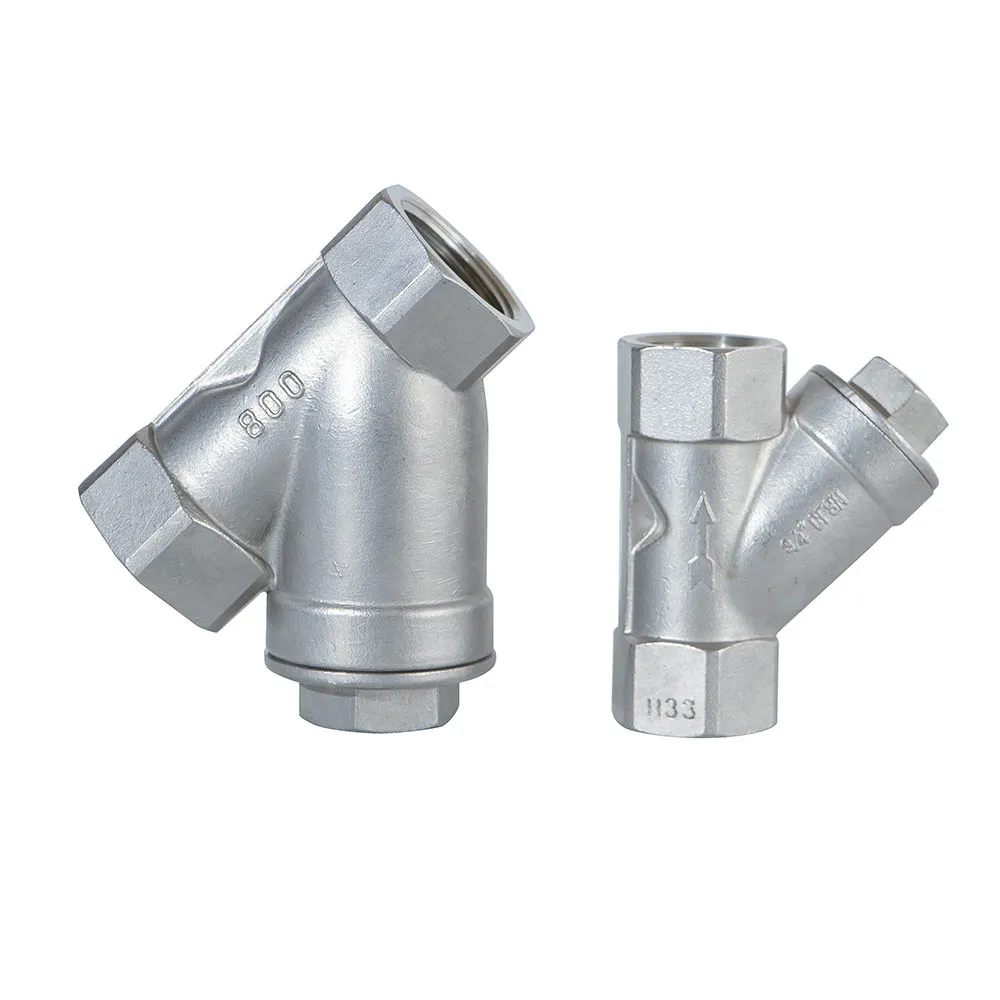
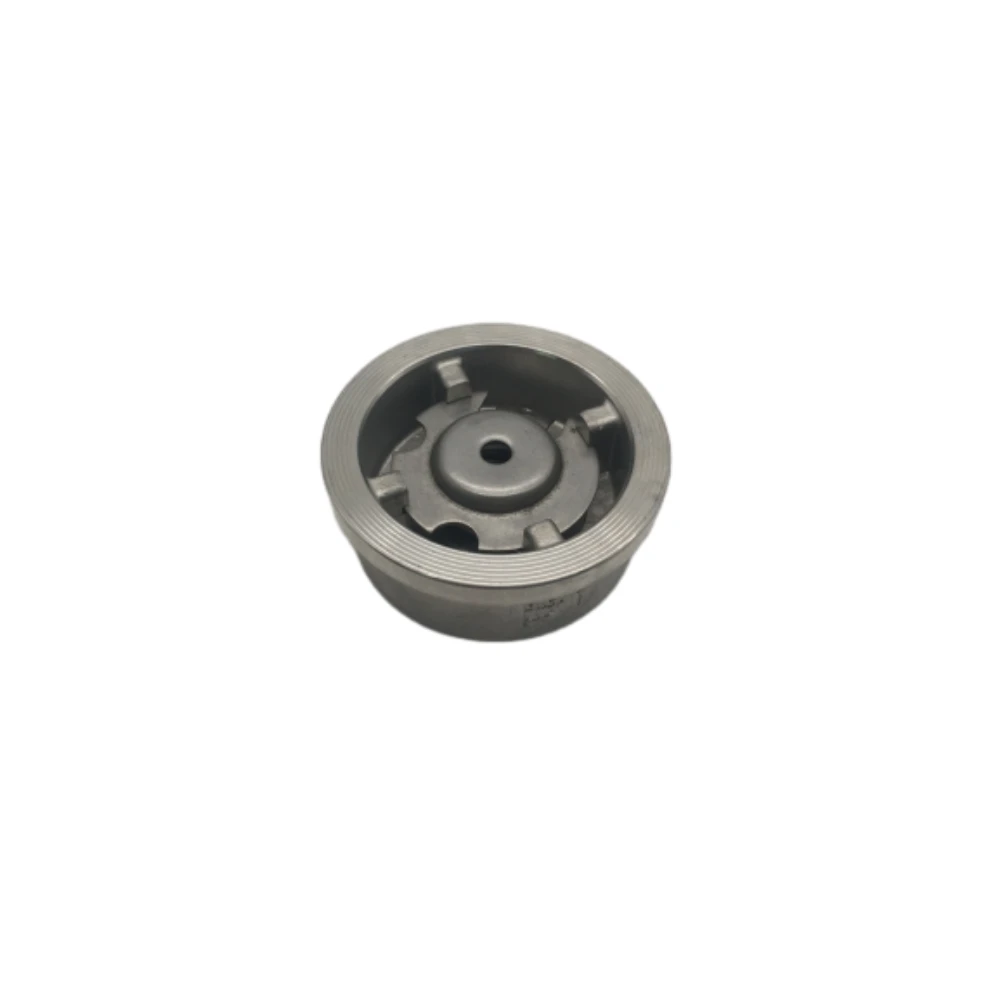
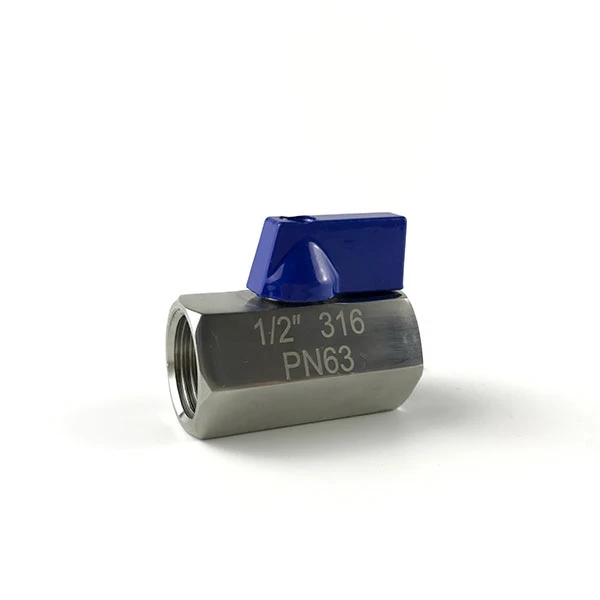
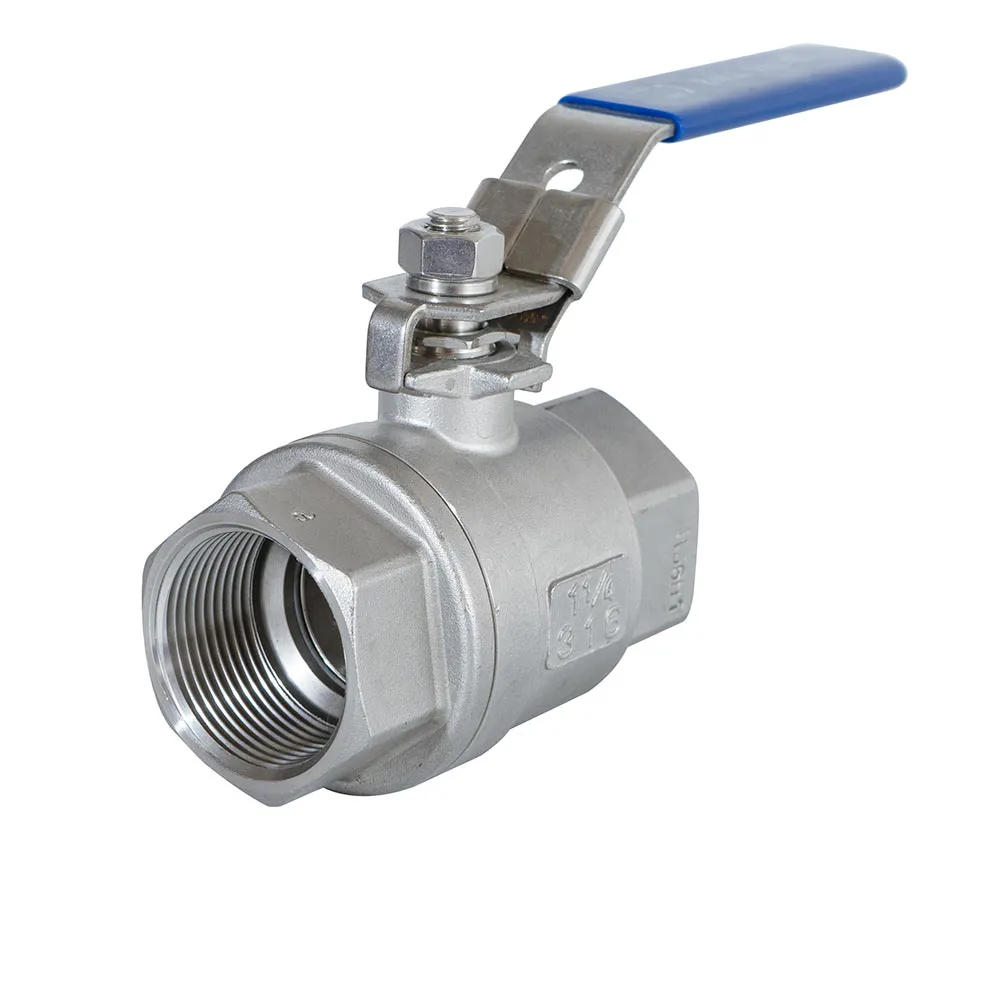
Figure 3: Detailed view of a Y Spring Vertical Check Valve component.
Trustworthiness: FAQ, Lead Time, Warranty, and Support
Building trust in B2B relationships is built on transparency, reliability, and comprehensive support. Addressing common queries, setting clear expectations for fulfillment, and offering robust after-sales services are crucial.
Frequently Asked Questions (FAQ) about Y Check Valves:
Q1: What is the main difference between a y type check valve and a swing check valve?
A1: The primary difference lies in their internal design and flow path. A swing check valve has a disc that pivots on a hinge pin, offering minimal resistance in horizontal lines but can be prone to slamming. A y check valve (especially the spring-loaded type) has a disc that moves axially along a guide within a Y-shaped body. This design offers lower pressure drop, more positive closure due to the spring, and is particularly well-suited for vertical up-flow applications with potentially less water hammer.
Q2: How do I select the right material for my y check valve application?
A2: Material selection depends on several factors: the media's corrosiveness, operating temperature and pressure, and environmental conditions. For general non-corrosive fluids, carbon steel is often used. For corrosive media, various grades of stainless steel (304, 316, Duplex), or exotic alloys (Hastelloy, Monel) are chosen. Always consult material compatibility charts and an experienced valve engineer.
Q3: What maintenance is typically required for y check valves?
A3: Y check valves are generally low maintenance. Regular inspection for external leakage, especially around the bonnet gasket, is recommended. Internal inspection (requiring pipeline shutdown) should be conducted periodically to check for disc and seat wear, spring integrity, and accumulation of debris. The frequency depends on the severity of the service.
Q4: Can Y Spring Vertical Check Valves be installed horizontally?
A4: While the spring-loaded design allows for more installation flexibility than standard lift checks, they are primarily optimized for vertical up-flow. For horizontal lines, the valve must be installed with the bonnet and stem in a horizontal position to ensure proper disc operation and drainage. However, performance might vary, and it's best to confirm with the manufacturer's recommendations for specific models.
Q5: What is the typical service life of a y type check valve?
A5: With proper material selection, correct installation, and routine maintenance, a high-quality y check valve can have a service life of 10-30 years or even longer. Factors like frequency of operation, fluid abrasiveness/corrosiveness, and extreme temperature cycling can influence this duration.
Lead Time and Fulfillment:
Effective project planning relies on predictable lead times. Houde Valve maintains a robust inventory of standard Y Spring Vertical Check Valve configurations and materials, enabling average lead times of 4-6 weeks for stock items. For highly customized or large-volume orders, lead times are determined on a project-specific basis, typically ranging from 8-16 weeks, allowing for specialized material procurement and intricate manufacturing processes. Expedited options are available for urgent requirements, subject to material availability and production scheduling. Our logistics team ensures efficient and reliable global shipping.
Warranty Commitments:
All Y Spring Vertical Check Valves manufactured by Houde Valve are backed by a standard 12-month warranty from the date of commissioning or 18 months from the date of shipment, whichever comes first. This warranty covers manufacturing defects in materials and workmanship. Extended warranty options are available for specific projects or high-value installations, reflecting our confidence in product quality and durability.
Customer Support:
Our commitment extends beyond product delivery. Houde Valve offers comprehensive after-sales support, including:
- Technical Assistance: A dedicated team of engineers is available to provide expert guidance on installation, operation, troubleshooting, and material compatibility.
- Spare Parts Management: Ensuring ready availability of critical spare parts (discs, springs, gaskets) to minimize downtime for maintenance.
- Field Service: On-site technical support for complex installations, commissioning, or large-scale maintenance projects.
- Training Programs: Offering product training for client maintenance and operational staff to optimize valve performance and extend service life.
Our adherence to international standards (e.g., ISO 9001:2015 for Quality Management, API Q1 for Oil & Gas industry standards) further solidifies our commitment to authoritative manufacturing practices and trustworthy product delivery.
Conclusion
The Y Spring Vertical Check Valve, a prime example of a robust y type check valve, represents a crucial component in ensuring the safety, efficiency, and longevity of industrial fluid handling systems. Its unique Y-pattern design, coupled with precision engineering and high-quality materials, provides superior performance in preventing backflow, mitigating water hammer, and minimizing pressure drop. From the rigorous manufacturing processes and adherence to international standards to their proven advantages in diverse application scenarios, these valves are an indispensable asset for industries ranging from petrochemical and power generation to water treatment. By choosing a reputable vendor committed to quality, customization, and comprehensive support, B2B decision-makers can ensure they implement reliable y check valves that contribute significantly to operational excellence and long-term cost savings.
References:
- ASME B16.34: Valves—Flanged, Threaded, and Welding End. American Society of Mechanical Engineers, 2017.
- API 594: Check Valves: Flanged, Wafer, Lug, and Butt-welding Ends. American Petroleum Institute, 8th Edition, 2017.
- ISO 9001:2015: Quality management systems—Requirements. International Organization for Standardization, 2015.