Premium Stainless Steel Y Type Strainer for Robust Filtration

  • Home
  • news
  • Premium Stainless Steel Y Type Strainer for Robust Filtration
September 22, 2025
Premium Stainless Steel Y Type Strainer for Robust Filtration

The Indispensable Role of Stainless Steel Y-Type Strainers in Modern Fluid Systems

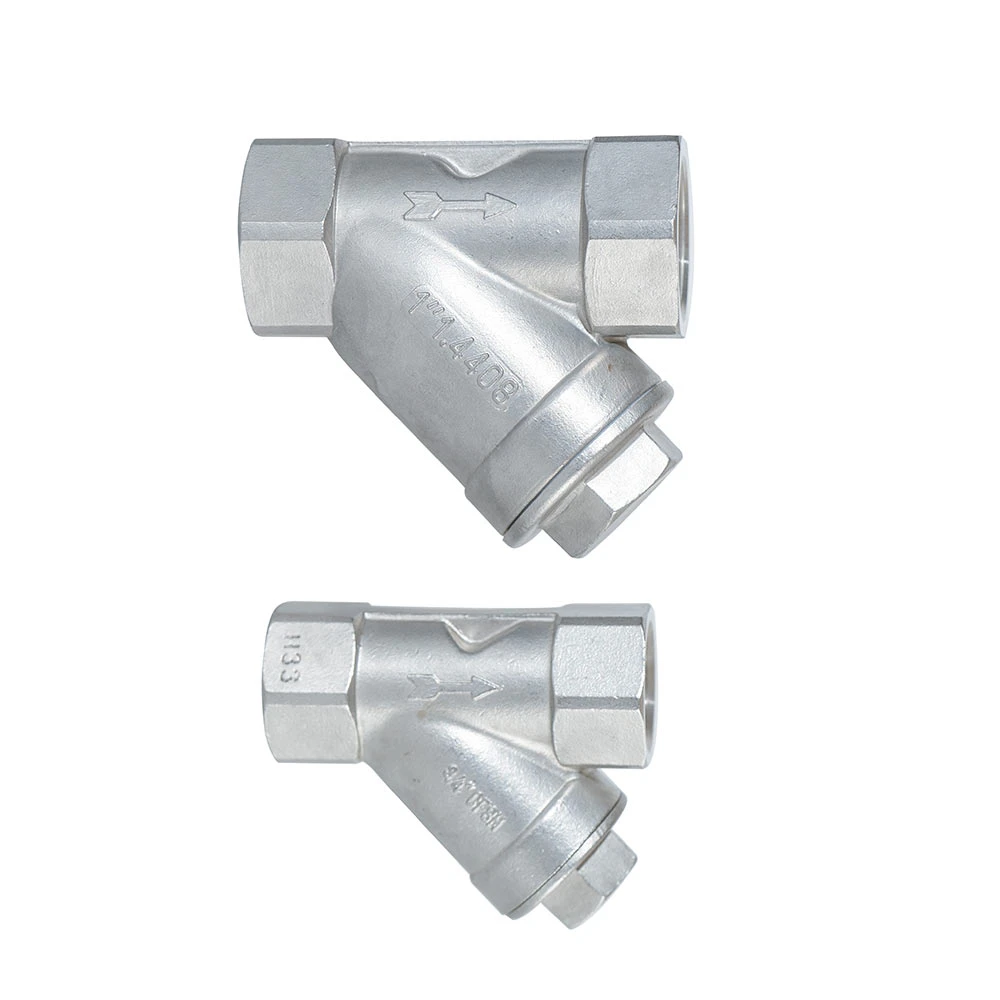
In the intricate landscape of industrial fluid management, the integrity and efficiency of piping systems are paramount. Unwanted particulate matter poses a significant threat, capable of causing irreparable damage to sensitive equipment, disrupting operational flow, and incurring substantial maintenance costs. This is where the stainless steel y type strainer emerges as a critical component, safeguarding downstream machinery from debris and ensuring the continuous, unobstructed passage of process media.

The demand for robust, reliable, and corrosion-resistant filtration solutions has propelled the y type strainer into an essential position across various sectors. Industry trends indicate a persistent drive towards enhanced operational efficiency, reduced downtime, and extended equipment lifespan. Stainless steel, specifically, has become the material of choice due to its superior resistance to corrosion, high temperatures, and diverse chemical environments, making it ideal for aggressive or demanding applications. As automation and precision become more prevalent in manufacturing and process industries, the role of effective filtration, delivered by a high-quality stainless steel y strainer, is increasingly underscored.

Moreover, stringent environmental regulations and a focus on sustainable operations further amplify the need for efficient filtration systems. By preventing system contamination, these strainers contribute to cleaner processes and reduce the frequency of equipment replacement, aligning with broader sustainability goals. The strategic implementation of these devices is not merely a maintenance consideration but a fundamental aspect of system design, directly impacting performance metrics and total cost of ownership (TCO).

The Manufacturing Process of Stainless Steel Y-Type Strainers: Precision and Durability

The production of a high-performance stainless steel y type strainer is a meticulously controlled process, blending advanced metallurgy with precision engineering. The aim is to deliver a product that guarantees optimal filtration, structural integrity, and prolonged service life even under the most challenging conditions. The core materials typically involve Austenitic Stainless Steels such as SS304, SS316, and SS316L, chosen for their excellent corrosion resistance, high tensile strength, and suitability for various temperature and pressure ratings.

Key Manufacturing Stages:

  1. Material Selection and Preparation: High-grade stainless steel ingots or billets are selected. For casting, raw materials are melted and alloyed to precise specifications. Forged bodies begin with solid billets heated and shaped under immense pressure.
  2. Body Formation (Casting or Forging):
    • Casting: Molten stainless steel is poured into molds to form the complex 'Y' shape. This method allows for intricate designs and cost-effective production for certain sizes and pressure classes. Post-casting, components undergo shot blasting to remove scale and achieve a smooth surface finish.
    • Forging: A more robust process where solid stainless steel is heated and shaped using powerful presses. Forged bodies offer superior mechanical properties, higher density, and fewer internal defects, making them ideal for high-pressure and high-temperature applications.
  3. CNC Machining: Precision Computer Numerical Control (CNC) machines are used to achieve exact dimensions for internal components, end connections (flanged, threaded, welded), and seating surfaces. This ensures tight tolerances for seals, proper alignment of the screen, and efficient flow characteristics.
  4. Screen Fabrication: The heart of the y strainer, the filter screen, is typically made from perforated stainless steel sheet or woven wire mesh. The specific mesh size (measured in microns or holes per linear inch) is critical and custom-fabricated to meet application requirements, balancing filtration efficacy with minimal pressure drop.
  5. Welding and Assembly: Components such as the body, bonnet, and blow-off connection are meticulously welded using TIG or MIG methods by certified welders, ensuring robust, leak-proof joints. The screen, gaskets, and fasteners are then assembled.
  6. Surface Treatment and Finishing: Depending on the application, strainers may undergo passivation (to enhance corrosion resistance by forming a passive chromium oxide layer) or electropolishing (for ultra-high purity applications like pharmaceuticals).
  7. Testing and Quality Assurance: Every stainless steel y type strainer undergoes rigorous testing to ensure compliance with international standards such as ISO 9001 (Quality Management), ANSI B16.34 (Valves – Flanged, Threaded, and Welding End), API 600 (Steel Gate Valves—Flanged and Butt-welding Ends), and CE marking for European markets.
    • Hydrostatic Testing: Pressure testing to verify body integrity and leak-proof performance.
    • Pneumatic/Air Testing: For lower pressures and fine leak detection.
    • Material Traceability: Full traceability of raw materials to certification documents.
    • Dimensional Inspection: Verification against design specifications.
Premium Stainless Steel Y Type Strainer for Robust Filtration

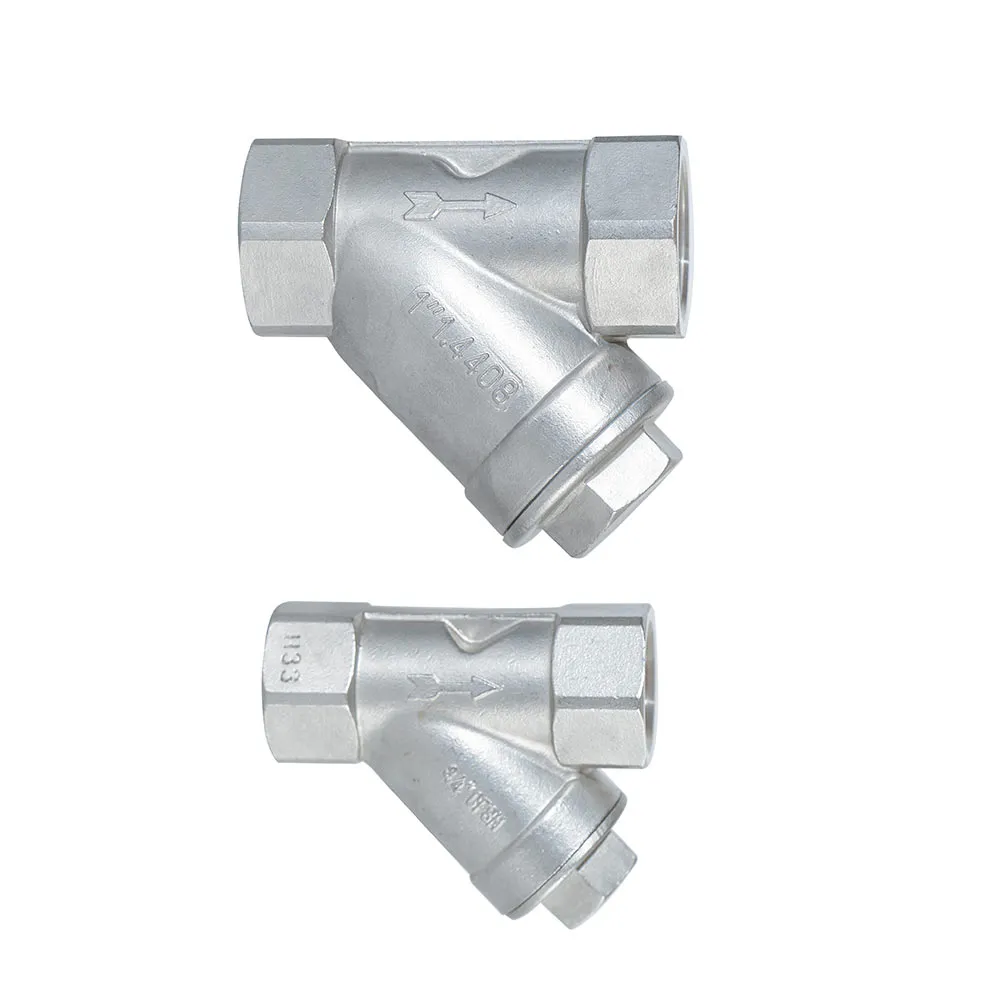
Precision engineering ensures the robust construction of every stainless steel Y-type strainer.

The meticulous execution of these stages ensures that the final stainless steel y type strainer delivers exceptional filtration efficiency, minimizes pressure drop, and offers an extended service life of typically 10-20 years, depending on application severity and maintenance practices. This commitment to quality underpins the energy-saving benefits by preventing pump and heat exchanger fouling, and ensures superior corrosion resistance for a broad spectrum of industrial applications including petrochemical, metallurgy, power generation, and water supply & drainage.

Technical Specifications and Parameters for Optimal Selection

Selecting the correct stainless steel y strainer requires a thorough understanding of its technical specifications and how they align with application demands. Expertise in these parameters is crucial for engineers and procurement specialists to ensure optimal system performance, safety, and longevity.

Structural Components and Their Functions:

  • Body: The main housing, typically cast or forged, designed to withstand system pressure and temperature. Its 'Y' shape minimizes pressure drop and allows for easy screen access.
  • Screen: The filtration element, available in various mesh sizes (e.g., 20, 40, 60, 100 mesh) or perforation sizes, dictating the smallest particle retained. Material is usually SS304 or SS316.
  • Bonnet/Cover: Provides access to the screen for cleaning or replacement, typically bolted or threaded for secure sealing.
  • Blow-off Port: A strategically placed connection (often threaded) allowing for the draining of accumulated debris without system shutdown, enhancing operational continuity.
  • Gaskets and Seals: Essential for maintaining pressure integrity, made from materials like PTFE, Graphite, or NBR, selected based on fluid compatibility and temperature.

Critical Operating Parameters:

  • Pressure Ratings: Adhering to standards like ASME B16.34 (e.g., Class 150, 300, 600, 900, 1500, 2500) or PN ratings (e.g., PN16, PN25, PN40, PN63, PN100). These define the maximum allowable operating pressure at a given temperature.
  • Temperature Ranges: The material of construction (stainless steel type and sealing materials) dictates the permissible operating temperature range. SS316 can typically handle temperatures from -196°C to 815°C (-320°F to 1500°F), though gasket limitations often narrow the practical operating range.
  • Flow Coefficient (Cv Value): A measure of a strainer's capacity to pass fluid, indicating pressure drop. A higher Cv generally means lower pressure drop, which is crucial for energy efficiency.
  • End Connections: Flanged (ASME B16.5), Threaded (NPT, BSPT), or Butt-Weld (ASME B16.25) to integrate seamlessly into existing piping.

Typical Product Specification Table: Stainless Steel Y-Type Strainer

Parameter Specification Range
Body Material ASTM A351 CF8M (SS316), ASTM A351 CF8 (SS304), ASTM A182 F316/F304 (Forged)
Screen Material SS304, SS316 (Perforated Sheet / Woven Mesh)
Size Range (DN/NPS) DN15 - DN600 (½" - 24") and larger upon request
Pressure Class ASME Class 150, 300, 600, 900, 1500, 2500; PN16, PN25, PN40, PN63, PN100
Operating Temperature -29°C to 425°C (-20°F to 800°F), depending on gasket material
End Connections RF Flanged, RTJ Flanged, Threaded (NPT, BSP), Butt-Weld
Screen Perforation/Mesh Typically 20, 40, 60, 80, 100 mesh; customizable to specific micron ratings
Design & Mfg Std. ASME B16.34, API 600, BS 1868, MSS SP-61, ISO 14313
Inspection & Test API 598, ISO 5208, MSS SP-55, BS 6755 Part 1

Understanding these parameters ensures the selection of a y type strainer that not only fits physically but also performs optimally under specified operational loads, contributing significantly to system reliability and efficiency. This detailed technical insight underscores the expertise required in fluid system design and component procurement.

Key Technical Advantages and Target Industries

The inherent properties of stainless steel, combined with the efficient design of the Y-configuration, confer a range of significant technical advantages that make the stainless steel y type strainer an superior choice for demanding industrial applications.

Technical Advantages:

  • Exceptional Corrosion Resistance: Stainless steel, particularly grades like 316 and 316L, offers superior resistance to a wide array of corrosive media, including acids, alkalis, and chlorides. This ensures prolonged component life and maintains fluid purity, critical in chemical processing and pharmaceutical industries.
  • High-Temperature and Pressure Resilience: Stainless steel maintains its mechanical properties at elevated temperatures and pressures, enabling the y type strainer to operate reliably in steam lines, high-temperature heat transfer systems, and high-pressure hydraulic circuits.
  • Durability and Longevity: The robust construction and material strength of stainless steel translate into an extended service life, often exceeding 15-20 years with proper maintenance. This reduces the frequency of replacements and overall system lifecycle costs.
  • Low Maintenance and Easy Cleaning: The 'Y' configuration allows for the screen to be easily accessed and cleaned or replaced without removing the strainer from the pipeline. The optional blow-off connection facilitates on-line cleaning, significantly reducing downtime.
  • Energy Efficiency: By effectively removing particulates, the strainer prevents fouling of downstream equipment such as pumps, valves, and heat exchangers. This maintains their operational efficiency, reduces energy consumption, and prevents premature wear, leading to tangible energy savings. Studies have shown that a 1mm build-up of fouling can increase energy consumption by 10-15% in heat exchangers.
  • Versatility in Media: Suitable for a wide range of fluids, including water, steam, oil, gases, and various chemical solutions, making it a highly versatile filtration solution.

Target Industries:

The critical advantages offered by the stainless steel y strainer make it indispensable across a multitude of heavy industries:

  • Petrochemical and Oil & Gas: Essential for protecting pumps, compressors, and instrumentation from pipeline debris in oil refining, gas processing, and offshore platforms, where corrosive media and high pressures are common.
  • Power Generation: Utilized in boiler feedwater lines, cooling water systems, and steam lines to prevent fouling and protect turbines and heat exchangers, contributing to increased plant efficiency and reduced maintenance.
  • Water Supply & Drainage / Wastewater Treatment: Key for filtering raw water intake, protecting pumps, spray nozzles, and irrigation systems from sediment, extending their operational life and efficiency.
  • Chemical Processing: Critical for maintaining the purity of process fluids and protecting sensitive equipment from chemical precipitates or foreign particles, given the highly corrosive nature of many chemicals.
  • Food & Beverage: Where hygiene and contamination prevention are paramount, stainless steel's non-reactive and easy-to-clean surfaces are vital for filtering ingredients and CIP (Clean-in-Place) fluids.
  • Pharmaceuticals: Requires ultra-high purity, and stainless steel strainers with specific finishes (e.g., electropolished) are used for sterile filtration processes.
  • HVAC Systems: Protecting chillers, heat exchangers, and cooling towers from debris accumulation, ensuring optimal heat transfer and system longevity.

The widespread adoption across these diverse industries is a testament to the robust performance, reliability, and economic benefits that a well-engineered y type strainer made from stainless steel provides.

Application Scenarios and Real-World Case Studies

The theoretical advantages of the stainless steel y type strainer are consistently demonstrated in real-world application scenarios, proving its value in preventing system failures, improving operational efficiency, and extending the lifespan of critical infrastructure.

Typical Application Scenarios:

  • Pump Protection: Installed upstream of centrifugal pumps to prevent solid particles from entering the pump casing, which can cause impeller damage, cavitation, and premature bearing failure. This is critical in cooling water circuits and chemical transfer lines.
  • Valve and Meter Safeguarding: Protecting delicate control valves, flow meters, and regulators from particulate fouling, ensuring accurate measurement and precise control, especially in process automation systems.
  • Heat Exchanger Integrity: Preventing the accumulation of scale, rust, and other debris within heat exchanger tubes. This maintains optimal heat transfer efficiency and prevents blockages that could lead to costly system shutdowns and reduced energy efficiency.
  • Spraying Nozzle Unobstructed Flow: In fire suppression systems, industrial cleaning, or coating applications, strainers ensure that spray nozzles remain clear and deliver a consistent pattern, crucial for effectiveness and quality control.
  • Steam Line Condensate Protection: In steam distribution systems, strainers protect steam traps and other sensitive equipment from rust, pipe scale, and welding slag, which are common in condensate return lines.

Service Case Studies & Customer Feedback:

Case Study 1: Petrochemical Refinery - Extended Pump Life

A major petrochemical refinery faced recurrent issues with abrasive wear in its crude oil transfer pumps, leading to frequent maintenance and significant downtime. After implementing high-pressure stainless steel y strainer units with a 60-mesh screen upstream of their critical pumps, the incidence of pump failures due to solid particulate damage decreased by over 70% within the first year. The refinery reported a 40% reduction in pump maintenance costs and an average extension of pump service life by 2.5 years, translating into millions of dollars in operational savings. A project engineer commented, "The robustness of the stainless steel y strainer and its efficient particulate capture capabilities have proven invaluable to our continuous operations. The ease of cleaning via the blow-off valve also minimized interruption."

Case Study 2: Municipal Water Treatment Plant - Enhanced Filtration for UV Disinfection

A municipal water treatment facility required pre-filtration for its UV disinfection system to ensure maximum efficacy. Suspended solids could shadow microorganisms, rendering UV treatment less effective. By installing large-diameter y type strainer units with fine mesh screens (100 mesh) in the main water lines, the plant significantly reduced the turbidity entering the UV reactors. This resulted in a 15% improvement in disinfection rates and a notable reduction in maintenance frequency for the UV lamps, extending their operational life by 20%. The plant manager noted, "The stainless steel construction was crucial for maintaining water purity standards and resisting corrosion from treated water chemicals. These strainers are fundamental to our water quality assurance."
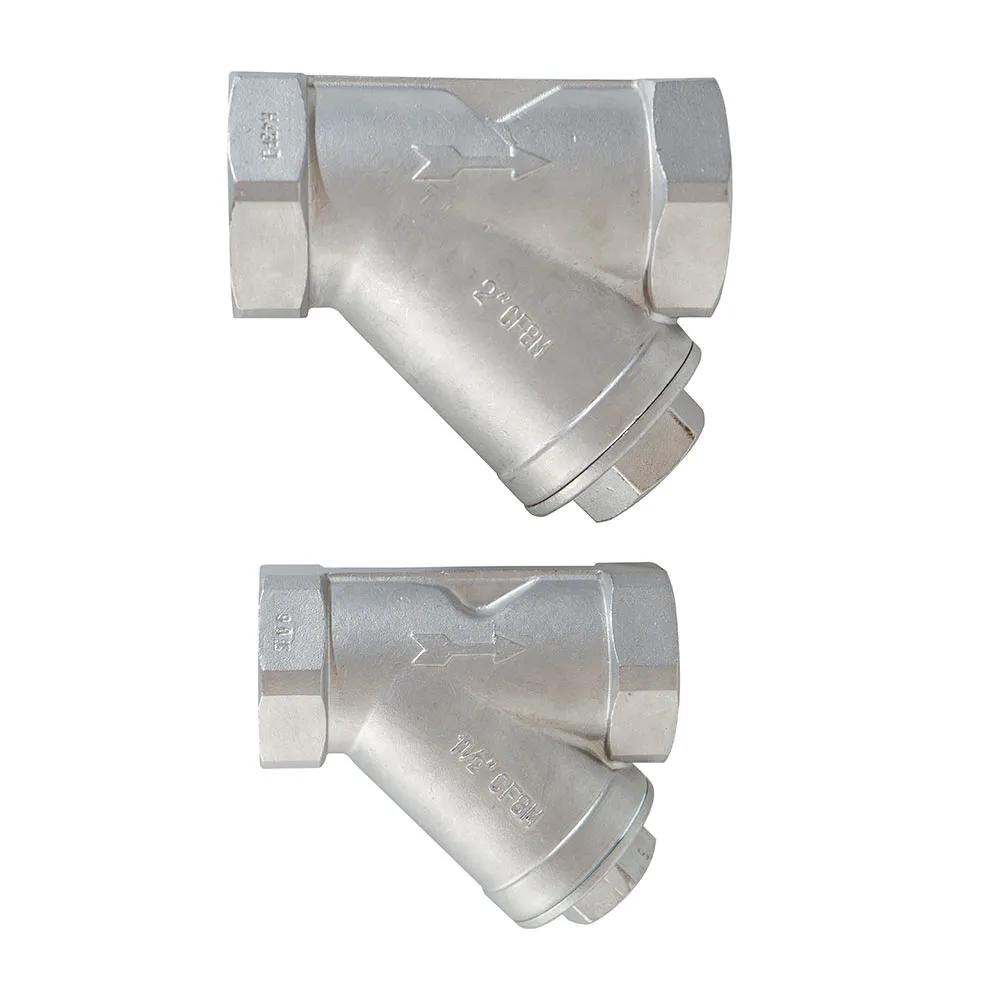
Premium Stainless Steel Y Type Strainer for Robust Filtration

Stainless steel Y-type strainers ensure system integrity in diverse industrial environments.

These examples underscore the tangible benefits, from enhanced equipment longevity to improved process purity and significant cost savings, directly attributable to the reliable performance of a well-specified stainless steel y type strainer.

Vendor Comparison, Selection Criteria, and Customized Solutions

Choosing the right supplier for a stainless steel y type strainer is as critical as selecting the product itself. B2B decision-makers must evaluate vendors not just on price, but on a comprehensive set of criteria that include product quality, technical support, customization capabilities, and post-sales service.

Key Vendor Selection Criteria:

  • Certifications and Compliance: Verify adherence to international standards (e.g., ISO 9001 for quality management, API, CE, PED for specific markets). This reflects a commitment to quality and safety.
  • Material Traceability: A reputable vendor provides full material test reports (MTRs) and ensures traceability from raw material to final product.
  • Technical Expertise: The ability to provide detailed technical specifications, perform flow calculations, and offer expert advice on strainer sizing and material compatibility.
  • Customization Capabilities: The flexibility to meet specific project requirements, such as unique screen mesh sizes, special coatings, or non-standard end connections.
  • After-Sales Support & Warranty: Clear warranty terms, availability of spare parts (e.g., replacement screens, gaskets), and responsive technical support.
  • Lead Time & Logistics: Reliable delivery schedules and efficient logistics to minimize project delays.

Product Comparison Table: Stainless Steel Y-Type Strainer Variants

Feature SS304 Y-Strainer SS316 Y-Strainer SS316L Y-Strainer
Primary Application General purpose, less corrosive media (water, air, steam) Corrosive media, high temperature (chemicals, marine, petrochemical) Highly corrosive media, welding critical, low carbon (pharmaceutical, food)
Corrosion Resistance Good (general) Excellent (enhanced chloride resistance due to Molybdenum) Superior (lower carbon reduces sensitization during welding)
Max Temp (approx) 870°C (1600°F) 870°C (1600°F) 870°C (1600°F)
Weldability Good, but prone to carbide precipitation Good, prone to carbide precipitation if not low carbon Excellent, reduced carbide precipitation after welding
Cost Implication Standard Higher than SS304 Highest

Customized Solutions for Unique Challenges:

Recognizing that off-the-shelf solutions may not always suffice, leading manufacturers offer extensive customization for their stainless steel y strainer products:

  • Specific Material Grades: Beyond standard 304/316, options include Duplex Stainless Steel (e.g., F51, F53) for higher strength and superior corrosion resistance in specific environments, or Hastelloy for extreme chemical resistance.
  • Custom Screen Mesh Sizes: Tailored to filtration requirements, from coarse debris removal to fine particle straining, including options for double-layer screens for enhanced filtration.
  • Special End Connections: Custom flange facings (e.g., RTJ), non-standard threaded connections, or weld-ends designed for specific pipe schedules.
  • Surface Finishes: Electropolishing for sanitary or pharmaceutical applications, or specific surface roughness specifications (Ra values).
  • External Coatings/Linings: For aggressive external environments or specific process fluid compatibility.
  • Differential Pressure Ports: For continuous monitoring of pressure drop across the screen, indicating when cleaning is required.

Engaging with a vendor capable of providing these tailored solutions ensures that the y strainer seamlessly integrates into the most complex and specialized industrial applications, delivering optimal performance and cost-effectiveness.

Ensuring Trustworthiness: Certifications, Warranty, and Support

For B2B buyers, trustworthiness is built on transparent commitments, verifiable quality, and robust support infrastructure. A reliable supplier of stainless steel y type strainer products will demonstrate these attributes through formal certifications, clear warranties, and responsive customer service.

Authoritative Certifications and Standards:

Commitment to quality is verified through adherence to globally recognized standards:

  • ISO 9001:2015: Certifies a robust Quality Management System, ensuring consistent product quality from design to delivery.
  • API Standards (e.g., API 600, API 598): American Petroleum Institute standards for design, manufacturing, and testing, crucial for oil & gas applications.
  • CE Marking / PED (Pressure Equipment Directive): Mandatory for products sold within the European Economic Area, indicating compliance with health, safety, and environmental protection standards.
  • ASME B16.34 / B16.5: Standards for valve design, pressure-temperature ratings, and flange dimensions, ensuring interoperability and safety.
  • FDA Compliance (where applicable): For food, beverage, and pharmaceutical industries, ensuring materials and design meet strict hygiene and non-toxicity requirements.
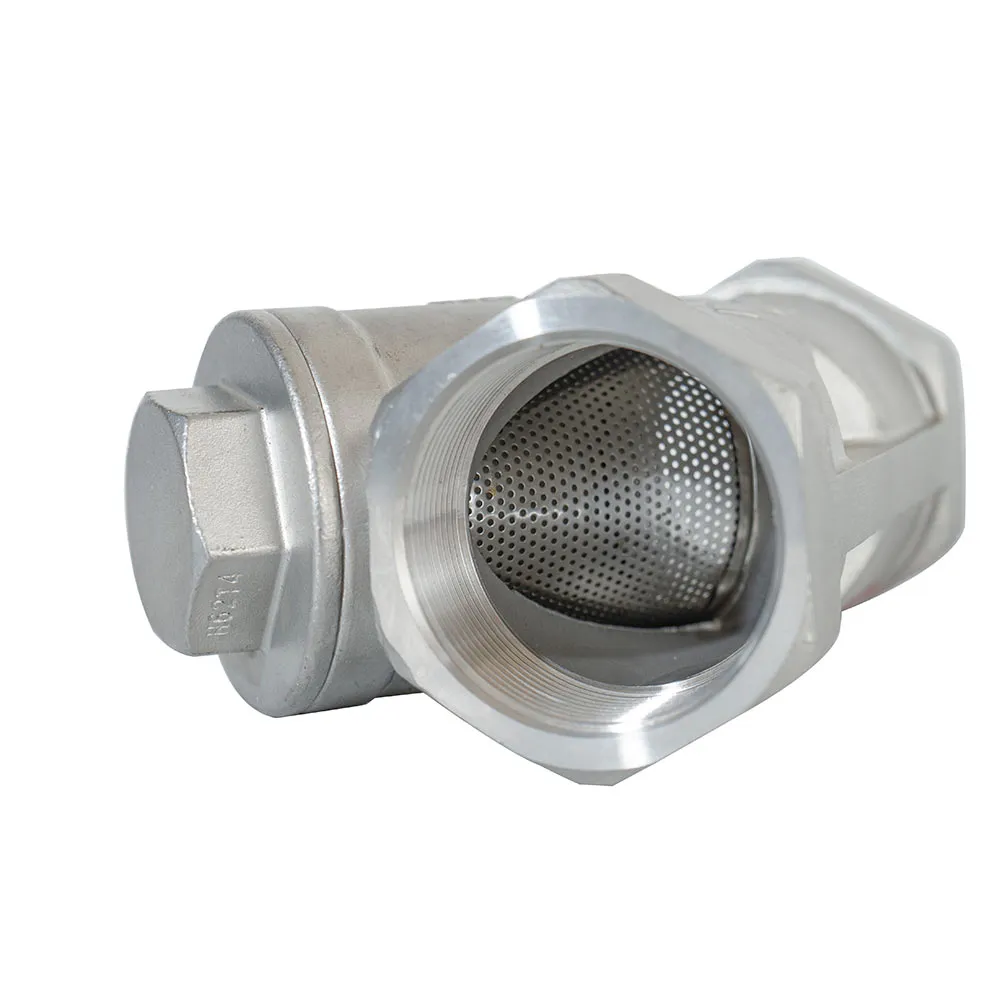
Premium Stainless Steel Y Type Strainer for Robust Filtration

Comprehensive testing ensures the reliability and integrity of every stainless steel Y-type strainer.

Lead Time, Warranty, and After-Sales Support:

  • Lead Time & Fulfillment: Standard stainless steel y strainer products typically have a lead time of 2-4 weeks, while customized or large-order solutions may range from 6-12 weeks, depending on material availability and manufacturing complexity. Reliable vendors provide transparent scheduling and proactive communication regarding order status.
  • Warranty Commitments: A standard warranty typically covers manufacturing defects for 12-18 months from installation or 24 months from shipment, whichever comes first. This commitment reflects confidence in product quality. Specific terms should always be reviewed.
  • Customer Support & Technical Assistance: Access to expert technical support for installation guidance, troubleshooting, and maintenance advice is paramount. This includes readily available spare parts (screens, gaskets, fasteners) to ensure minimal operational disruption.

Frequently Asked Questions (FAQ) about Stainless Steel Y-Type Strainers:

Q1: How often should a Y-strainer screen be cleaned?
A1: Cleaning frequency depends heavily on the fluid's particulate load and process criticality. Initial installations may require frequent checks (daily/weekly) to establish a baseline. Differential pressure gauges can indicate when cleaning is needed (typically when pressure drop exceeds 2-5 PSI or a specified threshold).
Q2: Can a stainless steel Y-type strainer be installed vertically?
A2: Yes, a stainless steel y strainer can be installed vertically. However, it is crucial that the "leg" of the Y-strainer (where the screen is housed) points downwards. This ensures that collected debris settles into the screen, away from the main flow path, preventing re-entrainment and allowing gravity to assist in collection and blow-down.
Q3: What is the difference between a strainer and a filter?
A3: Strainers are designed to remove larger particles (typically 40 microns and above) to protect pumps, valves, and other equipment, usually with a single screen or mesh. Filters, conversely, are typically designed for removing much finer particles (often below 40 microns) for purity enhancement and have a greater capacity for solids, often using multi-layer media.
Q4: Is SS316L always better than SS316 for a Y-strainer?
A4: Not always. SS316L has a lower carbon content, making it highly resistant to intergranular corrosion (sensitization) after welding, which is critical in certain chemical applications or when extensive welding is involved. For applications where welding is minimal or post-weld heat treatment is performed, or where extreme strength at higher temperatures is preferred (SS316 has slightly higher strength), standard SS316 may be sufficient and more cost-effective. The choice depends on the specific process fluid, temperature, and fabrication method.

Conclusion: The Enduring Value of Stainless Steel Y-Type Strainers

The stainless steel y type strainer is far more than a simple pipeline accessory; it is a fundamental guardian of fluid system integrity and efficiency across the industrial spectrum. Its robust construction, superior corrosion resistance, and effective debris removal capabilities ensure the longevity of critical equipment, minimize downtime, and contribute significantly to operational cost savings and energy efficiency. From safeguarding sensitive pumps in petrochemical plants to maintaining purity in pharmaceutical production, the strategic deployment of a high-quality stainless steel y strainer is an investment in reliability, safety, and sustained performance. As industries continue to demand higher levels of performance and cost-effectiveness, the role of these indispensable components will only grow in importance.

Authoritative References

  1. ASME B16.34-2020, Valves—Flanged, Threaded, and Welding End. American Society of Mechanical Engineers.
  2. API Specification 600, Steel Gate Valves—Flanged and Butt-welding Ends. American Petroleum Institute.
  3. ISO 9001:2015, Quality management systems — Requirements. International Organization for Standardization.
  4. Process Piping: The Complete Guide to Asme B31.3. Roger B. Guido, PDHonline.com, 2017.
  5. Perry's Chemical Engineers' Handbook. Don W. Green, Robert H. Perry, McGraw-Hill Education, 9th Edition, 2018.
Click The Button Below To Easily Purchase →

High Quality Stainless Steel, Quality Life Starts Now!

September 8, 2025
Premium Stainless Steel Y Type Strainer for Robust Filtration

The Indispensable Role of Stainless Steel Y-Type Strainers in Modern Fluid Systems

In the intricate landscape of industrial fluid management, the integrity and efficiency of piping systems are paramount. Unwanted particulate matter poses a significant threat, capable of causing irreparable damage to sensitive equipment, disrupting operational flow, and incurring substantial maintenance costs. This is where the stainless steel y type strainer emerges as a critical component, safeguarding downstream machinery from debris and ensuring the continuous, unobstructed passage of process media.

The demand for robust, reliable, and corrosion-resistant filtration solutions has propelled the y type strainer into an essential position across various sectors. Industry trends indicate a persistent drive towards enhanced operational efficiency, reduced downtime, and extended equipment lifespan. Stainless steel, specifically, has become the material of choice due to its superior resistance to corrosion, high temperatures, and diverse chemical environments, making it ideal for aggressive or demanding applications. As automation and precision become more prevalent in manufacturing and process industries, the role of effective filtration, delivered by a high-quality stainless steel y strainer, is increasingly underscored.

Moreover, stringent environmental regulations and a focus on sustainable operations further amplify the need for efficient filtration systems. By preventing system contamination, these strainers contribute to cleaner processes and reduce the frequency of equipment replacement, aligning with broader sustainability goals. The strategic implementation of these devices is not merely a maintenance consideration but a fundamental aspect of system design, directly impacting performance metrics and total cost of ownership (TCO).

The Manufacturing Process of Stainless Steel Y-Type Strainers: Precision and Durability

The production of a high-performance stainless steel y type strainer is a meticulously controlled process, blending advanced metallurgy with precision engineering. The aim is to deliver a product that guarantees optimal filtration, structural integrity, and prolonged service life even under the most challenging conditions. The core materials typically involve Austenitic Stainless Steels such as SS304, SS316, and SS316L, chosen for their excellent corrosion resistance, high tensile strength, and suitability for various temperature and pressure ratings.

Key Manufacturing Stages:

  1. Material Selection and Preparation: High-grade stainless steel ingots or billets are selected. For casting, raw materials are melted and alloyed to precise specifications. Forged bodies begin with solid billets heated and shaped under immense pressure.
  2. Body Formation (Casting or Forging):
    • Casting: Molten stainless steel is poured into molds to form the complex 'Y' shape. This method allows for intricate designs and cost-effective production for certain sizes and pressure classes. Post-casting, components undergo shot blasting to remove scale and achieve a smooth surface finish.
    • Forging: A more robust process where solid stainless steel is heated and shaped using powerful presses. Forged bodies offer superior mechanical properties, higher density, and fewer internal defects, making them ideal for high-pressure and high-temperature applications.
  3. CNC Machining: Precision Computer Numerical Control (CNC) machines are used to achieve exact dimensions for internal components, end connections (flanged, threaded, welded), and seating surfaces. This ensures tight tolerances for seals, proper alignment of the screen, and efficient flow characteristics.
  4. Screen Fabrication: The heart of the y strainer, the filter screen, is typically made from perforated stainless steel sheet or woven wire mesh. The specific mesh size (measured in microns or holes per linear inch) is critical and custom-fabricated to meet application requirements, balancing filtration efficacy with minimal pressure drop.
  5. Welding and Assembly: Components such as the body, bonnet, and blow-off connection are meticulously welded using TIG or MIG methods by certified welders, ensuring robust, leak-proof joints. The screen, gaskets, and fasteners are then assembled.
  6. Surface Treatment and Finishing: Depending on the application, strainers may undergo passivation (to enhance corrosion resistance by forming a passive chromium oxide layer) or electropolishing (for ultra-high purity applications like pharmaceuticals).
  7. Testing and Quality Assurance: Every stainless steel y type strainer undergoes rigorous testing to ensure compliance with international standards such as ISO 9001 (Quality Management), ANSI B16.34 (Valves – Flanged, Threaded, and Welding End), API 600 (Steel Gate Valves—Flanged and Butt-welding Ends), and CE marking for European markets.
    • Hydrostatic Testing: Pressure testing to verify body integrity and leak-proof performance.
    • Pneumatic/Air Testing: For lower pressures and fine leak detection.
    • Material Traceability: Full traceability of raw materials to certification documents.
    • Dimensional Inspection: Verification against design specifications.
stainless steel y type strainer

Precision engineering ensures the robust construction of every stainless steel Y-type strainer.

The meticulous execution of these stages ensures that the final stainless steel y type strainer delivers exceptional filtration efficiency, minimizes pressure drop, and offers an extended service life of typically 10-20 years, depending on application severity and maintenance practices. This commitment to quality underpins the energy-saving benefits by preventing pump and heat exchanger fouling, and ensures superior corrosion resistance for a broad spectrum of industrial applications including petrochemical, metallurgy, power generation, and water supply & drainage.

Technical Specifications and Parameters for Optimal Selection

Selecting the correct stainless steel y strainer requires a thorough understanding of its technical specifications and how they align with application demands. Expertise in these parameters is crucial for engineers and procurement specialists to ensure optimal system performance, safety, and longevity.

Structural Components and Their Functions:

  • Body: The main housing, typically cast or forged, designed to withstand system pressure and temperature. Its 'Y' shape minimizes pressure drop and allows for easy screen access.
  • Screen: The filtration element, available in various mesh sizes (e.g., 20, 40, 60, 100 mesh) or perforation sizes, dictating the smallest particle retained. Material is usually SS304 or SS316.
  • Bonnet/Cover: Provides access to the screen for cleaning or replacement, typically bolted or threaded for secure sealing.
  • Blow-off Port: A strategically placed connection (often threaded) allowing for the draining of accumulated debris without system shutdown, enhancing operational continuity.
  • Gaskets and Seals: Essential for maintaining pressure integrity, made from materials like PTFE, Graphite, or NBR, selected based on fluid compatibility and temperature.

Critical Operating Parameters:

  • Pressure Ratings: Adhering to standards like ASME B16.34 (e.g., Class 150, 300, 600, 900, 1500, 2500) or PN ratings (e.g., PN16, PN25, PN40, PN63, PN100). These define the maximum allowable operating pressure at a given temperature.
  • Temperature Ranges: The material of construction (stainless steel type and sealing materials) dictates the permissible operating temperature range. SS316 can typically handle temperatures from -196°C to 815°C (-320°F to 1500°F), though gasket limitations often narrow the practical operating range.
  • Flow Coefficient (Cv Value): A measure of a strainer's capacity to pass fluid, indicating pressure drop. A higher Cv generally means lower pressure drop, which is crucial for energy efficiency.
  • End Connections: Flanged (ASME B16.5), Threaded (NPT, BSPT), or Butt-Weld (ASME B16.25) to integrate seamlessly into existing piping.

Typical Product Specification Table: Stainless Steel Y-Type Strainer

Parameter Specification Range
Body Material ASTM A351 CF8M (SS316), ASTM A351 CF8 (SS304), ASTM A182 F316/F304 (Forged)
Screen Material SS304, SS316 (Perforated Sheet / Woven Mesh)
Size Range (DN/NPS) DN15 - DN600 (½" - 24") and larger upon request
Pressure Class ASME Class 150, 300, 600, 900, 1500, 2500; PN16, PN25, PN40, PN63, PN100
Operating Temperature -29°C to 425°C (-20°F to 800°F), depending on gasket material
End Connections RF Flanged, RTJ Flanged, Threaded (NPT, BSP), Butt-Weld
Screen Perforation/Mesh Typically 20, 40, 60, 80, 100 mesh; customizable to specific micron ratings
Design & Mfg Std. ASME B16.34, API 600, BS 1868, MSS SP-61, ISO 14313
Inspection & Test API 598, ISO 5208, MSS SP-55, BS 6755 Part 1

Understanding these parameters ensures the selection of a y type strainer that not only fits physically but also performs optimally under specified operational loads, contributing significantly to system reliability and efficiency. This detailed technical insight underscores the expertise required in fluid system design and component procurement.

Key Technical Advantages and Target Industries

The inherent properties of stainless steel, combined with the efficient design of the Y-configuration, confer a range of significant technical advantages that make the stainless steel y type strainer an superior choice for demanding industrial applications.

Technical Advantages:

  • Exceptional Corrosion Resistance: Stainless steel, particularly grades like 316 and 316L, offers superior resistance to a wide array of corrosive media, including acids, alkalis, and chlorides. This ensures prolonged component life and maintains fluid purity, critical in chemical processing and pharmaceutical industries.
  • High-Temperature and Pressure Resilience: Stainless steel maintains its mechanical properties at elevated temperatures and pressures, enabling the y type strainer to operate reliably in steam lines, high-temperature heat transfer systems, and high-pressure hydraulic circuits.
  • Durability and Longevity: The robust construction and material strength of stainless steel translate into an extended service life, often exceeding 15-20 years with proper maintenance. This reduces the frequency of replacements and overall system lifecycle costs.
  • Low Maintenance and Easy Cleaning: The 'Y' configuration allows for the screen to be easily accessed and cleaned or replaced without removing the strainer from the pipeline. The optional blow-off connection facilitates on-line cleaning, significantly reducing downtime.
  • Energy Efficiency: By effectively removing particulates, the strainer prevents fouling of downstream equipment such as pumps, valves, and heat exchangers. This maintains their operational efficiency, reduces energy consumption, and prevents premature wear, leading to tangible energy savings. Studies have shown that a 1mm build-up of fouling can increase energy consumption by 10-15% in heat exchangers.
  • Versatility in Media: Suitable for a wide range of fluids, including water, steam, oil, gases, and various chemical solutions, making it a highly versatile filtration solution.

Target Industries:

The critical advantages offered by the stainless steel y strainer make it indispensable across a multitude of heavy industries:

  • Petrochemical and Oil & Gas: Essential for protecting pumps, compressors, and instrumentation from pipeline debris in oil refining, gas processing, and offshore platforms, where corrosive media and high pressures are common.
  • Power Generation: Utilized in boiler feedwater lines, cooling water systems, and steam lines to prevent fouling and protect turbines and heat exchangers, contributing to increased plant efficiency and reduced maintenance.
  • Water Supply & Drainage / Wastewater Treatment: Key for filtering raw water intake, protecting pumps, spray nozzles, and irrigation systems from sediment, extending their operational life and efficiency.
  • Chemical Processing: Critical for maintaining the purity of process fluids and protecting sensitive equipment from chemical precipitates or foreign particles, given the highly corrosive nature of many chemicals.
  • Food & Beverage: Where hygiene and contamination prevention are paramount, stainless steel's non-reactive and easy-to-clean surfaces are vital for filtering ingredients and CIP (Clean-in-Place) fluids.
  • Pharmaceuticals: Requires ultra-high purity, and stainless steel strainers with specific finishes (e.g., electropolished) are used for sterile filtration processes.
  • HVAC Systems: Protecting chillers, heat exchangers, and cooling towers from debris accumulation, ensuring optimal heat transfer and system longevity.

The widespread adoption across these diverse industries is a testament to the robust performance, reliability, and economic benefits that a well-engineered y type strainer made from stainless steel provides.

Application Scenarios and Real-World Case Studies

The theoretical advantages of the stainless steel y type strainer are consistently demonstrated in real-world application scenarios, proving its value in preventing system failures, improving operational efficiency, and extending the lifespan of critical infrastructure.

Typical Application Scenarios:

  • Pump Protection: Installed upstream of centrifugal pumps to prevent solid particles from entering the pump casing, which can cause impeller damage, cavitation, and premature bearing failure. This is critical in cooling water circuits and chemical transfer lines.
  • Valve and Meter Safeguarding: Protecting delicate control valves, flow meters, and regulators from particulate fouling, ensuring accurate measurement and precise control, especially in process automation systems.
  • Heat Exchanger Integrity: Preventing the accumulation of scale, rust, and other debris within heat exchanger tubes. This maintains optimal heat transfer efficiency and prevents blockages that could lead to costly system shutdowns and reduced energy efficiency.
  • Spraying Nozzle Unobstructed Flow: In fire suppression systems, industrial cleaning, or coating applications, strainers ensure that spray nozzles remain clear and deliver a consistent pattern, crucial for effectiveness and quality control.
  • Steam Line Condensate Protection: In steam distribution systems, strainers protect steam traps and other sensitive equipment from rust, pipe scale, and welding slag, which are common in condensate return lines.

Service Case Studies & Customer Feedback:

Case Study 1: Petrochemical Refinery - Extended Pump Life

A major petrochemical refinery faced recurrent issues with abrasive wear in its crude oil transfer pumps, leading to frequent maintenance and significant downtime. After implementing high-pressure stainless steel y strainer units with a 60-mesh screen upstream of their critical pumps, the incidence of pump failures due to solid particulate damage decreased by over 70% within the first year. The refinery reported a 40% reduction in pump maintenance costs and an average extension of pump service life by 2.5 years, translating into millions of dollars in operational savings. A project engineer commented, "The robustness of the stainless steel y strainer and its efficient particulate capture capabilities have proven invaluable to our continuous operations. The ease of cleaning via the blow-off valve also minimized interruption."

Case Study 2: Municipal Water Treatment Plant - Enhanced Filtration for UV Disinfection

A municipal water treatment facility required pre-filtration for its UV disinfection system to ensure maximum efficacy. Suspended solids could shadow microorganisms, rendering UV treatment less effective. By installing large-diameter y type strainer units with fine mesh screens (100 mesh) in the main water lines, the plant significantly reduced the turbidity entering the UV reactors. This resulted in a 15% improvement in disinfection rates and a notable reduction in maintenance frequency for the UV lamps, extending their operational life by 20%. The plant manager noted, "The stainless steel construction was crucial for maintaining water purity standards and resisting corrosion from treated water chemicals. These strainers are fundamental to our water quality assurance."

stainless steel y type strainer

Stainless steel Y-type strainers ensure system integrity in diverse industrial environments.

These examples underscore the tangible benefits, from enhanced equipment longevity to improved process purity and significant cost savings, directly attributable to the reliable performance of a well-specified stainless steel y type strainer.

Vendor Comparison, Selection Criteria, and Customized Solutions

Choosing the right supplier for a stainless steel y type strainer is as critical as selecting the product itself. B2B decision-makers must evaluate vendors not just on price, but on a comprehensive set of criteria that include product quality, technical support, customization capabilities, and post-sales service.

Key Vendor Selection Criteria:

  • Certifications and Compliance: Verify adherence to international standards (e.g., ISO 9001 for quality management, API, CE, PED for specific markets). This reflects a commitment to quality and safety.
  • Material Traceability: A reputable vendor provides full material test reports (MTRs) and ensures traceability from raw material to final product.
  • Technical Expertise: The ability to provide detailed technical specifications, perform flow calculations, and offer expert advice on strainer sizing and material compatibility.
  • Customization Capabilities: The flexibility to meet specific project requirements, such as unique screen mesh sizes, special coatings, or non-standard end connections.
  • After-Sales Support & Warranty: Clear warranty terms, availability of spare parts (e.g., replacement screens, gaskets), and responsive technical support.
  • Lead Time & Logistics: Reliable delivery schedules and efficient logistics to minimize project delays.

Product Comparison Table: Stainless Steel Y-Type Strainer Variants

Feature SS304 Y-Strainer SS316 Y-Strainer SS316L Y-Strainer
Primary Application General purpose, less corrosive media (water, air, steam) Corrosive media, high temperature (chemicals, marine, petrochemical) Highly corrosive media, welding critical, low carbon (pharmaceutical, food)
Corrosion Resistance Good (general) Excellent (enhanced chloride resistance due to Molybdenum) Superior (lower carbon reduces sensitization during welding)
Max Temp (approx) 870°C (1600°F) 870°C (1600°F) 870°C (1600°F)
Weldability Good, but prone to carbide precipitation Good, prone to carbide precipitation if not low carbon Excellent, reduced carbide precipitation after welding
Cost Implication Standard Higher than SS304 Highest

Customized Solutions for Unique Challenges:

Recognizing that off-the-shelf solutions may not always suffice, leading manufacturers offer extensive customization for their stainless steel y strainer products:

  • Specific Material Grades: Beyond standard 304/316, options include Duplex Stainless Steel (e.g., F51, F53) for higher strength and superior corrosion resistance in specific environments, or Hastelloy for extreme chemical resistance.
  • Custom Screen Mesh Sizes: Tailored to filtration requirements, from coarse debris removal to fine particle straining, including options for double-layer screens for enhanced filtration.
  • Special End Connections: Custom flange facings (e.g., RTJ), non-standard threaded connections, or weld-ends designed for specific pipe schedules.
  • Surface Finishes: Electropolishing for sanitary or pharmaceutical applications, or specific surface roughness specifications (Ra values).
  • External Coatings/Linings: For aggressive external environments or specific process fluid compatibility.
  • Differential Pressure Ports: For continuous monitoring of pressure drop across the screen, indicating when cleaning is required.

Engaging with a vendor capable of providing these tailored solutions ensures that the y strainer seamlessly integrates into the most complex and specialized industrial applications, delivering optimal performance and cost-effectiveness.

Ensuring Trustworthiness: Certifications, Warranty, and Support

For B2B buyers, trustworthiness is built on transparent commitments, verifiable quality, and robust support infrastructure. A reliable supplier of stainless steel y type strainer products will demonstrate these attributes through formal certifications, clear warranties, and responsive customer service.

Authoritative Certifications and Standards:

Commitment to quality is verified through adherence to globally recognized standards:

  • ISO 9001:2015: Certifies a robust Quality Management System, ensuring consistent product quality from design to delivery.
  • API Standards (e.g., API 600, API 598): American Petroleum Institute standards for design, manufacturing, and testing, crucial for oil & gas applications.
  • CE Marking / PED (Pressure Equipment Directive): Mandatory for products sold within the European Economic Area, indicating compliance with health, safety, and environmental protection standards.
  • ASME B16.34 / B16.5: Standards for valve design, pressure-temperature ratings, and flange dimensions, ensuring interoperability and safety.
  • FDA Compliance (where applicable): For food, beverage, and pharmaceutical industries, ensuring materials and design meet strict hygiene and non-toxicity requirements.
stainless steel y type strainer

Comprehensive testing ensures the reliability and integrity of every stainless steel Y-type strainer.

Lead Time, Warranty, and After-Sales Support:

  • Lead Time & Fulfillment: Standard stainless steel y strainer products typically have a lead time of 2-4 weeks, while customized or large-order solutions may range from 6-12 weeks, depending on material availability and manufacturing complexity. Reliable vendors provide transparent scheduling and proactive communication regarding order status.
  • Warranty Commitments: A standard warranty typically covers manufacturing defects for 12-18 months from installation or 24 months from shipment, whichever comes first. This commitment reflects confidence in product quality. Specific terms should always be reviewed.
  • Customer Support & Technical Assistance: Access to expert technical support for installation guidance, troubleshooting, and maintenance advice is paramount. This includes readily available spare parts (screens, gaskets, fasteners) to ensure minimal operational disruption.

Frequently Asked Questions (FAQ) about Stainless Steel Y-Type Strainers:

Q1: How often should a Y-strainer screen be cleaned?
A1: Cleaning frequency depends heavily on the fluid's particulate load and process criticality. Initial installations may require frequent checks (daily/weekly) to establish a baseline. Differential pressure gauges can indicate when cleaning is needed (typically when pressure drop exceeds 2-5 PSI or a specified threshold).
Q2: Can a stainless steel Y-type strainer be installed vertically?
A2: Yes, a stainless steel y strainer can be installed vertically. However, it is crucial that the "leg" of the Y-strainer (where the screen is housed) points downwards. This ensures that collected debris settles into the screen, away from the main flow path, preventing re-entrainment and allowing gravity to assist in collection and blow-down.
Q3: What is the difference between a strainer and a filter?
A3: Strainers are designed to remove larger particles (typically 40 microns and above) to protect pumps, valves, and other equipment, usually with a single screen or mesh. Filters, conversely, are typically designed for removing much finer particles (often below 40 microns) for purity enhancement and have a greater capacity for solids, often using multi-layer media.
Q4: Is SS316L always better than SS316 for a Y-strainer?
A4: Not always. SS316L has a lower carbon content, making it highly resistant to intergranular corrosion (sensitization) after welding, which is critical in certain chemical applications or when extensive welding is involved. For applications where welding is minimal or post-weld heat treatment is performed, or where extreme strength at higher temperatures is preferred (SS316 has slightly higher strength), standard SS316 may be sufficient and more cost-effective. The choice depends on the specific process fluid, temperature, and fabrication method.

Conclusion: The Enduring Value of Stainless Steel Y-Type Strainers

The stainless steel y type strainer is far more than a simple pipeline accessory; it is a fundamental guardian of fluid system integrity and efficiency across the industrial spectrum. Its robust construction, superior corrosion resistance, and effective debris removal capabilities ensure the longevity of critical equipment, minimize downtime, and contribute significantly to operational cost savings and energy efficiency. From safeguarding sensitive pumps in petrochemical plants to maintaining purity in pharmaceutical production, the strategic deployment of a high-quality stainless steel y strainer is an investment in reliability, safety, and sustained performance. As industries continue to demand higher levels of performance and cost-effectiveness, the role of these indispensable components will only grow in importance.

Authoritative References

  1. ASME B16.34-2020, Valves—Flanged, Threaded, and Welding End. American Society of Mechanical Engineers.
  2. API Specification 600, Steel Gate Valves—Flanged and Butt-welding Ends. American Petroleum Institute.
  3. ISO 9001:2015, Quality management systems — Requirements. International Organization for Standardization.
  4. Process Piping: The Complete Guide to Asme B31.3. Roger B. Guido, PDHonline.com, 2017.
  5. Perry's Chemical Engineers' Handbook. Don W. Green, Robert H. Perry, McGraw-Hill Education, 9th Edition, 2018.
If you are interested in our products, you can choose to leave your information here, and we will be in touch with you shortly.