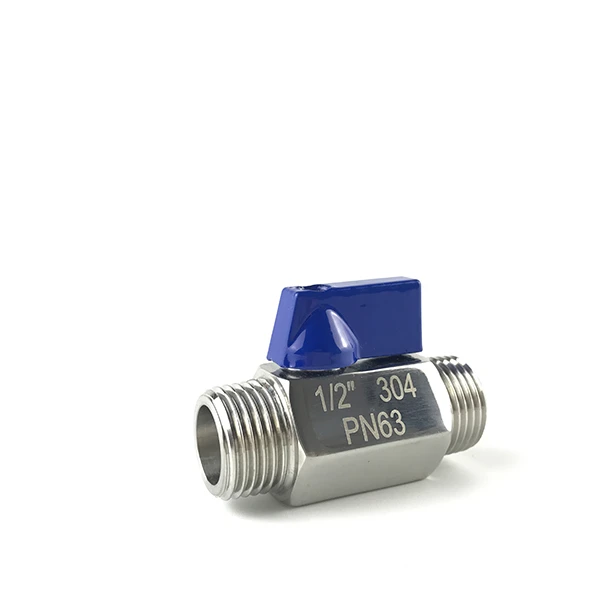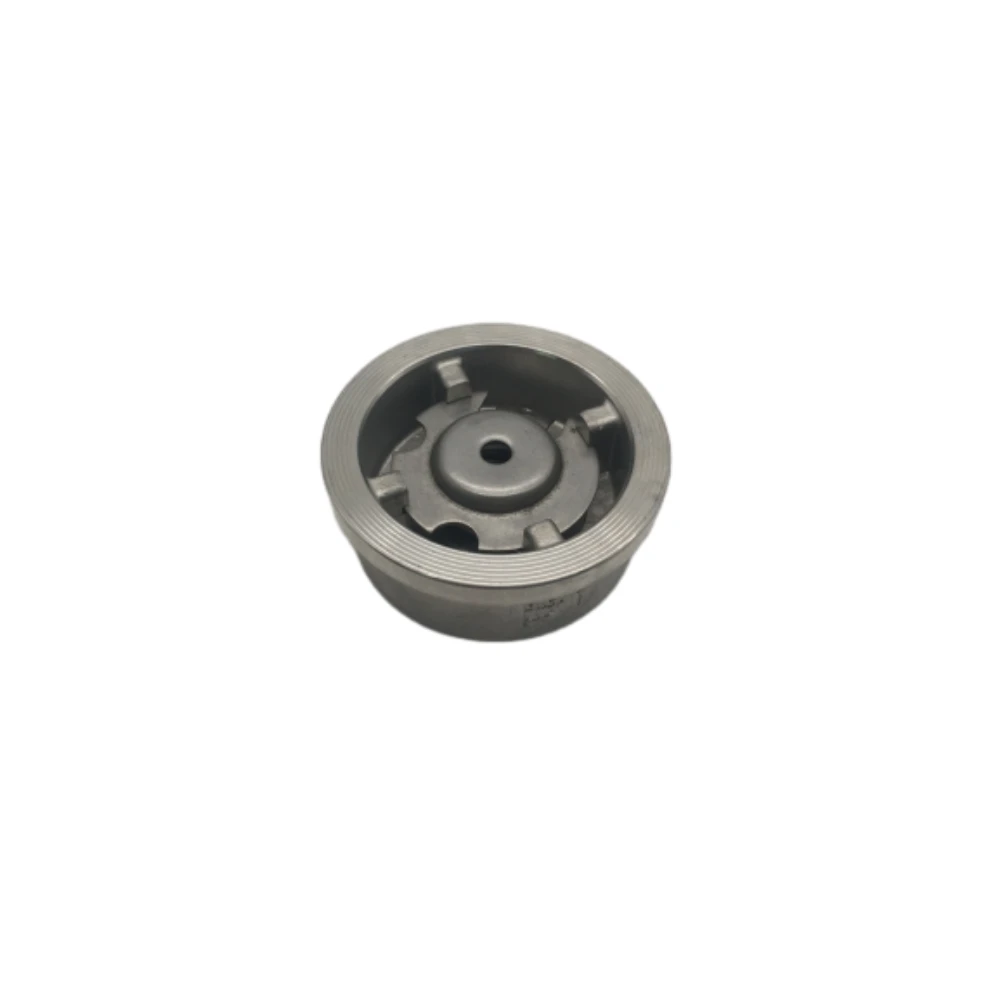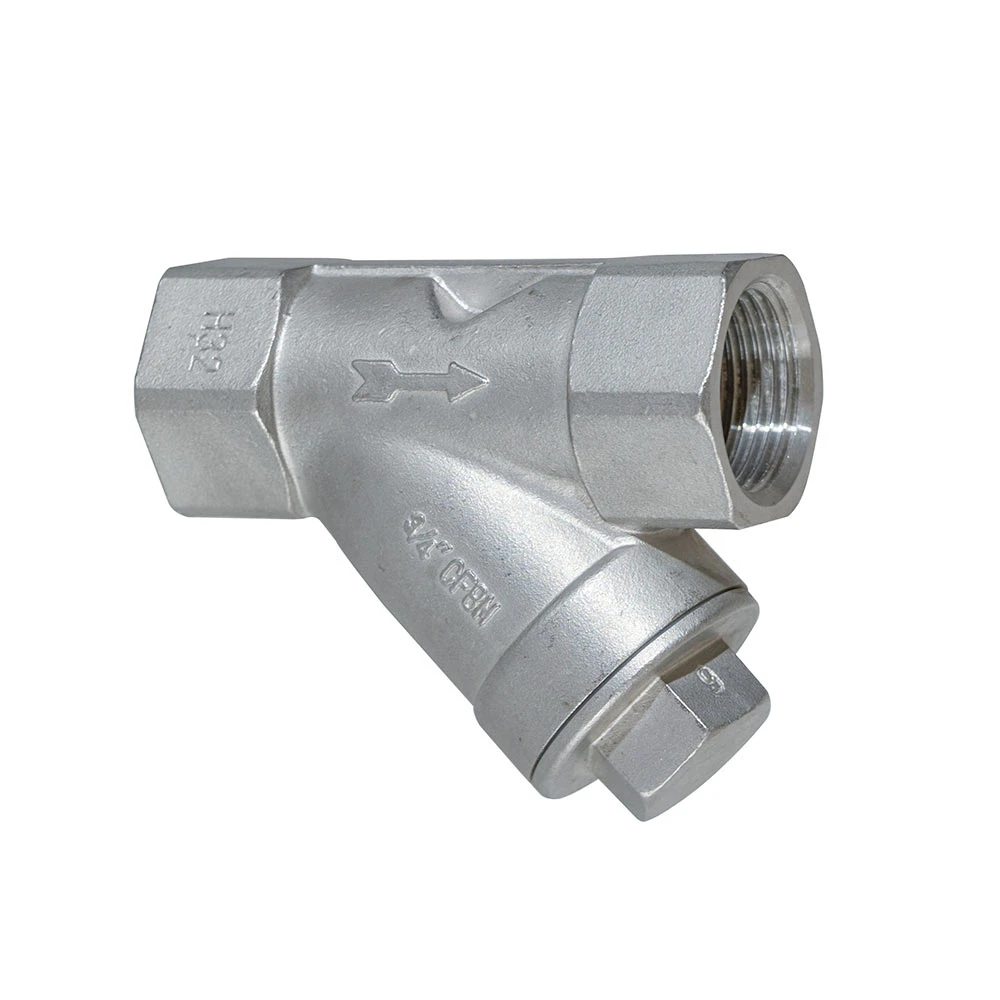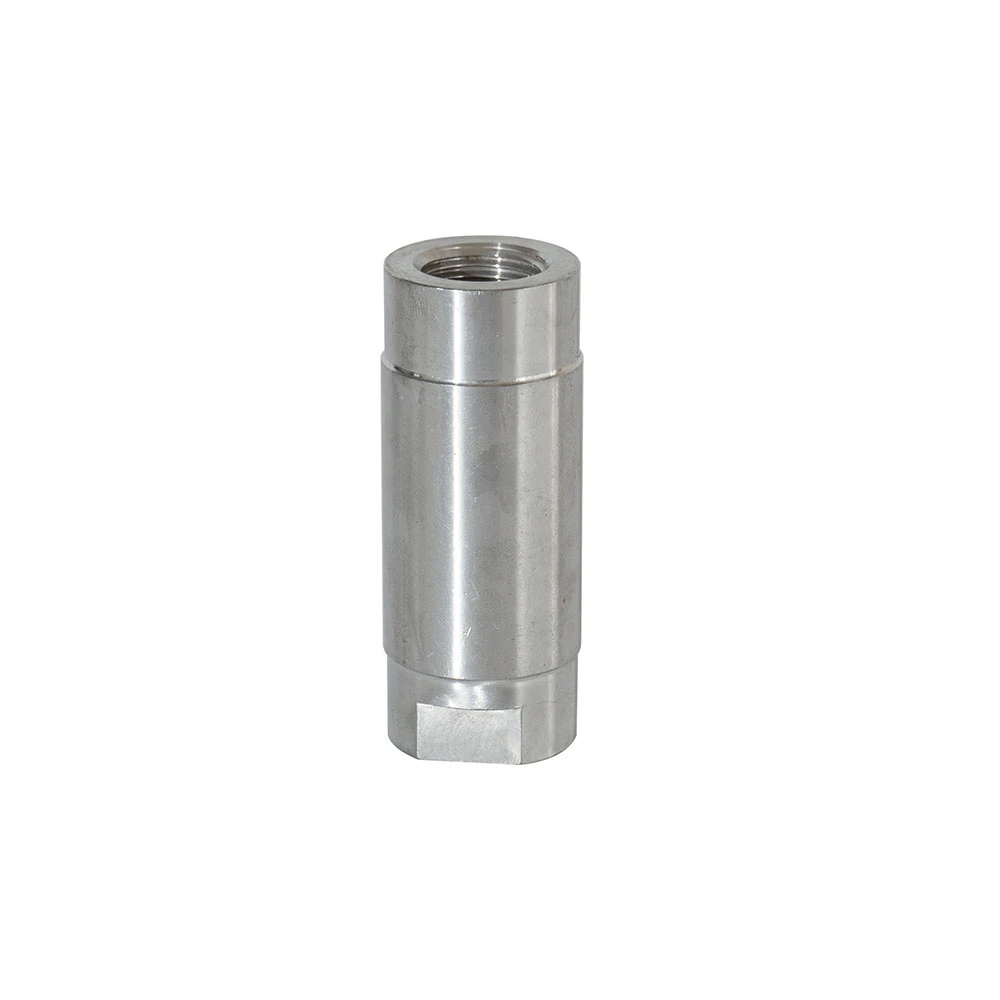
Industry Trends and the Critical Role of 1 spring check valve
The industrial landscape is constantly evolving, driven by stricter environmental regulations, heightened safety standards, and the relentless pursuit of operational efficiency. In this dynamic environment, the reliability of critical fluid control components is paramount. Check valves, designed to permit fluid flow in one direction only and prevent backflow, are fundamental to myriad systems. Among these, the 1 spring check valve stands out for its compact design, rapid response, and versatile application across various sectors.
Current trends indicate a growing demand for valves that offer superior performance in challenging conditions, including high pressures, corrosive media, and fluctuating temperatures. Industries such as petrochemical, oil and gas, water treatment, and HVAC are increasingly adopting spring-loaded check valves due to their effectiveness in preventing water hammer, maintaining system integrity, and ensuring uninterrupted process flows. The compact footprint of a 1 spring check valve is particularly beneficial in installations with limited space, a common constraint in modern industrial facilities. Furthermore, the emphasis on energy efficiency pushes for designs that minimize pressure drop while ensuring positive shut-off, a characteristic where spring check valves excel.
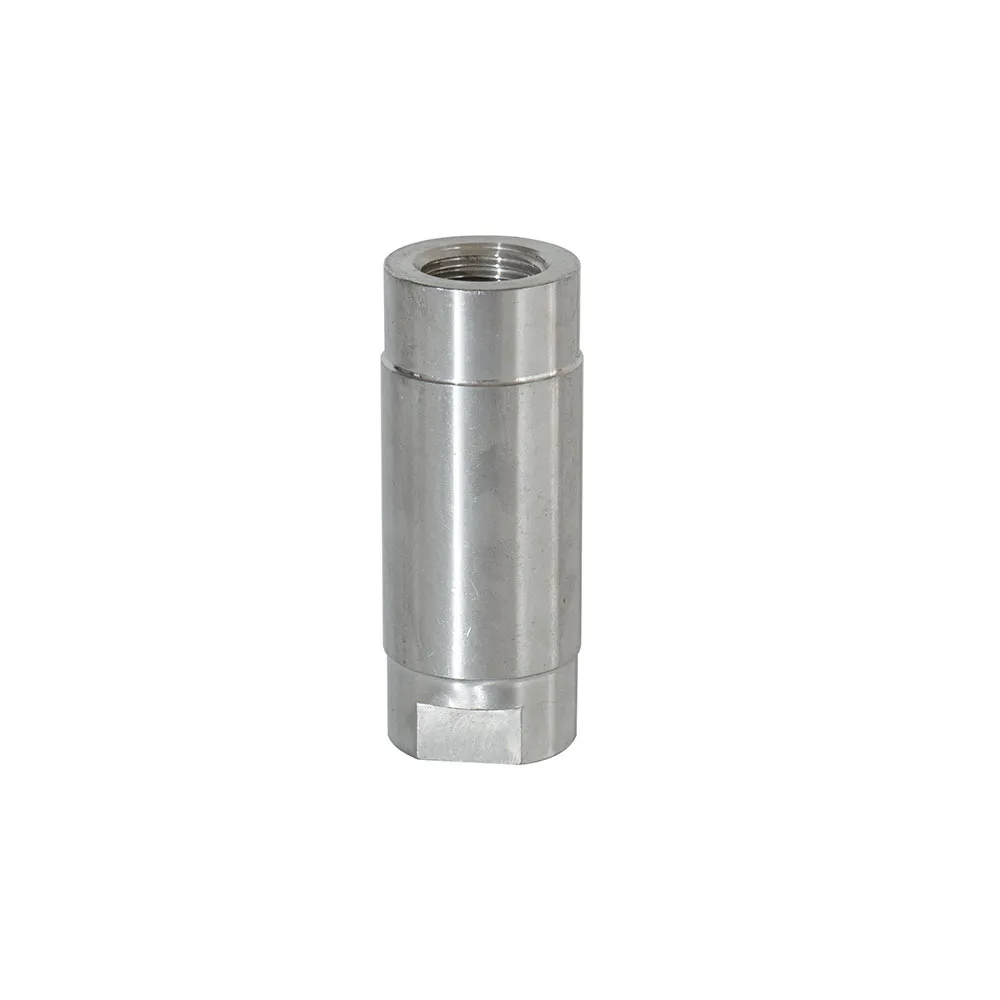
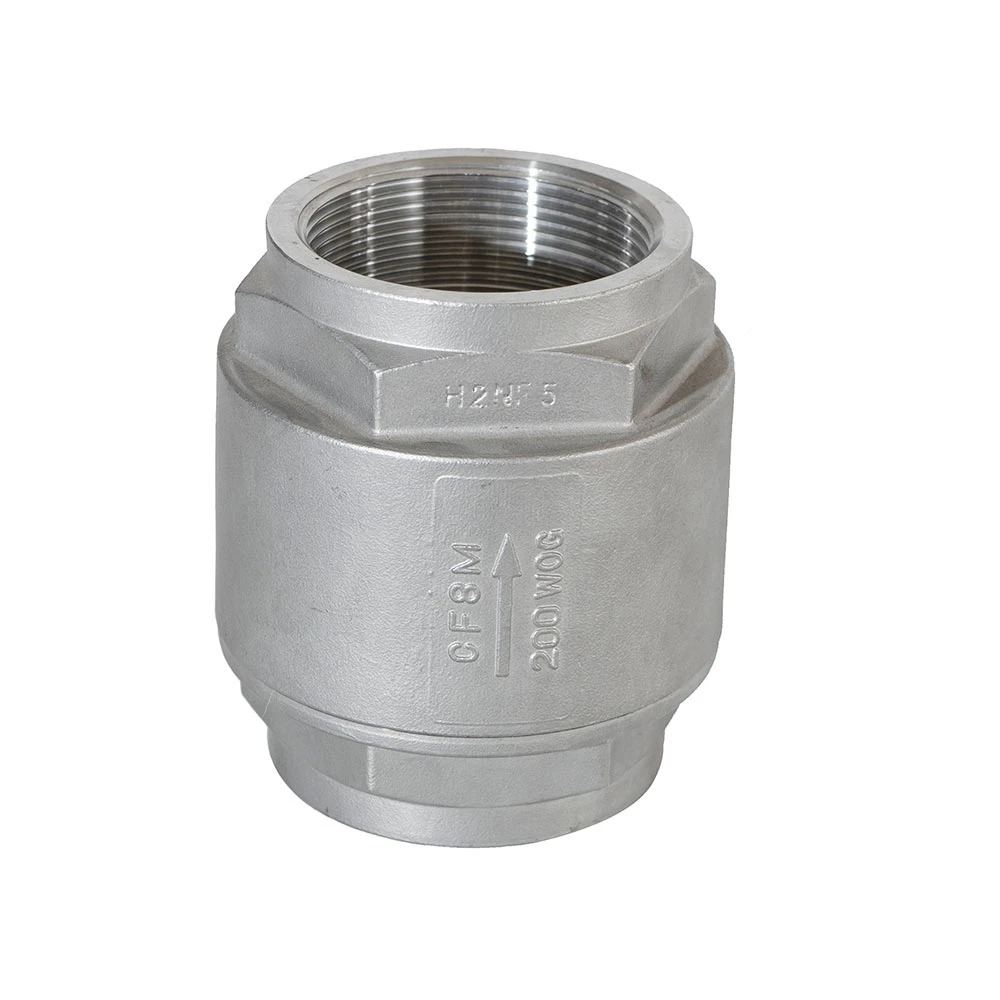
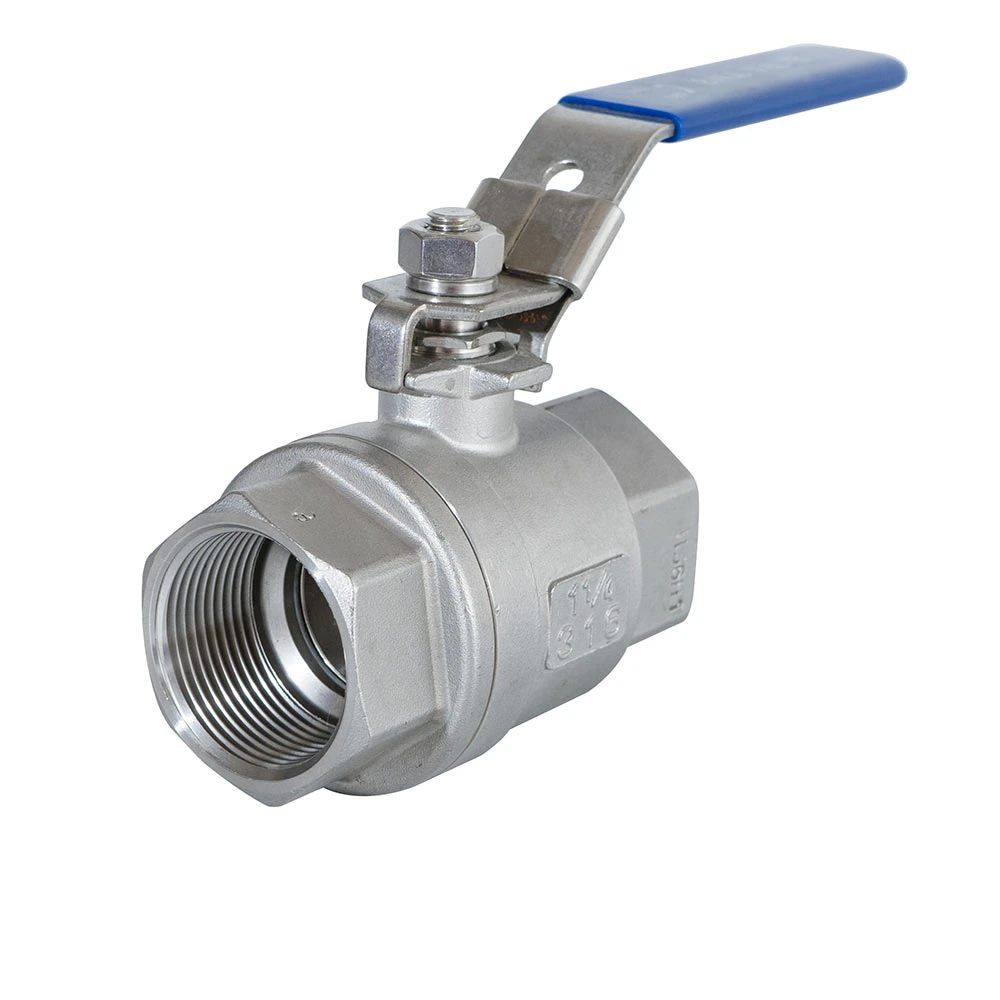
Figure 1: Typical 1 spring check valve assembly.
Technical Specifications and Parameters
Understanding the technical specifications of a 1 spring check valve is crucial for proper selection and optimal system integration. These valves are engineered to specific industry standards, ensuring compatibility and performance. Key parameters include nominal size, pressure rating, material construction, temperature range, and end connection type. For instance, a 1 spring check valve, along with variants like a 1 1/2 spring check valve or a 1/4 spring check valve, will have distinct flow characteristics and pressure drop profiles that must be considered.
Materials commonly include Stainless Steel (304, 316, 316L for corrosion resistance), Carbon Steel (A105, WCB for general industrial use), and Brass (for water and non-corrosive applications). The spring mechanism, typically made of stainless steel, ensures quick closure, minimizing reverse flow and associated surge pressures. Cracking pressure – the minimum upstream pressure required to open the valve – is a critical design parameter, often specified between 0.5 to 5 PSI (0.03 to 0.34 bar) for standard applications.
Product Specification Table: 1 PC Spring Vertical Check Valve
| Parameter | Specification |
|---|---|
| Valve Type | 1 PC Spring Vertical Check Valve |
| Nominal Size (DN) | 1" (DN25) (Also available in DN8 - DN50) |
| Body Material | ASTM A351 CF8M (316 SS), ASTM A351 CF8 (304 SS), ASTM A216 WCB (Carbon Steel) |
| Disc/Spring Material | SS316, SS304 |
| Pressure Rating | Class 150/PN10-PN16 (Up to Class 600/PN100 depending on material) |
| Temperature Range | -20°C to +200°C (Material Dependent) |
| End Connection | NPT, BSPT, BSPP (Threaded), Flanged, Welded |
| Applicable Media | Water, Oil, Gas, Steam, Corrosive Fluids |
| Design Standard | API 594, ASME B16.34, EN 12516-1 |
| Test Standard | API 598, ISO 5208 |
| Cracking Pressure | Typically 0.5 - 1.0 PSI (0.03 - 0.07 bar) |
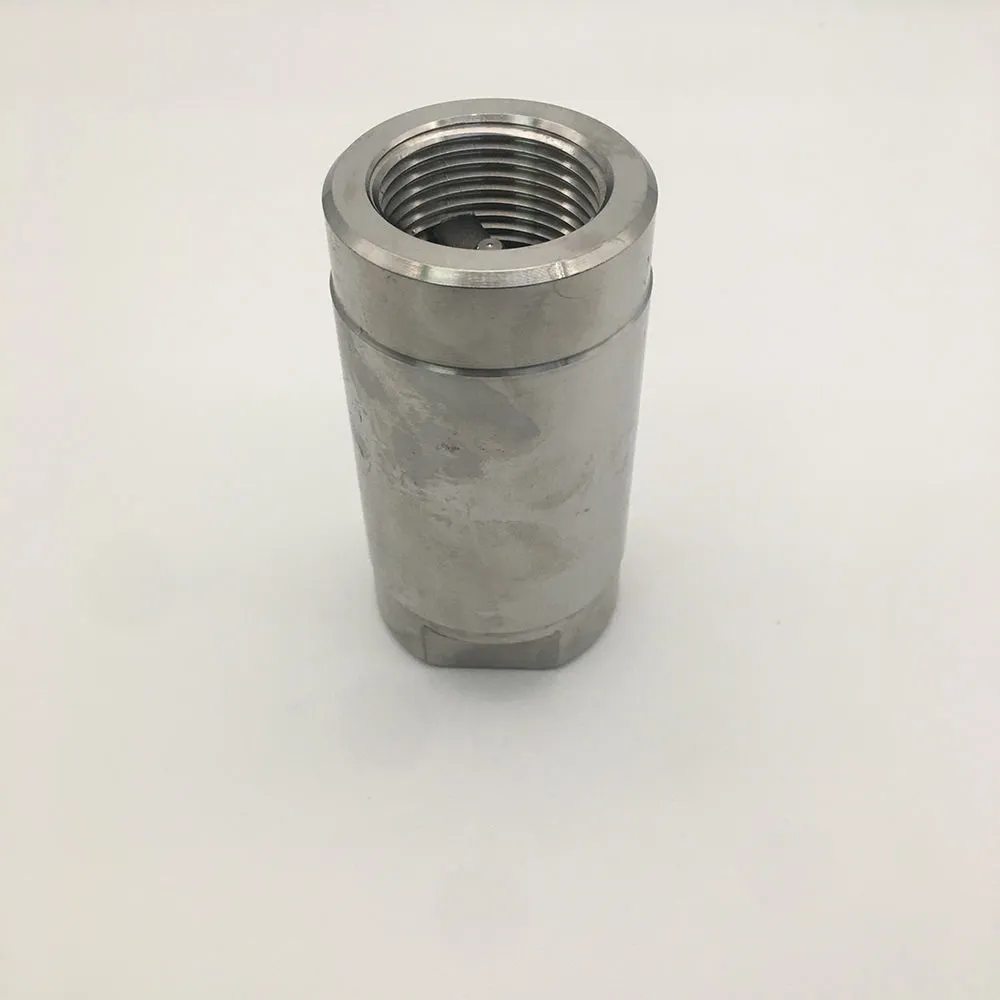
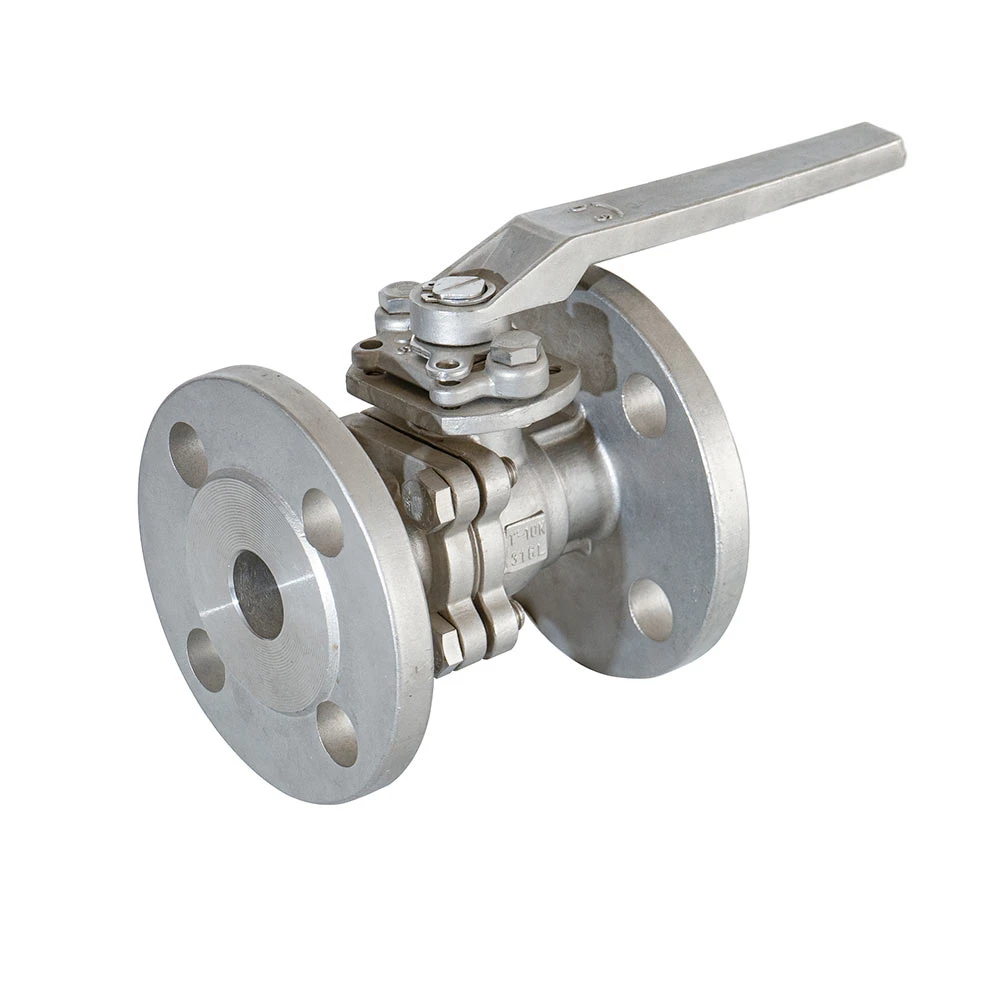
Figure 2: Sectional view of a spring check valve, highlighting internal components.
Manufacturing Process Flow of a 1 spring check valve
The production of a high-quality 1 spring check valve involves a meticulous process, combining advanced metallurgy with precision engineering. Adherence to international standards like ISO 9001 ensures consistent quality and reliability. The service life of these valves, often exceeding 10-15 years in typical applications with proper maintenance, is a testament to robust manufacturing practices.
Detailed Process Steps:
-
Material Selection & Preparation:
- Materials: High-grade stainless steel (e.g., ASTM A351 CF8M/316 SS), carbon steel (e.g., ASTM A216 WCB), or brass are selected based on application requirements for corrosion resistance and pressure ratings.
- Quality Check: Raw material certificates are verified against industry standards (e.g., ASTM, EN) to ensure chemical composition and mechanical properties.
-
Body & Cap Manufacturing:
- Casting/Forging: Valve bodies and caps are typically produced via precision casting or, for higher pressure/temperature applications, hot forging. This process forms the complex internal geometries.
- Heat Treatment: Components undergo heat treatment (e.g., annealing, normalizing) to relieve internal stresses, improve ductility, and optimize mechanical properties.
- CNC Machining: Critical surfaces, such as internal bore, seat area, and end connections (NPT/BSPT threads or flange faces), are precision machined using Computer Numerical Control (CNC) equipment to meet strict dimensional tolerances (e.g., ASME B16.34).
-
Internal Component Production:
- Disc & Spring: The valve disc and spring (often SS316 or SS304) are manufactured separately, also typically via CNC machining and specialized coiling for springs to ensure precise dimensions and spring constant.
- Sealing Elements: O-rings or gaskets (e.g., PTFE, Viton, NBR) are prepared, ensuring compatibility with the intended media and temperature.
-
Assembly:
- Skilled technicians assemble the disc, spring, and sealing elements into the valve body, followed by the secure fastening of the cap.
- All components are carefully aligned to ensure smooth operation and effective sealing.
-
Testing & Quality Control:
- Hydrostatic Testing: Each valve undergoes hydrostatic shell and seat testing (e.g., API 598, ISO 5208) at pressures significantly higher than its rated capacity to detect leaks and structural integrity issues.
- Low-Pressure Air Test: Critical for verifying sealing performance at low cracking pressures.
- Functional Testing: The valve's opening and closing characteristics are verified, including cracking pressure and full closure.
- Dimensional Inspection: Final inspection confirms all dimensions meet specified tolerances.
-
Surface Treatment & Packaging:
- Valves are cleaned, passivated (especially stainless steel), and sometimes coated for added corrosion protection.
- Proper labeling, including material, size, pressure rating, and manufacturing date, is applied.
- Valves are securely packaged to prevent damage during transit.
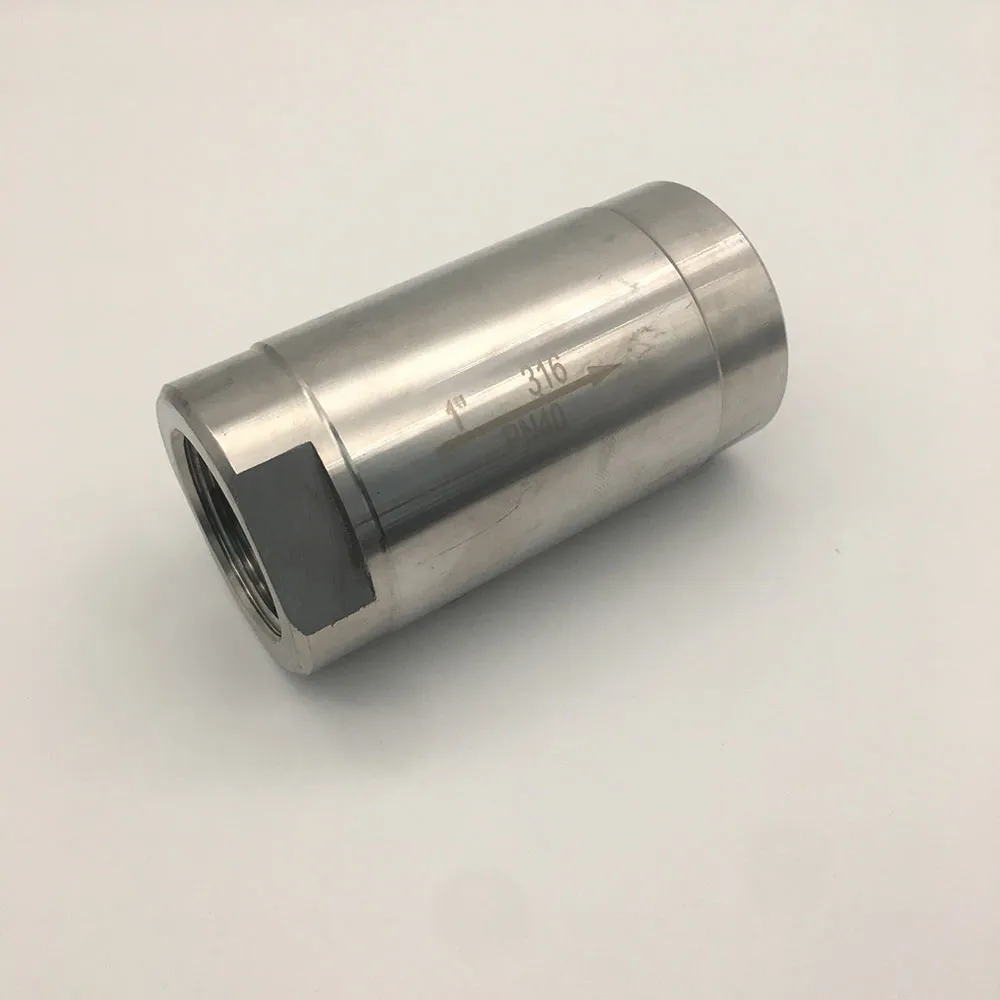
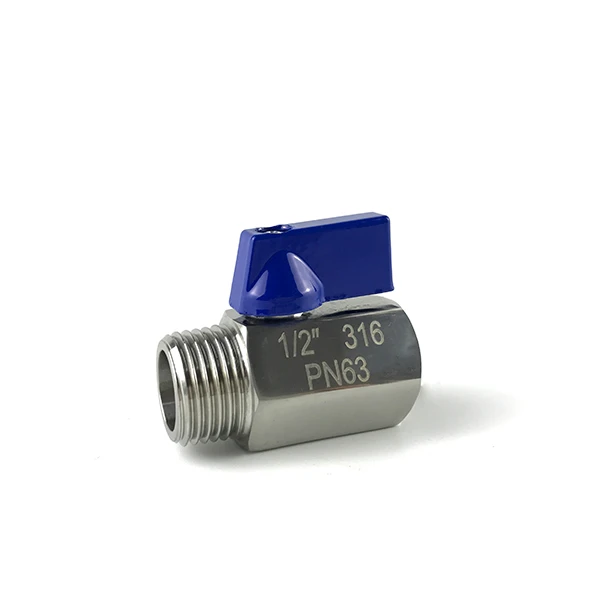
Figure 3: High-precision CNC machining ensures dimensional accuracy.
Application Scenarios and Technical Advantages
The versatility and robust design of the 1 spring check valve make it indispensable across a wide array of industries. Its ability to effectively prevent backflow, even in vertical lines, offers significant technical advantages in critical applications.
Typical Application Scenarios:
- Petrochemical and Oil & Gas: Protecting pumps and compressors from reverse flow, especially in crude oil pipelines, refining units, and gas processing plants. Their compact nature is valuable in dense piping systems.
- Water Supply & Drainage Systems: Essential for preventing contamination and maintaining pressure in municipal water treatment plants, pumping stations, and irrigation systems. They effectively mitigate water hammer, thereby extending the life of pumps and piping.
- HVAC (Heating, Ventilation, and Air Conditioning): Used in chiller lines, boiler feed lines, and condenser systems to ensure unidirectional flow and prevent costly system shutdowns due to backflow.
- Chemical Processing: Handling corrosive and hazardous fluids where material compatibility (e.g., 316L SS) and reliable sealing are paramount for safety and process integrity.
- Power Generation: In steam, condensate, and cooling water circuits to protect turbines and boilers from reverse flow conditions.
- Industrial Utilities: Compressed air lines, lubrication systems, and hydraulic circuits benefit from positive shut-off and minimal pressure drop.
Technical Advantages:
- Energy Saving: The compact design and low cracking pressure result in minimal pressure drop across the valve, contributing to lower energy consumption for pumps and compressors. In a typical pumping system, a well-designed check valve can reduce energy losses by up to 5-10% compared to less efficient designs.
- Corrosion Resistance: When manufactured from materials like 316 or 316L Stainless Steel, the 1 spring check valve offers exceptional resistance to corrosive media, extending service life and reducing maintenance costs in harsh chemical environments.
- Rapid Response & Water Hammer Mitigation: The spring-loaded design enables quick closure upon flow cessation, significantly reducing the potential for water hammer and pressure surges, which can cause severe damage to piping and equipment.
- Versatile Installation: Unlike some other check valve types, spring check valves can be installed in both horizontal and vertical pipelines without compromising performance, offering greater flexibility in system design.
- Compact Footprint: Their inline, wafer, or threaded design minimizes space requirements, making them ideal for installations with limited available space.
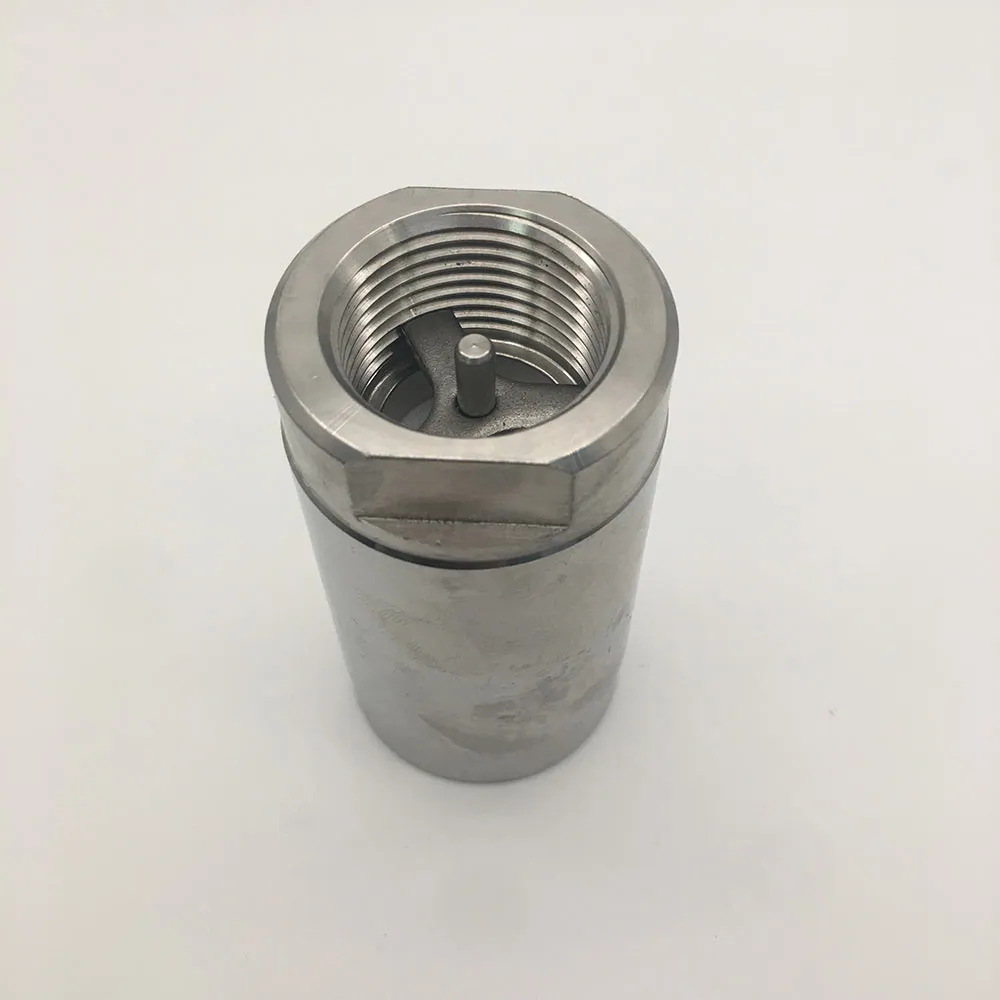
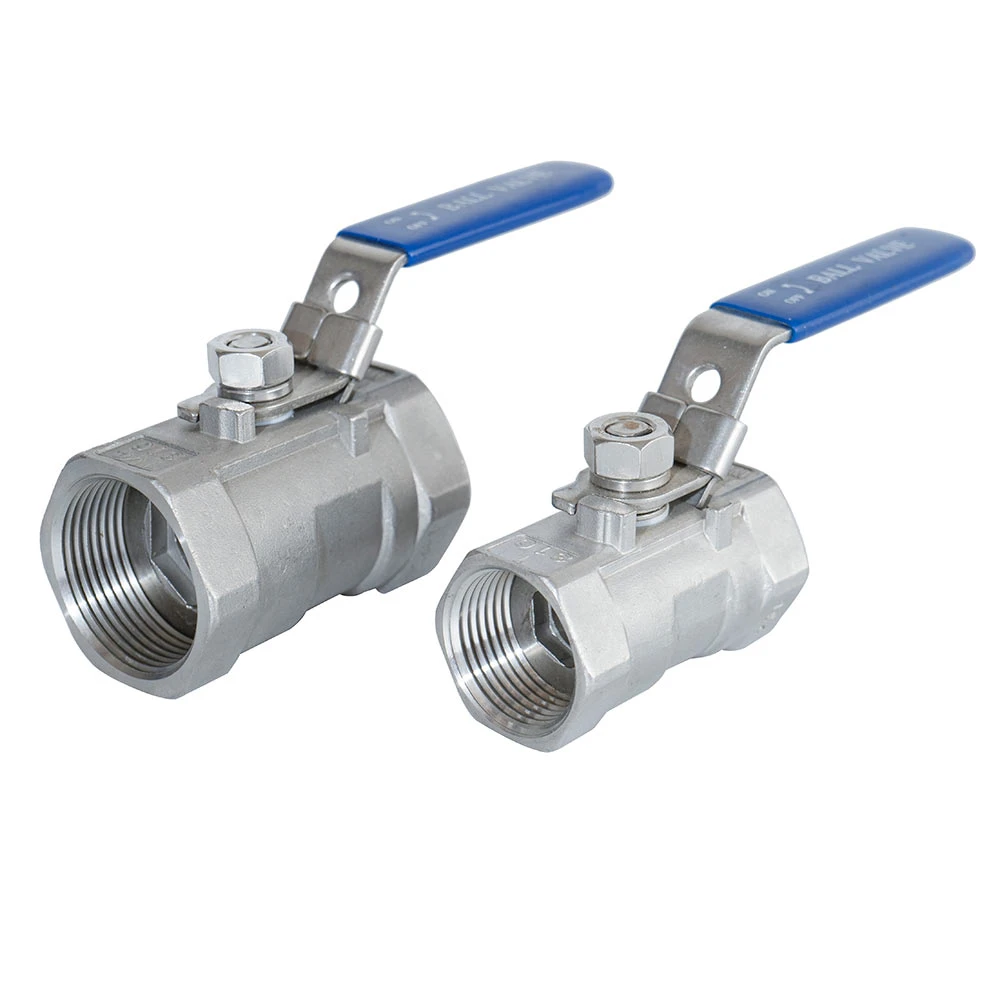
Figure 4: A range of spring check valves ready for diverse industrial applications.
Vendor Comparison and Customized Solutions
Selecting the right vendor for a 1 spring check valve is as critical as selecting the valve itself. A reputable vendor offers not only high-quality products but also robust technical support, customization capabilities, and a proven track record. Key differentiators often include material certification, testing protocols, adherence to international standards, and the ability to provide bespoke solutions for unique process requirements.
Vendor Comparison: Key Criteria for Spring Check Valves
| Feature | Premium Vendor (e.g., Houde Valve) | Standard Vendor |
|---|---|---|
| Certifications | ISO 9001, CE, API 6D, PED, TUV | Basic ISO 9001 |
| Material Traceability | Full MTC (Material Test Certificates) available for all components, heat numbers tracked. | Limited or no MTC for internal parts. |
| Testing Procedures | 100% Hydrostatic, Low-Pressure Air, Functional Cycle Test (API 598, ISO 5208). | Basic Hydrostatic, often batch testing. |
| Customization | Special cracking pressures, exotic materials, specific end connections, unique sizes (e.g., beyond standard 1 spring check valve to 1 1/2 spring check valve or even micro 1/4 spring check valve). | Limited to standard configurations only. |
| Engineering Support | Dedicated technical team for application sizing, material compatibility, and troubleshooting. | Basic product data sheets only. |
| Warranty & After-Sales | Comprehensive 12-24 month warranty, readily available spare parts, global service network. | Limited warranty, often difficult to obtain spare parts. |
Customized Solutions for Specialized Applications:
Many industrial processes demand more than off-the-shelf components. A specialized provider understands that a standard 1 spring check valve might not suffice for extreme conditions. Customization options include:
- Exotic Materials: For highly corrosive or erosive media, materials such as Duplex Stainless Steel, Hastelloy, or Titanium can be specified.
- Tailored Cracking Pressures: Springs can be calibrated to achieve specific cracking pressures, from ultra-low (e.g., 0.1 PSI for vacuum breakers) to higher pressures for specific system requirements.
- Special End Connections: Beyond standard NPT or flanged, specialized connections like compression fittings, sanitary clamps, or welded ends can be engineered.
- High-Temperature/High-Pressure Designs: Valves designed with specific wall thicknesses, gasket materials, and internal clearances to withstand extreme operating envelopes.
- Actuated Options: While typically passive, in some cases, spring check valves can be integrated with external actuation for controlled shut-off or opening.
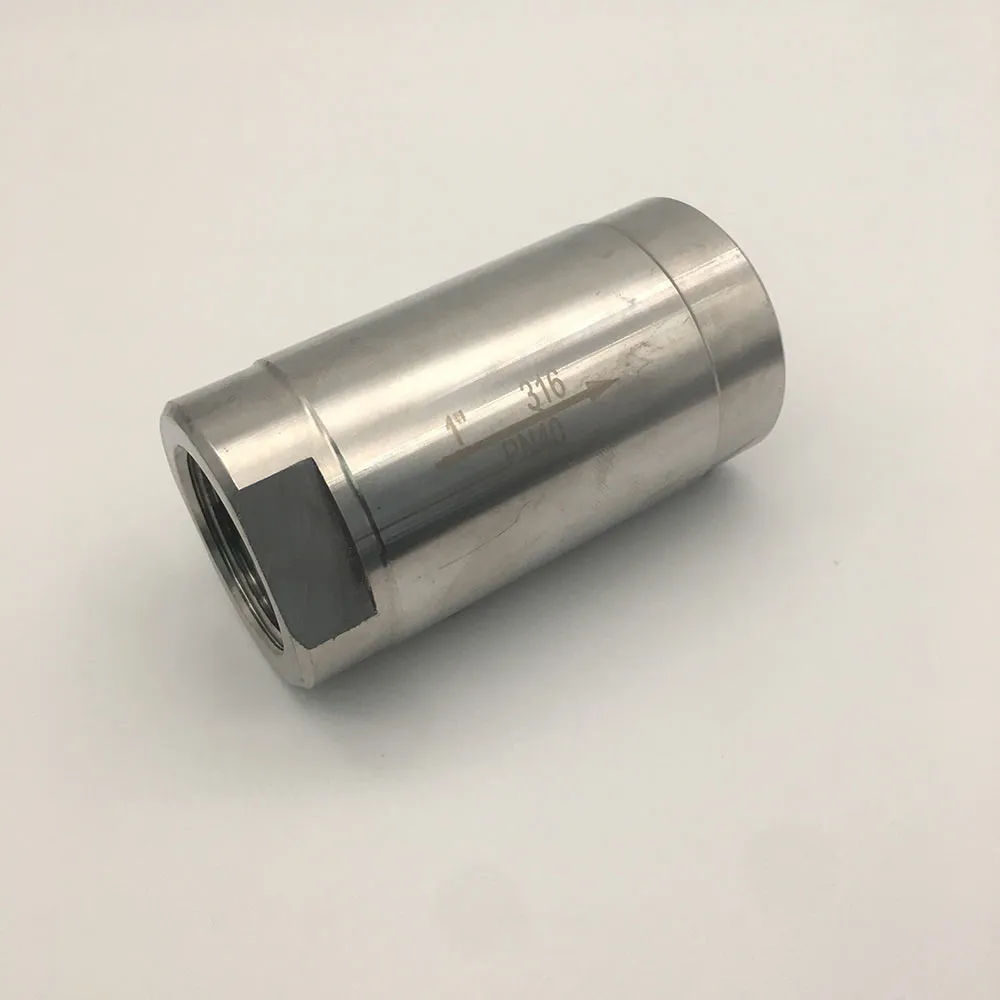
Figure 5: Precision engineering for diverse applications, including a 1 1/2 spring check valve.
Application Case Studies and Customer Experience
Real-world application demonstrates the tangible benefits and reliability of a well-engineered 1 spring check valve. Our commitment to quality is underscored by consistent positive customer feedback and long-term partnerships across various industries.
Case Study 1: Preventing Water Hammer in a Municipal Pumping Station
A large metropolitan water authority faced recurring issues with severe water hammer in their main pumping station, leading to frequent pipe bursts and pump damage. The existing swing check valves were slow to close, allowing significant reverse flow before shut-off. After consultation, they replaced the problematic valves with 1" to 6" spring-loaded check valves, including several 1 spring check valve units in auxiliary lines. The rapid closure mechanism of the spring check valves, coupled with precise spring calibration, virtually eliminated water hammer, reducing maintenance costs by 30% annually and extending pump life by an estimated 5 years. This proactive solution ensured consistent water supply and protected critical infrastructure.
Case Study 2: Corrosive Media Control in a Chemical Plant
A chemical manufacturing facility producing specialty acids required check valves capable of withstanding highly corrosive media at elevated temperatures. Their previous bronze valves failed prematurely, leading to hazardous leaks and production downtime. We provided customized 316L Stainless Steel spring check valves, including a number of 1 1/2 spring check valve units, with PTFE seals. These valves demonstrated superior corrosion resistance and maintained tight shut-off even after extensive periods of operation, significantly enhancing safety and process reliability. The client reported a 90% reduction in valve-related maintenance interventions within the first two years of operation, validating the investment in specialized materials.
Customer Feedback & Partnerships:
"The 1 spring check valve units supplied by Houde Valve have consistently met our stringent quality and performance requirements. Their technical team's support during selection and installation was invaluable." - Lead Engineer, Global Pharmaceutical Manufacturer.
"We've partnered with Houde Valve for over a decade for our critical flow control needs. Their valves, from the smallest 1/4 spring check valve to large industrial models, perform flawlessly, and their compliance with ISO and ANSI standards provides us complete confidence." - Procurement Manager, Major Petrochemical Corporation.
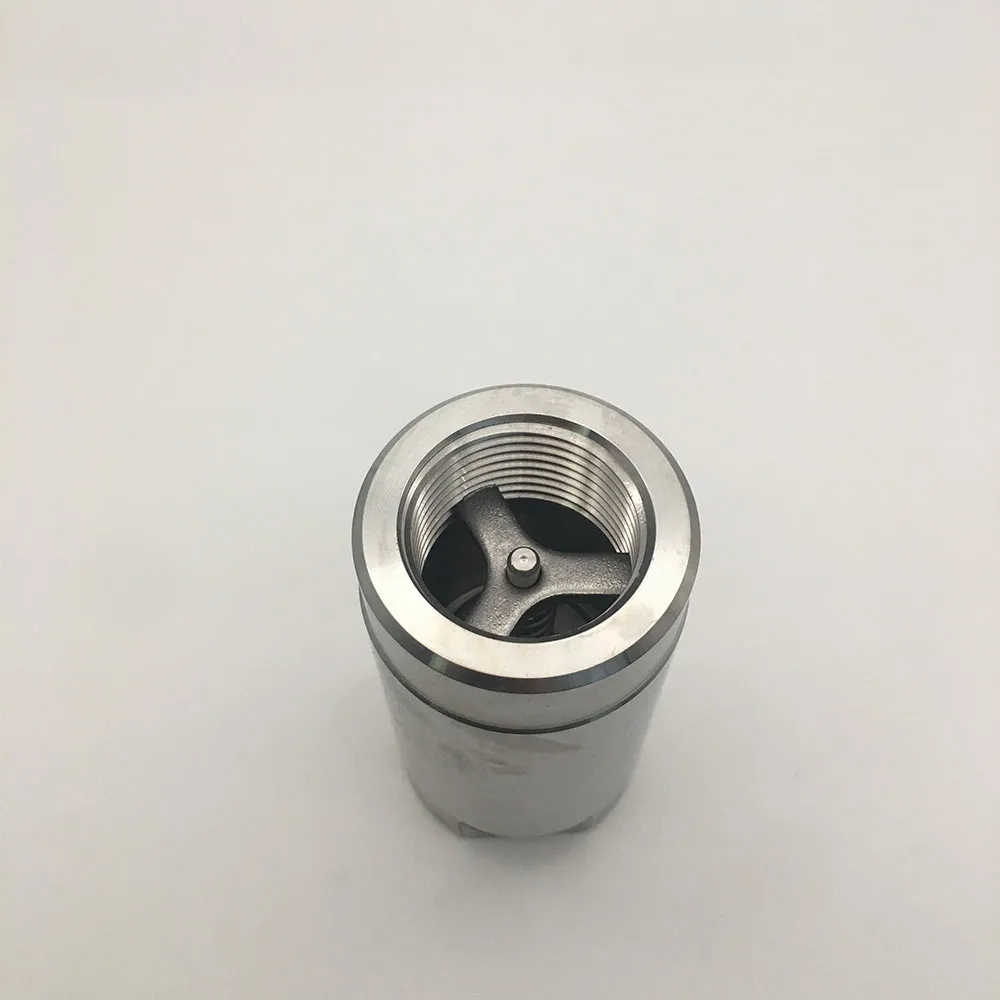
Figure 6: A specialized 1 spring check valve undergoing final inspection.
Ensuring Trustworthiness: FAQ, Lead Time, Warranty & Support
Frequently Asked Questions (FAQ):
- Q: What is the primary function of a 1 spring check valve?
- A: Its primary function is to prevent backflow in a pipeline, allowing fluid to flow in only one direction and automatically closing when flow ceases or reverses, typically by means of a spring-loaded disc.
- Q: Can a spring check valve be installed in any orientation?
- A: Yes, one of the key advantages of a spring check valve is its ability to be installed in both horizontal and vertical pipelines, provided the flow direction is observed. The spring mechanism ensures closure regardless of gravity.
- Q: What is "cracking pressure" and why is it important?
- A: Cracking pressure is the minimum upstream pressure required to open the valve and allow flow. It's important for ensuring the valve opens at the desired system pressure and doesn't impede normal flow more than necessary.
- Q: How do I select the right material for my 1 spring check valve?
- A: Material selection depends on the fluid media's corrosiveness, operating temperature, and pressure. Common materials include Stainless Steel (304, 316, 316L) for corrosive media, Carbon Steel for general industrial use, and Brass for non-corrosive liquids. Consult our technical team for specific recommendations.
Lead Time & Fulfillment Details:
Our commitment to efficient delivery ensures project timelines are met. Standard lead times for common configurations of 1 spring check valve, 1 1/2 spring check valve, and 1/4 spring check valve are typically 2-4 weeks, depending on order volume and specific material requirements. For custom orders or large projects, lead times will be confirmed at the time of quotation, with priority given to critical path items. We maintain a robust inventory of raw materials and standard components to expedite manufacturing.
Warranty Commitments:
We stand behind the quality and performance of our products. All Houde Valve 1 PC Spring Vertical Check Valve products are backed by a comprehensive 12-month warranty from the date of shipment, covering defects in materials and workmanship. This warranty is a testament to our rigorous quality control processes and adherence to international manufacturing standards (e.g., ISO, API, ASME).
Customer Support Information:
Our dedicated customer support team and experienced technical engineers are available to assist with product selection, technical queries, installation guidance, and after-sales service. We offer:
- 24/7 Online Support: Through our website and email channels.
- Technical Consultations: Expert advice for complex application challenges.
- Spare Parts Availability: A full range of genuine spare parts to ensure longevity.
- Global Service Network: Ensuring prompt support wherever your operations are located.
For inquiries, please contact us directly via our official website or sales channels.
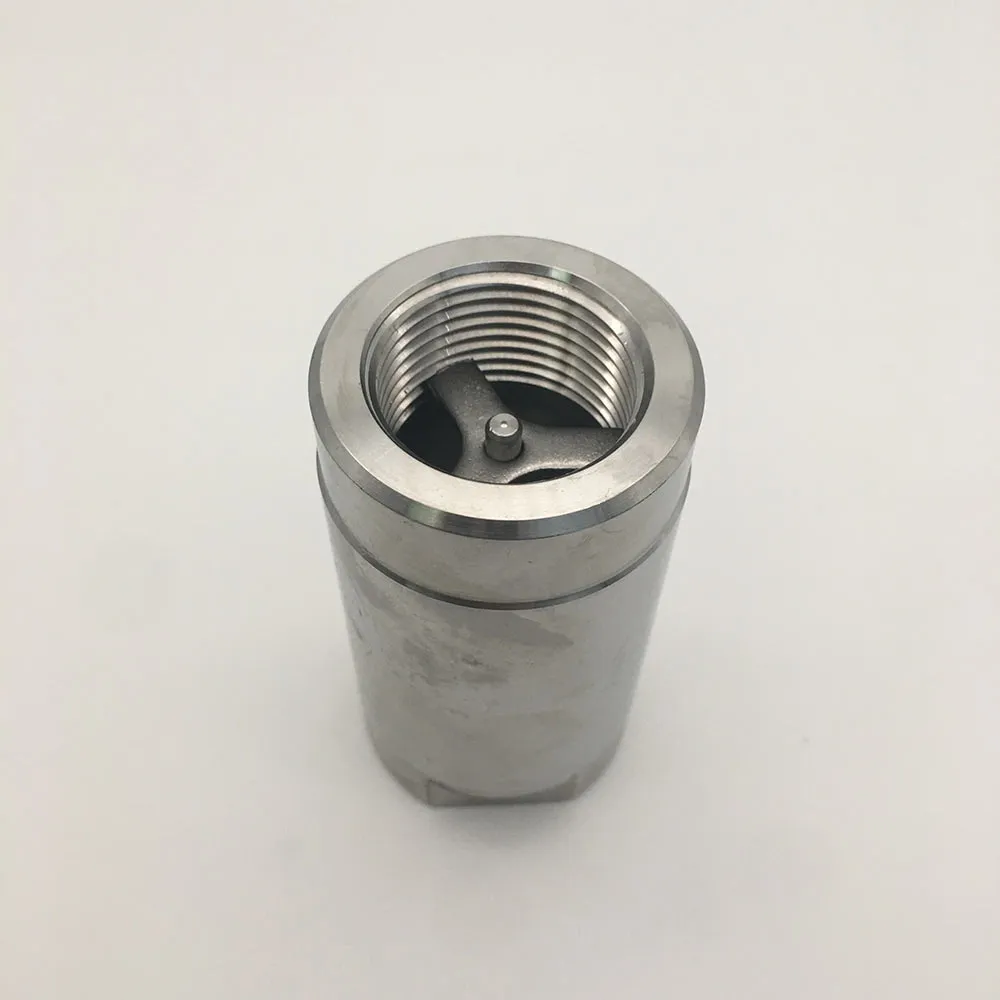
Figure 7: Quality assurance and meticulous packaging for secure delivery.
References
- American Petroleum Institute (API) Standards. (n.d.). API 594: Check Valves: Flanged, Wafer, Lug, and Butt-welding Ends.
- American Society of Mechanical Engineers (ASME). (n.d.). ASME B16.34: Valves—Flanged, Threaded, and Welding End.
- International Organization for Standardization (ISO). (n.d.). ISO 9001: Quality management systems—Requirements.
- International Organization for Standardization (ISO). (n.d.). ISO 5208: Industrial valves—Pressure testing of metallic valves.
- Process Industry Practices (PIP). (n.d.). PIP VECV1000: Check Valve Selection and Application.