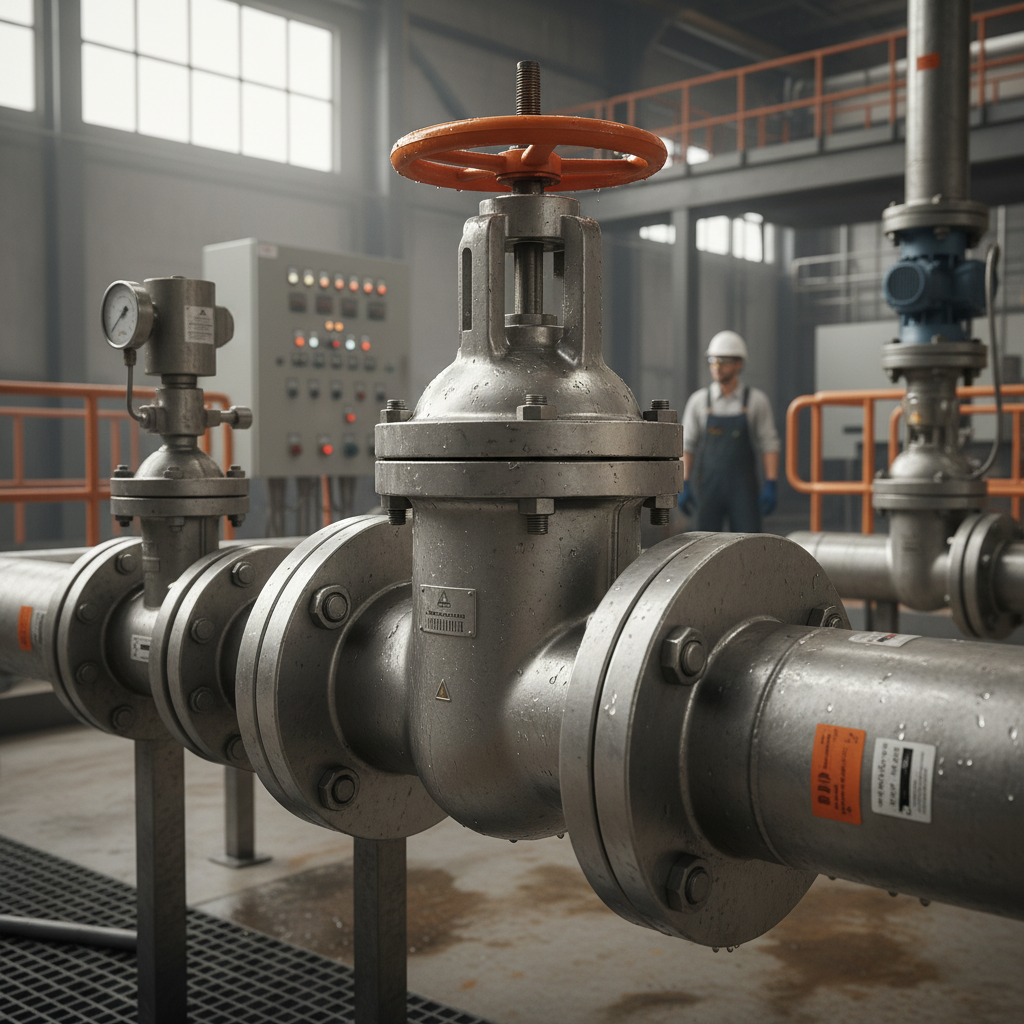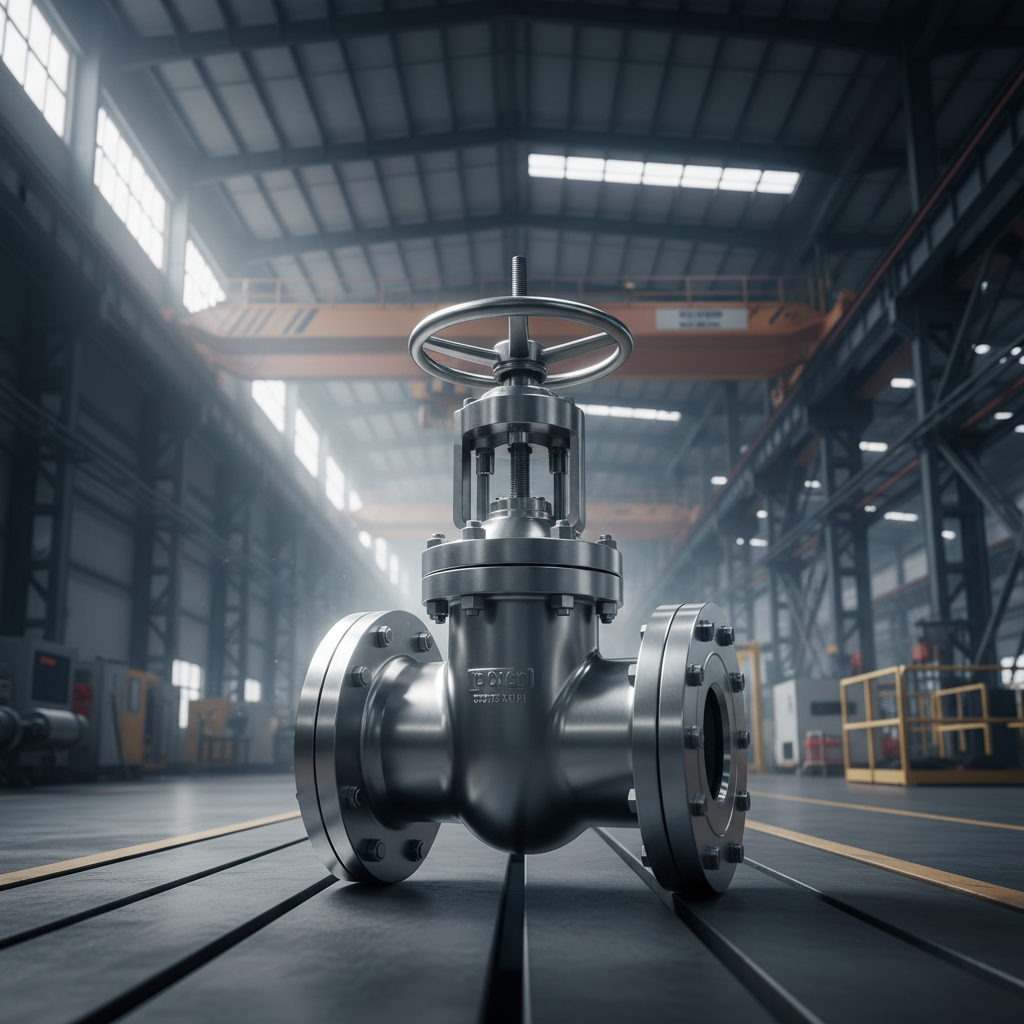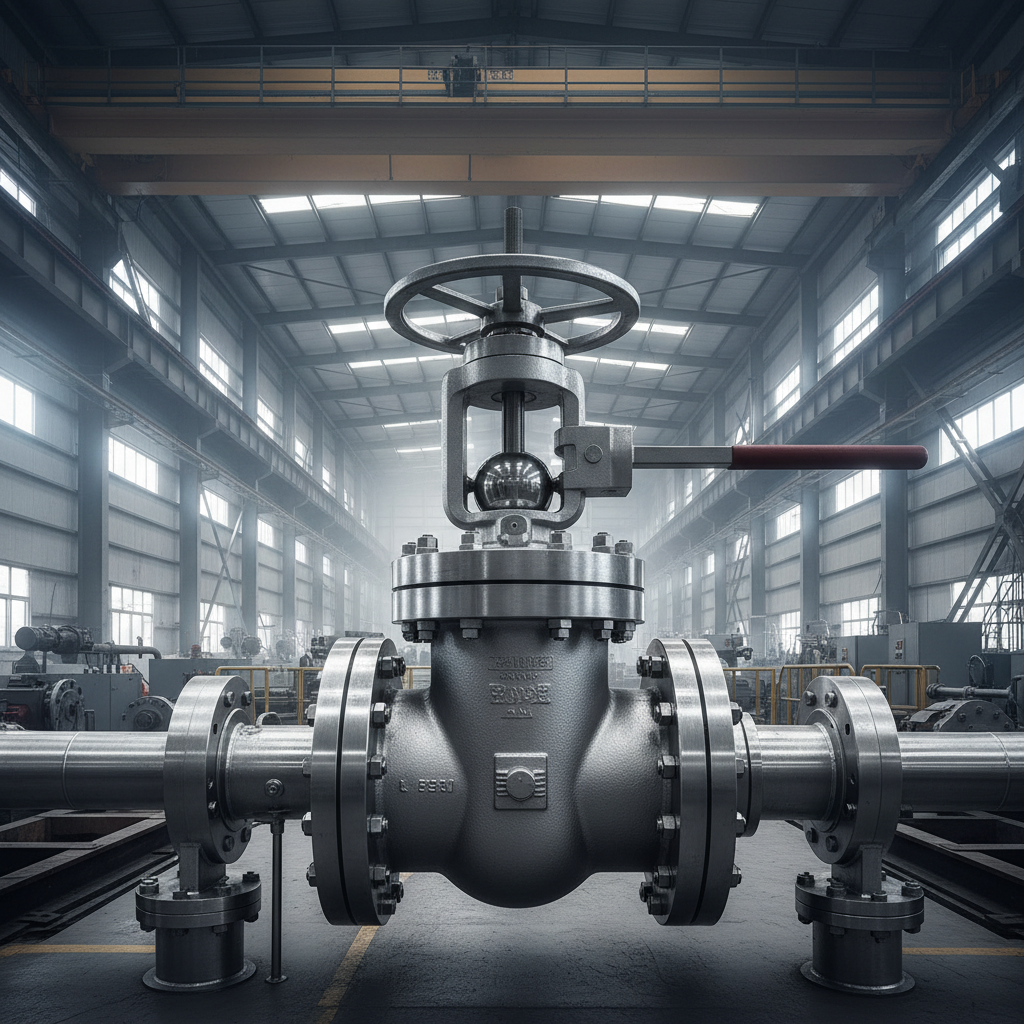
The world’s infrastructure relies heavily on robust and reliable components, and a crucial element in many systems is the 1 2 stainless valve. These valves play a vital role in controlling flow across diverse industries, from water treatment and chemical processing to food and beverage production and even pharmaceutical manufacturing. Understanding their characteristics, applications, and advancements is paramount for ensuring efficiency, safety, and longevity in these critical systems.
Globally, the demand for high-quality valves, particularly those constructed from stainless steel, is steadily increasing. This is driven by factors such as growing industrialization in developing nations, stricter environmental regulations requiring corrosion-resistant materials, and the constant need for improved process control and automation. According to recent industry reports, the stainless steel valve market is projected to reach significant growth in the coming years, highlighting its importance in the global economy.
A 1 2 stainless valve, at its core, is a mechanical device designed to regulate the flow of liquids or gases. The ‘1 2’ refers to the nominal pipe size—meaning it is designed to connect to a 1/2 inch pipe. Stainless steel, specifically grades like 304 or 316, are commonly used due to their excellent corrosion resistance, durability, and hygienic properties. This makes them ideal for applications where maintaining purity and preventing contamination are essential.

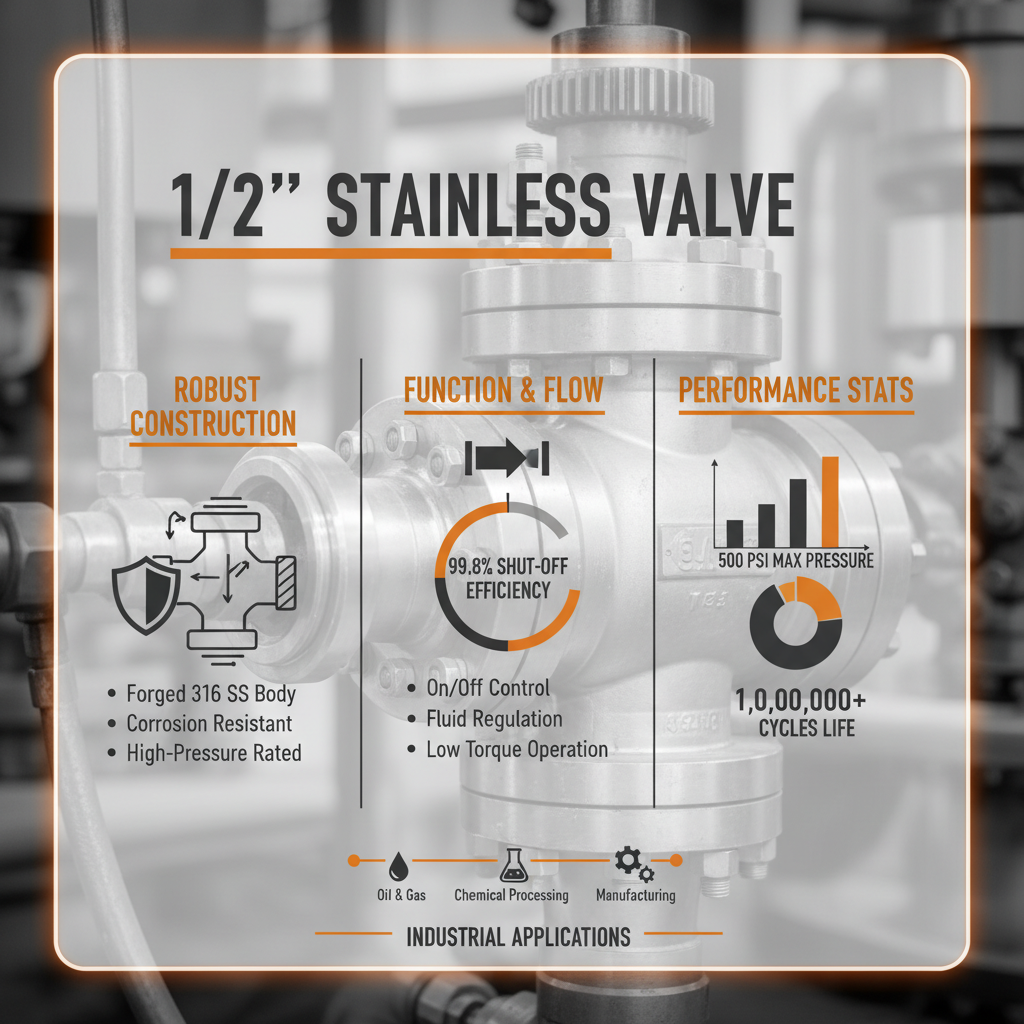
The 1 2 stainless valve is a ubiquitous component in a vast array of industrial processes. Its relatively small size belies its importance in maintaining flow control, preventing backflow, and ensuring the integrity of systems handling everything from potable water to corrosive chemicals. The 1/2 inch designation makes it ideal for smaller-scale applications where larger valves would be cumbersome or unnecessary.
Its enduring popularity stems from a combination of factors, including its relatively low cost, ease of installation, and, most importantly, its exceptional durability. Unlike valves made from less robust materials, a 1 2 stainless valve can withstand harsh operating conditions, resist corrosion, and provide reliable performance for years with minimal maintenance.
The lifespan of a 1 2 stainless valve varies depending on operating conditions and maintenance. However, with proper care, a high-quality valve can easily last 10-20 years or even longer. Factors like fluid corrosivity, temperature, and pressure all play a role. Regular inspections and preventative maintenance, such as lubrication and seal replacement, can significantly extend its service life. Choosing the appropriate stainless steel grade (304 or 316) is also critical for longevity.
304 stainless steel is suitable for general-purpose applications and offers good corrosion resistance. However, 316 stainless steel contains molybdenum, which significantly enhances its resistance to chloride corrosion, making it ideal for applications involving saltwater, chemicals, or harsh environments. If the fluid being handled is corrosive, or if the valve will be exposed to harsh conditions, 316 is the recommended choice, despite the slightly higher cost. Consider the specific application and potential exposure to corrosive elements when making your decision.
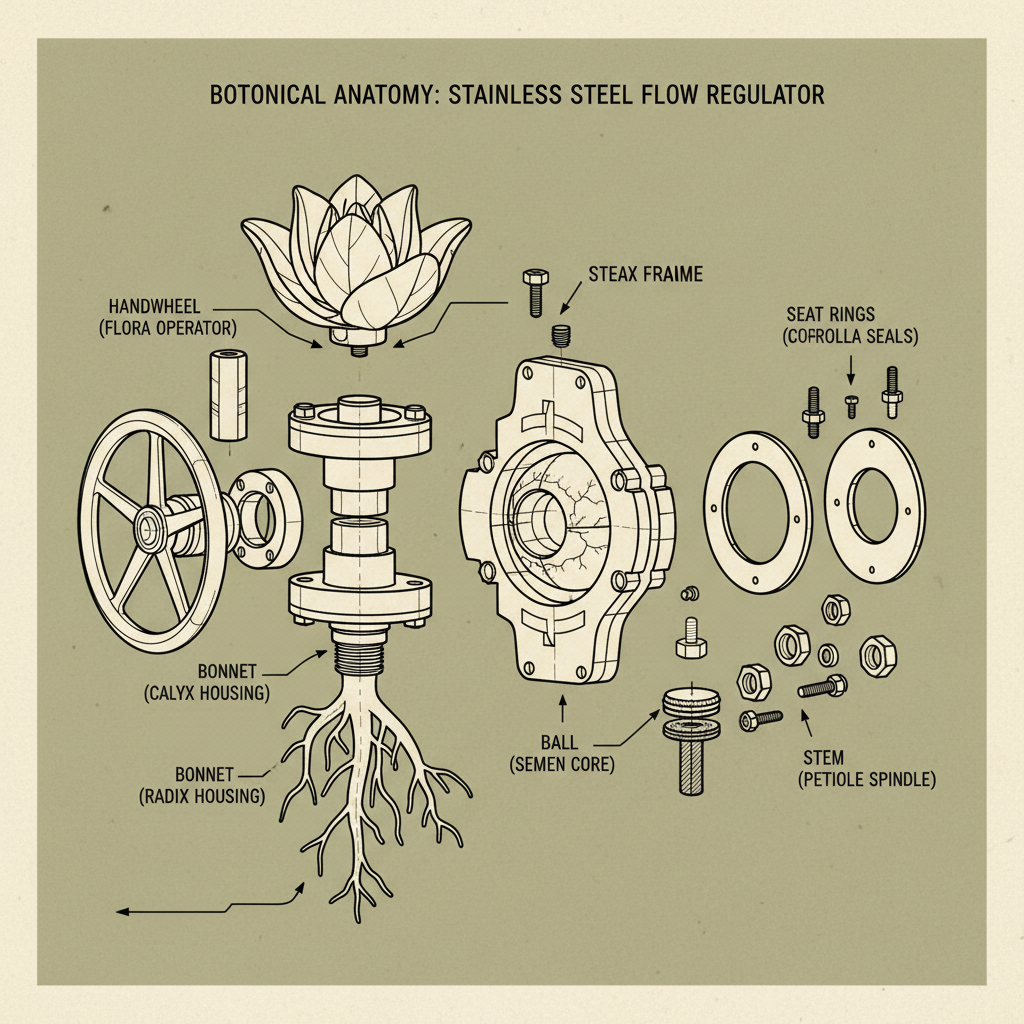
Several types of 1 2 stainless valves are available, including ball valves (for quick on/off control), gate valves (for flow isolation), globe valves (for precise flow regulation), check valves (to prevent backflow), and butterfly valves (for large flow rates with low pressure drop). The best choice depends on the specific application requirements. Ball valves are common for quick shut-off, while globe valves excel in throttling flow. Understanding the characteristics of each type is crucial for optimal system performance.
Proper installation is crucial for ensuring leak-free operation and maximizing the valve's lifespan. Always use appropriate thread sealant or Teflon tape when connecting the valve to piping. Avoid over-tightening, as this can damage the valve body or threads. Ensure the valve is oriented correctly according to the flow direction. Finally, check for leaks after installation and address any issues promptly. Following the manufacturer's instructions is essential for correct installation.
Regular maintenance is key to preventing failures and extending the valve’s lifespan. Periodically inspect the valve for leaks, corrosion, and damage. Lubricate the valve stem and seals as recommended by the manufacturer. Clean the valve body to remove any buildup or contamination. If the valve is used in a harsh environment, consider implementing a preventative maintenance schedule. Address any issues promptly to avoid costly repairs or downtime.
Yes, 1 2 stainless valves, particularly those made from 316 stainless steel, are highly suitable for potable water systems. Stainless steel is non-toxic, does not leach harmful substances into the water, and is easy to sanitize. However, it’s crucial to choose valves that are certified for potable water applications and meet relevant industry standards (like NSF/ANSI 61). Regular cleaning and disinfection are also essential to maintain water quality and prevent bacterial growth.
In conclusion, the 1 2 stainless valve stands as a critical component in numerous industries, offering a blend of durability, reliability, and hygienic properties. Its ability to withstand harsh conditions, combined with its relatively low maintenance requirements, makes it a cost-effective and sustainable solution for fluid control. From chemical processing and food production to water treatment and pharmaceutical manufacturing, its applications are widespread and vital.
Looking ahead, continued innovation in materials, smart valve technology, and sustainable manufacturing practices will further enhance the performance and value of the 1 2 stainless valve. By addressing current challenges and embracing future advancements, we can ensure that this essential component continues to play a crucial role in a wide range of industries for years to come. For more information and to explore our range of 1 2 stainless valves, visit our website: www.houdevalve.com