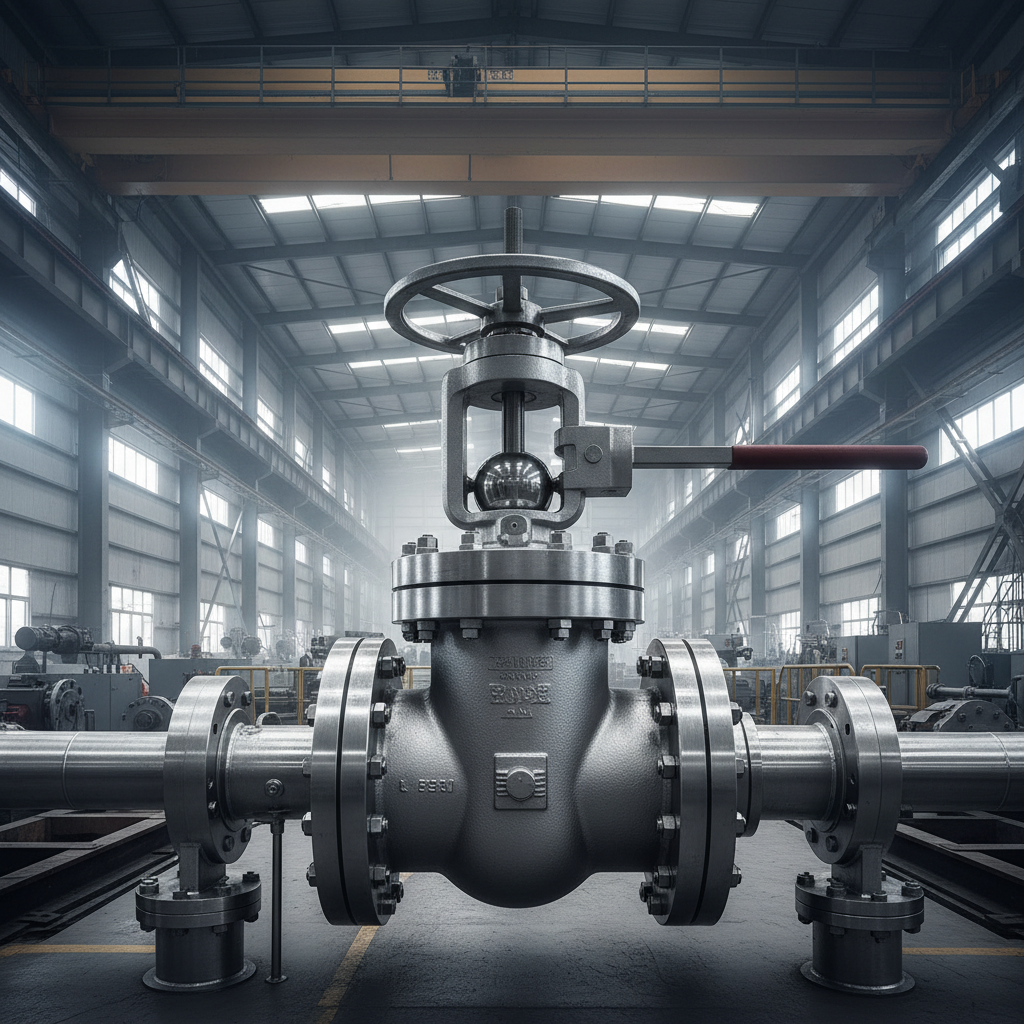
In the complex landscape of industrial fluid control, the stainless steel ball valve stands as a cornerstone of reliability and precision. These components are essential for managing the flow of aggressive chemicals, high-pressure steam, and potable water, ensuring that industrial processes remain safe and efficient. By utilizing a spherical disc to control flow, they provide a tight seal and a rapid response time that is critical for emergency shutdowns and precise regulation.
The global demand for high-performance piping components has surged as industries move toward more sustainable and corrosive-resistant materials. A high-quality stainless steel ball valve is not merely a piece of hardware but a strategic investment in operational uptime and worker safety. Understanding the nuances of material grades and sealing technologies allows engineers to mitigate the risk of leaks and catastrophic failures in high-stakes environments.
From pharmaceutical cleanrooms to offshore oil rigs, the versatility of the stainless steel ball valve makes it indispensable. This guide explores the technical dimensions, global applications, and future innovations of these valves, providing a comprehensive overview for procurement managers and system designers who prioritize longevity and compliance with international ISO and ASME standards.
Global Relevance and Industrial Context of Stainless Steel Ball Valves
On a global scale, the industrial valve market is driven by the rigorous demands of the energy, chemical, and water treatment sectors. The stainless steel ball valve has become the gold standard for these industries because it bridges the gap between cost-efficiency and extreme durability. With the increasing adoption of ISO 9001 quality management systems worldwide, the need for standardized, leak-proof flow control has never been more critical.
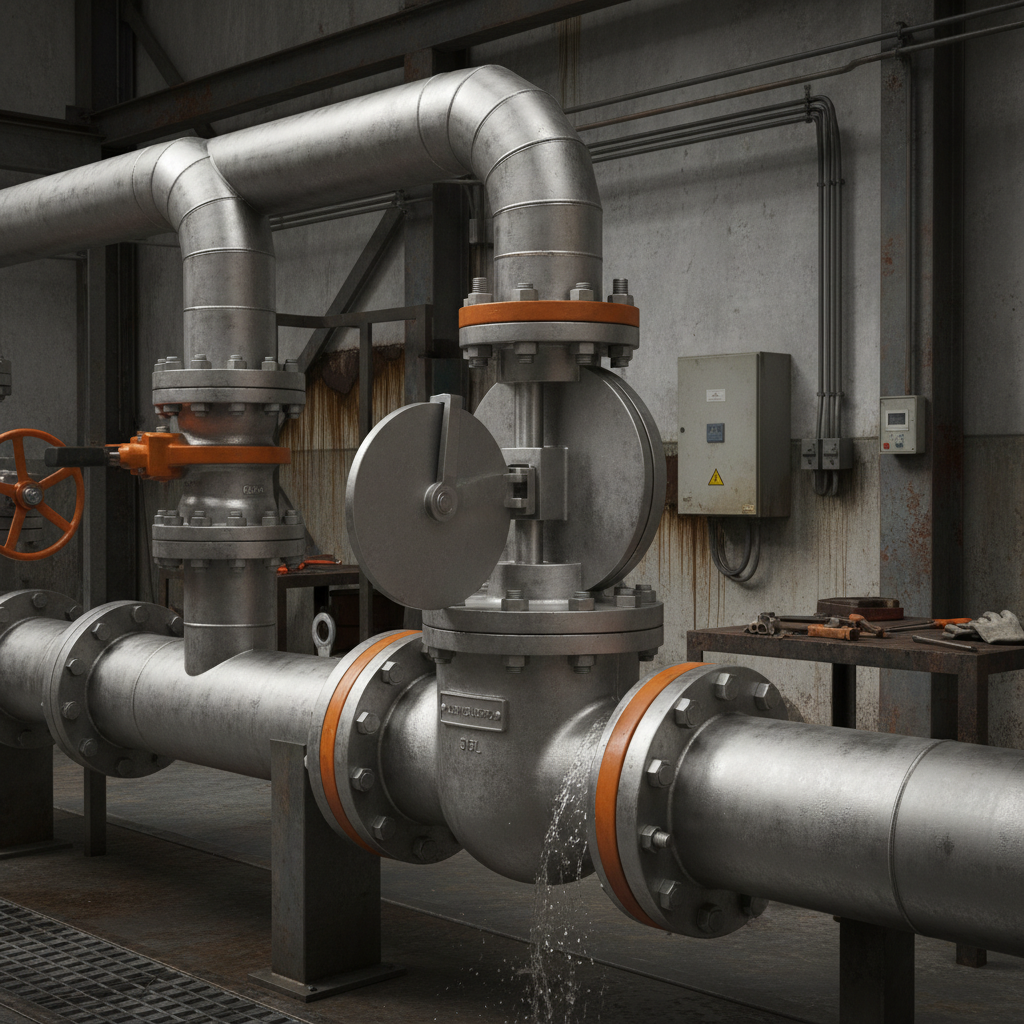
Many industrial zones, particularly in rapidly developing economies, face the challenge of premature equipment failure due to corrosive environments. The integration of a robust stainless steel ball valve addresses these systemic vulnerabilities, reducing the frequency of unplanned shutdowns and lowering the total cost of ownership over the equipment's lifecycle.
Defining the Stainless Steel Ball Valve and Its Core Purpose
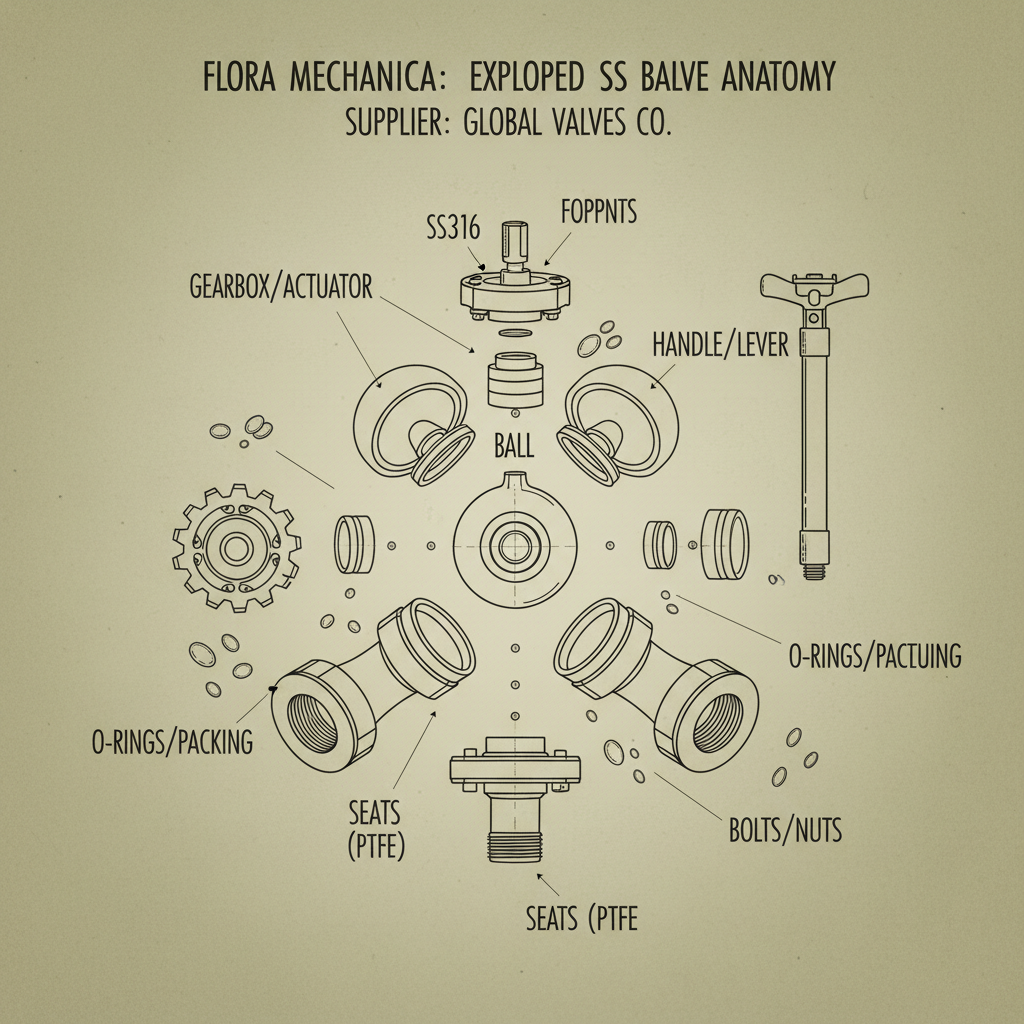
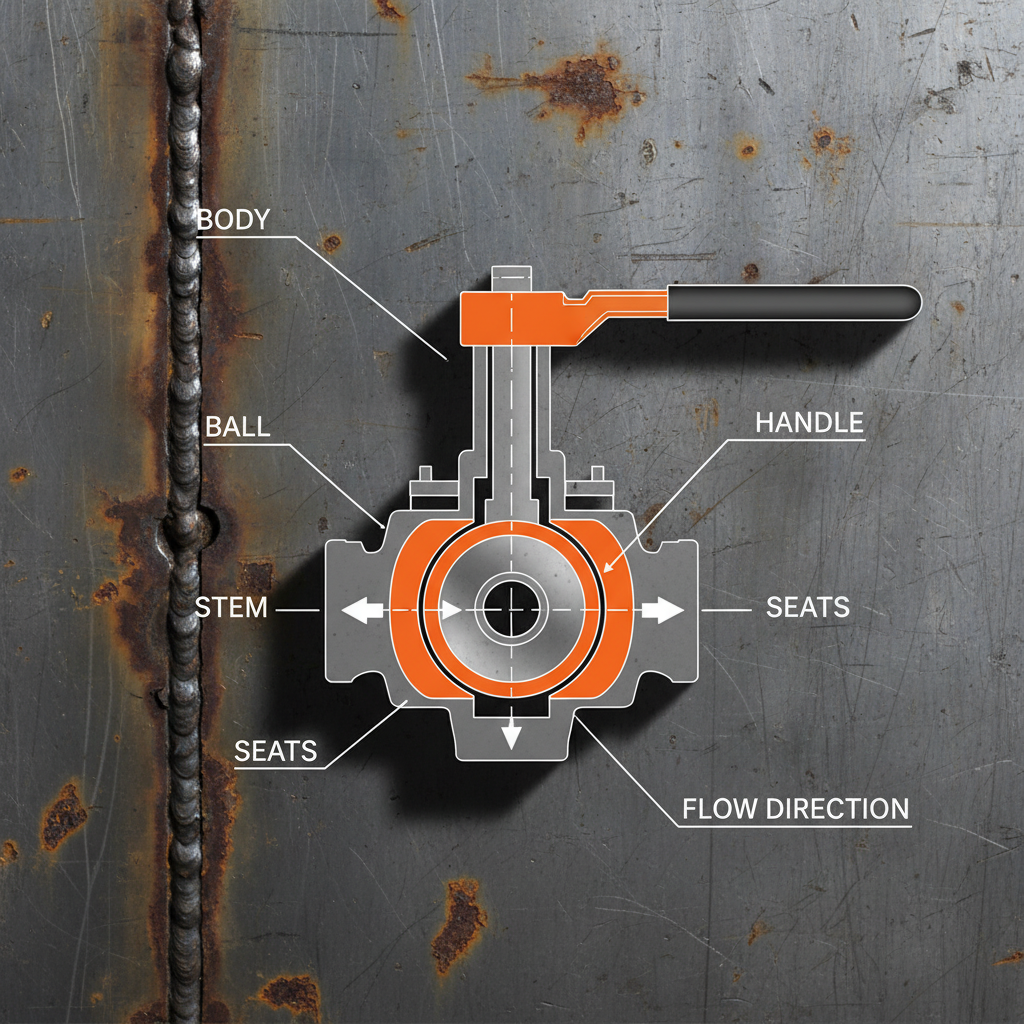
At its most basic level, a stainless steel ball valve is a quarter-turn rotational motion valve that uses a hollow, perforated ball to control the flow of liquids or gases. When the ball's hole is aligned with the flow path, the valve is open; when rotated 90 degrees, the flow is completely blocked. This simple yet effective mechanism allows for rapid operation and a bubble-tight seal.
The choice of stainless steel (typically grades 304 or 316) is not arbitrary. Modern industry requires materials that can withstand oxidation and chemical attacks without leaching contaminants into the fluid stream. This makes these valves essential for humanitarian needs, such as ensuring the purity of drinking water in municipal systems or maintaining sterile conditions in vaccine manufacturing.
Beyond simple on/off functionality, these valves are integral to the safety architecture of any facility. By providing a reliable point of isolation, they allow technicians to perform maintenance on specific sections of a pipeline without draining the entire system, thereby enhancing both operational efficiency and site safety.
Key Engineering Factors for Maximum Performance
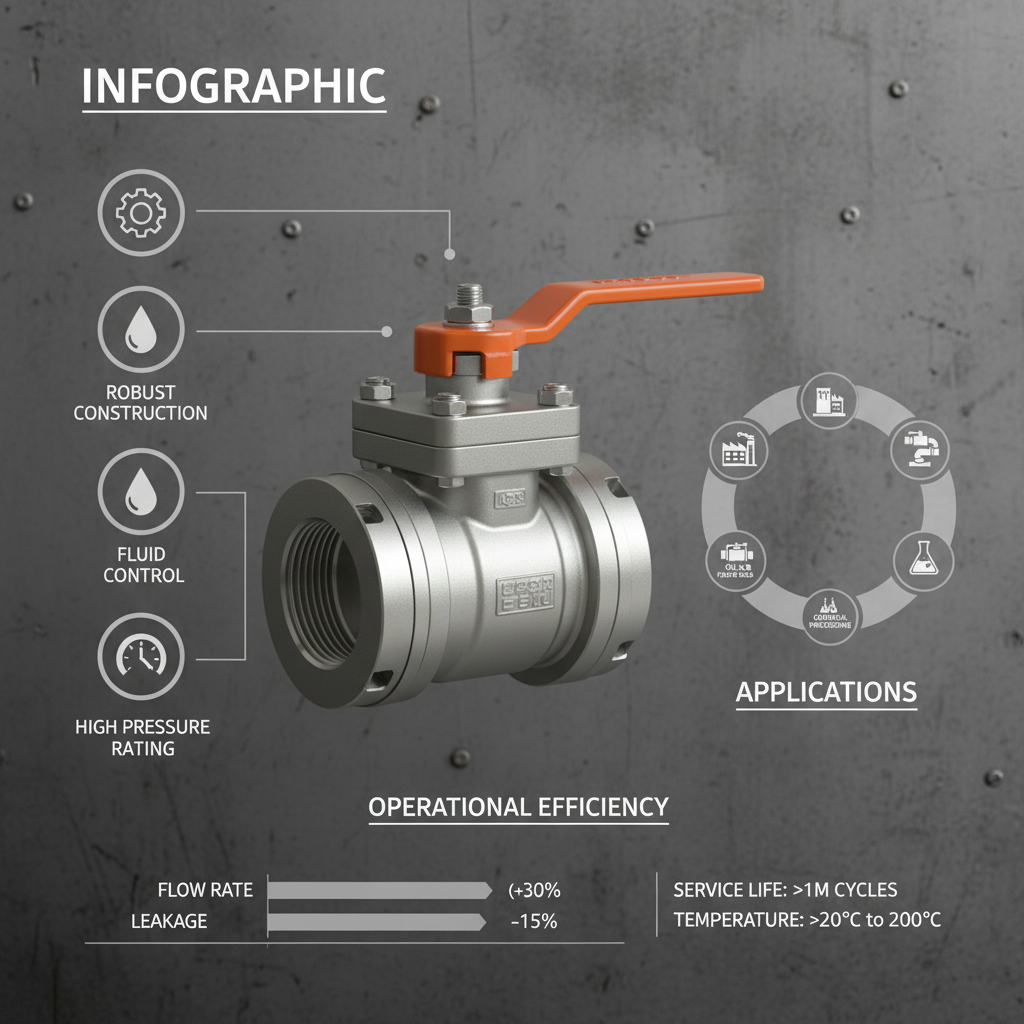
The durability of a stainless steel ball valve is primarily determined by the metallurgy of the ball and seat. High-chromium alloys ensure that the valve can withstand erosive flow patterns, while precision grinding of the ball surface prevents leakage over thousands of cycles.
Scalability is another critical factor; whether it is a miniature valve for a laboratory or a massive industrial unit for a refinery, the stainless steel ball valve maintains consistent pressure ratings. This consistency allows engineers to design modular systems that can be expanded as production capacity increases.
Cost efficiency in these components is realized through the reduction of maintenance intervals. While the initial investment in a premium stainless steel ball valve may be higher than carbon steel alternatives, the elimination of frequent replacements and the prevention of costly leaks provide a superior long-term ROI.
Global Applications and Diversified Use Cases
The application of the stainless steel ball valve spans every continent, adapted to the specific environmental challenges of each region. In the harsh saline environments of offshore platforms in the North Sea or the Gulf of Mexico, 316L grade stainless steel is used to prevent chloride-induced pitting and stress corrosion cracking.
In more specialized contexts, such as post-disaster relief operations, modular water purification units rely on these valves for their ease of installation and reliability in remote industrial zones. Their ability to operate in extreme temperatures makes them the preferred choice for cryogenic applications in liquefied natural gas (LNG) plants.
Performance Comparison of Stainless Steel Ball Valve Configurations
Long-term Value and Tangible Advantages
The most tangible benefit of investing in a stainless steel ball valve is the drastic reduction in operational risk. From a logical perspective, the corrosion resistance of stainless steel eliminates the need for frequent coating reapplications and prevents the contamination of the processed medium, which is paramount in food and beverage production.
Beyond the numbers, there is an emotional dimension of trust and safety. Plant managers can operate with peace of mind knowing that their isolation valves will perform under pressure, protecting the dignity and safety of their workforce. This reliability fosters a culture of innovation, as engineers feel confident pushing the limits of their systems.
Future Trends in Valve Automation and Materials
The digital transformation of the manufacturing sector is bringing "Smart Valves" to the forefront. The next generation of the stainless steel ball valve will likely feature integrated IoT sensors that monitor wear and tear in real-time, predicting failure before it occurs and enabling a shift from reactive to predictive maintenance.
Sustainability is also driving material innovation. We are seeing a move toward "Green Stainless Steel," produced using hydrogen-based reduction instead of coal, reducing the carbon footprint of the valve's production. This aligns with global ESG goals and the transition toward a circular economy.
Automation via electric and pneumatic actuators is becoming the standard, allowing for remote operation of stainless steel ball valve arrays. This minimizes human exposure to hazardous environments and ensures that precise timing is maintained during complex industrial sequences.
Common Challenges and Expert Technical Solutions
One of the most common limitations in current practice is "galling," where the stainless steel surfaces weld together under high pressure and friction. To overcome this, experts recommend the use of specialized coatings such as Tungsten Carbide or the implementation of a stainless steel ball valve with a reinforced PTFE seat to reduce friction.
Another challenge is the balance between seal tightness and ease of operation. High-pressure seals can make a valve difficult to turn manually. The solution lies in the adoption of trunnion-mounted designs, which support the ball and reduce the torque required for operation, ensuring that operators can close the valve quickly during an emergency.
Finally, the issue of material authenticity—where lower-grade steel is passed off as 316—remains a concern. Implementing Positive Material Identification (PMI) testing and sourcing from certified manufacturers ensures that every stainless steel ball valve meets the strict chemical composition required for the application.
Comparative Analysis of Stainless Steel Ball Valve Solutions
| Valve Grade |
Corrosion Resistance |
Pressure Handling |
Recommended Use |
| SS 304 Ball Valve |
Moderate (7/10) |
High |
General Industrial |
| SS 316 Ball Valve |
High (9/10) |
Very High |
Chemical Processing |
| SS 316L Ball Valve |
Superior (10/10) |
High |
Pharmaceuticals |
| Duplex SS Valve |
Extreme (10/10) |
Extreme |
Offshore Oil & Gas |
| CF8M Cast Valve |
High (8/10) |
Moderate |
Water Treatment |
| Alloy 20 Valve |
Max (10/10) |
High |
Sulfuric Acid Flow |
FAQS
The primary advantage is the speed of operation and the seal quality. A stainless steel ball valve only requires a 90-degree turn to fully open or close, whereas a gate valve requires multiple turns. Additionally, ball valves typically offer a tighter seal and are less prone to leaking over time, making them safer for hazardous fluids.
Choose SS 304 for general-purpose applications where corrosion risk is low to moderate. Opt for SS 316 or 316L if the valve will be exposed to chlorides, salt water, or highly acidic environments. The addition of molybdenum in 316 provides significantly better protection against pitting and crevice corrosion.
Yes, but the seat material is key. While the stainless steel body handles heat well, standard PTFE seats may deform at very high temperatures. For steam applications, it is recommended to use reinforced PTFE, RPTFE, or metal-seated valves to ensure the seal remains intact at elevated temperatures.
With proper maintenance and correct material selection, a high-quality valve can last 15 to 20 years. The lifespan depends heavily on the cycle frequency and the corrosivity of the medium. Regular lubrication of the stem and periodic seat inspections can further extend the operational life.
Galling can be prevented by using valves with hard-faced balls or by applying anti-friction coatings like Nickel or Chrome plating to the contact surfaces. Ensuring that the valve is operated at the correct torque and using high-grade lubricants also significantly reduces the risk of surface welding.
Absolutely. Most industrial stainless steel ball valves are designed with ISO-standard mounting pads, making them compatible with a wide range of pneumatic, hydraulic, and electric actuators. This allows for seamless integration into PLC-controlled systems for automated flow management.
Conclusion
The stainless steel ball valve remains an unparalleled solution for fluid control due to its exceptional blend of durability, rapid operation, and corrosion resistance. By carefully selecting the appropriate material grade and seal type, industries can ensure operational safety, minimize downtime, and maintain the purity of their processes across a diverse range of global applications.
As we look toward a future of smart manufacturing and sustainable materials, the evolution of these valves will continue to drive industrial efficiency. Investing in high-standard components today is the most effective way to prepare for the demands of tomorrow's infrastructure. To find the perfect valve for your specific application, visit our website: www.houdevalve.com.