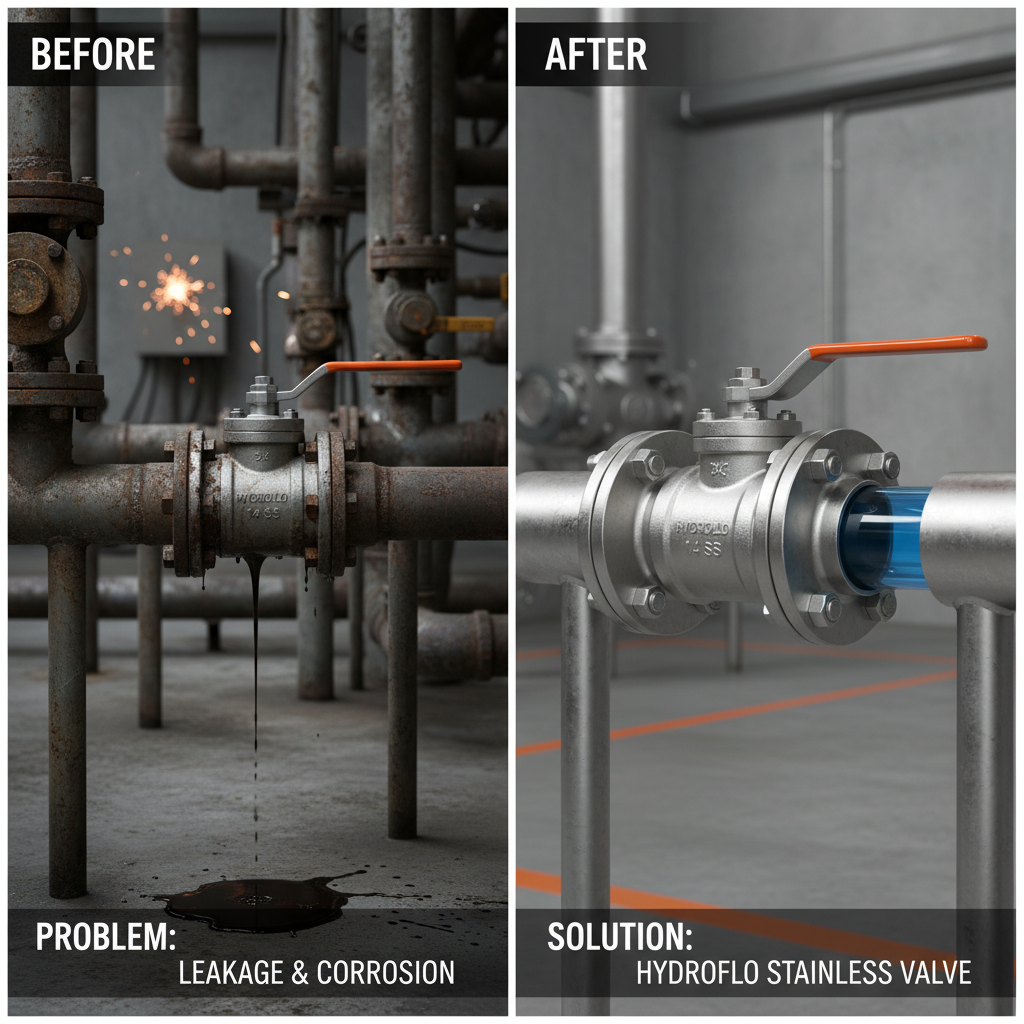
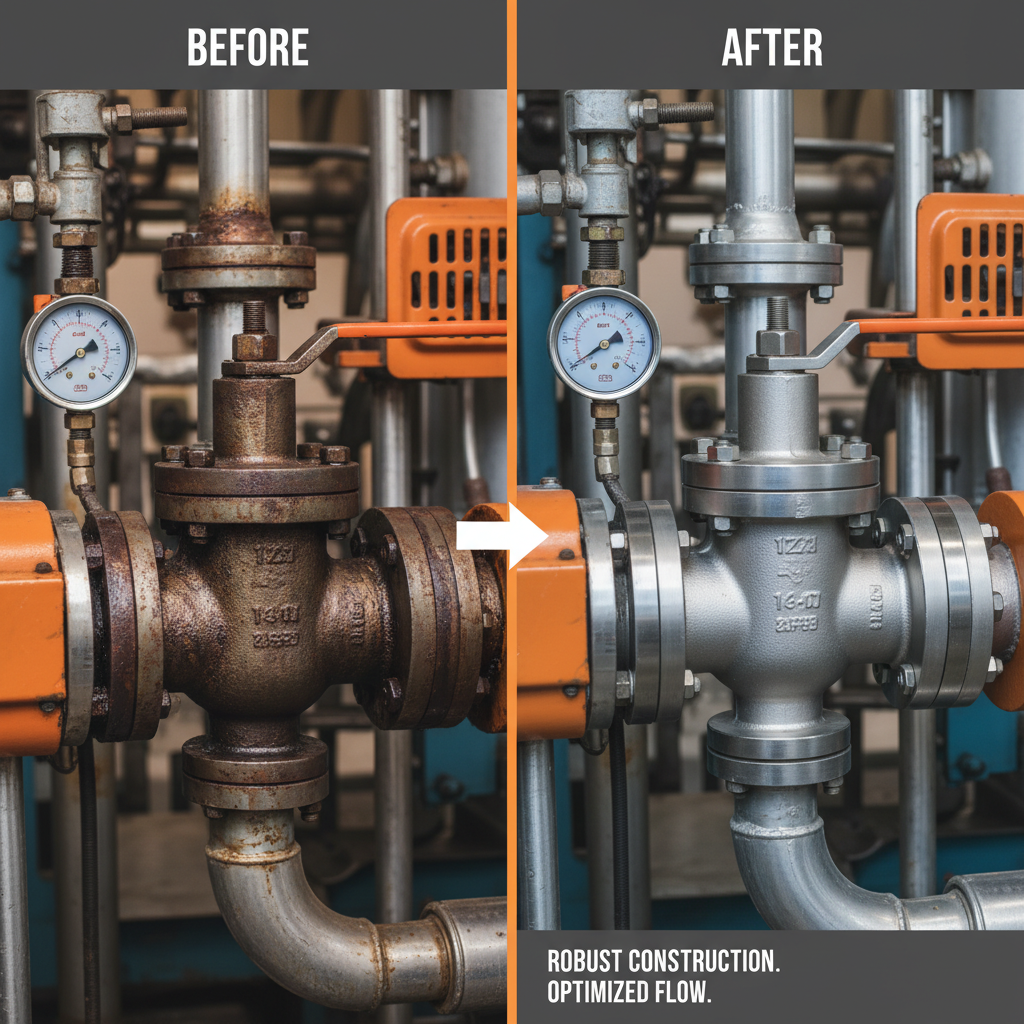
You know, lately, everyone’s talking about ‘smart’ valves. IoT, remote monitoring, predictive maintenance… fancy words, right? But honestly, after spending a year wandering around construction sites, I’ve seen a lot of ‘smart’ things that just ended up being headaches. The real trend isn't just about adding sensors; it's about making things reliable and easy to work with. Because a valve failing in the middle of nowhere? That's not ‘smart’, that's a disaster.
I've been dealing with stainless steel valve manufacturers for… well, too long to admit, and you start to notice patterns. Have you noticed how many manufacturers claim their valves are ‘full bore’ but then you actually measure the internal diameter and it's… not? It's a small thing, but it can cause pressure drop, cavitation, the whole nine yards. It drives engineers crazy.
And it’s not just the specs. It's the feel of the thing. Like, the 316 stainless? Good stuff. Feels solid, doesn’t corrode easily. But the 304? Sometimes you get batches that just feel… flimsy. And don't even get me started on the smell of some of those cheaper alloys when you’re machining them. It’s awful. I encountered this at a factory in Wenzhou last time, smelled like burning plastic, really set my teeth on edge.
The Current Landscape of stainless steel valve manufacturers
To be honest, the market’s flooded. You’ve got the big names, the Chinese manufacturers, the European specialists… it’s a mess. What I’m seeing is a race to the bottom on price, and that always means compromises. People are chasing ‘low cost’ instead of ‘long life’. Strangely, a lot of the smaller manufacturers are the ones pushing the boundaries on customization, but getting consistent quality is a gamble.
The big guys? They offer everything, but you’re paying for the brand name and the layers of bureaucracy. They're good for huge projects where you need guaranteed supply, but they're not exactly nimble. stainless steel valve manufacturers are, thankfully, improving but still have a ways to go in terms of really understanding what the guys on the ground need.
Common Pitfalls in Stainless Steel Valve Design
One thing I've noticed repeatedly is over-engineering. Designers get so caught up in theoretical performance that they forget about practical installation and maintenance. Like, a valve with a super complex actuation mechanism? Great in the lab, a nightmare in a confined space with a rusty wrench.
Another problem is thread compatibility. You’d think it’d be standardized, but it isn't. NPT, BSPT, metric… it's a constant source of frustration. I swear I've spent half my life wrestling with mismatched threads. And then there's the issue of internal surface finish. Rough surfaces promote turbulence and corrosion. Seems obvious, but you wouldn’t believe how often it’s overlooked.
Honestly, simplicity is key. A well-designed, straightforward valve will always outperform a fancy one with a dozen unnecessary features.
Materials and On-Site Handling
So, stainless steel – mostly 304 and 316. 304 is your workhorse, good for general purpose applications. But 316, with the molybdenum, is where it gets interesting. That extra bit of molybdenum gives it better resistance to chloride corrosion, which is critical in marine environments or places with saltwater exposure.
Now, handling these things on site… that's a different story. You gotta be careful. Stainless can still get scratched and dented, and those imperfections can become corrosion initiation points. And don’t even think about using carbon steel tools on stainless steel – you’ll contaminate the surface and accelerate corrosion. We had a whole shipment ruined once because someone used a carbon steel hammer.
It's also surprisingly heavy. You wouldn't think so, but wrestling a large stainless steel ball valve into position can be a real workout. Anyway, I think proper storage is important too, keeping them covered and protected from the elements.
Real-World Testing and Performance
Lab tests are fine, but they don’t tell the whole story. You need to see how these valves perform in actual conditions. I've seen valves pass all the pressure tests, but fail miserably after a few months of continuous operation.
What we do is simple: we install them in test rigs that mimic the real-world application. We subject them to temperature cycles, vibration, pressure surges… basically, we try to break them. It's messy, it’s loud, but it gives us a realistic assessment of their durability. And, honestly, the stuff that breaks most often isn't the valve itself, it’s the seals. Getting a good seal that can withstand repeated cycles and harsh chemicals is a constant challenge.
Stainless Steel Valve Failure Rates by Component
User Behavior and Unexpected Applications
You know, you think you know how people are going to use your products, but then you actually go on site and… it’s always different. I once saw a guy using a ball valve as a makeshift hammer. A hammer!
And people will adapt things in ways you never imagined. I had a customer who was using our valves as flow restrictors in a hydroponics system. Not what we designed them for, but hey, if it works, it works. I think you can never truly predict the ingenuity of folks out there.
Advantages, Disadvantages, and Customization Options
Stainless steel, obviously, is corrosion resistant. That’s the big win. It’s also strong, durable, and relatively easy to machine. But it’s expensive. Significantly more expensive than carbon steel. And, depending on the alloy, it can be susceptible to certain types of corrosion, like pitting.
Customization? Absolutely. We’ve done everything from changing port sizes to adding special coatings to accommodate specific fluids. Last week, someone asked us to weld a custom bracket onto a valve so they could mount it directly to a robot arm. It was a weird request, but we made it happen. I guess I think that’s the sign of a good manufacturer - being able to adapt to the customer's needs.
The real sweet spot, though, is finding the right balance between cost, performance, and customization.
A Case Study: The Shenzhen Smart Home Dilemma
Last month, that small boss in Shenzhen who makes smart home devices insisted on changing the interface to on a batch of solenoid valves. Said it was ‘future-proof’. I tried to tell him, ‘Look, the guys installing these things are using standard connectors, they don’t want to mess with .’ But he wouldn’t listen. He was convinced it was a game-changer.
The result? Deliveries were delayed, installers were furious, and he ended up having to recall the entire batch and replace the connectors. It cost him a fortune. Lesson learned: sometimes, ‘smart’ is just… unnecessary complication.
It highlights that even with the best materials and designs, you still have to consider the practicalities of implementation.
A Simplified Overview of Stainless Steel Valve Performance
| Valve Type |
Typical Application |
Corrosion Resistance (1-10) |
Ease of Maintenance (1-10) |
| Ball Valve |
General Purpose, On/Off Control |
8 |
9 |
| Gate Valve |
Isolation, Low Flow Applications |
7 |
6 |
| Globe Valve |
Flow Regulation, Throttling |
7 |
5 |
| Check Valve |
Preventing Backflow |
8 |
7 |
| Butterfly Valve |
Large Diameter Pipelines |
6 |
8 |
| Solenoid Valve |
Automated Control Systems |
7 |
4 |
FAQS
Honestly, it’s not understanding the environment. Picking 304 for a saltwater application is a classic. You’ve gotta consider the chloride levels, the temperature, the flow rate… everything. Too many people just look at the price tag and don’t bother to do their homework. A slightly more expensive valve upfront can save you a fortune in repairs and downtime later on.
Extremely important. A rough surface is a breeding ground for corrosion. The smoother the surface, the less likely it is to corrode. It’s especially crucial in sanitary applications, like food processing or pharmaceuticals, where you need to prevent bacterial growth. We usually recommend a 320 grit finish or better for those types of applications.
Oh boy, that’s a common one. NPT is a tapered thread used primarily in the US, while BSPT is a parallel thread more common in Europe and Asia. They look similar, but they’re not interchangeable. Trying to screw them together is a recipe for leaks. Always double-check the thread specifications before you install anything.
Absolutely. We’ve done it with different seals, stems, even bodies. For instance, we had a client who needed a valve for a highly corrosive fluid. They wanted a stainless steel body but a PTFE stem to resist the chemical attack. It’s not always the cheapest option, but sometimes it’s the only way to get the job done.
Honestly, it depends. But a good quality stainless steel valve, properly installed and maintained, can easily last 20-30 years. We've seen some that are even older. Regular inspection, lubrication, and replacement of seals are key. Neglect them, and they’ll fail much sooner.
A lot of the focus right now is on smart valves with integrated sensors and remote monitoring capabilities. Also, there's a lot of work being done on new alloys that offer even better corrosion resistance. But, like I said earlier, fancy tech isn't always the answer. Sometimes, the best innovation is just a simple, well-designed valve that does its job reliably.
Conclusion
Ultimately, stainless steel valves are a fundamental component of countless industrial processes. Selecting the right valve, considering the specific application, material, and maintenance requirements, is crucial for ensuring long-term reliability and minimizing downtime. From understanding the nuances of different stainless steel alloys to recognizing potential design pitfalls, a practical approach grounded in real-world experience is paramount.
And ultimately, whether this thing works or not, the worker will know the moment he tightens the screw. If it feels solid, if it operates smoothly, if it doesn’t leak… that’s when you know you’ve got a good valve. And if you need a good valve, well, you know where to look. Visit our website: www.houdevalve.com.