Stainless steel diverter valves are critical components in a vast array of industrial processes, ensuring the safe and efficient redirection of fluids and gases. Their robust construction and corrosion resistance make them indispensable in sectors ranging from chemical processing and pharmaceuticals to food and beverage production and water treatment. Understanding their function, types, and applications is paramount for engineers, plant managers, and anyone involved in fluid handling systems.
Globally, the demand for reliable and durable fluid control solutions is steadily increasing, driven by infrastructure development, expanding industrial output, and stringent safety regulations. Stainless steel diverter valves play a vital role in meeting these needs, offering superior performance and longevity compared to valves made from other materials. This translates to reduced maintenance costs, minimized downtime, and enhanced process safety for businesses worldwide.
The increasing focus on hygiene and contamination control across industries also fuels the demand for stainless steel diverter valves. Their smooth surfaces and resistance to microbial growth make them ideally suited for applications where product purity is paramount, contributing to improved product quality and public health. stainless steel diverter valve selection is crucial for optimal performance.
The Core Principles of stainless steel diverter valve
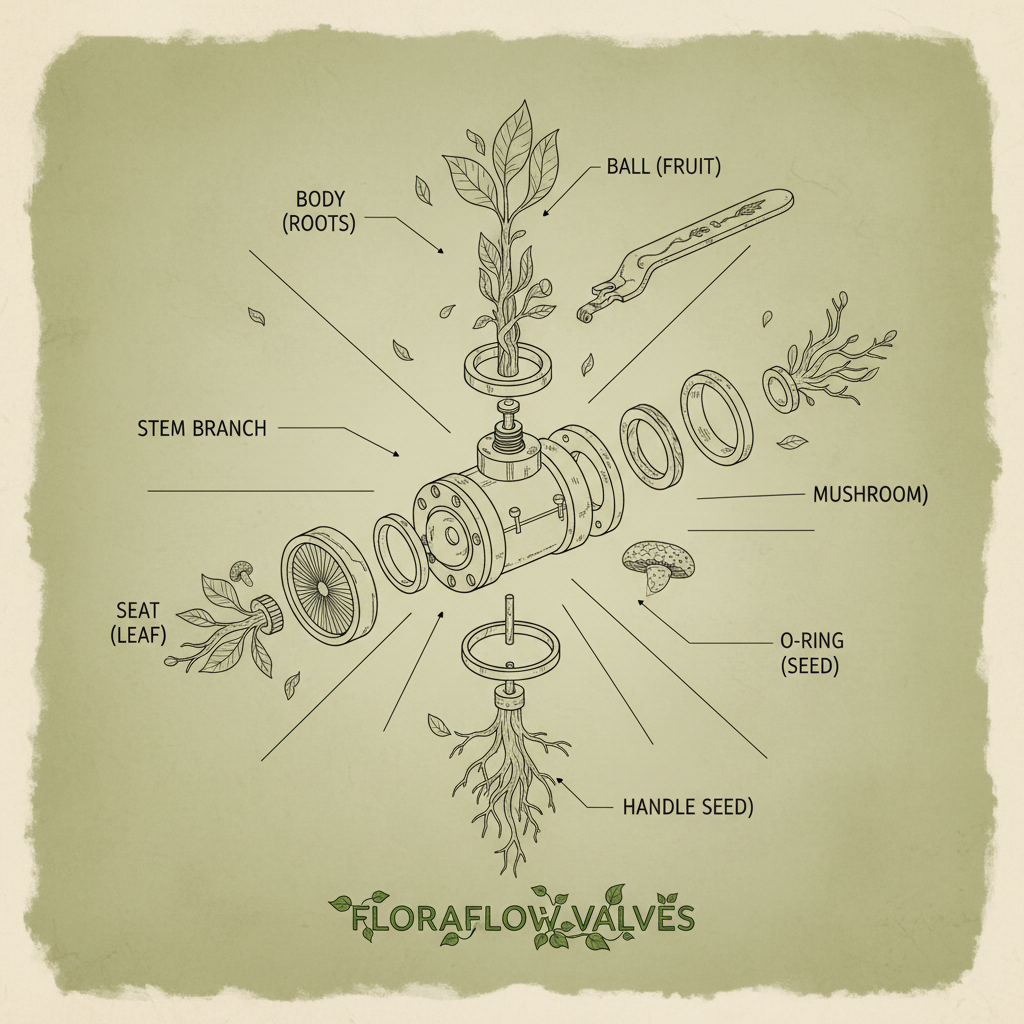
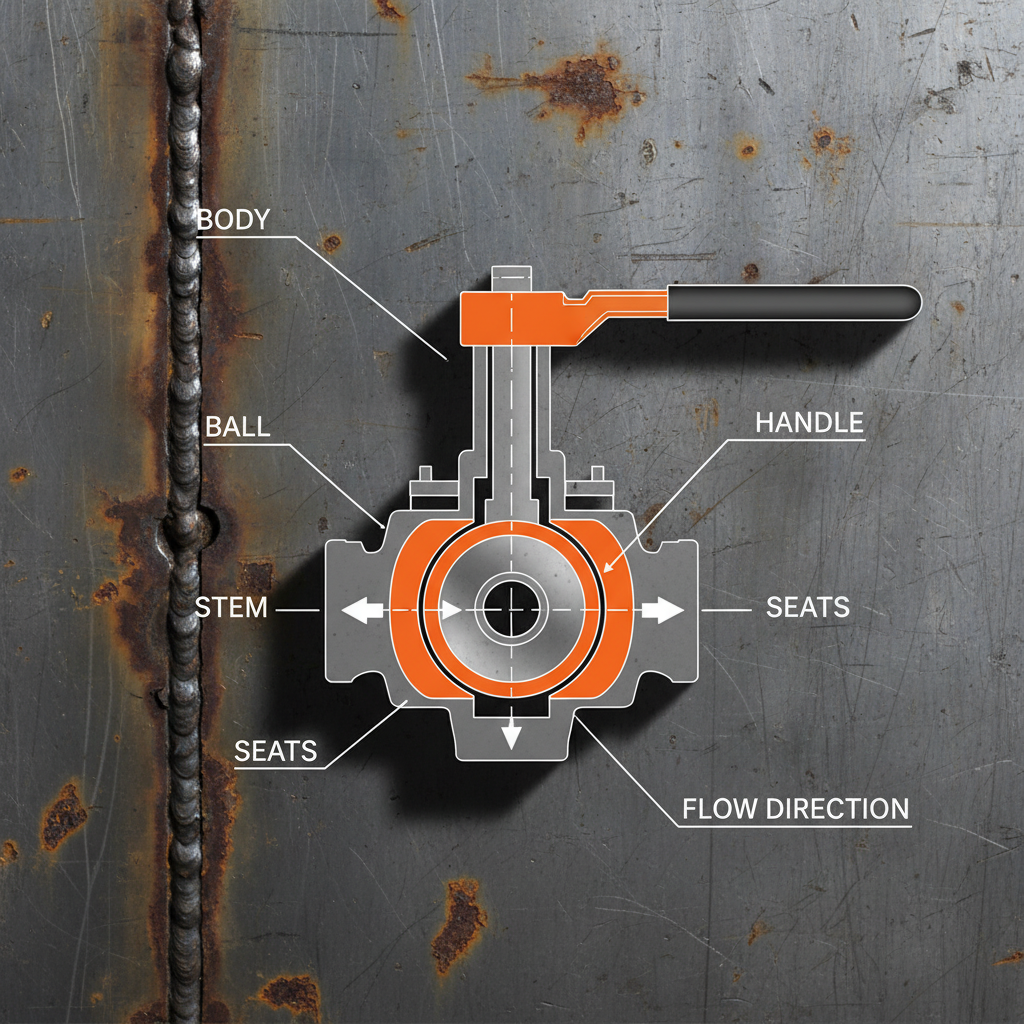
At their core, stainless steel diverter valves function by redirecting the flow of media – liquids, gases, or slurries – from one pipeline to another. They achieve this through a rotating internal component, often a ball, butterfly, or plug, which aligns with different ports to create various flow paths. The choice of valve type is heavily influenced by the application’s specific requirements, including flow rate, pressure, temperature, and media compatibility.
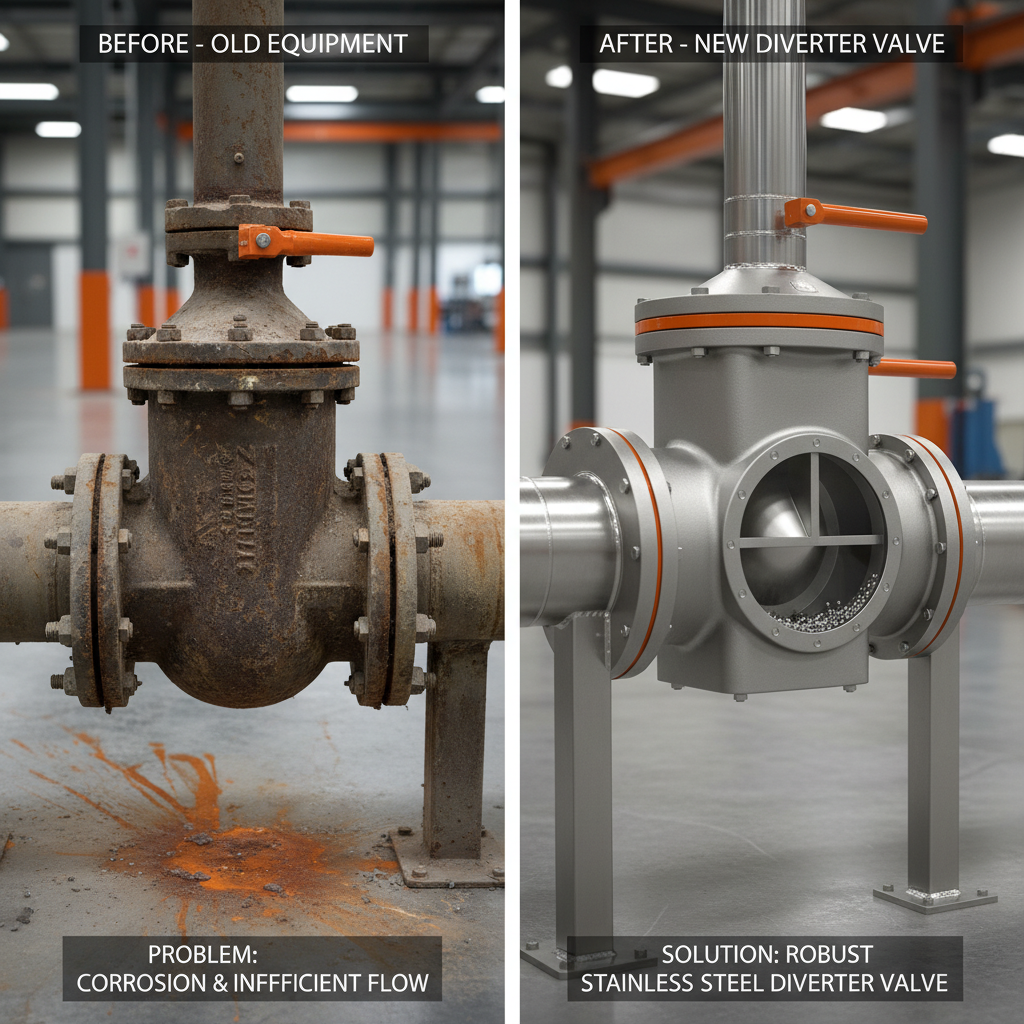
The selection of stainless steel as the primary material of construction is driven by its exceptional corrosion resistance, durability, and hygienic properties. Different grades of stainless steel (such as 304, 316, and 316L) are employed based on the specific chemical environment and operating conditions, ensuring long-term reliability and minimal maintenance. A well-maintained stainless steel diverter valve contributes to overall system efficiency.
Global Significance and Market Trends
The global market for industrial valves, including stainless steel diverter valves, is substantial and continues to grow. According to recent industry reports, the global industrial valves market size was valued at USD 75.2 billion in 2023 and is projected to reach USD 98.7 billion by 2030, exhibiting a CAGR of 3.9% during the forecast period. This growth is largely attributed to the expansion of end-use industries like oil and gas, chemical processing, and water treatment.
The Asia-Pacific region currently dominates the market, driven by rapid industrialization in countries like China and India. However, North America and Europe remain significant markets, with a strong focus on advanced valve technologies and stringent quality standards. Key trends shaping the market include the increasing adoption of automation, the demand for energy-efficient valves, and the growing emphasis on sustainability.
Furthermore, the rising demand for customized valve solutions tailored to specific application needs is influencing market dynamics. Manufacturers are increasingly focusing on offering engineered valves and providing comprehensive services, including installation, maintenance, and repair, to cater to the evolving demands of their customers. This is increasing the demand for specialized stainless steel diverter valve configurations.
Defining Stainless Steel Diverter Valves
A stainless steel diverter valve is a type of valve used to redirect flow between two or more paths. Unlike valves that simply start or stop flow, diverter valves change the direction of the fluid or gas, diverting it to a different outlet. They are crucial in processes requiring selective routing, blending, or separation of different media.
The “stainless steel” aspect is paramount, referring to the valve body and internal components being constructed from various grades of stainless steel alloys. This material choice provides exceptional resistance to corrosion, erosion, and high temperatures, making these valves suitable for harsh and demanding environments. The specific grade of stainless steel is carefully selected based on the chemical compatibility requirements of the fluid being handled.
These valves are integral to modern industrial processes and contribute significantly to operational efficiency and product quality. They find widespread application in sectors needing precise flow control and the ability to maintain hygienic conditions, embodying reliability and longevity in demanding applications. stainless steel diverter valve are often critical in maintaining process integrity.
Key Performance Characteristics
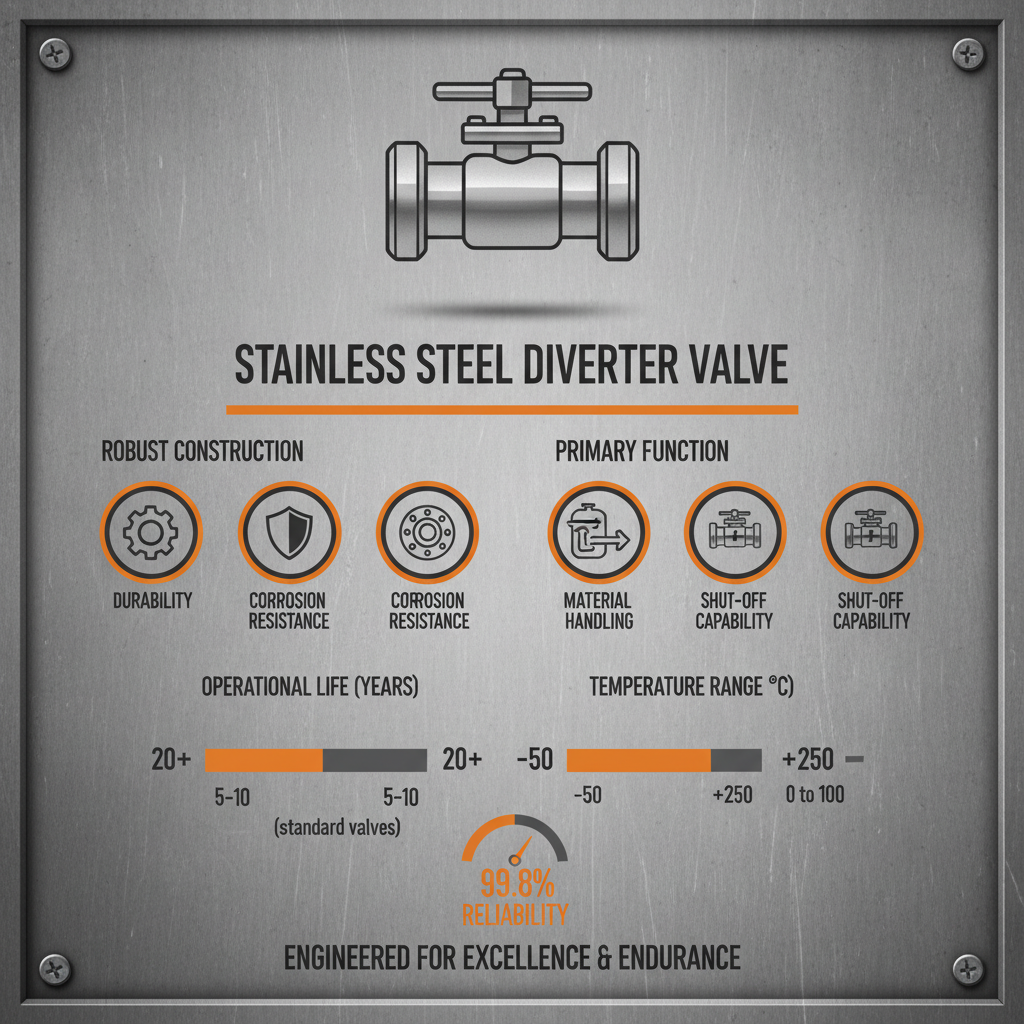
Several key characteristics define the performance and suitability of stainless steel diverter valves. Durability is paramount, stemming from the inherent strength and corrosion resistance of stainless steel. This translates to a long service life and reduced replacement costs, especially in corrosive or abrasive environments. The material’s resistance to degradation maintains valve integrity over time.
Secondly, sealing efficiency is crucial to prevent leakage and ensure precise flow control. Advanced sealing technologies, such as PTFE or ceramic seals, are commonly employed to achieve tight shut-off and minimize media loss. Proper sealing directly impacts process efficiency and reduces environmental concerns.
Stainless Steel Diverter Valve Performance Metrics
Diverse Applications Across Industries
Stainless steel diverter valves find extensive use in the food and beverage industry, where hygiene and sanitation are paramount. They are utilized in processing lines for dairy, beer, wine, and processed foods to redirect product flows for blending, filling, and cleaning-in-place (CIP) systems.
In the pharmaceutical sector, these valves are essential for handling sterile fluids and maintaining product purity. They are employed in bioreactors, fermentation processes, and filling operations to ensure the integrity of pharmaceutical products. Moreover, in chemical processing plants, stainless steel diverter valve manage corrosive and hazardous chemicals, ensuring safe and reliable operation.
Long-Term Benefits and Value Proposition
Investing in stainless steel diverter valves offers significant long-term benefits. The initial cost may be higher compared to valves made from other materials, but the reduced maintenance requirements, extended service life, and minimized downtime contribute to substantial cost savings over the valve’s operational lifespan. This directly impacts a company's bottom line.
Beyond cost considerations, stainless steel diverter valves enhance process safety by preventing leaks and ensuring precise flow control. Their corrosion resistance minimizes the risk of contamination, protecting product quality and public health. The reliability and durability of these valves foster trust and confidence in the integrity of industrial processes.
Furthermore, choosing stainless steel aligns with sustainability goals. The longevity of the valves reduces the need for frequent replacements, minimizing waste and resource consumption. This demonstrates a commitment to environmental responsibility.
Future Innovations and Emerging Technologies
The future of stainless steel diverter valve technology is poised for innovation, driven by advancements in materials science, automation, and digital connectivity. The development of new stainless steel alloys with enhanced corrosion resistance and strength will further improve valve performance and longevity. Smart valves equipped with sensors and data analytics capabilities are also gaining traction.
These “smart” valves can monitor flow rates, pressure differentials, and valve health in real-time, providing valuable insights for predictive maintenance and process optimization. Integration with industrial IoT (IIoT) platforms enables remote monitoring and control, enhancing operational efficiency and reducing downtime. The use of 3D printing for valve component manufacturing is also emerging, allowing for customized designs and faster prototyping.
Looking ahead, the integration of artificial intelligence (AI) and machine learning (ML) algorithms will enable self-adjusting valves that optimize performance based on changing process conditions. This proactive approach to valve management will further enhance efficiency, reliability, and safety in industrial applications. stainless steel diverter valve is evolving rapidly.
Summary of Key Considerations for Stainless Steel Diverter Valve Selection
| Application Environment |
Material Grade |
Valve Type |
Sealing Mechanism |
| Food & Beverage Processing |
316L Stainless Steel |
Butterfly Valve |
PTFE Seal |
| Pharmaceutical Manufacturing |
316 Stainless Steel (Electropolished) |
Ball Valve |
Ceramic Seal |
| Chemical Processing (Corrosive Fluids) |
Alloy 20 or Hastelloy C-276 |
Plug Valve |
Metal-to-Metal Seal |
| Water Treatment (High Pressure) |
Duplex Stainless Steel |
Gate Valve |
Graphite Seal |
| Oil & Gas (High Temperature) |
316 Stainless Steel |
Trunnion Mounted Ball Valve |
PTFE with Reinforcement |
| Pulp & Paper Industry |
304 Stainless Steel |
Diverter Valve with Ball Closure |
NBR Seal |
FAQS
The lifespan of a stainless steel diverter valve is highly dependent on the application, operating conditions, and maintenance schedule. However, with proper installation and regular maintenance, a well-chosen stainless steel diverter valve can easily last 10-20 years or even longer. Factors like corrosive media, abrasive particles, and extreme temperatures can shorten the lifespan, but the inherent durability of stainless steel generally ensures a long service life compared to valves made from other materials.
Selecting the appropriate stainless steel grade is crucial for optimal performance and longevity. 304 stainless steel is a general-purpose grade suitable for many applications, while 316 stainless steel offers improved corrosion resistance, particularly in chloride-rich environments. 316L is often preferred for applications requiring high purity and weldability. Consider the chemical compatibility of the fluid, temperature, and pressure when making your selection. Consulting with a valve specialist is recommended.
Regular maintenance is essential to ensure reliable operation. This includes periodic inspection for leaks, corrosion, and wear. Lubricating the valve stem and seals as recommended by the manufacturer is crucial. Cleaning the valve body and internal components to remove any accumulated debris or contaminants is also important. Scheduled preventative maintenance can significantly extend the valve’s service life and prevent costly downtime.
Temperature can significantly impact the performance of a stainless steel diverter valve. Extreme temperatures can affect the sealing materials, causing them to degrade or lose their elasticity. High temperatures can also lead to thermal expansion and contraction, potentially causing leaks. It’s important to select a valve rated for the expected temperature range and to consider the thermal properties of the sealing materials.
Common causes of leakage include worn or damaged seals, corrosion of valve components, loose connections, and debris trapped in the sealing surfaces. Improper installation or over-tightening of connections can also contribute to leakage. Regularly inspecting and replacing worn seals, cleaning the valve, and ensuring proper tightening of connections can help prevent leaks.
Yes, stainless steel diverter valves are available with various automation options, including electric actuators, pneumatic actuators, and solenoid valves. Automation allows for remote control, precise positioning, and integration with process control systems. Automated valves are particularly beneficial in applications requiring frequent switching, precise flow control, or remote operation.
Conclusion
Stainless steel diverter valves are indispensable components in a vast range of industrial applications, offering unmatched durability, corrosion resistance, and hygienic properties. Their ability to reliably redirect flow, coupled with advancements in materials and automation, makes them essential for efficient and safe operations across numerous sectors. Investing in high-quality stainless steel diverter valve translates to long-term cost savings, reduced downtime, and enhanced process integrity.
As industries continue to evolve, the demand for innovative valve solutions will only increase. Embracing emerging technologies like smart valves and data analytics will unlock new levels of efficiency and control. Selecting the right stainless steel grade, implementing a robust maintenance program, and staying abreast of industry trends are crucial for maximizing the value and longevity of these critical components. Visit our website at www.houdevalve.com to explore our comprehensive range of stainless steel diverter valves and find the perfect solution for your application.