Stainless steel y strainers are critical components in fluid management systems across a vast range of industries. These simple yet effective filters protect valuable downstream equipment from damaging debris, ensuring operational efficiency and longevity. Understanding their function, types, and applications is paramount for engineers, maintenance professionals, and anyone involved in process fluid handling. The global demand for reliable filtration solutions, coupled with the durability and corrosion resistance of stainless steel, makes these strainers essential in maintaining the integrity of pipelines and processes worldwide.
The importance of stainless steel y strainers stems from their ability to prevent costly downtime and repairs. Debris in fluid systems can cause erosion, blockage, and reduced performance of pumps, valves, and other critical components. The use of these strainers proactively addresses these issues, minimizing maintenance requirements and maximizing the lifespan of equipment. This is especially crucial in industries dealing with sensitive processes or hazardous materials, where even minor disruptions can have significant consequences.
Furthermore, the increasing focus on sustainability and resource optimization drives the demand for efficient and reliable fluid handling systems. Stainless steel y strainers contribute to these goals by reducing energy consumption associated with overcoming flow restrictions caused by debris, and by extending the lifespan of critical equipment, ultimately lowering overall operational costs and environmental impact.
Introduction to stainless steel y strainers
Stainless steel y strainers are indispensable filtration devices utilized in numerous industries to safeguard pipelines, pumps, and other critical equipment. Their Y-shaped configuration allows for easy installation in pipelines and facilitates the removal of unwanted particles. The use of stainless steel as the primary material offers exceptional corrosion resistance, durability, and compatibility with a wide range of fluids, making them a preferred choice for demanding applications.
These strainers play a crucial role in ensuring the smooth and efficient operation of fluid systems by preventing clogging, erosion, and potential damage caused by solid contaminants. Selecting the appropriate stainless steel y strainer—considering factors like mesh size, pressure rating, and connection type—is critical for optimal performance and long-term reliability.
Defining Stainless Steel Y Strainers
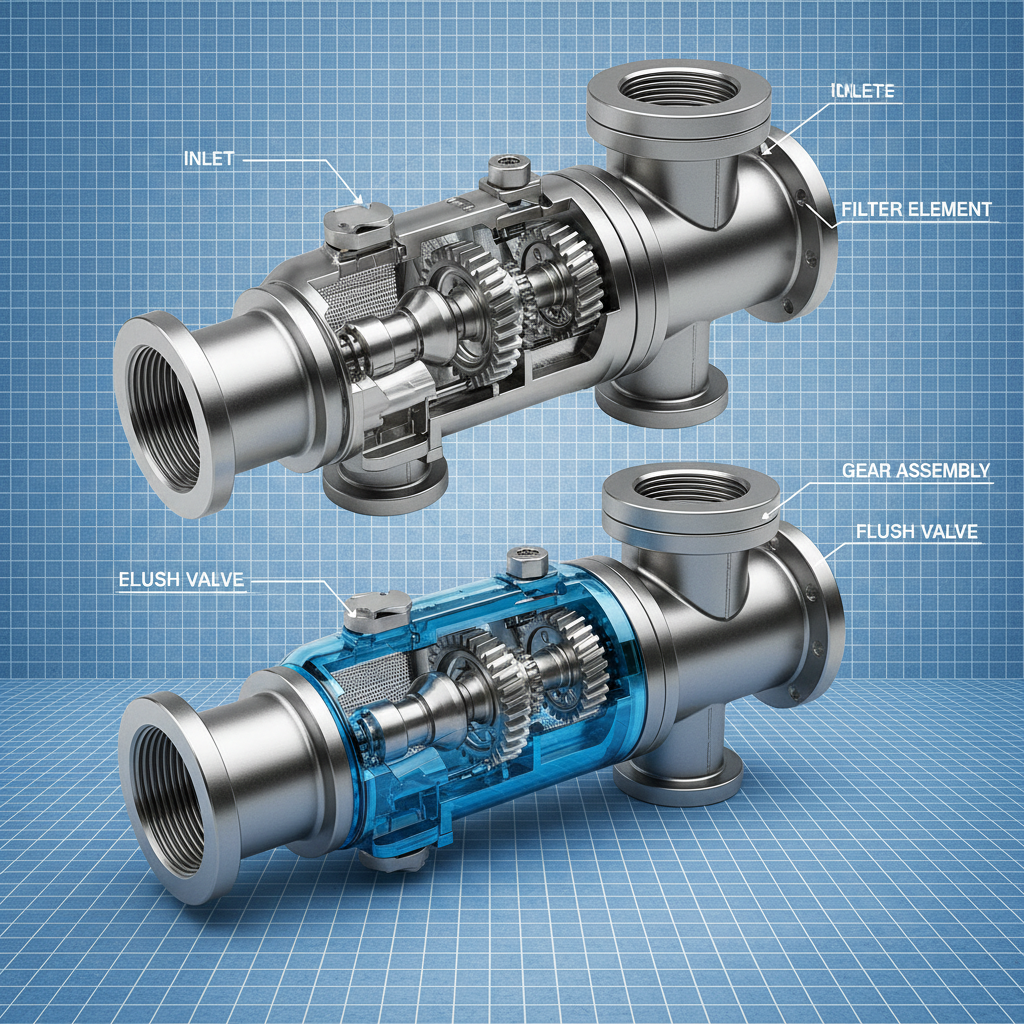
A stainless steel y strainer is a mechanical filter designed to remove solid debris from liquid, gas, or steam pipelines. Its defining characteristic is its Y-shaped housing, which incorporates a screen or mesh element. Fluid flows through the inlet, is diverted through the screen to capture particles, and exits through the outlet. The captured debris accumulates in the strainer’s body, requiring periodic cleaning or replacement of the screen.
Unlike other types of filters, y strainers are typically used for coarse filtration, removing larger particles that could damage downstream equipment. They’re designed to be easily accessible for maintenance and inspection, allowing for quick removal of accumulated debris. This accessibility is a major advantage in applications where regular cleaning is necessary.
In modern industry, particularly in processes requiring high purity and reliability, stainless steel y strainers are vital components. They contribute to maintaining product quality, protecting sensitive equipment, and ensuring the uninterrupted flow of critical fluids, directly aligning with humanitarian needs for clean water and efficient resource management.
Core Characteristics of Stainless Steel Y Strainers
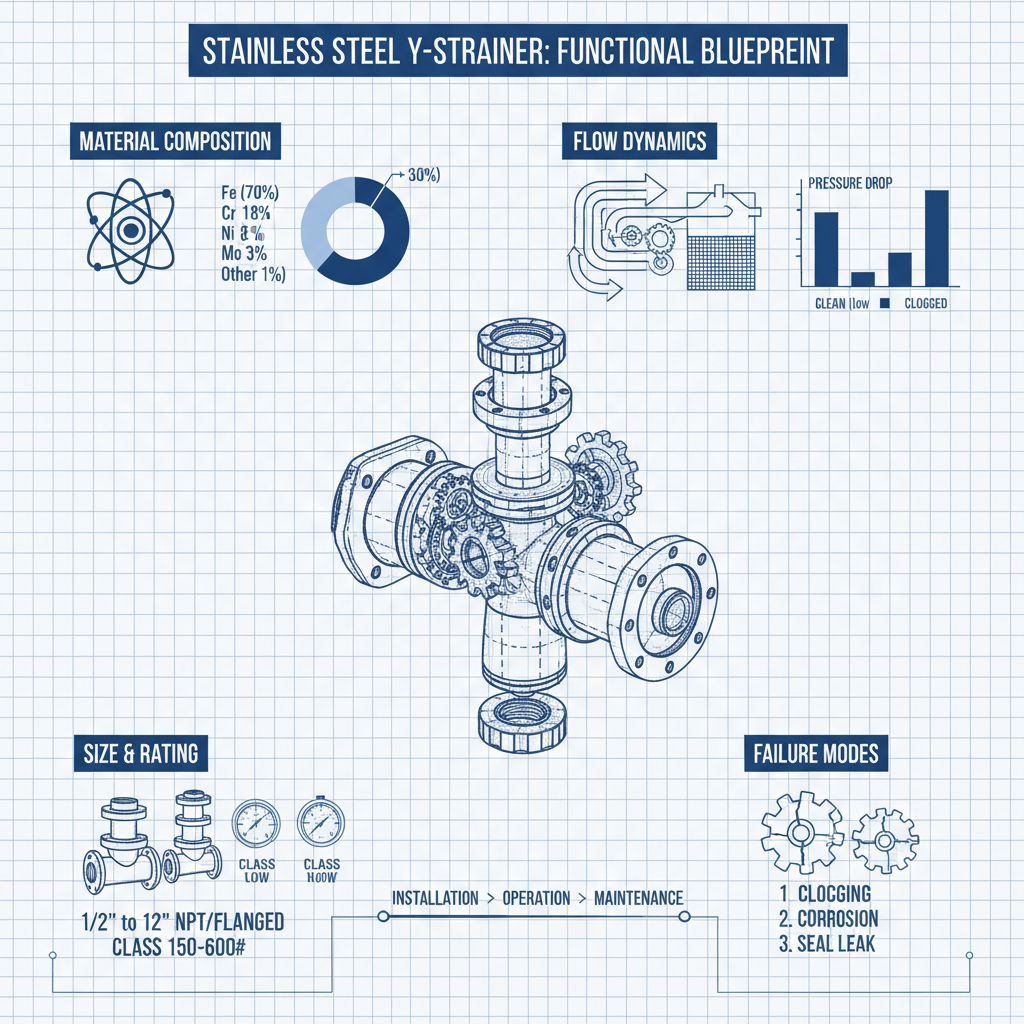
The effectiveness of stainless steel y strainers relies on a combination of key characteristics. Firstly, their durability stems from the inherent properties of stainless steel—resistance to corrosion, high tensile strength, and ability to withstand extreme temperatures and pressures. This ensures a long service life, minimizing the need for frequent replacements.
Secondly, versatility is a defining trait. Stainless steel y strainers are available in a wide range of sizes, connection types (threaded, flanged, welded), and mesh sizes, allowing them to be adapted to diverse applications and fluid types. This adaptability makes them suitable for both small-scale and large-scale industrial processes.
Thirdly, easy maintenance is crucial. The Y-shaped design allows for quick and simple access to the screen for cleaning or replacement without disrupting the pipeline. This minimizes downtime and reduces maintenance costs. Finally, cost-effectiveness plays a role; stainless steel y strainers provide a reliable filtration solution at a relatively low initial investment and ongoing maintenance expense.
Global Applications of Stainless Steel Y Strainers
Stainless steel y strainers are deployed globally across a vast spectrum of industries. In the water treatment sector, they protect pumps and filtration systems from sediment and debris, ensuring the delivery of clean and safe potable water. The chemical processing industry utilizes them to safeguard sensitive equipment from particulate contamination during the production of various chemicals and materials.
The oil and gas industry relies heavily on these strainers to prevent damage to pipelines and equipment caused by sand, rust, and other solid contaminants. In food and beverage processing, they are critical for maintaining product purity and preventing blockages in production lines. Even in pharmaceutical manufacturing, where stringent hygiene standards are paramount, stainless steel y strainers play a vital role in ensuring the integrity of the final products.
In remote industrial zones, where maintenance access may be limited, the durability and reliability of stainless steel y strainers are particularly advantageous. Similarly, in post-disaster relief operations, they can be used to filter debris from water sources, providing access to clean water for affected populations.
Efficiency Comparison of Stainless Steel Y Strainers Methods
The Advantages of Utilizing Stainless Steel Y Strainers
The tangible benefits of utilizing stainless steel y strainers are numerous. Reduced maintenance costs are a key advantage, thanks to their durability and ease of cleaning. The prevention of equipment damage translates directly into cost savings by minimizing repairs and replacements. Moreover, their ability to maintain consistent flow rates reduces energy consumption and optimizes process efficiency.
Beyond the purely economic advantages, there’s a significant impact on sustainability. Extending the lifespan of equipment reduces waste and the environmental impact associated with manufacturing new parts. The reliability of stainless steel y strainers fosters trust in the overall system, ensuring consistent performance and product quality, promoting safety and operational peace of mind.
Future Trends in Stainless Steel Y Strainer Technology
The future of stainless steel y strainers is poised for innovation. Advancements in materials science are leading to the development of new stainless steel alloys with enhanced corrosion resistance and higher temperature capabilities. Integration with smart sensors and IoT technology will enable real-time monitoring of pressure drop and filter condition, allowing for predictive maintenance and optimized performance.
Automation in cleaning and filter replacement processes is another emerging trend, reducing downtime and labor costs. Furthermore, the increasing focus on sustainable manufacturing practices will drive the development of more eco-friendly stainless steel production methods and recyclable strainer designs. Digital twin technologies will allow for virtual modeling and optimization of strainer performance in specific applications.
Challenges and Solutions in Stainless Steel Y Strainer Implementation
Despite their numerous benefits, implementing stainless steel y strainers can present challenges. One common issue is selecting the appropriate mesh size for a specific application. Using too fine a mesh can lead to excessive pressure drop and frequent clogging, while too coarse a mesh may not effectively remove all contaminants. Careful fluid analysis and process understanding are crucial for optimal mesh selection.
Another challenge is dealing with highly viscous fluids or fluids containing sticky particles, which can be difficult to remove from the strainer screen. In such cases, automated backwashing systems or self-cleaning strainer designs can provide a solution. Furthermore, ensuring proper installation and regular inspection are essential to prevent leaks and maintain optimal performance.
Expert consultation with filtration specialists can help overcome these challenges, providing tailored solutions and ensuring the long-term reliability and effectiveness of stainless steel y strainers in diverse industrial applications.
Summarizing Core Points about Stainless Steel Y Strainer Challenges and Solutions
| Challenge |
Impact on System |
Proposed Solution |
Implementation Cost (1-10) |
| Incorrect Mesh Size Selection |
Reduced flow rate, frequent clogging |
Detailed fluid analysis and appropriate mesh specification |
2 |
| Viscous Fluid/Sticky Particles |
Difficult debris removal, strainer blockage |
Automated backwashing system or self-cleaning strainer |
7 |
| Improper Installation |
Leaks, reduced efficiency, system failure |
Professional installation and adherence to manufacturer guidelines |
3 |
| Lack of Regular Inspection |
Unidentified clogs, reduced performance |
Scheduled inspection and maintenance program |
1 |
| Corrosion in Harsh Environments |
Strainer degradation, potential contamination |
Use of high-grade stainless steel alloys |
5 |
| Pressure Drop Issues |
Reduced flow, increased energy consumption |
Optimized strainer size and mesh selection, parallel strainer installations |
6 |
FAQS
The lifespan of a stainless steel y strainer varies depending on the fluid it’s filtering, the operating pressure, and the frequency of cleaning. However, with proper maintenance and suitable alloy selection, these strainers can reliably operate for 10-20 years, or even longer. Regular inspection for corrosion or damage is crucial to maximize lifespan.
Common mesh sizes range from 20 to 400 microns. The appropriate mesh size depends on the size of the particles you need to remove. Finer meshes (lower micron numbers) capture smaller particles but have a higher pressure drop and may clog more frequently. Choosing the right mesh involves balancing filtration efficiency with flow rate.
The frequency of cleaning depends on the amount of debris in the fluid. Monitor the pressure drop across the strainer; a significant increase indicates clogging. Regularly scheduled inspections (e.g., monthly or quarterly) are recommended. Replace the screen if it’s damaged or cannot be effectively cleaned.
Stainless steel y strainers are available with various connection types, including threaded (NPT, BSP), flanged (ANSI, DIN), and welded. Threaded connections are suitable for smaller pipe sizes and easy installation. Flanged connections provide greater strength and are ideal for larger diameters and high-pressure applications. Welded connections offer a permanent, leak-proof seal.
Yes, stainless steel offers excellent corrosion resistance. However, the specific grade of stainless steel is critical. For highly corrosive fluids, consider using 316 stainless steel, which contains molybdenum for enhanced resistance to chloride attack. Consult a material specialist to ensure compatibility with your specific fluid.
The maximum operating pressure varies depending on the strainer's size, construction, and material grade. Typical pressure ratings range from 150 PSI to 600 PSI. Always verify the strainer's pressure rating before installation and ensure it exceeds the maximum pressure in your system. Exceeding the pressure rating can lead to failure and potential hazards.
Conclusion
In conclusion, stainless steel y strainers are vital components in a diverse range of industries, offering reliable and cost-effective filtration solutions. Their durability, versatility, and ease of maintenance contribute significantly to process efficiency, equipment longevity, and overall operational safety. Understanding their application, limitations, and future trends is crucial for engineers and maintenance professionals seeking to optimize fluid handling systems.
Investing in high-quality stainless steel y strainers and implementing proactive maintenance programs will yield substantial long-term benefits. As technology advances, we can expect to see even more sophisticated and automated filtration solutions, further enhancing the efficiency and reliability of industrial processes. To learn more about our range of stainless steel y strainers and find the perfect solution for your needs, visit our website today.