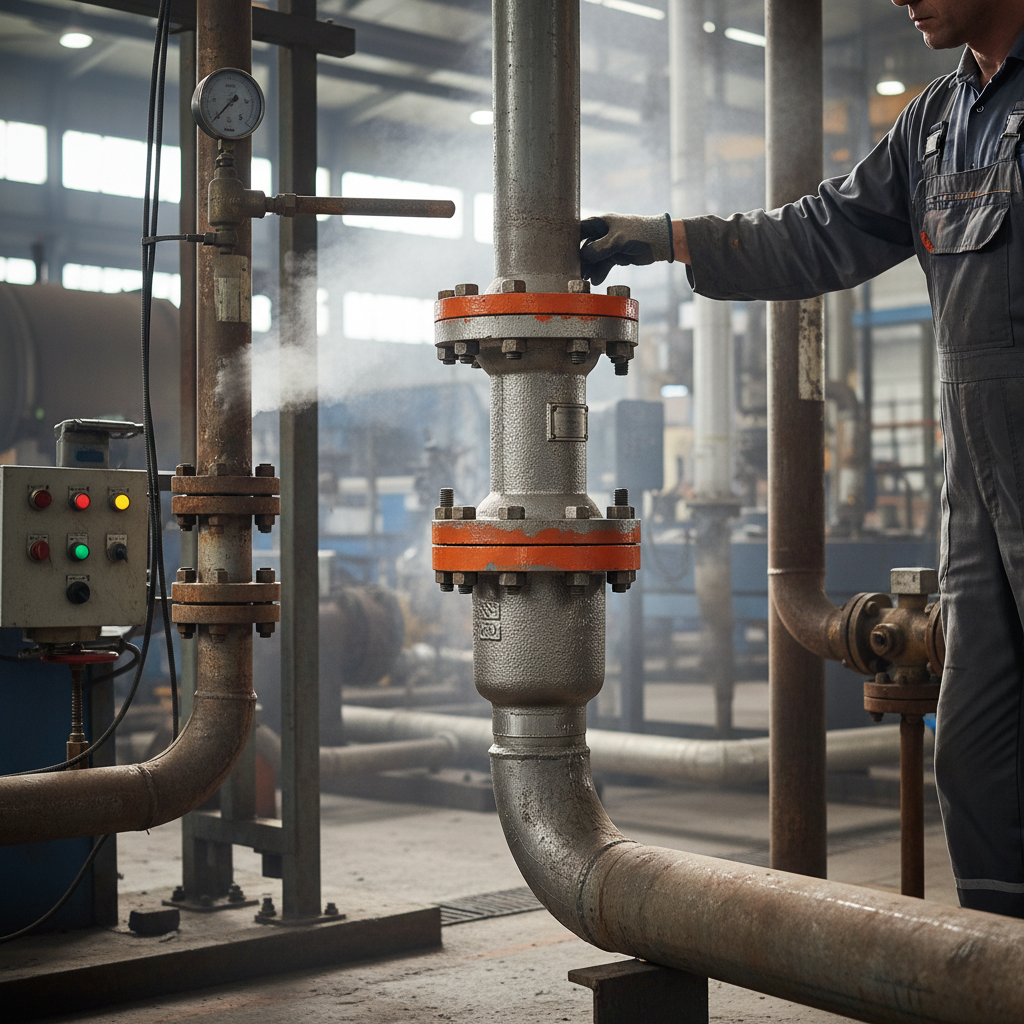
Stainless steel water regulators are critical components in modern fluid management systems, playing a vital role in ensuring consistent and safe water delivery across diverse applications. From municipal water supplies and industrial processes to residential plumbing and agricultural irrigation, these regulators maintain downstream pressure, preventing damage to equipment and ensuring efficient water usage. Understanding their functionality, benefits, and emerging trends is essential for engineers, technicians, and anyone involved in water resource management.
The global demand for reliable water infrastructure is steadily increasing, driven by population growth, urbanization, and the impact of climate change. According to the UN, billions lack access to safe water, and this number is projected to rise. Stainless steel water regulators offer a robust and durable solution to maintain water pressure in challenging environments, particularly where corrosion resistance and longevity are paramount. This is especially important in developing nations and areas prone to extreme weather conditions.
The significance of stainless steel water regulator extends beyond mere pressure control. They contribute directly to water conservation efforts, reduce waste, and improve the overall efficiency of water distribution networks. Their consistent performance minimizes disruptions and ensures the reliable delivery of this vital resource, impacting public health, economic productivity, and environmental sustainability.
The Importance of Stainless Steel Water Regulators
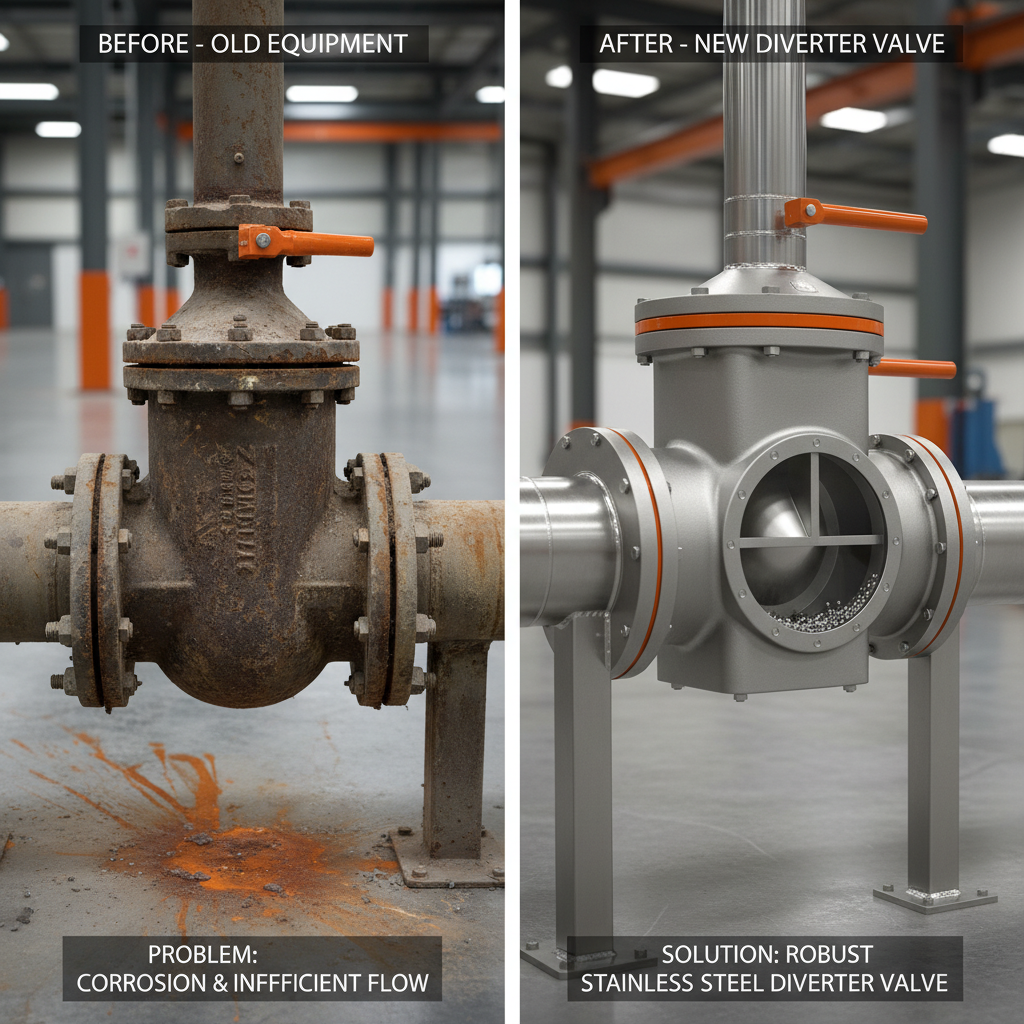
The widespread adoption of stainless steel water regulators is a direct response to the need for reliable and durable fluid control in demanding environments. Unlike their brass or plastic counterparts, stainless steel offers exceptional resistance to corrosion, scaling, and mechanical wear, resulting in extended service life and reduced maintenance costs. This makes them particularly suitable for applications involving potable water, corrosive chemicals, or high-pressure systems.
The selection of a suitable stainless steel water regulator isn’t simply about material; it’s about understanding the specific requirements of the application. Factors such as flow rate, pressure differential, temperature, and the composition of the fluid all play a crucial role in determining the optimal regulator design and configuration.
Defining Stainless Steel Water Regulation
In essence, a stainless steel water regulator is a valve designed to automatically reduce a higher inlet pressure to a lower, more consistent outlet pressure. This regulation prevents damage to downstream components, such as pumps, appliances, and irrigation systems, while also ensuring stable and efficient operation. The regulator achieves this through a self-actuating mechanism that adjusts the valve opening based on changes in downstream pressure.
The core function of stainless steel water regulation connects directly to modern industrial needs, where precise control of fluid flow is critical for process optimization and product quality. In humanitarian contexts, these regulators are essential for establishing reliable water distribution systems in disaster relief and community development projects, providing access to safe and clean water for vulnerable populations.
Beyond pressure reduction, these regulators also provide protection against water hammer – the destructive force created by sudden changes in flow. This is particularly crucial in large-diameter pipelines and complex water networks, preventing costly damage and ensuring the longevity of the infrastructure.
Core Components and Operational Principles
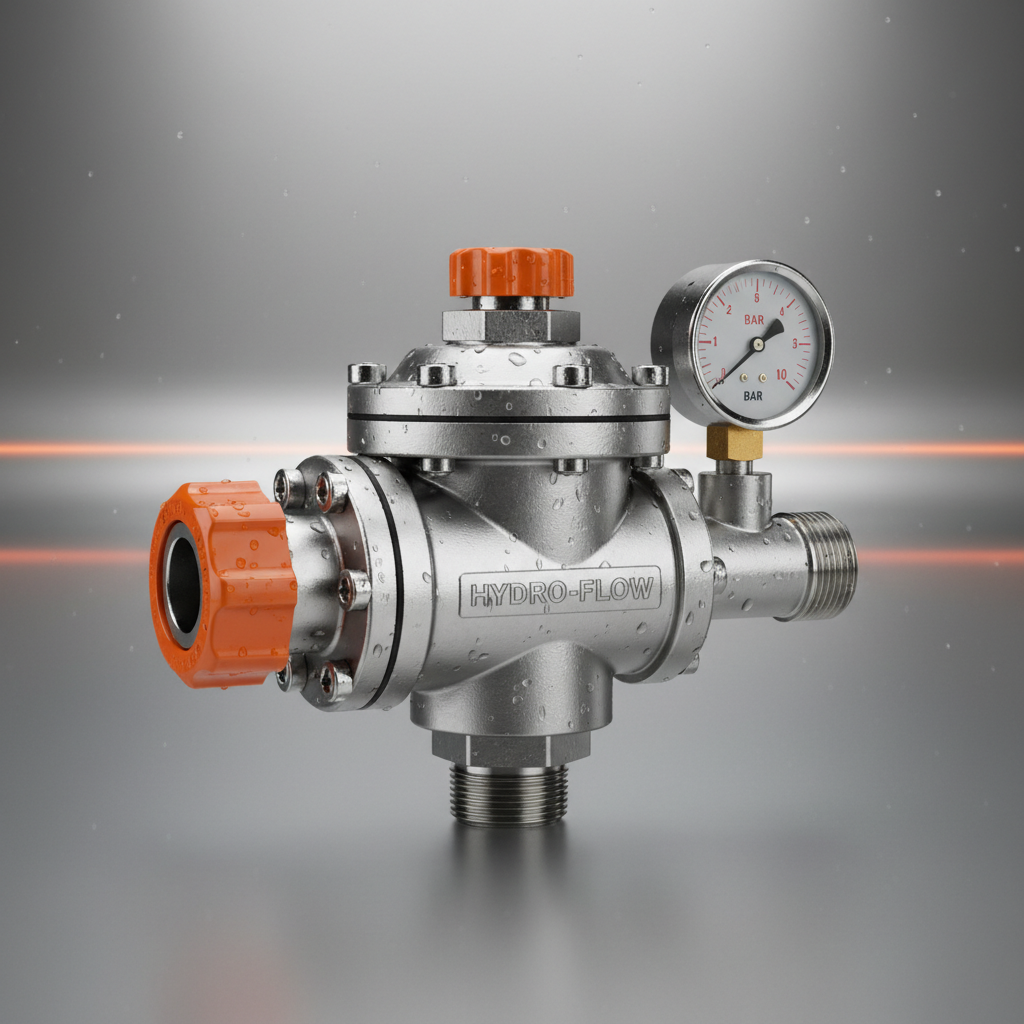
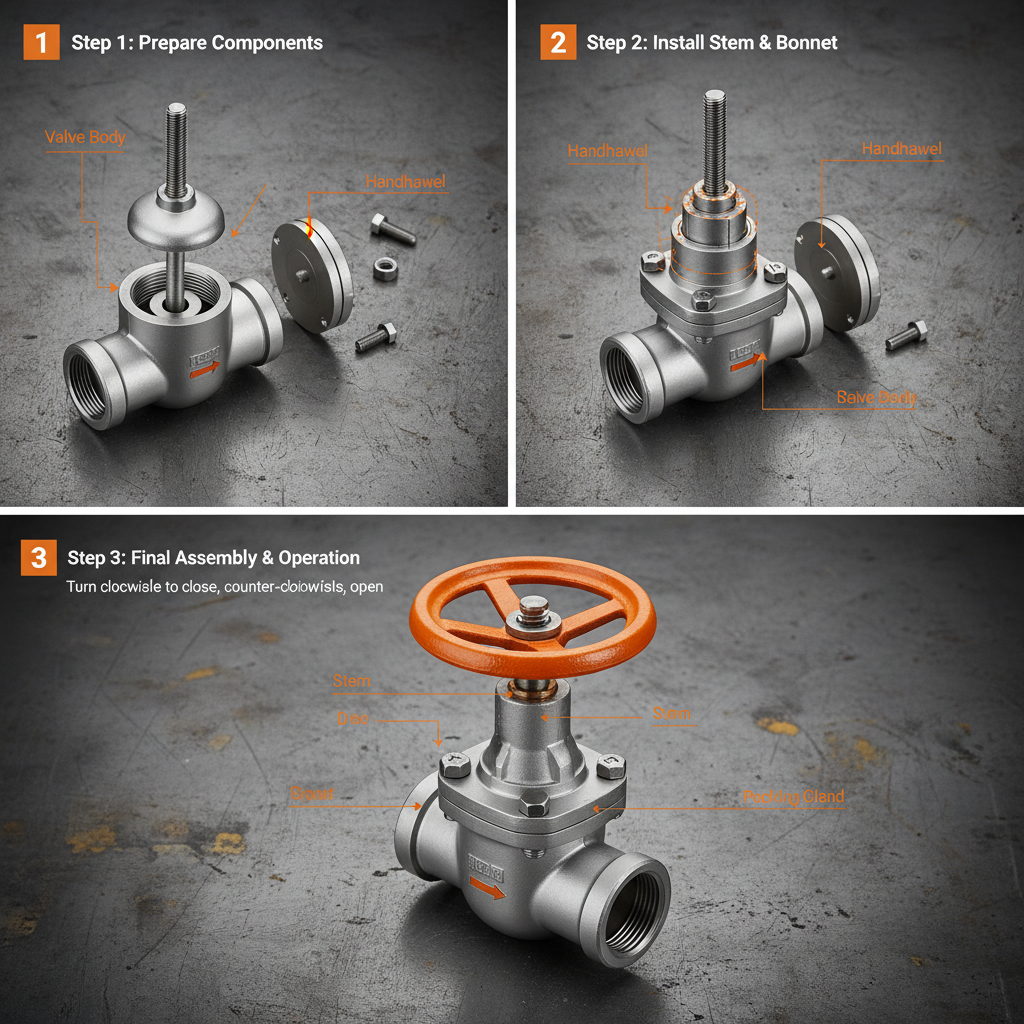
A typical stainless steel water regulator comprises several key components. These include a robust stainless steel body for corrosion resistance, a spring-loaded diaphragm that senses downstream pressure, and a valve seat that controls the flow of water. The spring’s tension is adjustable, allowing for precise setting of the desired outlet pressure. The diaphragm reacts to downstream pressure changes, moving to adjust the valve opening and maintain the set point.
The operational principle relies on a balance between the spring force and the downstream pressure acting on the diaphragm. When downstream pressure rises above the set point, the diaphragm moves to restrict flow, reducing the pressure. Conversely, if the pressure drops, the spring pushes the diaphragm to open the valve, increasing flow and restoring the desired pressure level. This self-regulating action ensures consistent and reliable performance.
Furthermore, many modern stainless steel water regulator designs incorporate features such as pilot operators, which enhance sensitivity and provide more precise control over a wider pressure range. These enhancements are particularly valuable in applications requiring extremely stable pressure regulation.
Key Performance Indicators of Stainless Steel Regulators
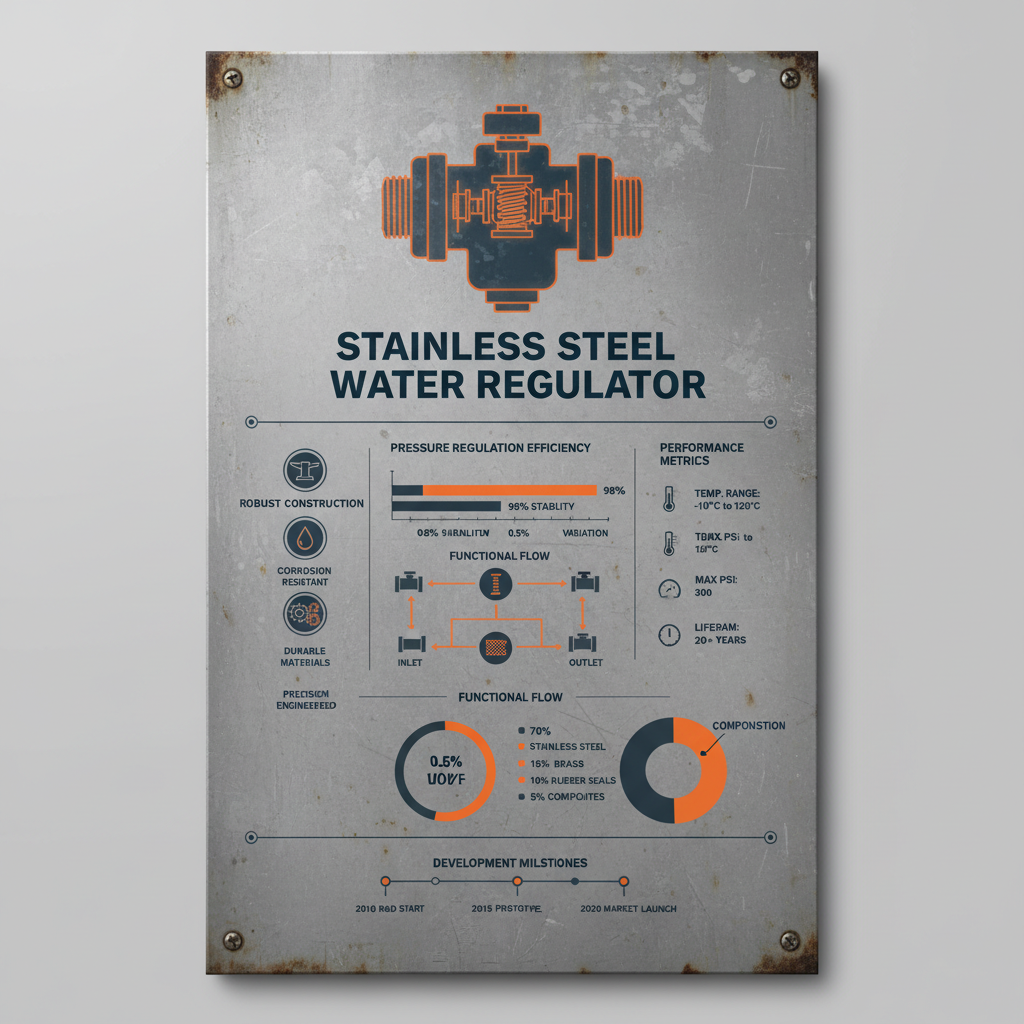
Evaluating the performance of stainless steel water regulators necessitates considering several key indicators. These include flow coefficient (Cv), which measures the regulator’s capacity to handle fluid flow at a given pressure drop; pressure regulation accuracy, which assesses its ability to maintain a stable outlet pressure; and response time, which indicates how quickly it reacts to changes in flow demand.
Another critical metric is the regulator’s shut-off pressure, representing the maximum inlet pressure at which it can completely seal and prevent flow. Furthermore, leakage rate is an important consideration, as even minor leaks can contribute to water waste and operational inefficiencies.
Stainless Steel Water Regulator Performance Metrics
Global Applications and Industry Impact
Stainless steel water regulators find application in a remarkably diverse range of industries. In municipal water systems, they are used to maintain consistent pressure in distribution networks, ensuring reliable water supply to homes and businesses. Within industrial settings, they regulate pressure in cooling systems, boiler feeds, and process water lines, contributing to efficient operation and preventing equipment damage.
In agriculture, these regulators play a vital role in precision irrigation systems, delivering water at optimal pressures for crop growth and minimizing water waste. They are also essential components in fire protection systems, ensuring adequate water flow to sprinklers in emergency situations. In post-disaster relief operations, portable stainless steel water regulator units are deployed to quickly establish clean water access for affected populations.
Advantages and Long-Term Value Proposition
The advantages of employing stainless steel water regulators extend far beyond initial cost savings. Their exceptional durability translates into reduced maintenance and replacement costs over the regulator's lifespan. The corrosion resistance of stainless steel minimizes the risk of leaks and failures, preventing costly downtime and potential environmental damage. Moreover, the consistent pressure regulation they provide optimizes system efficiency, reducing energy consumption and lowering operational expenses.
The long-term value proposition includes enhanced safety, improved water quality, and a reduced environmental footprint. By preventing water hammer and maintaining stable pressure, these regulators protect infrastructure and minimize the risk of catastrophic failures. Their contribution to water conservation efforts promotes sustainability and responsible resource management.
Future Trends and Technological Advancements
The future of stainless steel water regulation is poised for innovation, driven by advancements in materials science, digital technology, and sustainable practices. Smart regulators, equipped with sensors and communication capabilities, are emerging, enabling remote monitoring, data analysis, and predictive maintenance. These intelligent systems can optimize performance, detect leaks, and alert operators to potential issues before they escalate.
The integration of advanced alloys with enhanced corrosion resistance and mechanical properties is also underway, further extending the lifespan and reliability of these regulators. Furthermore, the development of more energy-efficient designs and the incorporation of renewable energy sources for powering regulator control systems align with global sustainability goals.
Summary of Challenges and Solutions Regarding Stainless Steel Water Regulator
| Challenge |
Impact on Stainless Steel Water Regulator Performance |
Potential Solution |
Implementation Cost (1-10) |
| Corrosion in Harsh Environments |
Reduced Lifespan, Leakage |
Utilize Super Austenitic Stainless Steel Alloys |
7 |
| Pressure Fluctuations |
Inaccurate Regulation, Equipment Damage |
Implement Pilot Operated Regulators |
6 |
| Scaling and Fouling |
Reduced Flow Rate, Blockage |
Install Strainers and Filters |
3 |
| Lack of Real-Time Monitoring |
Delayed Issue Detection, Reactive Maintenance |
Integrate IoT Sensors and Data Analytics |
8 |
| High Initial Cost |
Budget Constraints, Lower Adoption Rate |
Life Cycle Cost Analysis |
4 |
| Improper Installation |
Performance Degradation, Premature Failure |
Comprehensive Training for Installers |
5 |
FAQS
Stainless steel water regulators offer superior corrosion resistance, making them ideal for harsh environments and potable water applications. Brass regulators, while cheaper upfront, are susceptible to corrosion and scaling, leading to reduced lifespan, potential contamination, and increased maintenance costs. Stainless steel ensures long-term reliability, purity, and lower total cost of ownership.
Determining the correct size requires calculating the required flow rate and considering the pressure differential between the inlet and outlet. You'll need to factor in the pipe size, length, and any restrictions in the system. Consulting a fluid dynamics specialist or using a regulator sizing tool provided by manufacturers like stainless steel water regulator suppliers can ensure accurate selection.
A properly maintained stainless steel water regulator can last for 20 years or more, depending on the application and operating conditions. Regular inspection, cleaning, and replacement of worn components, such as diaphragms and seals, are crucial for maximizing lifespan. Avoiding exposure to highly corrosive fluids and maintaining proper pressure settings also contribute to longevity.
Yes, stainless steel regulators are well-suited for handling corrosive fluids, but the specific grade of stainless steel must be appropriate for the fluid's composition. 316 stainless steel, for example, offers excellent resistance to chlorides and other corrosive agents. It's vital to verify the regulator's material compatibility with the fluid to prevent corrosion and ensure reliable operation.
Routine maintenance includes regular visual inspections for leaks or damage, cleaning to remove debris, and periodic replacement of diaphragms and seals. It’s also important to verify the set pressure and adjust as needed. Following the manufacturer’s recommendations for maintenance schedules will help ensure optimal performance and prevent costly repairs.
Look for regulators that meet relevant industry standards, such as those from ANSI, ISO, or NSF. These certifications ensure that the regulator has been tested and meets specific performance and safety requirements. Compliance with these standards provides assurance of quality and reliability, protecting your investment and ensuring safe operation.
Conclusion
In conclusion, stainless steel water regulators are indispensable components of modern fluid management systems, offering exceptional durability, reliability, and corrosion resistance. Their ability to consistently maintain downstream pressure contributes to enhanced efficiency, reduced maintenance costs, and improved safety across a diverse range of industries, from municipal water supplies to industrial processes and agricultural irrigation.
Looking ahead, the integration of smart technologies, advanced materials, and sustainable design principles will further elevate the performance and value of these regulators. Investing in high-quality stainless steel water regulator solutions not only protects infrastructure and optimizes operational efficiency but also supports responsible resource management and a more sustainable future.