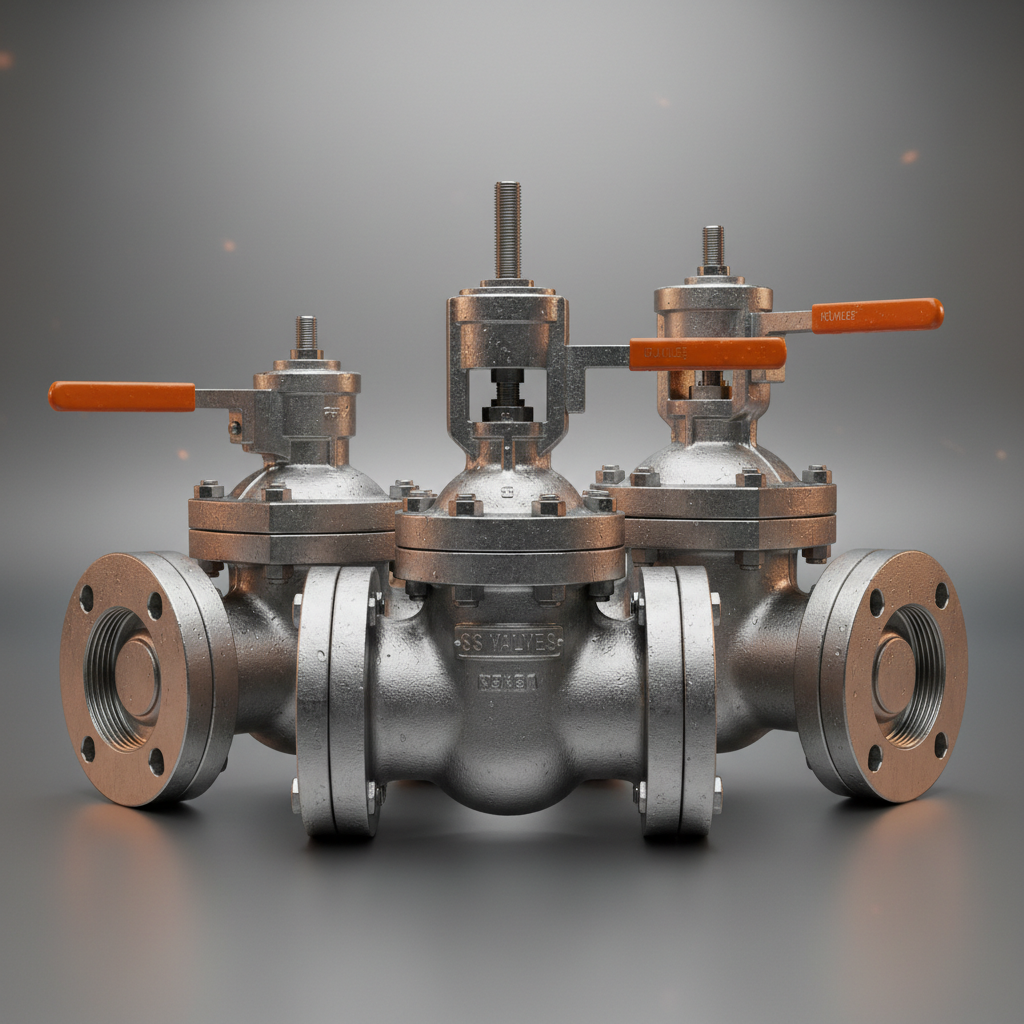
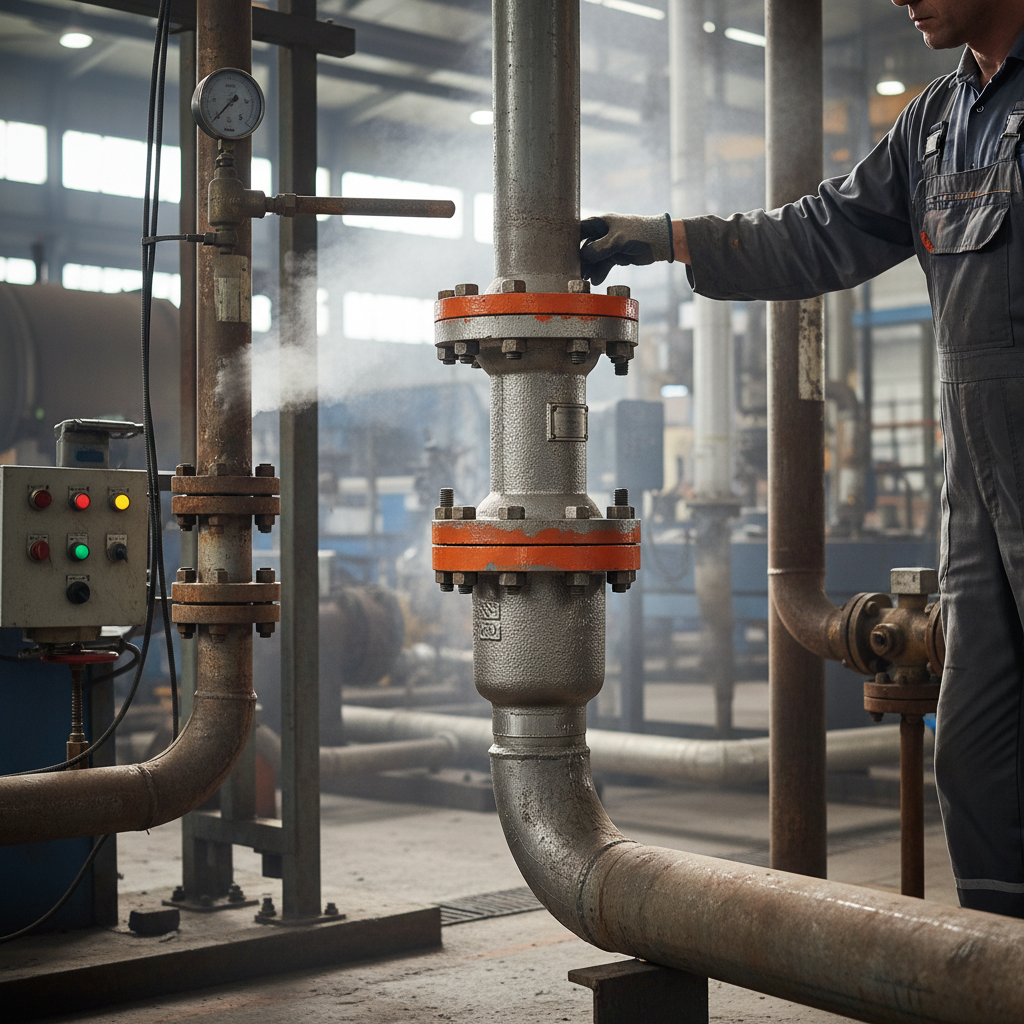
Stainless steel (ss) valves are critical components in a vast array of industries, playing a vital role in controlling the flow of fluids and gases. Their significance stems from their durability, corrosion resistance, and ability to maintain system integrity in demanding environments. The global market for ss valves is substantial, driven by increasing infrastructure development, stringent safety regulations, and the growing need for reliable fluid management solutions.
The demand for ss valves is inextricably linked to global industrial output and economic growth. According to a report by Grand View Research, the global valve market was valued at USD 78.4 billion in 2022 and is projected to reach USD 108.4 billion by 2030, with stainless steel valves representing a significant portion of this market. This growth is fueled by investments in water treatment facilities, oil and gas pipelines, chemical processing plants, and pharmaceutical manufacturing, all sectors where ss valves are indispensable.
Understanding the principles behind ss valve operation, the diverse types available, and their appropriate applications is paramount for engineers, technicians, and procurement professionals across these industries. Proper valve selection and maintenance directly impact operational efficiency, safety, and long-term cost savings.
The Importance of ss valves
ss valves are fundamentally important because they provide reliable control and isolation of fluids and gases in a diverse range of applications. From ensuring the safe delivery of potable water to managing complex processes in chemical plants, their consistent performance is vital. The inherent properties of stainless steel—corrosion resistance, high strength, and temperature tolerance—make these valves particularly suited for challenging environments where other materials would fail.
Choosing the correct ss valve is not merely a matter of selecting a component; it's a critical engineering decision that impacts the safety, efficiency, and longevity of an entire system. Factors such as pressure, temperature, fluid compatibility, and required flow rates all must be carefully considered to ensure optimal operation and prevent costly failures. ss valves are often the cornerstone of reliable fluid handling.
Defining ss Valves: A Comprehensive Overview
ss valves are mechanical devices designed to regulate, direct, or stop the flow of fluids – liquids, gases, or slurries – within a piping system. The "ss" prefix denotes that the valve body and internal components are constructed from various grades of stainless steel, typically 304, 316, or duplex stainless steel, chosen for their resistance to corrosion and ability to withstand harsh operating conditions. These valves come in a wide variety of designs, each suited to specific applications.
Unlike other valve materials prone to degradation, stainless steel maintains its structural integrity and prevents contamination of the fluid being controlled. This makes ss valves essential in industries with strict hygiene and safety standards, such as food processing, pharmaceuticals, and biotechnology. Their ability to handle high temperatures and pressures further expands their utility.
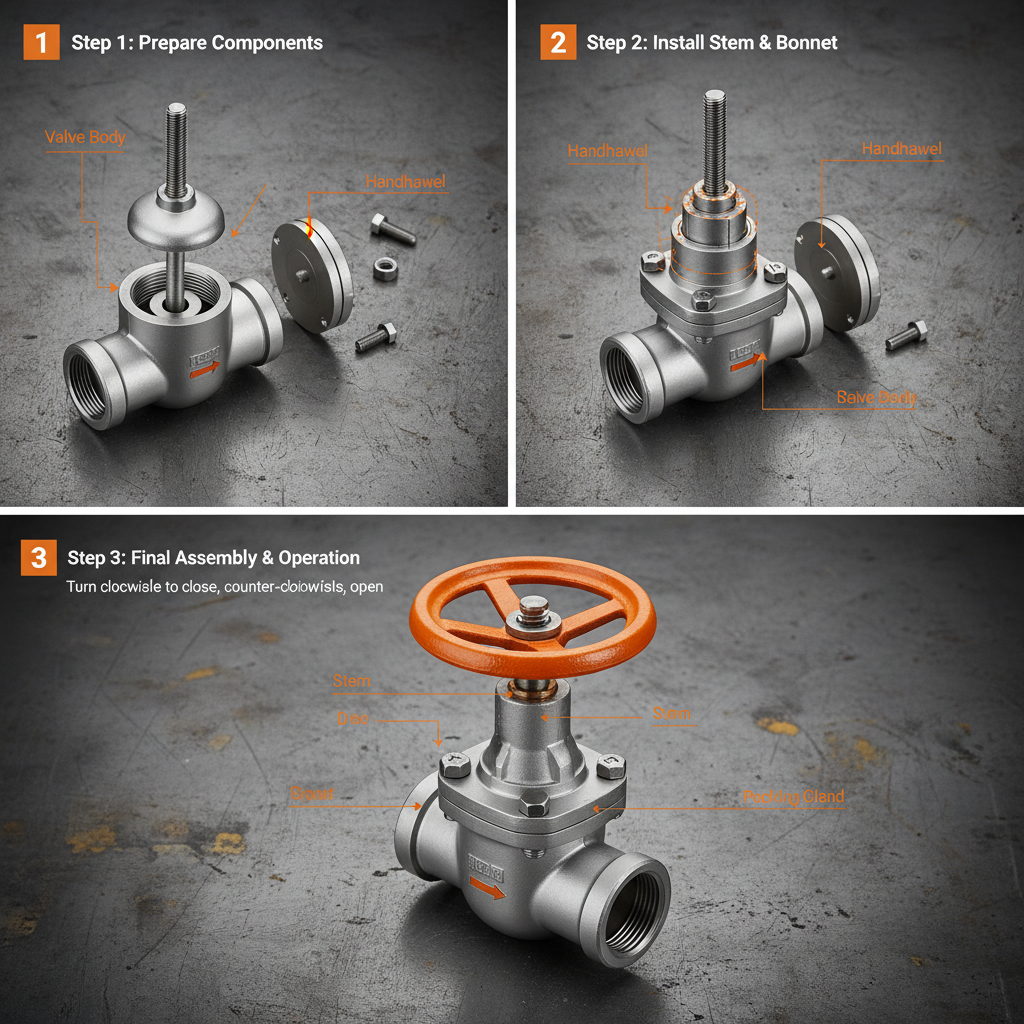
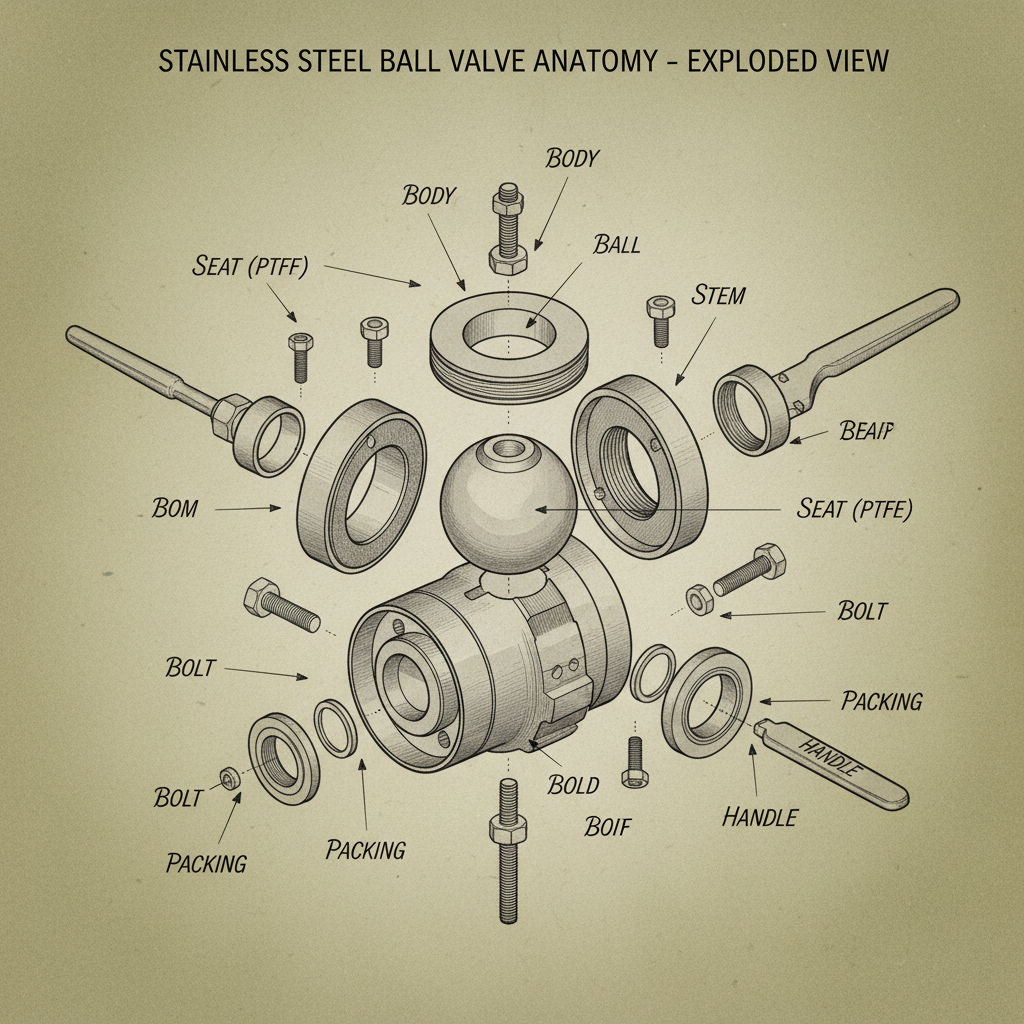
The core function of an ss valve is to create a controlled opening and closing mechanism, adjusting the flow rate or completely stopping it as needed. This is achieved through various internal components – disks, balls, gates, or plugs – that interact with the valve seat to modulate the flow path.
Key Characteristics of ss Valves
One of the most defining characteristics of ss valves is their exceptional corrosion resistance. Stainless steel alloys contain chromium, which forms a passive layer on the surface, preventing rust and corrosion even when exposed to aggressive chemicals, saltwater, and other corrosive substances. This dramatically extends the lifespan of the valve and reduces maintenance costs.
Another crucial aspect is their durability and strength. Stainless steel is a robust material capable of withstanding high pressures and temperatures without deformation or failure. This is particularly important in critical applications where valve failure could have severe consequences. Furthermore, ss valves are relatively easy to clean and sanitize, an essential requirement in hygienic industries.
Finally, ss valves exhibit excellent temperature resistance, maintaining their mechanical properties across a wide range of temperatures. This allows for their use in both extremely cold and hot environments, making them suitable for diverse industrial processes. The versatility of stainless steel alloys allows manufacturers to tailor valve materials to specific operating conditions.
Performance Metrics and ss Valves
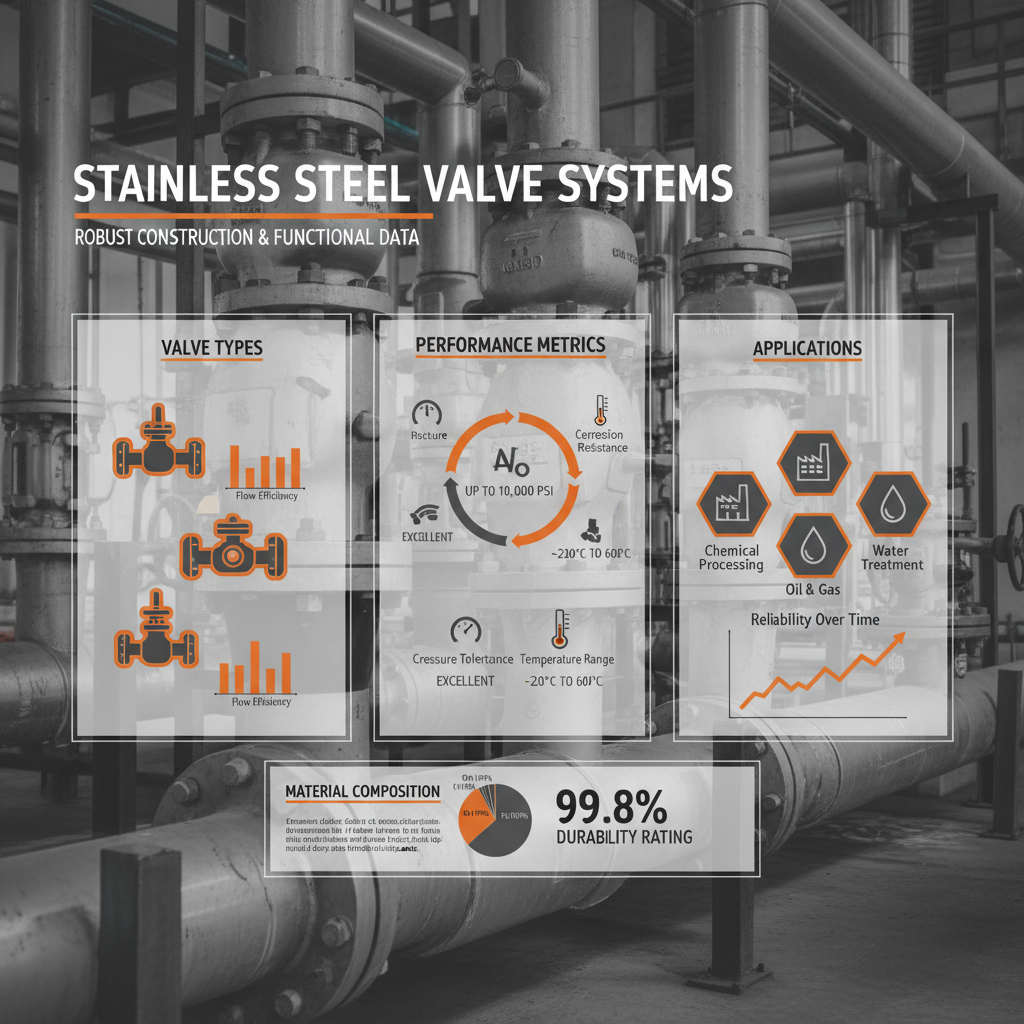
Evaluating the performance of ss valves requires consideration of several key metrics. Flow coefficient (Cv) quantifies the valve's ability to pass fluid, indicating the flow rate at a specific pressure drop. Pressure drop is the reduction in pressure as the fluid flows through the valve and is crucial for system efficiency. Leakage rates, measured in terms of allowable seepage, determine the valve’s sealing effectiveness.
Another important parameter is the valve’s response time – the speed at which it opens or closes. This is particularly critical in applications requiring rapid control, such as emergency shutdown systems. The material’s resistance to erosion is also a vital performance metric, especially when handling abrasive fluids.
Comparative Performance of ss valves Designs
Applications of ss Valves Across Industries
The versatility of ss valves enables their widespread adoption across diverse industries. In the oil and gas sector, they control the flow of crude oil, natural gas, and refined products in pipelines, refineries, and offshore platforms. The chemical processing industry utilizes ss valves to manage corrosive chemicals and high-pressure processes, ensuring safe and efficient production.
Pharmaceutical and biotechnology companies rely on ss valves for precise fluid handling in sterile environments, maintaining product purity and complying with stringent regulations. Water treatment facilities employ them to regulate water flow, control chemical dosing, and prevent backflow contamination. Food and beverage processing uses ss valves for sanitary fluid handling to maintain hygiene.
The Advantages of Utilizing ss Valves
Employing ss valves offers a plethora of advantages. Foremost is their long-term cost-effectiveness. While the initial investment might be higher than valves made from other materials, the extended lifespan and reduced maintenance requirements of ss valves translate to significant savings over time. Their resistance to corrosion minimizes downtime and prevents costly repairs or replacements.
Furthermore, ss valves enhance operational safety by preventing leaks and ensuring reliable fluid control, mitigating the risk of accidents and environmental contamination. The hygienic properties of stainless steel contribute to product quality and safety in sensitive industries. Investing in ss valves is a commitment to reliability and long-term performance.
From an environmental perspective, the durability of ss valves contributes to sustainability by reducing the need for frequent replacements, conserving resources and minimizing waste. Their overall reliability enhances process efficiency, reducing energy consumption and minimizing environmental impact.
Future Trends in ss Valve Technology
The future of ss valve technology is characterized by increasing automation, smart functionality, and the integration of digital technologies. The development of smart valves equipped with sensors and data analytics capabilities allows for real-time monitoring of performance, predictive maintenance, and remote control, optimizing system efficiency and preventing failures.
Advances in materials science are leading to the development of new stainless steel alloys with enhanced corrosion resistance, higher strength, and improved temperature performance. Additive manufacturing (3D printing) is also emerging as a promising technology for creating custom ss valve designs with complex geometries and optimized flow characteristics.
The increasing focus on sustainability is driving the development of ss valves designed for energy efficiency and reduced water consumption. Integration with IoT platforms and cloud-based systems will further enhance data collection and analysis, enabling proactive management and optimization of fluid handling systems.
Overview of Key Factors Influencing ss Valve Selection and Performance
| Application Environment |
Fluid Compatibility |
Pressure & Temperature Ratings |
Valve Type & Design |
| Corrosive Chemical Plant |
Highly Corrosive Acids |
High Pressure (1500 PSI), Elevated Temperature (200°C) |
316 Stainless Steel Ball Valve with PTFE Seals |
| Food Processing Facility |
Dairy Products |
Low Pressure (50 PSI), Ambient Temperature |
304 Stainless Steel Sanitary Butterfly Valve |
| Pharmaceutical Production |
Sterile Water for Injection |
Medium Pressure (100 PSI), Controlled Temperature |
316L Stainless Steel Globe Valve with BPE Connections |
| Wastewater Treatment Plant |
Sludge & Effluent |
Low Pressure (30 PSI), Variable Temperature |
Duplex Stainless Steel Check Valve |
| Oil & Gas Pipeline |
Crude Oil |
High Pressure (2000 PSI), Extreme Temperature |
316 Stainless Steel Gate Valve with Extended Bonnet |
| HVAC System |
Chilled Water |
Medium Pressure (75 PSI), Ambient Temperature |
304 Stainless Steel Ball Valve |
FAQS
The most common grades are 304 and 316 stainless steel. 304 offers excellent corrosion resistance in many applications, while 316, containing molybdenum, provides superior resistance to chloride corrosion, making it ideal for marine environments or chemical processing. Duplex stainless steels are also used for applications requiring exceptional strength and corrosion resistance. Choosing the correct grade is crucial for longevity and preventing failures.
Selecting the appropriate ss valve involves considering several factors. Assess the fluid being handled (corrosivity, viscosity, temperature), the required pressure and flow rate, and the specific application’s needs. Consider valve type (ball, gate, globe, butterfly, check) and materials of construction (stainless steel grade, seals). Consulting with a valve specialist is recommended for complex applications.
While ss valves require less maintenance than valves made from other materials, regular inspection and lubrication are crucial. Periodically check for leaks, corrosion, and wear on seals and packing. Lubricate moving parts as recommended by the manufacturer. Preventive maintenance schedules can significantly extend valve lifespan and prevent unexpected failures.
Stainless steel ball valves offer several advantages, including quick on/off operation, tight shut-off, and minimal pressure drop. Their robust design makes them suitable for a wide range of applications and fluids. Stainless steel construction provides excellent corrosion resistance, ensuring longevity and reliability, particularly in harsh environments.
Both 304 and 316 stainless steel offer excellent corrosion resistance, but 316 contains molybdenum, which significantly improves its resistance to chloride corrosion, pitting, and crevice corrosion. This makes 316 ideal for environments exposed to saltwater, de-icing salts, or harsh chemicals, where 304 may be susceptible to corrosion.
Smart ss valves, equipped with sensors and data analytics, provide real-time performance monitoring, enabling predictive maintenance and optimizing system operation. Data on flow rates, pressure, and temperature can be used to identify potential issues before they lead to failures, reducing downtime and improving efficiency. Remote control capabilities also enhance operational flexibility.
Conclusion
In conclusion, ss valves are indispensable components across a vast spectrum of industries, providing reliable fluid control, exceptional durability, and corrosion resistance. Their versatility, coupled with advancements in materials science and smart technologies, positions them as a critical element in optimizing operational efficiency, enhancing safety, and promoting sustainability. Understanding the nuances of ss valve selection, application, and maintenance is essential for engineers and professionals seeking to build and maintain robust, long-lasting fluid handling systems.
Looking ahead, the future of ss valve technology will be shaped by increasing demands for automation, data-driven insights, and environmentally responsible solutions. Continued innovation in materials, manufacturing processes, and digital integration will further enhance the performance, reliability, and sustainability of ss valves, solidifying their role as a cornerstone of modern industrial infrastructure. For expert solutions and a wide range of high-quality ss valves, visit our website: www.houdevalve.com.