Understanding the Y strainer PDF and Its Practical Importance
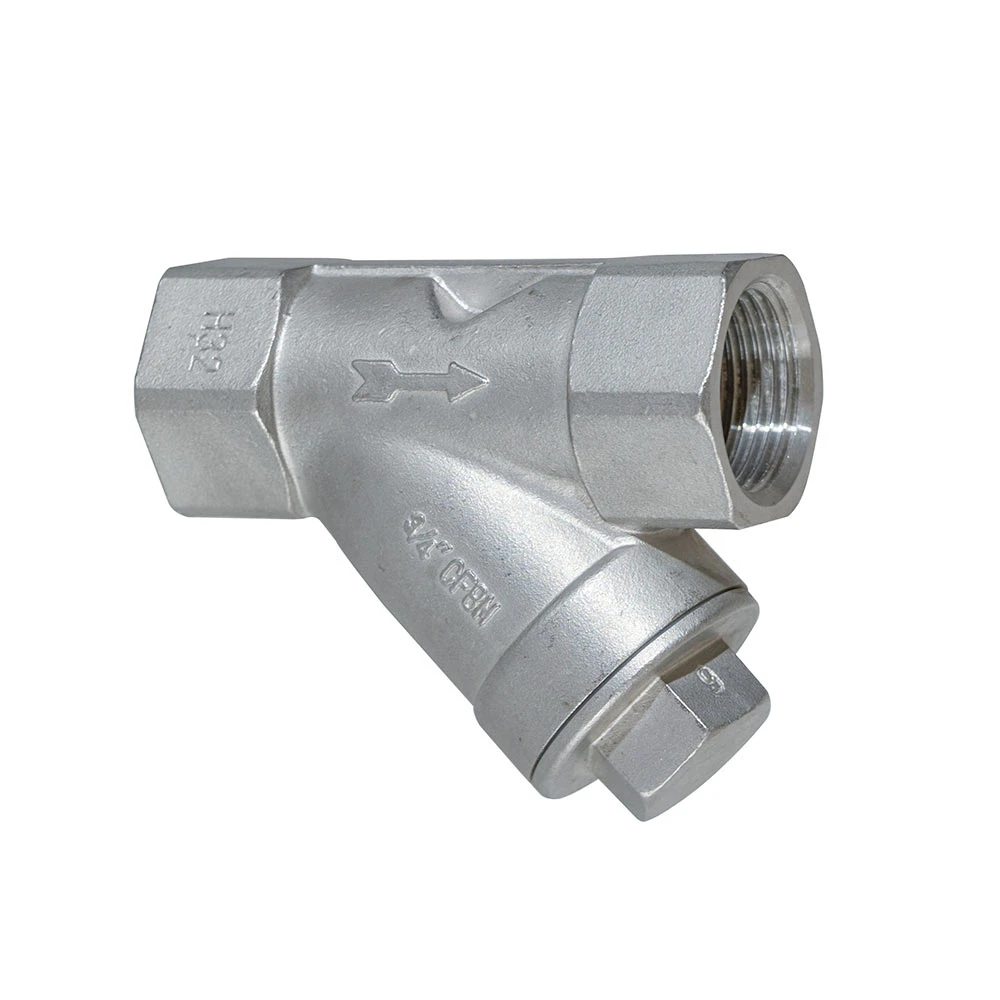
Working in the industrial equipment sector for over a decade, I've seen my fair share of pipeline components. Still, Y strainers somehow manage to stand out because they’re deceptively simple yet vital—kind of like that unsung hero you don’t think about until something clogs up. For those who aren’t familiar, a Y strainer is essentially a device that filters out debris and particulates from pipelines, protecting pumps, valves, and other downstream equipment.
If you’ve ever needed installation or maintenance guidance, that handy Y strainer PDF you can download is often the first place engineers and technicians look. It’s more than just a manual—it’s a blueprint of durability, materials compatibility, and practical design insights all compressed into a single document.
Oddly enough, many engineers I spoke with stress the importance of reviewing these PDFs carefully before committing to a specific model. You might be tempted to go with basic specs alone, but the devil’s in the details—like screen mesh size, body material, pressure class, and ease of cleaning. Speaking of which, Houde Valve’s documentation tends to balance technical rigor with clear illustrations, which frankly makes a huge difference out in the field.
In real terms, Y strainers usually come fashioned from materials like stainless steel, cast iron, or bronze, depending on the application’s corrosiveness and temperature. Stainless steel is my personal go-to for most chemical or high-temperature flows—it feels more reliable, especially when you’re tasked with keeping things running smoothly in harsh environments. Bronze or cast iron might do just fine for less aggressive conditions, and frankly, they often save budget.
| Specification | Houde Valve Y Strainer |
|---|---|
| Material | Stainless Steel (304/316), Cast Iron, Bronze |
| Pressure Rating | Up to 300 PSI (ANSI Class 150 to 300) |
| Screen Mesh Options | 20, 40, 60, 80, 100 mesh |
| End Connections | Threaded, Flanged, Socket Weld |
| Operating Temperature | -20°C to 400°C |
One customer story I recall quite clearly involves a plant in Ohio that was struggling with frequent pump failures due to particulate contamination. After switching to a well-specified Y strainer from Houde Valve, the incidence of downtime dropped dramatically—kind of the classic “invest now, save later” scenario. Tools like the Y strainer PDF helped their engineers pick the right mesh and understand installation nuances.
Now, if you’re considering who makes the best Y strainers, it’s worth comparing a few vendors for specs, pricing, and extras like lead times or custom options. Here’s a quick breakdown based on my observations from the last few years:
| Parameter | Houde Valve | Competitor A | Competitor B |
|---|---|---|---|
| Material Options | Stainless Steel, Cast Iron, Bronze | Cast Iron, Carbon Steel | Stainless Steel Only |
| Pressure Range | Up to 300 PSI | Up to 200 PSI | Up to 250 PSI |
| Screen Mesh Variability | 20 - 100 mesh | 40 and 80 mesh only | Limited options |
| Lead Time | 2-3 weeks | 4-6 weeks | 3-5 weeks |
| Customization | Available upon request | Limited | Not typically offered |
To be perfectly honest, no single brand will be “the best” for every circumstance, but from what I’ve experienced and seen, Houde Valve’s combination of comprehensive specs, quality materials, and the ease of accessing detailed resources like the Y strainer PDF tends to tip the scales favorably. The PDF alone is a great tool for pre-purchase evaluation or even on-site maintenance training — and a little pre-planning goes a long way.
So next time you’re specifying components for your piping system, don’t overlook that humble little piece called the Y strainer. Get the right model, consult that detailed PDF, and you’ll save yourself headaches down the line. Trust me, it feels like one of those small investments that pays dividends every operational hour.
References:
- Houde Valve Product Catalogue and Manuals
- Industry Discussions on Pipeline Filtration Solutions, 2022
- Case Studies: Ohio Chemical Plant Maintenance Logs, 2023