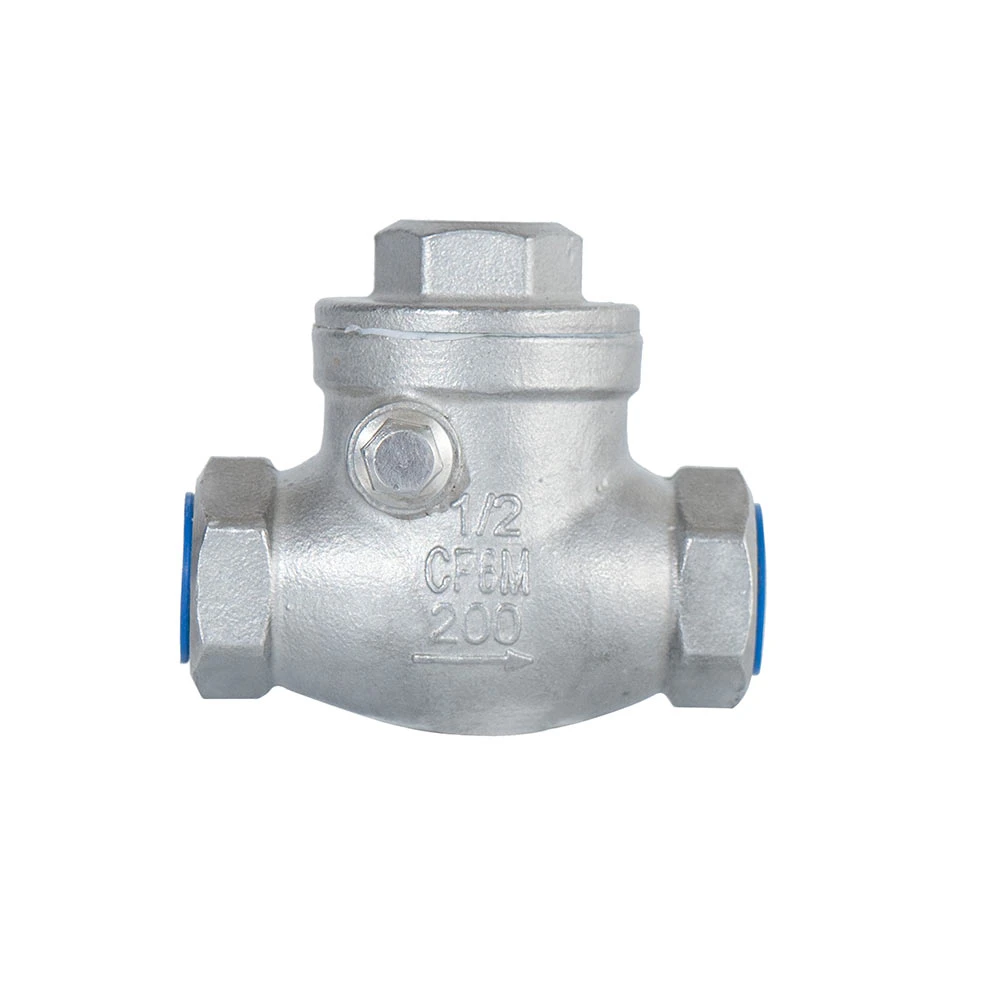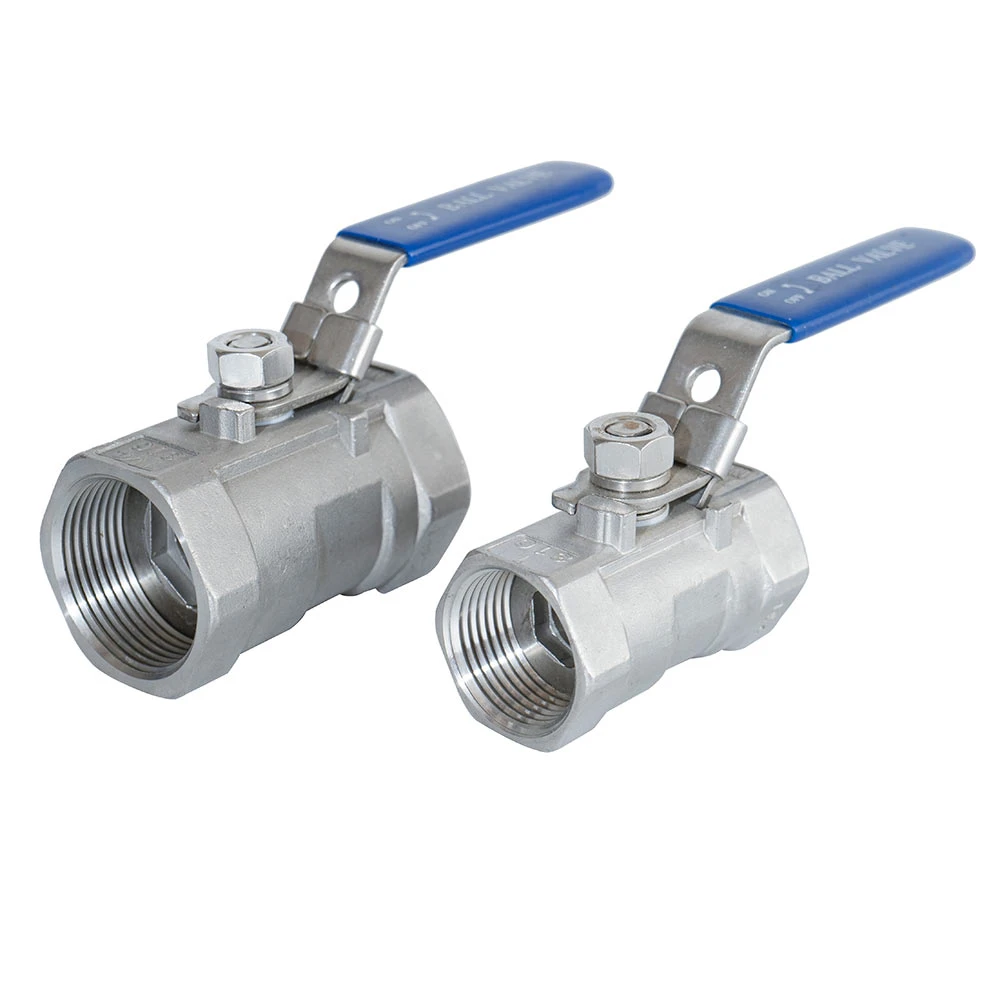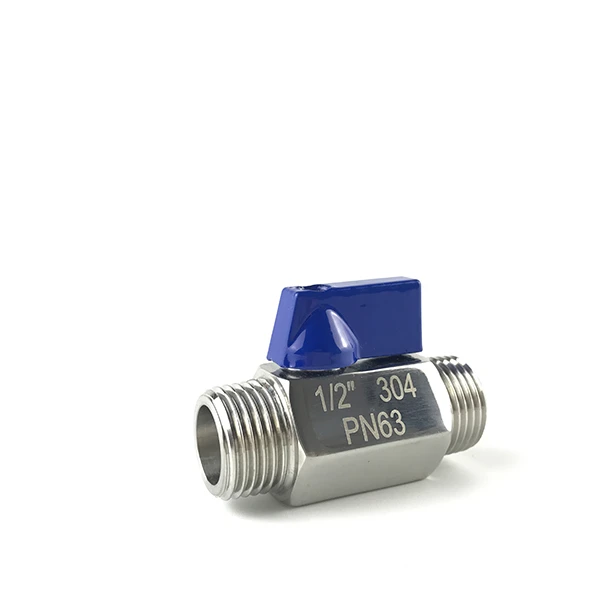
Y Strainer Specification is a key solution in the industry, specifically within fluid handling and pipeline protection sectors. This article explores how https://www.houdevalve.com supports professionals with durable, high-performance products, and explains why this product is an ideal choice for businesses in these sectors.
Table of Contents
- Y Strainer Specification Overview
- Benefits & Use Cases of Y Strainer Specification
- Cost, Maintenance & User Experience
- Sustainability & Market Trends
Y Strainer Specification Overview
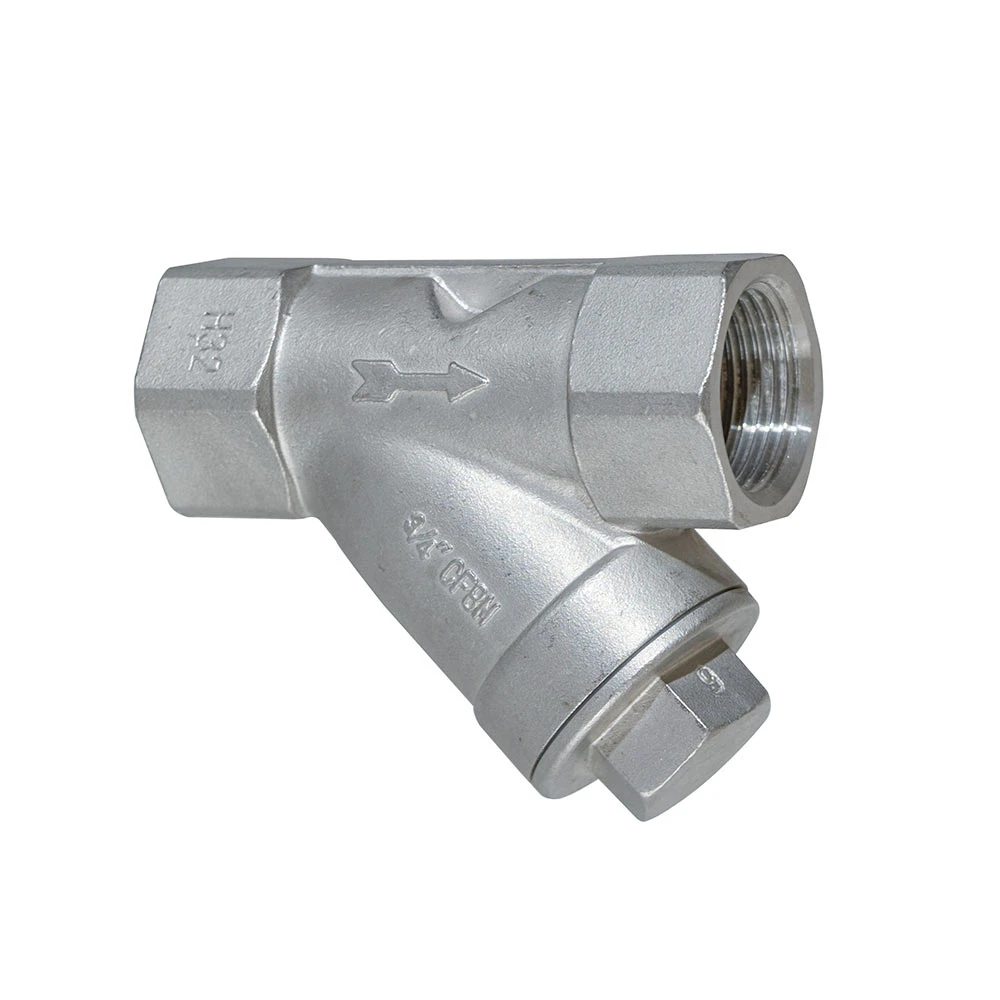
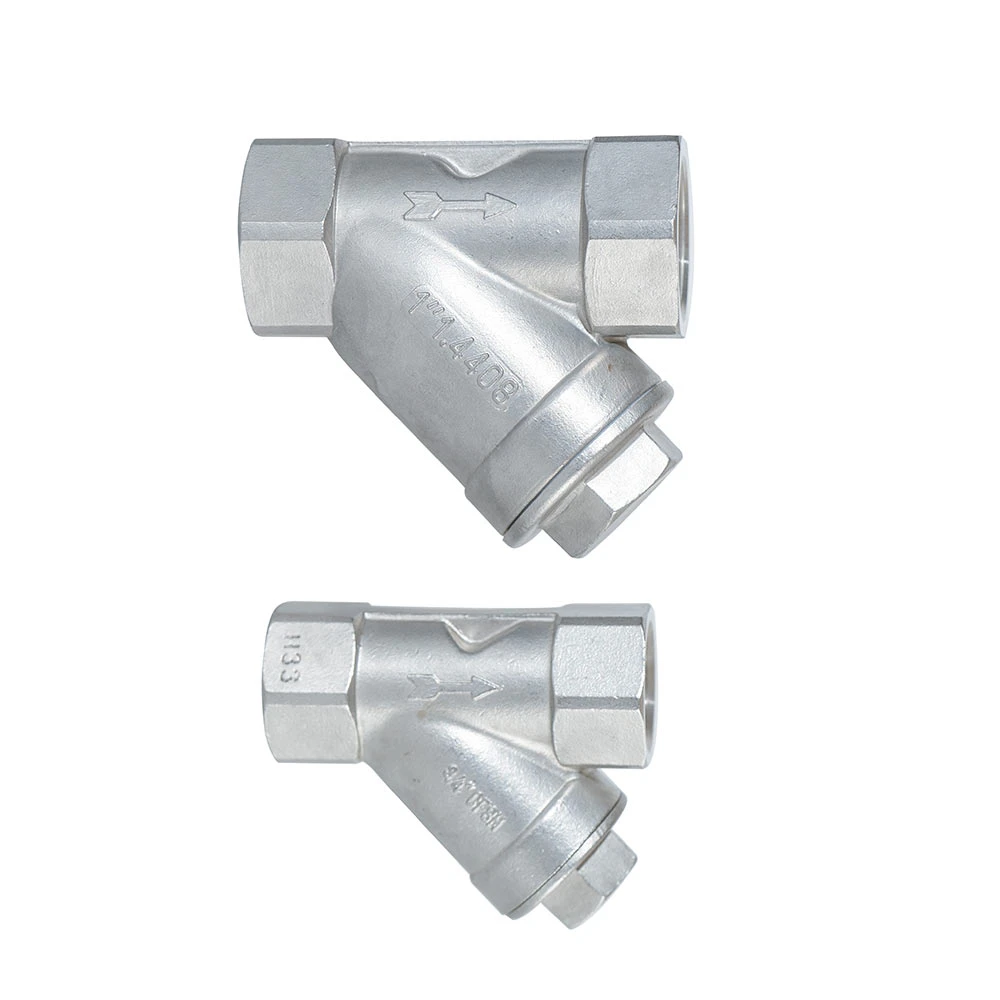
The Y Strainer Specification generally refers to the detailed technical criteria defining a Y strainer—a crucial device used to filter debris from pipelines. It’s designed in a sleek Y-shape, which oddly enough is brilliant for minimizing pressure drops while efficiently trapping particulates. These strainers typically serve industries like chemical processing, water treatment, and oil & gas, where protecting pumps and compressors from damage matters hugely.
- Constructed mainly from cast steel or stainless steel, based on the corrosiveness of the fluid.
- Commonly designed for pressures up to 16 bar and temperatures ranging from -20°C to 220°C.
- The mesh or perforated screen inside varies in size to filter different particle sizes efficiently.
| Parameter | Details |
|---|---|
| Material | Cast Steel, Stainless Steel SS304/SS316 |
| Size Range | DN15 to DN300 |
| Pressure Rating | PN10 to PN40 |
| Temperature Range | -20°C to 220°C |
| Screen Mesh Size | 10 to 200 mesh |
Benefits & Use Cases of Y Strainer Specification
When you consider the benefits of the Y strainer design, it’s clear why many engineers swear by it. The Y-shape isn’t just for looks—it enables easy removal of trapped debris by unscrewing the strainer cap, ensuring minimal downtime and a clean pipeline system. In industries like chemical manufacturing, refinements with corrosive fluids mean the right material composition is essential for longevity.
- Ideal for pipelines where flow direction doesn’t allow for inline filters due to space or design constraints.
- Robust against pressure fluctuations making it the go-to for heavy-duty industrial usage.
- Customizable mesh sizes provide competitive advantages by optimizing filtration for specific particle sizes in different fluids.
| Feature | Houde Valve | Competitor A | Competitor B |
|---|---|---|---|
| Material Quality | High-grade SS316 | Standard SS304 | Cast iron |
| Customization Options | Mesh size, sizes DN15–DN300 | Limited | None |
| Lead Time | 3-4 weeks | 5-6 weeks | 4-5 weeks |
| Price Competitiveness | Mid-range | High | Low-quality at bargain price |
Cost, Maintenance & User Experience
Frankly, from a cost perspective, the Y strainer is surprisingly economical when you factor in its longevity and ease of maintenance. Unlike some inline filters, the Y strainer’s clean-out design means downtime is minimal—no need to dismount the entire unit. Many users I've heard from appreciate the saving in labor hours and reduced wear on expensive pumps downstream.
- Total cost of ownership is reduced by combining sturdy construction with fewer parts needing replacement.
- Maintenance schedules are straightforward: usually a quick visual check and a screen clean every few weeks depending on the fluid type.
- Customer feedback often highlights the product’s reliability even under harsh operating conditions.
Sustainability & Market Trends
The push for sustainability in industrial operations has caught even valve manufacturers’ attention. Y strainer specifications have evolved to incorporate environmentally friendlier materials that maintain durability without sacrificing performance. Plus, tightening environmental regulations are encouraging firms to prevent leaks and spills, which these strainers help mitigate by protecting downstream equipment.
- Newer designs focus on reducing waste by allowing reusable screens and easier part replacements.
- Market trends indicate a steady growth as industries prioritize fluid filtration to enhance process efficiency and reduce environmental impact.
Frequently Asked Questions about Y Strainer Specification
- What is Y Strainer Specification and how does it work?
- In simple terms, a Y Strainer Specification outlines the material, size, pressure tolerance, and mesh size that a Y strainer must have. The device works by diverting fluid flow through a Y-shaped chamber where a perforated or mesh screen traps unwanted particles, protecting the rest of the pipeline system.
- What are the main benefits of using Y Strainer Specification in industrial applications?
- Key benefits include durability, ease of maintenance, efficiency in trapping debris with minimal pressure loss, and long-lasting protection for pumps and machines, reducing downtime and repair costs.
- How does Y Strainer Specification compare to traditional alternatives?
- Compared to simple inline filters, Y strainers offer better maintenance accessibility and flow dynamics. Many traditional strainers may require full disassembly whereas Y strainers’ design allows quick cleaning by removing the strainer cap.
- What industries can benefit most from Y Strainer Specification implementation?
- Industries like chemical processing, oil and gas, water treatment, HVAC, and food and beverage commonly use Y strainers to maintain operational reliability and safety.
Conclusion on Y Strainer Specification from china
In summary, the Y Strainer Specification offers a reliable, cost-effective, and well-engineered solution to filtration challenges in industrial pipelines. Companies looking for proven performance combined with ease of use would do well to consider this product. For a closer look, comprehensive specs, or to inquire directly, visit our website: https://www.houdevalve.com.
- A sturdy investment that keeps your systems clean, efficient, and operationally safe.
References:
- API Standards for Pipeline Strainers, American Petroleum Institute
- Industry Case Study: Houde Valve Solutions, 2023
- Environmental Regulations in Fluid Handling, Global Industry Report, 2024