The world increasingly relies on robust and dependable infrastructure, and within that landscape, the unassuming 2 pieces valve plays a critical role. From industrial processing plants to residential water systems, these valves ensure the safe and efficient control of fluid flow. Understanding their function, application, and ongoing development is vital for engineers, technicians, and anyone involved in maintaining modern life’s essential services. The demand for quality 2 pieces valve is growing alongside global infrastructure projects, highlighting its importance in a rapidly changing world.
Globally, the valve industry is a multi-billion dollar market, projected to continue expanding due to urbanization, industrial growth, and the need for water management solutions. According to ISO standards, proper valve selection and maintenance are crucial for ensuring system integrity and preventing costly failures. The effective utilization of 2 pieces valve contributes directly to operational efficiency and resource conservation, addressing challenges related to water scarcity and energy consumption.
The rising demand for innovative valve technologies is driven by stringent safety regulations and a focus on sustainable practices. Investing in understanding the nuances of 2 pieces valve—its components, performance characteristics, and optimal applications—becomes ever more essential for industries seeking to optimize their processes and minimize environmental impact.
The Core Principles of 2 pieces valve
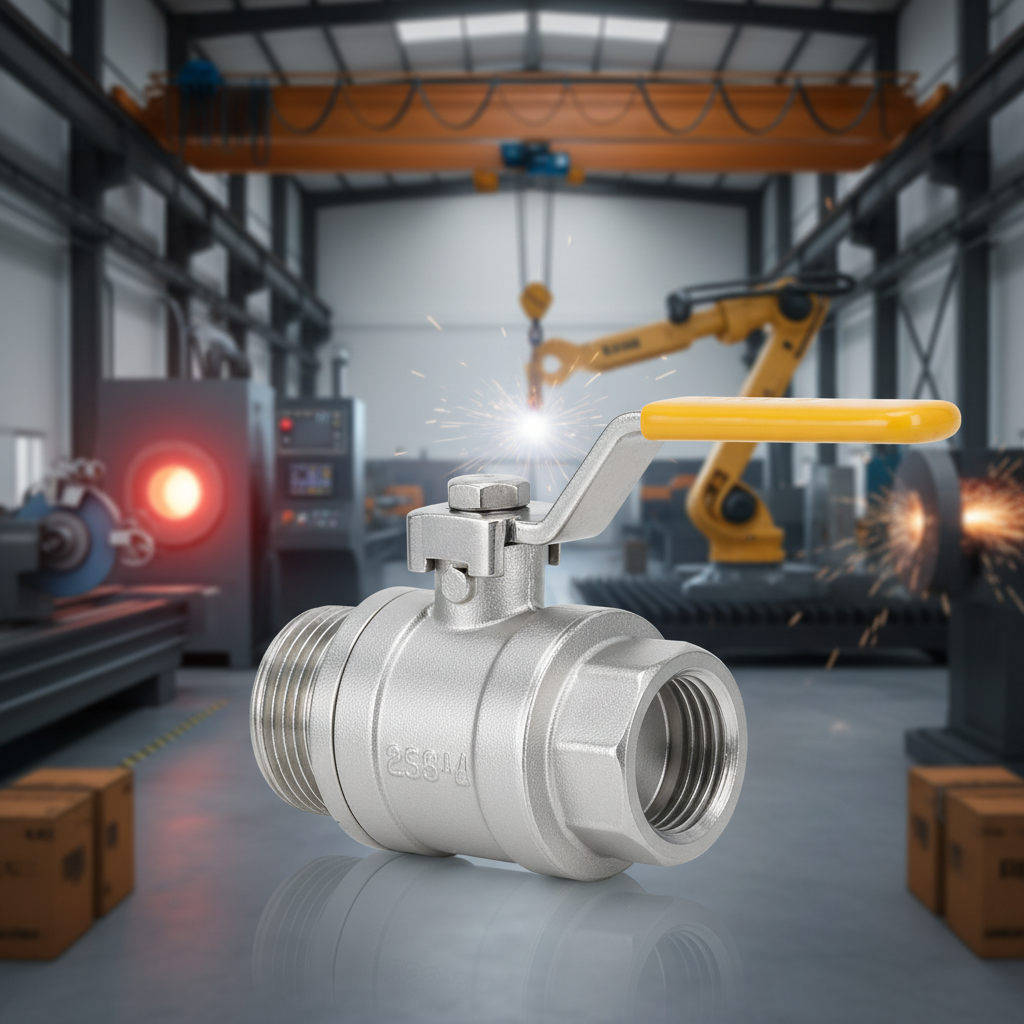
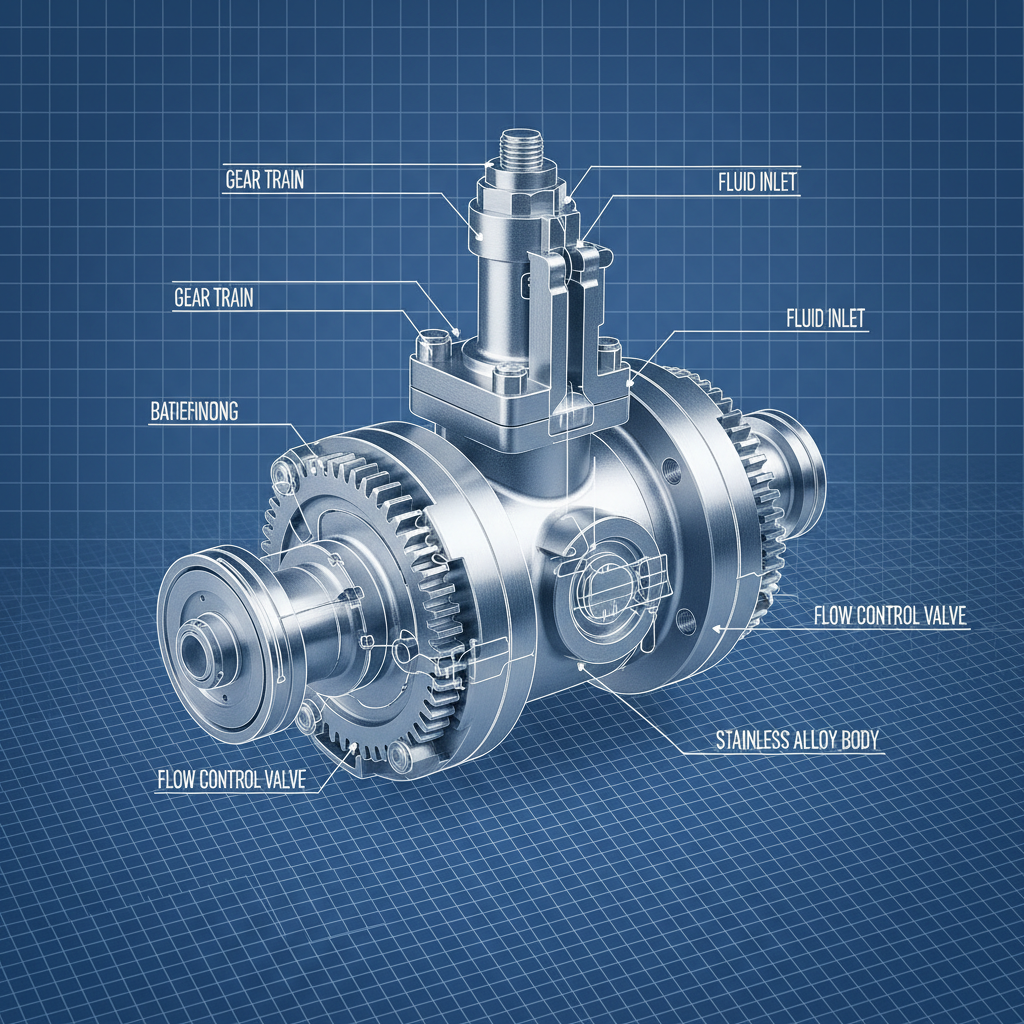
At its heart, a 2 pieces valve operates on the principle of restricting or allowing fluid flow through a pipe or vessel. The ‘2 pieces’ designation refers to the valve body being constructed in two parts, typically allowing for easier inspection and maintenance compared to one-piece designs. This modularity is a significant advantage in many industrial settings, reducing downtime and repair costs. 2 pieces valve are commonly used in applications where a reliable shut-off is required.
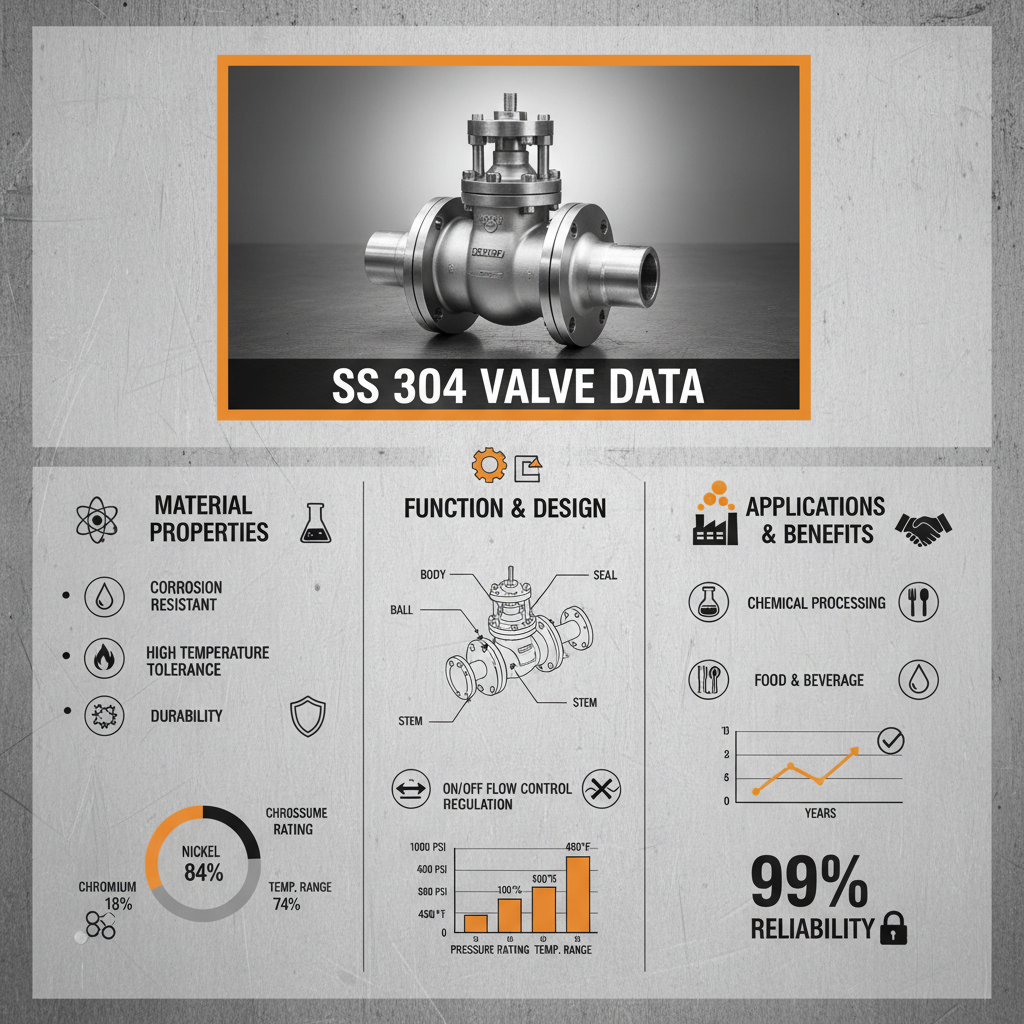
Understanding the specific materials used in the construction of a 2 pieces valve is also paramount. Different applications demand different material properties – for example, stainless steel for corrosive environments, or brass for potable water systems. The correct selection of materials ensures longevity, prevents contamination, and maintains the integrity of the fluid being controlled.
The Global Impact of 2 pieces valve
The impact of 2 pieces valve extends far beyond individual industrial plants. They are integral to critical infrastructure worldwide, including water treatment facilities, power generation plants, and oil and gas pipelines. The reliability of these valves directly influences the availability of essential resources and the stability of national economies. Efficient fluid control, facilitated by these components, contributes to substantial energy savings and reduced waste.
Developing nations often rely on robust and affordable valve solutions to improve access to clean water and sanitation. 2 pieces valve, offering a balance between performance and cost-effectiveness, frequently feature in these initiatives. Moreover, international standards governing valve production and installation are becoming increasingly stringent, driving a demand for high-quality, certified products.
The global valve market is also influenced by geopolitical factors, such as trade agreements and resource availability. Supply chain disruptions can significantly impact the cost and availability of 2 pieces valve, underscoring the importance of diversifying sourcing and maintaining adequate inventory levels.
Defining 2 pieces valve: A Comprehensive Overview
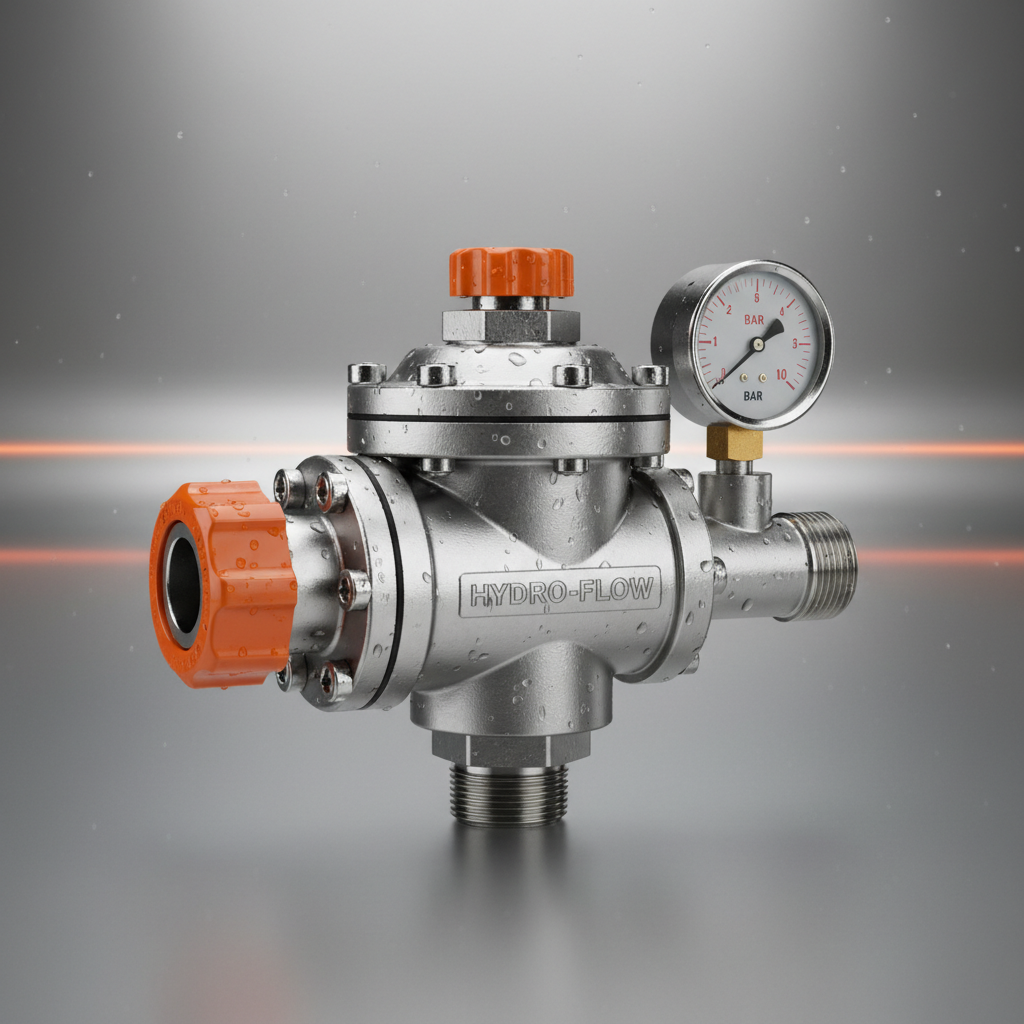
A 2 pieces valve is a type of valve characterized by its body being divided into two distinct parts, usually connected by bolts or a similar fastening mechanism. This design distinguishes it from one-piece valves, offering advantages in terms of maintainability and repair. It is a fundamental component in fluid control systems, responsible for regulating, directing, or stopping the flow of liquids, gases, or slurries.
The connection to modern industry and humanitarian needs is direct and profound. In industrial processing, 2 pieces valve ensure precise control over critical processes. In humanitarian contexts, they facilitate the delivery of clean water and sanitation. The versatility of the design allows for adaptation to a wide range of applications, making them indispensable in diverse sectors.
Beyond simply controlling flow, these valves contribute to system safety and efficiency. The ability to easily disassemble and inspect the valve allows for proactive maintenance, preventing costly failures and minimizing environmental risks. The design can also accommodate different actuation methods, such as manual, pneumatic, or electric operation, tailoring the valve to specific requirements.
Key Characteristics of Superior 2 pieces valve
A superior 2 pieces valve is defined by several key characteristics. First, Durability is paramount; the valve body and internal components must withstand the pressures and temperatures of the intended application without degradation. Second, Sealing Integrity is critical to prevent leaks and ensure efficient operation. A robust seal contributes to both safety and cost savings.
Thirdly, Ease of Maintenance – inherent to the 2-piece design – reduces downtime and repair expenses. The ability to quickly access and replace worn components is a significant operational advantage. Fourth, Corrosion Resistance is vital, particularly in harsh environments. Selecting appropriate materials prevents premature failure and ensures long-term reliability.
2 pieces valve Performance Metrics
Real-World Applications of 2 pieces valve
2 pieces valve are widely deployed across a multitude of industries. In the oil and gas sector, they are essential for controlling the flow of hydrocarbons in pipelines and refineries. In the chemical processing industry, they handle corrosive fluids and high-pressure systems. They are also crucial in power plants, regulating steam and water flow for efficient energy generation.
In post-disaster relief operations, portable water treatment systems often rely on 2 pieces valve to ensure the delivery of safe drinking water to affected communities. In remote industrial zones, where access to specialized maintenance is limited, the ease of repair offered by these valves is particularly valuable.
The Long-Term Value Proposition of 2 pieces valve
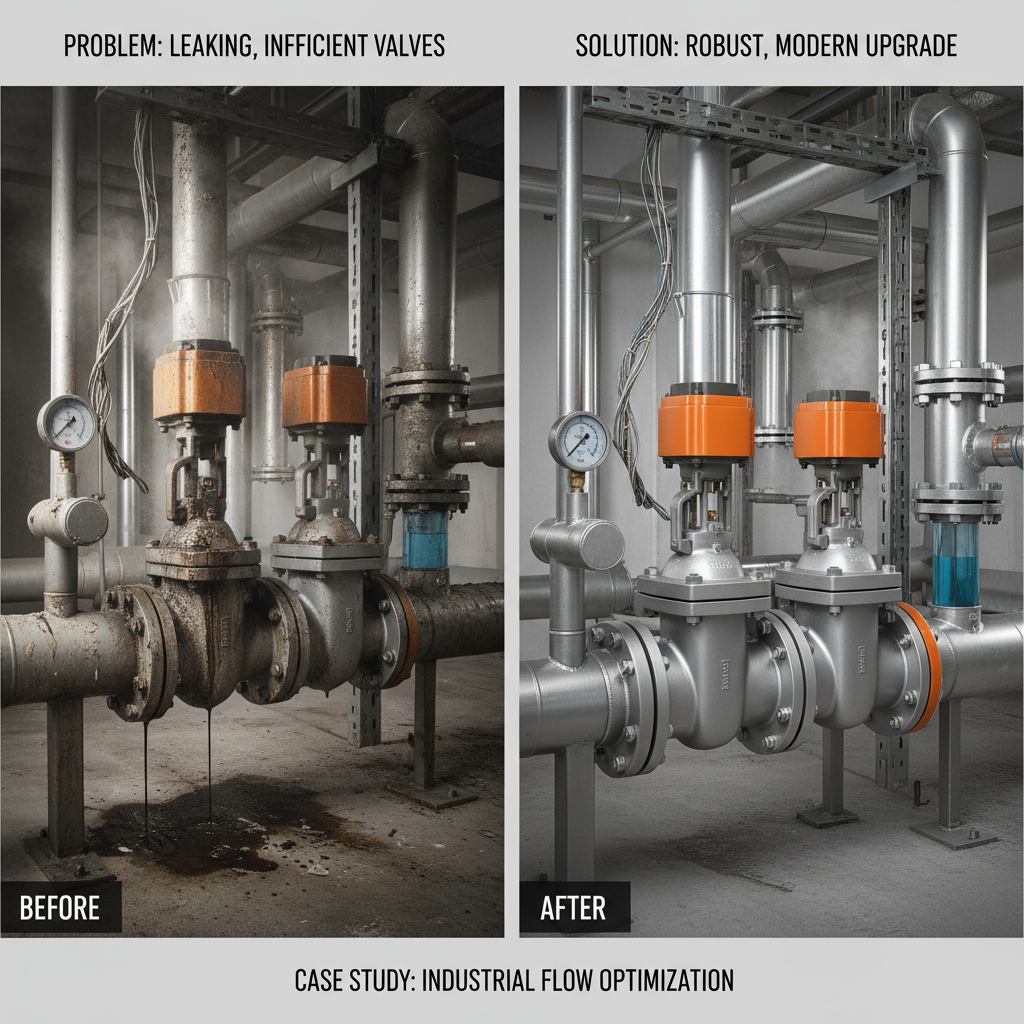
The long-term value of investing in high-quality 2 pieces valve extends far beyond the initial purchase price. Reduced maintenance costs, minimized downtime, and improved operational efficiency contribute to significant cost savings over the lifespan of the valve. Sustainability is also a key factor, as durable valves reduce the need for frequent replacements, minimizing waste and environmental impact.
Beyond the tangible benefits, there’s a profound impact on safety and reliability. Properly functioning 2 pieces valve protect personnel, prevent environmental damage, and ensure the continuity of critical processes. This fosters trust and confidence in the systems they serve, enhancing a company’s reputation and long-term viability.
Future Trends and Innovations in 2 pieces valve Technology
The future of 2 pieces valve is being shaped by several emerging trends. Digitalization, including the integration of sensors and IoT connectivity, allows for remote monitoring, predictive maintenance, and optimized performance. New materials, such as advanced polymers and alloys, are enhancing corrosion resistance and extending valve lifespan.
Automation is also playing a key role, with increasingly sophisticated actuation systems enabling precise and responsive flow control. Furthermore, a growing emphasis on sustainability is driving the development of eco-friendly valve designs and manufacturing processes, minimizing environmental footprint and promoting circular economy principles.
The intersection of these trends promises a new generation of 2 pieces valve that are more intelligent, reliable, and environmentally responsible. These advancements will be critical for addressing the evolving challenges of a rapidly changing world.
Analysis of Key Factors Influencing 2 pieces valve Performance
| Material Composition |
Operating Pressure Range |
Maintenance Frequency |
Application Suitability |
| Stainless Steel (316) |
150-300 PSI |
Annually |
Corrosive Chemical Environments |
| Brass (C36000) |
100-200 PSI |
Bi-Annually |
Potable Water Systems |
| Carbon Steel (A105) |
200-400 PSI |
Semi-Annually |
Steam Applications |
| PVC |
50-100 PSI |
As Needed |
Irrigation Systems |
| Alloy 20 |
250-350 PSI |
Bi-Annually |
Highly Corrosive Acids |
| Hastelloy C-276 |
300-500 PSI |
Annually |
Extreme Chemical Processing |
FAQS
A 2 pieces valve offers significant advantages in terms of maintainability. The two-part construction allows for easier disassembly, inspection, and repair, reducing downtime and associated costs. This modularity also simplifies component replacement, extending the valve’s overall lifespan. In many industrial settings, this ease of maintenance is a critical factor in selecting a valve type.
Selecting the appropriate material is crucial for ensuring valve longevity and preventing corrosion. For corrosive fluids, stainless steel (316 or higher grade) or specialized alloys like Hastelloy are recommended. For potable water, brass or certain polymers are suitable. Consider the temperature, pressure, and chemical composition of the fluid to make an informed decision. Referencing material compatibility charts is highly advised.
The lifespan of a 2 pieces valve varies depending on the application, operating conditions, and maintenance schedule. However, with proper care and regular inspections, a quality 2 pieces valve can reliably operate for 10-20 years, or even longer. Routine maintenance, including lubrication and seal replacement, is essential for maximizing its lifespan.
Yes, 2 pieces valve can be designed and manufactured to withstand high-pressure applications. However, it's crucial to select a valve specifically rated for the intended pressure. Factors such as material strength, valve body design, and seal integrity all play a role in determining its pressure capacity. Always consult the manufacturer's specifications before using a valve in a high-pressure system.
Common causes of failure include corrosion, erosion, wear and tear of seals, and damage to the valve body. Improper installation, excessive pressure, and inadequate maintenance can also contribute to failures. Regular inspections and preventative maintenance can help identify and address these issues before they escalate into major problems.
Digitalization, through the integration of sensors and IoT, allows for real-time monitoring of valve performance. This data can be used for predictive maintenance, identifying potential failures before they occur and optimizing operational efficiency. Remote control and automation capabilities further enhance the value proposition, reducing manual intervention and improving response times.
Conclusion
In conclusion, the 2 pieces valve is an indispensable component in modern infrastructure, offering a balance of reliability, maintainability, and cost-effectiveness. Its ability to regulate fluid flow safely and efficiently is crucial across diverse industries, from oil and gas to water treatment and beyond. Understanding the core principles, key characteristics, and emerging trends in 2 pieces valve technology is essential for engineers, technicians, and anyone involved in maintaining critical systems.
Looking ahead, the integration of digital technologies and the development of sustainable materials will further enhance the performance and value of 2 pieces valve. Investing in high-quality valves and implementing proactive maintenance programs will not only reduce operational costs but also contribute to a safer and more sustainable future. For more information and to explore our range of 2 pieces valve solutions, visit our website: www.houdevalve.com.