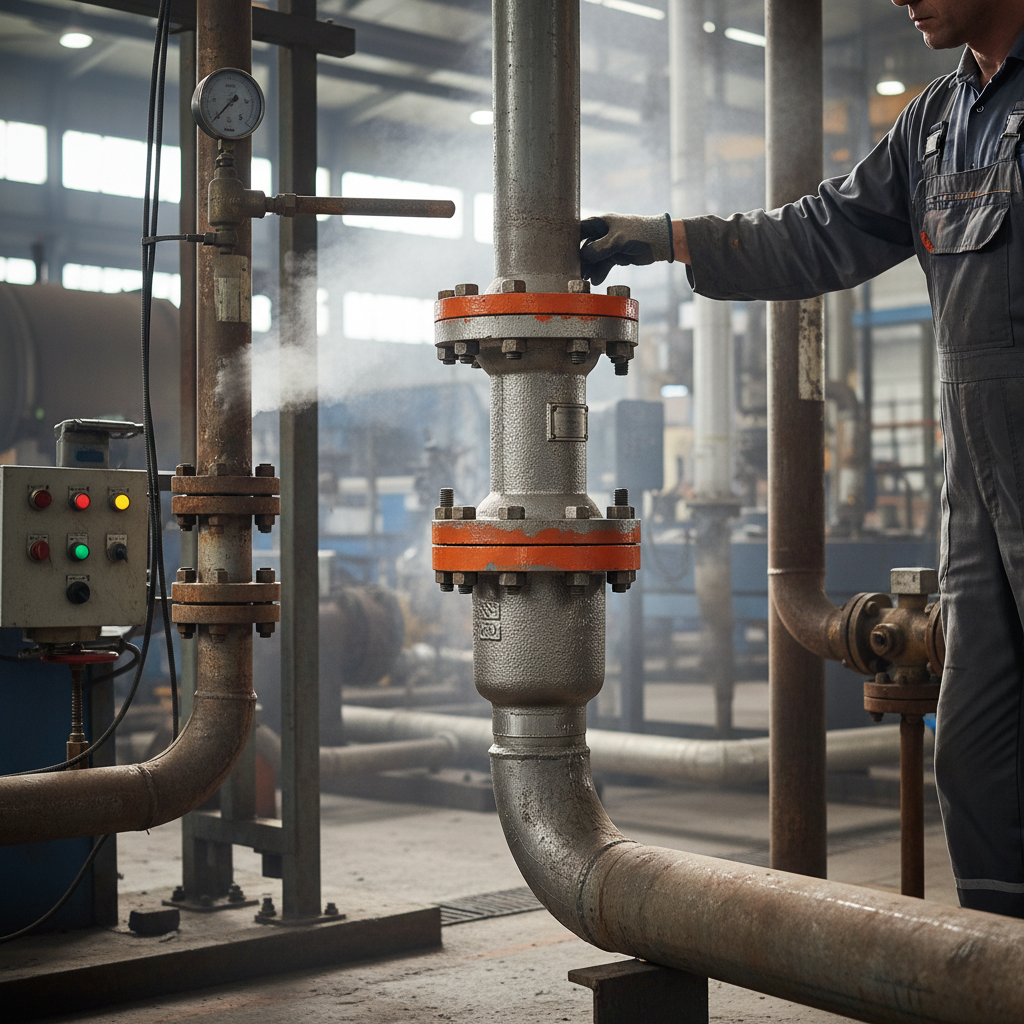
Honestly, the stainless steel ball valve market is… well, it’s busy. Really busy. Everyone’s chasing higher pressures, exotic materials, quick turnaround. Seen a lot of suppliers popping up, promising the moon. Most of 'em can't deliver, you know? It’s not just about the steel grade, it’s about the whole process. We at Houde Valve, we’ve been at this a while, so we’ve seen the cycles. ss ball valve manufacturer isn’t just a label, it’s a reputation earned over years of getting it right.
What's trending? Automation, definitely. Everyone wants smart valves, valves that talk to their systems. But honestly, out in the field, most guys just want a valve that works without leaking. Fancy stuff is nice, but reliability trumps everything. Have you noticed how many projects are going with full bore? Seems everyone’s trying to maximize flow. Makes sense, of course, but it puts a lot more stress on the seals. ss ball valve manufacturer has to account for that.
And the material requests...whew. 316 stainless is the workhorse, still. Feels good in the hand, nice weight. You can smell the machining oil on a good one. But lately, everyone’s asking about duplex stainless, super duplex… trying to handle harsher environments. Those materials? They’re a pain to machine, need special tooling, and if you get it wrong… well, you get a cracked valve. The price goes up too, naturally. It's a balancing act.
The Current Landscape of ss ball valve manufacturer
The market's flooded, to be honest. You've got your big players, your overseas suppliers…and a whole lot of companies trying to cash in. Everyone's talking about quick delivery, low prices. But you get what you pay for, right? The demand's definitely up – oil and gas, chemical processing, water treatment… they all need reliable valves. ss ball valve manufacturer needs to keep up with that.
What I’ve noticed is the increasing demand for traceability. Customers want to know exactly where the materials came from, what the heat treatment was, every step of the process. That’s a good thing, honestly. Makes everyone accountable. Used to be, you just needed a certificate of conformity. Now, they want the whole story.
Design Pitfalls and Common Mistakes in ss ball valve manufacturer
Oh, the design flaws… I’ve seen 'em all. The biggest one? Undersizing the valve for the application. Guys try to save a few bucks, go with a smaller valve, and then wonder why it's constantly failing. Another one is ignoring the fluid characteristics. Viscosity, temperature, corrosiveness… it all matters. Strangely, a lot of engineers forget about thermal expansion. Metal expands when it gets hot, contracts when it gets cold. If you don't account for that, you’ll end up with a leaking valve.
And the seats! The seats are critical. Too soft, they’ll wear out quickly. Too hard, they won’t seal properly. Finding the right material and durometer is an art form. Then there's the whole issue of cavitation. High-velocity flow can cause cavitation, which erodes the valve internals. A lot of designs don't address that.
I encountered this at a refinery last time. They’d installed a new valve, thinking it was an upgrade. Turns out, the flow path was all wrong, causing cavitation. Valve lasted about a week. A week! Cost them a fortune in downtime.
Materials Used in Premium ss ball valve manufacturer
316 stainless is still king for a lot of applications. Good corrosion resistance, relatively easy to machine. But we're seeing more and more demand for duplex and super duplex stainless steels. They're stronger, more corrosion resistant, especially in chloride environments. But they’re a pain to work with. Need specialized cutting tools, careful welding procedures... it's not cheap.
Then there's PTFE for the seats and seals. Good stuff, low friction, good chemical resistance. But it has a creep factor, meaning it'll slowly deform under pressure. That's why you see a lot of reinforced PTFE seats with things like carbon fiber or glass fiber. Also, the body material has to be compatible. You can’t just throw any material together and expect it to work. The metallurgy has to match.
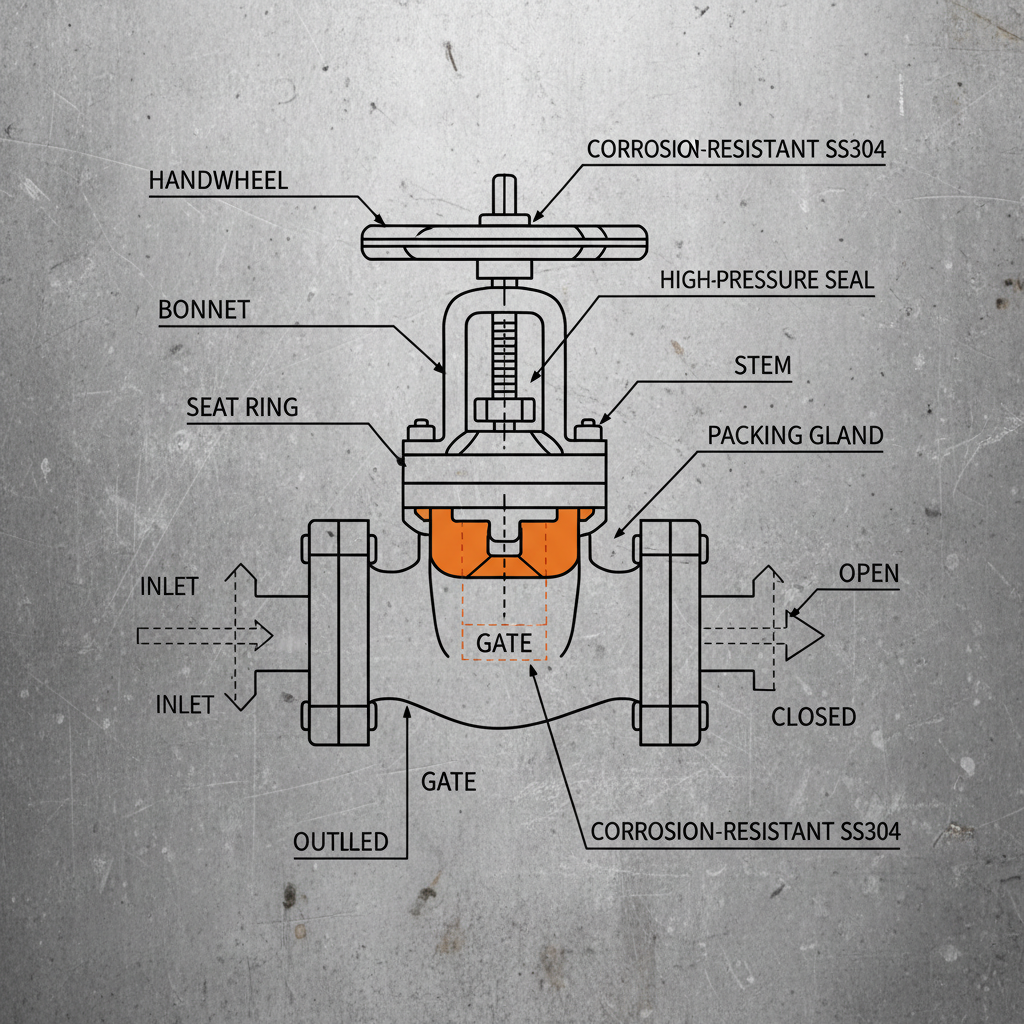
And don't forget the stem packing! That's what seals the stem and prevents leakage around the stem. We use graphite packing with PTFE rings, usually. It’s reliable and can handle high temperatures and pressures. Anyway, I think a good valve starts with good materials. Period.
Rigorous Testing Procedures for ss ball valve manufacturer
Lab tests are fine, but they don’t tell the whole story. You need real-world testing. We pressure test every valve, of course, to twice the working pressure. But we also do cycle testing, opening and closing the valve thousands of times to simulate years of use.
We also have a test rig where we subject the valves to severe conditions – high temperatures, corrosive fluids, rapid pressure fluctuations. It’s brutal, but it weeds out the weak ones. We send some samples to third-party labs for certification, too. But honestly, I trust my guys in the shop more than most labs. They’ve been doing this for decades.
Testing Metric Performance for ss ball valve manufacturer
Real-World Applications and User Behavior of ss ball valve manufacturer
They end up everywhere, these valves. Oil refineries, chemical plants, water treatment facilities, power generation… you name it. But what surprises me is how they’re used. Sometimes guys try to use a valve for something it’s not designed for. Like, using a full port valve as a throttling valve. That’s a no-no. It’ll wear out the seat in no time.
I saw a guy using a ball valve as a quick disconnect once. Just hammering it open and closed. You can imagine how well that ended. They also often get dirty and neglected. Covered in grime, forgotten about. A little maintenance goes a long way.
Advantages and Disadvantages of Utilizing ss ball valve manufacturer
The biggest advantage? Simplicity. A ball valve is a simple design. Few moving parts, easy to operate. They offer a tight shutoff, low pressure drop, and can handle a wide range of fluids. They are relatively cheap, too, depending on the material and features. But, they're not ideal for throttling.
Disadvantages? Well, the full port design can create water hammer. Also, the seats can wear out over time, especially with abrasive fluids. They can also be prone to cavitation if not properly sized. Honestly, it depends on the application. For a simple on/off service, they’re hard to beat. For something more demanding, you might need a different type of valve.
Customization Options and Capabilities for ss ball valve manufacturer
We do a lot of customization. Flange connections, different end connections, special materials, customized trim...you name it. Last month, that small boss in Shenzhen who makes smart home devices insisted on changing the interface to . A ball valve! Said it would “future-proof” his system. The result? Cost him a fortune in adapters and caused a huge headache for his assembly team. It just didn't make sense.
But we’re flexible. We can also modify the stem design, add special coatings, or even design a valve to fit a specific application. We've built valves with oxygen cleaning. You want a valve with a specific actuation style? Sure, we can do that. We can provide full documentation and traceability for every valve.
Key Specifications of ss ball valve manufacturer
| Material Grade |
Pressure Rating (PSI) |
Temperature Range (°C) |
Actuation Type |
| 316 Stainless Steel |
600 |
-60 to 200 |
Manual |
| Duplex Stainless Steel |
800 |
-60 to 250 |
Pneumatic |
| Super Duplex Stainless Steel |
1000 |
-60 to 300 |
Electric |
| 304 Stainless Steel |
400 |
-60 to 180 |
Gear Operated |
| Alloy 20 |
500 |
-60 to 220 |
Solenoid |
| Titanium Alloy |
750 |
-100 to 280 |
Hydraulic |
FAQS
That depends heavily on the alloy used. 316 Stainless will corrode fairly quickly. Duplex or Super Duplex is preferred and can last 10-15 years with proper maintenance, but it's still a harsh environment. Regular inspections for pitting corrosion are crucial. We always recommend a material analysis based on the specific seawater chemistry.
Yes, but you need to select a valve specifically designed for cryogenic service. The materials must be able to withstand the extremely low temperatures without becoming brittle. Often 304 or 316L stainless is used, and special attention is paid to the seal materials – PTFE and PEEK are common choices. Impact testing is also critical.
Usually, it's worn seats or seals. Also, corrosion can cause pitting on the ball and seats, leading to leaks. Sometimes, it’s just improper installation – over-tightening or misalignment. Foreign matter trapped in the valve can also cause issues. And, frankly, a cheap valve will leak sooner than a quality one.
Regular inspection for corrosion and wear is key. Lubricate the stem packing periodically. If you notice any leakage, address it immediately. Don’t over-tighten the valve, and avoid using it as a throttling valve. And, if you’re unsure, call a professional. A little preventative maintenance can save you a lot of headaches.
Some can be repaired, but it often isn’t cost-effective. Replacing the seats and seals is usually possible, but if the ball is damaged, or the body is corroded, it’s typically cheaper to replace the entire valve. It really depends on the extent of the damage.
A full port valve has an internal diameter equal to the pipe's internal diameter, minimizing pressure drop. A reduced port valve has a smaller internal diameter, which creates some resistance to flow. Full port valves are good for applications where flow is critical, but reduced port valves can be used for throttling, though it's not ideal.
Conclusion
So, there you have it. ss ball valve manufacturer is a complex business, more than just picking a part number from a catalog. It’s about understanding the application, the materials, the testing, and the user's needs. It’s about knowing your stuff, being honest about limitations, and delivering a product that’s reliable and safe.
Ultimately, whether this thing works or not, the worker will know the moment he tightens the screw. If it leaks, if it binds, if it feels wrong… they’ll know. And that’s the only test that truly matters. Visit our website at www.houdevalve.com to learn more and get a quote.