0%

Table of Contents

Look, I've been on construction sites for over 20 years, and I can tell you, a reliable backflow preventer is absolutely critical. It's not just about meeting code – it's about protecting the water supply, preventing costly contamination, and keeping projects running smoothly. We're talking about safeguarding everything from the drinking water in a new hospital to the irrigation for a public park. It’s a seemingly small component that impacts a huge amount. These aren't just pipes and valves; they're a crucial line of defense, and increasingly, we’re seeing tighter regulations and a need for more sophisticated solutions, especially with growing concerns about water quality. The whole industry is moving towards more efficient and reliable systems, and the vertical check valve is a key part of that evolution.

I've seen too many projects delayed because of issues with backflow prevention. A faulty valve can shut down a whole section of work, leading to fines, re-work, and a damaged reputation. And it's not always the valve itself – it's the installation, the maintenance, the inspections. Proper planning and selecting the right valve for the application are paramount. Contractors often try to cut corners, opting for cheaper alternatives, but believe me, it always comes back to haunt them. Choosing a quality vertical check valve upfront is an investment, not an expense.

What’s becoming incredibly important is ease of maintenance and inspection. Field engineers are busy enough; they don’t have time wrestling with difficult access points or complex repair procedures. We need valves that are designed for real-world conditions – robust materials, clear inspection points, and straightforward repair kits. That's where the newer designs are really shining, offering not just improved performance but also significant time and cost savings over the lifecycle of the project.
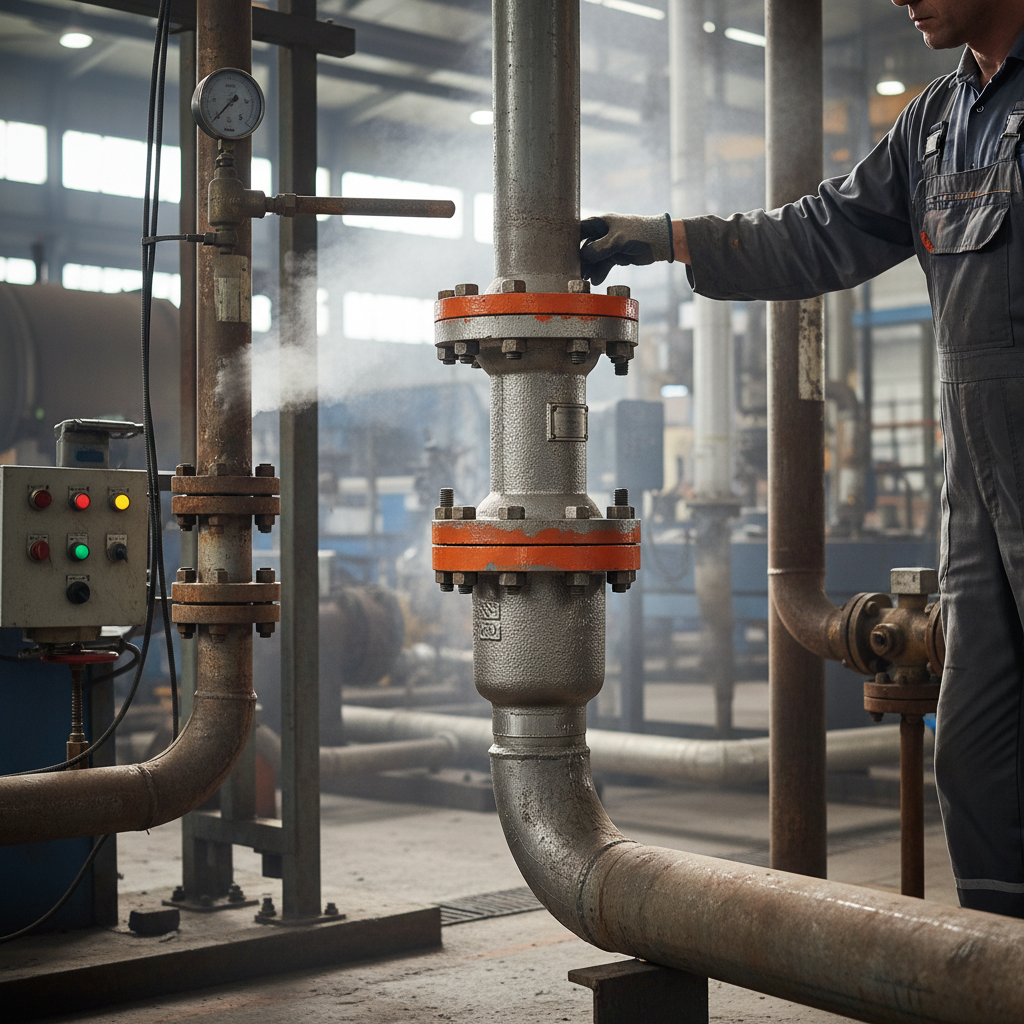
Reliable Vertical Check Valves Safeguarding Modern Infrastructure and Water Systems

The Importance of Vertical Check Valves in Modern Infrastructure

Reliable Vertical Check Valves Safeguarding Modern Infrastructure and Water Systems

I've seen firsthand how crucial backflow prevention is in protecting our water systems. Whether it's a municipal water supply or an industrial process, a reliable vertical check valve is essential. Modern infrastructure demands increasingly stringent safety and efficiency standards, and these valves play a vital role in meeting those requirements. The sheer scale of water networks globally – with the UN estimating over 2 billion people lacking access to safely managed drinking water – highlights the importance of protecting this resource.

From the perspective of someone on the ground, dealing with daily operational challenges, the increasing frequency of extreme weather events and aging infrastructure further amplifies the need for robust backflow prevention. Failures aren’t just inconveniences; they can lead to public health crises and significant economic losses. This isn't theoretical; it’s about protecting communities and ensuring the sustainability of our water resources.

Understanding Vertical Check Valve Fundamentals

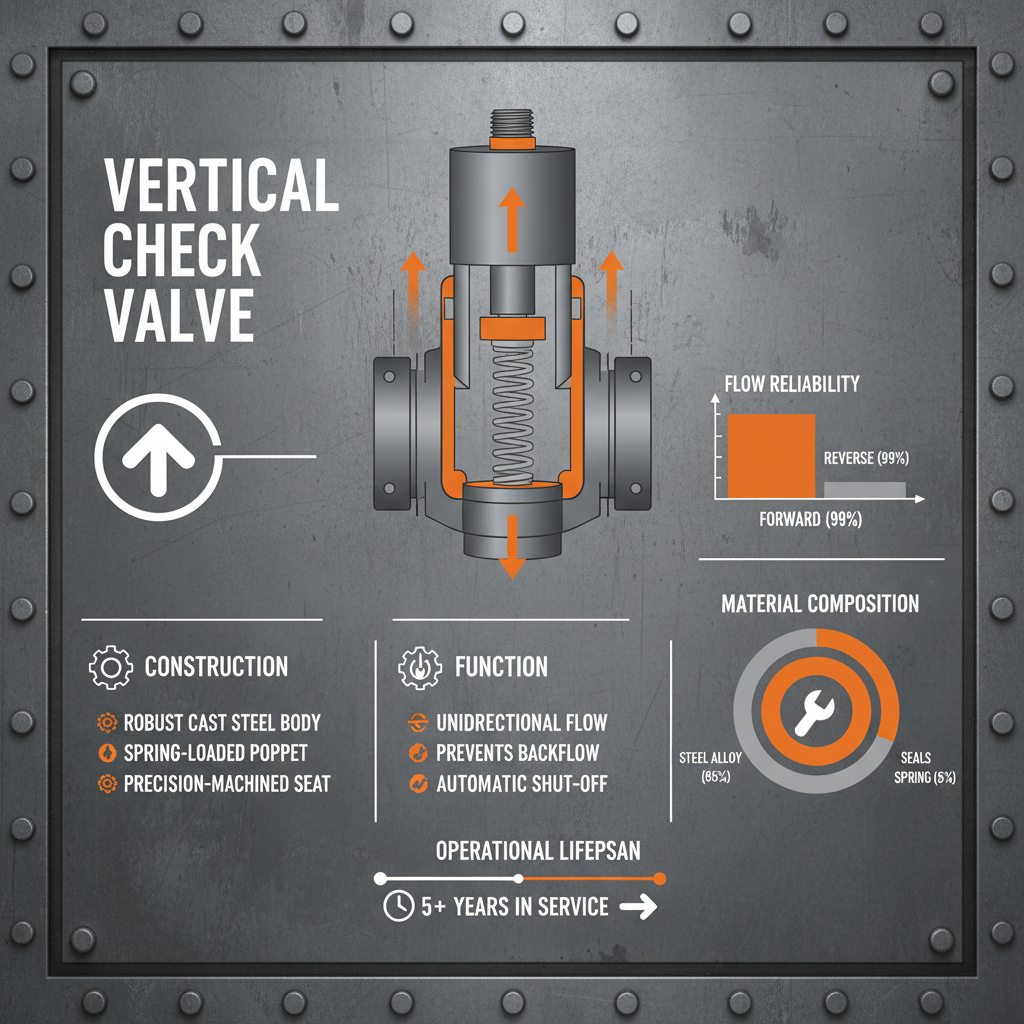
Simply put, a vertical check valve allows fluid to flow in one direction only, preventing backflow – the unwanted reversal of flow. They're typically used in vertical pipelines, hence the name, and rely on gravity and a disc or ball to automatically open and close. It’s a mechanical solution to a critical problem. Understanding this basic principle is key to selecting the right valve for a given application.

Think of it like a one-way street for water. When the pressure is higher on the inlet side, the valve opens, allowing flow. When the pressure equalizes or is higher on the outlet side, the valve closes, preventing back-contamination. It’s a relatively simple concept, but the engineering behind it, ensuring reliability and durability, is quite complex.

This concept ties directly into modern industrial needs. Industries like pharmaceuticals, food processing, and healthcare require extremely high levels of purity, and backflow prevention is a non-negotiable part of their safety protocols. Without reliable valves, these industries couldn’t operate safely or efficiently.

Key Factors Influencing Vertical Check Valve Performance

Durability is paramount. These valves are often exposed to harsh conditions – corrosive fluids, extreme temperatures, and high pressures. Materials matter. Stainless steel and engineered polymers are often preferred for their resistance to corrosion and wear. I’ve seen too many valves fail prematurely due to cheap materials.

Flow capacity is another critical factor. The valve must be sized appropriately for the pipeline to avoid excessive pressure drop and maintain optimal flow rates. Undersized valves can restrict flow, while oversized valves can lead to slamming and premature wear. It’s a balancing act that requires careful calculation.

Sealing efficiency is essential for preventing leaks and ensuring backflow prevention. The valve's seating surface must be smooth and free of defects, and the disc or ball must seat properly to create a tight seal. This is where quality control during manufacturing makes a huge difference.

Diverse Applications of Vertical Check Valves Across Industries

You’ll find vertical check valves everywhere – from municipal water treatment plants to chemical processing facilities. They are indispensable in any system where backflow prevention is a concern. In water distribution networks, they protect the potable water supply from contamination.

In the oil and gas industry, they prevent the backflow of hydrocarbons, ensuring the safety of personnel and the environment. I’ve spent time on offshore platforms where a single valve failure could have catastrophic consequences.

Vertical Check Valve Performance Metrics


The Long-Term Advantages of Investing in Quality Vertical Check Valves

Choosing a high-quality vertical check valve might have a higher upfront cost, but it pays off in the long run. Reduced maintenance, fewer failures, and increased operational efficiency translate into significant cost savings over the valve’s lifecycle. It’s a matter of total cost of ownership.

Furthermore, reliable backflow prevention enhances safety and protects public health, reducing the risk of costly contamination incidents and legal liabilities. It’s not just about saving money; it’s about protecting people and the environment.

Future Trends and Innovations in Vertical Check Valve Technology

We're seeing a move towards smarter valves with integrated sensors and remote monitoring capabilities. These “smart” valves can provide real-time data on flow rates, pressure, and valve status, allowing for predictive maintenance and proactive problem solving.

New materials, like advanced polymers and coatings, are also being developed to improve corrosion resistance and extend valve lifespan. And with the increasing focus on sustainability, manufacturers are exploring more eco-friendly manufacturing processes and materials.

Digital twin technology is beginning to emerge, creating virtual models of valves and systems to simulate performance and identify potential issues before they arise. This is going to revolutionize how we design, operate, and maintain these critical components.

Common Challenges and Effective Solutions for Vertical Check Valve Implementation

One of the biggest challenges is improper installation. A valve that isn’t installed correctly won’t function as intended, leading to leaks and backflow. Proper training and adherence to manufacturer’s instructions are essential.

Another common issue is debris accumulation, which can prevent the valve from seating properly. Regular inspection and cleaning are crucial. Installing strainers upstream of the valve can help prevent debris from entering the system.

Finally, selecting the wrong valve for the application can lead to premature failure. Careful consideration of fluid type, pressure, temperature, and flow rate is critical. Working with a reputable supplier who understands your specific needs is essential.

Core Analysis of Common Challenges and Effective Solutions for Vertical Check Valve Implementation

Challenge Root Cause Solution Preventative Measure
Improper Installation Lack of trained personnel Provide comprehensive installation training Certified installer program
Debris Accumulation Insufficient filtration Install upstream strainers Regular strainer cleaning schedule
Corrosion Incompatible materials Select corrosion-resistant materials Material compatibility assessment
Valve Slam Excessive flow velocity Reduce flow velocity Proper valve sizing
Leakage Worn seals Replace seals regularly Preventative maintenance schedule
Incorrect Valve Sizing Inaccurate flow calculations Accurate flow rate assessment Detailed system analysis

FAQS

What is the typical lifespan of a vertical check valve?

The lifespan of a vertical check valve varies depending on factors like material, operating conditions, and maintenance. However, a well-maintained valve made of high-quality materials can typically last between 10 and 20 years, or even longer. Regular inspections and proactive maintenance, such as cleaning and seal replacements, are crucial for maximizing its lifespan and ensuring continued reliability. Selecting the appropriate valve for the specific application is also key to longevity.

How often should I inspect a vertical check valve?

Inspections should ideally be conducted at least annually, but more frequent checks may be necessary in harsh environments or critical applications. During an inspection, look for signs of corrosion, wear, leakage, and debris accumulation. Check the valve’s operation to ensure it opens and closes smoothly. Keeping a log of inspection findings and maintenance activities can help track performance and identify potential problems early on.

What are the common causes of vertical check valve failure?

Common causes include debris accumulation preventing proper sealing, corrosion due to incompatible materials, excessive pressure or water hammer, and improper installation. Regular maintenance, including cleaning and seal replacement, can significantly reduce the risk of failure. Always ensure the valve is correctly sized for the application and that the operating conditions remain within the manufacturer’s specifications.

Can vertical check valves be repaired, or should they be replaced?

Many vertical check valves can be repaired, especially if the failure is limited to components like seals or discs. However, if the valve body is corroded or significantly damaged, replacement is often the more cost-effective and reliable option. A thorough inspection by a qualified technician is necessary to determine whether repair or replacement is the best course of action. Always use genuine replacement parts to maintain valve performance and integrity.

What materials are best for vertical check valves in corrosive environments?

Stainless steel (316SS being particularly resistant), Duplex Stainless Steel, and engineered polymers like PVDF or PTFE are commonly used in corrosive environments. The specific material selection depends on the type and concentration of the corrosive substance. It's crucial to consult with a materials engineer or valve supplier to determine the most appropriate material for the application. Properly selecting materials is essential for preventing premature failure and ensuring long-term reliability.

How does valve size impact system performance?

Valve size is critical for optimal system performance. An undersized valve creates excessive pressure drop, reducing flow rates and potentially causing cavitation. An oversized valve can lead to water hammer and premature wear. Accurate flow calculations and proper valve sizing are essential. Always consult with a qualified engineer or valve specialist to ensure the correct valve size is selected for the specific application.

Conclusion

In conclusion, the vertical check valve isn't just a component; it's a critical safeguard for our water infrastructure and numerous industries. Its reliability directly impacts public health, operational efficiency, and environmental protection. Understanding its fundamentals, selecting the right materials, and prioritizing regular maintenance are essential for ensuring its long-term performance.

Looking ahead, the integration of smart technologies and the development of more sustainable materials will further enhance the capabilities of vertical check valves. Embracing these innovations and prioritizing best practices in installation and maintenance will be key to building more resilient and efficient water systems for the future. For more information and to explore our range of high-quality vertical check valves, visit our website at www.houdevalve.com.
William Davis

William Davis

William Davis is a Senior Design Engineer at Cangzhou Houde Stainless Steel Products, specializing in valve design and marine hardware. With 7 years of experience, William leverages advanced CNC machining and 3D modeling software to create innovative and reliable product designs. He's a key contributor to developing new impeller designs
Previous Reliable 2pc Stainless Steel Ball Valve for Industrial Flow Control
Next The Critical Role of Stainless Steel Valves in Modern Infrastructure
Copyright © 2026 Cangzhou Houde Stainless Steel Products Co., Ltd. All Rights Reserved. Sitemap | Privacy Policy | Top Blog | Global Service