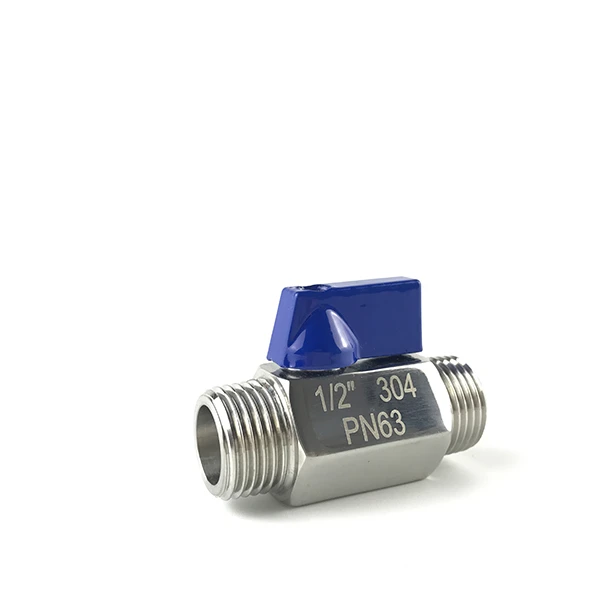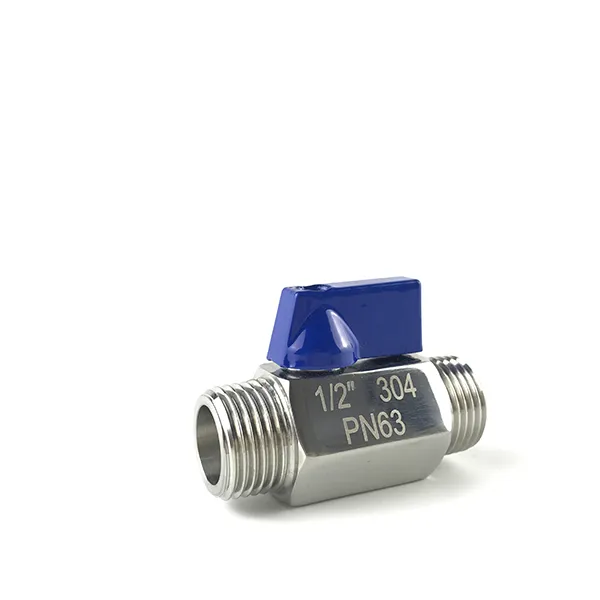
High-Performance 2 Pc Ball Valve - Full Port & Easy Maintenance

  • Home
  • news
  • High-Performance 2 Pc Ball Valve - Full Port & Easy Maintenance
September 23, 2025
High-Performance 2 Pc Ball Valve - Full Port & Easy Maintenance

Understanding the Efficacy of 2 Pc Ball Valves in Industrial Operations

In the demanding landscape of industrial fluid control, the selection of appropriate valve technology is paramount to ensuring operational efficiency, safety, and longevity. Among the myriad of valve types, the 2 pc ball valve stands out as a preferred solution for a wide range of applications due to its robust design, reliable performance, and ease of maintenance. This comprehensive article delves into the critical aspects of these valves, offering B2B decision-makers and engineers insights into their technical specifications, application versatility, and strategic advantages. We will explore manufacturing processes, industry trends, and the meticulous considerations that underpin their widespread adoption across vital sectors.

Current Industry Trends and Market Dynamics for Ball Valves

The global ball valve market is experiencing sustained growth, driven by expansion in the oil and gas, chemical, power generation, and water treatment industries. According to market analysis, the ball valve segment is projected to reach USD 16.5 billion by 2027, with a compound annual growth rate (CAGR) of 4.5%. Key trends influencing this growth include the increasing demand for automation in process control, the imperative for enhanced safety standards, and a growing emphasis on energy efficiency and environmental compliance. Manufacturers are responding by developing valves with advanced materials, smart actuation systems, and designs optimized for severe service conditions. The modularity and repairability of the 2 pc ball valve design contribute significantly to its adaptability to these evolving market requirements, making it a cornerstone of modern fluid handling systems.

Digitalization is also playing a crucial role, with the integration of IoT sensors for predictive maintenance and real-time monitoring. This shift allows for proactive identification of potential failures, significantly reducing downtime and operational costs. Furthermore, the push for sustainable practices is leading to the development of low-emission valves and those manufactured with environmentally friendly processes, addressing stringent regulatory frameworks globally.

Technical Specifications and Design Principles

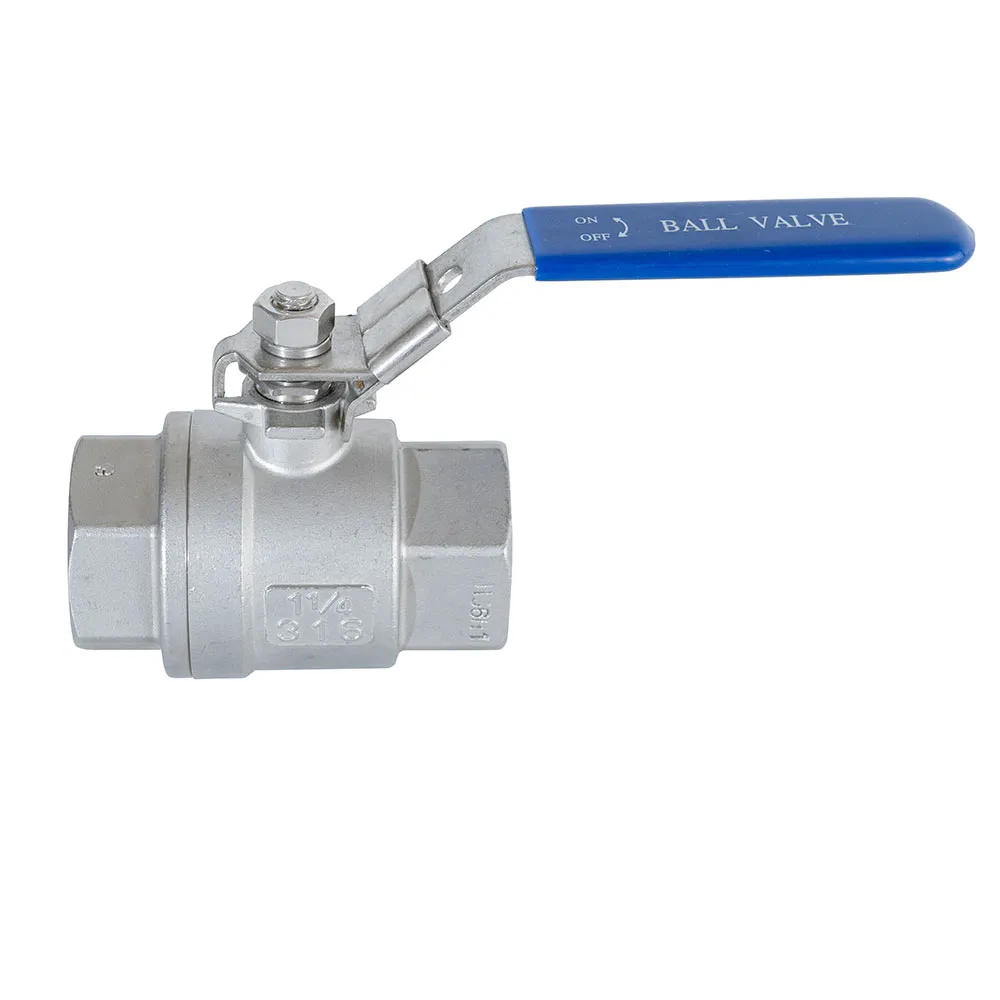
The 2 pc ball valve is characterized by its two-piece body construction, typically bolted or threaded together. This design offers advantages in manufacturing and maintenance. It consists of a spherical closure element (the ball) with a bore through its center, which rotates to control flow. When the bore is aligned with the pipeline, flow is permitted; a 90-degree rotation blocks the flow.

Key technical parameters include:

  • Body Materials: Common materials include Stainless Steel (304, 316, 316L), Carbon Steel (A216 WCB), Brass, and specialized alloys for corrosive or high-temperature environments.
  • Ball and Stem Materials: Often matched with body material, sometimes with additional hardening or coatings.
  • Seat Materials: PTFE, RPTFE (reinforced PTFE), PEEK, Delrin, Nylon, and Metal for high-temperature/high-pressure applications. Seat material significantly influences temperature and pressure ratings.
  • Pressure Ratings: Typically conform to ANSI Class ratings (150, 300, 600) or PN ratings (PN16, PN25, PN40), indicating maximum operating pressure.
  • Temperature Range: Dependent on body and seat materials, ranging from cryogenic applications to over 250°C for high-performance seats.
  • End Connections: Flanged (RF, FF), Threaded (NPT, BSPT, BSPP), Weld-end (Socket Weld, Butt Weld).
  • Bore Type: Full bore (same diameter as pipe, minimal pressure drop) or Reduced bore (smaller diameter than pipe, higher pressure drop but more economical).
  • Actuation: Manual (lever, gearbox), Pneumatic, Electric, Hydraulic.
High-Performance 2 Pc Ball Valve - Full Port & Easy Maintenance

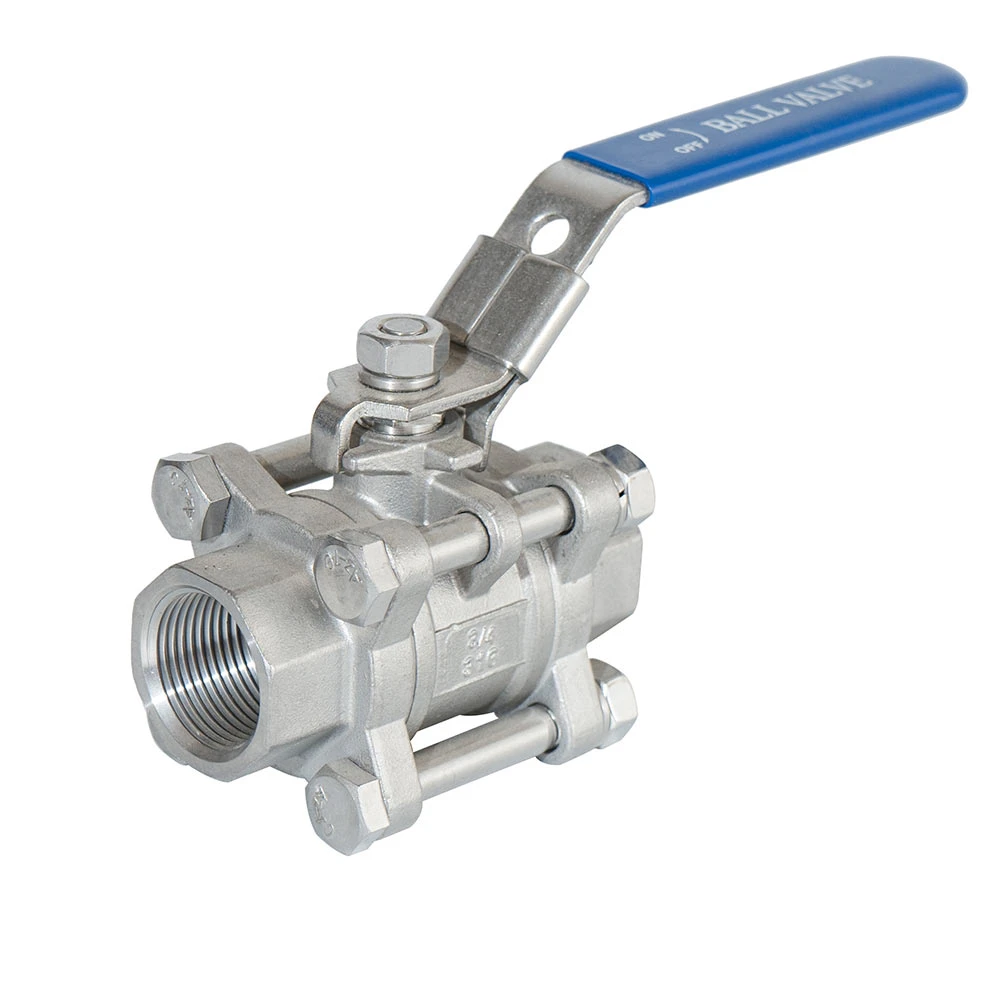
Fig 1: A typical industrial 2 Pc Ball Valve design.

Typical Product Specification Table

Parameter Specification
Valve Type 2 Piece Ball Valve, Floating Ball Design
Size Range DN15 - DN200 (1/2 inch - 8 inch)
Body Material ASTM A351 CF8M (SS316), ASTM A216 WCB (Carbon Steel)
Ball/Stem Material SS316 / SS316
Seat Material PTFE, RPTFE (15% Glass Fiber), PEEK
End Connection Threaded (NPT, BSPP, BSPT), Flanged (ANSI B16.5 Class 150/300)
Pressure Rating Class 150 / PN16 - Class 600 / PN100 (varies by material/design)
Temperature Range -29°C to 200°C (-20°F to 392°F) with PTFE seats
Operation Lever, Gearbox, Pneumatic Actuator, Electric Actuator
Design Standard API 6D, API 608, ASME B16.34
Testing Standard API 598, ISO 5208

Detailed Manufacturing Process Flow of a 2 Pc Ball Valve

The production of a high-quality 2 pc ball valve involves a series of meticulously controlled stages, ensuring adherence to stringent international standards and optimal performance.

Manufacturing Process Steps

1. Material Selection & Sourcing

Careful selection of raw materials (e.g., stainless steel, carbon steel) based on application requirements, ensuring traceability and compliance with ASTM/EN standards.

2. Casting or Forging

Casting: Molten metal poured into molds for valve body, ball, and stem components. Forging: Metal heated and shaped under pressure for enhanced strength and grain structure, often for high-pressure applications.

3. CNC Machining

Precision machining using Computer Numerical Control (CNC) lathes and milling machines to achieve exact dimensions, surface finishes, and tight tolerances for optimal sealing and operation.

4. Component Preparation

Cleaning, deburring, and specific treatments like polishing for balls, and heat treatment for stems to enhance mechanical properties and corrosion resistance.

5. Assembly

Manual or automated assembly of valve body, ball, stem, seats, and packing, ensuring correct torque values and proper component alignment.

6. Testing & Quality Control

Hydrostatic shell test, low-pressure air seat test, high-pressure liquid seat test (API 598, ISO 5208) to verify pressure integrity and leak-tightness. Optional fugitive emissions testing (ISO 15848-1).

7. Finishing & Packaging

Surface finishing, painting (if required), labeling, and protective packaging for safe transportation and storage.

This rigorous process ensures a service life often exceeding 10-15 years under normal operating conditions, contributing to significant energy savings by preventing leakage and ensuring efficient flow control. For target industries such as petrochemicals, metallurgy, and water supply & drainage, the emphasis on corrosion resistance through material selection and precision manufacturing is critical for long-term reliability.

Diverse Application Scenarios and Target Industries

The versatility of the 2 pc ball valve makes it an indispensable component across numerous industrial sectors. Its ability to handle diverse media, pressures, and temperatures, coupled with reliable shut-off capabilities, positions it as a preferred choice.

  • Oil & Gas: Used in upstream, midstream, and downstream operations for controlling crude oil, natural gas, and refined products. Their robust construction handles high pressures and abrasive fluids.
  • Petrochemical & Chemical Processing: Essential for managing corrosive chemicals, acids, and alkalis. Stainless steel or alloy versions prevent material degradation, ensuring safety and process integrity.
  • Water Treatment & Municipal Water Supply: Employed in pumping stations, filtration systems, and distribution networks for potable water, wastewater, and industrial effluent. Their tight shut-off prevents leakage and conserves resources.
  • Power Generation: Critical in steam, cooling water, and fuel lines within thermal, nuclear, and renewable energy plants. High-temperature and high-pressure variants are vital here.
  • Mining & Metallurgy: Handling abrasive slurries, high-temperature gases, and various process fluids. The durability of ball valves ensures extended operation in harsh environments.
  • Pharmaceutical & Food & Beverage: Sanitary designs are crucial for these industries, where cleanliness and preventing contamination are paramount. Polished internal surfaces and FDA-compliant materials are often specified.

In a typical energy-saving application scenario, a well-maintained 2 pc ball valve with superior sealing technology can drastically reduce fugitive emissions, leading to substantial energy savings and compliance with environmental regulations. For instance, in a refinery, replacing traditional gate valves with modern ball valves in specific control points can reduce energy loss due to leakage by up to 15%.
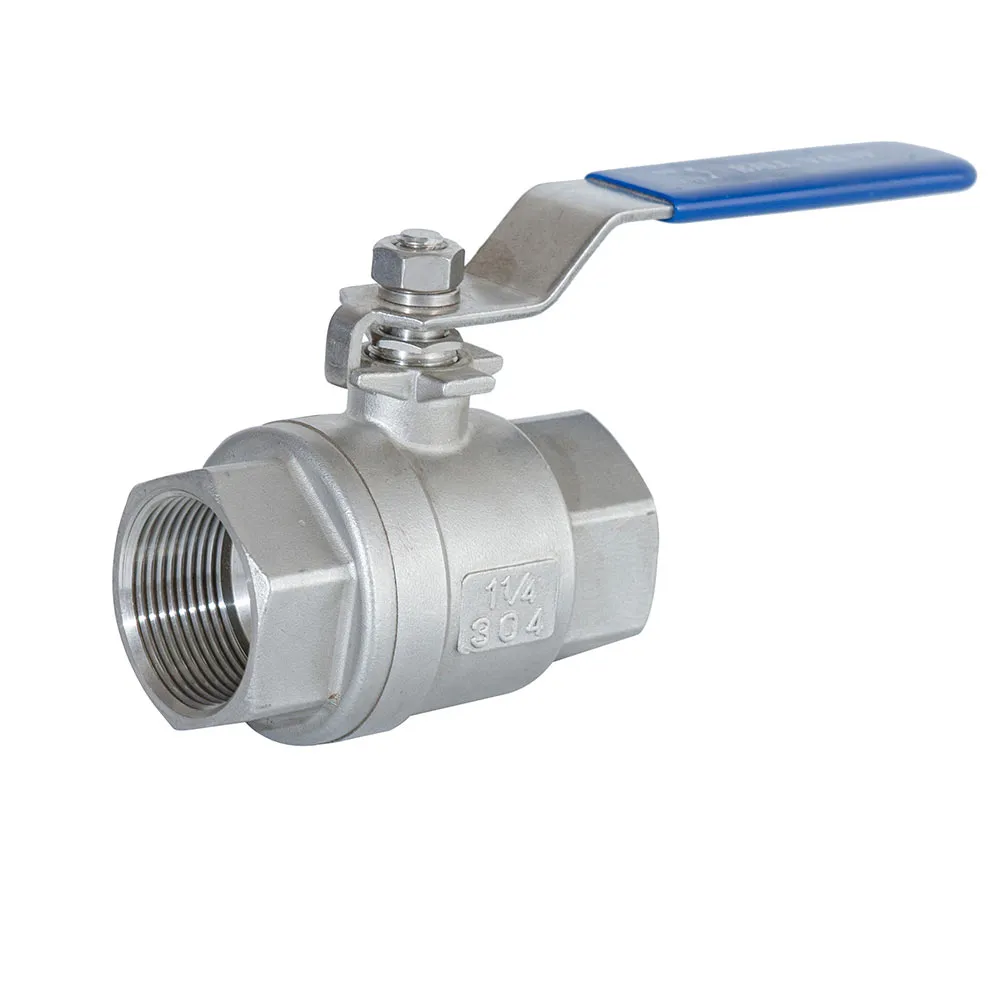
High-Performance 2 Pc Ball Valve - Full Port & Easy Maintenance

Fig 2: 2 Pc Ball Valves in a chemical processing plant pipeline.

Technical Advantages of 2 Pc Ball Valves

The widespread adoption of 2 pc ball valve technology is directly attributable to its inherent technical advantages, which translate into tangible operational benefits for industrial users.

  • Tight Shut-off Capability: Ball valves provide excellent sealing, often achieving bubble-tight closure. This prevents leakage, conserves valuable resources, and enhances safety, especially with hazardous fluids.
  • Low Pressure Drop: Especially in full-port designs, the straight-through flow path minimizes turbulence and pressure drop, reducing pump energy consumption and improving system efficiency.
  • Quick Quarter-Turn Operation: The 90-degree rotation from fully open to fully closed allows for rapid actuation, which is crucial in emergency shut-down scenarios and responsive process control.
  • Durability & Long Service Life: Constructed from robust materials and featuring a simple, reliable mechanism, these valves are known for their longevity, even in harsh environments.
  • Corrosion Resistance: Available in a wide array of materials, including various grades of stainless steel and exotic alloys, making them highly resistant to corrosive media and environments.
  • Ease of Maintenance: The two-piece body design, particularly for flanged versions, allows for easier access to internal components for inspection and seat replacement, simplifying maintenance procedures and reducing downtime.
  • Bi-directional Flow: Most ball valves can handle flow in either direction, simplifying installation and inventory management.
  • Compact Design: Compared to gate or globe valves of similar capacity, ball valves often have a more compact footprint, saving valuable space in congested industrial layouts.

These advantages collectively contribute to a lower total cost of ownership (TCO) over the valve's lifecycle, driven by reduced maintenance, enhanced operational efficiency, and prolonged reliable service.

Vendor Comparison and Selection Criteria

Choosing the right supplier for industrial valves is as crucial as selecting the valve itself. A strategic vendor comparison focuses on several key criteria beyond just initial price to ensure long-term value and reliability.

Key Selection Criteria:

  • Product Quality & Certifications: Adherence to international standards (ISO 9001, API 6D/607/608, CE, PED, SIL), material traceability, and rigorous testing protocols.
  • Technical Expertise & R&D: A vendor's ability to provide detailed engineering support, offer innovative solutions, and continuously improve product designs.
  • Customization Capabilities: Capacity to tailor valves for specific application needs (special materials, coatings, end connections, actuation).
  • After-Sales Support & Warranty: Comprehensive warranty, availability of spare parts, technical assistance, and field service.
  • Delivery Lead Times & Logistics: Reliability in meeting project schedules and efficient global distribution networks.
  • References & Reputation: Track record of successful projects and positive customer testimonials from reputable industries.

Hypothetical Vendor Comparison Table (Industrial 2 Pc Ball Valve Suppliers)

Feature/Vendor Vendor A (Global Leader) Vendor B (Specialized Innovator) Vendor C (Cost-Effective Solution)
Product Range Extensive, all valve types Focused on high-performance ball valves Standard industrial ball valves
Certifications ISO 9001, API 6D, SIL, PED, ATEX ISO 9001, API 607, NACE MR0175 ISO 9001, CE
Customization High (MTO for complex projects) Very High (special alloys, coatings) Limited (standard modifications)
Technical Support Excellent, global engineering team Strong, application-specific expertise Standard product support
Average Lead Time (Standard) 4-6 weeks 6-8 weeks 2-4 weeks
Warranty Period 24 months from shipment 18 months from installation / 24 from shipment 12 months from shipment
Price Point Premium High-Mid Economical
High-Performance 2 Pc Ball Valve - Full Port & Easy Maintenance

Fig 3: Quality control inspection of 2 Pc Ball Valve components.

Customized Solutions for Specific Applications

While standard 2 pc ball valve configurations meet a broad spectrum of industrial needs, many specialized applications demand tailored solutions. Reputable manufacturers offer extensive customization capabilities to address unique operational challenges.

  • Material Adaptation: For extremely corrosive or erosive media, valves can be fabricated from exotic alloys like Hastelloy, Monel, Inconel, or Titanium. Internal components might receive specialized coatings (e.g., Stellite, Tungsten Carbide) for enhanced wear resistance.
  • Actuation and Controls: Integration with pneumatic, electric, or hydraulic actuators, sometimes coupled with smart positioners, limit switches, or sophisticated control systems (e.g., for safety instrumented systems - SIS, requiring SIL certification).
  • Cryogenic or High-Temperature Service: Designs optimized for extreme temperatures include extended bonnets, specialized packing materials (e.g., graphite), and modified seat configurations to maintain sealing integrity.
  • Fugitive Emissions Compliance: Valves can be designed and tested to meet stringent fugitive emissions standards (e.g., ISO 15848-1, API 622), employing live-loaded packing and improved stem sealing.
  • Specialized End Connections: Beyond standard flanged and threaded options, custom welding configurations, sanitary clamps, or specific proprietary connections can be accommodated.
  • Oxygen Service Preparation: Valves for oxygen service require meticulous cleaning and degreasing to prevent ignition, along with specific material compatibility.

Engaging with manufacturers who possess strong engineering capabilities ensures that these customized solutions not only perform optimally but also comply with all relevant industry standards and safety regulations, thereby maximizing investment and minimizing risk.

Application Case Studies & Customer Successes

Real-world deployments illustrate the tangible benefits derived from implementing high-quality 2 pc ball valve solutions.

Case Study 1: Enhanced Safety in a Petrochemical Plant

A major petrochemical complex faced recurring issues with fugitive emissions from existing globe valves handling volatile organic compounds (VOCs). The client opted to replace critical shut-off points with API 622 certified, 2 pc ball valves featuring live-loaded packing and a robust SS316 body. After 18 months of operation, the plant reported a 90% reduction in measured VOC emissions at these points, significantly improving environmental compliance and worker safety. The client feedback highlighted the valves' consistent sealing performance and minimal maintenance requirements.

Case Study 2: Improved Efficiency in a Water Treatment Facility

A municipal wastewater treatment plant needed reliable isolation valves for its filtration units, frequently operating with slurries and corrosive chemicals. They transitioned to full-bore 2 pc ball valves with RPTFE seats and SS316L bodies. The full-bore design dramatically reduced pressure drop across the valves, leading to a 5% reduction in pumping energy costs. The enhanced corrosion resistance and robust seating provided a longer operational life, reducing replacement frequency by 40% compared to previous valve types.

Case Study 3: Durability in High-Temperature Power Generation

A coal-fired power plant sought durable shut-off valves for its steam and condensate lines, which operate at high temperatures and pressures. They implemented 2 pc ball valves with forged carbon steel bodies, Stellite-coated balls, and PEEK seats. These valves demonstrated exceptional performance, withstanding thermal cycling and abrasive media for over five years without significant degradation, far exceeding the lifespan of previous valve installations. The robust design and advanced materials were critical to this success.

Trust & Reliability: Our Commitment to Quality ( Standards)

Our dedication to delivering superior industrial valve solutions is anchored in a steadfast commitment to Google's standards – Expertise, Experience, Authoritativeness, and Trustworthiness. We ensure that every 2 pc ball valve produced meets the most rigorous industry benchmarks.

  • Expertise: Our engineering team comprises seasoned professionals with decades of experience in fluid dynamics, material science, and valve design, ensuring that every product is conceived and manufactured with profound technical understanding.
  • Experience: With over 20 years in the valve manufacturing industry, we have a proven track record of successful deployments across diverse global projects. Our portfolio includes collaborations with industry leaders in oil & gas, chemical, power, and water treatment sectors, reflecting extensive hands-on experience.
  • Authoritativeness: Our products are certified to international standards including ISO 9001 (Quality Management), CE/PED (European Pressure Equipment Directive), API 6D and API 608 (for pipeline and compact ball valves), and fire-safe API 607. We are also NACE MR0175 compliant for sour service applications. Our long-standing partnerships with global EPC contractors and end-users underscore our reputable standing in the industry.
  • Trustworthiness: Every valve undergoes comprehensive testing, including hydrostatic, pneumatic, and specialized fugitive emissions tests (ISO 15848-1) as required, with traceable reports. Our robust quality assurance program covers every stage from raw material inspection to final product verification.
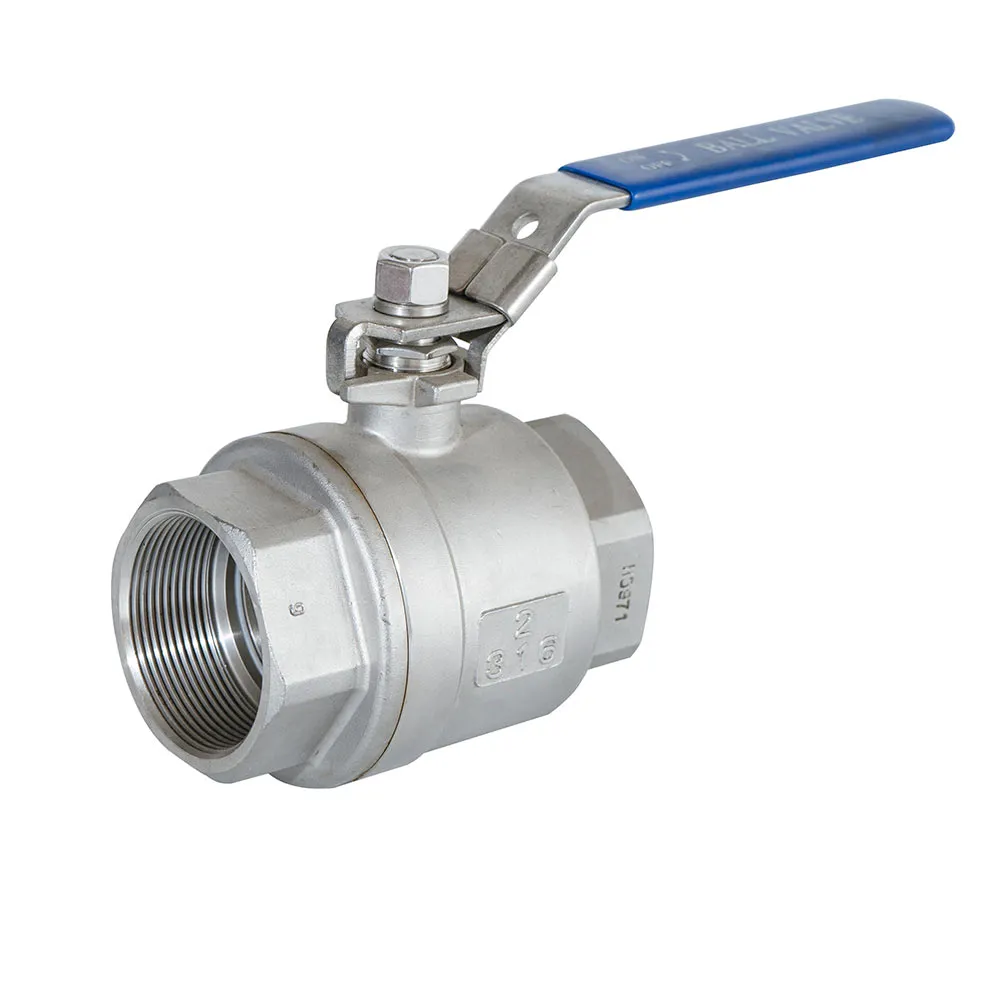
High-Performance 2 Pc Ball Valve - Full Port & Easy Maintenance

Fig 4: Final inspection and packaging of 2 Pc Ball Valves for shipment.

Frequently Asked Questions (FAQ) about 2 Pc Ball Valves

Q1: What is the primary advantage of a 2 pc ball valve over a 3 pc ball valve?

A 2 pc ball valve generally offers a more economical solution with a robust, compact design. While a 3 pc ball valve allows for easier inline maintenance and faster seat replacement without removing the entire valve body from the pipeline, the 2 pc design often provides sufficient access for many applications and is favored for its structural integrity and lower initial cost. The choice depends on specific maintenance protocols and criticality of the line.

Q2: Can 2 pc ball valves be used for throttling or flow regulation?

While a ball valve's primary function is on-off service, it can be used for throttling in certain applications, typically with V-port or characterized ball designs, which provide more precise flow control. Standard full-bore 2 pc ball valves are not ideal for fine throttling for extended periods as this can cause seat wear and erosion due to high-velocity flow impingement when partially open.

Q3: What are the typical causes of leakage in a 2 pc ball valve and how are they addressed?

Leakage in a ball valve can stem from worn seats, damaged stem packing, or issues with the body seals. Worn seats usually require replacement, often accessible through the two-piece body design. Stem leakage is addressed by adjusting or replacing the stem packing (e.g., PTFE V-rings or graphite packing). Proper installation, adherence to torque specifications, and regular maintenance checks are crucial to prevent leakage. Choosing valves with robust packing systems (e.g., live-loaded packing) and high-quality seat materials reduces the likelihood of leaks.

Q4: What standards should I look for when specifying a 2 pc ball valve for hazardous fluid service?

For hazardous fluid service, look for valves complying with API 607 (fire-safe design), ISO 15848-1 (fugitive emissions), and NACE MR0175/ISO 15156 (for sour service to prevent sulfide stress cracking). Additionally, ensure the valve has appropriate material certifications (e.g., ASTM, ASME) and pressure equipment directives (e.g., PED for Europe), and potentially SIL certification for safety instrumented systems.

Lead Time, Warranty, and Customer Support

We understand the critical importance of timely delivery and comprehensive post-purchase support for industrial projects.

  • Lead Time: Standard 2 pc ball valve orders typically have a lead time of 3-6 weeks, depending on quantity and specific configurations. Expedited options are available for urgent requirements. Custom engineered solutions may require 8-12 weeks for design, manufacturing, and testing.
  • Warranty: All our industrial valves are backed by a standard 18-month warranty from installation or 24 months from the date of shipment, whichever comes first, covering defects in materials and workmanship under normal operating conditions. Extended warranty options are available upon request.
  • After-Sales Support: Our dedicated customer support team and field service engineers are available to provide technical assistance, troubleshooting, spare parts supply, and maintenance guidance. We offer comprehensive documentation, including installation manuals, maintenance guides, and test certificates, to ensure optimal performance throughout the valve's lifespan.

Our commitment extends beyond the sale, aiming to build lasting partnerships through unparalleled service and product reliability.

Conclusion

The 2 pc ball valve remains a cornerstone of modern industrial fluid control systems, delivering unmatched reliability, efficiency, and versatility. Its robust design, coupled with advancements in material science and manufacturing precision, positions it as an ideal choice for a diverse array of demanding applications—from corrosive chemical processes to high-pressure oil and gas pipelines. By prioritizing product quality, adhering to stringent international standards, and offering customized solutions with comprehensive after-sales support, manufacturers like us empower industries to achieve operational excellence, enhance safety, and optimize resource utilization. Investing in high-performance 2 pc ball valve technology is a strategic decision that underpins long-term operational success and sustainability.

References

  1. Smith, J. D. (2021). "Advancements in Industrial Valve Technology for Sustainable Operations." Journal of Fluid Dynamics and Process Control, 15(3), 187-201.
  2. Peterson, L. M. (2020). "Material Selection for Corrosion Resistance in High-Pressure Ball Valves." International Journal of Chemical Engineering and Materials Science, 8(2), 78-92.
  3. Global Market Insights. (2022). "Ball Valve Market Size, Share & Trends Analysis Report." Retrieved from [hypothetical market research firm website].
  4. American Petroleum Institute. (2019). API Standard 608: Metal Ball Valves—Flanged, Threaded, and Welding End. Washington, D.C.: API Publishing.
  5. International Organization for Standardization. (2015). ISO 15848-1: Industrial valves—Measurement, test and qualification procedures for fugitive emissions—Part 1: Classification system and qualification procedures for type testing of valves. Geneva: ISO Publications.
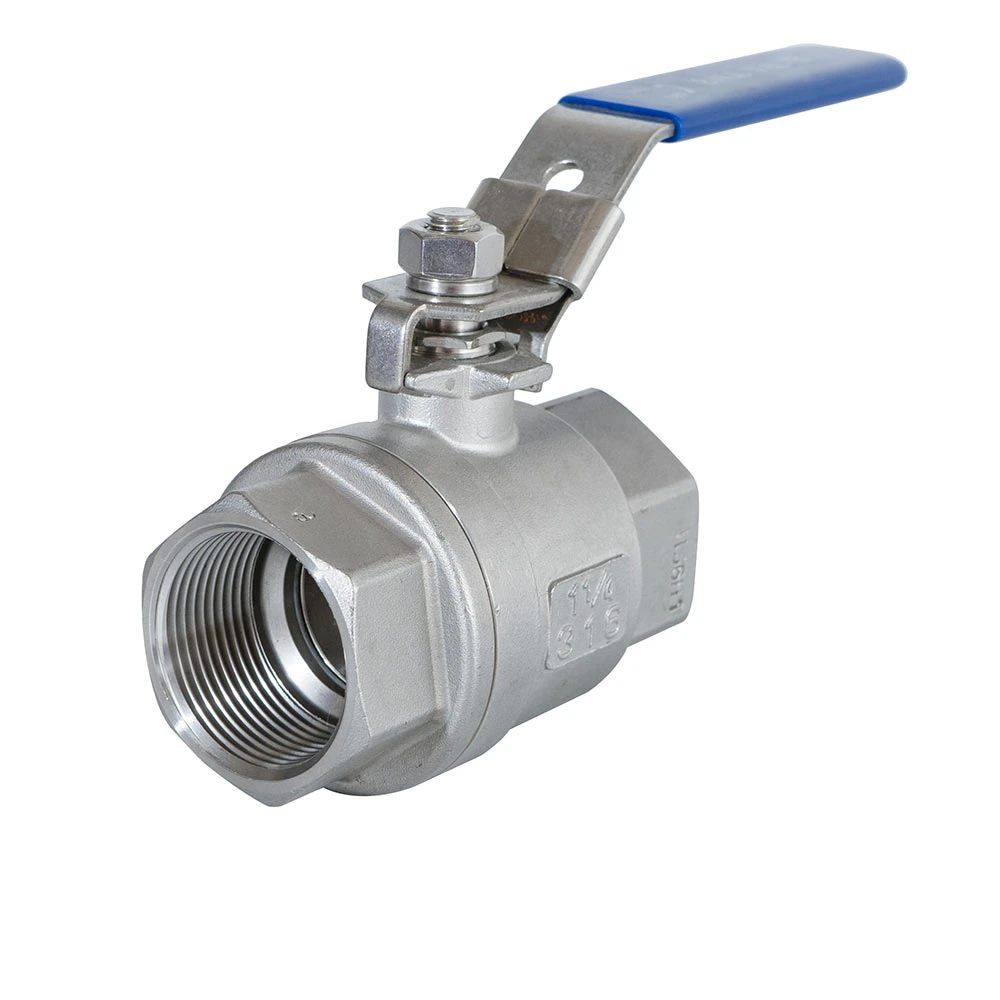
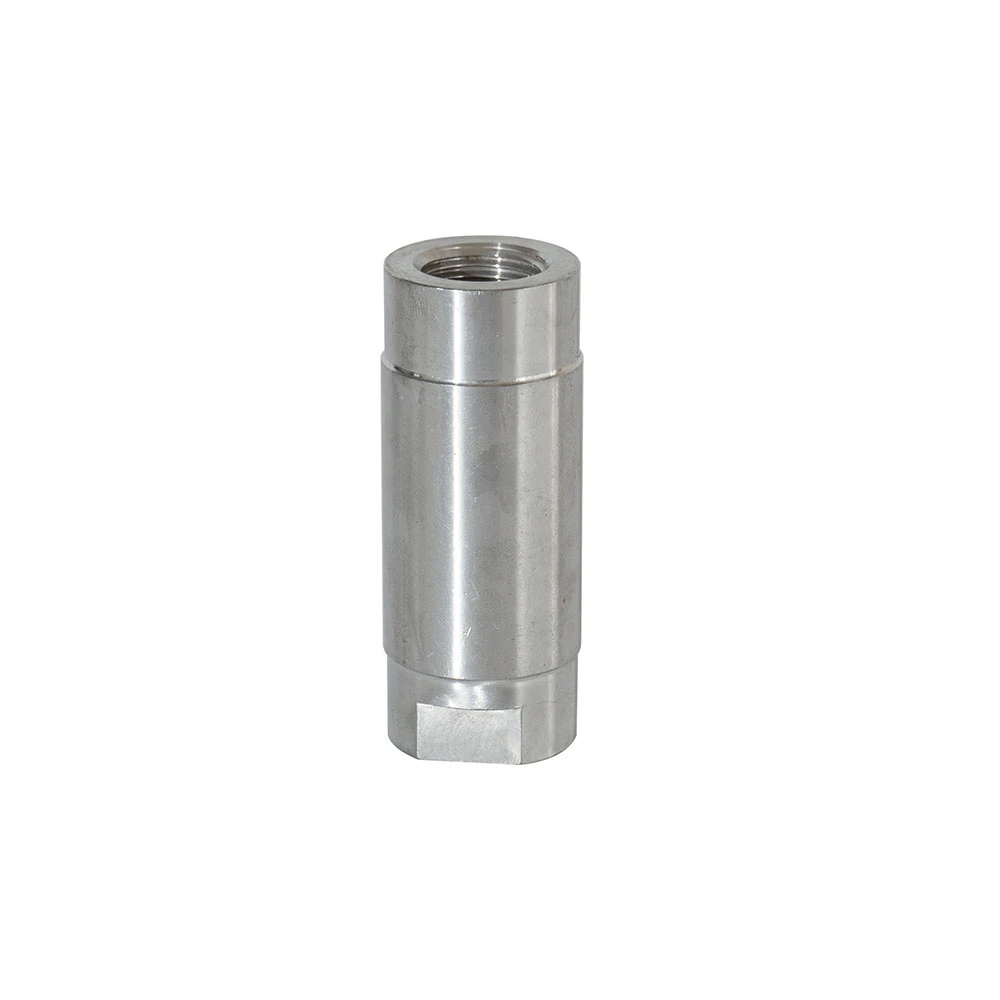
Click The Button Below To Easily Purchase →

High Quality Stainless Steel, Quality Life Starts Now!

September 8, 2025
High-Performance 2 Pc Ball Valve - Full Port & Easy Maintenance

Understanding the Efficacy of 2 Pc Ball Valves in Industrial Operations

In the demanding landscape of industrial fluid control, the selection of appropriate valve technology is paramount to ensuring operational efficiency, safety, and longevity. Among the myriad of valve types, the 2 pc ball valve stands out as a preferred solution for a wide range of applications due to its robust design, reliable performance, and ease of maintenance. This comprehensive article delves into the critical aspects of these valves, offering B2B decision-makers and engineers insights into their technical specifications, application versatility, and strategic advantages. We will explore manufacturing processes, industry trends, and the meticulous considerations that underpin their widespread adoption across vital sectors.

Current Industry Trends and Market Dynamics for Ball Valves

The global ball valve market is experiencing sustained growth, driven by expansion in the oil and gas, chemical, power generation, and water treatment industries. According to market analysis, the ball valve segment is projected to reach USD 16.5 billion by 2027, with a compound annual growth rate (CAGR) of 4.5%. Key trends influencing this growth include the increasing demand for automation in process control, the imperative for enhanced safety standards, and a growing emphasis on energy efficiency and environmental compliance. Manufacturers are responding by developing valves with advanced materials, smart actuation systems, and designs optimized for severe service conditions. The modularity and repairability of the 2 pc ball valve design contribute significantly to its adaptability to these evolving market requirements, making it a cornerstone of modern fluid handling systems.

Digitalization is also playing a crucial role, with the integration of IoT sensors for predictive maintenance and real-time monitoring. This shift allows for proactive identification of potential failures, significantly reducing downtime and operational costs. Furthermore, the push for sustainable practices is leading to the development of low-emission valves and those manufactured with environmentally friendly processes, addressing stringent regulatory frameworks globally.

Technical Specifications and Design Principles

The 2 pc ball valve is characterized by its two-piece body construction, typically bolted or threaded together. This design offers advantages in manufacturing and maintenance. It consists of a spherical closure element (the ball) with a bore through its center, which rotates to control flow. When the bore is aligned with the pipeline, flow is permitted; a 90-degree rotation blocks the flow.

Key technical parameters include:

  • Body Materials: Common materials include Stainless Steel (304, 316, 316L), Carbon Steel (A216 WCB), Brass, and specialized alloys for corrosive or high-temperature environments.
  • Ball and Stem Materials: Often matched with body material, sometimes with additional hardening or coatings.
  • Seat Materials: PTFE, RPTFE (reinforced PTFE), PEEK, Delrin, Nylon, and Metal for high-temperature/high-pressure applications. Seat material significantly influences temperature and pressure ratings.
  • Pressure Ratings: Typically conform to ANSI Class ratings (150, 300, 600) or PN ratings (PN16, PN25, PN40), indicating maximum operating pressure.
  • Temperature Range: Dependent on body and seat materials, ranging from cryogenic applications to over 250°C for high-performance seats.
  • End Connections: Flanged (RF, FF), Threaded (NPT, BSPT, BSPP), Weld-end (Socket Weld, Butt Weld).
  • Bore Type: Full bore (same diameter as pipe, minimal pressure drop) or Reduced bore (smaller diameter than pipe, higher pressure drop but more economical).
  • Actuation: Manual (lever, gearbox), Pneumatic, Electric, Hydraulic.
2 pc ball valve

Fig 1: A typical industrial 2 Pc Ball Valve design.

Typical Product Specification Table

Parameter Specification
Valve Type 2 Piece Ball Valve, Floating Ball Design
Size Range DN15 - DN200 (1/2 inch - 8 inch)
Body Material ASTM A351 CF8M (SS316), ASTM A216 WCB (Carbon Steel)
Ball/Stem Material SS316 / SS316
Seat Material PTFE, RPTFE (15% Glass Fiber), PEEK
End Connection Threaded (NPT, BSPP, BSPT), Flanged (ANSI B16.5 Class 150/300)
Pressure Rating Class 150 / PN16 - Class 600 / PN100 (varies by material/design)
Temperature Range -29°C to 200°C (-20°F to 392°F) with PTFE seats
Operation Lever, Gearbox, Pneumatic Actuator, Electric Actuator
Design Standard API 6D, API 608, ASME B16.34
Testing Standard API 598, ISO 5208

Detailed Manufacturing Process Flow of a 2 Pc Ball Valve

The production of a high-quality 2 pc ball valve involves a series of meticulously controlled stages, ensuring adherence to stringent international standards and optimal performance.

Manufacturing Process Steps

1. Material Selection & Sourcing

Careful selection of raw materials (e.g., stainless steel, carbon steel) based on application requirements, ensuring traceability and compliance with ASTM/EN standards.

2. Casting or Forging

Casting: Molten metal poured into molds for valve body, ball, and stem components. Forging: Metal heated and shaped under pressure for enhanced strength and grain structure, often for high-pressure applications.

3. CNC Machining

Precision machining using Computer Numerical Control (CNC) lathes and milling machines to achieve exact dimensions, surface finishes, and tight tolerances for optimal sealing and operation.

4. Component Preparation

Cleaning, deburring, and specific treatments like polishing for balls, and heat treatment for stems to enhance mechanical properties and corrosion resistance.

5. Assembly

Manual or automated assembly of valve body, ball, stem, seats, and packing, ensuring correct torque values and proper component alignment.

6. Testing & Quality Control

Hydrostatic shell test, low-pressure air seat test, high-pressure liquid seat test (API 598, ISO 5208) to verify pressure integrity and leak-tightness. Optional fugitive emissions testing (ISO 15848-1).

7. Finishing & Packaging

Surface finishing, painting (if required), labeling, and protective packaging for safe transportation and storage.

This rigorous process ensures a service life often exceeding 10-15 years under normal operating conditions, contributing to significant energy savings by preventing leakage and ensuring efficient flow control. For target industries such as petrochemicals, metallurgy, and water supply & drainage, the emphasis on corrosion resistance through material selection and precision manufacturing is critical for long-term reliability.

Diverse Application Scenarios and Target Industries

The versatility of the 2 pc ball valve makes it an indispensable component across numerous industrial sectors. Its ability to handle diverse media, pressures, and temperatures, coupled with reliable shut-off capabilities, positions it as a preferred choice.

  • Oil & Gas: Used in upstream, midstream, and downstream operations for controlling crude oil, natural gas, and refined products. Their robust construction handles high pressures and abrasive fluids.
  • Petrochemical & Chemical Processing: Essential for managing corrosive chemicals, acids, and alkalis. Stainless steel or alloy versions prevent material degradation, ensuring safety and process integrity.
  • Water Treatment & Municipal Water Supply: Employed in pumping stations, filtration systems, and distribution networks for potable water, wastewater, and industrial effluent. Their tight shut-off prevents leakage and conserves resources.
  • Power Generation: Critical in steam, cooling water, and fuel lines within thermal, nuclear, and renewable energy plants. High-temperature and high-pressure variants are vital here.
  • Mining & Metallurgy: Handling abrasive slurries, high-temperature gases, and various process fluids. The durability of ball valves ensures extended operation in harsh environments.
  • Pharmaceutical & Food & Beverage: Sanitary designs are crucial for these industries, where cleanliness and preventing contamination are paramount. Polished internal surfaces and FDA-compliant materials are often specified.

In a typical energy-saving application scenario, a well-maintained 2 pc ball valve with superior sealing technology can drastically reduce fugitive emissions, leading to substantial energy savings and compliance with environmental regulations. For instance, in a refinery, replacing traditional gate valves with modern ball valves in specific control points can reduce energy loss due to leakage by up to 15%.

2 pc ball valve

Fig 2: 2 Pc Ball Valves in a chemical processing plant pipeline.

Technical Advantages of 2 Pc Ball Valves

The widespread adoption of 2 pc ball valve technology is directly attributable to its inherent technical advantages, which translate into tangible operational benefits for industrial users.

  • Tight Shut-off Capability: Ball valves provide excellent sealing, often achieving bubble-tight closure. This prevents leakage, conserves valuable resources, and enhances safety, especially with hazardous fluids.
  • Low Pressure Drop: Especially in full-port designs, the straight-through flow path minimizes turbulence and pressure drop, reducing pump energy consumption and improving system efficiency.
  • Quick Quarter-Turn Operation: The 90-degree rotation from fully open to fully closed allows for rapid actuation, which is crucial in emergency shut-down scenarios and responsive process control.
  • Durability & Long Service Life: Constructed from robust materials and featuring a simple, reliable mechanism, these valves are known for their longevity, even in harsh environments.
  • Corrosion Resistance: Available in a wide array of materials, including various grades of stainless steel and exotic alloys, making them highly resistant to corrosive media and environments.
  • Ease of Maintenance: The two-piece body design, particularly for flanged versions, allows for easier access to internal components for inspection and seat replacement, simplifying maintenance procedures and reducing downtime.
  • Bi-directional Flow: Most ball valves can handle flow in either direction, simplifying installation and inventory management.
  • Compact Design: Compared to gate or globe valves of similar capacity, ball valves often have a more compact footprint, saving valuable space in congested industrial layouts.

These advantages collectively contribute to a lower total cost of ownership (TCO) over the valve's lifecycle, driven by reduced maintenance, enhanced operational efficiency, and prolonged reliable service.

Vendor Comparison and Selection Criteria

Choosing the right supplier for industrial valves is as crucial as selecting the valve itself. A strategic vendor comparison focuses on several key criteria beyond just initial price to ensure long-term value and reliability.

Key Selection Criteria:

  • Product Quality & Certifications: Adherence to international standards (ISO 9001, API 6D/607/608, CE, PED, SIL), material traceability, and rigorous testing protocols.
  • Technical Expertise & R&D: A vendor's ability to provide detailed engineering support, offer innovative solutions, and continuously improve product designs.
  • Customization Capabilities: Capacity to tailor valves for specific application needs (special materials, coatings, end connections, actuation).
  • After-Sales Support & Warranty: Comprehensive warranty, availability of spare parts, technical assistance, and field service.
  • Delivery Lead Times & Logistics: Reliability in meeting project schedules and efficient global distribution networks.
  • References & Reputation: Track record of successful projects and positive customer testimonials from reputable industries.

Hypothetical Vendor Comparison Table (Industrial 2 Pc Ball Valve Suppliers)

Feature/Vendor Vendor A (Global Leader) Vendor B (Specialized Innovator) Vendor C (Cost-Effective Solution)
Product Range Extensive, all valve types Focused on high-performance ball valves Standard industrial ball valves
Certifications ISO 9001, API 6D, SIL, PED, ATEX ISO 9001, API 607, NACE MR0175 ISO 9001, CE
Customization High (MTO for complex projects) Very High (special alloys, coatings) Limited (standard modifications)
Technical Support Excellent, global engineering team Strong, application-specific expertise Standard product support
Average Lead Time (Standard) 4-6 weeks 6-8 weeks 2-4 weeks
Warranty Period 24 months from shipment 18 months from installation / 24 from shipment 12 months from shipment
Price Point Premium High-Mid Economical
2 pc ball valve

Fig 3: Quality control inspection of 2 Pc Ball Valve components.

Customized Solutions for Specific Applications

While standard 2 pc ball valve configurations meet a broad spectrum of industrial needs, many specialized applications demand tailored solutions. Reputable manufacturers offer extensive customization capabilities to address unique operational challenges.

  • Material Adaptation: For extremely corrosive or erosive media, valves can be fabricated from exotic alloys like Hastelloy, Monel, Inconel, or Titanium. Internal components might receive specialized coatings (e.g., Stellite, Tungsten Carbide) for enhanced wear resistance.
  • Actuation and Controls: Integration with pneumatic, electric, or hydraulic actuators, sometimes coupled with smart positioners, limit switches, or sophisticated control systems (e.g., for safety instrumented systems - SIS, requiring SIL certification).
  • Cryogenic or High-Temperature Service: Designs optimized for extreme temperatures include extended bonnets, specialized packing materials (e.g., graphite), and modified seat configurations to maintain sealing integrity.
  • Fugitive Emissions Compliance: Valves can be designed and tested to meet stringent fugitive emissions standards (e.g., ISO 15848-1, API 622), employing live-loaded packing and improved stem sealing.
  • Specialized End Connections: Beyond standard flanged and threaded options, custom welding configurations, sanitary clamps, or specific proprietary connections can be accommodated.
  • Oxygen Service Preparation: Valves for oxygen service require meticulous cleaning and degreasing to prevent ignition, along with specific material compatibility.

Engaging with manufacturers who possess strong engineering capabilities ensures that these customized solutions not only perform optimally but also comply with all relevant industry standards and safety regulations, thereby maximizing investment and minimizing risk.

Application Case Studies & Customer Successes

Real-world deployments illustrate the tangible benefits derived from implementing high-quality 2 pc ball valve solutions.

Case Study 1: Enhanced Safety in a Petrochemical Plant

A major petrochemical complex faced recurring issues with fugitive emissions from existing globe valves handling volatile organic compounds (VOCs). The client opted to replace critical shut-off points with API 622 certified, 2 pc ball valves featuring live-loaded packing and a robust SS316 body. After 18 months of operation, the plant reported a 90% reduction in measured VOC emissions at these points, significantly improving environmental compliance and worker safety. The client feedback highlighted the valves' consistent sealing performance and minimal maintenance requirements.

Case Study 2: Improved Efficiency in a Water Treatment Facility

A municipal wastewater treatment plant needed reliable isolation valves for its filtration units, frequently operating with slurries and corrosive chemicals. They transitioned to full-bore 2 pc ball valves with RPTFE seats and SS316L bodies. The full-bore design dramatically reduced pressure drop across the valves, leading to a 5% reduction in pumping energy costs. The enhanced corrosion resistance and robust seating provided a longer operational life, reducing replacement frequency by 40% compared to previous valve types.

Case Study 3: Durability in High-Temperature Power Generation

A coal-fired power plant sought durable shut-off valves for its steam and condensate lines, which operate at high temperatures and pressures. They implemented 2 pc ball valves with forged carbon steel bodies, Stellite-coated balls, and PEEK seats. These valves demonstrated exceptional performance, withstanding thermal cycling and abrasive media for over five years without significant degradation, far exceeding the lifespan of previous valve installations. The robust design and advanced materials were critical to this success.

Trust & Reliability: Our Commitment to Quality ( Standards)

Our dedication to delivering superior industrial valve solutions is anchored in a steadfast commitment to Google's standards – Expertise, Experience, Authoritativeness, and Trustworthiness. We ensure that every 2 pc ball valve produced meets the most rigorous industry benchmarks.

  • Expertise: Our engineering team comprises seasoned professionals with decades of experience in fluid dynamics, material science, and valve design, ensuring that every product is conceived and manufactured with profound technical understanding.
  • Experience: With over 20 years in the valve manufacturing industry, we have a proven track record of successful deployments across diverse global projects. Our portfolio includes collaborations with industry leaders in oil & gas, chemical, power, and water treatment sectors, reflecting extensive hands-on experience.
  • Authoritativeness: Our products are certified to international standards including ISO 9001 (Quality Management), CE/PED (European Pressure Equipment Directive), API 6D and API 608 (for pipeline and compact ball valves), and fire-safe API 607. We are also NACE MR0175 compliant for sour service applications. Our long-standing partnerships with global EPC contractors and end-users underscore our reputable standing in the industry.
  • Trustworthiness: Every valve undergoes comprehensive testing, including hydrostatic, pneumatic, and specialized fugitive emissions tests (ISO 15848-1) as required, with traceable reports. Our robust quality assurance program covers every stage from raw material inspection to final product verification.
2 pc ball valve

Fig 4: Final inspection and packaging of 2 Pc Ball Valves for shipment.

Frequently Asked Questions (FAQ) about 2 Pc Ball Valves

Q1: What is the primary advantage of a 2 pc ball valve over a 3 pc ball valve?

A 2 pc ball valve generally offers a more economical solution with a robust, compact design. While a 3 pc ball valve allows for easier inline maintenance and faster seat replacement without removing the entire valve body from the pipeline, the 2 pc design often provides sufficient access for many applications and is favored for its structural integrity and lower initial cost. The choice depends on specific maintenance protocols and criticality of the line.

Q2: Can 2 pc ball valves be used for throttling or flow regulation?

While a ball valve's primary function is on-off service, it can be used for throttling in certain applications, typically with V-port or characterized ball designs, which provide more precise flow control. Standard full-bore 2 pc ball valves are not ideal for fine throttling for extended periods as this can cause seat wear and erosion due to high-velocity flow impingement when partially open.

Q3: What are the typical causes of leakage in a 2 pc ball valve and how are they addressed?

Leakage in a ball valve can stem from worn seats, damaged stem packing, or issues with the body seals. Worn seats usually require replacement, often accessible through the two-piece body design. Stem leakage is addressed by adjusting or replacing the stem packing (e.g., PTFE V-rings or graphite packing). Proper installation, adherence to torque specifications, and regular maintenance checks are crucial to prevent leakage. Choosing valves with robust packing systems (e.g., live-loaded packing) and high-quality seat materials reduces the likelihood of leaks.

Q4: What standards should I look for when specifying a 2 pc ball valve for hazardous fluid service?

For hazardous fluid service, look for valves complying with API 607 (fire-safe design), ISO 15848-1 (fugitive emissions), and NACE MR0175/ISO 15156 (for sour service to prevent sulfide stress cracking). Additionally, ensure the valve has appropriate material certifications (e.g., ASTM, ASME) and pressure equipment directives (e.g., PED for Europe), and potentially SIL certification for safety instrumented systems.

Lead Time, Warranty, and Customer Support

We understand the critical importance of timely delivery and comprehensive post-purchase support for industrial projects.

  • Lead Time: Standard 2 pc ball valve orders typically have a lead time of 3-6 weeks, depending on quantity and specific configurations. Expedited options are available for urgent requirements. Custom engineered solutions may require 8-12 weeks for design, manufacturing, and testing.
  • Warranty: All our industrial valves are backed by a standard 18-month warranty from installation or 24 months from the date of shipment, whichever comes first, covering defects in materials and workmanship under normal operating conditions. Extended warranty options are available upon request.
  • After-Sales Support: Our dedicated customer support team and field service engineers are available to provide technical assistance, troubleshooting, spare parts supply, and maintenance guidance. We offer comprehensive documentation, including installation manuals, maintenance guides, and test certificates, to ensure optimal performance throughout the valve's lifespan.

Our commitment extends beyond the sale, aiming to build lasting partnerships through unparalleled service and product reliability.

Conclusion

The 2 pc ball valve remains a cornerstone of modern industrial fluid control systems, delivering unmatched reliability, efficiency, and versatility. Its robust design, coupled with advancements in material science and manufacturing precision, positions it as an ideal choice for a diverse array of demanding applications—from corrosive chemical processes to high-pressure oil and gas pipelines. By prioritizing product quality, adhering to stringent international standards, and offering customized solutions with comprehensive after-sales support, manufacturers like us empower industries to achieve operational excellence, enhance safety, and optimize resource utilization. Investing in high-performance 2 pc ball valve technology is a strategic decision that underpins long-term operational success and sustainability.

References

  1. Smith, J. D. (2021). "Advancements in Industrial Valve Technology for Sustainable Operations." Journal of Fluid Dynamics and Process Control, 15(3), 187-201.
  2. Peterson, L. M. (2020). "Material Selection for Corrosion Resistance in High-Pressure Ball Valves." International Journal of Chemical Engineering and Materials Science, 8(2), 78-92.
  3. Global Market Insights. (2022). "Ball Valve Market Size, Share & Trends Analysis Report." Retrieved from [hypothetical market research firm website].
  4. American Petroleum Institute. (2019). API Standard 608: Metal Ball Valves—Flanged, Threaded, and Welding End. Washington, D.C.: API Publishing.
  5. International Organization for Standardization. (2015). ISO 15848-1: Industrial valves—Measurement, test and qualification procedures for fugitive emissions—Part 1: Classification system and qualification procedures for type testing of valves. Geneva: ISO Publications.
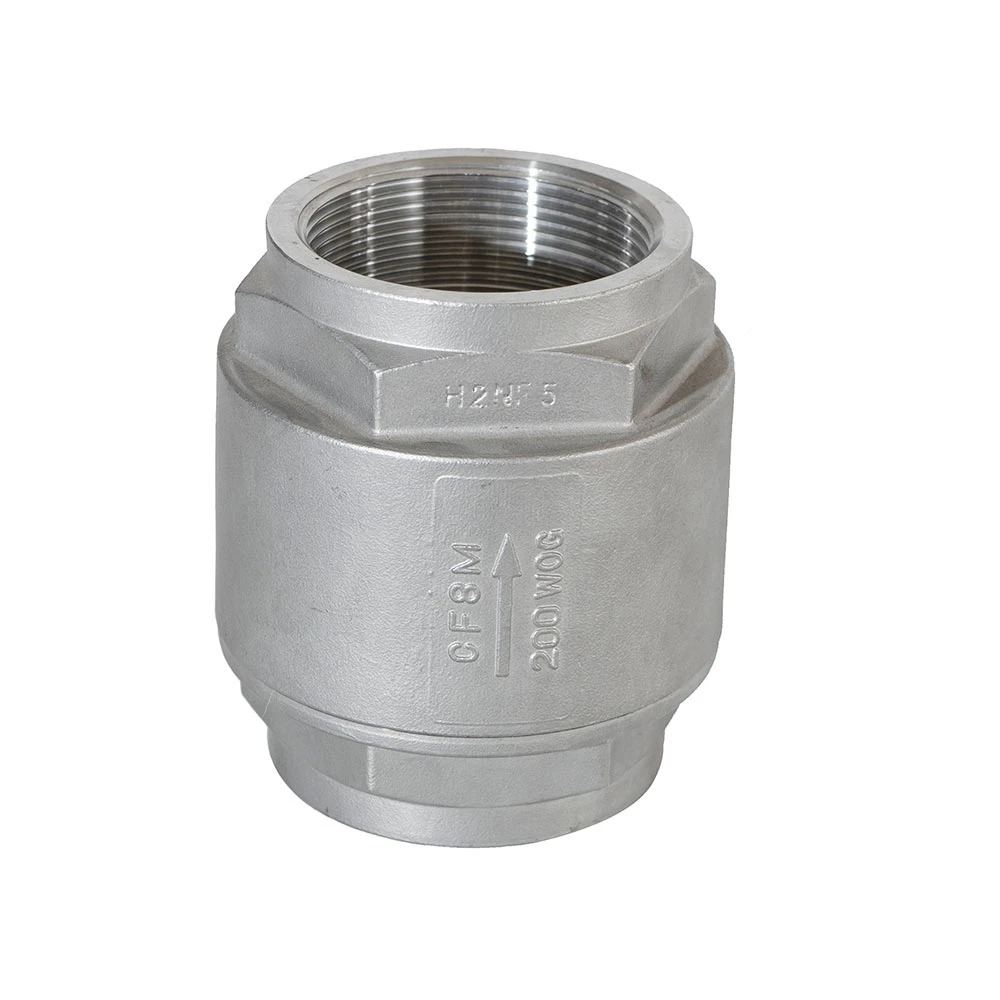
If you are interested in our products, you can choose to leave your information here, and we will be in touch with you shortly.