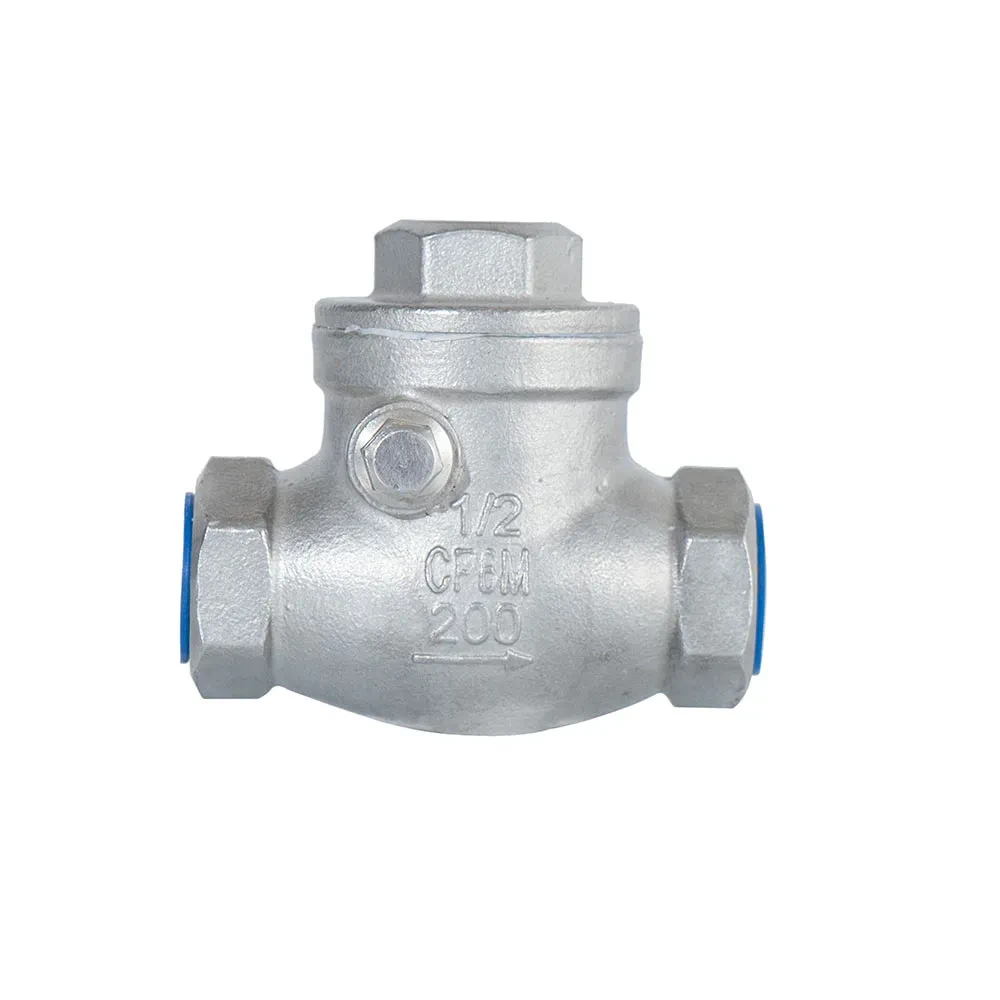
Introduction to Y Check Valves in Industrial Applications
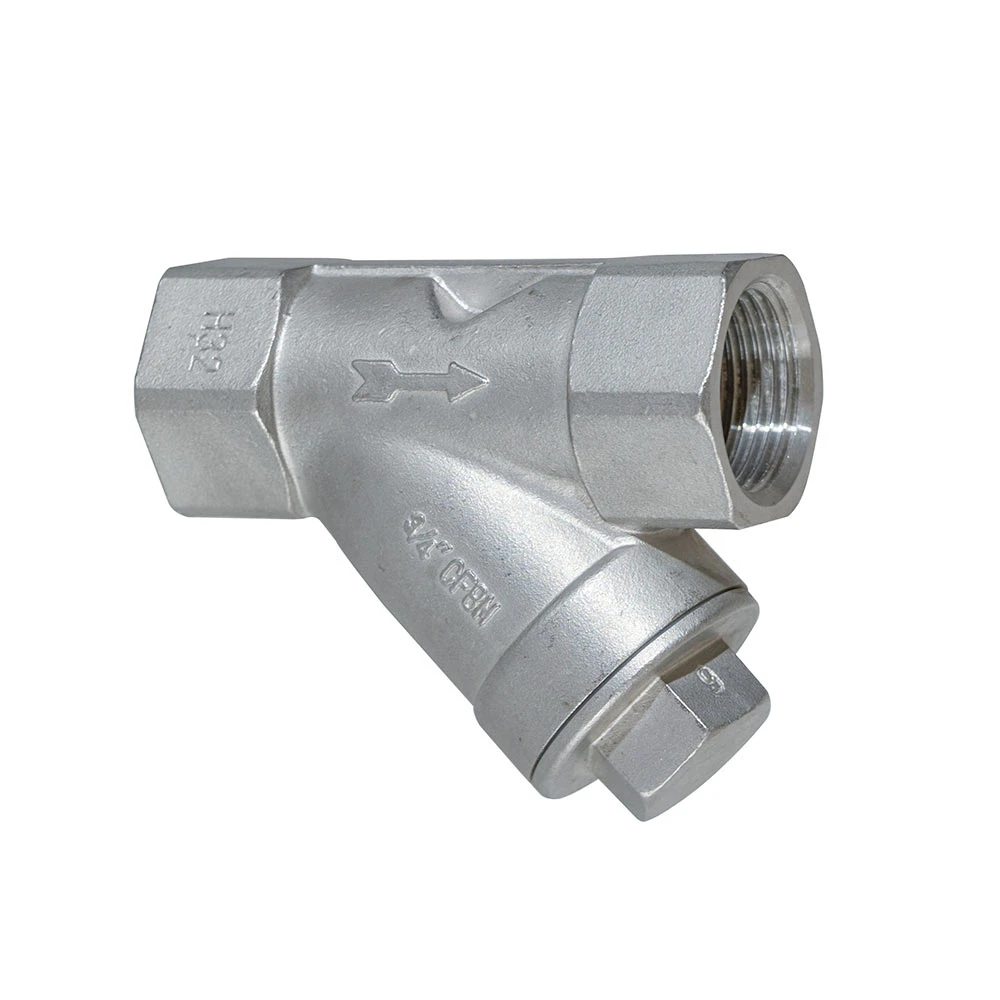
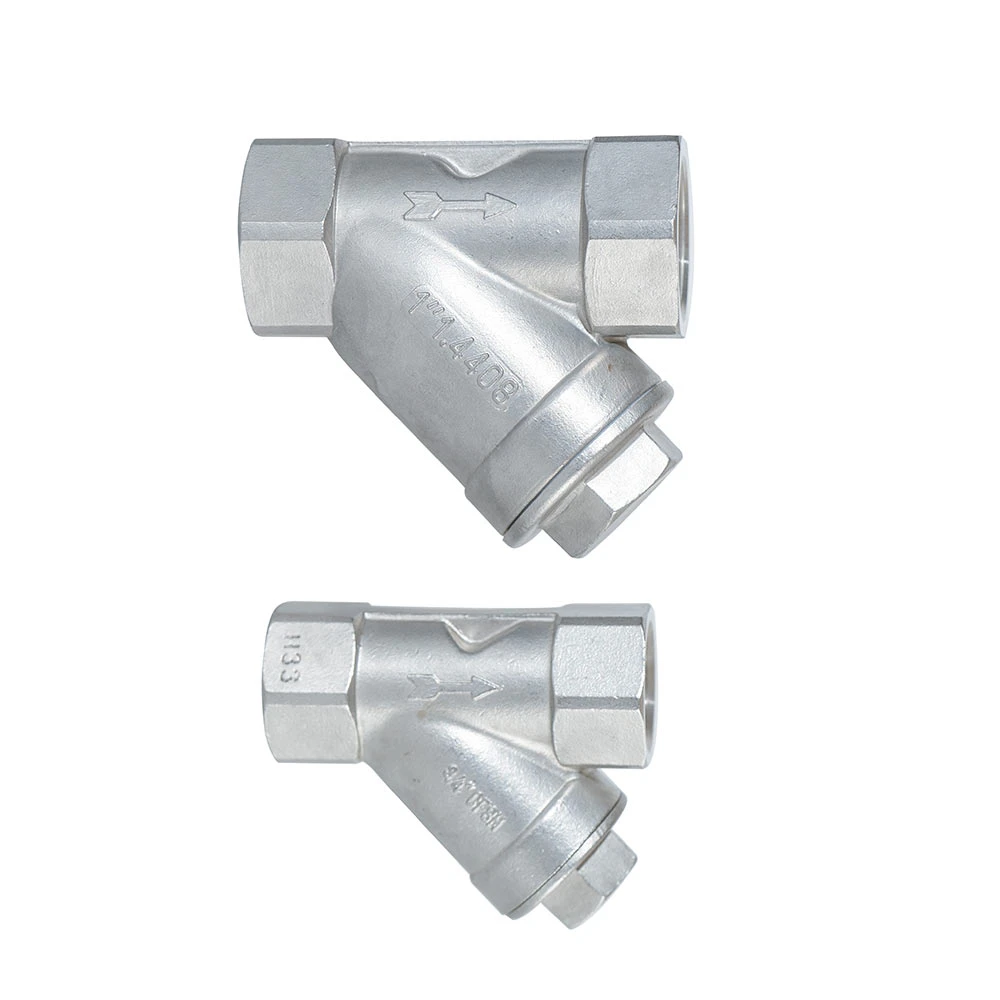
In critical industrial fluid control systems, the reliability and efficiency of components are paramount. Among these, y check valves play a pivotal role, ensuring unidirectional flow and preventing backflow that could lead to system damage, contamination, or operational inefficiencies. These specialized check valves are characterized by their Y-shaped body, which positions the disc and seat at an angle, typically 45 degrees, relative to the main flow path. This unique design minimizes pressure drop and turbulence, offering superior performance compared to traditional inline check valves, particularly in applications requiring higher flow rates or in systems with suspended solids. The Y-pattern allows for easier access for maintenance and cleaning without requiring the complete removal of the valve from the pipeline, significantly reducing downtime and operational costs for B2B enterprises.
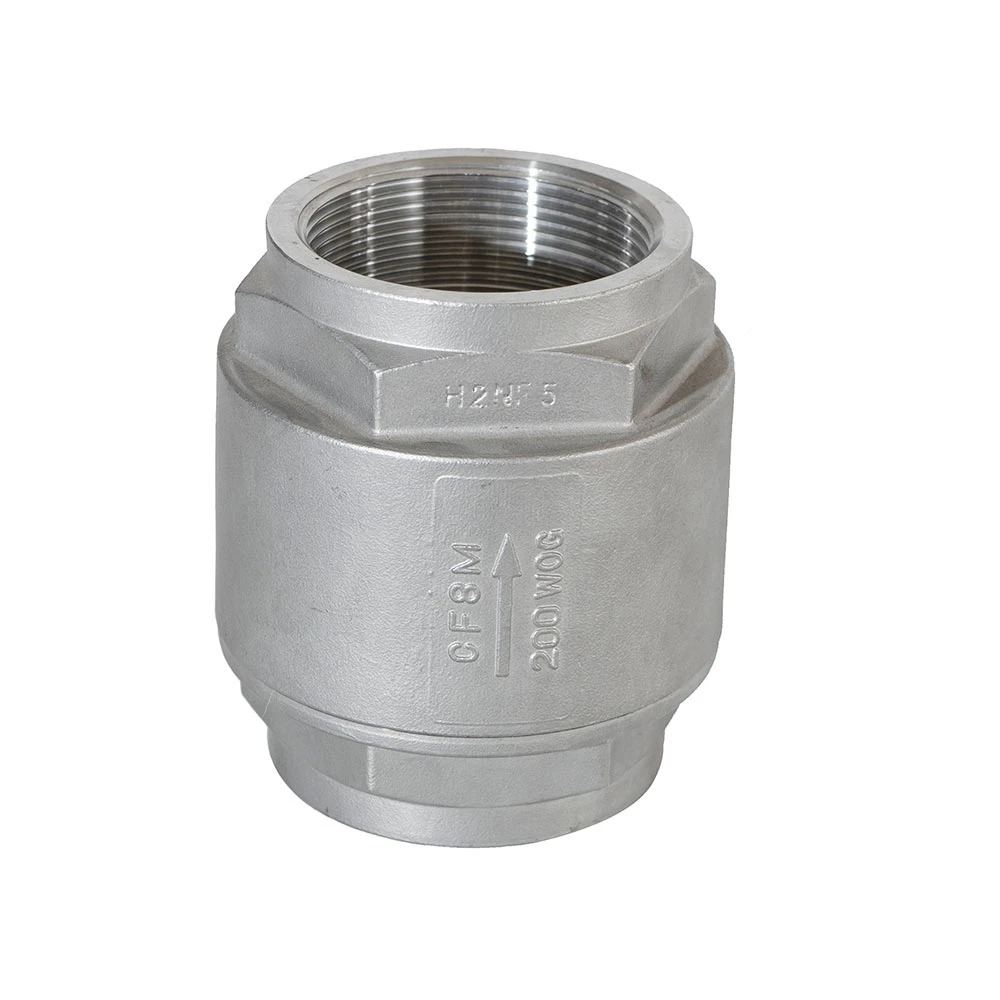
The robust construction and versatile design of the Y Spring Vertical Check Valve, for instance, make it an indispensable component across a multitude of industries. Its spring-assisted closure mechanism ensures rapid and positive shut-off, mitigating water hammer effects and protecting downstream equipment. This section will delve into the technical intricacies, application advantages, and comprehensive manufacturing processes that define the reliability and performance of modern Y-type check valves.
Industry Trends and Market Dynamics for Y-Type Check Valves
The global market for industrial valves, including y check valves, is experiencing steady growth, driven by increasing investments in infrastructure, energy, and process industries. Key trends impacting the demand for Y-type check valves include:
- Increased Focus on Energy Efficiency: With rising energy costs and environmental regulations, industries are demanding valves that offer lower pressure drop and reduced energy consumption. The Y-pattern design inherently offers less flow restriction, making it a preferred choice.
- Material Innovation: Advancements in metallurgy and composite materials are leading to the development of valves that can withstand extreme temperatures, pressures, and corrosive media, extending service life and reducing maintenance.
- Smart Valve Technology: Integration with IoT and automation systems is becoming more prevalent, with smart valves providing real-time data on flow, pressure, and valve position for predictive maintenance and optimized system performance.
- Stringent Safety Standards: Industries like oil & gas, chemical processing, and nuclear power require valves that meet increasingly rigorous safety and reliability standards (e.g., API 600, ASME B16.34), driving demand for high-quality, certified products.
- Sustainability and Lifecycle Cost: End-users are increasingly evaluating valves based on total lifecycle cost, including energy consumption, maintenance, and replacement, favoring durable and efficient designs.
The market is also witnessing a shift towards customized solutions to meet specific application requirements, ranging from specialized material selections to unique connection types and actuation methods. Manufacturers capable of offering engineering support and bespoke designs are gaining a competitive edge.
The Manufacturing Process of Y Check Valves
The production of high-performance y check valves is a meticulous process, combining advanced engineering with precision manufacturing techniques. This multi-stage process ensures that each valve meets stringent quality, performance, and durability standards.
1. Material Selection & Procurement
The choice of material is critical and is determined by the valve's intended application, fluid compatibility, temperature, and pressure ratings. Common materials include:
- Carbon Steel (e.g., ASTM A216 WCB, ASTM A105): For general industrial applications, water, and non-corrosive fluids at moderate temperatures.
- Stainless Steel (e.g., ASTM A351 CF8, CF8M, CF3M): Essential for corrosive media, high-purity applications, and elevated temperatures, offering excellent corrosion resistance.
- Alloy Steels (e.g., ASTM A217 WC6, WC9, C5): Used in high-temperature and high-pressure services, especially in petrochemical and power generation industries.
- Special Alloys (e.g., Duplex, Super Duplex, Monel, Hastelloy): For highly aggressive chemical environments, sour gas service, or where exceptional strength and corrosion resistance are required.
All raw materials undergo rigorous chemical composition and mechanical property testing to ensure compliance with international standards.
2. Body and Bonnet Manufacturing
- Casting: The most common method for complex valve body shapes. Molten metal is poured into a mold, allowed to solidify, and then extracted. This process offers design flexibility and cost-effectiveness for large volumes.
- Forging: For critical high-pressure applications, forging provides superior material integrity, strength, and resistance to fatigue. Metal is heated and shaped under immense pressure, reducing porosity and improving grain structure.
Post-casting or forging, bodies undergo heat treatment to achieve desired mechanical properties and stress relief, followed by shot blasting for surface preparation.
3. Precision Machining (CNC)
High-precision Computer Numerical Control (CNC) machining centers are used to machine critical internal and external dimensions. This includes:
- Machining of valve seats, ensuring perfect concentricity and surface finish for tight shut-off.
- Drilling and tapping of flange bolt holes and threaded connections.
- Finishing of disc, stem, and spring components to exact tolerances.
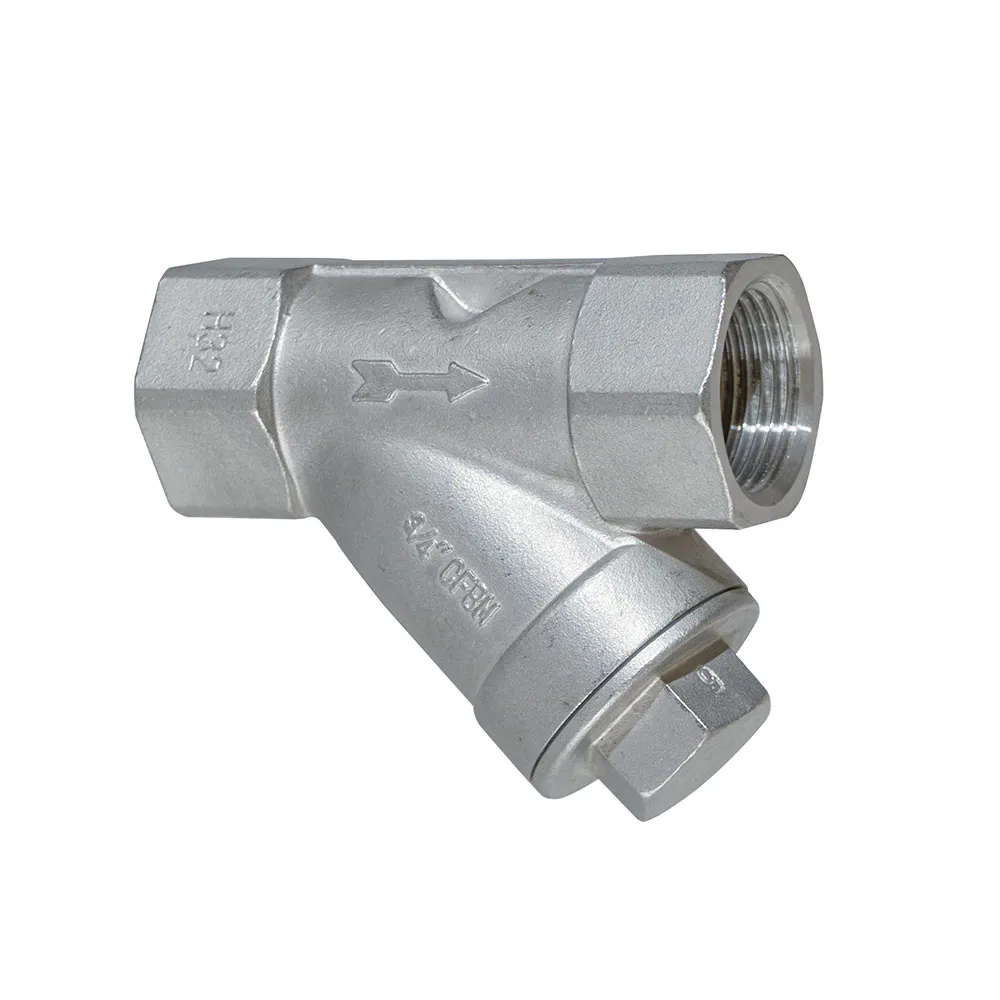
Precision machining of valve components ensures optimal fit and function.
4. Assembly and Testing
Once all components are machined and inspected, the valves are assembled in a controlled environment. Key testing standards applied include:
- Hydrostatic Testing (ISO 5208, API 598, ANSI B16.34): The valve body is subjected to pressure exceeding its maximum rated working pressure to detect leaks and verify structural integrity.
- Seat Leakage Testing (API 598, ISO 5208): Performed with water or air at specified pressures to ensure tight shut-off and prevent backflow.
- Functional Testing: Verifies the smooth operation of the disc and spring mechanism.
- Non-Destructive Testing (NDT): Includes radiography, ultrasonic testing, magnetic particle, or dye penetrant inspection for critical components to detect internal flaws.
Each valve is stamped with identification numbers for full traceability from raw material to finished product, a crucial aspect for industries requiring high levels of accountability.
5. Surface Treatment and Packaging
Valves are often coated with protective paints or specialized coatings for enhanced corrosion resistance and aesthetics. Proper packaging ensures protection during transit and storage.
Technical Specifications and Parameters of Y Spring Vertical Check Valves
Understanding the detailed technical specifications is paramount for selecting the appropriate y check valves for any industrial application. The Y Spring Vertical Check Valve, in particular, offers robust performance characteristics.
| Parameter | Description/Value |
|---|---|
| Valve Type | Y-Pattern Spring Loaded Vertical Check Valve |
| Nominal Size (DN/NPS) | DN15 - DN400 (NPS 1/2" - NPS 16") |
| Pressure Rating (PN/Class) | PN16, PN25, PN40, PN64, PN100 (Class 150, 300, 600, 900, 1500) |
| Body Material | Carbon Steel (WCB, A105), Stainless Steel (CF8, CF8M, CF3M), Alloy Steel (WC6, WC9) |
| Trim Material | Stainless Steel (13% Cr, 304, 316), Stellite overlay for seat/disc |
| End Connections | Flanged (RF, RTJ), Butt-Weld (BW), Socket Weld (SW), Threaded (NPT) |
| Working Temperature | -29°C to 425°C (-20°F to 800°F) - Material Dependent |
| Design & Manufacturing Std. | API 6D, API 594, ASME B16.34, EN 12516, MSS SP-71 |
| Inspection & Test Std. | API 598, ISO 5208, EN 12266 |
| Face-to-Face Dimension | ASME B16.10, API 6D |
| Flange Standard | ASME B16.5, ASME B16.47, EN 1092-1 |
| Cracking Pressure | Typically 0.05-0.5 bar (Spring-dependent, adjustable) |
The Y-pattern design of the body, coupled with a spring-assisted disc, significantly reduces the required cracking pressure, meaning less energy is needed to open the valve, contributing to energy savings. The angled flow path also minimizes head loss compared to traditional swing or lift check valves, which often experience higher turbulence and pressure drop. This efficiency translates directly into lower pumping costs and improved system performance over the valve's service life, which can exceed 20 years with proper maintenance, depending on the application severity.
Application Scenarios and Target Industries
The versatility and robust design of y type check valve solutions make them indispensable across a wide spectrum of industrial applications. Their ability to handle various fluid types, pressures, and temperatures, combined with their efficient flow characteristics, positions them as a preferred choice in demanding environments.
1. Petrochemical and Oil & Gas Industry
In refineries, chemical plants, and upstream/midstream oil & gas operations, Y-pattern check valves are used to prevent backflow in pipelines carrying hydrocarbons, corrosive chemicals, and high-temperature steam. Their robust construction from alloy steels or stainless steels ensures resistance to harsh media and extreme operating conditions (e.g., high pressure services up to Class 1500, temperatures exceeding 400°C). The angled design also makes them suitable for viscous fluids or those with suspended solids, preventing accumulation and ensuring reliable operation.
2. Power Generation
Coal-fired, nuclear, and combined-cycle power plants utilize Y-type check valves in steam lines, feedwater systems, and cooling water circuits. Here, critical advantages include minimizing pressure drop for energy efficiency and reliable shut-off to protect pumps and turbines from reverse flow, especially during sudden shutdowns or pressure fluctuations. Materials like WC6 or WC9 are often specified for high-temperature steam applications.
3. Water Supply and Drainage
In municipal water treatment, distribution, and wastewater management, these valves prevent back-siphonage and protect pumps from damage. Their low-pressure drop characteristics lead to energy savings in large-scale pumping stations. Corrosion-resistant materials like ductile iron with epoxy coating or stainless steel are frequently employed to ensure long service life in water environments.
4. Metallurgy and Mining
Handling abrasive slurries, high-temperature gases, and aggressive chemicals requires highly durable valves. Y-pattern check valves, particularly those with wear-resistant disc and seat materials (e.g., Stellite overlay), are ideal for these applications, preventing erosion and maintaining flow integrity.
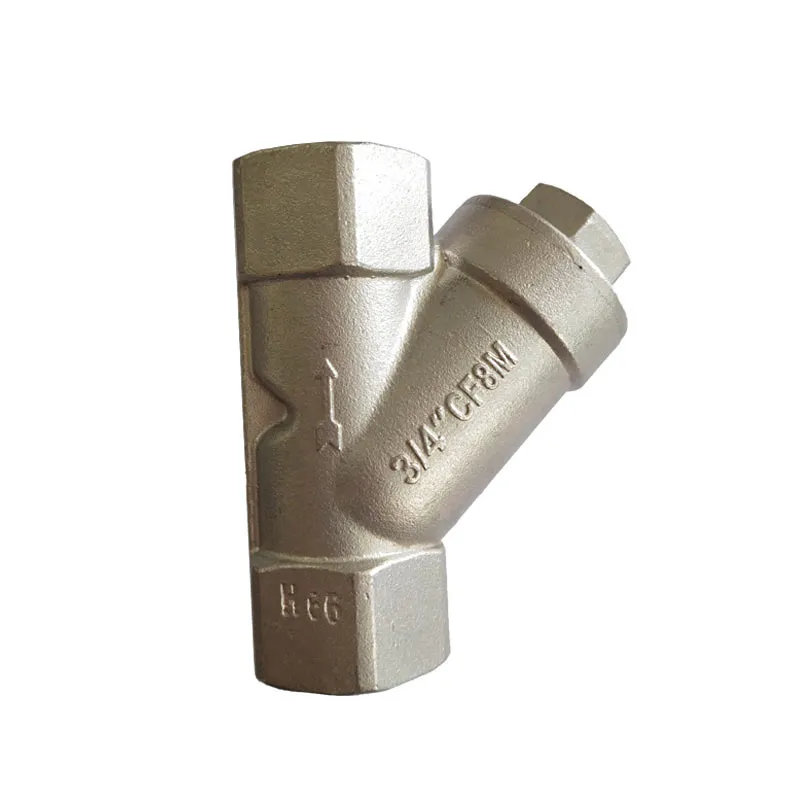
Y-type check valves ensure critical unidirectional flow in complex industrial setups.
5. HVAC Systems
In heating, ventilation, and air conditioning systems, Y-pattern check valves are used in chilled water loops, hot water lines, and condenser water systems to maintain proper flow direction and protect pumps and boilers from reverse flow, which can cause significant damage or inefficiency.
Technical Advantages of Y Check Valves
The distinct design of a check valve y type offers several significant technical advantages that contribute to their widespread adoption in demanding industrial applications:
- Low Pressure Drop & High Flow Efficiency: The angled body design of the Y-pattern allows the disc to move almost entirely out of the flow path when fully open. This straight-through flow characteristic minimizes turbulence and reduces head loss, leading to lower energy consumption for pumps and more efficient system operation. This is a critical advantage, translating into substantial energy savings over the operational life of a plant.
- Reduced Risk of Fouling & Clogging: The Y-pattern is less prone to trapping solids compared to conventional swing check valves, especially when oriented vertically. The angled seat allows solids to pass through more easily, making them ideal for applications with dirty or slurry-laden fluids.
- Accessibility for Maintenance: The bonnet and internals of a Y-pattern check valve can often be accessed and serviced without removing the entire valve body from the pipeline. This "in-line reparability" significantly reduces maintenance time and effort, leading to lower operational costs and enhanced system uptime.
- Effective Water Hammer Mitigation: With a spring-loaded disc, Y check valves provide rapid closure, which minimizes the potential for reverse flow velocity build-up, thus effectively reducing or eliminating water hammer (pressure surges) that can damage pipes and equipment.
- Versatile Orientation: While often used in vertical pipelines, Y-type check valves can typically be installed in horizontal or angled lines as well, offering greater flexibility in piping design compared to some other check valve types.
- Corrosion and Erosion Resistance: By specifying appropriate body and trim materials (e.g., stainless steel, duplex, stellite hard-facing), these valves can withstand highly corrosive chemicals, high temperatures, and erosive media, extending their service life and reliability in aggressive environments.
- Long Service Life: Engineered for durability and manufactured to high standards, Y-type check valves are designed for extended operational periods, often exceeding two decades in continuous service, which minimizes replacement costs and maximizes return on investment.
Vendor Comparison and Customization Solutions
When sourcing y check valves, B2B decision-makers must carefully evaluate vendors based on several critical factors beyond just price. A comprehensive comparison includes product quality, engineering capabilities, customization options, and after-sales support.
Vendor Comparison Factors:
| Factor | Description & Importance |
|---|---|
| Quality Certifications | ISO 9001, API Monogram, CE, PED, SIL. Ensures adherence to international manufacturing and safety standards. |
| Material Sourcing & Traceability | Reliable suppliers with full material traceability (MTCs). Critical for demanding applications. |
| Engineering & Design Expertise | Ability to perform FEA, CFD simulations, and provide detailed engineering drawings. Indicates deep technical understanding. |
| Customization Capabilities | Offers bespoke material selection, specialized coatings, unique end connections, or specific spring settings. Essential for unique process requirements. |
| Testing and QA Protocols | Comprehensive in-house testing facilities (hydrostatic, pneumatic, NDT). Demonstrates commitment to product integrity. |
| Lead Time & Logistics | Reliable delivery schedules and efficient global logistics. Crucial for project timelines and operational continuity. |
| After-Sales Support & Warranty | Technical support, spare parts availability, comprehensive warranty. Ensures long-term operational peace of mind. |
Customized Solutions for Specific Applications:
Many industrial applications require more than off-the-shelf valves. Reputable manufacturers offer extensive customization capabilities for their Y Spring Vertical Check Valves:
- Exotic Material Selection: Beyond standard carbon and stainless steels, options include Duplex, Super Duplex, Monel, Hastelloy, Inconel for extreme corrosion, high temperatures, or specific chemical compatibility.
- Specialized Coatings & Linings: For abrasive or highly corrosive media, internal coatings (e.g., Teflon, rubber linings) or hard-facing (e.g., Stellite, Tungsten Carbide) on seats and discs can significantly extend valve life.
- Adjustable Spring Settings: The cracking pressure can be precisely adjusted by custom spring strengths to meet specific system requirements, optimizing flow and preventing premature opening or excessive pressure drop.
- Extended Body Lengths & Special End Connections: For specific piping configurations or to match existing infrastructure, custom face-to-face dimensions or non-standard flange/weld preparations can be provided.
- Fugitive Emission Compliance: For volatile organic compound (VOC) services, valves can be designed and tested to meet stringent fugitive emission standards like ISO 15848-1.
- Cryogenic Service: Special designs and materials for extremely low-temperature applications, incorporating extended bonnets to keep packing away from cryogenic fluids.
These tailored solutions ensure optimal performance, extended service life, and adherence to specific project requirements, reinforcing the value proposition for critical infrastructure.
Application Case Studies and Customer Feedback
Case Study 1: High-Pressure Steam System in a Power Plant
Challenge: A major thermal power plant in the Midwest faced recurring issues with traditional swing check valves in its high-pressure feedwater lines (200 bar, 350°C). Frequent water hammer events caused significant stress on piping and led to costly downtime for valve maintenance and replacement.
Solution: The plant transitioned to Y Spring Vertical Check Valves, specifically designed with A217 WC9 body material and Stellite 6 hard-faced trim for enhanced erosion and high-temperature resistance. These valves were supplied with custom spring settings to ensure rapid, positive closure upon flow reversal.
Outcome: Over a 5-year period, the plant reported a 90% reduction in water hammer incidents in the affected lines. Maintenance intervals for these y check valves extended from 6 months to over 3 years, resulting in estimated annual savings of $150,000 in maintenance costs and significantly improved operational reliability. The quick response time of the spring-assisted disc minimized pressure surge impacts.
Case Study 2: Corrosive Chemical Process in a Specialty Chemicals Plant
Challenge: A specialty chemicals manufacturer required reliable backflow prevention in lines handling highly corrosive chlorinated hydrocarbons. Standard stainless steel valves experienced rapid degradation and leakage, posing environmental and safety risks.
Solution: Houde Valve supplied Y Spring Vertical Check Valves constructed from Hastelloy C276, a nickel-molybdenum-chromium superalloy known for exceptional resistance to a wide range of severe corrosive media. The valves featured fully machined internal surfaces to prevent crevice corrosion.
Outcome: After 2 years of continuous operation, these Y-type check valves showed no signs of internal corrosion or leakage, a stark contrast to the 6-month lifespan of previous valves. The client praised the robust material selection and the low-maintenance design, stating, "The investment in these specialized Y-pattern check valves paid for itself within the first year by eliminating hazardous leaks and costly replacements."
Customer Feedback:
- "We've standardized on these Y Spring Vertical Check Valves for our pulp and paper mill. The ease of maintenance and resistance to fiber clogging have significantly improved our system uptime." – Process Engineer, Pulp & Paper Industry.
- "The low-pressure drop of the Y-pattern design has measurably reduced the energy consumption of our pumping stations for municipal water supply. We appreciate the clear performance data provided." – Operations Manager, Water Utility.
- "Houde Valve's technical team worked closely with us to select the perfect material for our demanding offshore applications. The durability and performance of their y type check valve have been exceptional in challenging marine environments." – Procurement Specialist, Offshore Oil & Gas.
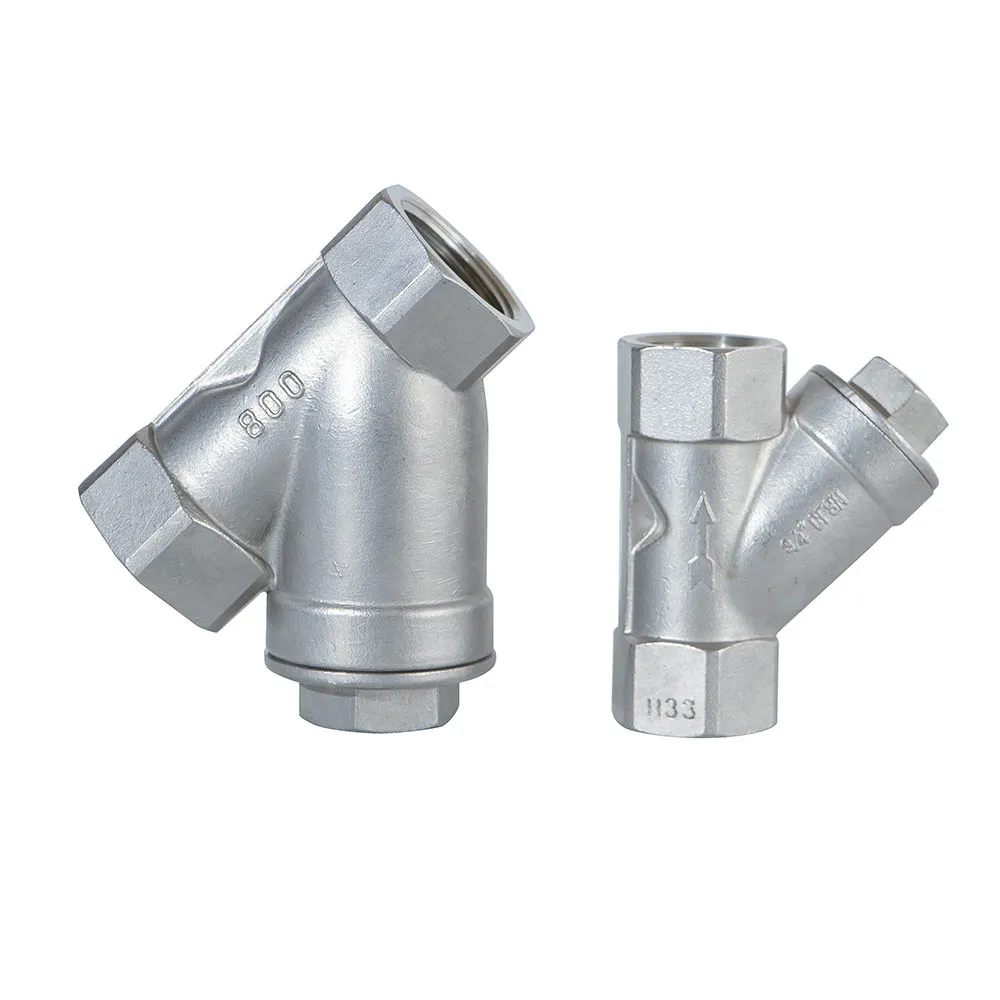
Robust Y-pattern check valves in a demanding industrial pipeline.
Commitment to Trustworthiness: FAQ, Lead Time, Warranty & Support
Frequently Asked Questions (FAQ)
- Q1: What is the primary advantage of a Y-pattern check valve over a swing check valve?
- A1: The primary advantage is its lower pressure drop due to the angled flow path, which reduces turbulence. Additionally, the Y-pattern design allows for easier in-line maintenance and is less prone to fouling by solids compared to a swing check valve.
- Q2: Can Y Spring Vertical Check Valves be installed horizontally?
- A2: Yes, while often used in vertical pipelines, Y-pattern check valves are versatile and can typically be installed in horizontal or angled lines. The spring-assisted mechanism ensures reliable closure regardless of orientation, provided the flow direction is correct and the valve is correctly sized.
- Q3: How often do Y-type check valves require maintenance?
- A3: Maintenance intervals vary widely based on the application's severity (fluid type, temperature, pressure, cycling frequency). However, due to their robust design and accessibility, Y-pattern check valves generally offer extended service intervals. Regular inspections and preventative maintenance, such as checking for external leaks and ensuring free disc movement, are recommended annually or biannually.
- Q4: Are these valves suitable for abrasive media?
- A4: Yes, Y-pattern check valves can be highly effective in abrasive media applications. This is achieved through specific material selections, such as hard-facing on the seat and disc (e.g., Stellite overlay), and selecting valve body materials designed for wear resistance.
Lead Time & Fulfillment Details
We understand the critical nature of project timelines. Our standard lead times for Y Spring Vertical Check Valves typically range from 4 to 12 weeks, depending on valve size, material, customization requirements, and current production schedules. For urgent requirements or large-scale projects, we offer expedited manufacturing and delivery options. Our robust supply chain management and strategic inventory planning for common configurations ensure efficient order fulfillment. Please contact our sales team for precise lead time estimates for your specific order.
Warranty Commitments
All our y check valves are backed by a comprehensive 18-month warranty from the date of shipment or 12 months from installation, whichever comes first, against defects in material and workmanship. This commitment underscores our confidence in the quality and durability of our products, providing our clients with peace of mind and assurance in their investment.
Customer Support Information
Our dedicated customer support team and network of technical specialists are available to provide expert assistance throughout the lifecycle of your valves. This includes:
- Technical Consultation: Assistance with valve selection, material specification, and application engineering.
- Installation & Commissioning Guidance: Providing best practices for optimal valve performance.
- Maintenance & Troubleshooting Support: Expert advice to resolve operational issues and optimize valve longevity.
- Spare Parts Availability: Ensuring prompt access to genuine replacement parts.
- Global Service Network: Responsive support wherever your operations are located.
For immediate support, please visit our website at www.houdevalve.com or contact our support hotline.
Conclusion
The Y Spring Vertical Check Valve stands as a testament to advanced fluid control engineering. Its unique design offers unparalleled advantages in terms of flow efficiency, maintenance accessibility, and resilience in challenging industrial environments. From petrochemical and power generation to water management and metallurgy, the reliable prevention of backflow provided by these robust valves ensures operational integrity, enhances safety, and contributes significantly to energy savings and reduced total cost of ownership. As industries continue to evolve, the demand for high-performance, customizable, and reliable valve solutions like the y check valve will only grow, underscoring their critical role in the global industrial landscape.
References
- ASME B16.34-2020, Valves—Flanged, Threaded, and Welding End, American Society of Mechanical Engineers.
- API 598, Valve Inspection and Testing, American Petroleum Institute.
- ISO 9001:2015, Quality management systems — Requirements, International Organization for Standardization.
- ISO 5208:2015, Industrial valves — Pressure testing of metallic valves, International Organization for Standardization.
- Valves, Piping and Pipeline Handbook, 4th Edition, R.W. Zappe, Butterworth-Heinemann.