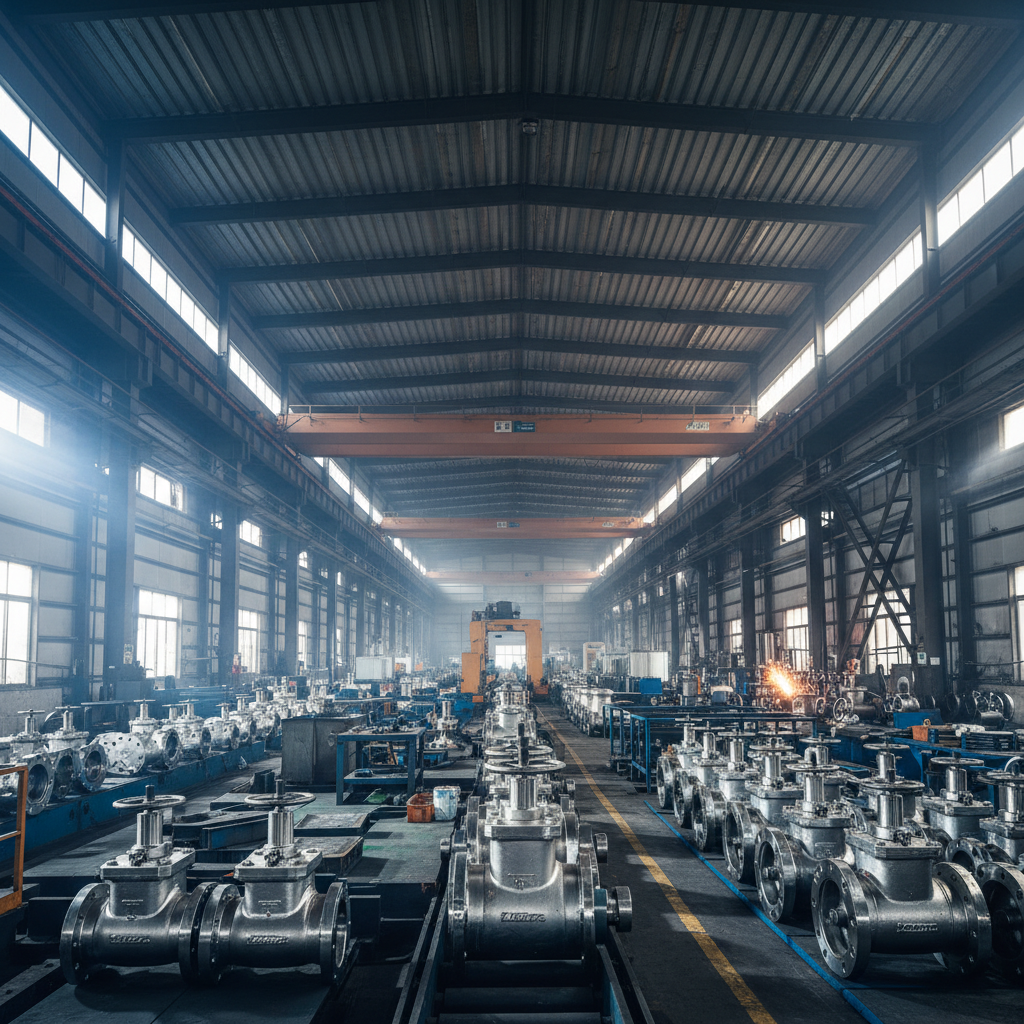
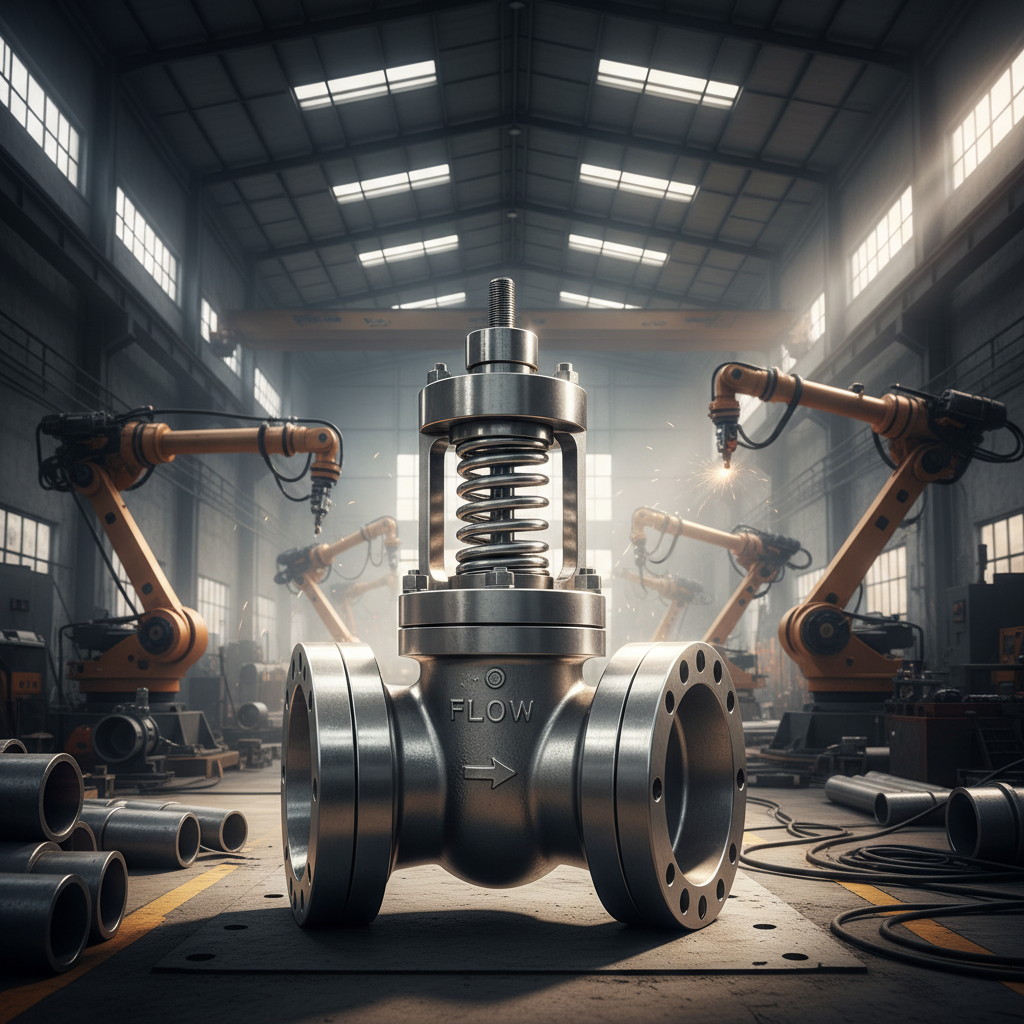
The 3 pieces ball valve stands as a cornerstone of modern fluid control, offering a unique combination of durability and maintainability that is unmatched by traditional two-piece designs. In the complex landscape of industrial piping, the ability to isolate and service a valve without dismantling the entire pipeline is not just a convenience; it is a critical operational requirement for minimizing downtime.
Across global manufacturing sectors, from petrochemical plants to pharmaceutical laboratories, the demand for high-precision flow control has surged. The 3 pieces ball valve addresses the inherent challenges of system wear and tear by allowing the center body to be removed for seat replacement or cleaning, ensuring long-term reliability in the most demanding environments.
Understanding the nuances of this specific valve configuration is essential for engineers and procurement specialists who prioritize safety and cost-efficiency. By integrating a three-piece architecture, industries can achieve a superior balance between leak-proof sealing and ease of installation, ultimately safeguarding both the infrastructure and the personnel operating it.
Global Relevance of the 3 pieces ball valve
On a global scale, the industrial valve market is governed by strict ISO standards to ensure interchangeable parts and safety across borders. The 3 pieces ball valve has gained significant traction because it aligns with these international requirements for modularity. In regions with rapid industrial expansion, such as Southeast Asia and the Middle East, the ability to perform "in-line" maintenance reduces the reliance on expensive, full-system replacements.
Current industry data suggests that maintenance-related downtime accounts for a substantial percentage of operational losses in chemical processing. By implementing a 3 pieces ball valve, companies can transition from reactive maintenance to a more streamlined, preventive approach, significantly lowering the total cost of ownership over the lifecycle of the piping network.
Defining the 3 pieces ball valve Architecture
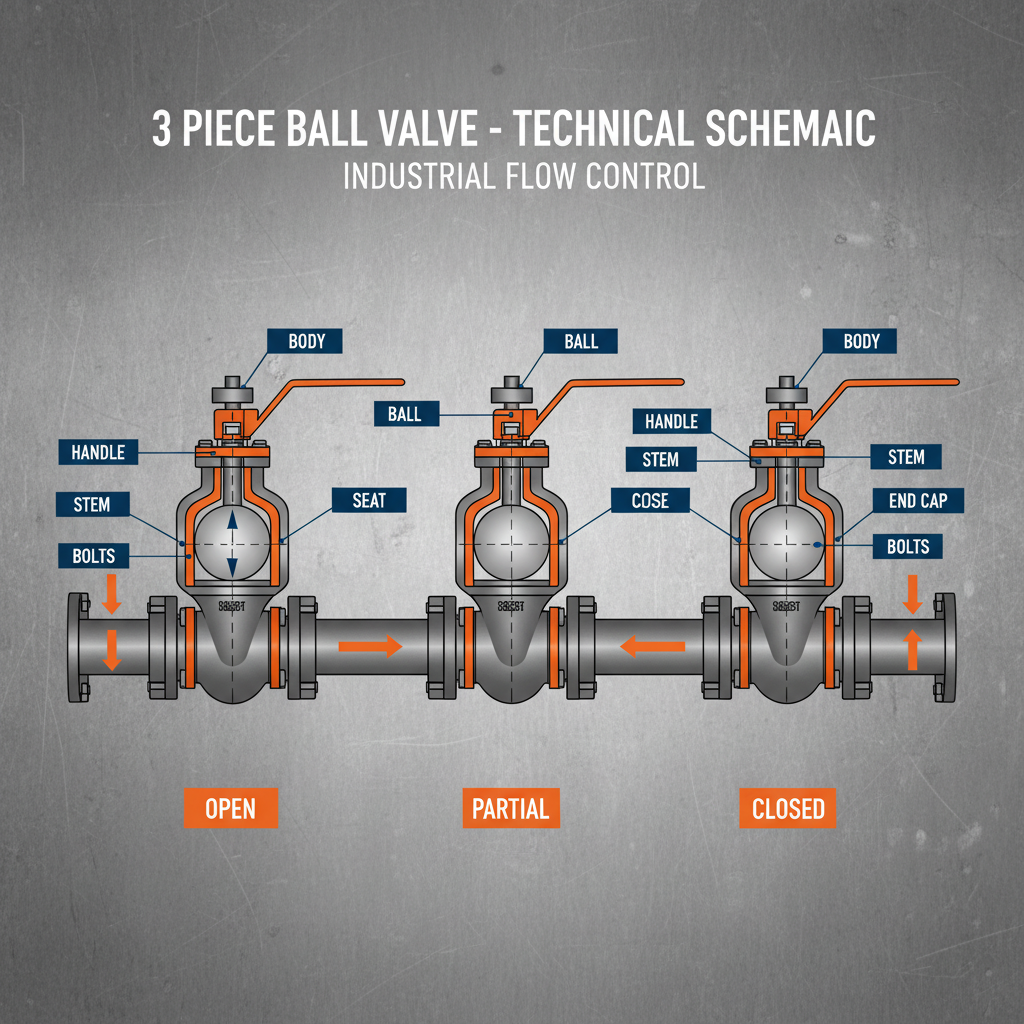
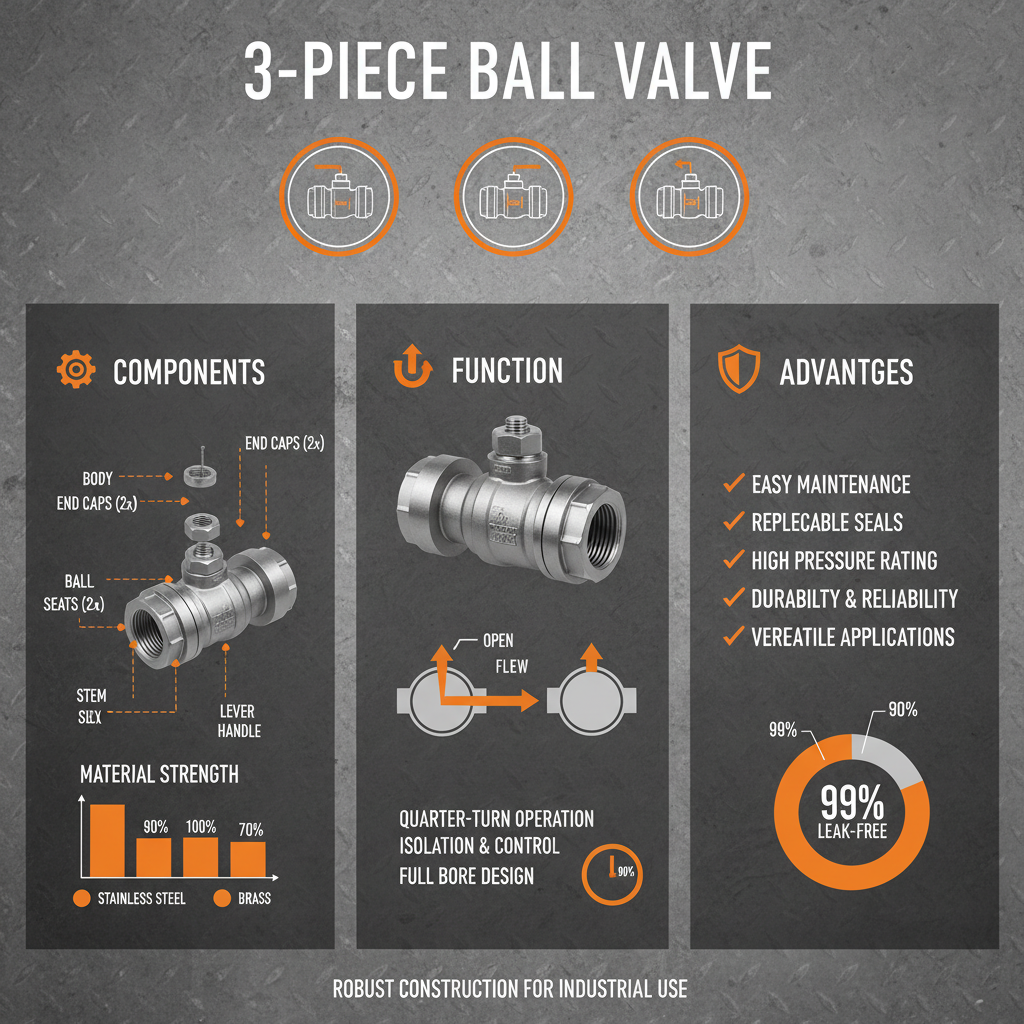
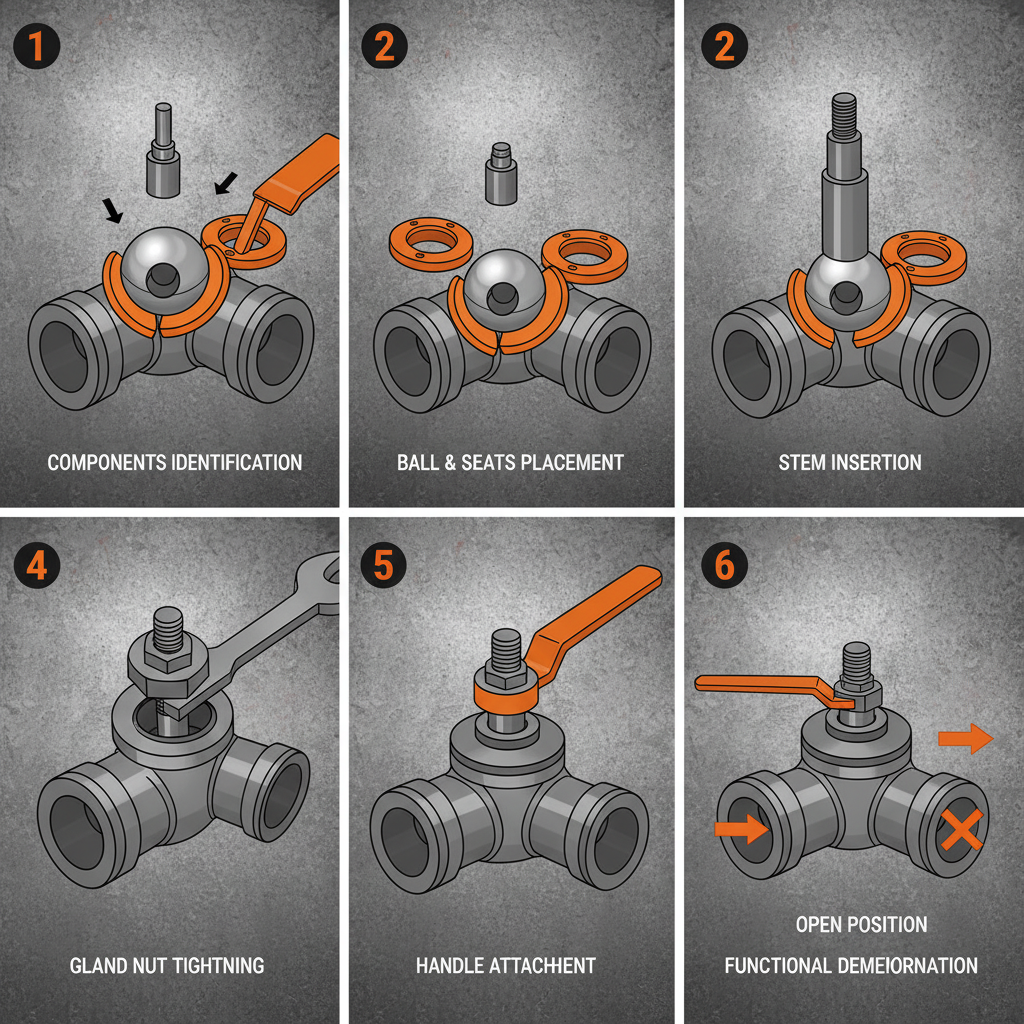
In simple technical terms, a 3 pieces ball valve consists of a center body and two end caps, held together by heavy-duty bolts. Unlike a one-piece or two-piece valve, this design allows the user to remove the end caps or the center section without disturbing the rest of the pipeline. This architectural choice transforms the valve from a static component into a serviceable asset.
This design is deeply connected to the modern need for "Zero-Leakage" systems. In humanitarian contexts, such as providing clean water in remote disaster-relief zones, the reliability of a three-piece structure ensures that critical infrastructure can be repaired quickly using basic tools, preventing the contamination of water supplies through valve failure.
Furthermore, the synergy between the ball, the seats, and the three-part body creates a robust seal that can withstand high pressure and temperature fluctuations. This makes the 3 pieces ball valve an ideal choice for systems transporting corrosive media or volatile gases where a failure could lead to environmental hazards.
Core Components for Maximum Performance
The durability of a 3 pieces ball valve is primarily determined by the material of the center body. Whether forged from stainless steel or carbon steel, the body must maintain structural integrity under extreme cyclic loading. The precision-machined surface of the body ensures that the end caps seal perfectly, preventing fugitive emissions.
Another critical aspect is the seat material. Most high-performance 3 pieces ball valve models utilize PTFE or reinforced RPTFE seats. These materials provide a low-friction surface that allows for smooth actuation while maintaining a bubble-tight seal, even after thousands of open-close cycles.
Lastly, scalability and cost-efficiency are achieved through standardized bolt patterns. Because the end connections are separate pieces, engineers can specify different threading or flanging options for each side of the valve without needing a completely custom center body, significantly reducing lead times for complex project builds.
Practical Applications and Global Use Cases
In the oil and gas sector, the 3 pieces ball valve is frequently deployed in manifolds and gathering systems. Its ability to be disassembled for cleaning is invaluable when dealing with crude oils that may contain particulates or waxes that accumulate over time. In North American shale operations, these valves are standard for their ruggedness and ease of field service.
Beyond heavy industry, these valves play a role in high-purity environments like semiconductor fabrication plants in Taiwan and Korea. Here, the 3 pieces ball valve is used to control ultra-pure water flows, where the ability to disassemble and sterilize the valve interior is mandatory to prevent batch contamination.
Performance Comparison of Ball Valve Designs
Long-Term Value and Operational Advantages
The most tangible benefit of the 3 pieces ball valve is the reduction in long-term operational expenditure (OPEX). While the initial purchase price may be slightly higher than a two-piece alternative, the ability to replace only the seals or the ball—rather than the entire valve body—creates a sustainable maintenance cycle that saves thousands of dollars over a decade.
Beyond the logic of cost, there is an emotional angle of safety and trust. In high-pressure steam lines, a valve that can be reliably serviced and verified without compromising the integrity of the entire system provides peace of mind to operators. This reliability fosters a culture of safety and innovation, allowing plants to run at higher capacities with confidence in their flow control.
Future Trends in Valve Innovation
The future of the 3 pieces ball valve is being shaped by the digital transformation of industry, often referred to as Industry 4.0. We are seeing the integration of smart sensors into the valve body, which can monitor seat wear and leakage in real-time, alerting maintenance teams exactly when a three-piece disassembly is required.
Sustainability is also driving material science innovations. New cobalt-free alloys and bio-based polymers for seats are being developed to reduce the environmental footprint of valve production. These green materials maintain the high-pressure capabilities of the three-piece design while ensuring that the components are more easily recyclable at the end of their service life.
Automation is another key trend. The three-piece architecture is increasingly being paired with advanced pneumatic and electric actuators. This allows for precise remote control in hazardous zones, where the modular nature of the valve simplifies the installation of these complex automation packages.
Overcoming Implementation Challenges
Despite its advantages, a common challenge with the 3 pieces ball valve is the potential for leaks at the body joints if the bolts are not torqued correctly. This is often a result of improper installation rather than a design flaw. To solve this, many manufacturers are now providing precise torque specifications and using guide-studs to ensure perfectly aligned assembly.
Another limitation is the increased weight compared to simpler designs. In aerospace or lightweight mobile applications, this can be a drawback. However, the use of high-strength titanium or specialized aluminum alloys in the center body can mitigate this weight penalty while retaining the modular benefits of the three-piece system.
Expert insights suggest that the best way to maximize the life of these valves is through a structured lubrication program. By utilizing the modular access points of the 3 pieces ball valve, technicians can apply high-temperature lubricants to the ball and seats without shutting down the entire process line.
Comparative Analysis of 3 Pieces Ball Valve Specifications
| Material Grade |
Pressure Rating |
Maintenance Ease |
Lifecycle Value |
| CF8M Stainless Steel |
1000 PSI |
Excellent |
High |
| WCB Carbon Steel |
600 PSI |
Good |
Medium |
| Duplex Steel |
2000 PSI |
Very Good |
Maximum |
| Alloy 20 |
800 PSI |
Excellent |
High |
| Brass/Bronze |
300 PSI |
Moderate |
Low |
| Hastelloy C276 |
1200 PSI |
Excellent |
Premium |
FAQS
The primary advantage is maintainability. A 3 pieces ball valve allows you to remove the center body or end caps for seal replacement and cleaning without having to cut the pipeline or remove the valve entirely from the system. This drastically reduces downtime and labor costs during routine maintenance cycles.
Yes, when manufactured from high-grade materials like forged stainless steel or duplex steel, these valves are exceptionally capable of handling high pressures. The bolted construction ensures a secure seal, provided that the bolts are torqued to the manufacturer's specifications to prevent joint leakage.
Replacement intervals depend on the media being transported and the frequency of operation. For abrasive slurries, seats may need inspection every 6-12 months. For clean water or gas, they can last several years. The modular design makes this inspection quick and non-disruptive.
One of the key strengths of this design is flexibility. Because the end caps are separate components, you can often specify different connection types (e.g., NPT threaded on one side and Flanged on the other) while using the same standard center body, simplifying your inventory.
Yes, they contribute to sustainability by extending the overall equipment life. Instead of scrapping an entire valve when a seat wears out, only the consumable part is replaced. This reduces metal waste and the carbon footprint associated with manufacturing new valve bodies.
The most effective way to prevent leaks is to follow a star-pattern tightening sequence for the bolts and use a calibrated torque wrench. Regularly checking the bolt tension during scheduled maintenance ensures that the seals remain compressed and leak-free throughout the valve's operation.
Conclusion
The 3 pieces ball valve represents a sophisticated marriage of engineering practicality and operational efficiency. By prioritizing modularity, it solves the age-old industrial conflict between the need for a permanent, leak-proof seal and the necessity of periodic maintenance. From its robust material composition to its adaptability in diverse global industries, this valve is an indispensable tool for ensuring system longevity and safety.
As we move toward a future of smarter, greener industrial infrastructure, the role of the three-piece valve will only grow. We recommend that engineers integrate these modular solutions early in the design phase to future-proof their facilities against downtime and escalating maintenance costs. For high-quality flow control solutions, visit our website: www.houdevalve.com