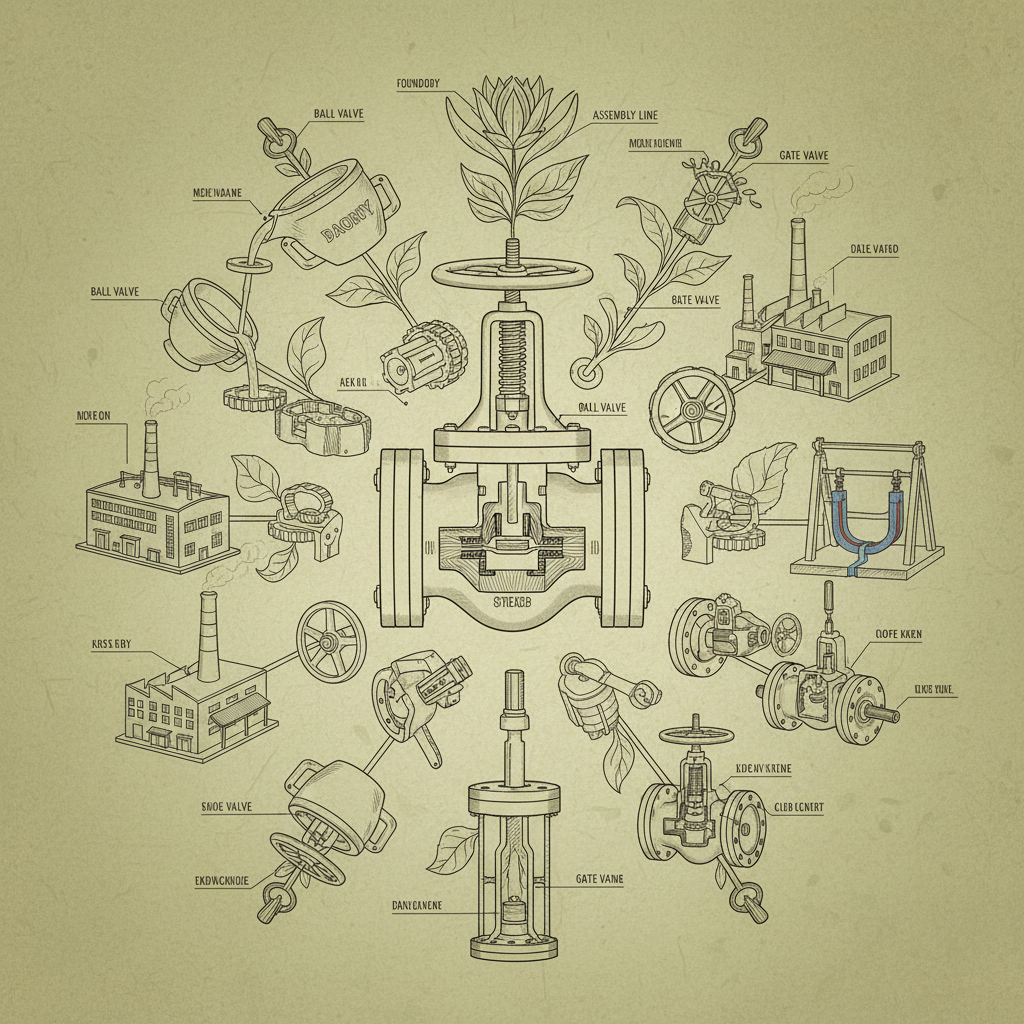
Look, I've spent the last fifteen years knee-deep in concrete dust and grease, watching things get built—everything from pipelines to power plants. And in all that time, one thing consistently stands out: the importance of reliable flow control. It's not glamorous, but a failing check valve can bring a multi-million dollar project to a screeching halt. That’s where the spring check valve comes in. It's the unsung hero, quietly ensuring things move in the right direction, preventing costly backflow, and keeping projects on schedule. Understanding these valves isn’t just about the mechanics; it’s about understanding how to build things right.
The demand for efficient and dependable fluid systems is exploding globally. According to a recent report by the World Bank, investment in infrastructure is projected to reach $6.3 trillion by 2030, with a significant portion dedicated to water management, energy transmission, and industrial processing. All of these rely on robust components. And let’s be real, failures aren't just about money; they can jeopardize safety and environmental integrity. I’ve seen firsthand the devastation caused by backflow contamination, and it's something nobody wants to deal with. The need for effective, reliable spring check valve solutions is only going to intensify.
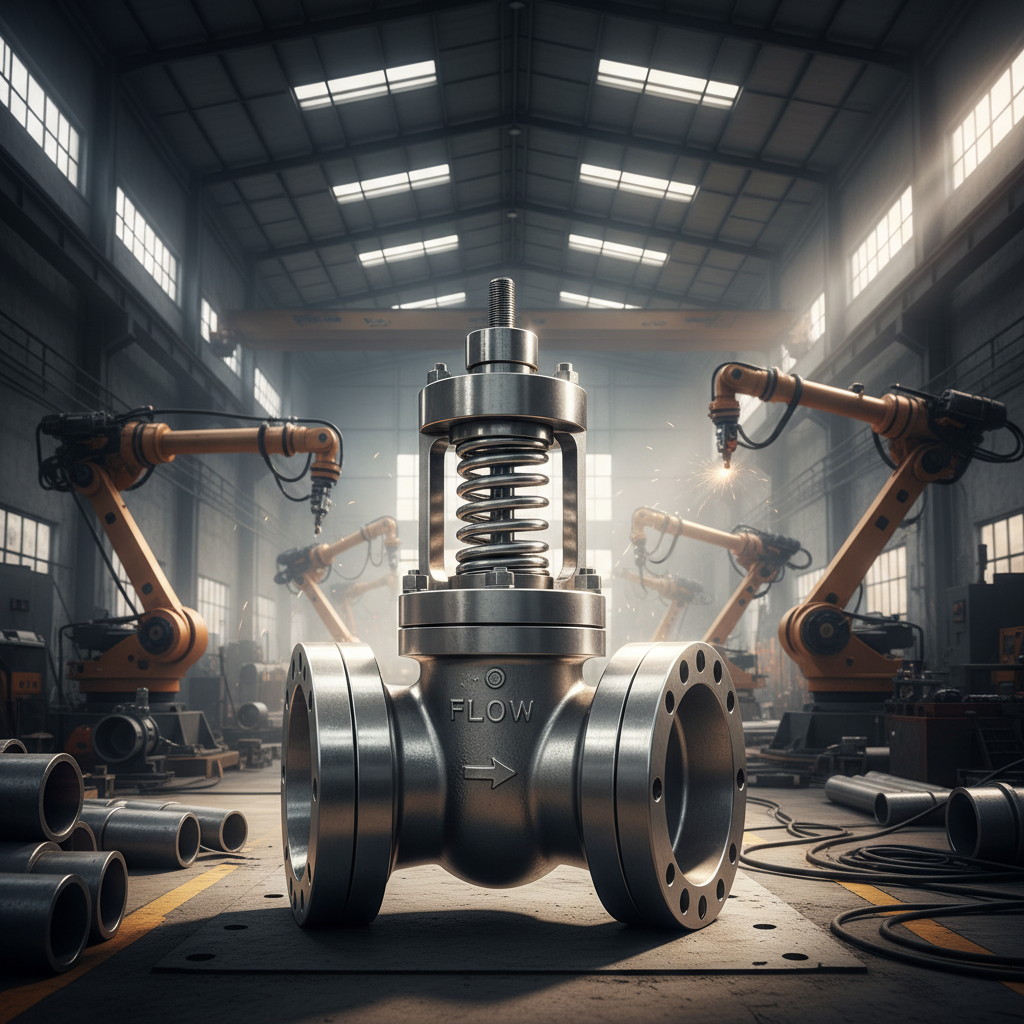
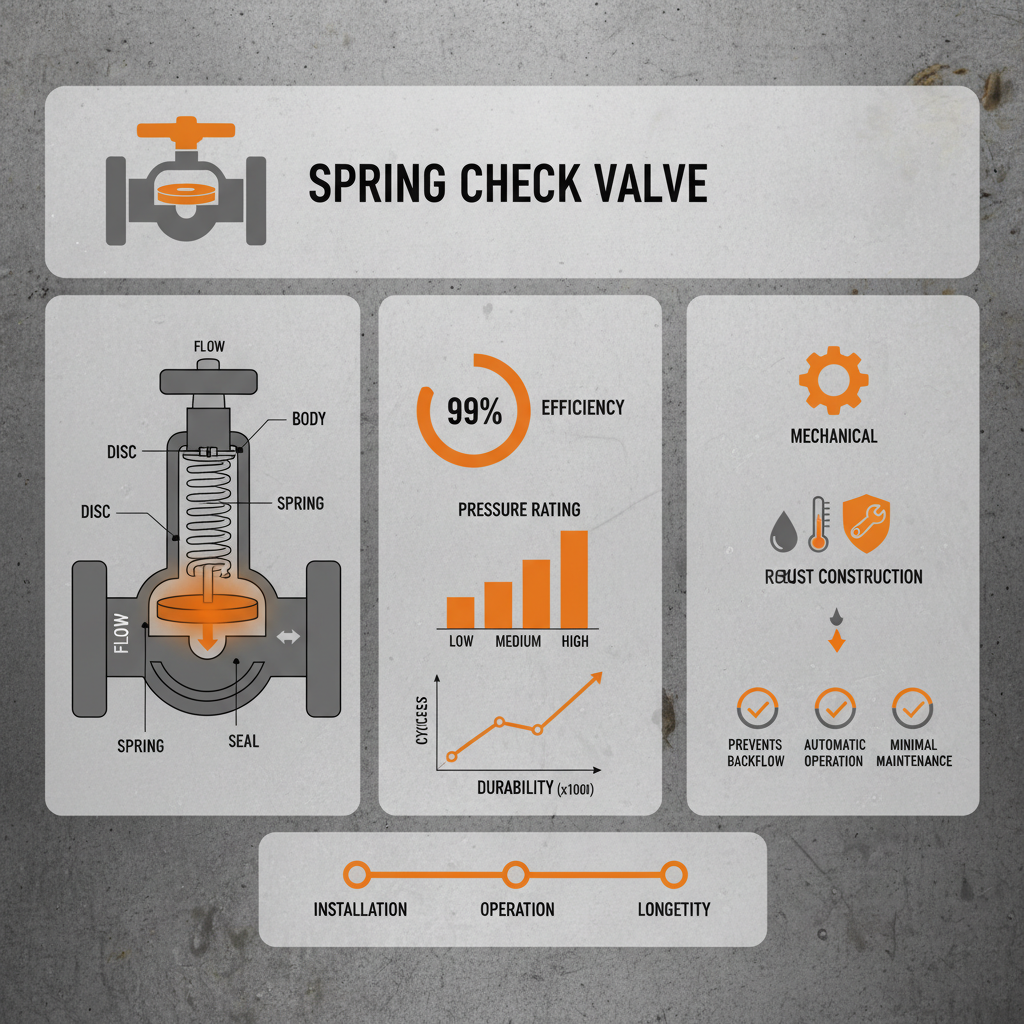
At its core, a spring check valve is a simple concept, but deceptively effective. It’s a valve designed to allow fluid to flow in only one direction, using a spring-loaded disc or poppet. When forward flow occurs, it opens; when flow attempts to reverse, the spring pushes the disc shut, preventing backflow. It's a fundamental element in protecting pumps, compressors, and entire systems from damage and contamination. It’s not the sexiest piece of equipment, but it’s absolutely vital, much like a good pair of work boots.
Key Factors or Core Components
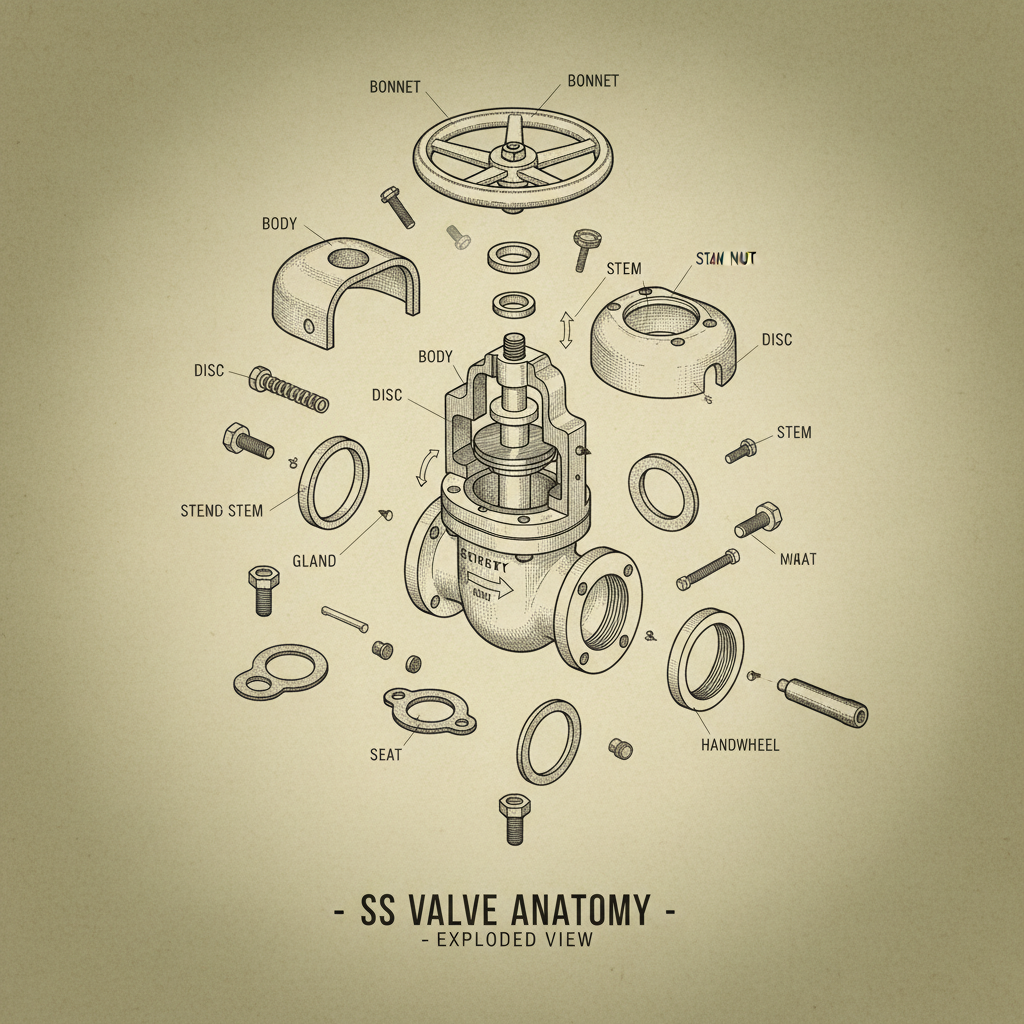
First, material compatibility is huge. You can't just throw any valve into any system. Corrosion resistance is critical, especially in harsh environments. We're talking about everything from stainless steel for potable water to specialized alloys for aggressive chemicals. Then there’s spring force. Too weak, and you get leakage; too strong, and you risk sticking. Finding that sweet spot is where the engineering expertise comes in. Another key is seal integrity. The disc or poppet needs to create a tight seal every single time. Finally, pressure rating dictates where the valve can be used. A low-pressure valve won’t cut it on a high-volume pumping system, and vice-versa. These aren’t just specs on a datasheet; they directly impact the lifespan and reliability of the entire operation.
I’ve seen projects delayed for weeks because the wrong materials were used in a spring check valve – leading to premature failure and costly repairs. It’s a lesson learned the hard way, and it underscores why understanding these core components is so vital.
Global Applications & Use Cases
These valves are everywhere. From municipal water treatment plants to oil and gas pipelines, from chemical processing facilities to the cooling systems in power plants – they’re a foundational component. In Europe, stricter environmental regulations are driving demand for check valves that minimize leakage and prevent pollution. In the Middle East, they’re essential for managing the flow of desalinated water. And right here in North America, we rely on them in everything from agriculture to manufacturing.
I was working on a project in Southeast Asia recently, and we were using spring check valves to protect pumps in a remote irrigation system. The reliability of those valves was crucial; there was no easy access for maintenance or repairs. They needed to just work. And in post-disaster relief operations, having a readily available supply of these valves can be critical for restoring clean water supplies quickly.
You also find them in specialized applications like medical gas systems, where preventing backflow of potentially dangerous gases is paramount. It’s a wide range, and the specific requirements vary dramatically, but the underlying principle remains the same: ensure unidirectional flow and protect the system.
Definition & Meaning
Let's cut through the jargon. A spring check valve is, simply put, a one-way street for fluids. It’s a mechanical device that automatically opens to allow flow in one direction and immediately closes to prevent backflow. It doesn’t require any external control; the fluid pressure itself does the work. It's a passive device, but its impact is anything but.
Now, why does this matter? Well, think about a pump. If the pump shuts down unexpectedly, fluid can flow back through it, potentially causing damage. A check valve prevents that from happening. It's like a safety net for your fluid system. It's also crucial for maintaining system efficiency and preventing contamination. Without it, you’re rolling the dice.
This concept isn’t new; simple check valves have been around for centuries. But the modern spring check valve, with its precise spring mechanisms and durable materials, represents a significant advancement. It’s a testament to how even seemingly simple devices can have a profound impact on modern infrastructure and industrial processes.
Advantages & Long-Term Value
Look, cheaping out on a check valve is a false economy. A quality valve, properly specified and installed, will save you headaches – and money – in the long run. Firstly, they minimize downtime. No one wants to shut down a process to replace a failed valve. Secondly, they protect expensive equipment like pumps and compressors, extending their lifespan. And finally, they ensure system integrity, preventing contamination and maintaining product quality.
From a sustainability standpoint, reducing leaks and preventing backflow also minimizes waste and conserves resources. It’s a small contribution, but it adds up. And let's be honest, there's peace of mind that comes with knowing your system is protected. That's a value you can't put a price on.
Spring Check Valve Performance Metrics
Future Trends & Innovations
We’re seeing a move towards smart check valves equipped with sensors that monitor performance and provide real-time data. This allows for predictive maintenance, identifying potential failures before they occur. We’re also seeing advancements in materials science, leading to valves that are even more corrosion-resistant and durable.
Digital integration is a big one. Connecting these valves to building management systems allows for remote monitoring and control, improving overall system efficiency. And, of course, there’s a growing focus on sustainable materials and manufacturing processes. The industry is moving towards a more circular economy, reducing waste and minimizing environmental impact.
Challenges & Solutions
One of the biggest challenges is dealing with fluids containing solids. Those solids can build up and interfere with the valve’s operation. The solution? Careful valve selection – opting for designs that are less prone to clogging – and implementing proper filtration systems upstream. Another issue is cavitation, which can damage the valve’s internal components. The fix is to ensure proper system design and avoid excessive pressure drops.
We're also seeing more demand for valves that can handle higher temperatures and pressures. That requires advancements in materials science and manufacturing techniques. And, frankly, one of the biggest challenges is simply educating people on the importance of proper valve selection and maintenance. It's not just about buying the cheapest valve; it's about investing in a reliable solution that will protect your system for years to come.
Challenges & Solutions
Let's be realistic. I've spent my career fixing what others cut corners on. One of the most common issues? Improper installation. A valve that's not correctly aligned or supported is just asking for trouble. Proper training for installation teams is critical. Another persistent problem is choosing the wrong valve for the application. You wouldn’t use a lightweight valve in a high-pressure system, and vice versa.
We also see issues with inadequate maintenance. Valves need to be inspected and cleaned regularly to ensure they’re operating properly. A proactive maintenance schedule can prevent costly failures down the line. And finally, the industry needs to embrace more standardized testing and certification procedures. That would give engineers and specifiers more confidence in the quality and reliability of the valves they’re selecting.
The future is about integrated solutions, predictive maintenance, and smarter valve designs. It's a continuous process of improvement, driven by the needs of the field.
Summary of Spring Check Valve Performance Across Key Metrics
| Valve Material |
Operating Temperature Range (°C) |
Leakage Rate (ml/min) |
Service Life (Years) |
| Stainless Steel 316 |
-20 to 150 |
0.1 |
15 |
| Brass |
0 to 100 |
0.2 |
10 |
| PVC |
5 to 60 |
0.3 |
8 |
| Carbon Steel |
-40 to 200 |
0.15 |
12 |
| Hastelloy C-276 |
-60 to 180 |
0.05 |
20 |
| Polypropylene |
-10 to 80 |
0.4 |
6 |
FAQS
Great question. A swing check valve relies on gravity and flow to close, making it less responsive to flow reversals. A spring check valve, however, uses a spring to actively push the disc closed, offering quicker response times and better sealing, particularly in pulsating flow scenarios. It's the difference between passively letting something happen and actively making it happen.
You need to consider several factors: the fluid type, temperature, pressure, and flow rate. Also, material compatibility is huge. Don’t use a brass valve with corrosive chemicals! Check the valve’s pressure rating to ensure it can handle your system's maximum pressure. And finally, consider the size of the valve and its connection type to ensure it fits your piping system. When in doubt, consult a valve specialist – it'll save you headaches later.
Several things can cause sticking. Debris or foreign particles can get lodged under the disc, preventing it from closing properly. Corroded springs can lose their tension, also leading to sticking. And in some cases, improper installation can cause misalignment, hindering the valve’s operation. Regular inspection and maintenance are key to preventing these issues.
It depends on the application, but generally, you should inspect them at least annually, or more frequently in harsh environments. Look for signs of corrosion, leakage, or damage. Also, check the spring tension to ensure it's still within specifications. A little preventative maintenance can go a long way.
Sometimes repairs are possible, like replacing the spring or cleaning the disc. However, in many cases, especially with significant corrosion or damage, it's more cost-effective and reliable to simply replace the valve. Trying to repair a severely damaged valve can lead to further problems down the line.
For saltwater environments, you absolutely need a corrosion-resistant material. Stainless steel 316 is a good choice, but for more aggressive saltwater conditions, you might consider duplex stainless steel or specialized alloys like Hastelloy. Avoid materials like carbon steel, which will corrode quickly in saltwater.
Conclusion
Ultimately, the spring check valve is more than just a component; it's a safeguard for your entire fluid system. It’s a critical element in ensuring reliability, preventing costly downtime, and protecting your investment. Understanding its core principles, selecting the right valve for your application, and implementing a proactive maintenance plan are all essential for long-term success.
Don’t underestimate the power of these unassuming devices. They're the workhorses of modern infrastructure, quietly doing their job and keeping things flowing. Investing in quality spring check valves isn't just about compliance or cost savings; it’s about building things to last. For reliable solutions and expert advice, visit our website at www.houdevalve.com.