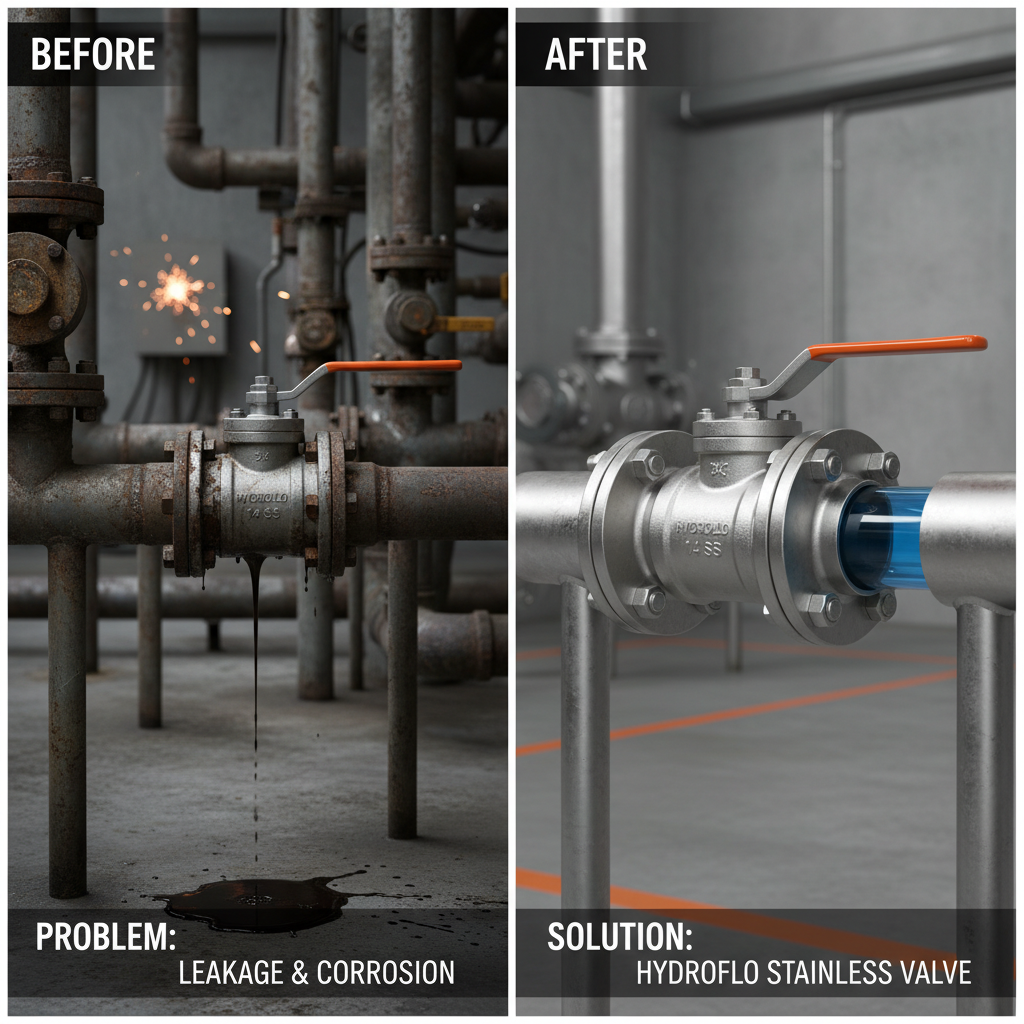
Procuring industrial flow control components often leads to a critical question regarding the 4 inch ss ball valve price and how it correlates with long-term operational reliability. In high-pressure environments such as petroleum and chemical processing, the cost of a valve is not merely a purchase price but a calculation of lifecycle value and risk mitigation.
Stainless steel (SS) ball valves, particularly in the 4-inch specification, serve as primary isolation points in heavy-duty piping. Understanding the variables that drive pricing—from material grades like CF8M to casting precision—allows engineers and procurement officers to avoid the pitfalls of under-specifying equipment to save on initial capital expenditure.
This analysis explores the economic and technical drivers of stainless steel valve pricing, providing a framework for evaluating suppliers based on manufacturing capabilities and material integrity to ensure total cost of ownership is minimized.

Decoding the Price Drivers for 4 Inch Stainless Steel Valves

When analyzing the 4 inch ss ball valve price, it is essential to recognize that the "market price" is a volatile range influenced by the global cost of nickel and chromium. For a 4-inch bore valve, the volume of material is significant, meaning small fluctuations in raw stainless steel prices result in substantial shifts in the final quote.
Beyond raw materials, the manufacturing method plays a pivotal role. Valves produced through standard sand casting typically offer a lower entry price but may lack the tight tolerances required for high-pressure seals. In contrast, precision casting using the silicon sol lost wax process ensures a superior surface finish and dimensional accuracy, which reduces the need for extensive secondary machining.
Furthermore, the grade of stainless steel—such as 304, 316, or 316L—directly affects the pricing. While 304 is suitable for general corrosion resistance, 316L is mandatory for marine or highly acidic environments due to its molybdenum content, commanding a premium price for its enhanced pitting resistance.
Technical Specifications That Impact Material Investment
The pricing of a stainless steel ball valve is heavily tied to its pressure rating and sealing technology. A Class 150 valve will naturally cost less than a Class 300 or Class 600 counterpart because the wall thickness of the body must be significantly increased to withstand higher internal pressures, increasing both material weight and machining time.
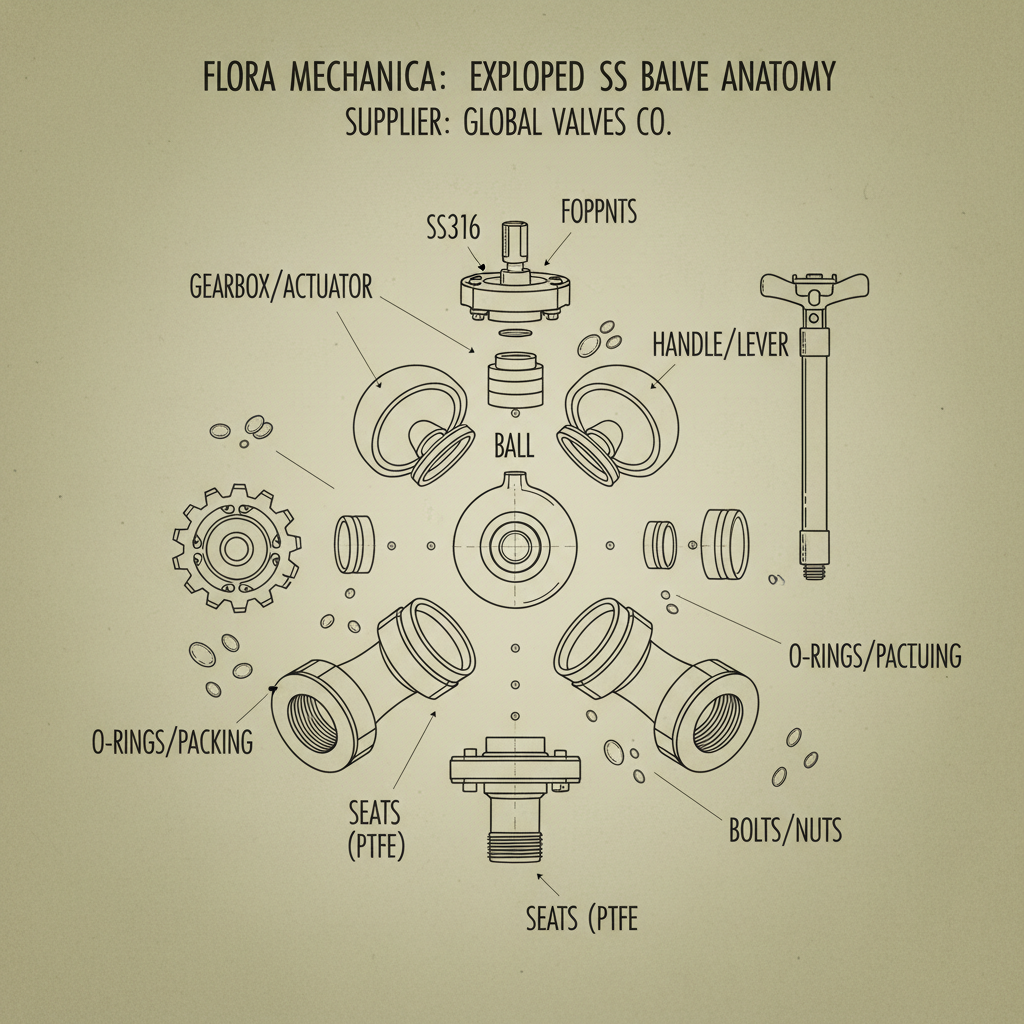
Sealing materials also create a price variance. PTFE (Teflon) seats are standard for many applications, but for extreme temperatures, engineers may specify reinforced PTFE or metal-to-metal seats. Metal seating increases the 4 inch ss ball valve price due to the extreme precision required in the grinding and lapping process to ensure a bubble-tight shut-off.
Finally, the connection type—whether flanged, threaded, or socket-welded—adds to the cost. Flanged 4-inch valves are the most common in industrial settings for ease of maintenance, but the additional material for the flanges and the precision of the drilling patterns add to the overall cost compared to threaded versions.
Critical Application Scenarios in Industrial Piping Systems
In the petroleum and chemical sectors, a 4-inch stainless steel ball valve is often utilized for main line isolation. The ability to provide a quick, 90-degree turn for full shut-off makes it indispensable for emergency isolation and process redirection where reaction time is critical for safety.
Water treatment and HVAC systems also rely on these valves, although the requirements may shift toward 304 stainless steel to balance cost and corrosion resistance. In these scenarios, the focus is often on low torque operation and long-term durability against mineralization and scale buildup within the pipe.
Food and beverage processing represents a more stringent application. Here, valves must be polished to prevent bacterial growth and must utilize food-grade lubricants. The increased requirement for surface smoothness (Ra value) and hygiene certification typically elevates the cost compared to standard industrial-grade valves.
Comparing Lifecycle Costs Against Initial Purchase Price
Many procurement teams make the mistake of focusing solely on the initial 4 inch ss ball valve price. However, the "Total Cost of Ownership" (TCO) includes installation, maintenance, and the catastrophic cost of unplanned downtime due to valve failure.
A lower-cost valve with inferior casting may suffer from internal porosity, leading to seepage over time. When the cost of a single hour of plant downtime exceeds the price difference between a budget valve and a precision-cast valve, the premium option becomes the economically rational choice.
4 inch ss ball valve price Performance Metrics
The data suggests that while precision-engineered valves have a higher upfront cost, they significantly outperform standard valves in terms of seal longevity and resistance to wear, resulting in a lower cost per year of service.
Procurement Strategies for High-Performance Valve Sourcing
When evaluating quotes for 4-inch stainless steel valves, it is critical to look beyond the bottom line. A comprehensive supplier audit should include an examination of their casting process and quality control instrumentation, such as the use of spectrographs and hardness testers to verify material chemistry.
Procurement officers should request Mill Test Reports (MTRs) to ensure the stainless steel grade matches the specification. Verifying that the manufacturer follows standards such as ASTM, ANSI, or DIN ensures that the valve will be interchangeable with other components in the pipeline and meet safety codes.
Additionally, consider the after-sales support. A supplier that offers technical training and a clear warranty period for quality-related defects provides an invisible layer of insurance that offsets the initial investment cost.
Evolution of Precision Casting in Valve Manufacturing
The shift toward silicon sol lost wax precision casting has revolutionized the economics of stainless steel valves. By creating a more accurate mold, manufacturers can produce bodies with thinner but stronger walls and smoother internal bores, which reduces fluid turbulence and erosion.
This technological advancement allows for the creation of deep and complex cavities that were previously impossible or too expensive to machine. As these processes become more integrated with CNC machining centers, the lead time for custom valve specifications is likely to decrease.
Future trends indicate a move toward smarter valve integration, where the physical body remains high-grade stainless steel, but the actuation is coupled with digital monitoring systems to predict seal failure before it occurs, further improving the ROI of the hardware.
Comparative Analysis of Stainless Steel Valve Configurations
Choosing the right configuration requires a trade-off analysis between cost, performance, and the specific demands of the medium being transported. Not every application requires the most expensive 316L precision-cast valve.
The following table provides a decision matrix for different 4-inch stainless steel valve types based on common industrial operating conditions.
| Valve Configuration | Primary Material | Best Use Case | Cost Impact Factor |
|---|---|---|---|
| Standard Flanged | SS304 | General Utility Water | Base Market Pricing |
| Precision Cast | SS316 | Chemical Processing | Higher Casting Premium |
| High Pressure Class | SS316L | Petroleum Midstream | Wall Thickness Increase |
| Food Grade Polished | SS316L | Dairy/Pharmaceutical | Surface Finish Cost |
| Metal Seated | SS316/Stellite | Extreme Temp Steam | Lapping Process Cost |
| Threaded Compact | SS304 | Small Scale Industrial | Lower Material Volume |
By aligning the valve specification with the actual chemical and pressure requirements of the system, operators can optimize their budget without compromising the integrity of the pipeline.
Frequently Asked Questions
Conclusion
Evaluating the 4 inch ss ball valve price requires a shift in perspective from initial acquisition cost to total lifecycle value. By prioritizing precision casting and verified material grades, industrial operators can significantly reduce the frequency of maintenance and the risk of costly system failures.
For those seeking high-reliability flow control solutions, analyzing the intersection of material science and manufacturing precision is key. Readers evaluating these specifications can review the relevant product and company information available through www.houdevalve.com.