Determining the 80mm ball valve price involves analyzing several critical factors, from the grade of stainless steel used to the specific pressure ratings required for industrial applications. For procurement managers, understanding the balance between initial expenditure and long-term operational reliability is essential to avoid costly system failures in high-pressure environments.
In the broader context of valve and pipe manufacturing, the 80mm (DN80) size represents a common midpoint for industrial flow control, often used in chemical processing, water treatment, and petroleum sectors. The challenge for many enterprises is identifying a supplier that provides precision-engineered components without inflating costs through unnecessary brand premiums.
This analysis provides a comprehensive guide to evaluating the cost-to-performance ratio of 80mm stainless steel ball valves. We will examine technical specifications, the impact of three-piece designs on maintenance costs, and how to select the right material grade to maximize the return on investment for your piping infrastructure.

1Understanding the 80mm Ball Valve Standard

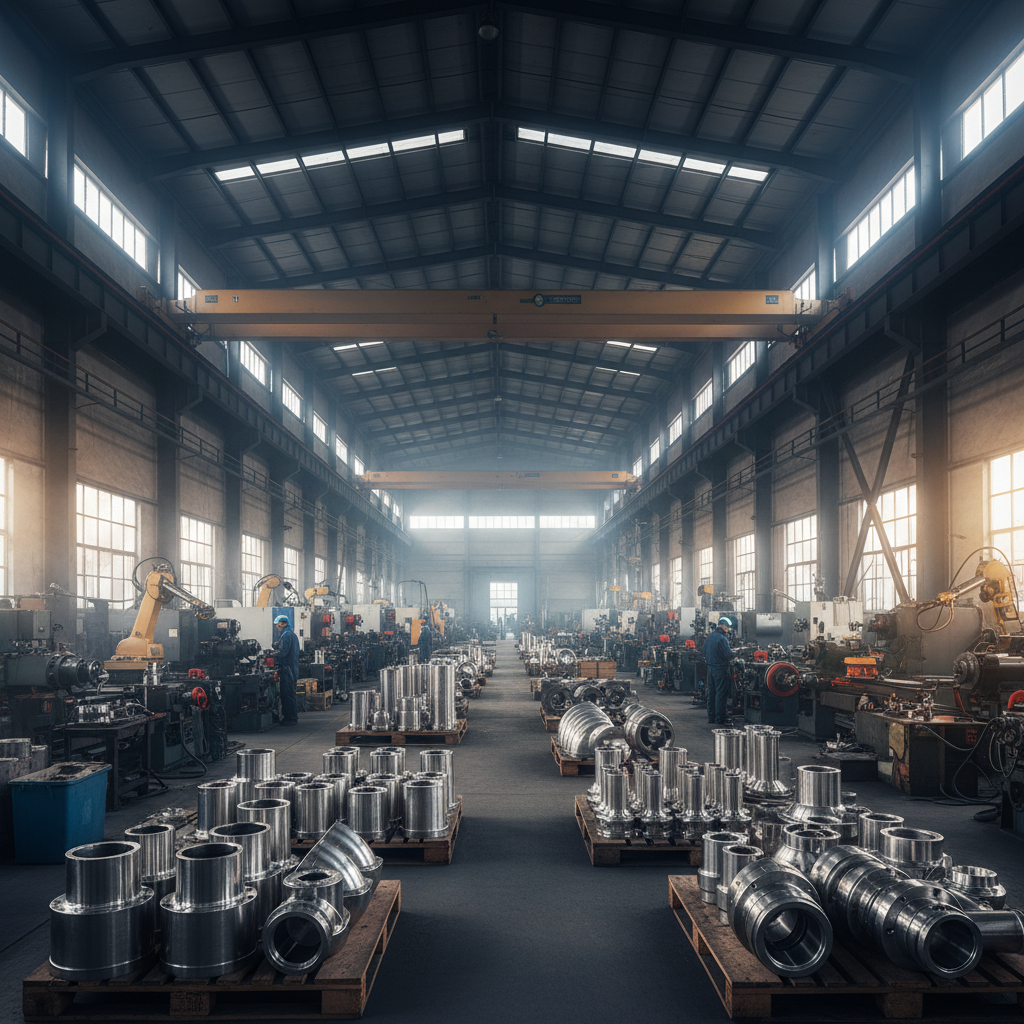
An 80mm ball valve is a critical flow control component designed to provide bubble-tight shut-off in pipelines. In industrial terms, this usually refers to a DN80 nominal diameter. The price of these valves is heavily influenced by the manufacturing process—such as the silicon sol lost wax precision casting used by specialists like Cangzhou Houde Stainless Steel Products—which ensures dimensional accuracy and reduces material waste.
When evaluating prices, it is important to distinguish between standard cast bodies and precision-machined stainless steel. The latter, typically in SS304 or SS316, offers significantly higher corrosion resistance, making them indispensable for saltwater or acidic chemical environments.
Moreover, the standard of the valve (GB, ASTM, ANSI, DIN, or JIS) dictates the flange dimensions and pressure ratings, which can create price variances across different regional markets. Ensuring the valve meets the specific international standard of your project is the first step in accurate budgeting.
2Core Technical Features Driving Value
The value of a high-performance ball valve is found in its engineering details. A full-port bore design is a key feature, as it minimizes pressure drop across the system, thereby reducing the energy load on pumps and increasing overall efficiency. This is a critical factor when calculating the total cost of ownership beyond the initial purchase price.
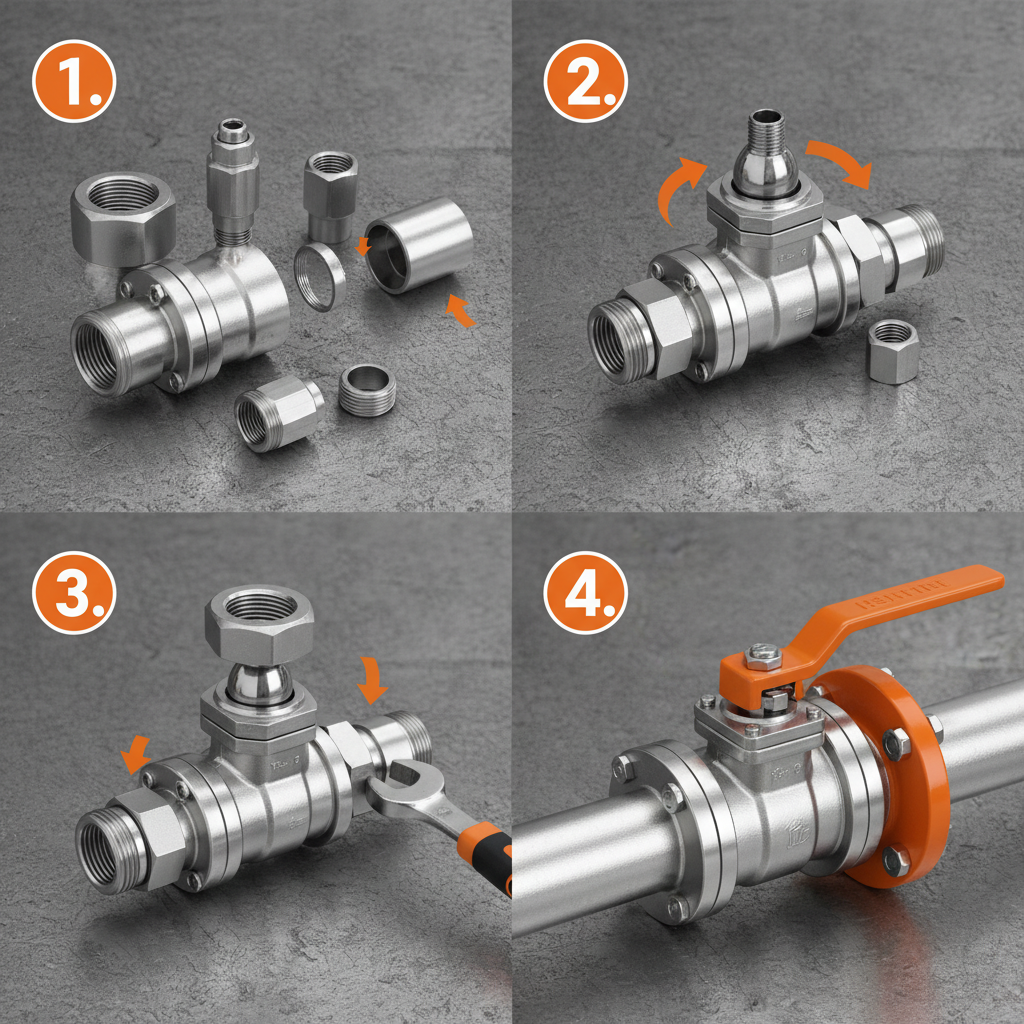
The three-piece design is another significant value driver. Unlike one-piece or two-piece valves, a three-piece construction allows for the valve to be disassembled for cleaning or seat replacement without removing the entire unit from the pipeline. This drastically reduces downtime during maintenance cycles.
Additionally, a blowout-proof stem and anti-static design ensure safety in high-pressure environments. For companies operating in the petroleum or chemical sectors, these safety features are non-negotiable and justify a higher price point compared to basic commercial-grade valves.
3Industrial Application Scenarios
80mm ball valves are deployed across a wide spectrum of industries. In chemical processing, they manage the flow of corrosive reagents where SS316L is required to prevent pitting. In the food and beverage industry, the focus shifts to sanitary standards and the ability to withstand frequent CIP (Clean-in-Place) cycles using caustic agents.
Water treatment plants utilize these valves for bulk fluid movement, where reliability and zero leakage are the primary goals. The ability of a valve to operate bi-directionally provides installation flexibility, allowing engineers to optimize piping layouts without needing additional check valves in certain configurations.
In the petroleum and gas sector, these valves often handle steam or hydrocarbons. Here, the temperature range—often extending from -20°C to 200°C—becomes the deciding factor. The choice of seal material must be meticulously matched to the medium's temperature to avoid seal failure.
4Performance Analysis and Metrics
Quantifying the performance of an 80mm ball valve requires looking at pressure ratings (such as PN16 or PN40) and flow coefficients. A higher pressure rating typically increases the wall thickness of the valve body, which in turn increases the material cost and the final price of the unit.
The efficiency of the shut-off mechanism is measured by its "bubble-tight" capability. A high-quality valve should exhibit zero leakage under rated pressure, ensuring system safety and preventing environmental contamination, which is especially critical in pharmaceutical and chemical plants.
80mm ball valve price Performance Metrics
When comparing a precision-cast valve to a standard casting, the difference in surface finish and internal smoothness leads to less turbulence. This reduction in turbulence not only improves flow rates but also decreases the rate of internal erosion, effectively extending the time between replacement intervals.
5Procurement and Selection Criteria
Procuring the right 80mm ball valve requires a checklist that goes beyond the price tag. Buyers must verify the material certificates (Mill Test Reports) to ensure that the stainless steel grade matches the requirements. For example, WCB is suitable for general service, while SS316L is necessary for low-carbon requirements to prevent sensitization during welding.
The reputation of the manufacturer's quality management system is another key metric. A supplier with a complete production line—from mold design to surface treatment—can offer better quality control and customization options for deep or complex cavity requirements.
Furthermore, consider the after-sales support. A warranty period (typically 12 months) and the availability of replacement parts for the three-piece design can significantly lower the risk of long-term operational failure, making a slightly more expensive valve a more economical choice over five years.
6Maintenance and Operational Life Cycle
The operational life of a ball valve is determined by the wear on the seats and the stem seal. In applications with abrasive media, the PTFE seats will eventually degrade. The three-piece design allows these components to be replaced without cutting the pipe, which is a massive cost saving in terms of labor and materials.
Regular lubrication of the stem and inspection for external corrosion are essential maintenance tasks. For valves operating in extreme temperatures, thermal expansion can affect the torque required to operate the handle, necessitating the use of pneumatic or actuated operators for consistent performance.
Predictive maintenance involves monitoring the torque required to turn the valve. An increase in torque often signals seat wear or debris buildup, allowing operators to schedule maintenance during planned shutdowns rather than reacting to an emergency failure.
7Comparative Cost Analysis
When comparing different 80mm ball valve options, it is helpful to look at the trade-offs between material, design, and expected lifespan. A cheap, single-piece cast valve may save money upfront but will require a full pipeline section replacement when the seal fails.
A precision-cast three-piece valve from a specialized manufacturer offers higher reliability and easier maintenance. While the initial 80mm ball valve price is higher, the reduction in downtime and the longevity of the SS316 material provide a better ROI for industrial-scale operations.
| Valve Type | Material Grade | Maintenance Ease | Best Use Case |
|---|---|---|---|
| Standard Cast | SS304 | Low | General Water/Low Pressure |
| Precision Cast | SS316 | High | Chemical Processing |
| Three-Piece Design | SS316L | Very High | High-Cycle Industrial |
| High-Pressure Spec | WCB/SS316 | Medium | Oil & Gas Pipelines |
| Custom Actuated | SS316 | Medium | Automated Systems |
| Budget Grade | Carbon Steel | Low | Non-Corrosive Fluid |
Ultimately, the choice should be guided by the medium being transported and the cost of system downtime. Investing in a higher-specification valve for critical points in the process is almost always more cost-effective than opting for the lowest price available.
Frequently Asked Questions
Conclusion
Selecting a valve based solely on the 80mm ball valve price is a risky strategy that often leads to higher long-term costs through frequent failures and expensive downtime. The true value of a valve is found in the synergy between material grade, precision manufacturing, and a design that facilitates easy maintenance, such as the three-piece stainless steel configuration.
For engineers and procurement teams seeking a balance of performance and cost, we recommend prioritizing precision-cast components that meet international standards. Those evaluating high-durability solutions for their industrial systems can find detailed technical specifications and product configurations at www.houdevalve.com.