When calculating the total cost of fluid control systems, the 25mm ball valve price is a critical variable that impacts both initial capital expenditure and long-term operational budgets. In the specialized field of valve and pipe fittings manufacturing, this specific size—approximately 1 inch—is one of the most widely deployed across chemical, petroleum, and food processing industries due to its versatility in medium-scale flow regulation.
Procurement managers often struggle with the wide price variance seen in the market, which typically stems from differences in metallurgy, sealing materials, and manufacturing precision. Understanding the drivers behind these costs allows engineers to avoid over-specifying components while ensuring that the selected valve can withstand the specific pressure and temperature rigors of their application.
This analysis provides a detailed breakdown of the factors influencing cost, a comparison of material-driven price points, and a strategic framework for selecting a 25mm ball valve that balances performance requirements with budget constraints.

Material Grade and Cost Correlation

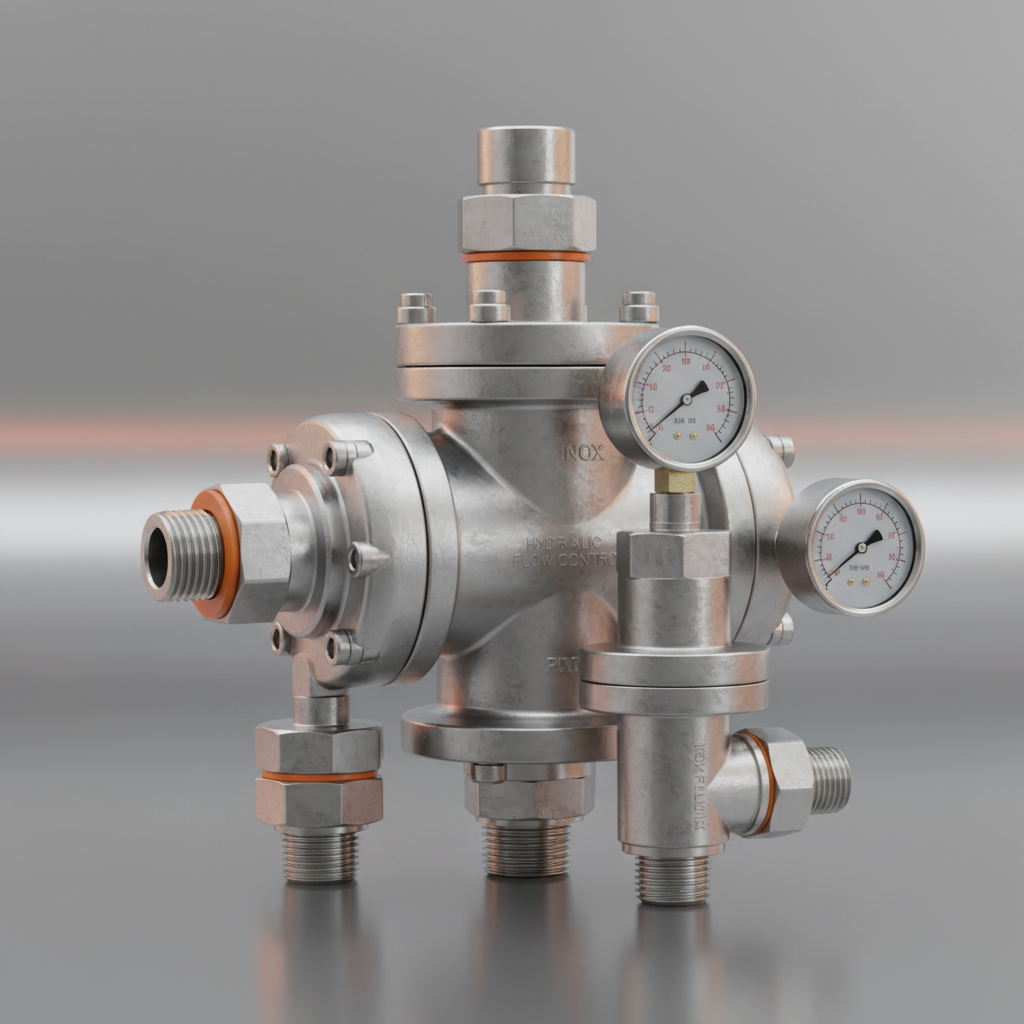
The primary driver of the 25mm ball valve price is the metallurgy of the valve body. Stainless steel options, such as SS304 and SS316, are standard for corrosive environments. SS316, containing molybdenum, offers superior resistance to chlorides and marine environments, which typically commands a price premium over SS304. For non-corrosive, high-pressure applications, WCB (cast carbon steel) may be used, altering the cost profile based on the current market price of raw steel.
Beyond the body, the sealing components—primarily PTFE (Polytetrafluoroethylene) or reinforced metal seals—contribute to the final cost. PTFE is cost-effective and provides excellent chemical resistance, while specialized hard seals are required for extreme temperatures or high-cycle applications, increasing the overall price point.
Structural Design and Pricing Impact
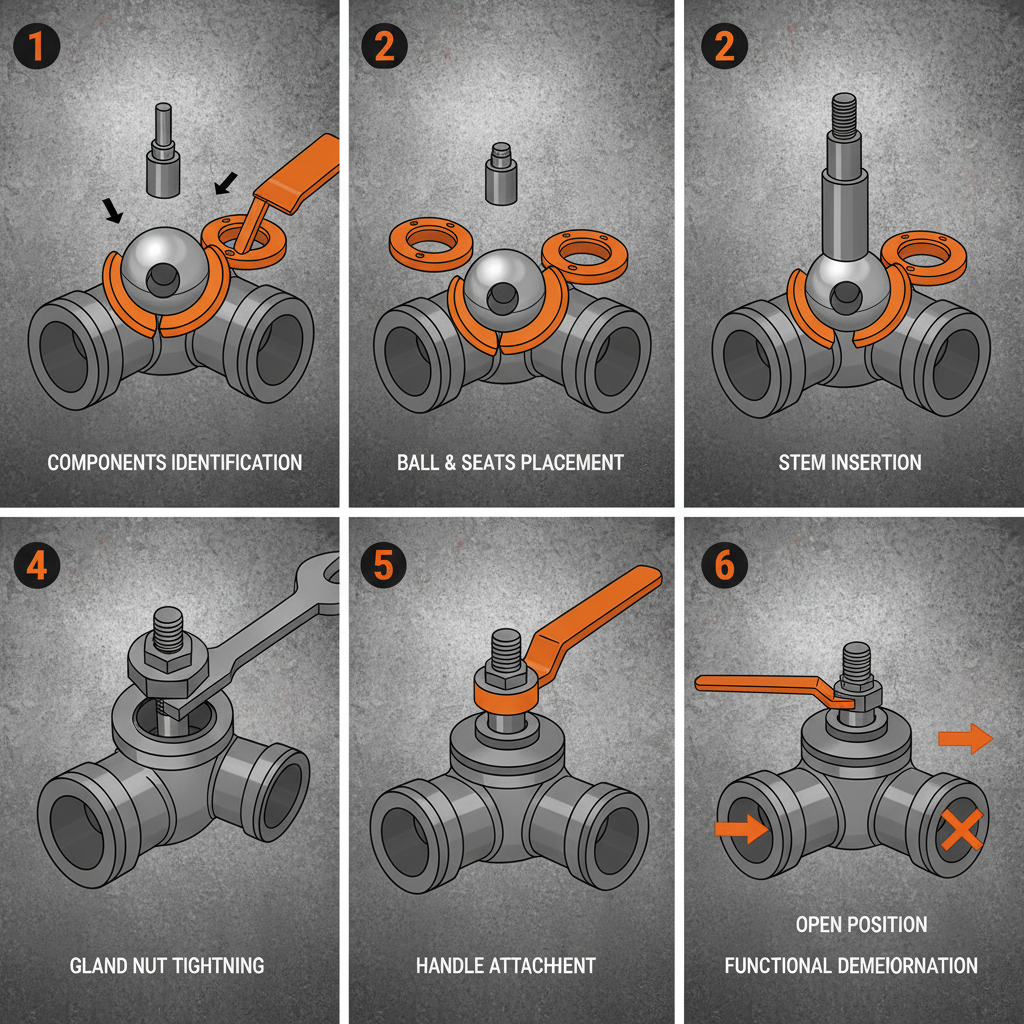
The complexity of the flow channel significantly influences the manufacturing cost. A standard two-way ball valve is the most economical. However, three-way ball valves, which feature L-shaped or T-shaped flow channels for diversion or mixing, require more complex casting and machining, which increases the 25mm ball valve price. These designs enable one valve to perform the work of multiple units, potentially lowering the overall pipeline cost despite a higher per-unit price.
Furthermore, the choice between a full-bore (full-diameter) and reduced-bore design impacts price. Full-bore valves minimize pressure drop and allow for easier cleaning (pigging), but they require more material and larger body castings, making them more expensive than their reduced-bore counterparts.
Operational Modes and Automation Costs
Standard manual operation via lever or handwheel represents the base price. When a system requires automated control, the addition of actuators introduces a significant cost increase. Pneumatic actuators are common for fast-acting industrial processes, while electric actuators provide precise positioning and are suitable for remote operation in large-scale plants.
Connection methods also vary in cost. Threaded connections (NPT/BSP) are generally the most affordable for 25mm sizes. Flanged or welded connections (socket or butt weld) increase costs due to the additional machining required on the valve ends and the more stringent quality controls needed to ensure leak-proof joints in high-pressure environments.
Analyzing Total Cost of Ownership (TCO)
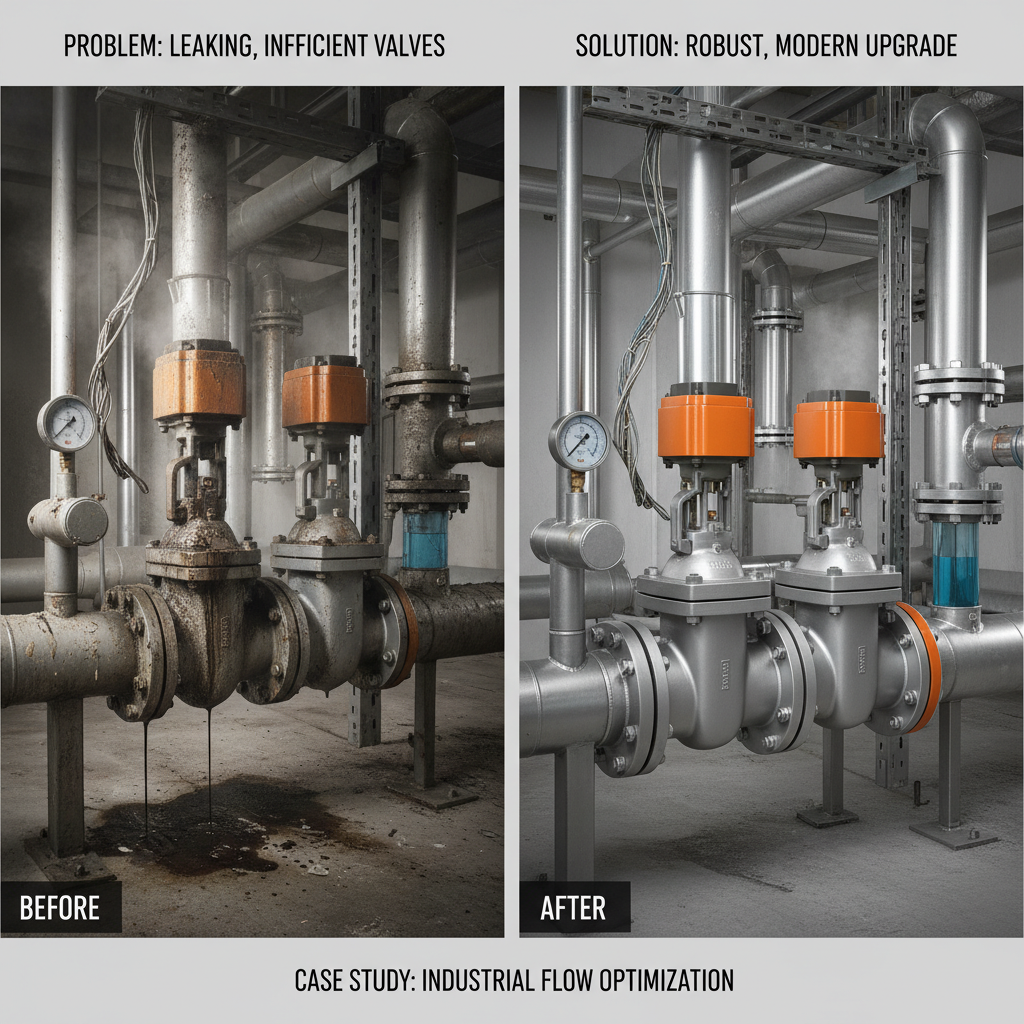
Evaluating a 25mm ball valve price solely on the purchase price is a common engineering error. A "low-cost" valve with inferior sealing or lower-grade steel often leads to premature failure, resulting in expensive unplanned downtime and replacement labor. The Total Cost of Ownership (TCO) includes the purchase price, installation, maintenance, and the cost of failure.
The conceptual chart above illustrates a relative cost-impact index. While the initial purchase price is a visible factor, the operational reliability and maintenance frequency of the valve typically represent a larger portion of the long-term financial impact on the facility.
Pressure and Temperature Ratings as Value Drivers
The technical specifications of a valve directly correlate to its price. A valve rated for PN16 is significantly cheaper to produce than one rated for PN40 or Class 300 (1000 PSI). Higher pressure ratings require thicker wall sections, more precise machining of the ball and seat, and more rigorous hydrostatic testing to ensure safety and compliance.
Temperature range is another critical factor. Valves using standard PTFE seals are generally limited to 200°C. For applications exceeding this, specialized seals or metal-to-metal seating are required. These enhancements increase the 25mm ball valve price but are essential for steam or high-temperature chemical transport where standard seals would melt or degrade.
Common Procurement Pitfalls in Valve Sourcing
One of the most frequent mistakes in procurement is ignoring the origin of the casting. Precision casting, such as the silicon sol lost wax process, produces valves with better dimensional accuracy and smoother internal surfaces than traditional sand casting. While the initial price may be higher, the reduced turbulence and better sealing performance often justify the investment.
Another pitfall is the failure to verify material certificates. To avoid "material substitution"—where lower-grade steel is passed off as SS316—buyers should insist on original factory material reports and third-party test certificates. The cost of a valve failure due to incorrect metallurgy far outweighs the small premium paid for documented quality assurance.
Comparative Selection Framework
Choosing the right 25mm ball valve requires balancing the specific needs of the medium—whether it be water, steam, oil, or corrosive chemicals—against the available budget. The following table provides a relative comparison of common configurations to help buyers determine the most cost-effective solution for their specific application.
| Configuration | Cost Level | Key Strength | Primary Limitation |
|---|---|---|---|
| SS304 / Threaded / Manual | Standard | General Purpose | Lower Corrosion Resistance |
| SS316 / Threaded / Manual | Mid-Range | Chemical Resistance | Higher Material Cost |
| SS316 / Flanged / Manual | Mid-High | High-Pressure Seal | Increased Installation Weight |
| Three-Way / SS316 / Manual | High | Flow Diversion | Complex Internal Geometry |
| SS316 / Pneumatic Actuator | Premium | Remote Operation | Requires Air Supply |
| High-Temp / Metal Seal / SS316 | Premium | Extreme Temperature | Higher Maintenance Need |
Ultimately, the most economical choice is the one that meets all safety and operational requirements while offering the longest service life, reducing the frequency of replacement and system downtime.
Frequently Asked Questions
SS316 contains molybdenum, which provides superior resistance to pitting and corrosion, especially in chloride-rich environments. This added alloying element increases the raw material cost, making SS316 valves more expensive than SS304.
Three-way valves are more expensive due to the complexity of the internal L-shaped or T-shaped flow channels, which require more precise casting and machining compared to the simple through-hole of a two-way valve.
Yes, flanged connections generally increase the price because they require more material for the flanges and more intensive machining to ensure a flat, leak-proof sealing surface.
Differences often lie in the manufacturing process (e.g., precision casting vs sand casting), the pressure rating (PN16 vs PN40), and the quality of the seals (standard PTFE vs reinforced or metal seals).
Adding a pneumatic or electric actuator can double or triple the per-unit cost. However, this is often offset by the reduction in manual labor and the ability to integrate the valve into a centralized control system.
A full-bore valve has an internal diameter equal to the pipe diameter, reducing pressure drop. It costs more than a reduced-bore valve because it requires a larger ball and a larger valve body casting.
Conclusion
Determining the ideal 25mm ball valve price requires a comprehensive look beyond the initial invoice. By analyzing the interplay between material grades, structural complexity, and pressure ratings, procurement teams can specify valves that minimize total lifecycle costs while maintaining strict safety and performance standards. Investing in precision-cast stainless steel and verified certifications is the most effective way to ensure long-term operational stability.
For detailed technical specifications or a quote tailored to your specific fluid control requirements, you can explore the product range and capabilities at www.houdevalve.com.