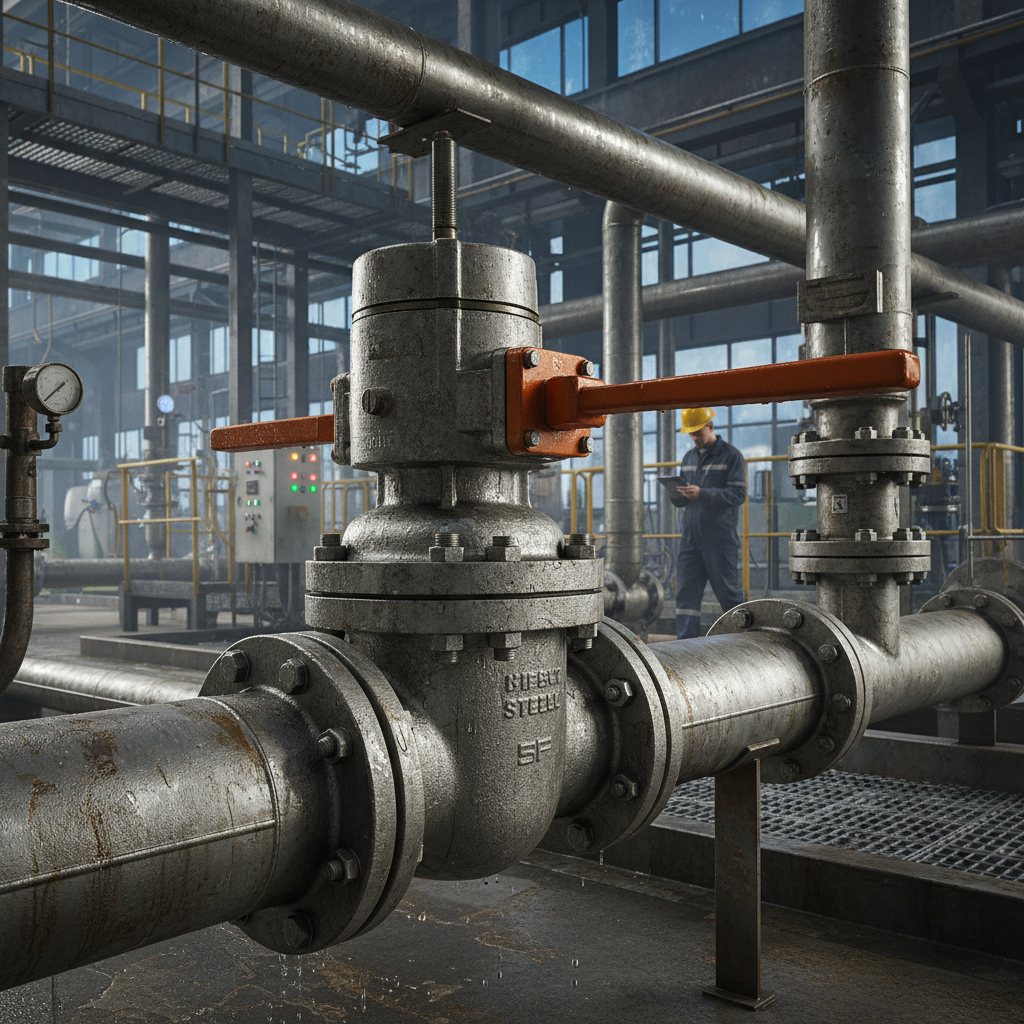
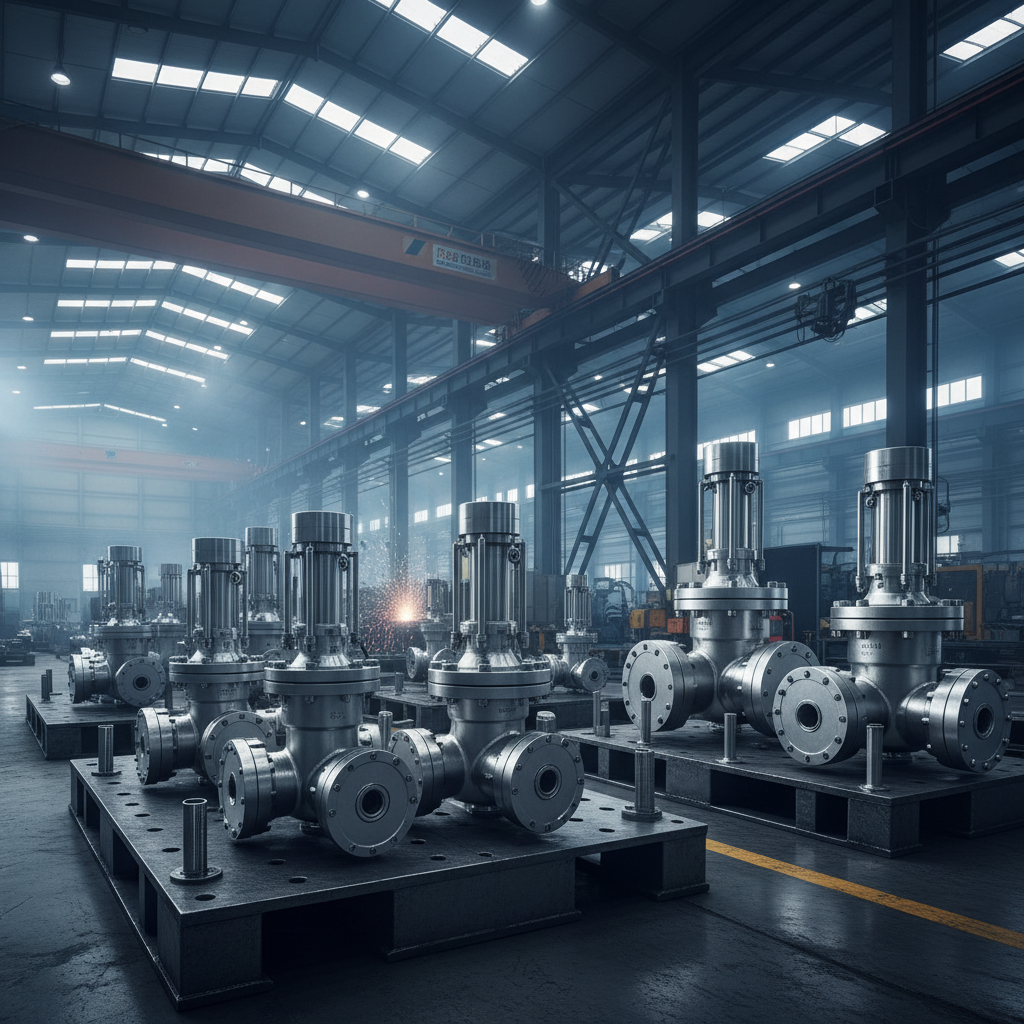
In the complex world of industrial fluid control, the din ball valve stands as a cornerstone of precision and reliability. Adhering to the rigorous standards set by the Deutsches Institut für Normung (DIN), these valves ensure a level of interoperability and safety that is critical for high-pressure environments across the globe. Understanding the nuances of DIN specifications allows engineers to minimize leakage risks and optimize the lifecycle of their piping systems.
The global demand for standardized flow control has surged as industrialization expands into emerging markets. Whether in a chemical plant in Germany or a water treatment facility in Southeast Asia, the implementation of a din ball valve provides a universal language of quality. By bridging the gap between diverse manufacturing origins and strict operational requirements, these components facilitate smoother international trade and safer infrastructure development.
Beyond simple on-off functionality, the strategic selection of a din ball valve impacts everything from operational downtime to environmental sustainability. Choosing a valve that meets DIN standards means investing in a product designed for predictable performance, ease of maintenance, and long-term durability. This guide explores the technical depth, practical applications, and future trajectory of these essential industrial components.
Global Relevance of DIN Ball Valve Standards
The global industrial landscape relies heavily on standardization to ensure that components from different manufacturers can work together seamlessly. The din ball valve is a primary example of this, as the DIN standards provide precise specifications for dimensions, pressure ratings, and material grades. This alignment is crucial for ISO-certified companies that manage complex supply chains across multiple continents.
Without such strict adherence to standardizing bodies, the risk of catastrophic failure in high-pressure pipelines would increase significantly. By utilizing a din ball valve, operators can guarantee that a replacement part sourced from a different vendor will fit perfectly and perform safely, reducing the cost of unplanned outages and improving overall plant safety.
Defining the DIN Ball Valve in Modern Industry
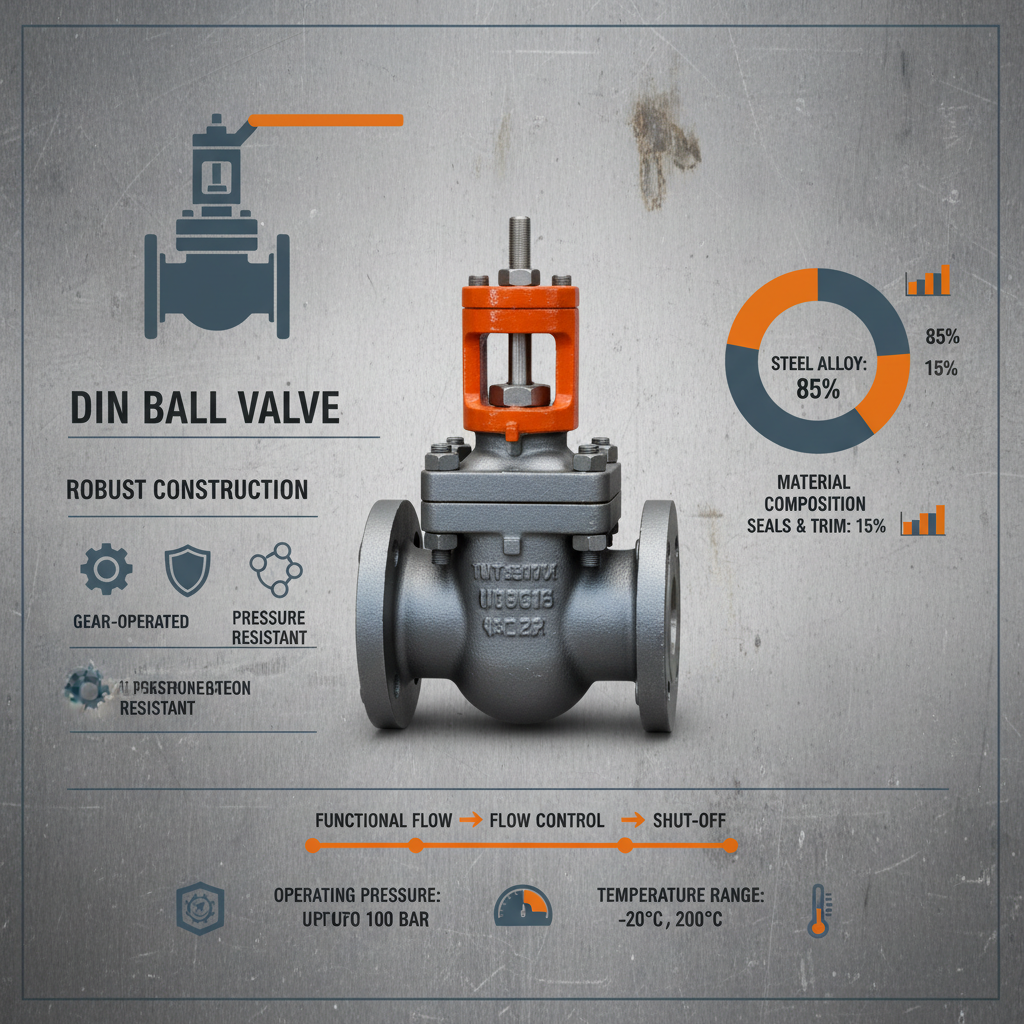
At its simplest, a din ball valve is a quarter-turn rotational motion valve that uses a spherical disc to start or stop the flow of a medium. What distinguishes the "DIN" aspect is the adherence to German industrial standards, which dictate everything from the flange face-to-face dimensions to the specific alloy composition of the ball and seat. This ensures that the valve can withstand specific pressure classes (PN) and temperature ranges without compromising structural integrity.
In the context of modern humanitarian and industrial needs, these valves play a vital role in securing clean water distribution and managing hazardous chemicals. The precision of a din ball valve prevents leaks that could lead to environmental contamination or workplace accidents. This makes them indispensable in the construction of critical infrastructure in both developed urban centers and remote industrial zones.
Furthermore, the versatility of these valves allows them to be integrated into a wide array of systems, from simple residential plumbing to complex refinery manifolds. The predictable nature of their operation—where a 90-degree turn provides a clear visual indication of whether the system is open or closed—adds a layer of human-centric safety that is highly valued in high-stress industrial environments.
Core Components and Engineering Factors
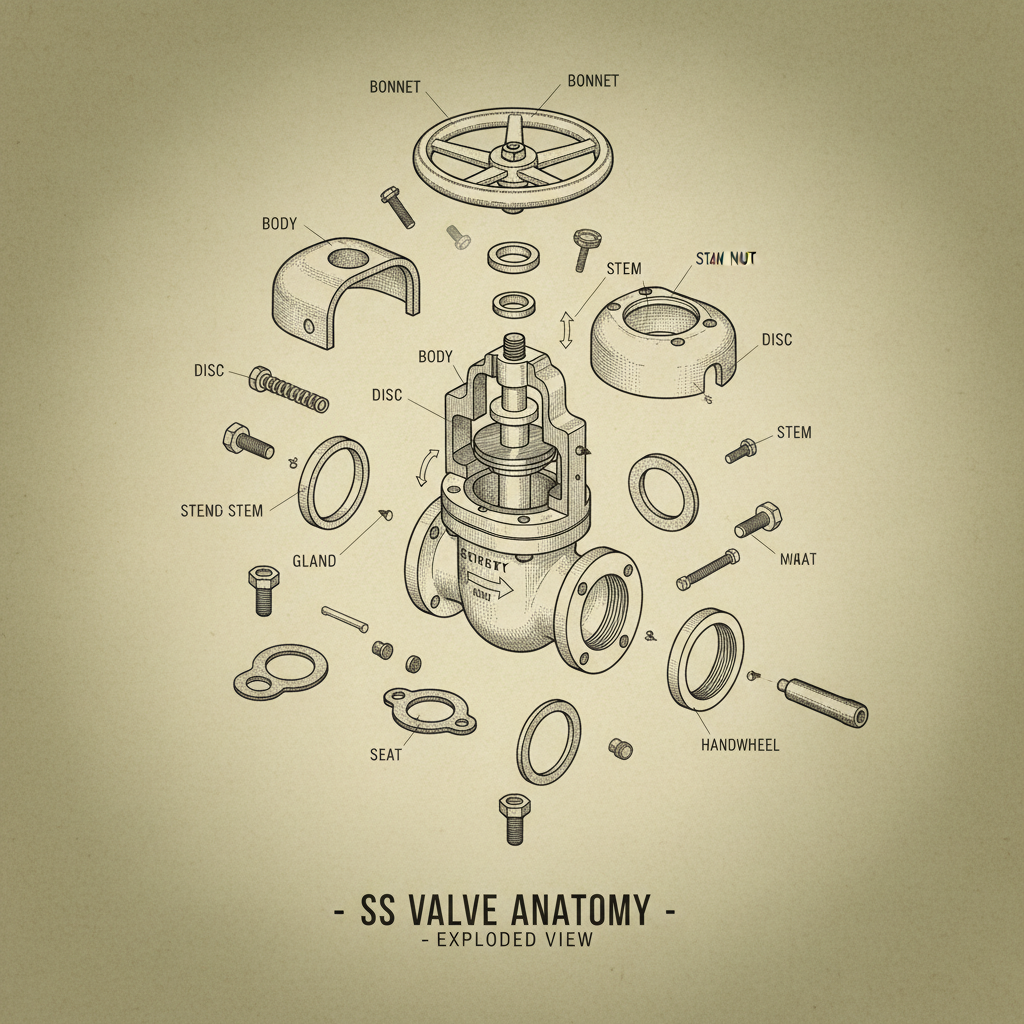
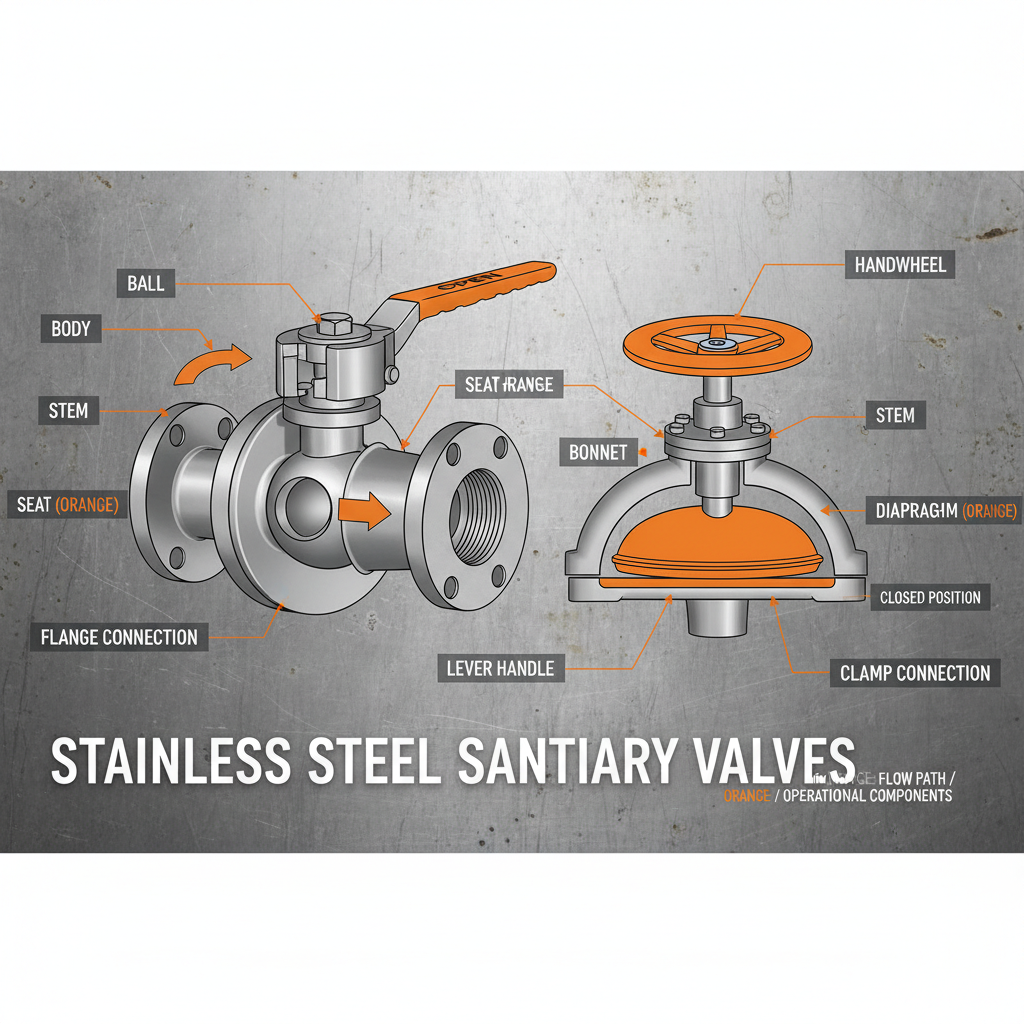
Durability is the foremost priority when designing a din ball valve. This is achieved through the selection of high-grade materials such as 316 Stainless Steel or Carbon Steel, ensuring that the valve body can resist corrosion and erosion over decades of service. The interaction between the ball and the seat is where the most critical engineering happens, as any imperfection can lead to a "passing" valve that fails to shut off completely.
Scalability in flow control is another key factor; the din ball valve range spans from miniature sizes for precision instrumentation to massive diameters for municipal water mains. This scalability is governed by the DIN PN (Pressure Nominal) ratings, allowing engineers to scale their systems upward in pressure or volume without having to redesign the entire valve architecture.
Cost efficiency is realized through the standardization of parts. Because the din ball valve follows a universal blueprint, maintenance teams can stock fewer unique spare parts and utilize standardized tools for installation. This reduces the "Total Cost of Ownership" (TCO) by lowering both the initial procurement costs and the long-term operational expenses.
Performance Metrics and Operational Efficiency
Evaluating the efficiency of a din ball valve involves looking at flow coefficients (Cv/Kv values) and the torque required for actuation. A well-engineered valve minimizes pressure drop across the bore, ensuring that the system maintains maximum energy efficiency. This is particularly important in large-scale pumping stations where even a small decrease in flow resistance can lead to significant energy savings over a year.
Moreover, the reliability of the sealing mechanism determines the frequency of maintenance intervals. By utilizing advanced PTFE or reinforced polymer seats, a din ball valve can maintain a bubble-tight shut-off for thousands of cycles, drastically reducing the need for manual intervention and the risks associated with system depressurization.
Operational Performance Comparison of DIN Ball Valve Variants
Global Applications and Use Cases
In real-world contexts, the din ball valve is ubiquitous. In the pharmaceutical industry, where purity is non-negotiable, stainless steel DIN valves are used to prevent batch contamination. In the oil and gas sector, specifically in remote industrial zones like the North Sea or the Siberian tundra, these valves are engineered to operate in extreme temperature fluctuations without seizing, ensuring the continuous flow of energy resources.
Another critical application is found in post-disaster relief operations. When NGOs rapidly deploy temporary water purification systems in disaster-hit areas, the use of standardized din ball valve components allows teams from different countries to assemble and repair piping systems using a shared set of specifications, accelerating the delivery of life-saving water to affected populations.
Long-Term Value and Safety Advantages
The long-term value of investing in a high-quality din ball valve extends beyond the balance sheet. From a logical perspective, the reduction in leak-related downtime directly translates to higher profitability. However, there is an emotional angle as well: the peace of mind that comes with knowing a system is secure. For a plant manager, this trust in the hardware means less stress during safety audits and a lower risk of environmental catastrophes.
Sustainability is also a key driver. By utilizing valves that are designed for a longer service life and are easier to refurbish, companies reduce the amount of industrial waste generated. A din ball valve that can be re-seated rather than replaced contributes to a circular economy, aligning corporate goals with global environmental mandates.
Finally, the safety implications are profound. In hazardous chemical processing, the failure of a single valve can be devastating. The rigorous testing protocols required for DIN certification ensure that every din ball valve has been vetted for structural integrity, providing an essential layer of protection for workers and the surrounding community.
Future Trends and Innovations in Valve Tech
The future of the din ball valve is being shaped by the digital transformation of industry, often referred to as Industry 4.0. We are seeing the integration of "smart" actuators and IoT sensors directly into the valve assembly. These innovations allow for real-time monitoring of valve position, leakage detection, and predictive maintenance alerts, transforming a passive piece of hardware into an active data point in a smart factory.
Material science is also evolving, with the introduction of advanced ceramic coatings and nano-composites. These new materials allow the din ball valve to handle even more corrosive media and higher temperatures than previously possible, opening doors for new processes in green hydrogen production and carbon capture technologies.
As the world moves toward carbon neutrality, the demand for valves that can operate in zero-emission environments is growing. The next generation of din ball valve designs will likely focus on ultra-low fugitive emission seals, ensuring that not a single molecule of greenhouse gas escapes into the atmosphere.
Comparative Analysis of DIN Ball Valve Material Specifications
|
Material Type
|
Corrosion Resistance (1-10)
|
Max Temp Range
|
Typical Application
|
|
CF8M Stainless Steel
|
9
|
Up to 200°C
|
Pharmaceutical/Food
|
|
WCB Carbon Steel
|
4
|
Up to 425°C
|
Oil & Gas Pipelines
|
|
Hastelloy C276
|
10
|
Up to 250°C
|
Highly Acidic Media
|
|
Duplex Steel
|
8
|
Up to 300°C
|
Marine/Desalination
|
|
Bronze/Brass
|
6
|
Up to 150°C
|
General Water Works
|
|
Titanium Grade 2
|
10
|
Up to 400°C
|
Aerospace/Chemical
|
FAQS
The primary difference lies in the standardization body. A DIN ball valve follows German standards (DIN), which typically use metric measurements and PN (Pressure Nominal) ratings. In contrast, ANSI valves follow American standards, using imperial measurements and Class ratings. While both are high-quality, they are not directly interchangeable due to different flange dimensions and drilling patterns.
Choosing the correct PN rating requires an analysis of the maximum operating pressure of your system, including potential pressure surges. For example, a PN16 valve is rated for 16 bar. It is generally recommended to select a valve with a PN rating that is at least 20% higher than your peak operating pressure to ensure a safety margin and prolong the seal life.
Yes, provided the materials are correctly specified. For steam, you must avoid standard PTFE seats, which degrade at high temperatures, and instead opt for reinforced PTFE, PEEK, or metal-seated options. Additionally, the body material (such as carbon steel or stainless steel) must be rated for the specific steam temperature to avoid thermal expansion issues.
Maintenance intervals vary by application. In clean water systems, a DIN ball valve may only need inspection every 2-3 years. However, in abrasive or corrosive chemical services, quarterly inspections of the stem packing and seat integrity are recommended. Implementing a predictive maintenance schedule using IoT sensors can further optimize these intervals.
Yes, primarily through its efficiency and longevity. By reducing leaks (fugitive emissions) and offering a longer service life than lower-standard valves, it minimizes resource waste. Furthermore, the use of recyclable metals like stainless steel ensures that the valve can be repurposed at the end of its lifecycle, reducing the industrial carbon footprint.
Stem leaks are usually caused by the wear and tear of the packing material or improper initial torqueing. Over time, thermal cycling can cause the packing to contract. The solution is typically to tighten the packing gland or replace the packing rings. High-quality DIN valves often feature adjustable packing to resolve this without requiring a full system shutdown.
Conclusion
The din ball valve represents the perfect intersection of rigorous engineering and practical utility. From ensuring the safety of high-pressure chemical lines to facilitating clean water access in disaster zones, its adherence to global standards provides the reliability and interoperability that modern industry demands. By focusing on high-grade materials, precise tolerances, and sustainable design, these valves do more than just control flow—they protect infrastructure and human life.
Looking forward, the integration of smart technology and advanced materials will continue to push the boundaries of what a din ball valve can achieve. We encourage plant engineers and procurement specialists to prioritize certified DIN standards to future-proof their operations and enhance systemic safety. For high-performance flow control solutions, visit our website: www.houdevalve.com.