In the complex ecosystem of industrial fluid handling, the y-strainer serves as a critical first line of defense, preventing debris from damaging sensitive downstream equipment. By effectively filtering out solid contaminants from liquids, gases, or steam, these components ensure the operational integrity of pumps, control valves, and heat exchangers across global infrastructures.
The importance of the y-strainer extends beyond simple filtration; it is about risk mitigation and maximizing the lifecycle of expensive industrial assets. In sectors ranging from oil and gas to pharmaceutical manufacturing, a single piece of weld slag or scale can lead to catastrophic valve failure, resulting in costly unplanned downtime and significant safety hazards.
Understanding the nuances of strainer selection—from mesh density to material compatibility—is essential for any plant manager or engineer. This guide explores the technical depth of the y-strainer, providing insights into its global application, design advantages, and the evolving trends that are making filtration more efficient and sustainable.
Global Industry Relevance of y-strainers
On a global scale, the demand for high-efficiency fluid filtration is driven by the tightening of ISO standards regarding piping cleanliness and equipment reliability. The y-strainer is ubiquitous in international energy projects, where the presence of particulate matter in high-pressure pipelines can lead to erosion and premature component fatigue.
Industry data suggests that a significant percentage of valve failures in petrochemical plants are attributed to "foreign object debris" (FOD). By integrating a robust y-strainer at the entrance of critical control loops, operators can drastically reduce maintenance intervals and adhere to stringent environmental safety regulations mandated by global watchdogs.
Defining the Mechanism of y-strainers
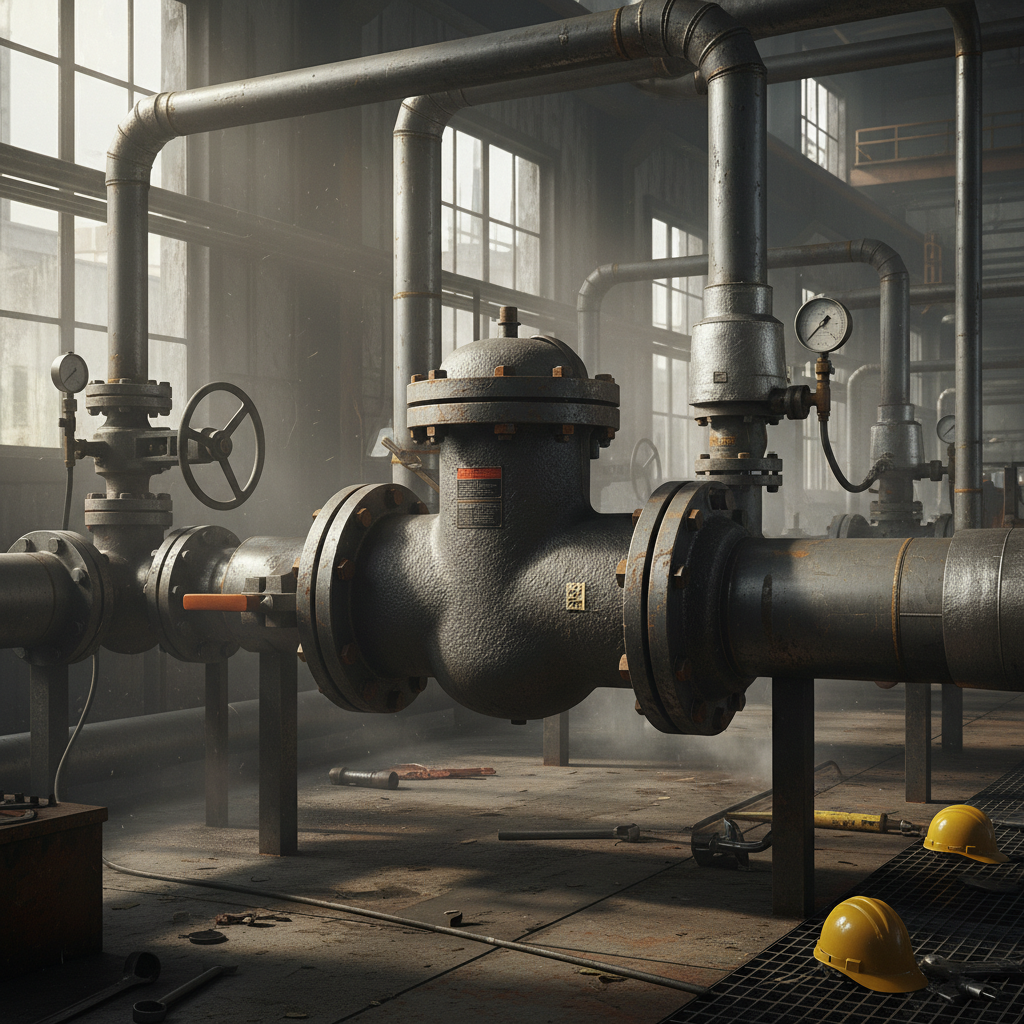
A y-strainer is a specialized piping component designed to remove foreign materials from a flowing fluid. Its name is derived from its distinct "Y" shape, where the main flow path remains straight while a slanted leg houses the filter element (screen). This configuration allows the fluid to pass through the screen, trapping solids in the leg while allowing the cleaned medium to continue downstream.
Unlike T-type strainers, the Y-design is particularly effective for applications where space is limited or where the strainer must be installed in a horizontal or vertical orientation. It bridges the gap between basic filtration and high-performance separation, making it an indispensable tool for protecting expensive machinery like turbines and high-precision Ball Valves.
In modern industrial contexts, this simple mechanical principle addresses a complex humanitarian and economic need: the reliable delivery of clean water and energy. Whether it is in a municipal water treatment plant or a remote desalination facility, the y-strainer ensures that the systems providing essential services remain operational without frequent, disruptive failures.
Core Components and Design Factors
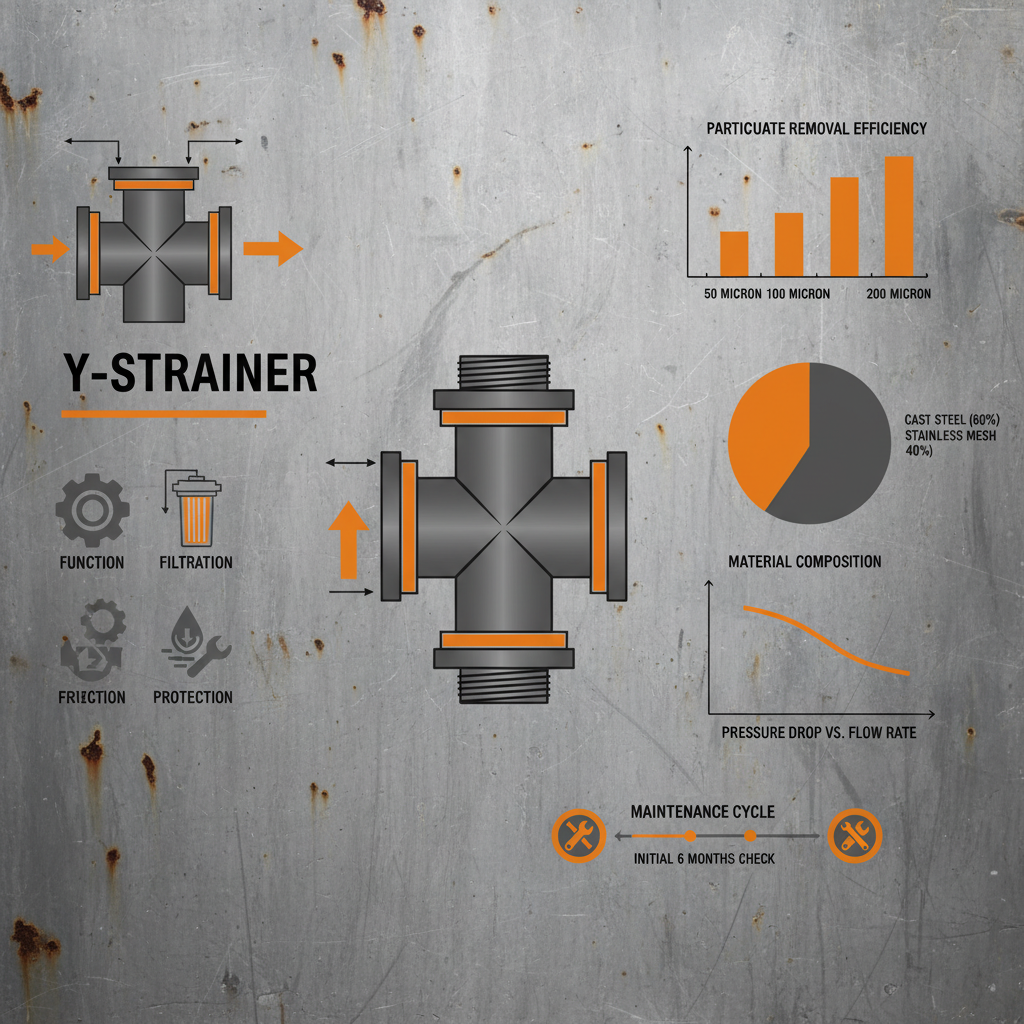
The durability of a y-strainer is primarily dictated by its body material. Depending on the medium, these are typically cast from stainless steel, carbon steel, or ductile iron. The choice of material ensures that the unit can withstand corrosive chemicals or extreme temperatures without compromising the structural integrity of the pipeline.
Scalability and mesh selection are the next critical factors. The internal screen of a y-strainer can be customized with various perforation sizes—from coarse screens for large debris to fine meshes for microscopic particles. This flexibility allows engineers to balance the need for high filtration efficiency against the risk of excessive pressure drop.
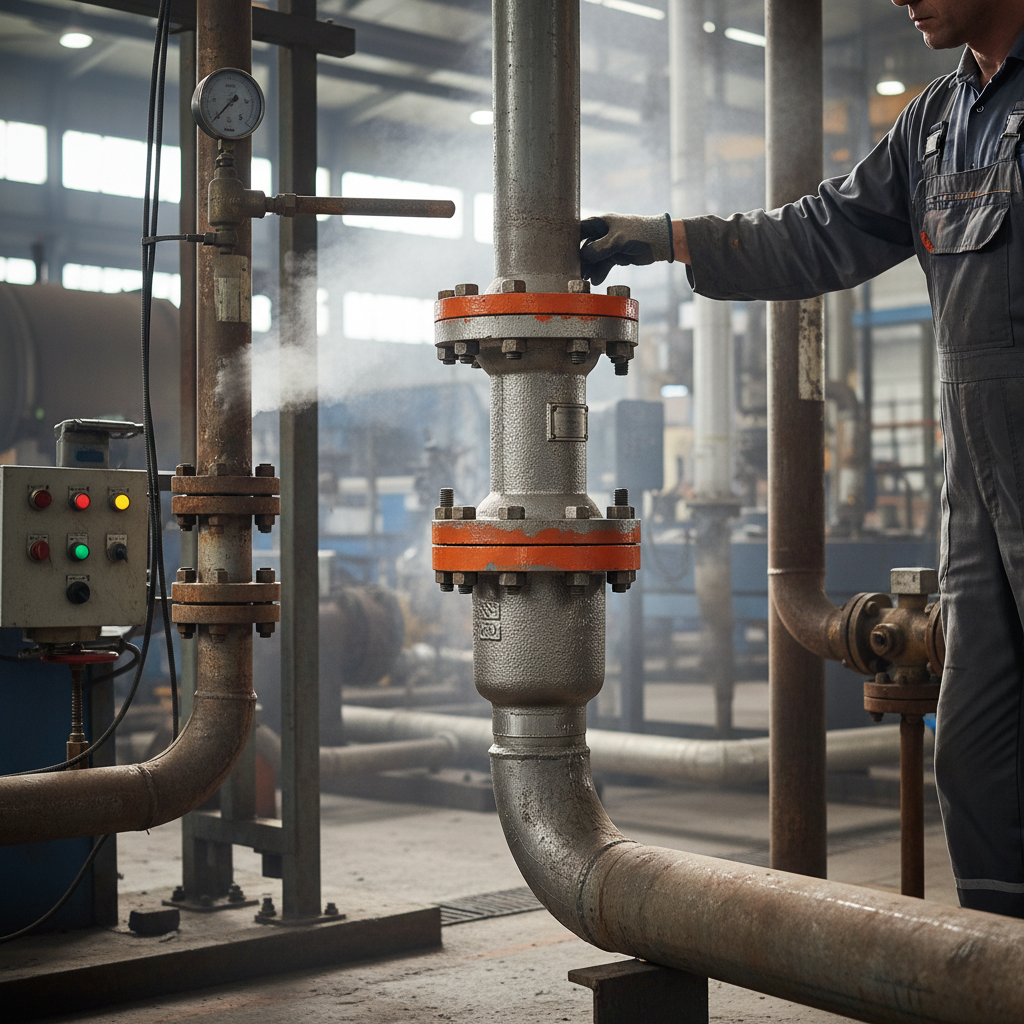
Cost efficiency is realized through the ease of maintenance. A well-designed y-strainer features a blow-off valve or a removable cap at the bottom of the Y-leg. This allows operators to purge collected debris without dismantling the entire piping system, thereby reducing labor costs and minimizing system downtime.
Real-World Applications and Use Cases
The versatility of the y-strainer makes it applicable across diverse global environments. In the North Sea oil platforms, these strainers are used to protect high-pressure pumps from seabed sediments and pipe scale. In the pharmaceutical labs of Germany or the US, precision-grade stainless steel strainers ensure that the purity of liquid reagents is maintained, preventing batch contamination.
Beyond heavy industry, we see these components in critical infrastructure. In post-disaster relief operations, where temporary water filtration systems are deployed rapidly, the y-strainer provides a low-tech but highly reliable method to remove large organic matter before the water enters chemical treatment or UV sterilization stages.
Performance Comparison of y-strainer Configurations
Long-Term Economic and Safety Value
The long-term value of investing in a high-quality y-strainer is measured in avoided losses. When compared to the cost of replacing a damaged Check Valve or a seized pump impeller, the initial expenditure on a strainer is negligible. This creates a logical economic shield for the facility, ensuring that capital expenditure (CAPEX) is protected by a small operational investment.
Beyond the balance sheet, the y-strainer provides an emotional layer of security: trust. Plant operators can work with confidence knowing that the internal systems are shielded from unpredictable debris. In high-risk environments, this reliability translates directly into human safety, as it prevents the sudden rupture of pipes or the failure of emergency shut-off systems.
Future Trends in Filtration Technology
The future of the y-strainer is being reshaped by the digital transformation of industry. We are seeing the emergence of "Smart Strainers" equipped with differential pressure sensors. These IoT-enabled devices can alert maintenance teams via a cloud dashboard the exact moment a y-strainer becomes clogged, moving the industry from scheduled maintenance to predictive maintenance.
Material science is also evolving. The integration of nano-coatings and advanced alloys is reducing the tendency of particles to adhere to the screen, thereby extending the time between cleanings. This aligns with the global push toward green energy and sustainability, as reduced downtime and longer component lifespans mean fewer replacement parts and less industrial waste.
Furthermore, as automation increases in the manufacturing of valves and pipe fittings, the precision of y-strainer fabrication has improved. 3D printing of customized filter meshes allows for "gradient filtration," where the screen density changes across the surface to optimize flow and capture efficiency simultaneously.
Implementation Challenges and Solutions
One of the most common challenges in deploying a y-strainer is the "pressure drop" phenomenon. If the mesh is too fine or the strainer is undersized, it can restrict flow, leading to energy inefficiency. The expert solution is to perform a rigorous fluid dynamics analysis to determine the optimal open area ratio, ensuring filtration without sacrificing system throughput.
Another hurdle is the buildup of "caking" in viscous fluids, where the filter becomes a solid block of material. To overcome this, engineers are increasingly implementing dual-strainer setups with a diverter valve. This allows one y-strainer to be cleaned while the other remains in operation, ensuring zero interruption to the production line.
Finally, improper installation—such as installing the Y-leg in a position that prevents gravity-assisted drainage—can lead to premature failure. The solution lies in strict adherence to installation manuals and the use of standardized mounting brackets, ensuring that the y-strainer operates at its peak theoretical efficiency throughout its service life.
Comparative Analysis of y-strainer Specifications and Performance
| Material Grade |
Corrosion Resistance |
Pressure Rating |
Maintenance Cycle |
| SS 304 |
High |
Medium-High |
Long |
| SS 316L |
Very High |
High |
Very Long |
| Carbon Steel |
Low |
Very High |
Medium |
| Cast Iron |
Moderate |
Low-Medium |
Short |
| Hastelloy |
Extreme |
High |
Very Long |
| Duplex Steel |
High |
Very High |
Long |
FAQS
To choose the right mesh size, you must first identify the smallest particle that could potentially damage your downstream equipment (e.g., a control valve seat). Once the critical particle size is known, select a mesh that is slightly smaller than this threshold. However, be mindful that an excessively fine mesh will increase the pressure drop and require more frequent cleaning. Consulting a technical chart for "mesh to micron" conversion is highly recommended.
While y-strainers are versatile, the orientation of the "Y" leg is crucial. In liquid service, the leg should ideally point downwards to allow gravity to help collect debris and facilitate easy drainage during cleaning. In gas or steam service, the orientation is more flexible, but the leg should still be accessible for maintenance. Installing a strainer upside-down in liquid service can lead to the screen becoming bypassed or trapped air pockets.
The most reliable indicator is a significant increase in the pressure differential (ΔP) between the inlet and outlet of the strainer. If you have pressure gauges installed, a spike in the differential indicates that the screen is clogged. Other signs include a noticeable drop in flow rate downstream or abnormal noise/vibration in pumps that are drawing fluid through the strainer.
It depends on the application. Y-strainers are superior for smaller pipe sizes, limited space, and high-pressure systems where simplicity is key. Basket strainers, however, are better for high-capacity filtration and larger volumes of debris because they have a larger surface area. If your system produces a vast amount of solids, a basket strainer is more efficient; if you need a compact protector for a valve, the y-strainer is the best choice.
For saltwater or marine environments, SS 316L or Duplex stainless steel are the industry standards due to their high molybdenum content, which resists pitting and crevice corrosion. For extreme chemical aggressiveness, Hastelloy or titanium options are available. Standard carbon steel or cast iron should be avoided in saltwater applications as they will corrode rapidly, potentially releasing rust particles into the system.
To reduce pressure drop, you can either increase the size of the strainer body (oversizing) to allow for a lower fluid velocity or use a screen with a larger open-area percentage. Additionally, ensuring that the screen is cleaned regularly prevents the gradual increase in resistance. In high-flow systems, using a custom-engineered perforated plate instead of a woven wire mesh can also optimize flow characteristics.
Conclusion
The y-strainer may appear to be a simple mechanical component, but its role in industrial stability is profound. By effectively bridging the gap between raw fluid transport and precision equipment protection, it minimizes the risk of catastrophic failure, reduces operational costs, and ensures the longevity of critical assets across the global manufacturing landscape.
As the industry moves toward Industry 4.0, the integration of smart monitoring and advanced materials will only enhance the value of these filtration systems. For engineers and plant managers, the key to success lies in the precise selection of materials and mesh sizes tailored to specific process needs. To explore high-performance filtration solutions and industrial valves, visit our website: www.houdevalve.com