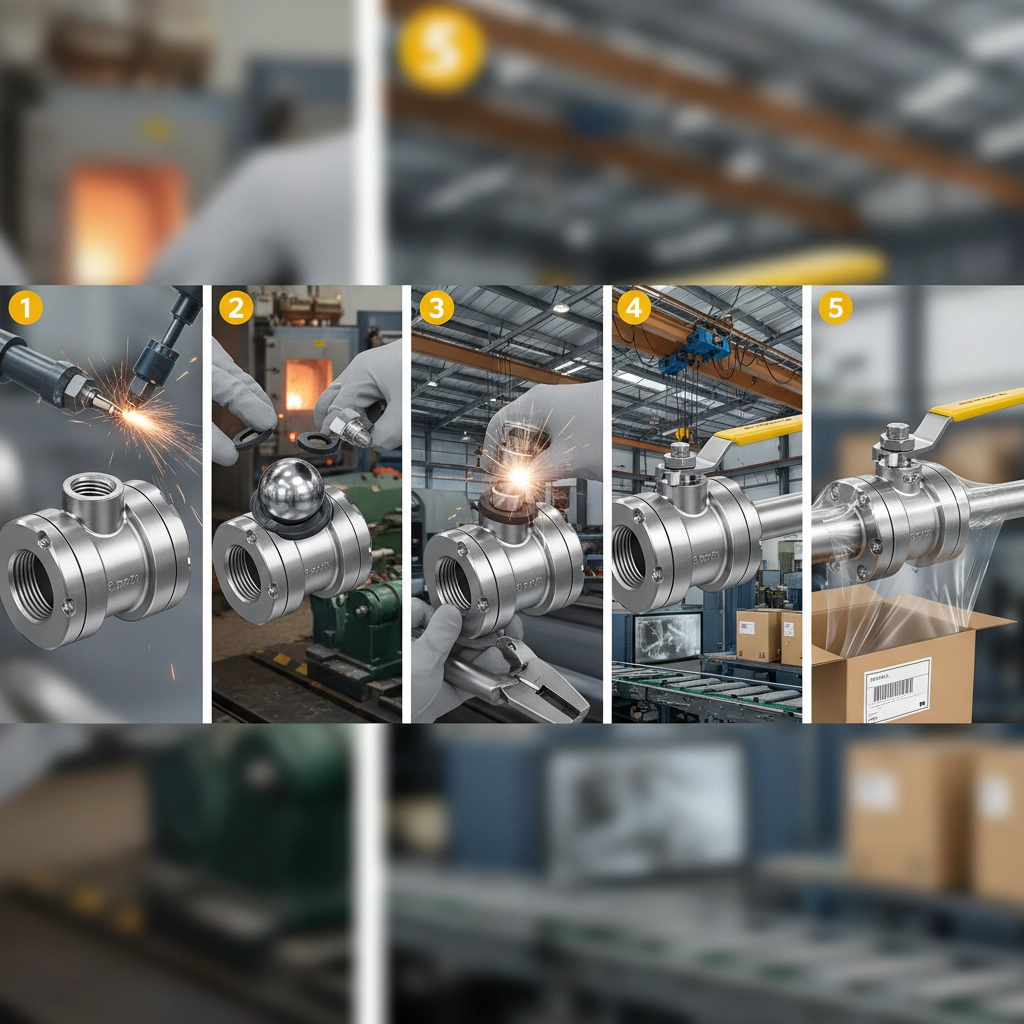
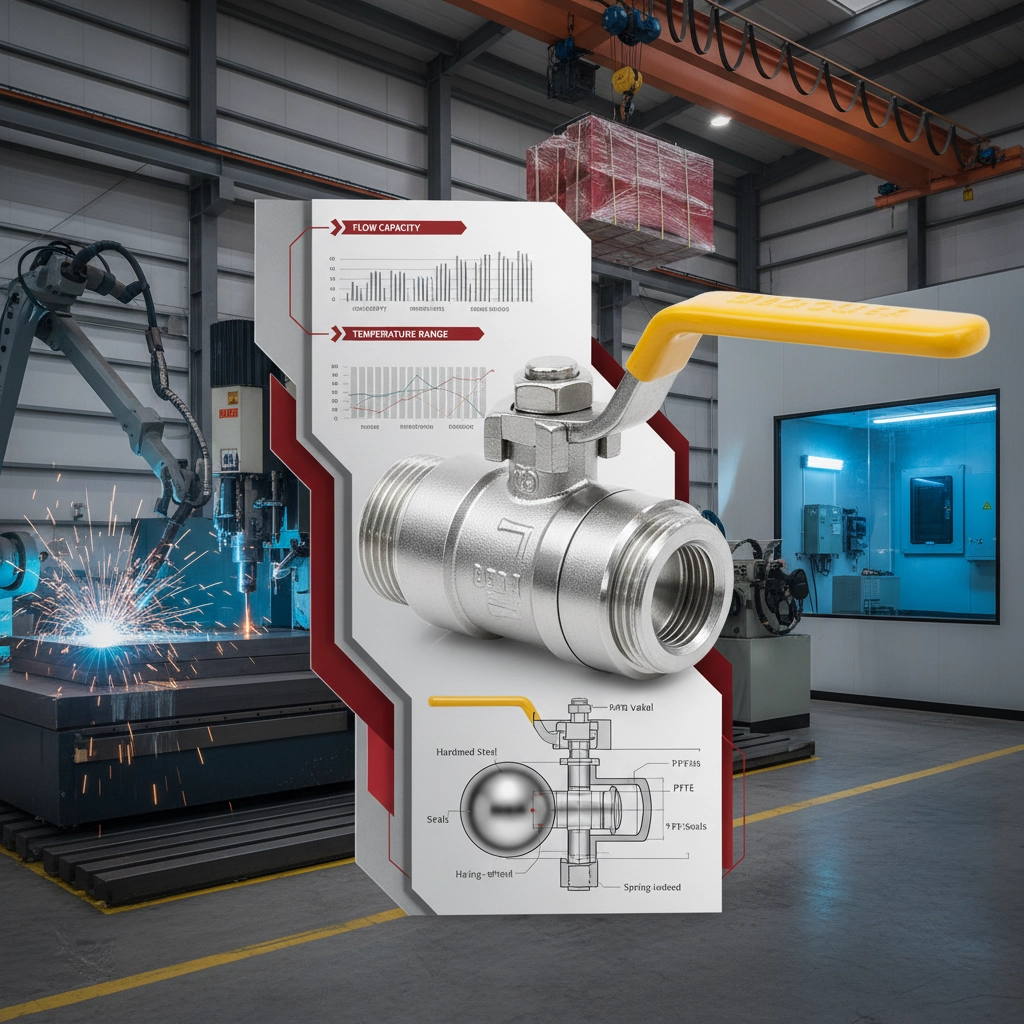
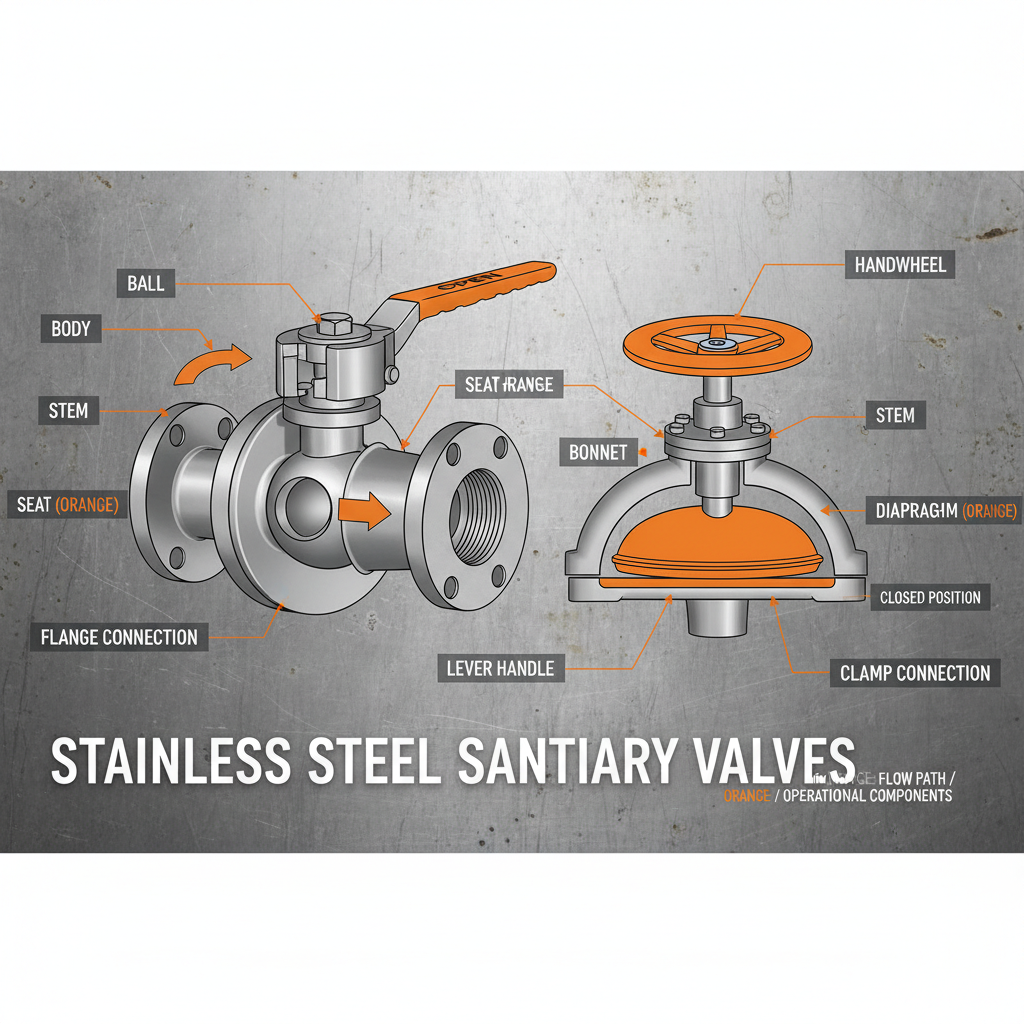
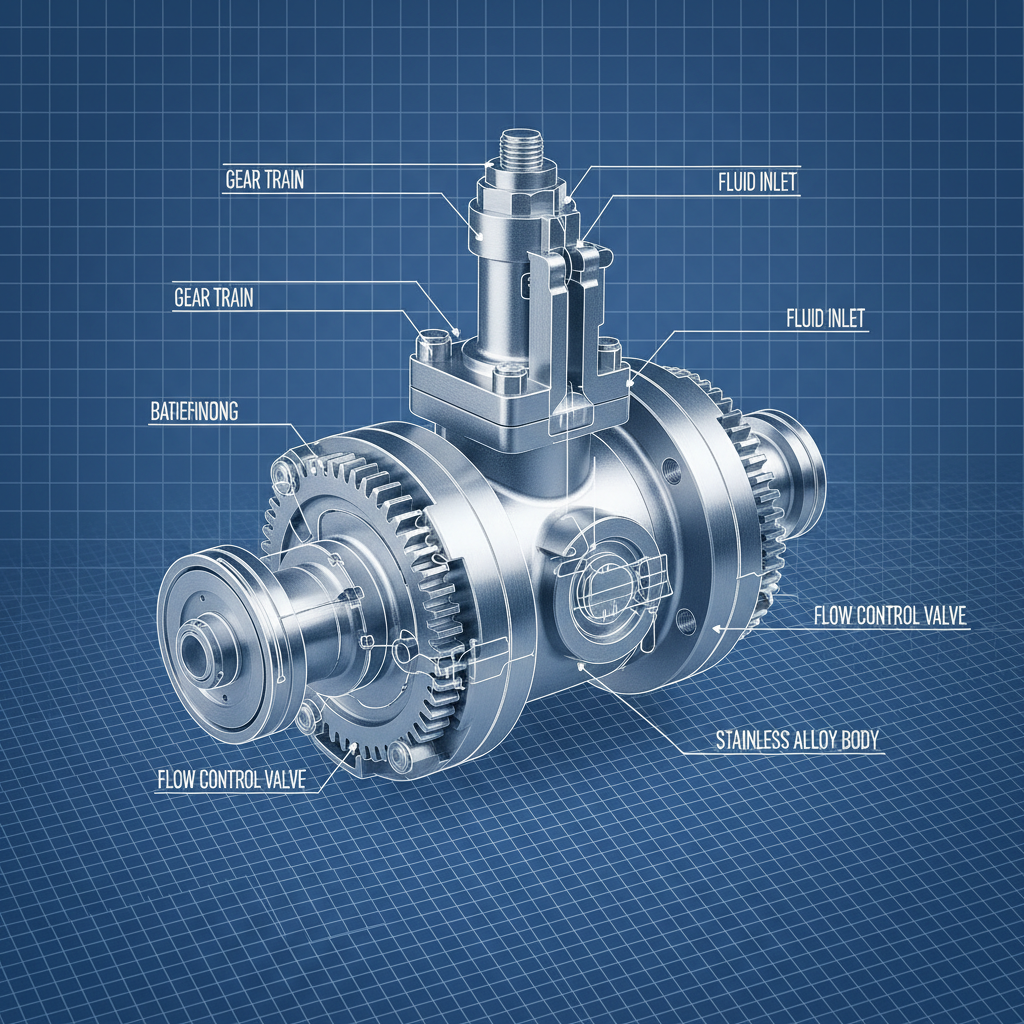
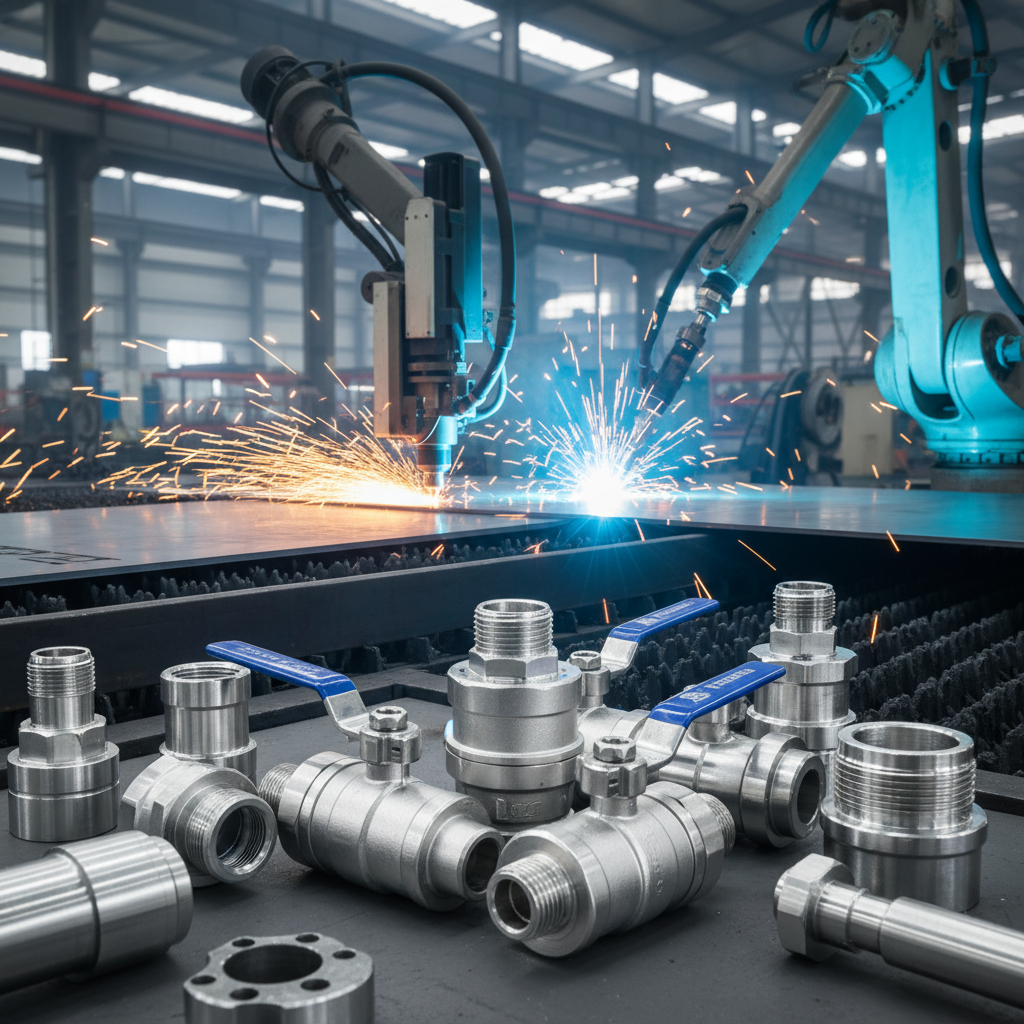
In the complex landscape of fluid control, the stainless steel mini valve serves as a critical component for precision engineering. These compact devices are designed to manage flow in tight spaces without sacrificing the durability or chemical resistance required by rigorous industrial standards. Whether integrated into medical devices or complex chemical manifolds, their role is pivotal in ensuring system integrity.
The global demand for miniaturization in machinery has propelled the evolution of the stainless steel mini valve from a niche accessory to a standard requirement across multiple sectors. As industries shift toward high-efficiency, low-footprint designs, the ability to regulate flow with pinpoint accuracy in a small form factor becomes a competitive advantage for manufacturers worldwide.
Understanding the technical nuances of these valves—ranging from material grades like 316L to seating options—allows engineers to optimize their systems for longevity and safety. By focusing on the synergy between compact size and high-pressure capability, the stainless steel mini valve addresses the modern challenge of balancing spatial constraints with uncompromising performance.
Global Industry Context of Stainless Steel Mini Valves
The global industrial landscape is currently witnessing a paradigm shift toward "micro-facturing" and precision automation. According to standards aligned with ISO quality management, the integration of a stainless steel mini valve allows for the creation of more dense and efficient piping arrays, reducing the overall footprint of industrial installations by up to 30% in some high-tech sectors.
However, this push for smaller components often introduces challenges regarding pressure drops and wear-and-tear. The industry has had to innovate rapidly to ensure that a mini valve can handle the same corrosive media and high-temperature environments as its larger counterparts, ensuring that safety is never compromised for the sake of space.
Defining the Stainless Steel Mini Valve
In simple technical terms, a stainless steel mini valve is a flow control device characterized by its reduced physical dimensions—typically featuring port sizes under 1/2 inch—manufactured from corrosion-resistant alloys. Unlike standard valves, these are engineered for precision, often utilizing tight tolerances to prevent leaks in critical environments.
Beyond the mechanics, these valves are essential to modern humanitarian and medical needs. For example, in portable diagnostic equipment or remote water purification systems, the reliability of a small, rust-proof valve can be the difference between a functioning life-saving device and a total system failure.
The connection to modern industry is rooted in the concept of "modular efficiency." By utilizing a stainless steel mini valve, engineers can design swappable, compact modules that can be deployed quickly in the field, whether in an offshore oil rig or a pharmaceutical laboratory, facilitating faster maintenance and lower downtime.
Core Components and Engineering Factors
The durability of a stainless steel mini valve is primarily determined by its material grade. Using SS316 or SS304 ensures that the valve remains inert when exposed to aggressive chemicals, which is a non-negotiable requirement in the semiconductor and biotech industries.
Seal integrity is the second core factor. High-performance PTFE or PEEK seals within the stainless steel mini valve prevent fugitive emissions, ensuring that even at micro-scales, the valve maintains a bubble-tight shut-off, which is critical for maintaining vacuum purity in laboratory settings.
Finally, operational scalability refers to the valve's ability to maintain a linear flow coefficient (Cv) despite its size. A well-engineered stainless steel mini valve provides predictable flow rates, allowing engineers to scale their designs from a prototype to a full-scale production line without recalculating the entire fluid dynamic model.
Performance Benchmarks and Scalability
When evaluating the effectiveness of different mini valve designs, engineers look at the trade-off between torque requirements and sealing force. A high-quality stainless steel mini valve must offer a low-torque operation to prevent the deformation of small handles or actuators while maintaining a high pressure-to-size ratio.
The scalability of these components is often measured by their compatibility with standard piping (NPT or BSP threads) and their ability to withstand cyclic loading. This ensures that as a system expands, the mini valves can be integrated into larger manifolds without creating weak points in the overall architecture.
Performance Comparison of Stainless Steel Mini Valve Variants
Global Applications and Use Cases
In real-world industrial zones, the stainless steel mini valve is indispensable in the hydrogen energy sector. Because hydrogen molecules are extremely small and prone to leakage, the precision-machined surfaces of these mini valves provide the necessary tightness to ensure safe fuel transport in compact hydrogen fuel cell stacks.
Similarly, in remote industrial zones such as offshore wind farm substations, space is at a premium. The use of these valves in hydraulic control panels allows for a massive reduction in panel size, which in turn reduces the structural weight of the platform and lowers overall installation costs while maintaining high reliability in salty, corrosive environments.
Long-Term Value and Sustainability
The long-term value of investing in a premium stainless steel mini valve lies in the total cost of ownership (TCO). While a cheaper alloy might suffice initially, the corrosion resistance of high-grade stainless steel prevents premature failure, reducing the frequency of expensive shutdowns and hazardous leak repairs.
From a sustainability perspective, these valves contribute to "green" engineering by minimizing material waste. Because they are precisely sized for the specific flow requirement, they eliminate the need for oversized piping and excessive support structures, thereby reducing the carbon footprint of the construction phase.
Moreover, the emotional value of safety cannot be overstated. In high-pressure chemical plants, the trust that a mini valve will perform its shut-off function perfectly provides peace of mind to operators and ensures the dignity and safety of the workforce, fostering a culture of innovation backed by reliability.
Future Trends in Mini Valve Innovation
The future of the stainless steel mini valve is intrinsically linked to the digital transformation of industry (Industry 4.0). We are seeing the emergence of "smart" mini valves—components that integrate micro-sensors to provide real-time data on flow rate, temperature, and wear, allowing for predictive maintenance before a failure occurs.
Material science is also evolving, with the introduction of additive manufacturing (3D printing) for stainless steel. This allows for the creation of internal geometries in mini valves that were previously impossible to machine, optimizing flow dynamics and further reducing the pressure drop across the valve body.
As the world pivots toward green energy, these valves will play a key role in carbon capture and storage (CCS) systems. The need for highly compact, leak-proof valves to handle supercritical CO2 will drive the development of new alloy blends and sealing technologies tailored specifically for extreme pressure environments.
Analysis of Mini Valve Material and Performance Specifications
| Material Grade |
Corrosion Resistance |
Max Pressure (PSI) |
Ideal Application |
| SS304 |
Moderate |
3000 |
General Water/Air |
| SS316 |
High |
5000 |
Chemical Processing |
| SS316L |
Very High |
4500 |
Pharmaceuticals |
| Duplex SS |
Extreme |
8000 |
Marine/Offshore |
| Hastelloy |
Absolute |
6000 |
Aggressive Acids |
| Titanium Gr2 |
Exceptional |
3500 |
Aerospace/Medical |
FAQS
The primary advantage is the combination of pressure rating and chemical durability. While plastic valves are lightweight, a stainless steel mini valve can withstand significantly higher pressures and temperatures, and it is far more resistant to degradation from UV exposure and aggressive industrial solvents.
Use SS304 for general-purpose applications with low corrosivity, such as fresh water or air. Choose SS316 if the valve will be exposed to chlorides, marine environments, or harsh chemicals, as the addition of molybdenum in SS316 provides superior pitting resistance.
Yes, provided it is specifically designed with a high-vacuum seal (such as a metal-to-metal seat or high-grade fluoroelastomers). Precision-machined stainless steel is the industry standard for vacuum systems due to its low outgassing properties and structural rigidity.
Due to the smaller orifice, they can be more susceptible to particulate buildup. However, this is typically solved by installing a strainer upstream. When matched with the correct filtration, a stainless steel mini valve performs as reliably as a full-size valve.
Depending on the medium and cycle frequency, a high-quality mini valve can last 5 to 15 years. Lifespan is extended by selecting the correct seat material (e.g., PEEK for high heat) and ensuring the material grade matches the chemical compatibility chart of the fluid being processed.
Absolutely. Most mini valves are designed to be compatible with miniature pneumatic or electric actuators. By replacing the manual handle with an automated head, these valves can be integrated into PLC-controlled systems for precise, remote flow management.
Conclusion
The stainless steel mini valve represents the perfect intersection of miniaturization and industrial strength. From its critical role in hydrogen energy and medical technology to its ability to reduce the spatial footprint of complex industrial manifolds, the mini valve is more than just a small component—it is an enable of high-efficiency engineering. By prioritizing material integrity, seal precision, and scalability, manufacturers can ensure their systems are safe, sustainable, and ready for the demands of the next generation of industry.
As we move toward a future defined by smart factories and green energy, the evolution of these components will continue to drive innovation. We recommend that engineers evaluate their total cost of ownership and material compatibility early in the design phase to maximize the longevity of their systems. For high-performance flow control solutions that meet these rigorous standards, visit our website: www.houdevalve.com.