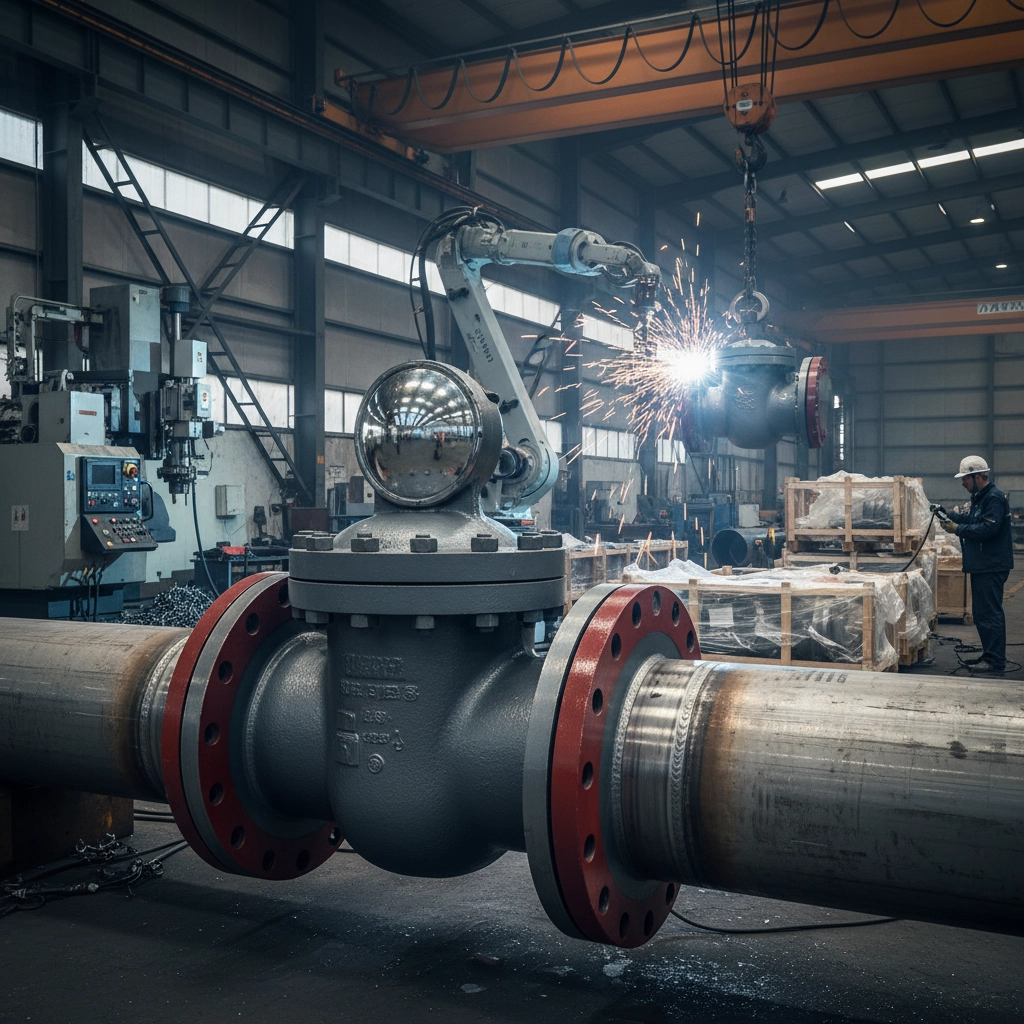
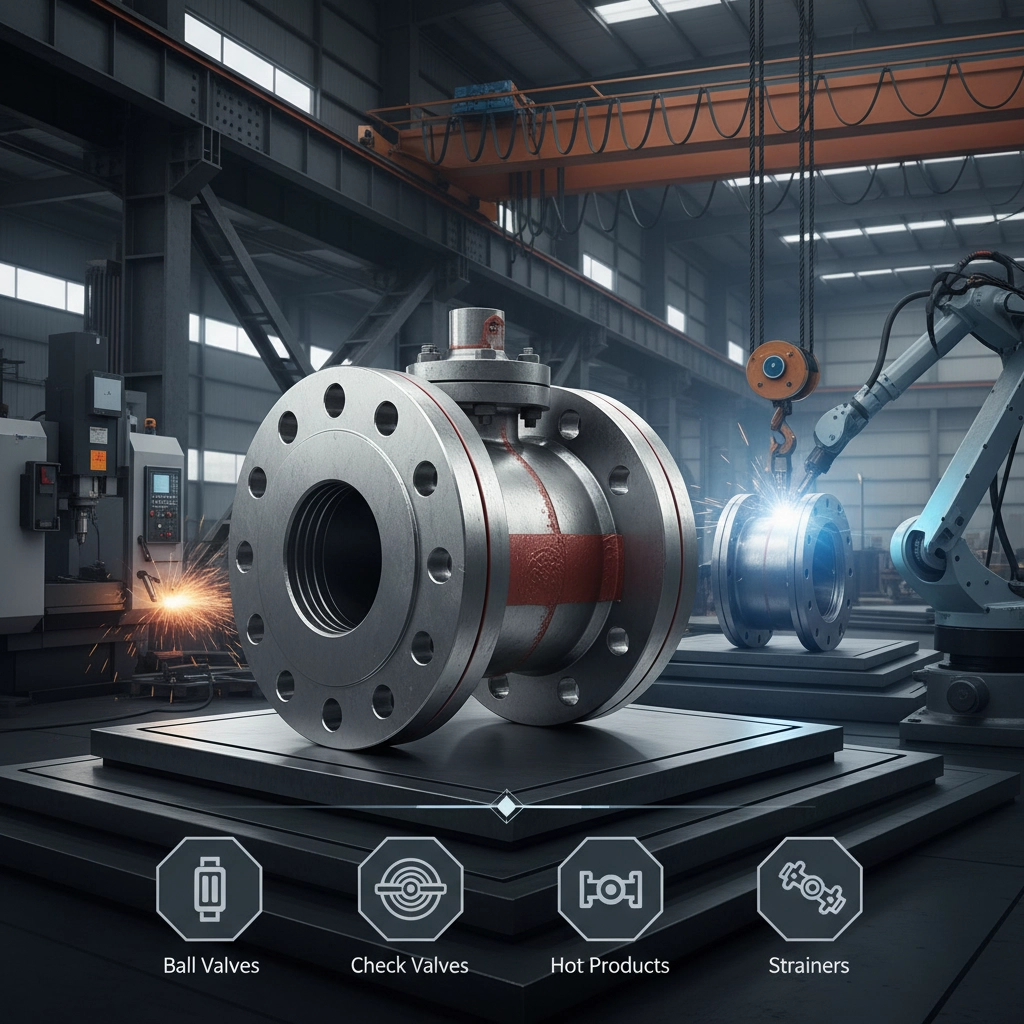
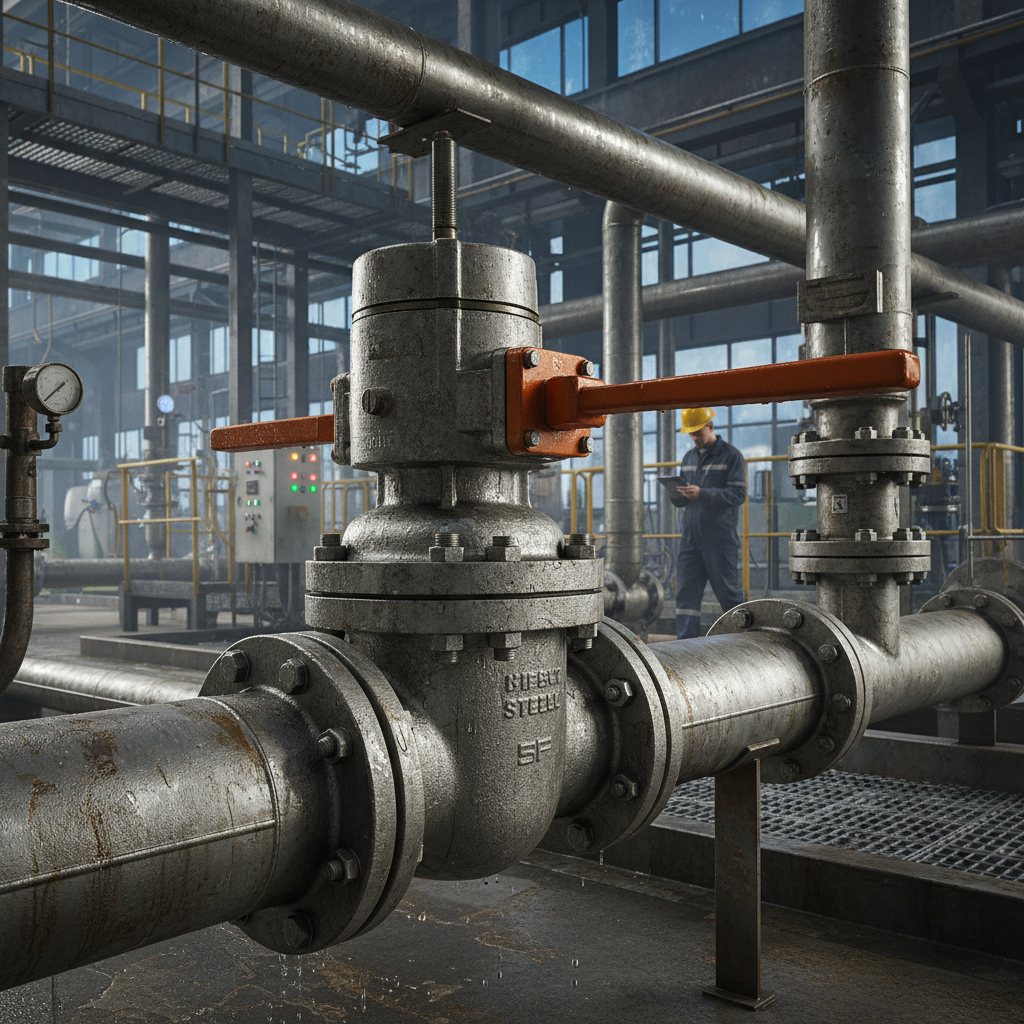
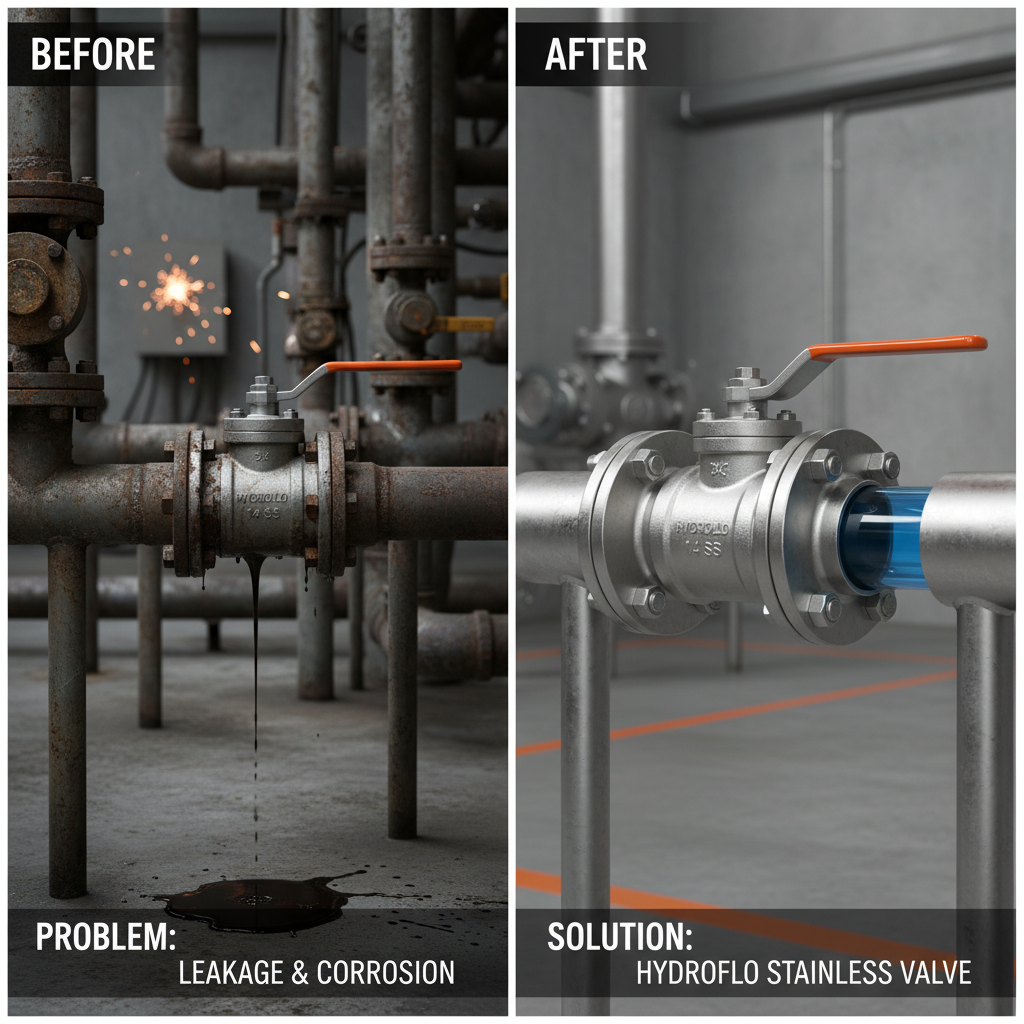
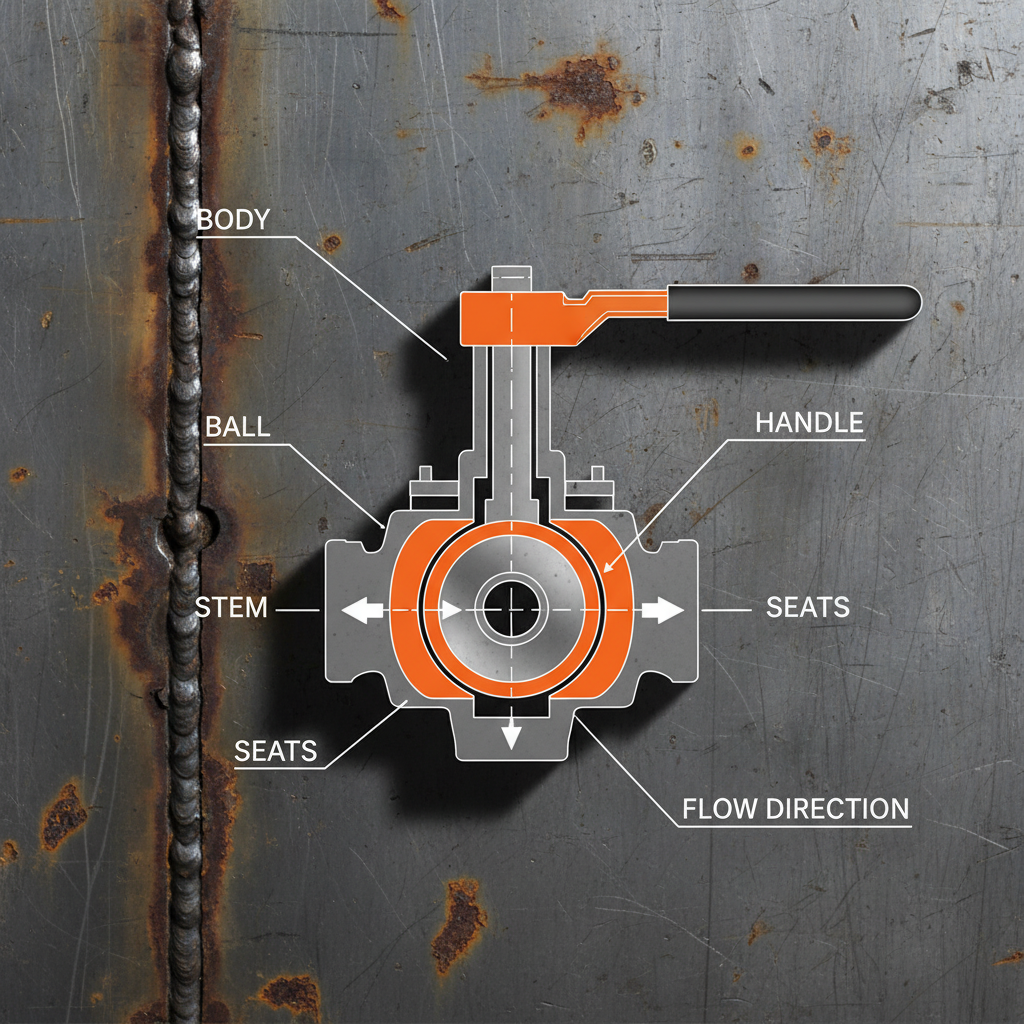
In the complex landscape of industrial fluid control, the flanged ball valve stands as a cornerstone of reliability and precision. By combining the rapid shut-off capabilities of a ball mechanism with the robust security of flanged connections, these components ensure that high-pressure systems remain stable and leak-free. For engineers and procurement specialists, understanding the nuances of this valve is not just about technical specifications, but about ensuring the operational continuity of entire production lines.
Globally, the demand for high-performance flow control has surged as industries transition toward more automated and sustainable infrastructures. From petrochemical plants in the Middle East to pharmaceutical labs in Europe, the integration of a high-quality flanged ball valve minimizes downtime and reduces the risk of catastrophic environmental leaks. This makes the choice of materials and flange standards a critical decision for long-term facility safety.
This comprehensive guide is designed to bridge the gap between raw technical parameters and practical application. Whether you are upgrading an existing pipeline or designing a new system from scratch, we will explore how the flanged ball valve optimizes flow efficiency, enhances safety protocols, and provides a cost-effective solution for diverse industrial challenges across the globe.
Global Industrial Context of Flanged Ball Valves
On a global scale, the reliance on precise flow control is mirrored in the growth of the energy and chemical sectors. According to ISO standards and industrial benchmarks, the adoption of the flanged ball valve has increased significantly due to its ability to handle higher pressure ratings compared to threaded alternatives. In regions with strict environmental regulations, such as the EU and North America, the zero-leakage requirement makes these valves indispensable.
The primary challenge facing modern piping systems is the balance between rapid deployment and permanent stability. While welded joints are secure, they lack the flexibility required for maintenance. The flanged ball valve solves this by providing a secure, bolted connection that can be disassembled for inspection without destroying the pipeline, thereby reducing lifecycle costs and operational risks.
Defining the Flanged Ball Valve Mechanism
At its core, a flanged ball valve is a quarter-turn rotational motion valve that uses a hollow, perforated, and pivoting ball to control the flow of a liquid or gas. The "flanged" aspect refers to the protruding rims at the ends of the valve body, which are bolted to matching flanges on the pipeline. This design creates a mechanical seal that is far superior to simple threaded fittings in high-vibration environments.
In modern industry, this mechanism is critical because it allows for an "all-or-nothing" flow state. When the ball is turned 90 degrees, the flow is either completely blocked or fully open with minimal pressure drop. This efficiency is vital for humanitarian needs, such as municipal water distribution systems in developing regions, where reliable shut-off valves prevent water waste and contamination during repairs.
Beyond the simple mechanics, the synergy between the valve seat (often made of PTFE or reinforced polymers) and the stainless steel or carbon steel ball ensures a bubble-tight seal. This precision engineering transforms a simple mechanical component into a critical safety barrier, protecting personnel and equipment from hazardous medium leaks in industrial settings.
Core Components and Engineering Factors
The durability of a flanged ball valve depends heavily on the material selection for the body and the ball. For corrosive environments, Duplex stainless steel or Hastelloy is often employed to prevent pitting and stress-corrosion cracking. The flange thickness and bolting pattern must strictly adhere to ASME B16.5 or DIN standards to ensure global interoperability.
Scalability is another key factor; flanged ball valves are available in sizes ranging from small 1/2-inch ports to massive 24-inch diameters. The ability to maintain a consistent seal across these varying scales allows plants to maintain a uniform maintenance protocol, regardless of whether they are managing a small chemical feed line or a main water trunk.
Cost efficiency is realized through the reduction of installation time and long-term maintenance. While a flanged ball valve may have a higher initial cost than a threaded valve, the ease of replacement and the reduction in leak-related downtime provide a significantly lower Total Cost of Ownership (TCO) over the decade-long lifespan of a typical industrial plant.
Comparative Performance Analysis
When comparing different configurations of the flanged ball valve, engineers must evaluate the trade-offs between floating ball designs and trunnion-mounted designs. Floating valves are ideal for smaller diameters and lower pressures, whereas trunnion designs offer superior sealing at high pressures by reducing the torque required to turn the ball.
The following analysis demonstrates how different flanged ball valve variants perform across key industrial metrics such as sealing integrity, ease of maintenance, and pressure resistance. This data helps in selecting the right model for specific operational demands.
Operational Efficiency of Flanged Ball Valve Variants
Global Applications and Use Cases
In real-world industrial contexts, the flanged ball valve is utilized in diverse sectors. In the oil and gas industry, these valves are critical for isolation in pipeline manifolds, where they must withstand extreme pressure surges and corrosive saltwater exposure in offshore rigs. Their ability to provide a tight shut-off is the first line of defense against environmental spills.
Furthermore, in remote industrial zones or post-disaster relief operations, modular piping systems rely on flanged connections. For example, when rapidly deploying temporary water purification plants in disaster-stricken areas, the use of flanged ball valves allows for quick assembly and disassembly without the need for specialized welding equipment, ensuring that clean water reaches affected populations faster.
Long-term Value and Sustainability
The long-term value of investing in a high-quality flanged ball valve extends beyond simple operational uptime. From a sustainability perspective, reducing leakages means less waste of precious resources and a smaller carbon footprint for the plant. When a valve maintains its seal over twenty years instead of five, the environmental impact of manufacturing replacement parts is drastically reduced.
Safety and trust are the emotional drivers behind the adoption of these components. Operators feel more secure knowing that a flanged connection is mechanically locked and bolted, reducing the anxiety associated with potential joint failures in high-risk zones. This reliability fosters a culture of safety and professional dignity among maintenance crews.
Moreover, the logical angle of innovation suggests that by integrating smarter sealing materials, the flanged ball valve can now operate in temperatures and pressures that were previously unattainable. This opens new doors for geothermal energy extraction and deep-sea mining, where the durability of the valve directly correlates to the viability of the project.
Future Innovations and Digital Integration
The future of the flanged ball valve is inextricably linked to the "Industry 4.0" digital transformation. We are seeing the emergence of "smart valves" equipped with IoT sensors that monitor seat wear, temperature fluctuations, and actuation cycles in real-time. This shifts maintenance from a reactive "break-fix" model to a predictive model, where the valve notifies the engineer before a failure occurs.
Material science is also evolving, with the introduction of ceramic-coated balls and graphene-reinforced seats. These innovations allow flanged ball valves to handle highly abrasive slurries and extreme chemical concentrations without eroding the internal surfaces, further extending the lifespan of the equipment in harsh mining and chemical processing plants.
As the world moves toward green hydrogen and carbon capture, the flanged ball valve is being redesigned to handle hydrogen embrittlement. New alloy compositions and sealing geometries are being developed to ensure that the transition to clean energy is supported by safe and leak-proof infrastructure.
Comparison of Flanged Ball Valve Materials and Applications
| Material Grade |
Corrosion Resistance |
Max Pressure Score |
Primary Use Case |
| Carbon Steel (WCB) |
Low to Medium |
8/10 |
General Oil & Gas |
| Stainless Steel 316 |
High |
7/10 |
Pharmaceuticals |
| Duplex Steel |
Very High |
9/10 |
Seawater / Desalination |
| Alloy 20 |
Exceptional |
6/10 |
Sulfuric Acid Lines |
| Monel / Inconel |
Extreme |
10/10 |
Extreme Heat / Vacuum |
| PVC / CPVC Flanged |
Very High |
3/10 |
Water Treatment |
FAQS
The primary advantage of a flanged ball valve is the security and ease of installation in high-pressure systems. Unlike threaded joints, which can leak under vibration or thermal expansion, flanged connections use bolted gaskets to create a robust, leak-proof seal. Additionally, flanged valves are significantly easier to remove for maintenance without cutting the pipe, reducing long-term operational costs.
Selecting a flange standard depends on your regional infrastructure and pipe specifications. ASME B16.5 is the most common standard in North America and for global oil and gas projects, while DIN or EN 1092-1 is prevalent in Europe. It is crucial to match the pressure class (e.g., Class 150, 300, 600) of the valve flange with the pipeline flange to ensure a safe, tight fit.
Yes, provided the material and seat are selected correctly. For cryogenic or high-heat applications, stainless steel or specialty alloys like Inconel are used. Furthermore, the soft seats (like PTFE) are replaced with metal-to-metal seats to prevent melting or degradation at extreme temperatures, allowing the valve to operate safely in steam or molten salt lines.
A full bore flanged ball valve has an internal diameter equal to the pipeline, meaning there is no restriction to flow and the pressure drop is minimal. A reduced bore valve has a smaller opening, which reduces the cost and size of the valve but creates a slight restriction in flow. Full bore is preferred for "pigging" operations where cleaning tools must pass through the valve.
Inspection frequency depends on the medium being transported. For non-corrosive water, an annual check may suffice. However, for aggressive chemicals or high-cycle operations, quarterly inspections of the stem packing and flange bolts are recommended. Utilizing smart valves with IoT sensors can allow for condition-based monitoring, alerting you exactly when a seal requires replacement.
Absolutely. Flanged ball valves are ideally suited for automation. They can be equipped with pneumatic, electric, or hydraulic actuators. Because the valve only requires a 90-degree turn to operate, the actuators can be compact and fast-acting, making them perfect for emergency shut-down (ESD) systems where milliseconds matter for plant safety.
Conclusion
The flanged ball valve is far more than a simple mechanical switch for fluid flow; it is a critical engineering component that ensures safety, efficiency, and sustainability across a multitude of global industries. By balancing the strengths of robust flange connections with the precision of ball-valve technology, these components allow for scalable, maintainable, and leak-free industrial architectures. From the choice of alloy to the adherence to international standards, every detail contributes to the overall stability of the production chain.
Looking ahead, the integration of digital monitoring and advanced material science will only enhance the value of these valves. As we move toward more complex energy systems and stricter environmental mandates, investing in high-grade, certified flanged valves is not just a technical necessity but a strategic business decision. We encourage engineers and facility managers to prioritize quality and standards to safeguard their operations for the next generation. Visit our website: www.houdevalve.com