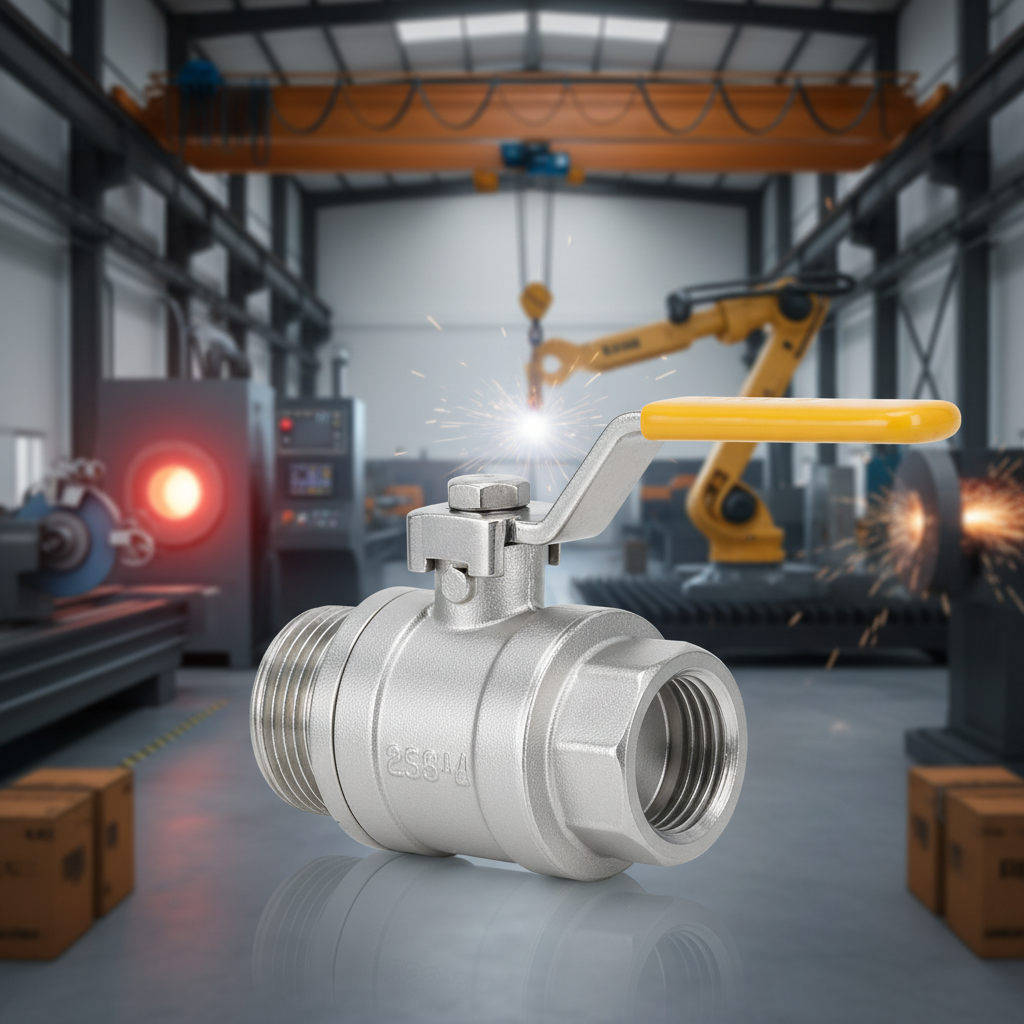
In the complex landscape of modern industrial fluid control, the stainless steel mini ball valve has emerged as a critical component for precision engineering. These compact yet powerful devices are engineered to provide leak-proof shut-off in tight spaces where traditional valves would be bulky and impractical, making them indispensable in high-pressure environments.
The global shift toward miniaturization in machinery does not mean a compromise in quality; rather, it demands materials that can withstand extreme stress in smaller forms. By utilizing high-grade stainless steel, these mini valves offer an exceptional strength-to-weight ratio, ensuring that critical systems remain secure and efficient regardless of the installation constraints.
Understanding the nuances of a stainless steel mini ball valve allows engineers and procurement specialists to optimize their piping layouts, reduce overall system weight, and significantly lower maintenance costs over the product's lifecycle.
Global Industrial Context of Stainless Steel Mini Ball Valves
Across the global manufacturing sector, the demand for precision fluid control has skyrocketed. According to ISO standards for industrial valves, the transition toward sustainable and compact designs is no longer optional but a requirement for competitiveness. The stainless steel mini ball valve addresses a primary challenge: the need for absolute reliability in high-density equipment where space is at a premium.
In regions like East Asia and Europe, where semiconductor and pharmaceutical plant density is high, the integration of these miniature valves allows for more complex piping architectures. This evolution solves the longstanding problem of "maintenance accessibility," as smaller valves can be positioned more strategically without blocking other critical components.
Defining the Stainless Steel Mini Ball Valve and Its Purpose
At its core, a stainless steel mini ball valve is a quarter-turn rotational motion valve that uses a hollow, perforated ball to control the flow of liquids or gases. "Mini" refers to its reduced footprint and port size, typically designed for instrumentation and small-bore piping, while the stainless steel construction ensures resistance to corrosion and oxidation.
These valves serve as the primary "gatekeepers" in modern industrial systems. Whether they are used to isolate a pressure gauge or to manage a precise chemical dosage, their purpose is to provide a bubble-tight seal that prevents hazardous leaks, ensuring both operational safety and environmental compliance.
Beyond mere functionality, these components represent the intersection of humanitarian needs and industrial progress. In medical device manufacturing or clean-water filtration systems for remote areas, the reliability of a small, durable valve can be the difference between a functioning system and a catastrophic failure.
Core Components and Engineering Factors
The durability of a stainless steel mini ball valve begins with its material grade. Most high-performance mini valves utilize CF8M (316 Stainless Steel) to ensure maximum resistance to chlorides and acids, which is essential for long-term deployment in harsh chemical environments.
Precision machining of the ball and seat is the second critical factor. In a stainless steel mini ball valve, the tolerances must be incredibly tight to avoid internal leakage (passing). The use of PTFE or PEEK seats provides a low-friction interface that ensures smooth operation even after thousands of cycles.
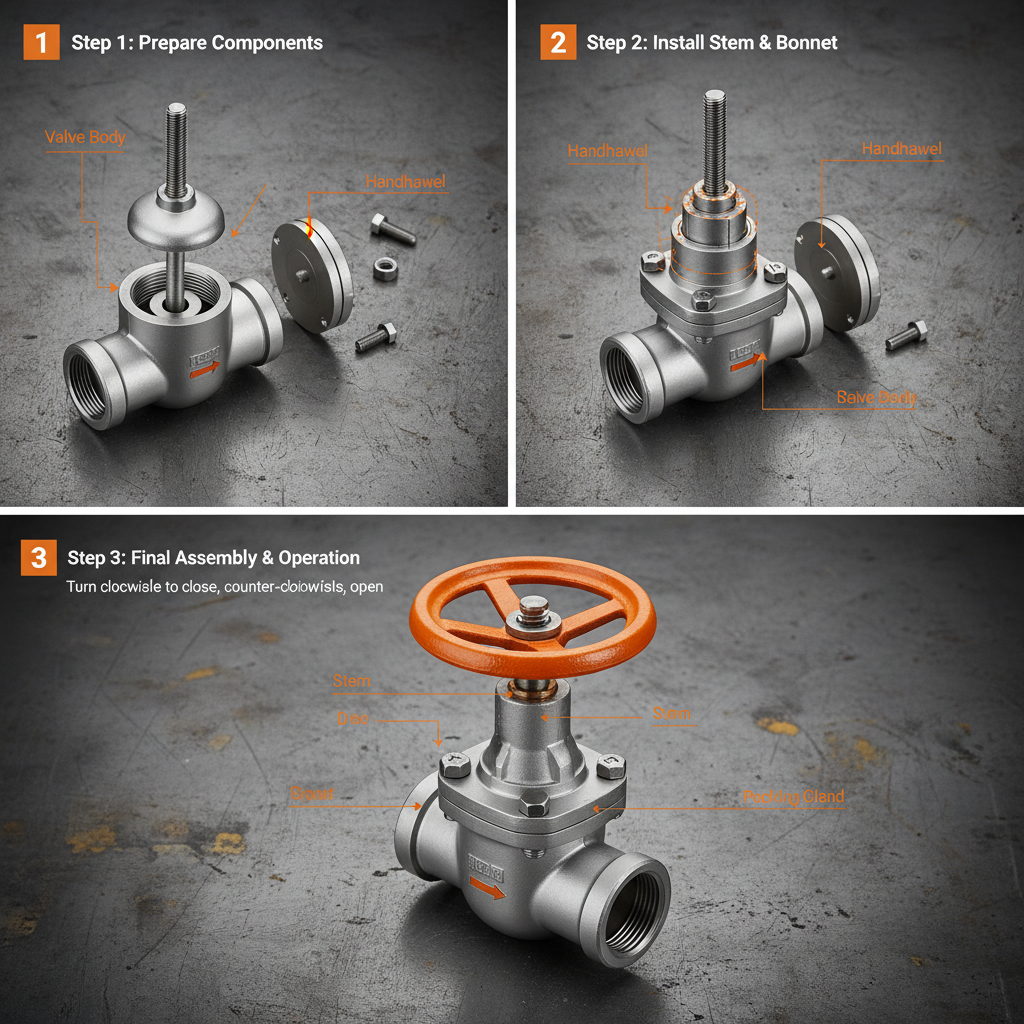
Finally, the scalability of the design allows these valves to be integrated into a wide array of systems. From simple manual levers to automated actuators, the modularity of the stainless steel mini ball valve makes it a versatile choice for engineers designing everything from laboratory equipment to heavy industrial manifolds.
Performance Metrics and Efficiency Analysis
When evaluating the efficiency of a stainless steel mini ball valve, engineers look at the flow coefficient (Cv) and the pressure-temperature rating. A high-quality mini valve maximizes the bore diameter relative to its outer shell, minimizing pressure drop across the valve while maintaining a compact exterior.
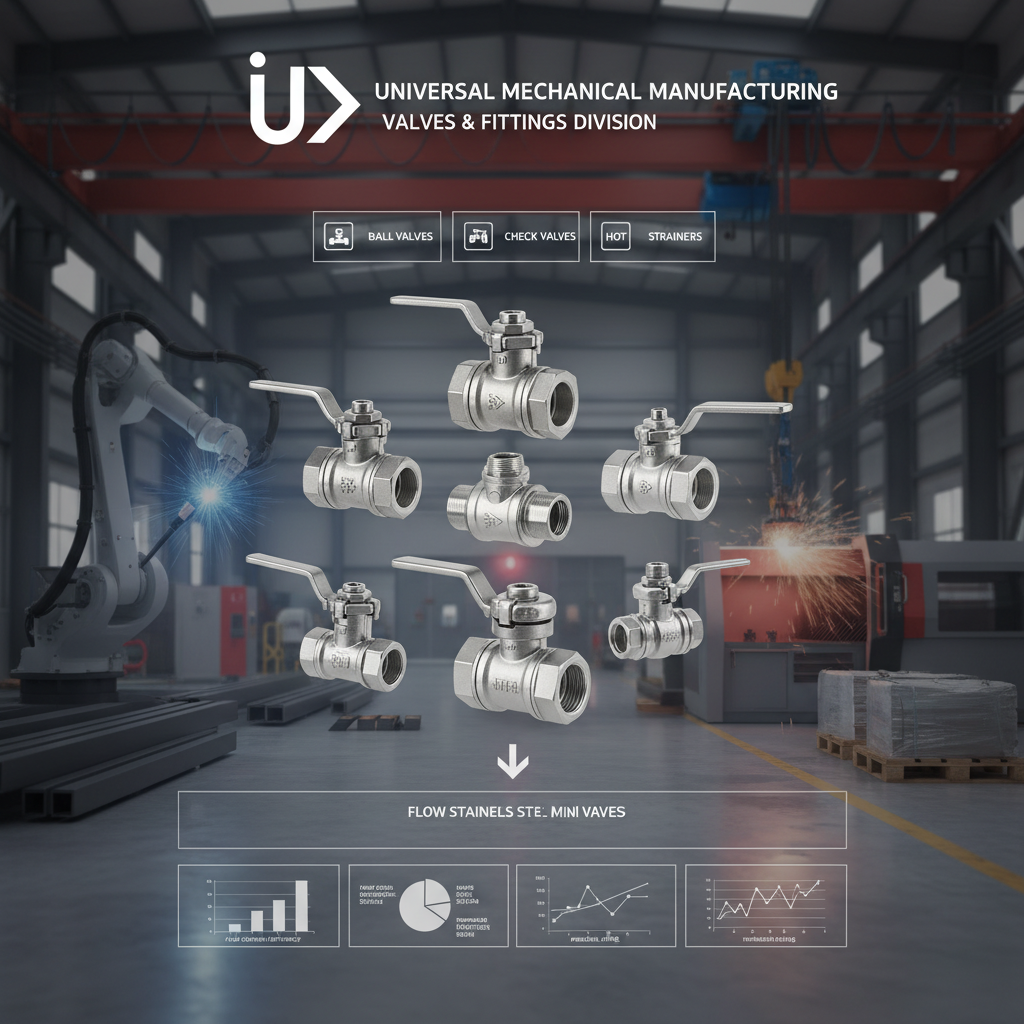
The following data illustrates the comparative performance of different design approaches used in the manufacturing of these miniature components. By analyzing the balance between sealing integrity and flow efficiency, we can identify the optimal configuration for specific industrial needs.
Performance Analysis of Stainless Steel Mini Ball Valve Designs
Global Applications and Specialized Use Cases
The versatility of the stainless steel mini ball valve allows it to thrive in sectors where failure is not an option. In the pharmaceutical industry, these valves are used in chromatography systems and bioreactors to ensure sterile fluid transfer without the risk of contamination, adhering to strict FDA guidelines.
In remote industrial zones, such as offshore oil rigs or high-altitude mining sites, the compact nature of these valves reduces the overall weight of the piping assemblies. This makes transportation and installation significantly easier, while the stainless steel body ensures that salt-spray or extreme weather does not lead to premature corrosion.
Long-Term Value and Reliability Advantages
Investing in a premium stainless steel mini ball valve provides tangible long-term value through reduced downtime. Because of their simple internal design—a single ball rotating 90 degrees—there are fewer points of failure compared to globe or needle valves, which often suffer from seat wear.
From a sustainability perspective, the use of high-grade stainless steel ensures that the valve can be refurbished or recycled at the end of its life. This circular economy approach reduces the environmental footprint of the industrial plant and aligns with global green energy policies.
Beyond the logic of cost and durability, there is an element of trust. Operators feel safer knowing that a stainless steel mini ball valve provides a positive shut-off, which is crucial during emergency isolation procedures to protect human life and expensive machinery.
Future Trends in Miniature Valve Technology
The future of the stainless steel mini ball valve is inextricably linked to the digital transformation of industry (Industry 4.0). We are seeing the emergence of "smart" mini valves equipped with miniature sensors that can detect leakages or flow rates in real-time, sending data directly to a centralized monitoring system.
Additive manufacturing (3D printing) is also revolutionizing how these valves are produced. By using metal 3D printing, manufacturers can create internal flow paths that are optimized for fluid dynamics, reducing turbulence and increasing the lifespan of the stainless steel mini ball valve.
As the world moves toward hydrogen energy, new alloy compositions are being tested to prevent hydrogen embrittlement. This ensure that the next generation of mini valves can safely handle the volatile gases required for the global transition to carbon neutrality.
Comparison of Stainless Steel Mini Ball Valve Specifications by Grade
|
Material Grade
|
Corrosion Resistance
|
Max Pressure (PSI)
|
Primary Application
|
| SS304 Standard |
Moderate |
1,000 |
General Water Systems |
| SS316 Premium |
High |
3,000 |
Chemical Processing |
| SS316L Low Carbon |
Very High |
3,000 |
Pharmaceutical/Food |
| Duplex Steel |
Extreme |
5,000 |
Offshore/Marine |
| Custom Alloy |
Specialized |
6,000+ |
Aerospace/Vacuum |
| SS410 Martensitic |
Low |
1,500 |
Low-Cost Pneumatics |
FAQS
The primary advantage is the space-saving design. A stainless steel mini ball valve allows for the installation of control points in extremely confined areas, reducing the overall footprint of the piping system without sacrificing the sealing integrity or pressure rating provided by stainless steel.
Yes, but it depends on the seat material. While the stainless steel body can withstand high heat, the internal seals (like PTFE) have temperature limits. For extreme heat, we recommend valves with PEEK or metal-to-metal seats to ensure they don't deform under thermal stress.
Maintenance intervals vary by application, but generally, they should be cycled every few months to prevent "stiction" or mineral buildup. Because they are made of stainless steel, they require far less frequent replacement than brass or plastic alternatives.
SS316 is generally superior because it contains molybdenum, which provides significantly better resistance to corrosion, especially in saltwater or chemical environments. SS304 is sufficient for basic water or air applications where cost is a primary concern.
Absolutely. Many stainless steel mini ball valves are designed with mounting pads for electric or pneumatic actuators. Their quarter-turn mechanism makes them ideal for rapid on/off automation in PLC-controlled systems.
Ensure that the threads are properly cleaned and use a high-quality thread sealant or PTFE tape. Additionally, avoid over-tightening the valve handle, as this can distort the internal seat and lead to premature leakage.
Conclusion
The stainless steel mini ball valve represents a perfect synergy of material science and mechanical engineering. By condensing the power of a full-sized ball valve into a compact form factor, it enables greater efficiency, safety, and flexibility across a wide spectrum of industries—from the precision of pharmaceutical labs to the ruggedness of offshore oil platforms.
As we look toward a future of smarter, greener, and more compact industrial systems, the role of high-precision miniature valves will only grow. We encourage engineers and procurement managers to prioritize material quality and precision machining to ensure long-term operational success. For more information on high-performance fluid control solutions, visit our website: www.houdevalve.com