
QUESTIONS & ANSWERS
Mini Ball Valve M/M FAQ: Integration, Spare Parts and Maintenance
This FAQ explains how a compact M/M valve can fit fluid-control systems. It also highlights the connection, material, seal and application details buyers should verify before specification.
A compact ball valve can be useful when a fluid-control system has limited installation space. The questions below focus on the M/M configuration from Cangzhou Houde Stainless Steel Products Co., Ltd. They cover connection planning, media, seals and maintenance.
What does M/M mean on this valve?
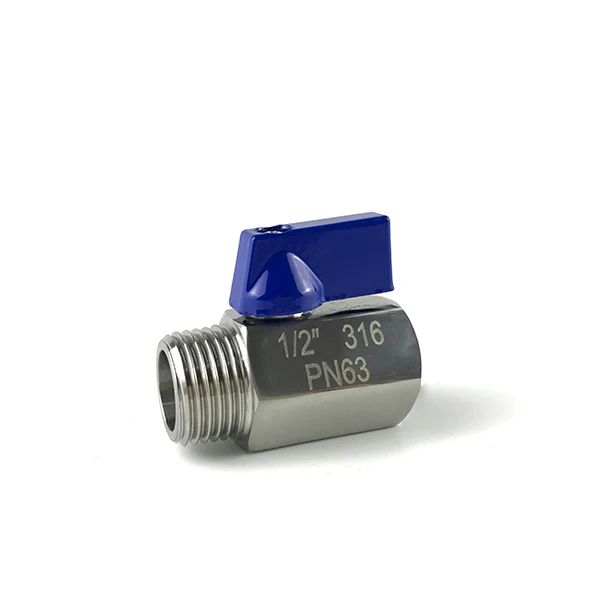
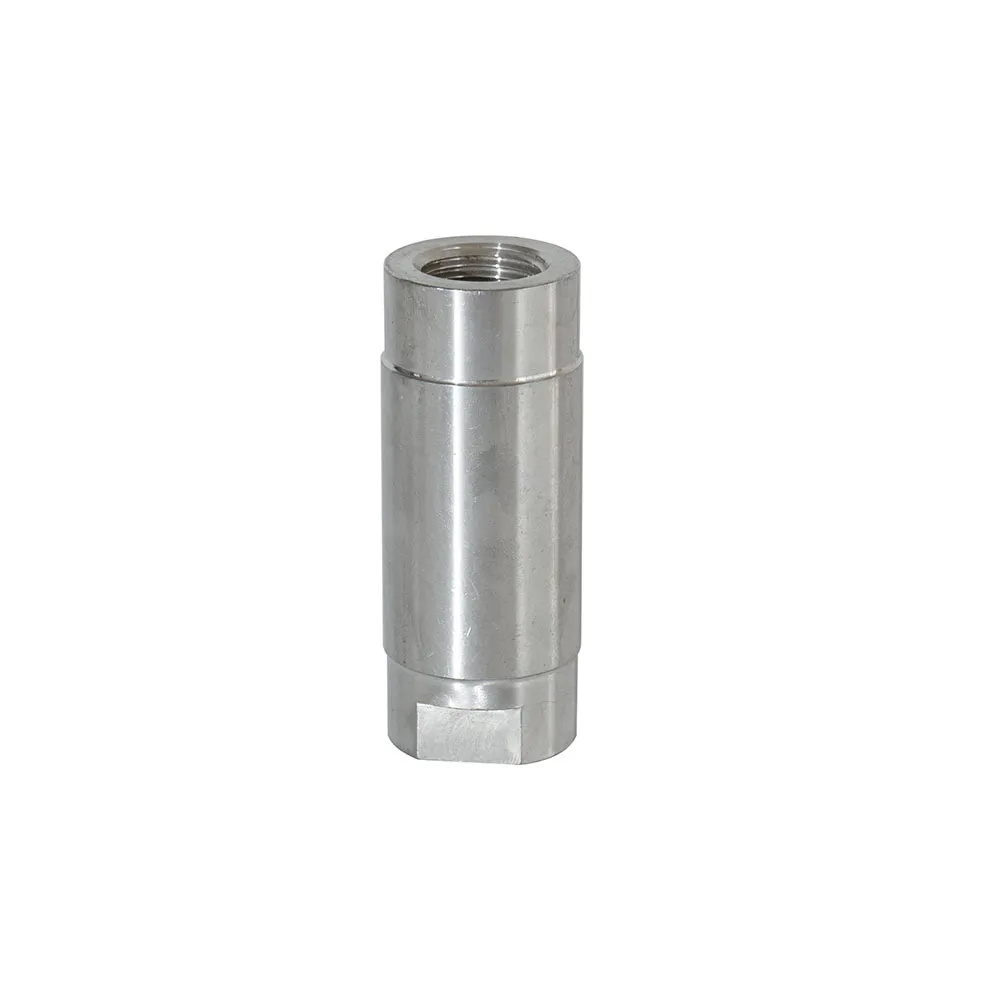
M/M means the valve has two external, or male, threaded connections. The valve has NPT, BSP or metric thread options, so the required thread standard should be confirmed against the mating components before ordering or installation.
Why use this design in a compact system?
The design has a compact structure and is intended for fluid-control systems with limited space or low-flow systems. Its full-bore design supports smooth flow, while the external-to-external thread arrangement is intended to facilitate direct connection in small networks, meters and equipment. Whether it fits a particular assembly still depends on available clearance and the mating thread configuration.
Which media is it described for?
The published description lists water, air, oil, gas, steam and mild chemicals as compatible media. It also describes applications such as instruments, laboratory systems, cooling circuits, pneumatic systems, compact hydraulic lines, HVAC and plumbing equipment. Buyers should check the actual medium, temperature, pressure and material requirements for their system; the published excerpt does not establish suitability for every fluid or operating condition.
What materials and seals are used?
The description identifies stainless steel 304 or 316 models and Teflon seats. It states that the seats are intended to provide tight closure and lists a temperature compatibility range of -20°C to 150°C (-4°F to 302°F). Confirm the material grade and seal configuration for the specific order, because the description presents model options rather than one configuration for every valve.
What spare part is specifically mentioned?
The seal can be removed, cleaned or replaced. For a replacement request, provide the valve identification and confirm the required material, thread and seal configuration with the supplier rather than assuming that a generic seal will fit.
How should maintenance be approached?
The maintenance benefit is that the seal can be removed, cleaned or replaced. Isolate the relevant system and verify that working conditions are safe before servicing; this FAQ does not replace the product's operating or safety manual.
What should buyers confirm before specifying an M/M model?
Confirm the connection standard—NPT, BSP or metric—the required size, stainless steel grade, seal configuration and intended medium. Also compare the application conditions with the temperature information and obtain any pressure or application limits required for the installation.
Key takeaway
An M/M configuration is a compact option for fluid-control systems where space is limited. Integration depends on matching the external threads and confirming the required material, seal and service conditions. For spare parts, the seal is removable, cleanable and replaceable.
THE PEOPLE

About the author
THE COMPANY
Cangzhou Houde Stainless Steel Products Co., Ltd.
Cangzhou Houde Stainless Steel Products Co., Ltd. was established in 2010 and is located in Cangzhou, Hebei Province, China. It is a professional enterprise engaged in the research, development, production, and sales of stainless steel products. The company is equipped with advanced production equipment and a top-notch technical team, dedicated to providing high-quality stainless steel valves, fittings, pipes and other products widely used in the petroleum, chemical, construction, and food industries.…
About Us ↗Visit company website ↗YOUR NEXT STEP
Bring your brief. Start a useful conversation.
Use case, specification, quantity and delivery window: make the next conversation specific.