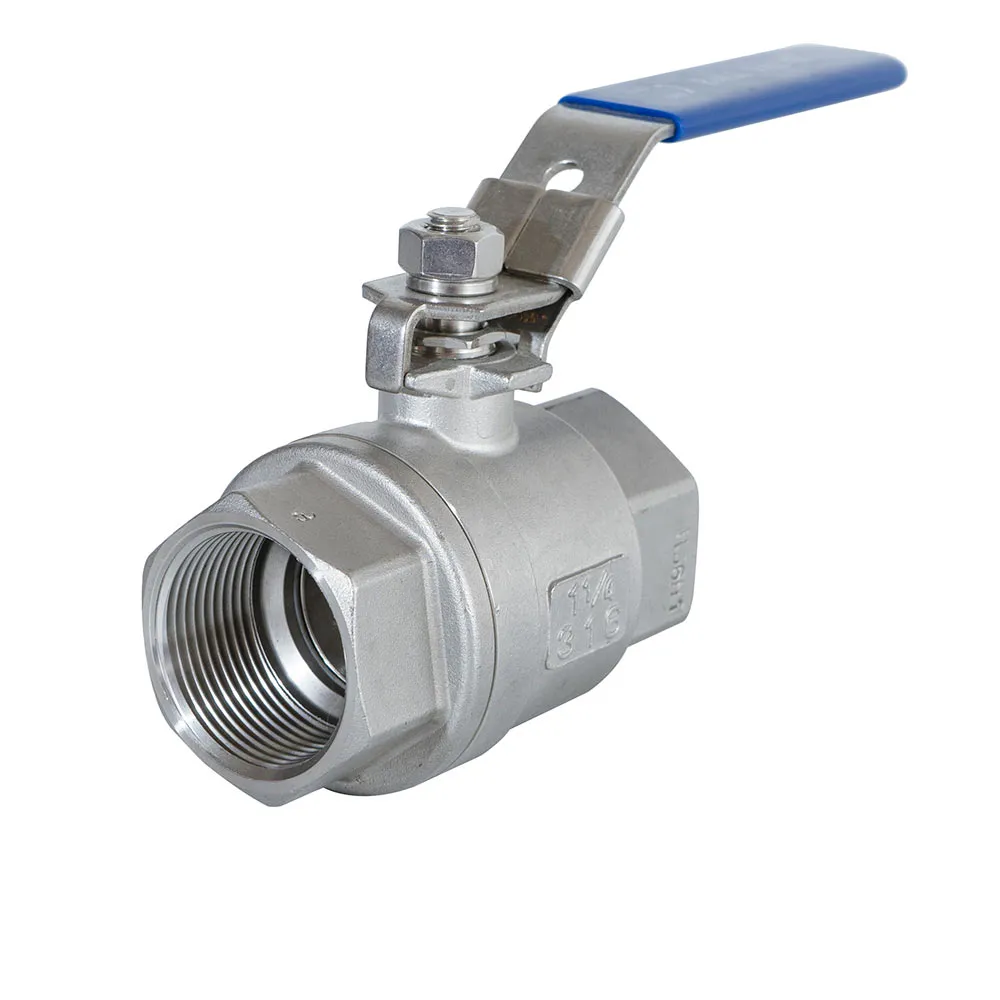
Answers for buyers evaluating a vertical spring check valve, including flow direction, material selection, two-piece construction, internal maintenance, and spare-part planning.

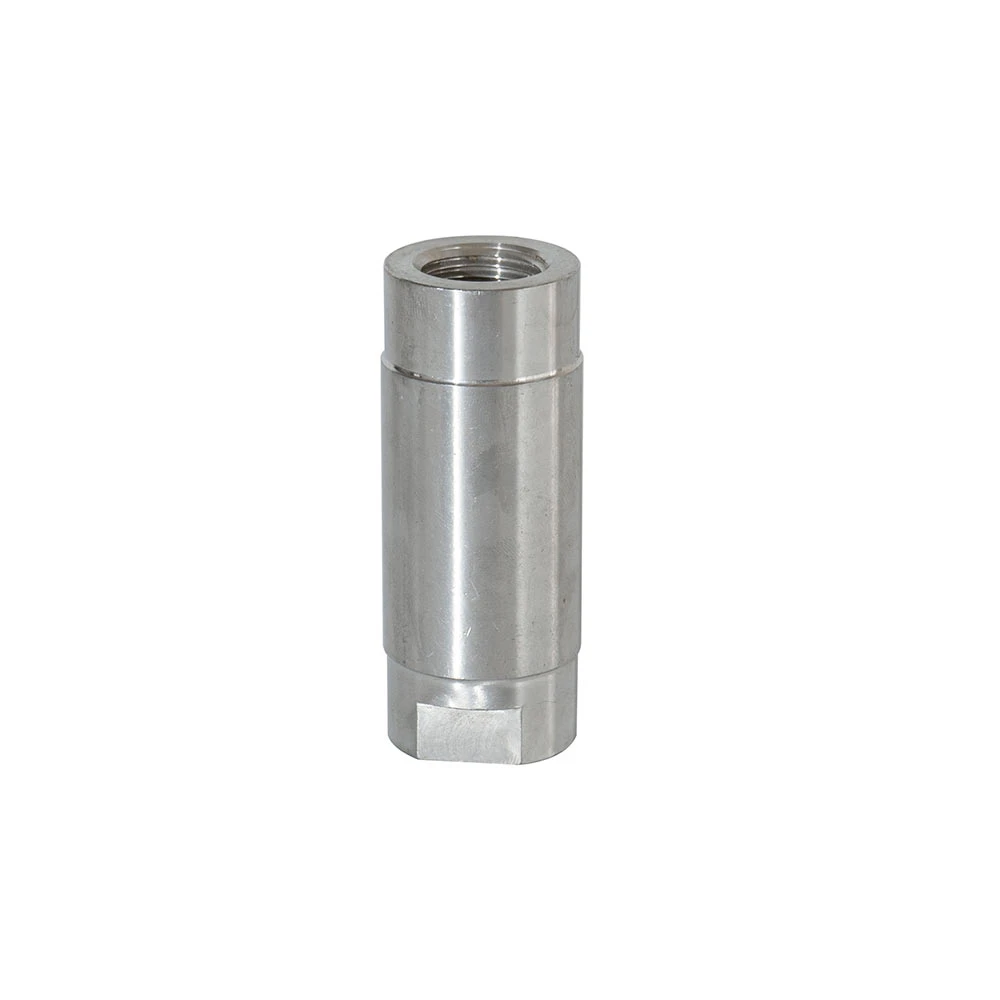
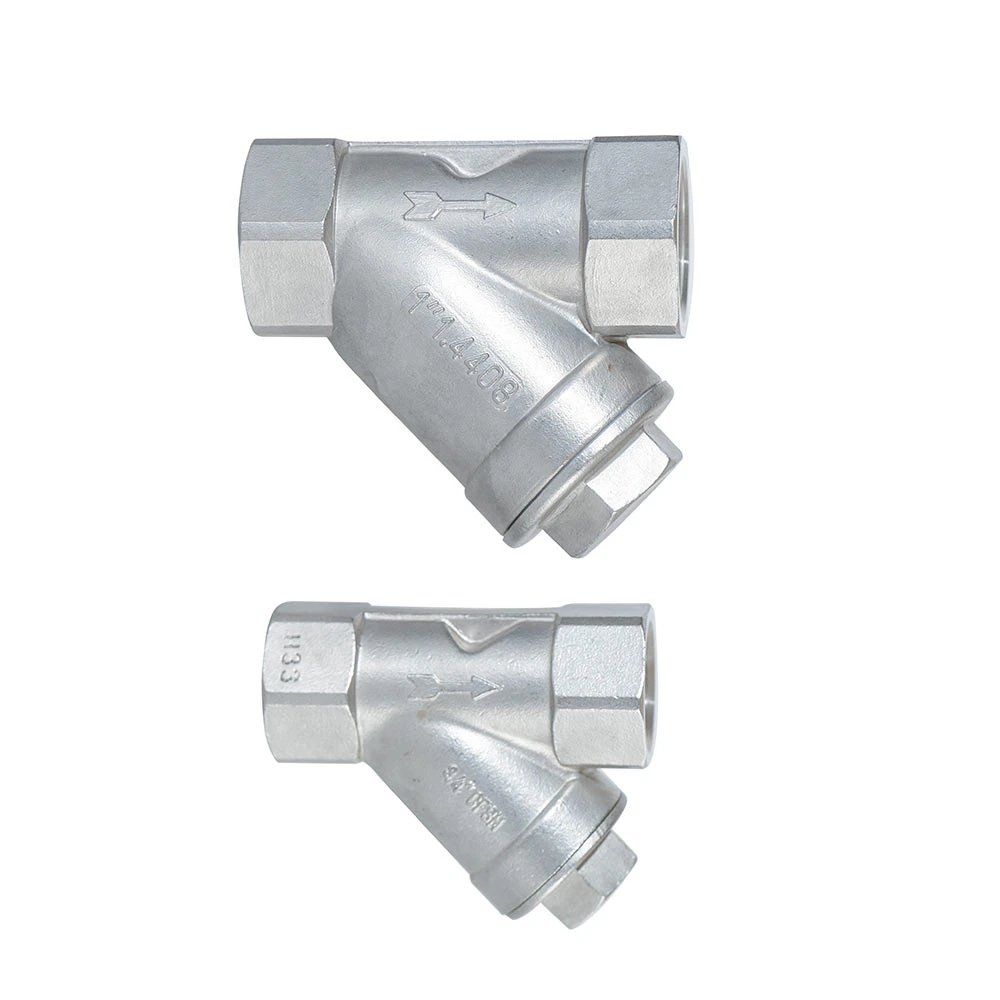
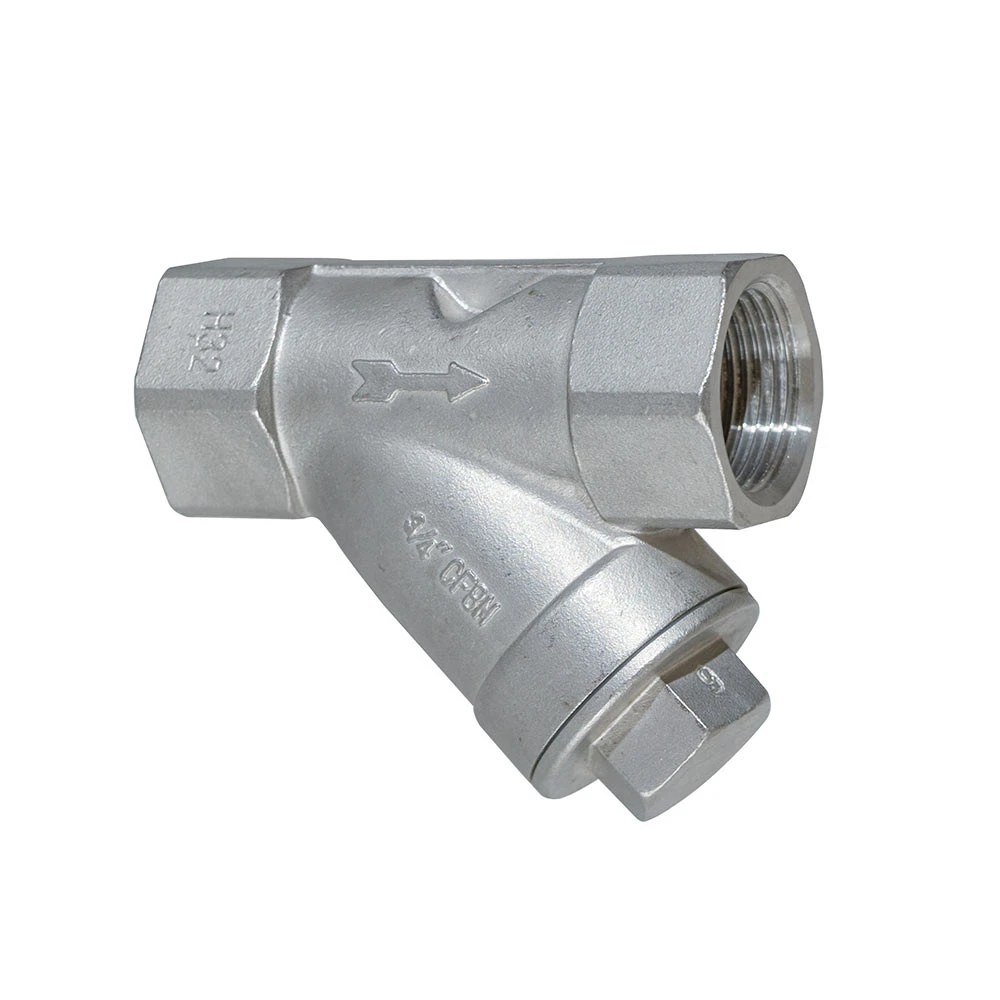
A vertical spring check valve is used to control reverse flow in an upward pipeline. The spring-assisted closure responds when flow weakens or reverses, while the compact layout suits installations where horizontal space is limited. The Y Spring Vertical Check Valve is one option for vertical piping systems.
How should a vertical spring check valve be integrated into a piping system?
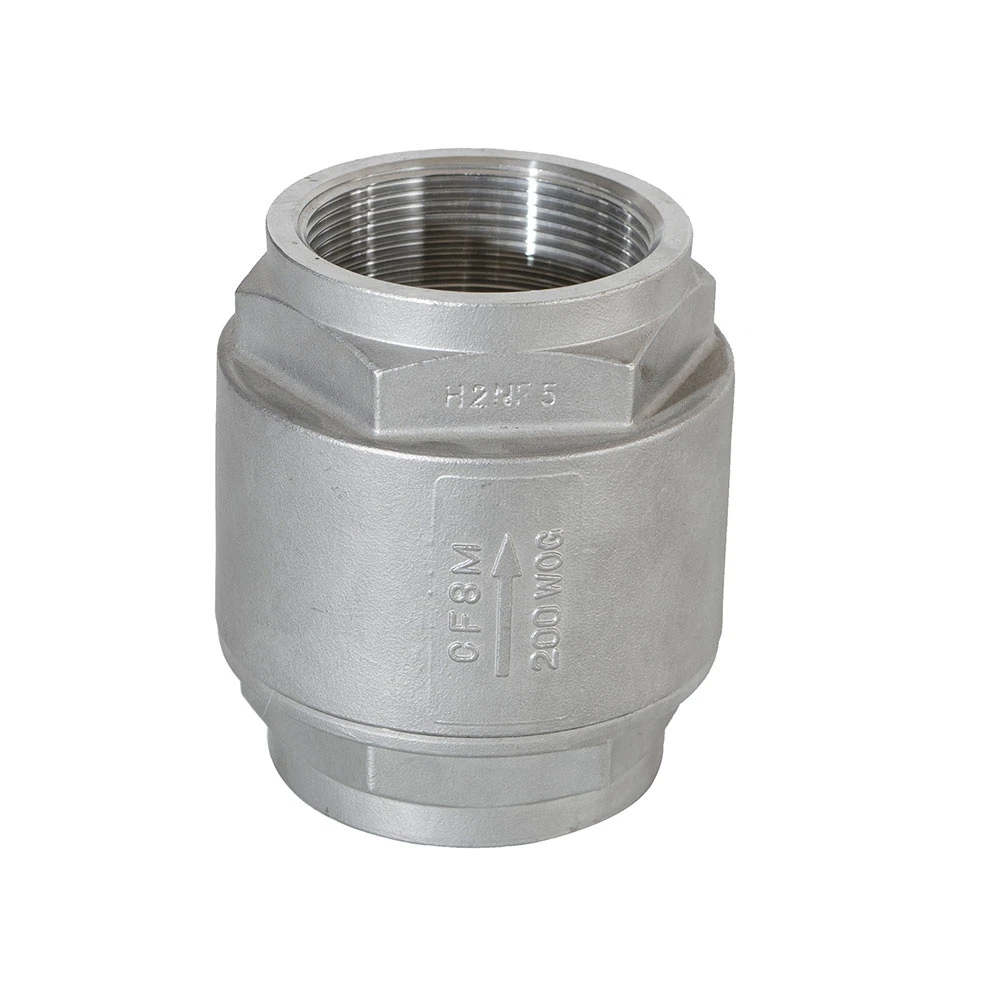
Plan the valve for a vertical line with upward, one-directional flow. The 2 PC Spring Vertical Check Valve has a vertical flow path and a spring-loaded mechanism that closes quickly when flow stops or reverses. This helps limit reverse flow and the pressure surge associated with rapid flow reversal.
The installation space also matters. Its compact vertical design fits confined piping layouts where a horizontal valve would require more room. Before ordering, map the pipe route, available service access, flow direction, and the medium in the line. Match the valve material to that service: the 2 PC design is available in stainless steel, bronze, or alloy steel, while the Y Spring Vertical Check Valve has options including stainless steel, bronze, cast iron, and PVC.
Why use a spring-loaded valve in a vertical line?
A spring-loaded disc can close quickly at low flow rates and does not depend on gravity alone. This makes the arrangement suitable for vertical systems that need rapid response as the flow stops or changes direction. The 2 PC model also has low opening pressure and small flow resistance, supporting flow through the line with limited pressure loss.
Picture a pump discharge line rising through a tight equipment area. The valve can be placed in the vertical section, with the arrow and piping arrangement matched to the intended upward flow. The buyer should confirm the actual pipe orientation, medium, temperature, and pressure conditions before selecting the material and valve configuration.
What maintenance access does the 2 PC design provide?
The two-piece body can be disassembled for inspection, cleaning, and replacement of internal components. That access is useful when the line requires periodic internal checks or when deposits may affect the spring-loaded mechanism and sealing surfaces.
Maintenance planning should leave enough room around the body for disassembly and inspection. In a water treatment or HVAC installation, for example, place the valve where technicians can reach the body without removing unrelated equipment. Isolate the line and follow the site’s safe maintenance procedure before opening any valve.
How should spare parts be planned for this valve?
Start with the exact valve design, body material, connection arrangement, and service medium. The 2 PC construction supports replacement of internal components, so the maintenance file should identify the valve and its installed configuration before a replacement part is requested. This prevents a part intended for a different material or valve design from being used in the line.
For a repeat installation, keep the product name, valve size, material, connection details, and the number of units in the inquiry. Send a piping sketch when the valve must fit a confined vertical run, and ask for the matching internal component details for the installed configuration.
The people

About the author
The company
Cangzhou Houde Stainless Steel Products Co., Ltd.
Cangzhou Houde Stainless Steel Products Co., Ltd. was established in 2010 and is located in Cangzhou, Hebei Province, China. It is a professional enterprise engaged in the research, development, production, and sales of stainless steel products. The company is equipped with advanced production equipment and a top-notch technical team, dedicated to providing high-quality stainless steel valves, fittings, pipes and other products widely used in the petroleum, chemical, construction, and food industries.…
About Us ↗Visit company website ↗Your next step
Bring your brief. Start a useful conversation.
Use case, specification, quantity and delivery window: make the next conversation specific.