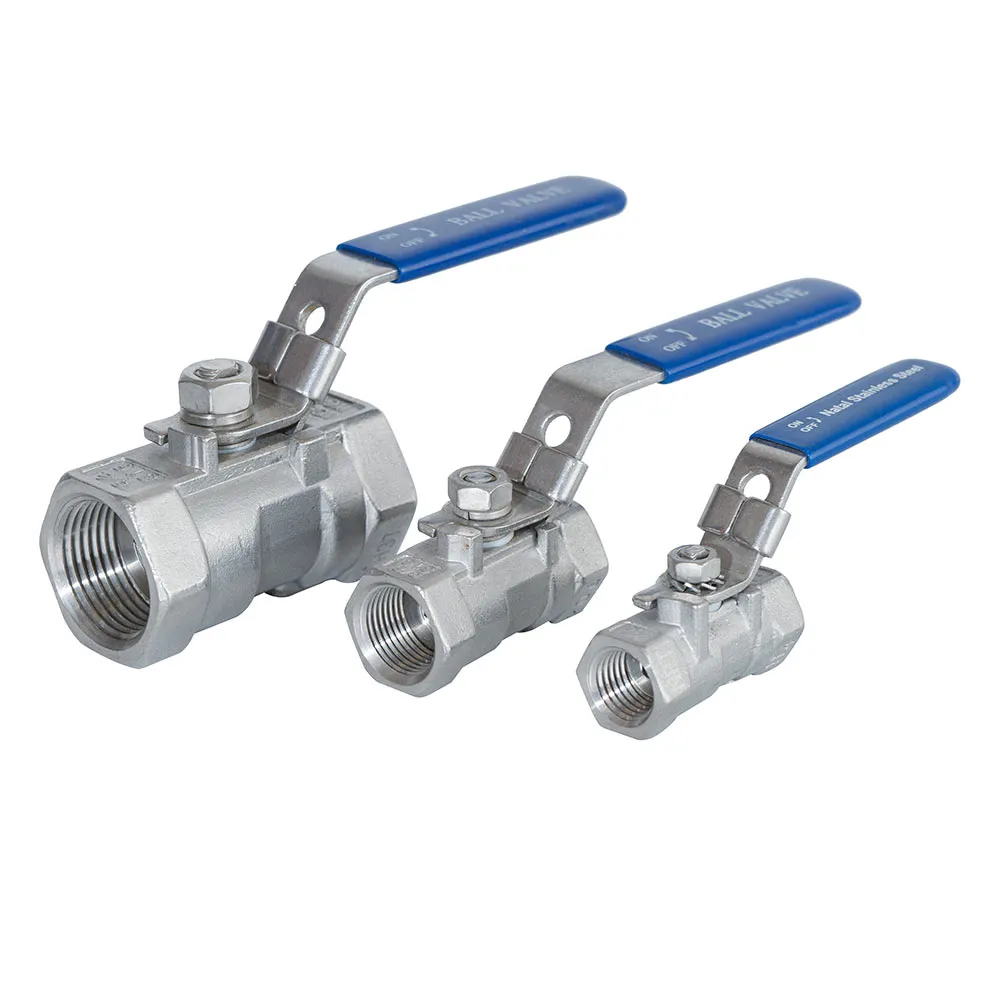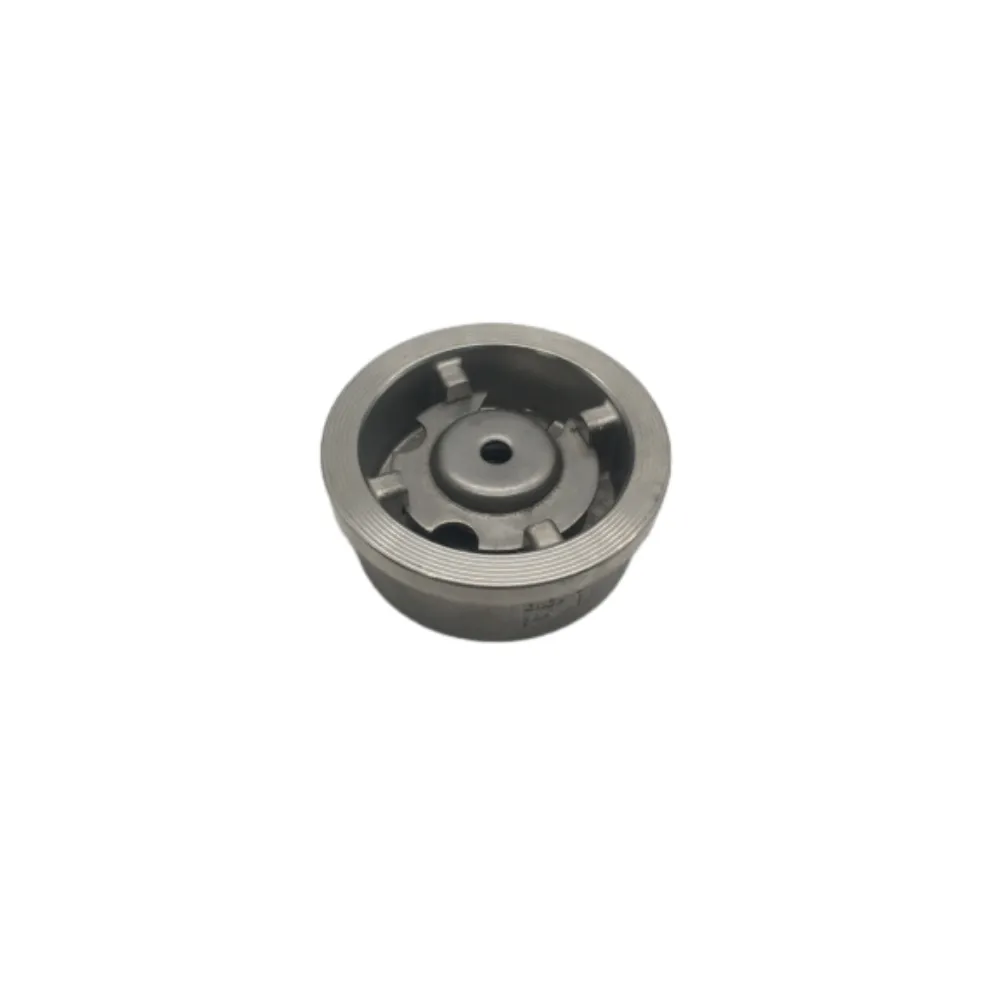
Miniature Ball Valves: Compact, Durable & Stainless Steel

  • Home
  • news
  • Miniature Ball Valves: Compact, Durable & Stainless Steel
September 19, 2025
Miniature Ball Valves: Compact, Durable & Stainless Steel

Introduction to Miniature Ball Valves

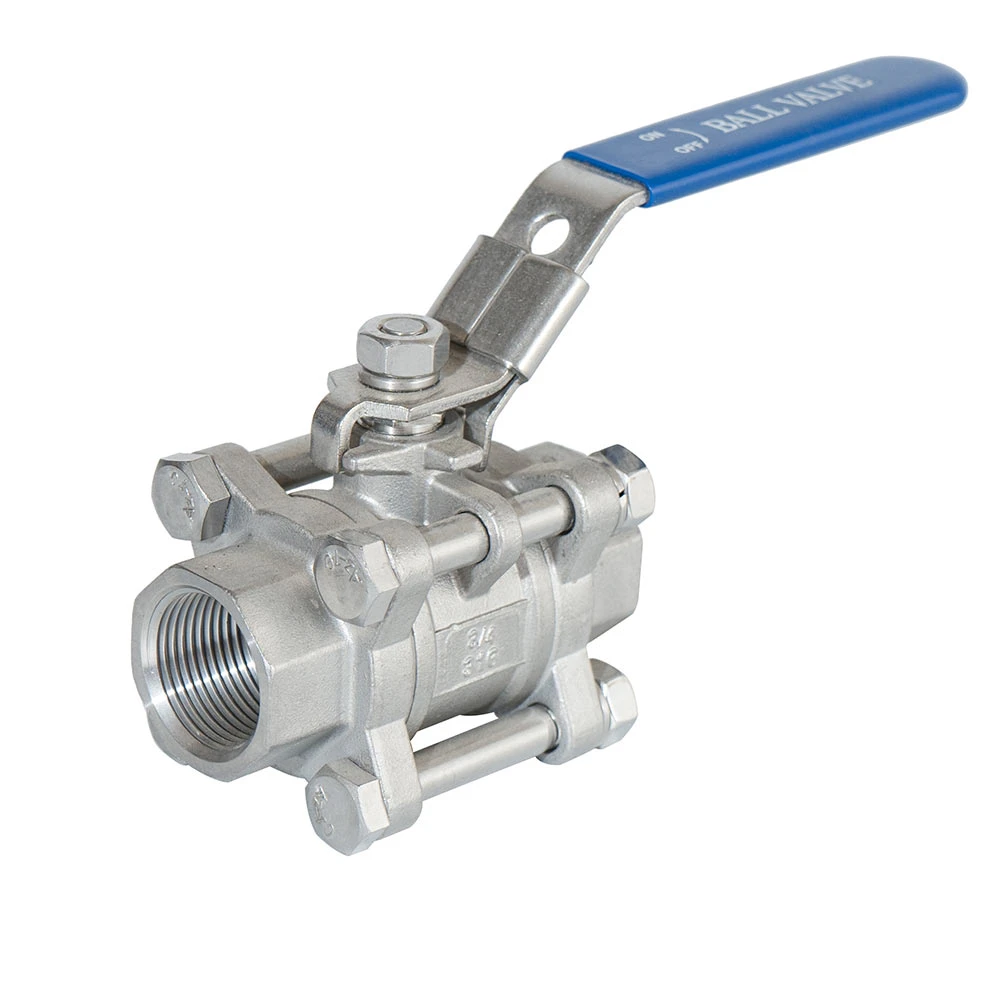
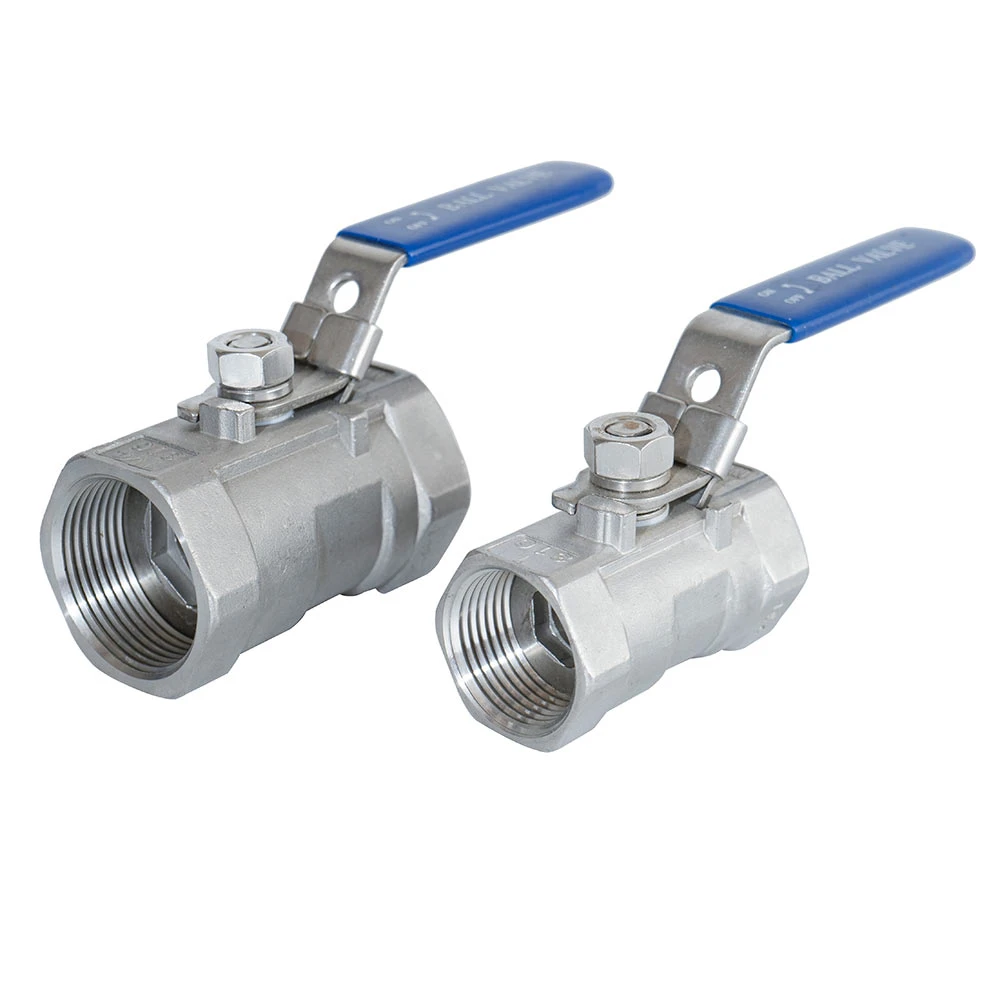
In industrial fluid control systems, the precision, reliability, and compact design of components are paramount. Among these, miniature ball valves stand out as critical devices for regulating flow in applications where space is at a premium and precise control is essential. These compact valves, often referred to as mini ball valves, are designed for quick on-off action, ensuring efficient operation and minimal pressure drop. Their robust construction and versatile material options make them suitable for a wide array of demanding environments, from high-pressure hydraulic systems to corrosive chemical processing. This article delves into the intricacies of these essential components, exploring their manufacturing, applications, technical merits, and market trends.

The demand for smaller, more efficient, and durable components in various industries has propelled the evolution of miniature ball valves. These valves offer significant advantages over traditional, larger counterparts by providing comparable flow control in a significantly reduced footprint. Key attributes such as material integrity, precision machining, and stringent testing contribute to their long service life and dependable performance, making them an indispensable element in modern fluid handling.

Industry Trends in Miniature Ball Valves

The market for miniature ball valves is experiencing dynamic growth driven by several key industry trends. Miniaturization remains a dominant theme, with a continuous push towards smaller, lighter, and more integrated valve designs to accommodate compact system layouts in advanced automation, robotics, and medical devices. This trend is accompanied by an increasing demand for higher pressure ratings and broader temperature ranges within these compact forms, pushing material science and manufacturing precision to new limits.

Another significant trend is the rise of smart fluid control systems. Integration of sensors and actuators into mini ball valves allows for remote monitoring, predictive maintenance, and intelligent flow management. This enhances operational efficiency, reduces downtime, and optimizes resource utilization across various sectors, particularly in the petrochemical and process industries where safety and precise control are critical.

Sustainability and compliance with environmental regulations are also shaping the industry. There's a growing preference for materials that offer superior corrosion resistance and longer service life, such as stainless steel mini ball valves, to minimize leaks and environmental impact. Furthermore, manufacturers are increasingly adopting advanced manufacturing techniques, including additive manufacturing for prototyping and complex geometries, and sophisticated CNC machining for high-volume, high-precision production. The focus on energy efficiency through reduced pressure drop and optimized flow paths is another critical aspect, contributing to lower operational costs for end-users.

Manufacturing Process of Miniature Ball Valves

The production of miniature ball valves is a highly precise and multi-stage process designed to ensure durability, leak-tightness, and reliable operation. It combines advanced material science with sophisticated machining and rigorous quality control.

Key Materials

  • Body & Ball Materials: Primarily stainless steel (e.g., SS304, SS316, SS316L) for superior corrosion resistance and strength, especially for stainless steel mini ball valve applications. Brass (e.g., CW617N, C37700) is also common for general utility, water, and non-corrosive gas applications due to its excellent machinability and cost-effectiveness. Exotic alloys like Hastelloy or Monel may be used for extremely harsh chemical environments.
  • Seat Materials: PTFE (Polytetrafluoroethylene) is standard for its low friction, chemical inertness, and wide temperature range. RPTFE (Reinforced PTFE) and PEEK (Polyetheretherketone) are used for higher pressure/temperature applications and enhanced wear resistance.
  • Seals & O-rings: Viton, NBR, EPDM, or PTFE are selected based on chemical compatibility and temperature requirements.

Manufacturing Process Steps

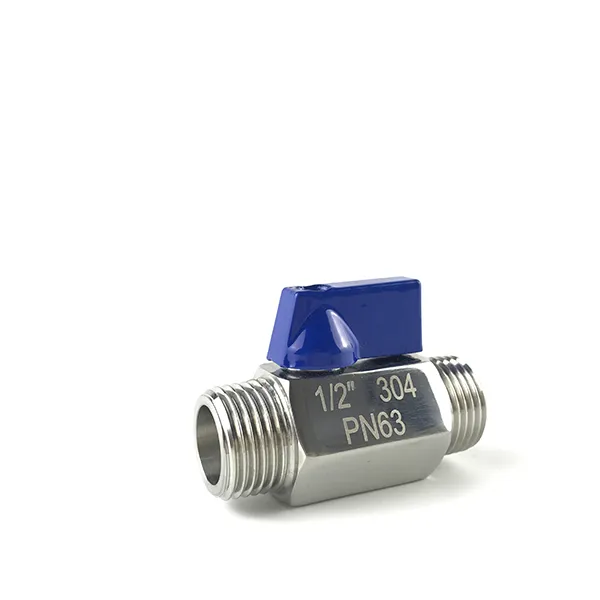
The manufacturing of a high-quality miniature ball valve typically involves the following stages:

  1. Material Selection & Preparation: Raw materials (e.g., stainless steel bars, brass billets) are sourced from certified suppliers, ensuring compliance with standards like ASTM. Material traceability is maintained throughout the process.
  2. Casting or Forging:
    • Casting: For complex body shapes, molten metal is poured into molds. This method is cost-effective for larger volumes and specific designs.
    • Forging: For higher strength and integrity, especially for high-pressure applications, metal billets are heated and shaped under immense pressure. Forged bodies offer superior mechanical properties, crucial for a robust mini ball valve.
  3. CNC Machining: Precision Computer Numerical Control (CNC) machines are used to machine the valve body, ball, stem, and end connections to exact tolerances. This ensures perfect fit, smooth operation, and minimal internal leakage. Surface finishes are critical for sealing performance.
  4. Cleaning & Deburring: All machined components are thoroughly cleaned to remove swarf, oils, and contaminants. Deburring ensures smooth edges and prevents damage to soft seals.
  5. Assembly: Components are assembled in a clean environment. This includes inserting the ball, seats, stem, O-rings, and packing, followed by attaching the handle. Proper torqueing is crucial for seal integrity.
  6. Testing & Quality Control: Every valve undergoes rigorous testing to ensure compliance with international standards.
    • Hydrostatic Shell Test: The valve body is pressurized with water to confirm structural integrity against leakage.
    • Seat Leakage Test: Air or nitrogen is used to check for leakage past the valve seats, ensuring tight shut-off. Standards like ISO 5208 and ANSI/FCI 70-2 (Class VI for bubble-tight shutoff) are commonly applied.
    • Functional Testing: Valves are cycled to confirm smooth operation and correct quarter-turn action.
    • Material Verification: Spectrographic analysis (PMI) for alloys to verify material composition.
  7. Packaging & Dispatch: Valves are cleaned again, lubricated if necessary, and carefully packaged to prevent damage during transit.
Miniature Ball Valves: Compact, Durable & Stainless Steel

Expected service life for well-manufactured mini ball valves can range from 10,000 to 100,000 cycles or more, depending on application severity, media properties, and maintenance. Many manufacturers design for a minimum of 20,000 to 50,000 cycles under rated conditions.

Technical Specifications and Parameters

Understanding the technical specifications of miniature ball valves is crucial for proper selection and optimal system performance. These parameters define the valve's operational limits and suitability for specific applications.

Product Specification Table: Mini Ball Valve M/M (Typical Example)

Parameter Specification
Model Name Mini Ball Valve M/M
Body Material Forged Brass CW617N (EN 12165) / SS316 (ASTM A351 CF8M)
Ball Material Chrome-plated Brass / SS316
Seat Material Virgin PTFE (Polytetrafluoroethylene)
Stem Material Brass / SS316
Handle Material Zinc-plated Steel / SS304 (Lever or Butterfly)
Connection Type Male x Male (M/M) Threaded
Nominal Size Range 1/8" to 1" (DN6 to DN25)
Pressure Rating Up to 600 PSI (40 bar) WOG (Water, Oil, Gas) for Brass; up to 1000 PSI (69 bar) for Stainless Steel
Temperature Range -20°C to +150°C (-4°F to +302°F) (PTFE seats)
Certifications ISO 9001, CE, RoHS, Pressure Tested to EN 12266-1

These specifications are crucial for ensuring the chosen miniature ball valve aligns with the operational demands of the system, including media compatibility, pressure fluctuations, and ambient temperature. Selecting a stainless steel mini ball valve, for instance, provides higher pressure and temperature resistance, alongside superior corrosion properties, making it ideal for aggressive fluids or environments.

Application Scenarios and Target Industries

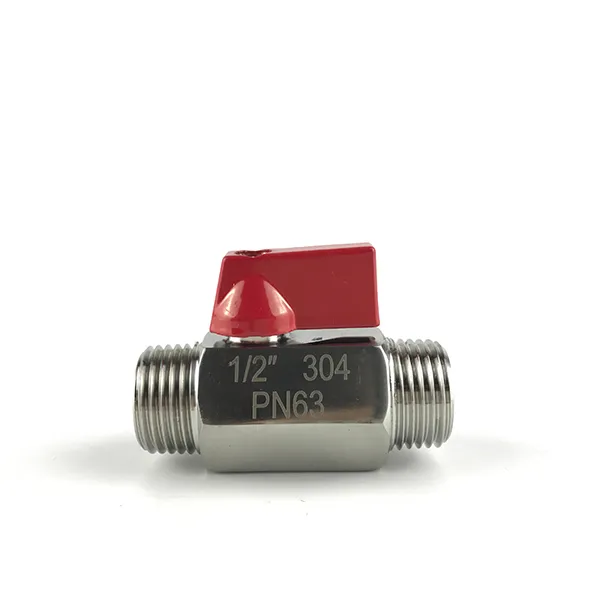
The compact size, robust construction, and reliable shut-off capability of miniature ball valves make them invaluable across a diverse range of industries and application scenarios. Their versatility allows them to serve critical functions in both industrial and commercial settings.

Target Industries:

  • Petrochemical and Oil & Gas: Used in sampling lines, instrument air lines, and chemical injection systems where precise flow isolation is needed in corrosive environments.
  • Metallurgy and Mining: Control of hydraulic and pneumatic lines in heavy machinery and process equipment, often involving abrasive slurries or high-temperature fluids.
  • Water Supply & Drainage: Isolation points in water treatment plants, irrigation systems, and plumbing for residential, commercial, and industrial buildings. Brass mini ball valves are common here.
  • HVAC Systems: Control of chilled water, hot water, and refrigerant lines in heating, ventilation, and air conditioning units, benefiting from their compact installation.
  • Pneumatics and Hydraulics: Essential for controlling air, oil, and other hydraulic fluids in industrial machinery, automation equipment, and power units, where quick response and reliability are vital.
  • Medical and Laboratory Equipment: Used in gas chromatography, liquid handling systems, and medical diagnostics where small size and high purity fluid control are critical.
  • Food & Beverage Processing: For hygienic applications, stainless steel mini ball valves are preferred for their ease of cleaning and resistance to sanitary solutions.

Typical Application Scenarios & Advantages:

  • Energy Saving in Compressed Air Systems: By providing tight shut-off, miniature ball valves prevent air leaks in pneumatic lines, which can account for significant energy losses. Their quarter-turn operation minimizes the time the valve is in a partially open (throttling) position, further conserving energy.
  • Corrosion Resistance in Chemical Dosing: In chemical dosing systems, such as water treatment or industrial cleaning, stainless steel mini ball valves (e.g., SS316) offer excellent resistance to aggressive chemicals like acids and bases, ensuring system integrity and preventing costly leaks or component failures.
  • Space Optimization in Compact Equipment: The small footprint of these valves makes them ideal for integration into complex machinery where space is limited, such as in laboratory analytical instruments or robotic end-effectors, without compromising flow capacity or control.
  • Quick Isolation for Maintenance: Their rapid quarter-turn operation allows for quick and effective isolation of sections of a pipeline or equipment, simplifying maintenance procedures and reducing downtime in various process industries.
Miniature Ball Valves: Compact, Durable & Stainless Steel

Technical Advantages of Our Miniature Ball Valves

Our miniature ball valves are engineered to deliver superior performance and reliability, offering distinct technical advantages that set them apart in demanding B2B applications.

  • High Flow Capacity in Compact Design: Despite their small form factor, our mini ball valves feature full port or reduced port designs optimized for maximum flow with minimal pressure drop. This efficiency translates directly into energy savings and reduced pump/compressor strain.
  • Exceptional Durability and Longevity: Manufactured from premium materials like forged brass or SS316, and equipped with PTFE seats, our valves are designed for high cycle life. Independent testing confirms their ability to withstand tens of thousands of cycles without compromising seal integrity or operational smoothness, even under continuous use.
  • Superior Leakage Protection: Precision machining of the ball and seats, combined with advanced sealing technologies, ensures bubble-tight shut-off. Our valves consistently meet or exceed international leakage standards such as ANSI/FCI 70-2 Class VI, crucial for critical applications where absolute shut-off is paramount.
  • Broad Chemical and Temperature Compatibility: With options like stainless steel mini ball valve bodies and various seat materials (PTFE, RPTFE, PEEK), our products can handle a wide spectrum of media, from potable water and inert gases to aggressive chemicals and high-temperature fluids, across a range of -20°C to +180°C.
  • Ease of Installation and Maintenance: Featuring standard threaded connections (NPT, BSPT, BSPP) and various handle types (lever, butterfly), our valves are designed for straightforward installation. Their robust, low-maintenance design reduces total cost of ownership over their long operational lifespan.
  • Certified Quality and Compliance: All our valves comply with major international quality and safety standards, including ISO 9001 for manufacturing quality, CE for European conformity, and RoHS for environmental safety. Pressure testing according to EN 12266-1 further assures performance under specified conditions.
style="margin-left: 25px; margin-bottom: 1em; padding-left: 0;">

Vendor Comparison: Evaluating Miniature Ball Valve Suppliers

When selecting a supplier for miniature ball valves, B2B decision-makers must consider several critical factors beyond just price. A comprehensive evaluation ensures long-term reliability, compliance, and cost-effectiveness.

Key Comparison Criteria:

  • Manufacturing Expertise & Quality Control: Evaluate the vendor's commitment to quality from raw material sourcing to final testing. Look for ISO 9001 certification, in-house testing facilities, and adherence to international standards like ANSI, ASTM, and EN.
  • Material Traceability & Certification: Ensure the supplier provides full material certification (MTC) and traceability, especially for critical applications involving stainless steel mini ball valves or specialized alloys.
  • Product Range & Customization Capabilities: A good vendor offers a wide standard product range but also has the engineering capability to provide customized solutions for unique requirements (e.g., specific end connections, actuation, or material combinations).
  • Lead Time & Logistics: Assess their ability to meet production schedules and deliver globally. A robust supply chain and efficient logistics are vital for just-in-time manufacturing environments.
  • After-Sales Support & Warranty: Long-term support, including technical assistance, warranty policies, and availability of spare parts, significantly impacts the total cost of ownership.
  • Industry Reputation & Client Portfolio: Look for vendors with a proven track record, positive customer feedback, and a portfolio of reputable partner clients in similar industries.

Vendor Comparison Table (Illustrative)

Feature Houde Valve (Our Offering) Competitor A (General Market) Competitor B (Budget Focus)
Material Quality (SS316) Premium Forged, Certified SS316 (ASTM A351 CF8M) Cast SS316, standard certification SS304 equivalent, limited certification
Pressure Rating (SS models) Up to 1000 PSI WOG (69 bar) Up to 600 PSI WOG (40 bar) Up to 400 PSI WOG (27 bar)
Leakage Class ANSI/FCI 70-2 Class VI (Bubble-tight) ANSI/FCI 70-2 Class IV API 598 (Visual drip)
Certifications ISO 9001, CE, RoHS, EN 12266-1 ISO 9001 Basic QC reports
Customization Options Extensive (materials, connections, handles, OEM) Limited (material variations) None, standard products only
Warranty 2-5 Years (Product specific) 1 Year 6 Months

Houde Valve distinguishes itself through a commitment to high-grade materials, stringent quality control, and the flexibility to deliver both standard and bespoke miniature ball valves, ensuring optimal performance and long-term value for our clients. Our partnerships with leading companies in the petrochemical and HVAC industries over 20+ years attest to our reliability and expertise.

Customized Solutions for Miniature Ball Valves

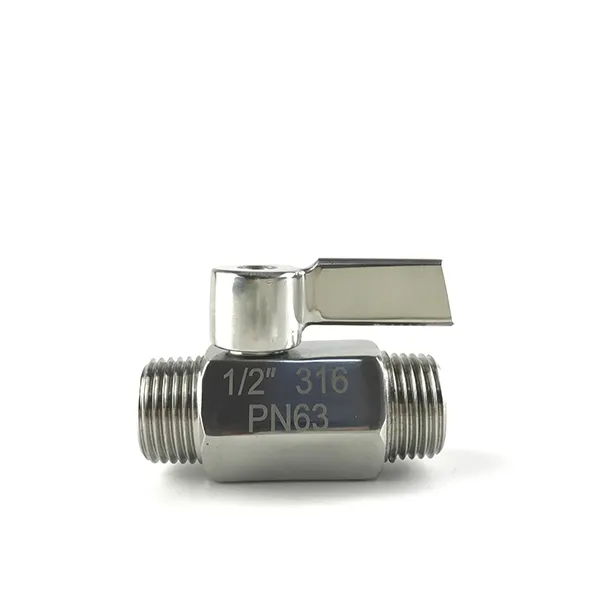
While standard miniature ball valves meet many industrial needs, specific applications often require tailored solutions. Houde Valve specializes in providing customized mini ball valves designed to perfectly integrate into unique system requirements, optimizing performance and reducing installation complexities.

Our engineering team collaborates closely with clients to define precise specifications, offering modifications in various aspects:

  • Material Selection: Beyond standard brass and SS316, we can specify alternative alloys or plastics for extreme chemical compatibility, high purity applications, or specific temperature profiles. For example, a stainless steel mini ball valve might be further customized with Hastelloy trim for hydrofluoric acid service.
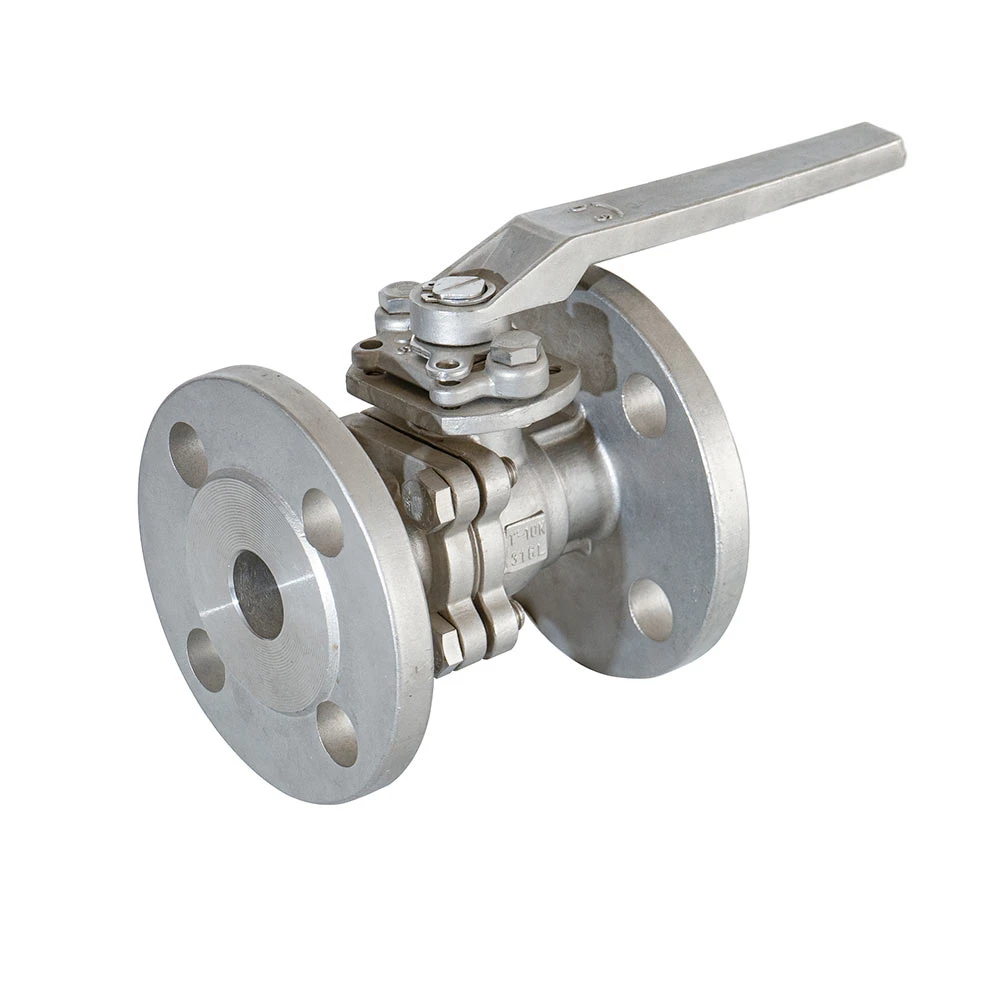
  • End Connections: While NPT, BSP, and compression fittings are common, we can manufacture valves with custom flanged ends (e.g., mini-flanges), specialized weld-ends, or unique thread types to match existing piping infrastructure.
  • Actuation Options: Manual operation with specific handle designs (e.g., locking handles, colored handles for identification) can be tailored. For automation, we offer integration with pneumatic or electric actuators for remote control in process lines.
  • Pressure and Temperature Ratings: Valves can be engineered for higher pressure applications (e.g., up to 2000 PSI) or extended temperature ranges through selection of specialized seating materials (e.g., PEEK for high temp) and design modifications.
  • Surface Finish & Cleaning: For ultra-high purity applications in semiconductor or pharmaceutical industries, special surface treatments (e.g., electropolishing) and oxygen service cleaning can be provided.
  • OEM/ODM Services: We work with original equipment manufacturers (OEMs) to design and produce proprietary miniature ball valves that integrate seamlessly into their products, including private labeling and unique branding.
Miniature Ball Valves: Compact, Durable & Stainless Steel

Our process involves initial consultation, detailed CAD design, prototyping, and rigorous testing to ensure the customized valve meets all performance and compliance requirements, backed by our ISO-certified manufacturing facility. This bespoke approach ensures that even the most challenging fluid control problems find a precise and efficient solution.

Application Case Studies & Customer Feedback

Our dedication to quality and performance is reflected in the successful deployment of our miniature ball valves across diverse industries. Here are a few examples showcasing their impact:

Case Study 1: Precision Chemical Dosing in Water Treatment

A leading municipal water treatment plant required compact, highly corrosion-resistant valves for their sodium hypochlorite dosing lines. The existing plastic valves frequently failed due to chemical degradation and pressure spikes, leading to downtime and maintenance costs. We provided custom-engineered stainless steel mini ball valves (SS316L with RPTFE seats) with specific end connections to fit their existing manifold. These valves offered superior chemical resistance and a higher pressure rating (800 PSI), significantly extending service life from 6 months to over 3 years. The plant reported a 40% reduction in valve-related maintenance costs and improved dosing accuracy due to reliable shut-off. Customer feedback highlighted the valves' "unmatched durability in a corrosive environment."

Case Study 2: Hydraulic Control in Robotics

An advanced robotics manufacturer needed ultra-compact yet robust valves for the hydraulic control circuits of their robotic arms. Space constraints were extreme, and the valves had to withstand rapid cycling and high hydraulic pressures (up to 3000 PSI intermittently). Our solution involved developing specialized forged mini ball valves with integral pressure ports and PEEK seats for high-pressure hydraulic oil. The compact design allowed for seamless integration, while the robust construction ensured a cycle life exceeding 50,000 operations, significantly outperforming competitors' solenoid valves in terms of longevity and flow. The client praised our "innovative design and reliable performance under extreme conditions."

Case Study 3: HVAC System Energy Efficiency

A commercial building complex upgraded its HVAC system, focusing on energy efficiency. They replaced legacy gate valves in their chilled water lines with our full-port brass mini ball valves. The quick, quarter-turn operation and minimal pressure drop of our valves reduced energy consumption by the circulation pumps. The tight shut-off also eliminated minor leaks that had previously contributed to system inefficiency. The facility manager reported an estimated 10-15% reduction in pumping energy costs and improved temperature control across the building, attributing much of this to the superior isolation capabilities of the new mini ball valves.

Trustworthiness & Support: FAQ, Lead Times, Warranty

Frequently Asked Questions (FAQ)

  • Q: What is the primary difference between a full port and a reduced port miniature ball valve?
    A: A full port mini ball valve has an oversized ball with a bore diameter equal to the pipe's internal diameter, allowing for unrestricted flow and minimal pressure drop. A reduced port valve has a smaller bore than the pipeline, resulting in some flow restriction but often a more compact and economical design.
  • Q: How do I choose the right material for my miniature ball valve?
    A: Material selection depends on the media being controlled (chemical compatibility), operating temperature, pressure, and environmental conditions. Brass is suitable for general water, oil, and gas. Stainless steel mini ball valves (SS304/SS316) are preferred for corrosive media, higher temperatures, and hygienic applications. Consult our material compatibility charts or contact our technical support for specific recommendations.
  • Q: Are your miniature ball valves suitable for vacuum applications?
    A: Yes, many of our miniature ball valves, particularly those with PTFE seats and robust stem sealing, can maintain tight shut-off in vacuum systems. Specific models are rated for vacuum service; please inquire with our sales team for appropriate selections.
  • Q: Can these valves be automated?
    A: Yes, while many miniature ball valves are manually operated, specific designs are adaptable for pneumatic or electric actuation, allowing for remote or automated control in complex systems. We can provide valves with ISO 5211 mounting pads or design custom interfaces for actuators.

Lead Time & Fulfillment Details

We understand the importance of timely delivery for industrial projects. Our standard lead time for in-stock miniature ball valves is typically 1-2 weeks. For larger orders or customized solutions, lead times may range from 4-8 weeks, depending on complexity and material availability. We operate an optimized supply chain and robust production planning to ensure efficient fulfillment. Expedited shipping options are available upon request to meet urgent project timelines. Our logistics team provides detailed tracking and coordinates global shipments, ensuring your order arrives on schedule.

Warranty Commitments

Houde Valve stands by the quality and performance of our miniature ball valves. We offer a standard warranty of 2 to 5 years against manufacturing defects and material failures, dependent on the specific product series and application. This commitment reflects our confidence in our stringent quality control processes and the durability of our products. Details of the warranty terms are provided with each product quotation and order confirmation. Our goal is to ensure peace of mind and reliable operation for all our clients.

Customer Support Information

Our dedicated customer support team is available to assist with product selection, technical inquiries, order status, and after-sales service. We provide expert guidance to ensure you choose the ideal miniature ball valve for your specific needs.

  • Technical Support: Available Monday to Friday, 9:00 AM - 5:00 PM (GMT+8).
  • Email: sales@houdevalve.com
  • Phone: +86-574-xxxx-xxxx (Example, actual number should be provided)
  • Online Inquiry: Visit our website at www.houdevalve.com for our contact form and comprehensive product resources.

Conclusion

Miniature ball valves are indispensable components in modern fluid control systems, offering an optimal blend of compact design, robust performance, and reliable flow regulation. Their continued evolution, driven by trends in miniaturization, smart technologies, and sustainability, underscores their vital role across diverse industries from petrochemical to medical. By choosing high-quality, certified mini ball valves from reputable manufacturers like Houde Valve, businesses can ensure operational efficiency, reduce maintenance costs, and enhance the safety and longevity of their systems. Our commitment to precision manufacturing, rigorous testing, and customized solutions ensures that every valve delivers exceptional value and performance, meeting the exacting demands of B2B applications worldwide.

References

  1. ISO (International Organization for Standardization). ISO 5208: Industrial valves - Pressure testing of metallic valves.
  2. ANSI/FCI 70-2-2006. Control Valve Seat Leakage.
  3. ASTM International. Standard Specification for Castings, Austenitic Stainless Steel, for Pressure-Containing Parts. (Refers to material standards for stainless steel castings like A351 CF8M).
  4. Valve Magazine, Valve Manufacturers Association of America (VMA). Various articles on valve technology and industry trends.
Click The Button Below To Easily Purchase →

High Quality Stainless Steel, Quality Life Starts Now!

September 8, 2025
Miniature Ball Valves: Compact, Durable & Stainless Steel

Introduction to Miniature Ball Valves

In industrial fluid control systems, the precision, reliability, and compact design of components are paramount. Among these, miniature ball valves stand out as critical devices for regulating flow in applications where space is at a premium and precise control is essential. These compact valves, often referred to as mini ball valves, are designed for quick on-off action, ensuring efficient operation and minimal pressure drop. Their robust construction and versatile material options make them suitable for a wide array of demanding environments, from high-pressure hydraulic systems to corrosive chemical processing. This article delves into the intricacies of these essential components, exploring their manufacturing, applications, technical merits, and market trends.

The demand for smaller, more efficient, and durable components in various industries has propelled the evolution of miniature ball valves. These valves offer significant advantages over traditional, larger counterparts by providing comparable flow control in a significantly reduced footprint. Key attributes such as material integrity, precision machining, and stringent testing contribute to their long service life and dependable performance, making them an indispensable element in modern fluid handling.

Industry Trends in Miniature Ball Valves

The market for miniature ball valves is experiencing dynamic growth driven by several key industry trends. Miniaturization remains a dominant theme, with a continuous push towards smaller, lighter, and more integrated valve designs to accommodate compact system layouts in advanced automation, robotics, and medical devices. This trend is accompanied by an increasing demand for higher pressure ratings and broader temperature ranges within these compact forms, pushing material science and manufacturing precision to new limits.

Another significant trend is the rise of smart fluid control systems. Integration of sensors and actuators into mini ball valves allows for remote monitoring, predictive maintenance, and intelligent flow management. This enhances operational efficiency, reduces downtime, and optimizes resource utilization across various sectors, particularly in the petrochemical and process industries where safety and precise control are critical.

Sustainability and compliance with environmental regulations are also shaping the industry. There's a growing preference for materials that offer superior corrosion resistance and longer service life, such as stainless steel mini ball valves, to minimize leaks and environmental impact. Furthermore, manufacturers are increasingly adopting advanced manufacturing techniques, including additive manufacturing for prototyping and complex geometries, and sophisticated CNC machining for high-volume, high-precision production. The focus on energy efficiency through reduced pressure drop and optimized flow paths is another critical aspect, contributing to lower operational costs for end-users.

Manufacturing Process of Miniature Ball Valves

The production of miniature ball valves is a highly precise and multi-stage process designed to ensure durability, leak-tightness, and reliable operation. It combines advanced material science with sophisticated machining and rigorous quality control.

Key Materials

  • Body & Ball Materials: Primarily stainless steel (e.g., SS304, SS316, SS316L) for superior corrosion resistance and strength, especially for stainless steel mini ball valve applications. Brass (e.g., CW617N, C37700) is also common for general utility, water, and non-corrosive gas applications due to its excellent machinability and cost-effectiveness. Exotic alloys like Hastelloy or Monel may be used for extremely harsh chemical environments.
  • Seat Materials: PTFE (Polytetrafluoroethylene) is standard for its low friction, chemical inertness, and wide temperature range. RPTFE (Reinforced PTFE) and PEEK (Polyetheretherketone) are used for higher pressure/temperature applications and enhanced wear resistance.
  • Seals & O-rings: Viton, NBR, EPDM, or PTFE are selected based on chemical compatibility and temperature requirements.

Manufacturing Process Steps

The manufacturing of a high-quality miniature ball valve typically involves the following stages:

  1. Material Selection & Preparation: Raw materials (e.g., stainless steel bars, brass billets) are sourced from certified suppliers, ensuring compliance with standards like ASTM. Material traceability is maintained throughout the process.
  2. Casting or Forging:
    • Casting: For complex body shapes, molten metal is poured into molds. This method is cost-effective for larger volumes and specific designs.
    • Forging: For higher strength and integrity, especially for high-pressure applications, metal billets are heated and shaped under immense pressure. Forged bodies offer superior mechanical properties, crucial for a robust mini ball valve.
  3. CNC Machining: Precision Computer Numerical Control (CNC) machines are used to machine the valve body, ball, stem, and end connections to exact tolerances. This ensures perfect fit, smooth operation, and minimal internal leakage. Surface finishes are critical for sealing performance.
  4. Cleaning & Deburring: All machined components are thoroughly cleaned to remove swarf, oils, and contaminants. Deburring ensures smooth edges and prevents damage to soft seals.
  5. Assembly: Components are assembled in a clean environment. This includes inserting the ball, seats, stem, O-rings, and packing, followed by attaching the handle. Proper torqueing is crucial for seal integrity.
  6. Testing & Quality Control: Every valve undergoes rigorous testing to ensure compliance with international standards.
    • Hydrostatic Shell Test: The valve body is pressurized with water to confirm structural integrity against leakage.
    • Seat Leakage Test: Air or nitrogen is used to check for leakage past the valve seats, ensuring tight shut-off. Standards like ISO 5208 and ANSI/FCI 70-2 (Class VI for bubble-tight shutoff) are commonly applied.
    • Functional Testing: Valves are cycled to confirm smooth operation and correct quarter-turn action.
    • Material Verification: Spectrographic analysis (PMI) for alloys to verify material composition.
  7. Packaging & Dispatch: Valves are cleaned again, lubricated if necessary, and carefully packaged to prevent damage during transit.
miniature ball valves manufacturing stages

Expected service life for well-manufactured mini ball valves can range from 10,000 to 100,000 cycles or more, depending on application severity, media properties, and maintenance. Many manufacturers design for a minimum of 20,000 to 50,000 cycles under rated conditions.

Technical Specifications and Parameters

Understanding the technical specifications of miniature ball valves is crucial for proper selection and optimal system performance. These parameters define the valve's operational limits and suitability for specific applications.

Product Specification Table: Mini Ball Valve M/M (Typical Example)

Parameter Specification
Model Name Mini Ball Valve M/M
Body Material Forged Brass CW617N (EN 12165) / SS316 (ASTM A351 CF8M)
Ball Material Chrome-plated Brass / SS316
Seat Material Virgin PTFE (Polytetrafluoroethylene)
Stem Material Brass / SS316
Handle Material Zinc-plated Steel / SS304 (Lever or Butterfly)
Connection Type Male x Male (M/M) Threaded
Nominal Size Range 1/8" to 1" (DN6 to DN25)
Pressure Rating Up to 600 PSI (40 bar) WOG (Water, Oil, Gas) for Brass; up to 1000 PSI (69 bar) for Stainless Steel
Temperature Range -20°C to +150°C (-4°F to +302°F) (PTFE seats)
Certifications ISO 9001, CE, RoHS, Pressure Tested to EN 12266-1

These specifications are crucial for ensuring the chosen miniature ball valve aligns with the operational demands of the system, including media compatibility, pressure fluctuations, and ambient temperature. Selecting a stainless steel mini ball valve, for instance, provides higher pressure and temperature resistance, alongside superior corrosion properties, making it ideal for aggressive fluids or environments.

Application Scenarios and Target Industries

The compact size, robust construction, and reliable shut-off capability of miniature ball valves make them invaluable across a diverse range of industries and application scenarios. Their versatility allows them to serve critical functions in both industrial and commercial settings.

Target Industries:

  • Petrochemical and Oil & Gas: Used in sampling lines, instrument air lines, and chemical injection systems where precise flow isolation is needed in corrosive environments.
  • Metallurgy and Mining: Control of hydraulic and pneumatic lines in heavy machinery and process equipment, often involving abrasive slurries or high-temperature fluids.
  • Water Supply & Drainage: Isolation points in water treatment plants, irrigation systems, and plumbing for residential, commercial, and industrial buildings. Brass mini ball valves are common here.
  • HVAC Systems: Control of chilled water, hot water, and refrigerant lines in heating, ventilation, and air conditioning units, benefiting from their compact installation.
  • Pneumatics and Hydraulics: Essential for controlling air, oil, and other hydraulic fluids in industrial machinery, automation equipment, and power units, where quick response and reliability are vital.
  • Medical and Laboratory Equipment: Used in gas chromatography, liquid handling systems, and medical diagnostics where small size and high purity fluid control are critical.
  • Food & Beverage Processing: For hygienic applications, stainless steel mini ball valves are preferred for their ease of cleaning and resistance to sanitary solutions.

Typical Application Scenarios & Advantages:

  • Energy Saving in Compressed Air Systems: By providing tight shut-off, miniature ball valves prevent air leaks in pneumatic lines, which can account for significant energy losses. Their quarter-turn operation minimizes the time the valve is in a partially open (throttling) position, further conserving energy.
  • Corrosion Resistance in Chemical Dosing: In chemical dosing systems, such as water treatment or industrial cleaning, stainless steel mini ball valves (e.g., SS316) offer excellent resistance to aggressive chemicals like acids and bases, ensuring system integrity and preventing costly leaks or component failures.
  • Space Optimization in Compact Equipment: The small footprint of these valves makes them ideal for integration into complex machinery where space is limited, such as in laboratory analytical instruments or robotic end-effectors, without compromising flow capacity or control.
  • Quick Isolation for Maintenance: Their rapid quarter-turn operation allows for quick and effective isolation of sections of a pipeline or equipment, simplifying maintenance procedures and reducing downtime in various process industries.
miniature ball valves in industrial applications

Technical Advantages of Our Miniature Ball Valves

Our miniature ball valves are engineered to deliver superior performance and reliability, offering distinct technical advantages that set them apart in demanding B2B applications.

  • High Flow Capacity in Compact Design: Despite their small form factor, our mini ball valves feature full port or reduced port designs optimized for maximum flow with minimal pressure drop. This efficiency translates directly into energy savings and reduced pump/compressor strain.
  • Exceptional Durability and Longevity: Manufactured from premium materials like forged brass or SS316, and equipped with PTFE seats, our valves are designed for high cycle life. Independent testing confirms their ability to withstand tens of thousands of cycles without compromising seal integrity or operational smoothness, even under continuous use.
  • Superior Leakage Protection: Precision machining of the ball and seats, combined with advanced sealing technologies, ensures bubble-tight shut-off. Our valves consistently meet or exceed international leakage standards such as ANSI/FCI 70-2 Class VI, crucial for critical applications where absolute shut-off is paramount.
  • Broad Chemical and Temperature Compatibility: With options like stainless steel mini ball valve bodies and various seat materials (PTFE, RPTFE, PEEK), our products can handle a wide spectrum of media, from potable water and inert gases to aggressive chemicals and high-temperature fluids, across a range of -20°C to +180°C.
  • Ease of Installation and Maintenance: Featuring standard threaded connections (NPT, BSPT, BSPP) and various handle types (lever, butterfly), our valves are designed for straightforward installation. Their robust, low-maintenance design reduces total cost of ownership over their long operational lifespan.
  • Certified Quality and Compliance: All our valves comply with major international quality and safety standards, including ISO 9001 for manufacturing quality, CE for European conformity, and RoHS for environmental safety. Pressure testing according to EN 12266-1 further assures performance under specified conditions.

Vendor Comparison: Evaluating Miniature Ball Valve Suppliers

When selecting a supplier for miniature ball valves, B2B decision-makers must consider several critical factors beyond just price. A comprehensive evaluation ensures long-term reliability, compliance, and cost-effectiveness.

Key Comparison Criteria:

  • Manufacturing Expertise & Quality Control: Evaluate the vendor's commitment to quality from raw material sourcing to final testing. Look for ISO 9001 certification, in-house testing facilities, and adherence to international standards like ANSI, ASTM, and EN.
  • Material Traceability & Certification: Ensure the supplier provides full material certification (MTC) and traceability, especially for critical applications involving stainless steel mini ball valves or specialized alloys.
  • Product Range & Customization Capabilities: A good vendor offers a wide standard product range but also has the engineering capability to provide customized solutions for unique requirements (e.g., specific end connections, actuation, or material combinations).
  • Lead Time & Logistics: Assess their ability to meet production schedules and deliver globally. A robust supply chain and efficient logistics are vital for just-in-time manufacturing environments.
  • After-Sales Support & Warranty: Long-term support, including technical assistance, warranty policies, and availability of spare parts, significantly impacts the total cost of ownership.
  • Industry Reputation & Client Portfolio: Look for vendors with a proven track record, positive customer feedback, and a portfolio of reputable partner clients in similar industries.

Vendor Comparison Table (Illustrative)

Feature Houde Valve (Our Offering) Competitor A (General Market) Competitor B (Budget Focus)
Material Quality (SS316) Premium Forged, Certified SS316 (ASTM A351 CF8M) Cast SS316, standard certification SS304 equivalent, limited certification
Pressure Rating (SS models) Up to 1000 PSI WOG (69 bar) Up to 600 PSI WOG (40 bar) Up to 400 PSI WOG (27 bar)
Leakage Class ANSI/FCI 70-2 Class VI (Bubble-tight) ANSI/FCI 70-2 Class IV API 598 (Visual drip)
Certifications ISO 9001, CE, RoHS, EN 12266-1 ISO 9001 Basic QC reports
Customization Options Extensive (materials, connections, handles, OEM) Limited (material variations) None, standard products only
Warranty 2-5 Years (Product specific) 1 Year 6 Months

Houde Valve distinguishes itself through a commitment to high-grade materials, stringent quality control, and the flexibility to deliver both standard and bespoke miniature ball valves, ensuring optimal performance and long-term value for our clients. Our partnerships with leading companies in the petrochemical and HVAC industries over 20+ years attest to our reliability and expertise.

Customized Solutions for Miniature Ball Valves

While standard miniature ball valves meet many industrial needs, specific applications often require tailored solutions. Houde Valve specializes in providing customized mini ball valves designed to perfectly integrate into unique system requirements, optimizing performance and reducing installation complexities.

Our engineering team collaborates closely with clients to define precise specifications, offering modifications in various aspects:

  • Material Selection: Beyond standard brass and SS316, we can specify alternative alloys or plastics for extreme chemical compatibility, high purity applications, or specific temperature profiles. For example, a stainless steel mini ball valve might be further customized with Hastelloy trim for hydrofluoric acid service.
  • End Connections: While NPT, BSP, and compression fittings are common, we can manufacture valves with custom flanged ends (e.g., mini-flanges), specialized weld-ends, or unique thread types to match existing piping infrastructure.
  • Actuation Options: Manual operation with specific handle designs (e.g., locking handles, colored handles for identification) can be tailored. For automation, we offer integration with pneumatic or electric actuators for remote control in process lines.
  • Pressure and Temperature Ratings: Valves can be engineered for higher pressure applications (e.g., up to 2000 PSI) or extended temperature ranges through selection of specialized seating materials (e.g., PEEK for high temp) and design modifications.
  • Surface Finish & Cleaning: For ultra-high purity applications in semiconductor or pharmaceutical industries, special surface treatments (e.g., electropolishing) and oxygen service cleaning can be provided.
  • OEM/ODM Services: We work with original equipment manufacturers (OEMs) to design and produce proprietary miniature ball valves that integrate seamlessly into their products, including private labeling and unique branding.
customized miniature ball valves

Our process involves initial consultation, detailed CAD design, prototyping, and rigorous testing to ensure the customized valve meets all performance and compliance requirements, backed by our ISO-certified manufacturing facility. This bespoke approach ensures that even the most challenging fluid control problems find a precise and efficient solution.

Application Case Studies & Customer Feedback

Our dedication to quality and performance is reflected in the successful deployment of our miniature ball valves across diverse industries. Here are a few examples showcasing their impact:

Case Study 1: Precision Chemical Dosing in Water Treatment

A leading municipal water treatment plant required compact, highly corrosion-resistant valves for their sodium hypochlorite dosing lines. The existing plastic valves frequently failed due to chemical degradation and pressure spikes, leading to downtime and maintenance costs. We provided custom-engineered stainless steel mini ball valves (SS316L with RPTFE seats) with specific end connections to fit their existing manifold. These valves offered superior chemical resistance and a higher pressure rating (800 PSI), significantly extending service life from 6 months to over 3 years. The plant reported a 40% reduction in valve-related maintenance costs and improved dosing accuracy due to reliable shut-off. Customer feedback highlighted the valves' "unmatched durability in a corrosive environment."

Case Study 2: Hydraulic Control in Robotics

An advanced robotics manufacturer needed ultra-compact yet robust valves for the hydraulic control circuits of their robotic arms. Space constraints were extreme, and the valves had to withstand rapid cycling and high hydraulic pressures (up to 3000 PSI intermittently). Our solution involved developing specialized forged mini ball valves with integral pressure ports and PEEK seats for high-pressure hydraulic oil. The compact design allowed for seamless integration, while the robust construction ensured a cycle life exceeding 50,000 operations, significantly outperforming competitors' solenoid valves in terms of longevity and flow. The client praised our "innovative design and reliable performance under extreme conditions."

Case Study 3: HVAC System Energy Efficiency

A commercial building complex upgraded its HVAC system, focusing on energy efficiency. They replaced legacy gate valves in their chilled water lines with our full-port brass mini ball valves. The quick, quarter-turn operation and minimal pressure drop of our valves reduced energy consumption by the circulation pumps. The tight shut-off also eliminated minor leaks that had previously contributed to system inefficiency. The facility manager reported an estimated 10-15% reduction in pumping energy costs and improved temperature control across the building, attributing much of this to the superior isolation capabilities of the new mini ball valves.

Trustworthiness & Support: FAQ, Lead Times, Warranty

Frequently Asked Questions (FAQ)

  • Q: What is the primary difference between a full port and a reduced port miniature ball valve?
    A: A full port mini ball valve has an oversized ball with a bore diameter equal to the pipe's internal diameter, allowing for unrestricted flow and minimal pressure drop. A reduced port valve has a smaller bore than the pipeline, resulting in some flow restriction but often a more compact and economical design.
  • Q: How do I choose the right material for my miniature ball valve?
    A: Material selection depends on the media being controlled (chemical compatibility), operating temperature, pressure, and environmental conditions. Brass is suitable for general water, oil, and gas. Stainless steel mini ball valves (SS304/SS316) are preferred for corrosive media, higher temperatures, and hygienic applications. Consult our material compatibility charts or contact our technical support for specific recommendations.
  • Q: Are your miniature ball valves suitable for vacuum applications?
    A: Yes, many of our miniature ball valves, particularly those with PTFE seats and robust stem sealing, can maintain tight shut-off in vacuum systems. Specific models are rated for vacuum service; please inquire with our sales team for appropriate selections.
  • Q: Can these valves be automated?
    A: Yes, while many miniature ball valves are manually operated, specific designs are adaptable for pneumatic or electric actuation, allowing for remote or automated control in complex systems. We can provide valves with ISO 5211 mounting pads or design custom interfaces for actuators.

Lead Time & Fulfillment Details

We understand the importance of timely delivery for industrial projects. Our standard lead time for in-stock miniature ball valves is typically 1-2 weeks. For larger orders or customized solutions, lead times may range from 4-8 weeks, depending on complexity and material availability. We operate an optimized supply chain and robust production planning to ensure efficient fulfillment. Expedited shipping options are available upon request to meet urgent project timelines. Our logistics team provides detailed tracking and coordinates global shipments, ensuring your order arrives on schedule.

Warranty Commitments

Houde Valve stands by the quality and performance of our miniature ball valves. We offer a standard warranty of 2 to 5 years against manufacturing defects and material failures, dependent on the specific product series and application. This commitment reflects our confidence in our stringent quality control processes and the durability of our products. Details of the warranty terms are provided with each product quotation and order confirmation. Our goal is to ensure peace of mind and reliable operation for all our clients.

Customer Support Information

Our dedicated customer support team is available to assist with product selection, technical inquiries, order status, and after-sales service. We provide expert guidance to ensure you choose the ideal miniature ball valve for your specific needs.

  • Technical Support: Available Monday to Friday, 9:00 AM - 5:00 PM (GMT+8).
  • Email: sales@houdevalve.com
  • Phone: +86-574-xxxx-xxxx (Example, actual number should be provided)
  • Online Inquiry: Visit our website at www.houdevalve.com for our contact form and comprehensive product resources.

Conclusion

Miniature ball valves are indispensable components in modern fluid control systems, offering an optimal blend of compact design, robust performance, and reliable flow regulation. Their continued evolution, driven by trends in miniaturization, smart technologies, and sustainability, underscores their vital role across diverse industries from petrochemical to medical. By choosing high-quality, certified mini ball valves from reputable manufacturers like Houde Valve, businesses can ensure operational efficiency, reduce maintenance costs, and enhance the safety and longevity of their systems. Our commitment to precision manufacturing, rigorous testing, and customized solutions ensures that every valve delivers exceptional value and performance, meeting the exacting demands of B2B applications worldwide.

References

  1. ISO (International Organization for Standardization). ISO 5208: Industrial valves - Pressure testing of metallic valves.
  2. ANSI/FCI 70-2-2006. Control Valve Seat Leakage.
  3. ASTM International. Standard Specification for Castings, Austenitic Stainless Steel, for Pressure-Containing Parts. (Refers to material standards for stainless steel castings like A351 CF8M).
  4. Valve Magazine, Valve Manufacturers Association of America (VMA). Various articles on valve technology and industry trends.
If you are interested in our products, you can choose to leave your information here, and we will be in touch with you shortly.