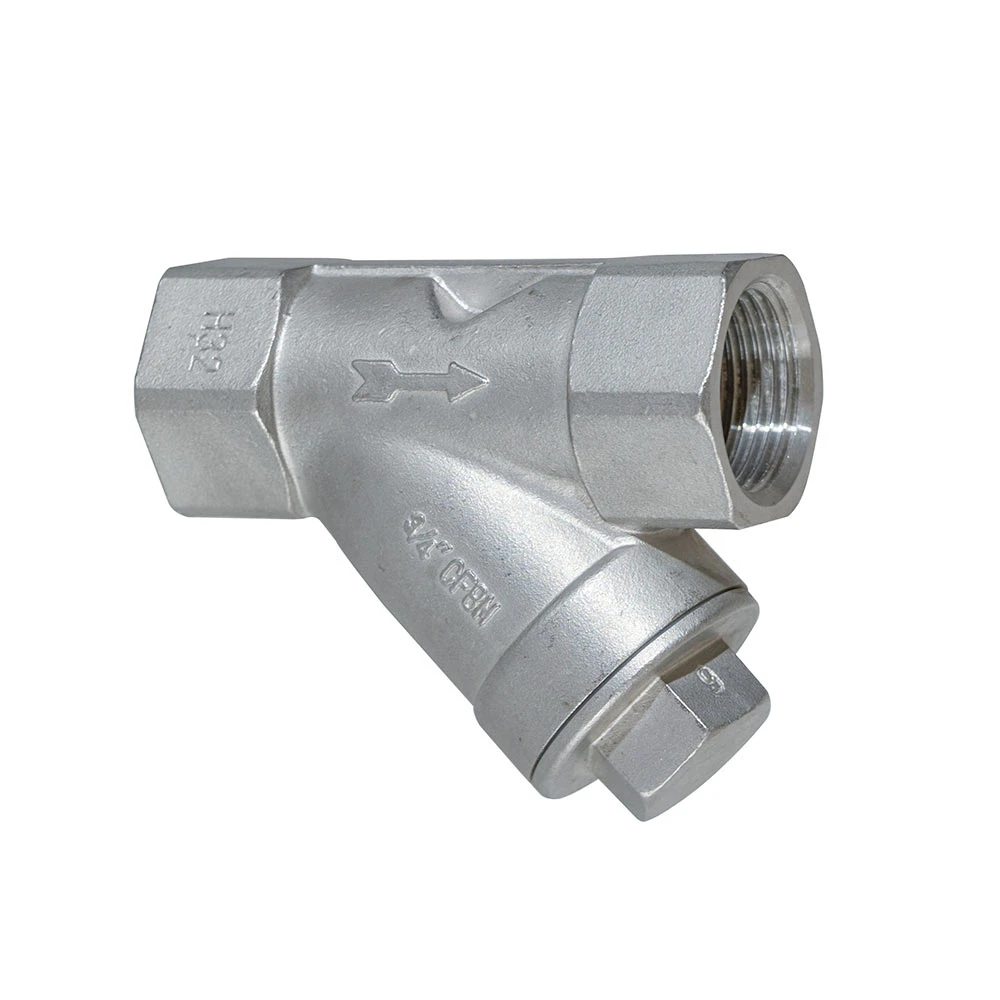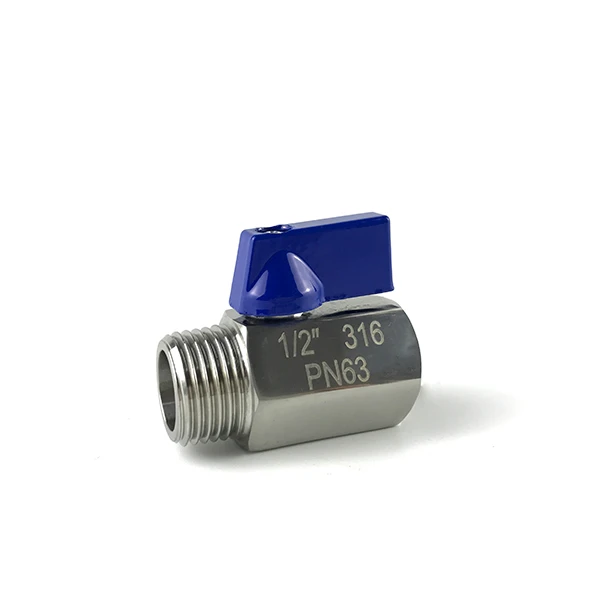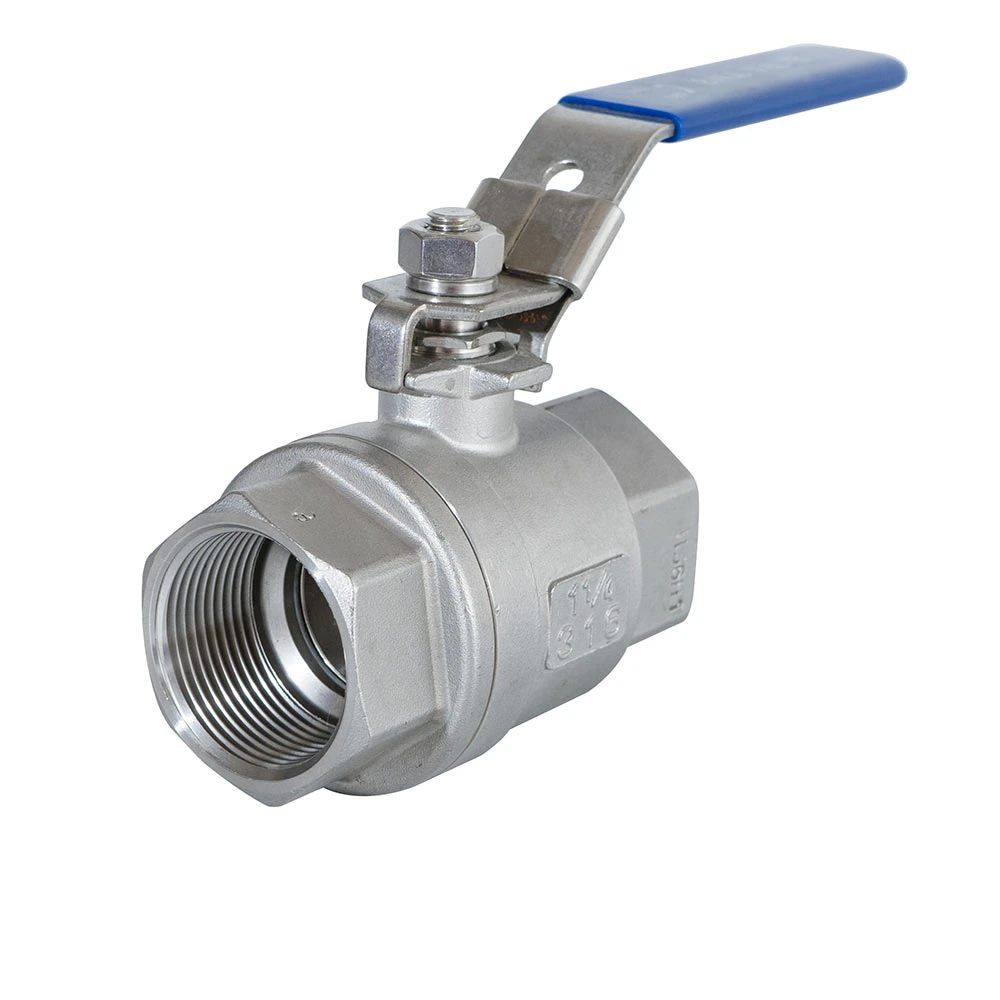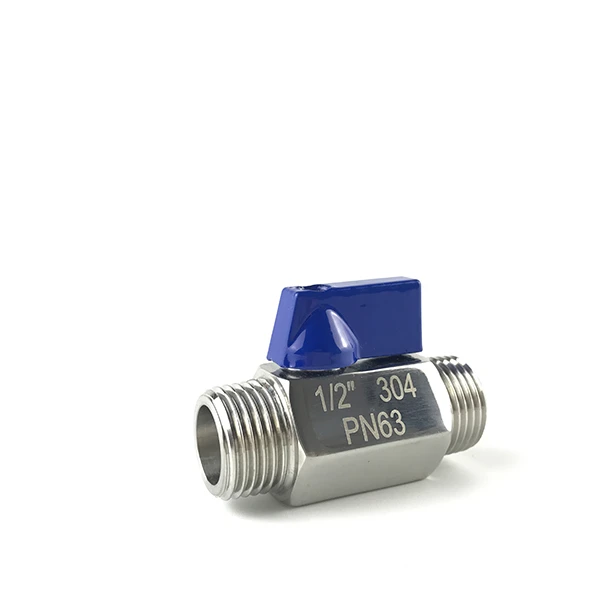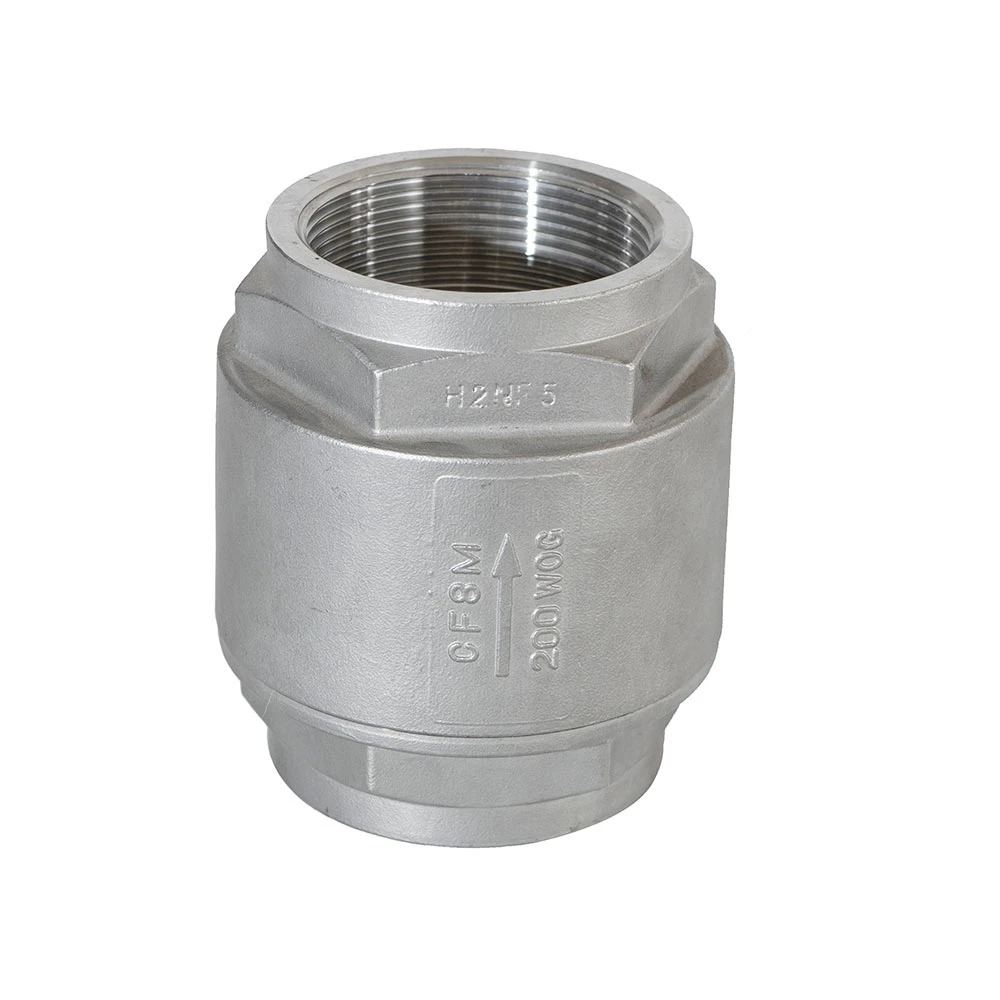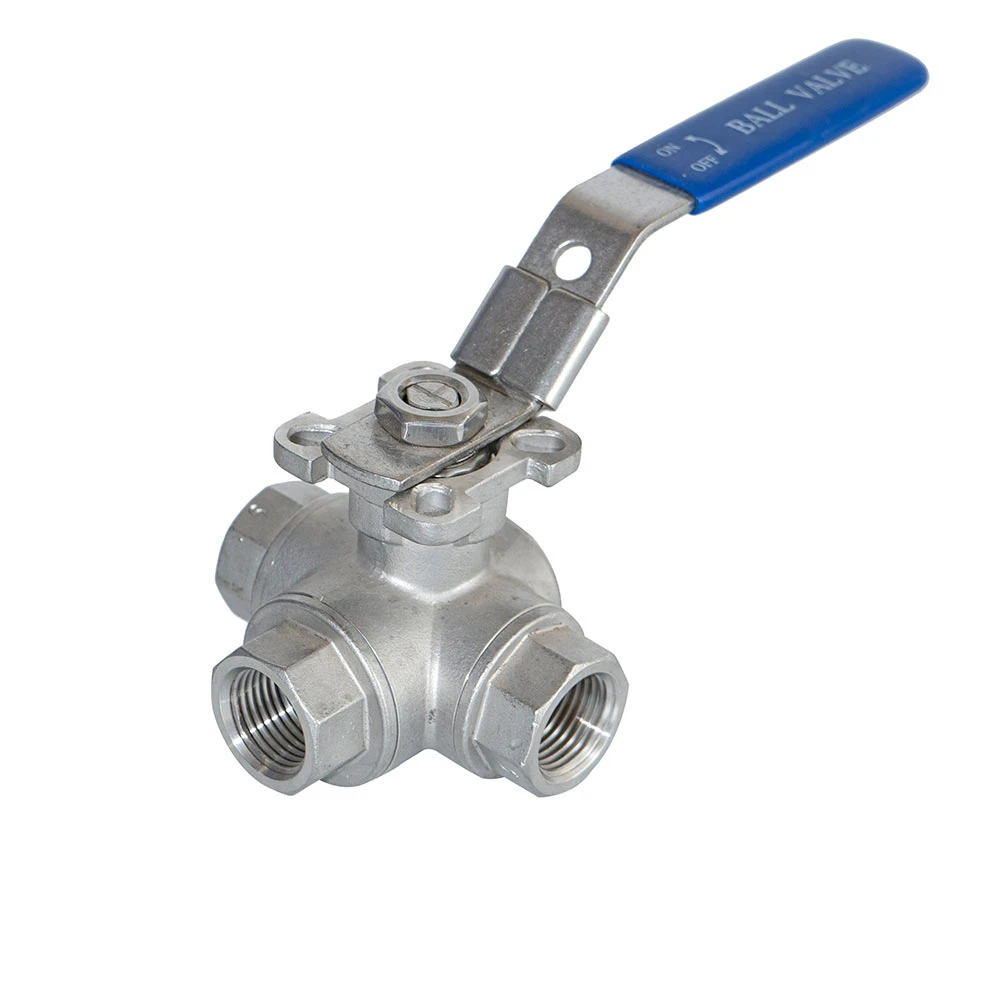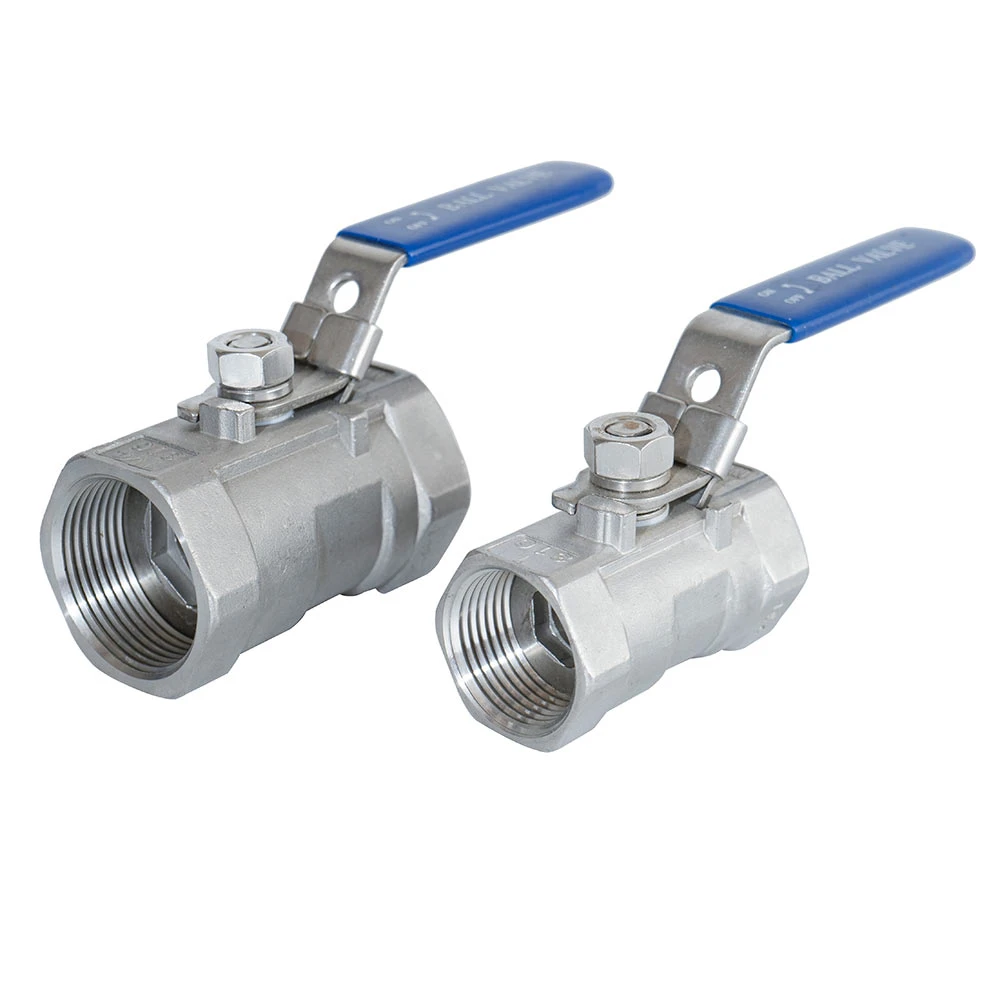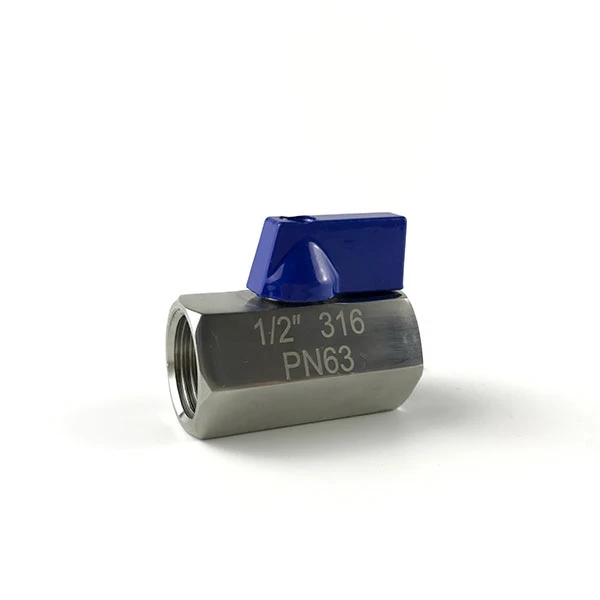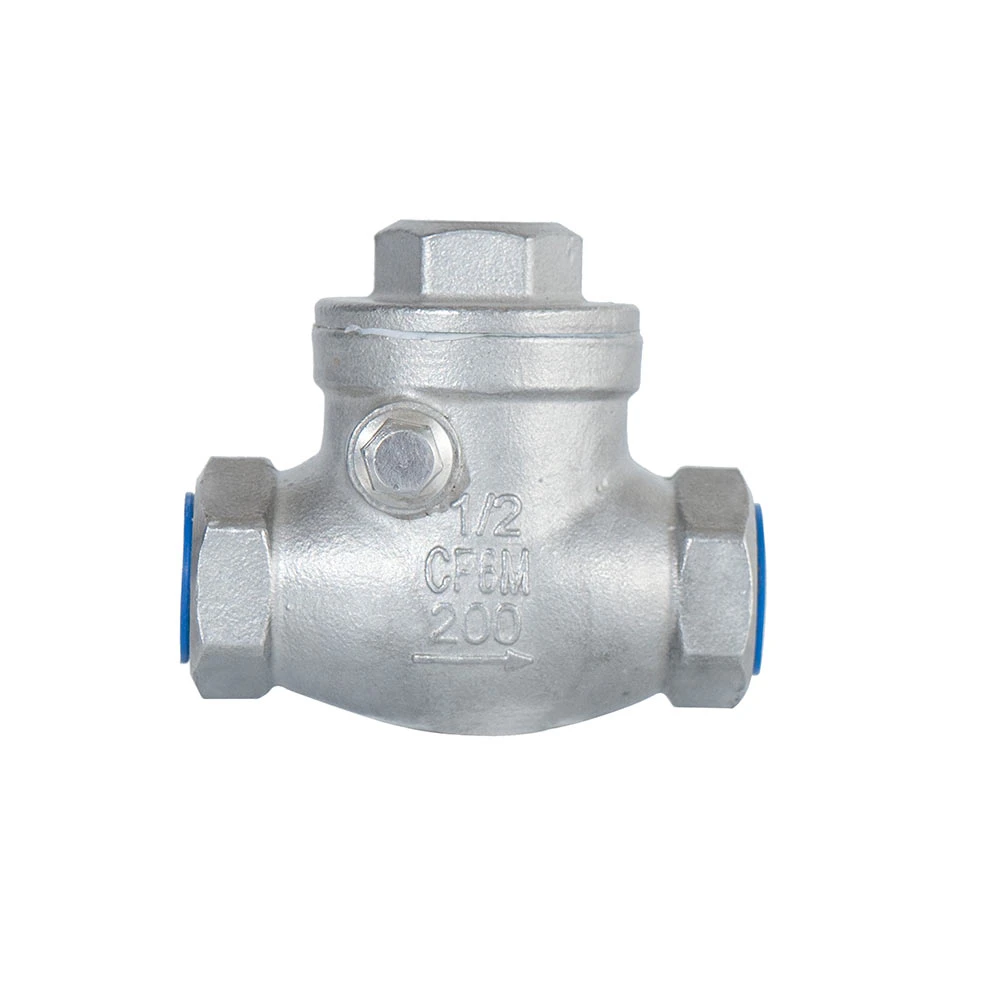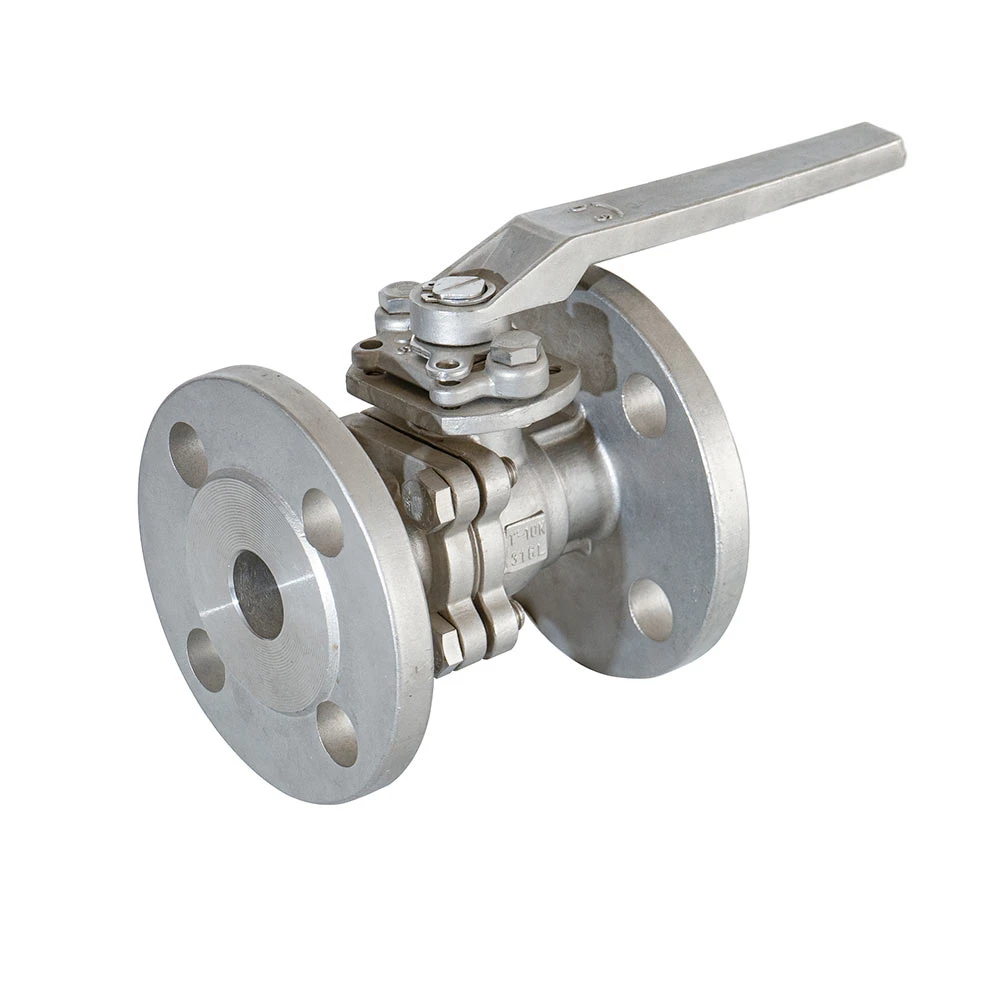
In industrial fluid control, the reliability and efficiency of valve components are paramount. The one piece ball valve stands out as a critical component, engineered for robust performance and minimal leak potential across diverse, demanding applications. Its compact design and streamlined flow path make it an indispensable choice for process engineers and procurement managers seeking durable and cost-effective solutions. This article delves into the technical intricacies, application versatility, and strategic advantages of this essential valve type, providing insights crucial for B2B decision-makers.
Industry Trends and Market Dynamics
The industrial valve market is experiencing significant evolution, driven by increasing demands for efficiency, environmental compliance, and operational safety. Key trends influencing the adoption of compact, reliable solutions like the one piece ball valve include the rise of automation in process industries, stricter regulations on fugitive emissions, and the growing importance of digitalization for predictive maintenance. End-users are increasingly prioritizing valves with extended service life, reduced maintenance requirements, and superior sealing capabilities to minimize total cost of ownership (TCO). Furthermore, the expansion of critical infrastructure projects in energy, water treatment, and chemical processing sectors continues to fuel demand for high-performance, resilient flow control solutions. Manufacturers are responding by innovating in material science, advanced manufacturing techniques, and smart valve technologies to meet these evolving challenges.
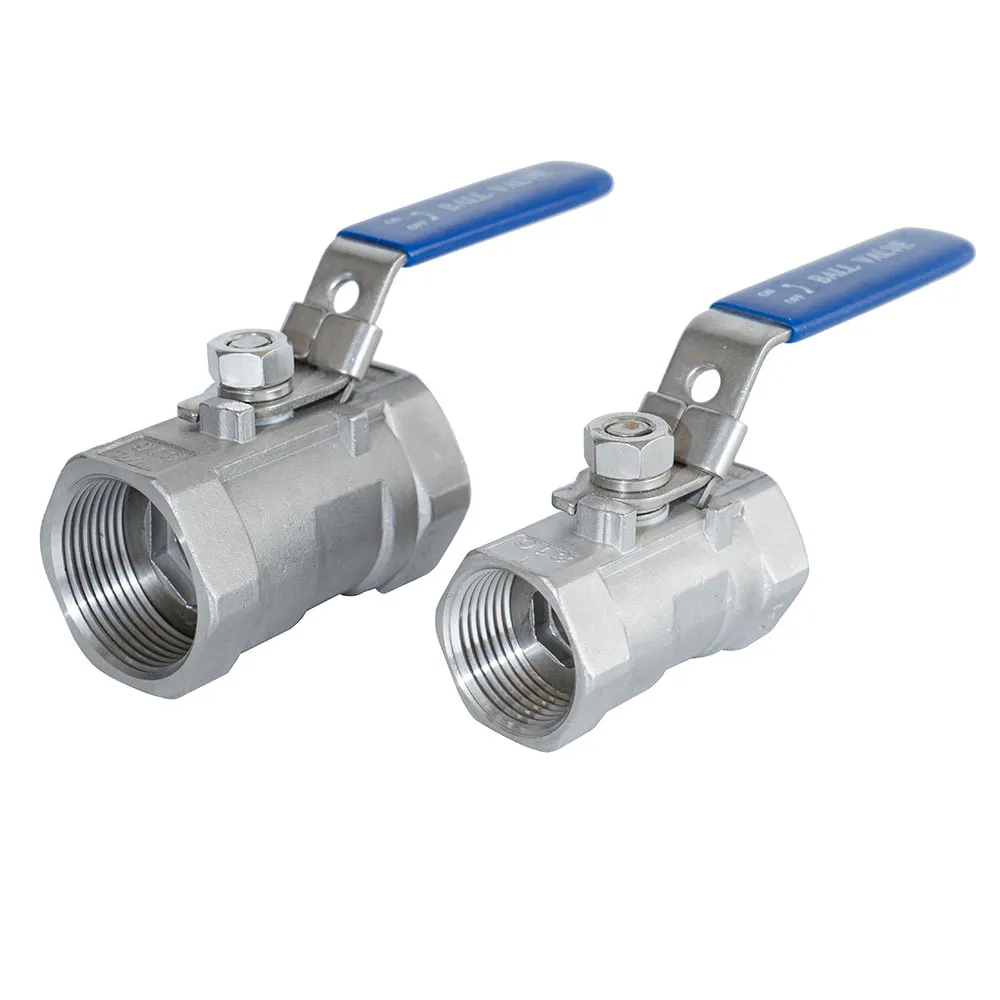
Manufacturing Process Flow of a One-Piece Ball Valve
The production of a high-quality one piece ball valve is a meticulous process demanding precision engineering and stringent quality control. This single-body construction minimizes potential leak paths, enhancing the valve's integrity and reliability.
Materials Selection:
- Stainless Steel (e.g., ASTM A351 CF8M, CF8, 304, 316): Chosen for excellent corrosion resistance, high strength, and suitability for aggressive media in chemical, petrochemical, and food & beverage industries.
- Carbon Steel (e.g., ASTM A216 WCB): Offers good strength and cost-effectiveness for general industrial applications where corrosion is less severe.
- Specialty Alloys (e.g., Duplex, Super Duplex, Hastelloy): Utilized for extreme conditions involving high temperatures, pressures, or highly corrosive environments like offshore oil & gas.
- Sealing Materials (e.g., PTFE, RPTFE, PEEK): Selected based on temperature, pressure, and chemical compatibility requirements to ensure bubble-tight shut-off.
Key Manufacturing Stages:
-
Casting/Forging:
The body of the valve begins as a casting or a forging. Casting involves pouring molten metal into a mold designed for the specific valve body. Forging, a process of shaping metal through localized compressive forces, creates a denser, stronger, and more homogenous material structure, ideal for high-pressure applications.
-
CNC Machining:
After the initial body formation, precision Computer Numerical Control (CNC) machining is employed. This stage involves turning, milling, and drilling to achieve exact dimensions for the bore, stem, and seat cavities. Critical tolerances are maintained for smooth operation and effective sealing.
-
Ball and Stem Manufacturing:
The ball (closure element) and stem (actuating element) are typically forged or precision cast, then CNC machined and polished to achieve a smooth surface finish. The stem often incorporates a blow-out proof design for enhanced safety, meaning it is inserted from the inside of the body.
-
Seat and Seal Preparation:
Seats are machined from chosen materials (e.g., PTFE, RPTFE) and precisely formed to fit the ball and body cavity, ensuring a tight seal.
-
Assembly:
All components are meticulously assembled. For a ball valve one piece body, this involves inserting the ball, stem, and seats into the main body, followed by the installation of end connections and packing.
-
Testing & Quality Assurance:
Each valve undergoes rigorous testing to comply with international standards. This includes hydrostatic shell tests (to check body integrity), low-pressure air seat tests (for bubble-tight shut-off), and high-pressure liquid seat tests.
- API 598: Valve Inspection and Testing.
- ISO 5208: Industrial valves — Pressure testing of metallic valves.
- ISO 9001: Quality management system certification, ensuring consistent product quality.
- API 607 / ISO 10497: Fire-safe testing, where applicable.
-
Surface Treatment and Finishing:
Depending on the material and application, valves may receive surface treatments such as passivation for stainless steel, or protective coatings for carbon steel, followed by labeling and packaging.
The resulting 1 pc ball valve offers an estimated service life of 10-20 years or more under proper operating conditions and maintenance, contributing significantly to long-term operational cost savings.
Technical Specifications and Parameters
Understanding the technical specifications of a one piece ball valve is crucial for proper selection and integration into industrial systems. These parameters define the valve's operational envelope and performance characteristics.
Typical Product Specifications:
| Parameter | Details |
|---|---|
| Nominal Size (DN/NPS) | DN15-DN100 (NPS 1/2" - NPS 4") |
| Pressure Rating | PN16-PN64 (Class 150-Class 600) |
| Temperature Range | -20°C to 200°C (depending on seat materials) |
| Body Material | Stainless Steel (304, 316, CF8, CF8M), Carbon Steel (WCB), Alloy Steel |
| Ball & Stem Material | Stainless Steel (304, 316), Carbon Steel (Chrome Plated) |
| Seat Material | PTFE, RPTFE, PEEK, Delrin |
| End Connections | Threaded (NPT, BSP, PT), Socket Weld, Butt Weld |
| Design & Manufacturing Std. | API 6D, ASME B16.34, EN 12516, ISO 17292 |
| Face-to-Face Std. | ASME B16.10, DIN 3202 |
| Testing Std. | API 598, ISO 5208 |
| Features | Full Bore/Reduced Bore, Blow-out Proof Stem, Anti-static Device (optional) |
The selection of full bore versus reduced bore, for instance, dictates flow efficiency and pressure drop. Full bore valves offer minimal flow restriction, akin to a pipe of the same diameter, making them energy-saving in applications requiring high flow rates. Reduced bore valves, while more compact and economical, introduce a slight pressure drop. These details are critical for engineers designing fluid systems where every fractional psi and liter-per-minute counts.
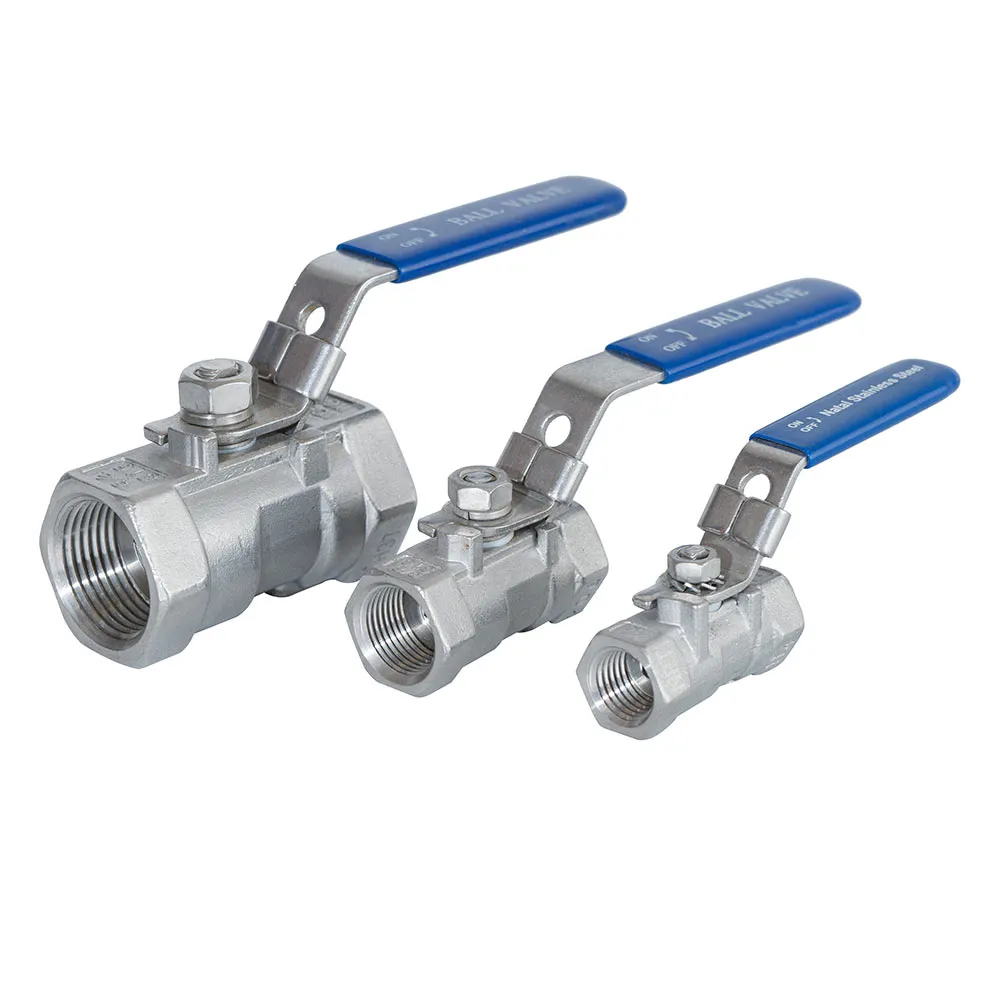
Application Scenarios and Advantages
The inherent design advantages of a one piece ball valve lend themselves to a broad spectrum of industrial applications where reliability, compactness, and tight shut-off are essential.
Target Industries:
- Petrochemical: For handling various chemicals, hydrocarbons, and gases under diverse pressure and temperature conditions. Its corrosion resistance is highly valued here.
- Oil & Gas (Upstream & Downstream): In pipelines, processing units, and storage facilities, for general isolation service.
- Water Supply & Drainage: For water treatment plants, municipal water networks, and industrial wastewater management, ensuring clean shut-off and longevity.
- Power Generation: In cooling water systems, fuel lines, and auxiliary services.
- Metallurgy: Handling process fluids in metal production and refining.
- Pulp & Paper: For media involving abrasive slurries and corrosive chemicals.
- Pharmaceutical & Food Processing: Stainless steel variants are crucial for maintaining hygiene and preventing contamination, often chosen for their ease of cleaning and minimal entrapment areas.
Demonstrated Advantages in Typical Scenarios:
- Corrosion Resistance: In chemical processing plants, stainless steel one piece ball valve are indispensable. For instance, a major chemical manufacturer in Texas reported a 30% reduction in valve-related downtime by switching to 316L SS one-piece valves for their acid lines, attributing it to superior material integrity and fewer potential leak paths compared to multi-piece designs.
- Energy Saving & Efficiency: The full bore option of a 1 pc ball valve provides an unrestricted flow path, significantly reducing pressure drop across the valve. In a water pumping station application in California, replacing old gate valves with new full-bore one-piece ball valves resulted in a measurable reduction in pump energy consumption by approximately 5-7% due to lower head loss, translating to substantial operational cost savings over time.
- Reliable Shut-off: For critical isolation points in oil and gas manifolds, the robust design ensures bubble-tight sealing, preventing costly and hazardous leaks. Feedback from an offshore drilling platform operator indicated that their compact one-piece ball valves maintained zero leakage even after five years of continuous service in harsh marine environments.
- Compactness: In applications with limited space, such as on skid-mounted systems or in instrument panels, the compact form factor of a ball valve one piece body is highly advantageous. A pharmaceutical company designing a new cleanroom facility specifically chose these valves to optimize equipment layout and reduce overall footprint without compromising performance.
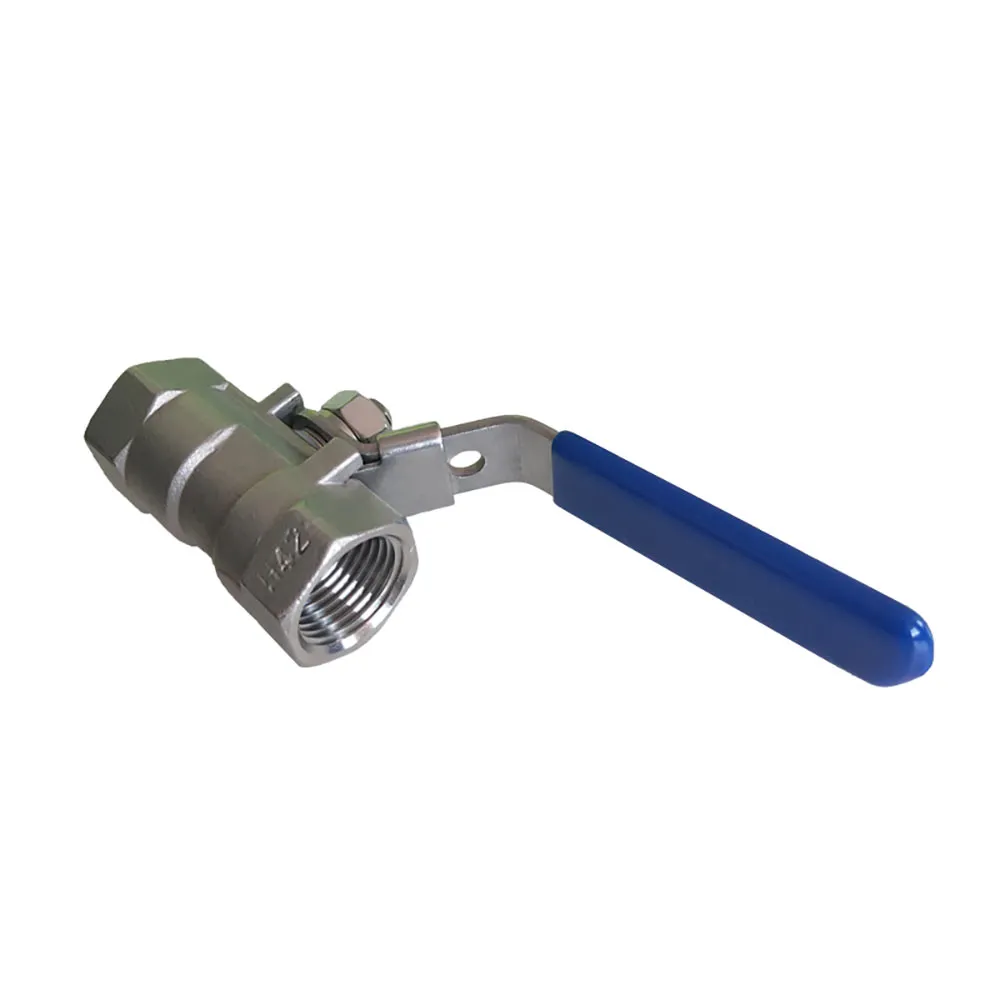
Vendor Comparison and Selection Criteria
Choosing the right supplier for one piece ball valve involves evaluating several critical factors beyond initial price. A strategic vendor comparison focuses on quality, certifications, customization capabilities, and after-sales support to ensure long-term operational integrity and value.
Key Comparison Parameters for B2B Procurement:
| Criterion | High-Quality Vendor | Standard Vendor |
|---|---|---|
| Product Quality & Durability | Utilizes premium materials (e.g., traceable alloys), advanced manufacturing (CNC, precise forging), rigorous multi-stage testing, low defect rates. | Standard materials, basic manufacturing, limited testing, higher potential for premature wear. |
| Certifications & Standards Adherence | ISO 9001, API 6D/607, CE, PED, TA-Luft, SIL-rated (where applicable). Demonstrable adherence to international and industry-specific standards. | Basic certifications (e.g., general CE), limited specific industry compliance. |
| Customization & Engineering Support | Offers application-specific material selection, specialized end connections, custom actuation, dedicated engineering consultation for complex projects. | Limited customization options, standard product lines only. |
| Lead Time & Supply Chain Reliability | Transparent lead times, robust global supply chain, ability to handle urgent orders, strong inventory management. | Variable lead times, potential for delays, less transparent supply chain. |
| After-Sales Support & Warranty | Comprehensive warranty (2-5 years standard), readily available spare parts, technical support, field service, training programs. | Basic warranty (1 year), limited spare parts availability, minimal technical assistance. |
| Cost of Ownership (TCO) | Higher initial investment, but lower maintenance, longer service life, reduced downtime, and better energy efficiency leading to lower TCO. | Lower initial investment, but higher maintenance, shorter lifespan, increased downtime, and potential efficiency losses leading to higher TCO. |
Companies with decades of experience in valve manufacturing, and a portfolio of partner clients spanning critical industries, often demonstrate greater authoritativeness. Their products typically meet or exceed ISO and ANSI standards, backed by robust testing data and clear performance guarantees.
Customized Solutions
While standard one piece ball valve models meet many requirements, specific industrial processes often demand tailored solutions. Reputable manufacturers offer extensive customization options to precisely match unique operational parameters.
- Material Adaptation: Beyond standard stainless and carbon steels, valves can be manufactured from exotic alloys like Monel, Hastelloy, or Inconel for extreme chemical resistance or high-temperature service.
- Specialized Coatings: For abrasive media or enhanced corrosion protection, internal coatings (e.g., hard chromium plating, PFA lining) can be applied.
- End Connection Variations: While threaded ends are common for a 1 pc ball valve, specialized connections like extended butt-weld ends for specific piping systems or flanged versions (via adapters for compact designs) can be accommodated.
- Actuation and Automation: Custom mounting pads and shaft designs allow for integration with various pneumatic, electric, or hydraulic actuators, enabling remote operation and automation.
- Pressure and Temperature Adjustments: Engineering adjustments to wall thickness, seat material, and body design can extend pressure and temperature ratings beyond standard specifications for niche applications.
- Specific Testing Protocols: Beyond standard API/ISO tests, clients may require additional tests like cryogenic testing, low-fugitive emission testing (ISO 15848), or oxygen service cleaning.
This ability to engineer bespoke solutions underscores the manufacturer's expertise and commitment to meeting complex B2B needs, ensuring optimal performance and compliance in even the most challenging environments.
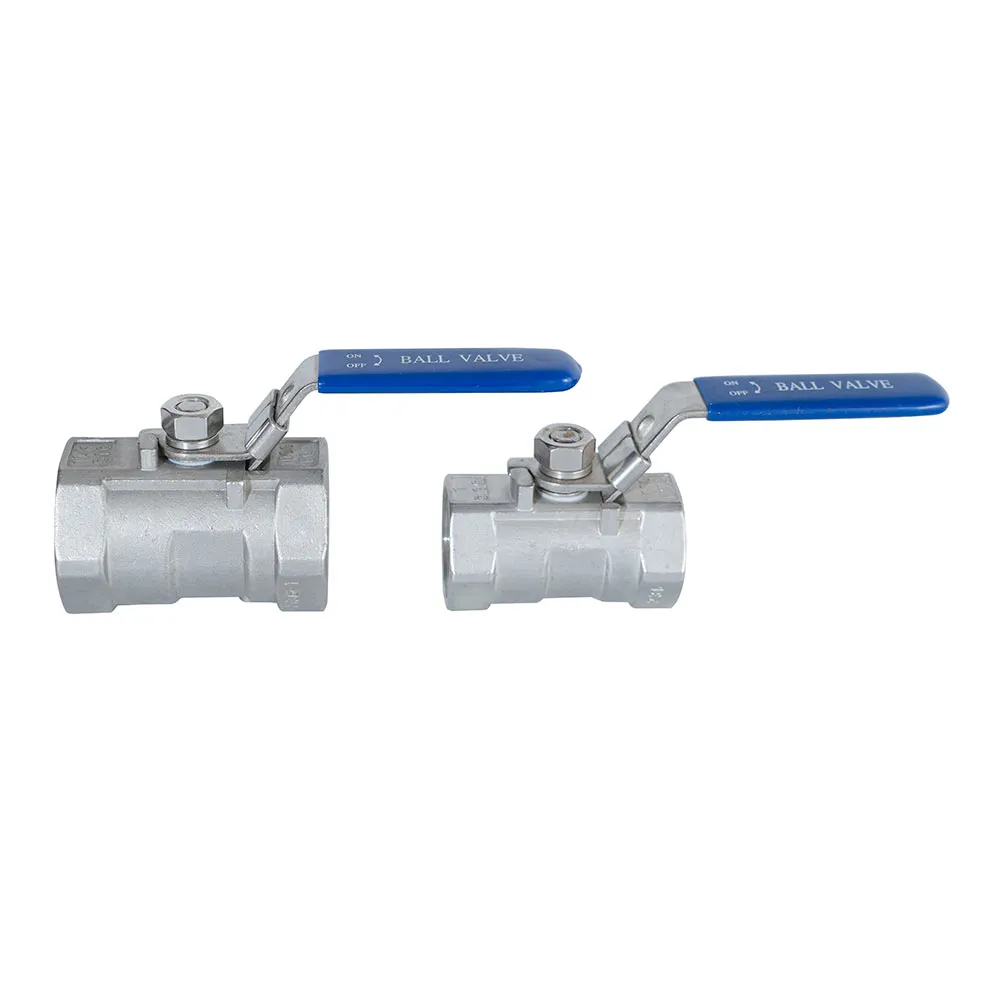
Application Case Studies
Case Study 1: Enhanced Safety in Chemical Transfer Lines
A leading chemical production facility in Germany faced challenges with fugitive emissions and frequent valve maintenance in its highly corrosive acid transfer lines. Traditional multi-piece ball valves were prone to external leakage at body joints and often required seal replacements due to aggressive media. After a comprehensive review, the facility opted to standardize on 316L Stainless Steel one piece ball valve with PEEK seats and a blow-out proof stem design. The compact, single-body construction significantly reduced potential leak paths. Over a two-year period, the plant reported a 95% reduction in external leakage incidents and an 80% decrease in valve-related maintenance costs for these lines, leading to improved safety compliance and operational efficiency. The robust design and advanced material selection proved critical in this demanding environment.
Case Study 2: Optimizing Flow Control in a Water Treatment Plant
A municipal water treatment plant processing 150 million liters daily sought to upgrade its auxiliary service lines to improve reliability and reduce operational overhead. Older, less efficient isolation valves contributed to minor leaks and inconsistent flow control. The plant replaced these with full-bore, WCB Carbon Steel one piece ball valve in DN50 (2-inch) and DN80 (3-inch) sizes. The full-bore design minimized pressure drop across the valves, contributing to a modest but significant 4% reduction in pumping energy requirements over the year. Furthermore, the robust sealing mechanism of the new valves virtually eliminated minor leaks, ensuring better resource conservation and reducing localized corrosion risks from escaped water. The ease of operation and long-term durability of the ball valve one piece body were key factors in their successful integration.
Trustworthiness and Support Information
Frequently Asked Questions (FAQ)
Q: What makes a one-piece ball valve more reliable than a multi-piece design?
A: The single-body construction of a one piece ball valve inherently reduces the number of potential leakage paths, as there are no body joints or connections that could fail. This results in superior integrity, particularly under fluctuating pressures or temperatures, and in corrosive environments.
Q: Can these valves be used for throttling applications?
A: While ball valves are primarily designed for on-off (isolation) service due to their quarter-turn operation and tight shut-off, they can be used for throttling to a limited extent. However, continuous throttling can lead to seat erosion. For precise and continuous flow modulation, specialized control valves are generally recommended.
Q: What are the typical lead times for custom one-piece ball valves?
A: Lead times vary depending on the level of customization, material availability, and order volume. Standard configurations typically ship within 2-4 weeks. For highly customized solutions or specialized materials, lead times can range from 6-12 weeks. We recommend contacting our sales team for precise lead time estimates based on your specific requirements.
Q: Are these valves fire-safe certified?
A: Many of our one piece ball valve models are available with fire-safe certification to API 607 and ISO 10497 standards. This means they are designed to maintain their pressure-containing capabilities and prevent external leakage even after being exposed to fire, a critical feature for oil & gas and petrochemical applications. Please specify this requirement when ordering.
Lead Time & Fulfillment
We maintain a robust inventory of common one piece ball valve configurations to facilitate rapid fulfillment. For larger projects or specialized requirements, our streamlined manufacturing processes and established supply chain enable competitive lead times, typically ranging from 2-12 weeks based on complexity and volume. Expedited shipping options are available upon request.
Warranty Commitments
All our valves come with a standard 24-month warranty from the date of installation or 30 months from the date of shipment, whichever comes first, covering defects in materials and workmanship. This commitment reflects our confidence in the quality and durability of our 1 pc ball valve products. Extended warranty options are available for specific projects.
Customer Support
Our dedicated customer support team and technical engineers are available to provide expert assistance, from initial product selection and technical specifications to installation guidance and troubleshooting. We offer comprehensive after-sales support to ensure optimal performance and longevity of your ball valve one piece body. Contact us via phone, email, or through our website for prompt and professional service.
References
- American Petroleum Institute (API). "API Standard 607: Fire Test for Soft-Seated Quarter-Turn Valves."
- International Organization for Standardization (ISO). "ISO 9001: Quality management systems – Requirements."
- ASME. "ASME B16.34: Valves—Flanged, Threaded, and Welding End."
- Valve Manufacturers Association of America (VMA). "Valves: The Essential Components of Modern Industry."
- Process Industry Practices (PIP). "PIP VEEV1000: Valve Selection Guide."