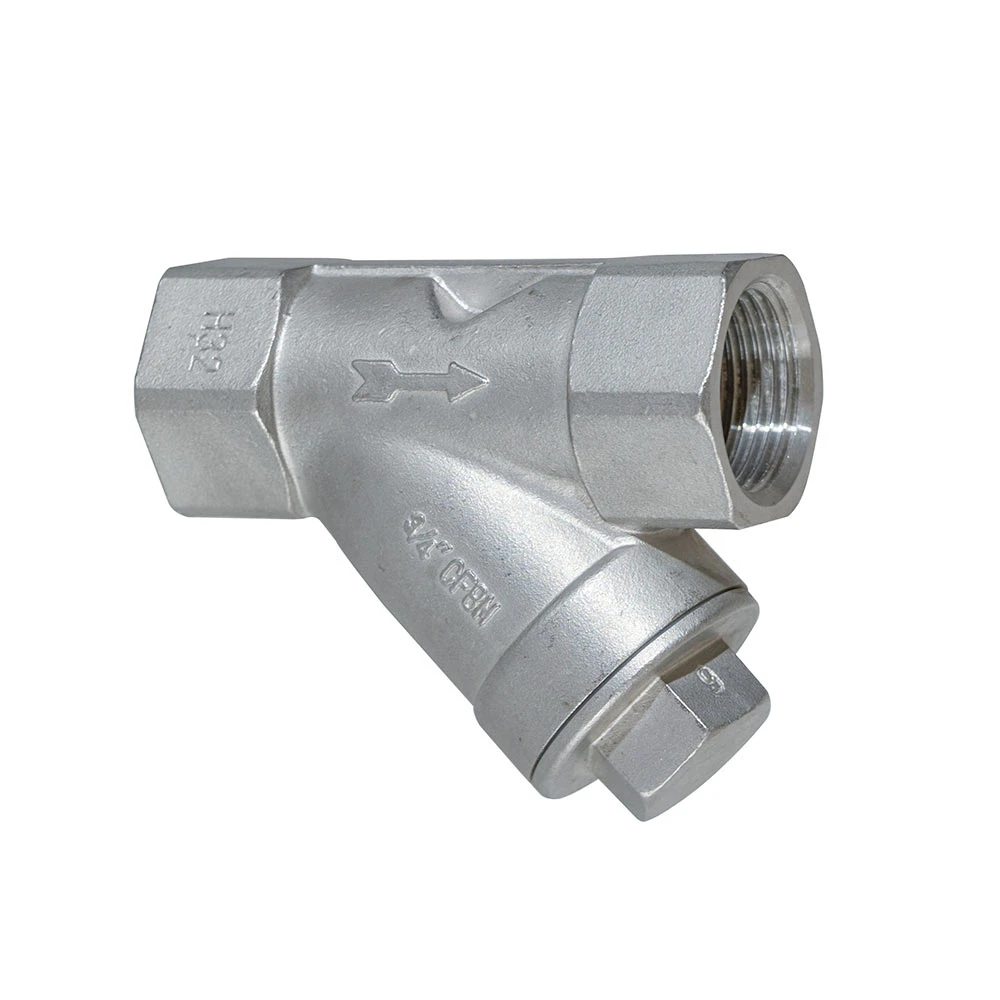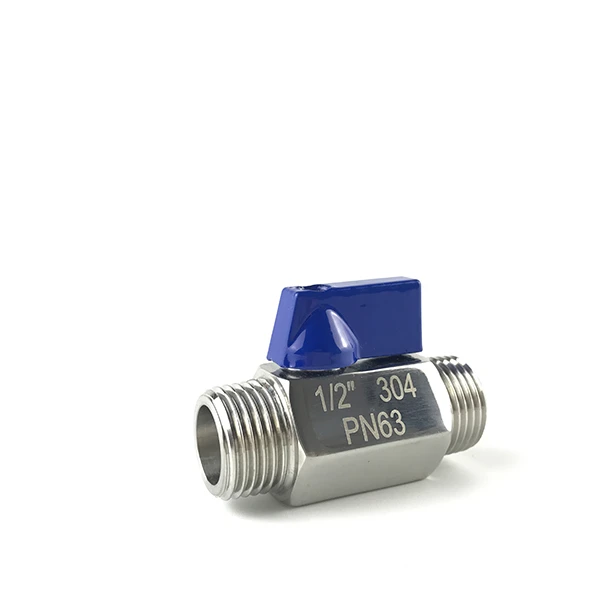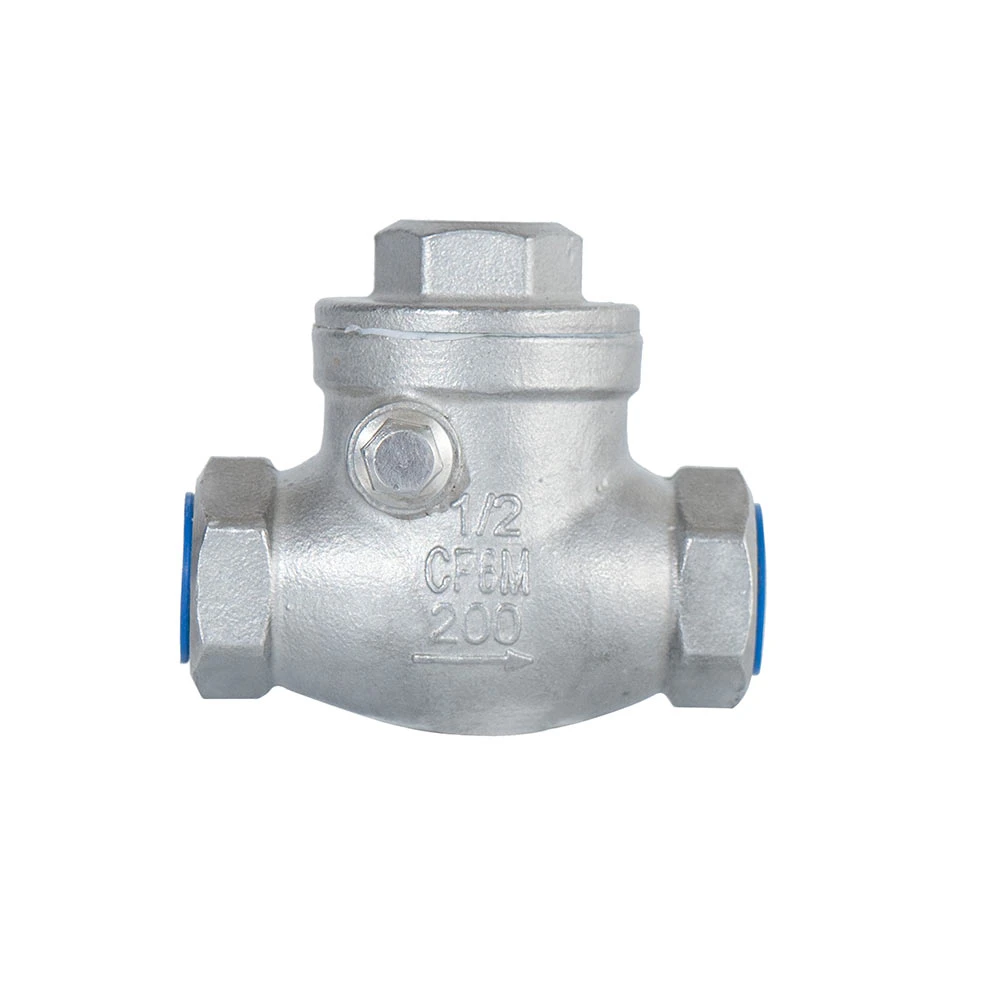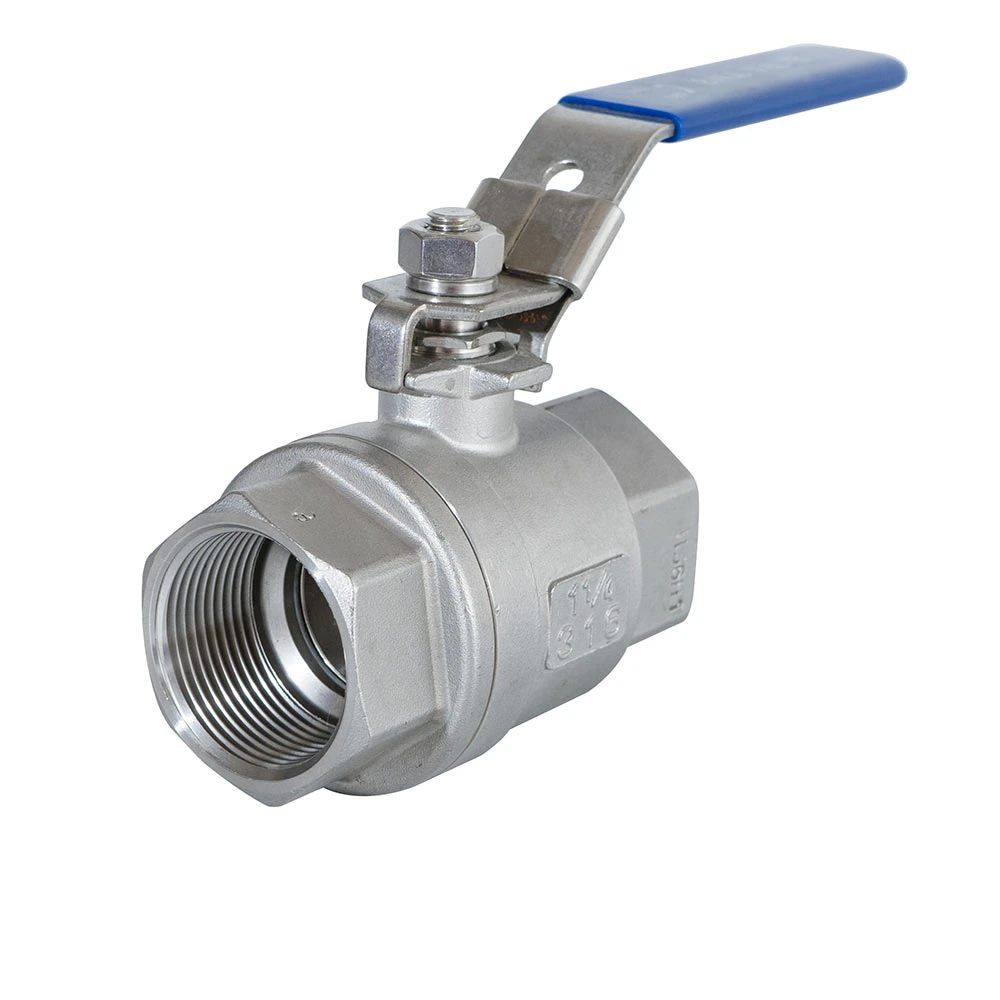
In the demanding landscape of industrial fluid control, reliability and efficiency are paramount. The one piece ball valve stands as a testament to robust engineering, offering a compact and highly durable solution for a wide array of applications. This comprehensive guide delves into the intricate details of this critical component, exploring its manufacturing excellence, technical specifications, diverse applications, and inherent advantages that make it a preferred choice for discerning B2B clients and engineers seeking uncompromising performance in their fluid management systems.
Industry Trends and Market Dynamics
The global industrial valves market is experiencing significant growth, projected to reach over $90 billion by 2028, driven by expanding infrastructure, increasing industrial automation, and stringent safety regulations. Within this growth, the demand for compact, high-performance valves like the one piece ball valve is steadily rising. Industries such as oil and gas, chemical processing, power generation, and water treatment are increasingly prioritizing valves that offer superior leak integrity, reduced maintenance, and ease of installation. The inherent advantages of the ball valve one piece body design – particularly its robust construction and minimized leak paths – position it as a critical component in systems where reliability cannot be compromised. There's a growing trend towards specialized materials and higher pressure ratings to meet the evolving demands of extreme operating environments, further solidifying the market position of these durable valves.
Technological advancements in manufacturing processes, including precision CNC machining and advanced material alloys, are enhancing the performance envelope of 1 pc ball valve solutions. Furthermore, the push for energy efficiency and reduced operational costs is leading to a preference for valves with lower torque requirements and longer service lives, characteristics where the simple yet effective design of a one-piece ball valve excels. The increasing adoption of smart manufacturing practices also contributes to the production of more consistent and reliable valve components.
Manufacturing Excellence: The One Piece Ball Valve Process Flow
The production of a high-quality one piece ball valve involves a meticulously controlled process, ensuring superior performance and longevity. From raw material selection to final inspection, each stage adheres to rigorous industry standards and advanced engineering principles.
Key Stages in Manufacturing:
- 1. Material Selection & Preparation: The foundation of durability begins with selecting premium materials. Common choices include stainless steel (304, 316, 316L) for corrosion resistance, carbon steel (A105, WCB) for general industrial applications, and specialized alloys (e.g., Duplex, Hastelloy) for extreme temperatures or aggressive media. These materials are chosen based on the intended service environment, pressure, and temperature ratings. Forged or cast billets undergo initial quality checks for material composition and structural integrity before processing.
-
2. Body Forging or Casting:
- Forging: Forged bodies offer superior grain structure, enhanced strength, and reduced porosity compared to castings, making them ideal for high-pressure and critical applications. The material is heated and shaped under immense pressure, aligning grain flow with the valve's stress points.
- Casting: While generally suitable for lower pressure applications, advanced casting techniques (e.g., investment casting) can produce intricate, high-quality bodies with excellent dimensional accuracy and surface finish. All castings undergo rigorous non-destructive testing (NDT) such as X-ray or ultrasonic inspection.
- 3. CNC Machining: Precision is paramount. Advanced Computer Numerical Control (CNC) machines meticulously machine the valve body, bore, stem hole, and seat pockets to tight tolerances (typically ±0.05 mm or better). This ensures perfect fitment of internal components, smooth operation, and superior sealing capabilities. Automated gauging systems verify dimensional accuracy, and surface roughness is controlled to prevent wear and corrosion.
- 4. Ball and Stem Fabrication: The ball, crucial for flow control, is machined from a solid bar or forging, often mirror-polished (Ra
- 5. Seat and Seal Component Preparation: Valve seats (e.g., Virgin PTFE, RPTFE (reinforced PTFE), PEEK, Delrin, or metal seats) and stem seals (e.g., O-rings, graphite packing) are selected based on anticipated temperature range, chemical compatibility, pressure requirements, and fugitive emission standards. These components are molded or machined to exact specifications and undergo material verification (e.g., PMI - Positive Material Identification for alloys).
- 6. Assembly: All components are carefully assembled in a clean environment, adhering to strict torque specifications for fasteners and ensuring proper alignment of the ball and stem. Specialized tools and fixtures are used to prevent damage to sealing surfaces.
-
7. Testing and Quality Assurance: Every valve undergoes rigorous testing to comply with international standards such as ISO 5208 (pressure testing), API 598 (valve inspection and testing), and ANSI/ASME B16.34 (valves—flanged, threaded, and welding end).
- Hydrostatic Shell Test: Verifies the integrity of the valve body and body joint (if any) under 1.5 times the rated working pressure.
- Seat Leakage Test: Ensures bubble-tight shut-off in both directions at 110% of rated working pressure (liquid) and low pressure (gas), typically to API 598 or ISO 5208 Rate A standards.
- Fugitive Emissions Testing (ISO 15848-1 / TA-Luft): For critical applications handling hazardous or volatile media, specialized testing verifies minimal stem leakage over a specified number of cycles.
- Operational Torque Test: Measures the force required to operate the valve, ensuring it falls within design specifications for manual or automated actuation.
- 8. Surface Treatment & Packaging: Final surface treatments (e.g., painting, passivation, electro-polishing) are applied for enhanced corrosion resistance and aesthetic finish. Valves are then carefully packaged, often with protective caps and desiccants, to prevent damage during transit and storage.
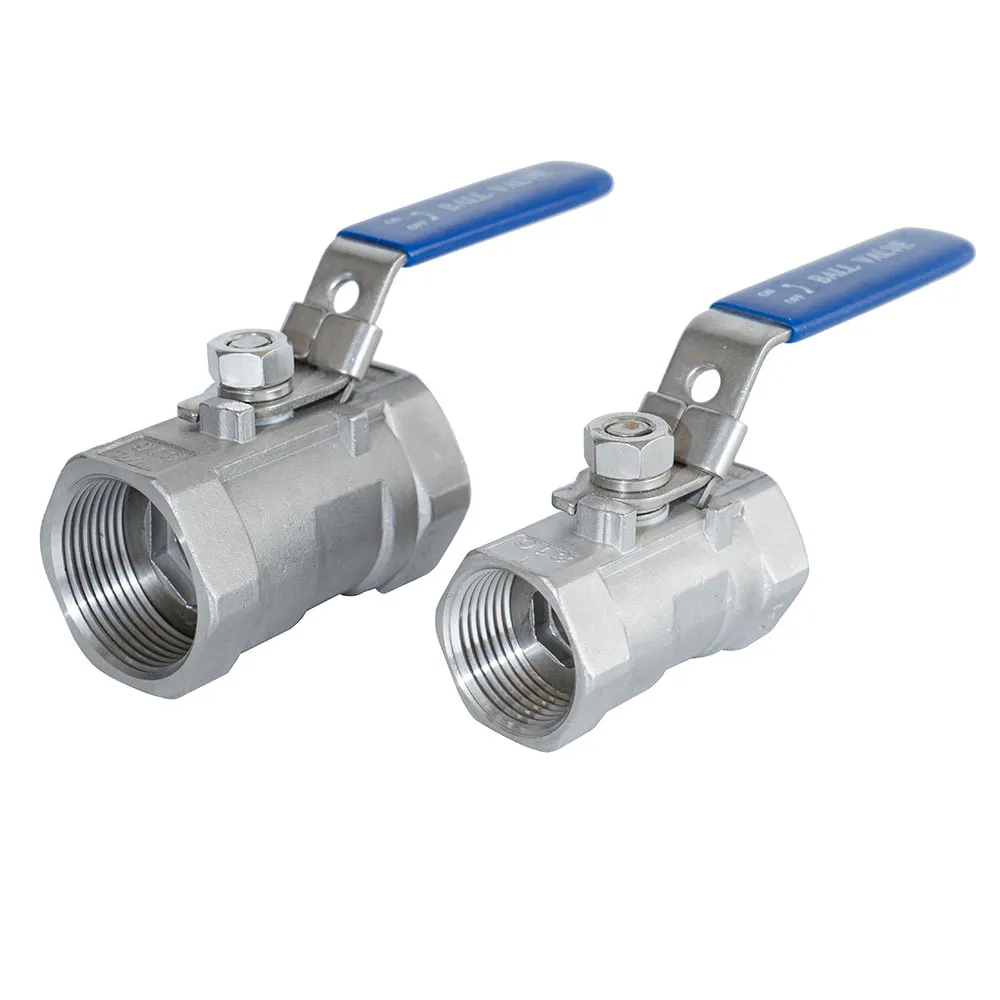
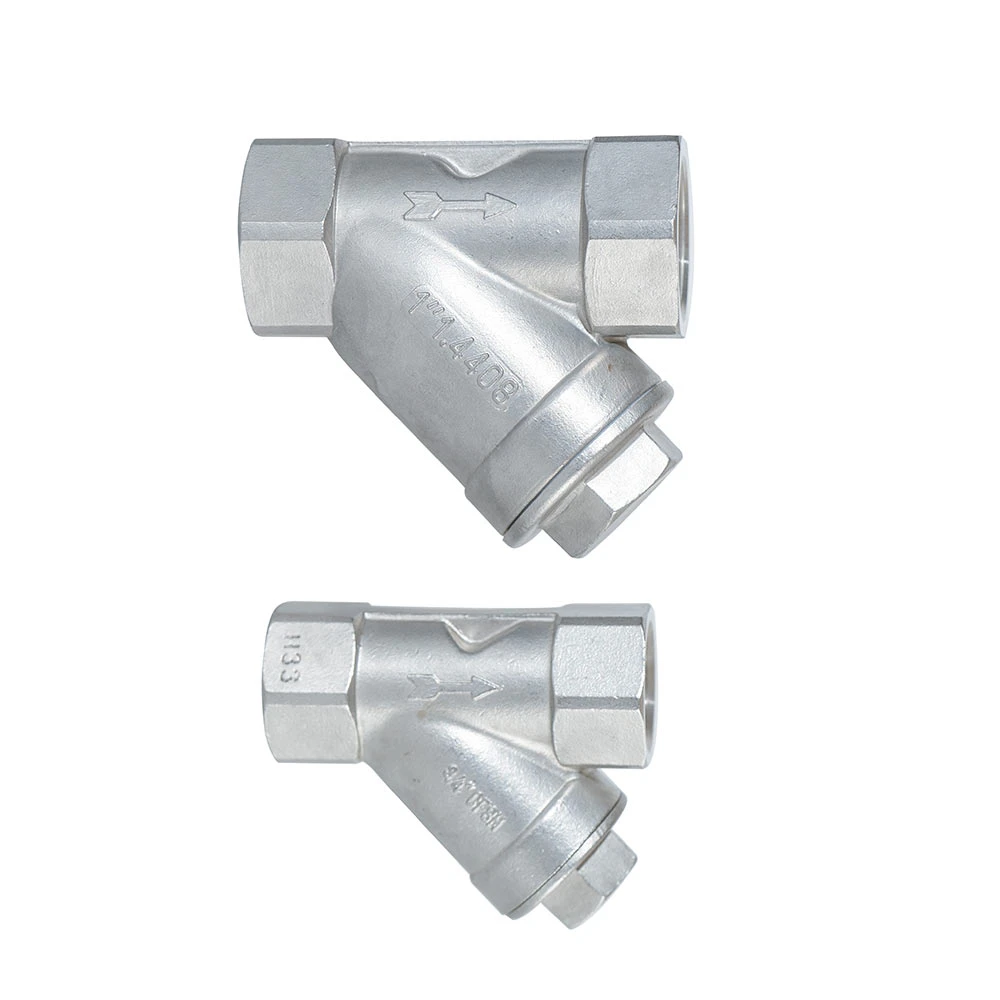
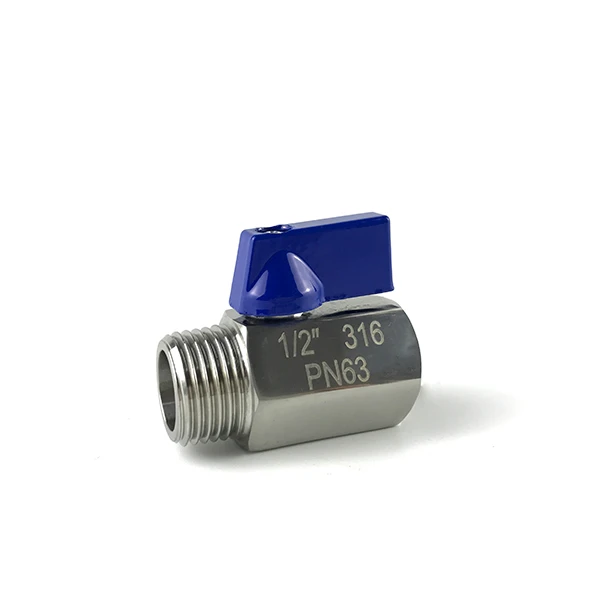
Visual representation of precision engineering in a one piece ball valve.
Target Industries and Service Life:
The robust design and manufacturing precision afford the one piece ball valve an extended service life, typically ranging from 10 to 20 years or more, depending on the operating conditions, media aggressiveness, and maintenance frequency. These valves are indispensable in:
- Petrochemical: For critical shut-off in pipelines, processing units, and storage facilities, handling hydrocarbons, acids, and bases.
- Metallurgy: Controlling coolants, lubricants, and various processing fluids in metal production and smelting operations.
- Water Supply & Drainage: Reliable isolation in water distribution networks, wastewater treatment plants, and industrial drainage systems, often preventing backflow.
- Pharmaceutical & Biotechnology: High-purity applications requiring sanitary designs, precise surface finishes, and specific material certifications (e.g., FDA compliance for elastomers).
- Power Generation: Steam, water, and fuel control in conventional, nuclear, and renewable energy plants, requiring high-temperature and high-pressure resilience.
In these scenarios, advantages like superior corrosion resistance from appropriate material selection (e.g., 316L SS) and minimized leakage paths contribute significantly to enhanced energy saving, reduced product loss, and operational safety.
Technical Specifications of the One Piece Ball Valve
Understanding the precise technical parameters is crucial for selecting the appropriate one piece ball valve for any given application. The design's simplicity belies a robust performance profile capable of handling diverse media and operating conditions, making it a highly adaptable component in process industries.
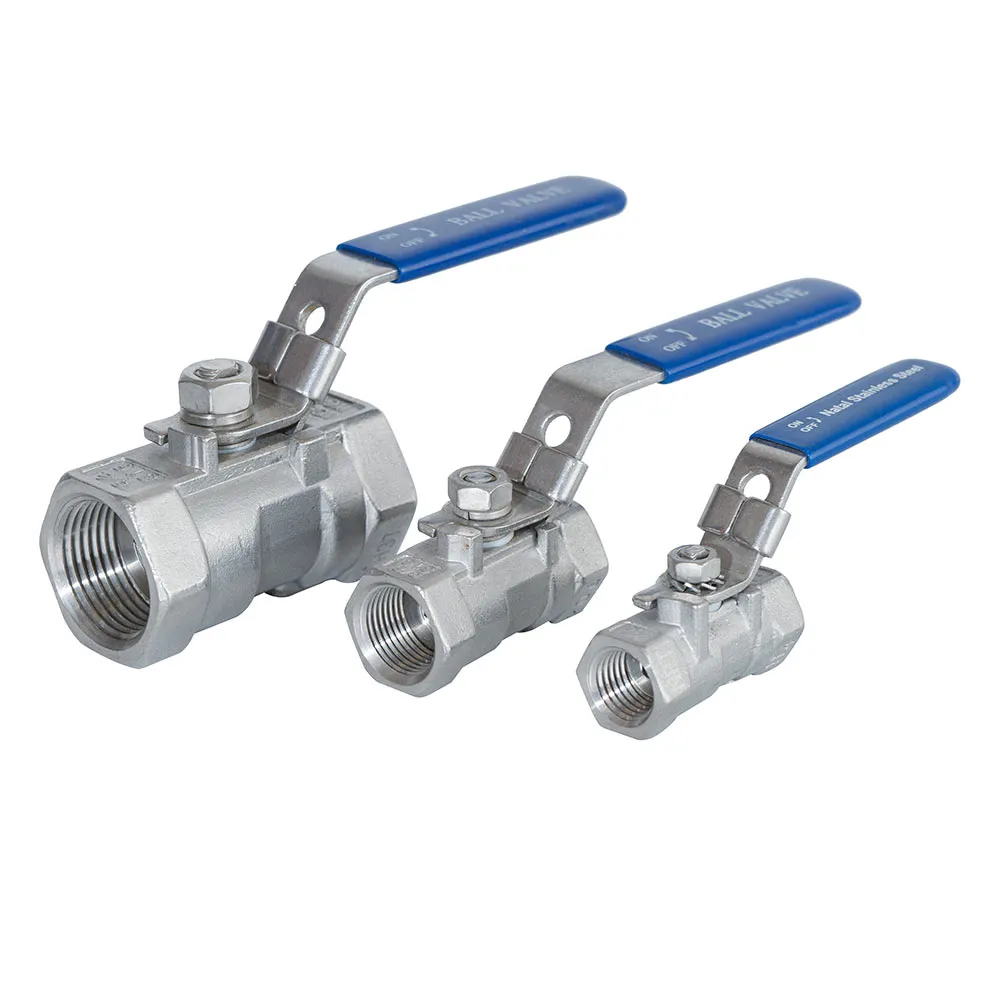
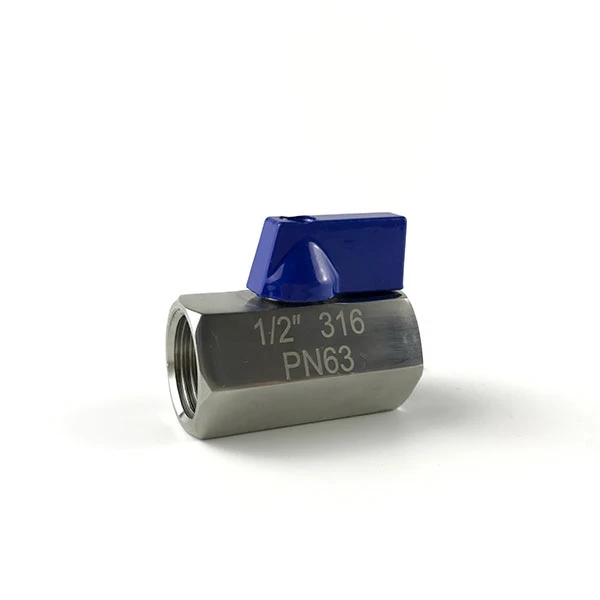
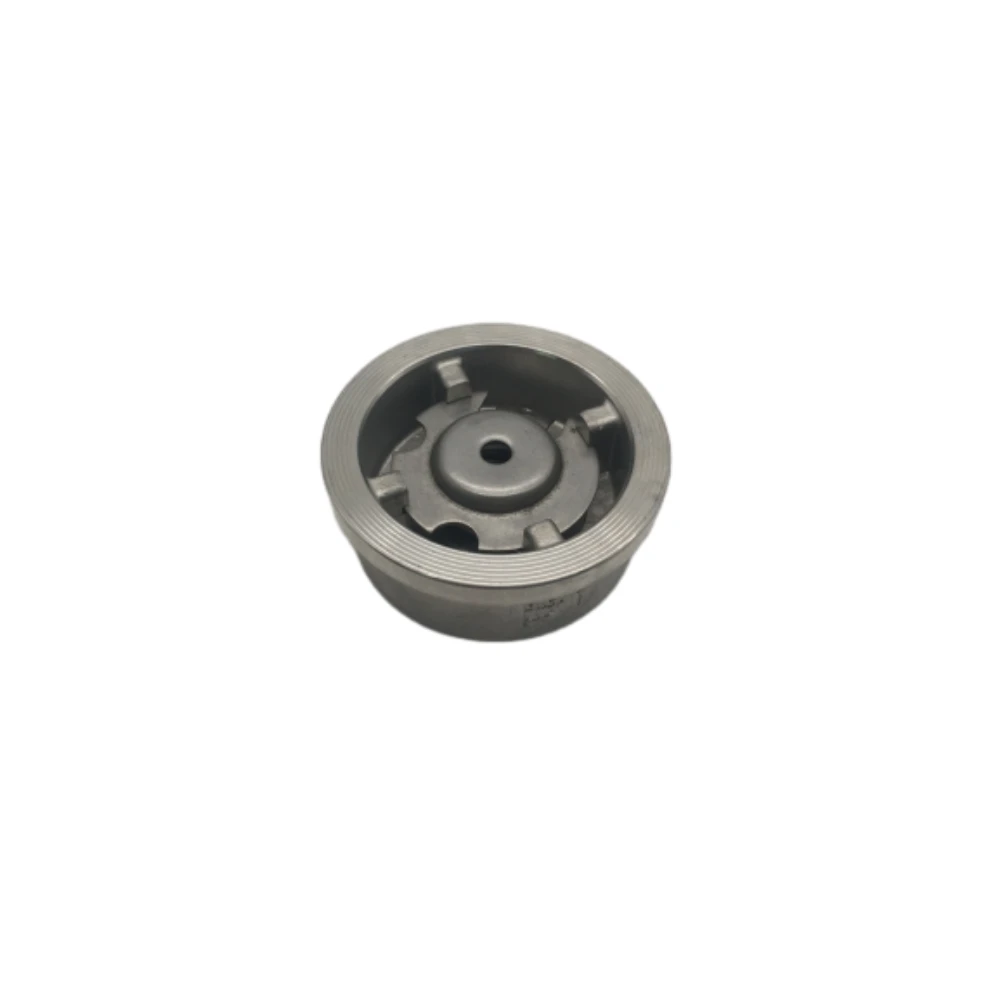
Detailed view of internal components and technical features of a one piece ball valve.
| Parameter | Description / Value |
|---|---|
| Valve Type | One Piece Ball Valve (Full or Reduced Bore) |
| Body Material | ASTM A351 CF8M (316 SS), ASTM A351 CF8 (304 SS), ASTM A216 WCB (Carbon Steel), Special Alloys (Duplex, Hastelloy) |
| Ball Material | ASTM A351 CF8M (316 SS), ASTM A351 CF8 (304 SS), ASTM A216 WCB (Chrome Plated), or matching body material |
| Stem Material | SS316, SS304 (Anti-Blowout Design per ASME B16.34) |
| Seat Material | PTFE, RPTFE (15% Glass/Carbon Filled), PEEK (High Temp/Pressure), Delrin, UHMWPE, Metal Seats (for abrasive service) |
| Working Pressure | Class 150 - Class 2500, PN10 - PN160 (e.g., 1000 PSI / 6.9 MPa for WOG applications, up to 6000 PSI for specialized designs) |
| Temperature Range | -29°C to 200°C (-20°F to 392°F) for PTFE seats (Extended ranges with PEEK/Metal seats: -196°C to 450°C) |
| Size Range | DN8 - DN100 (1/4" - 4") standard; larger sizes available upon request. |
| End Connection | Threaded (NPT, BSPT, BSPP, NPSM), Weld (Socket Weld, Butt Weld), Flanged (Custom sizes) |
| Operation | Manual (Lever Handle, Gear Operated), Pneumatic Actuator (Double Acting, Spring Return), Electric Actuator |
| Design Standard | ASME B16.34, API 608, ISO 17292 |
| Testing Standard | API 598, ISO 5208, MSS SP-61 |
| Certifications | ISO 9001, CE PED, ATEX, Fire Safe (API 607/6FA), TA-Luft (for fugitive emissions) |
These specifications highlight the versatility of the ball valve one piece body, capable of being configured for precise control across various pressure and temperature regimes, ensuring system integrity and operational efficiency. Custom engineered solutions can further extend these parameters to meet highly specialized project demands.
Versatile Application Scenarios for 1 pc Ball Valves
The robust and compact design of the 1 pc ball valve makes it an ideal choice for a multitude of industrial applications where reliable shut-off and minimal maintenance are critical. Its full bore option minimizes pressure drop, contributing to energy efficiency in fluid transfer systems, while its simple design offers inherent reliability.
- Chemical Processing: Handling corrosive acids, alkalis, and solvents. The single-body design reduces potential leak paths, critical in managing hazardous chemicals. For instance, in a sulfuric acid production plant, a 316L SS one piece ball valve ensures safe and reliable isolation of flow lines, contributing to environmental protection and operational safety.
- Oil & Gas Industry: From upstream exploration to downstream refining, these valves are used in sampling lines, instrument isolation, and small-bore pipeline sections. Their ability to withstand high pressures and temperatures, coupled with options for NACE MR0175 compliance (for sulfide stress cracking resistance), makes them indispensable in hydrocarbon service.
- Water Treatment & Utilities: In municipal water supply, wastewater treatment, and industrial water processing, the one piece ball valve offers effective isolation for various water qualities, including potable water and aggressive industrial effluents. Its ease of operation facilitates quick shut-off during maintenance or emergencies, reducing downtime.
- Food & Beverage: With specialized polished finishes, flush-bottom designs, and FDA-approved seat materials, these valves are used for hygienic applications, controlling the flow of liquids, gases, and even slurries. Their cleanability and resistance to bacterial growth are key advantages in maintaining product integrity and meeting regulatory standards.
- HVAC Systems: Controlling water or glycol mixtures in heating, ventilation, and air conditioning systems. The compact design is particularly beneficial in confined spaces, simplifying installation and integration into complex systems.
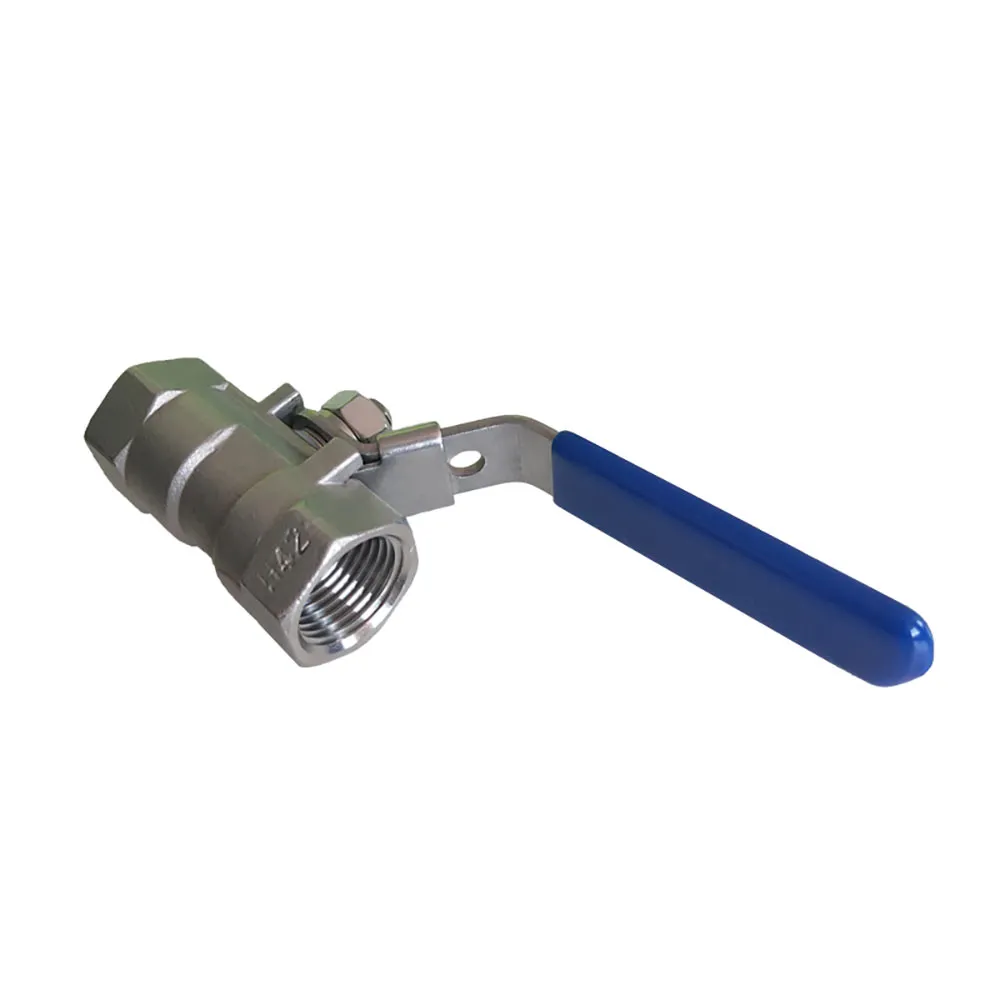
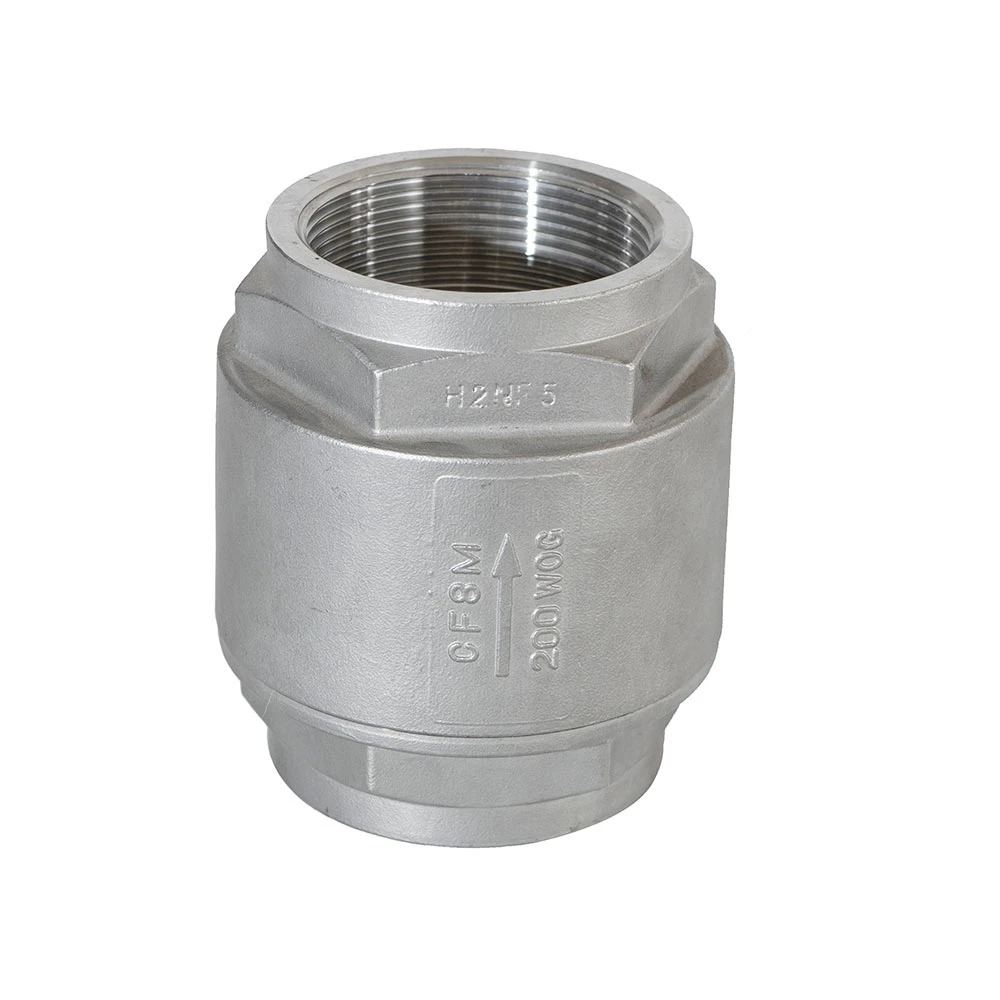
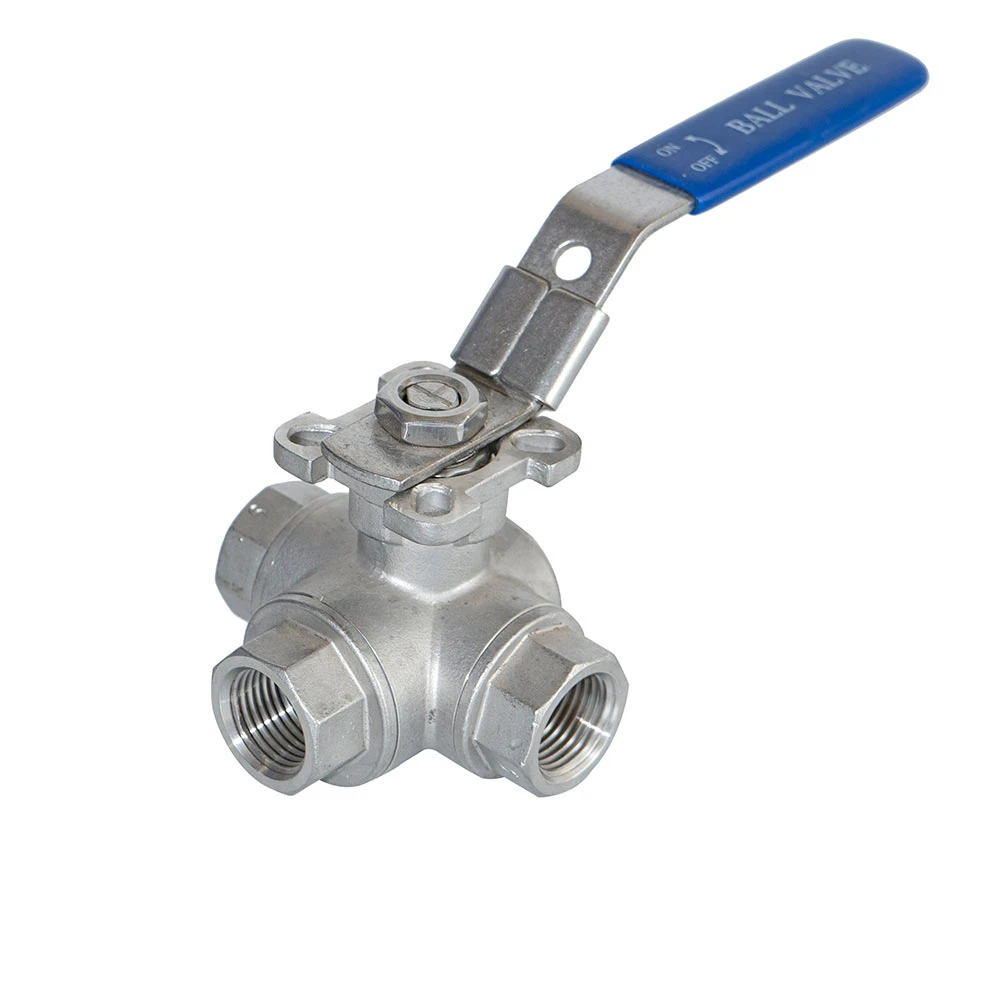
A one piece ball valve integrated into an industrial piping system.
In these diverse settings, the singular body construction of the ball valve one piece body simplifies installation, reduces potential leakage points, and enhances structural integrity, offering unparalleled reliability for critical isolation tasks.
Key Technical Advantages of the one piece ball valve
While ball valves generally offer superior shut-off capabilities, the one piece ball valve design provides distinct advantages, particularly concerning integrity and cost-effectiveness over its multi-piece counterparts in certain applications. These benefits contribute significantly to operational efficiency and safety.
- Enhanced Structural Integrity: The single, integral body construction of the one piece ball valve minimizes external leakage paths. Unlike two-piece or three-piece designs which have bolted body joints, the one-piece body eliminates these potential weak points, making it inherently more robust and less susceptible to thermal cycling stress, vibration-induced loosening, or pipe line stresses. This leads to a longer service life and reduced risk of environmental release.
- Reduced Maintenance and Lower Total Cost of Ownership (TCO): Fewer bolted connections mean fewer potential points of failure and less frequent maintenance requirements for gasket inspection or replacement. This translates into significant cost savings over the valve's operational lifespan due to reduced downtime, labor, and spare parts expenses. The robust design contributes to superior overall reliability, reducing the need for costly emergency repairs.
- Compact Design and Lighter Weight: The streamlined construction of the 1 pc ball valve results in a more compact and often lighter valve compared to multi-piece designs of similar ratings. This is particularly advantageous in applications with space constraints, simplifying installation, reducing piping support requirements, and potentially lowering freight costs.
- Cost-Effectiveness for Smaller Sizes: For smaller bore sizes (typically up to 4 inches), the manufacturing process for a ball valve one piece body is often more economical than producing multi-piece alternatives. This makes them a highly attractive option for instrumentation lines, utility services, and other applications not requiring frequent in-line maintenance.
- Superior Fugitive Emissions Performance: With fewer external body joints, the risk of fugitive emissions—unintended releases of gases or vapors—is significantly reduced. This is a critical advantage for environmental compliance and safety in industries handling hazardous or volatile substances, often meeting stringent standards like TA-Luft or ISO 15848-1 without additional costly modifications.
- Bi-directional Flow Capability: Like most ball valves, the one-piece design typically provides reliable bi-directional shut-off, simplifying piping design, allowing for flexible installation, and reducing inventory management complexity.
Vendor Comparison: Selecting the Right One Piece Ball Valve Partner
Choosing a reliable manufacturer for one piece ball valve solutions is paramount to ensuring the longevity, safety, and efficiency of your industrial operations. While many suppliers exist, key differentiators include manufacturing expertise, adherence to international standards, material traceability, and robust after-sales support. Houde Valve distinguishes itself through decades of specialization and an unwavering commitment to quality and customer satisfaction.
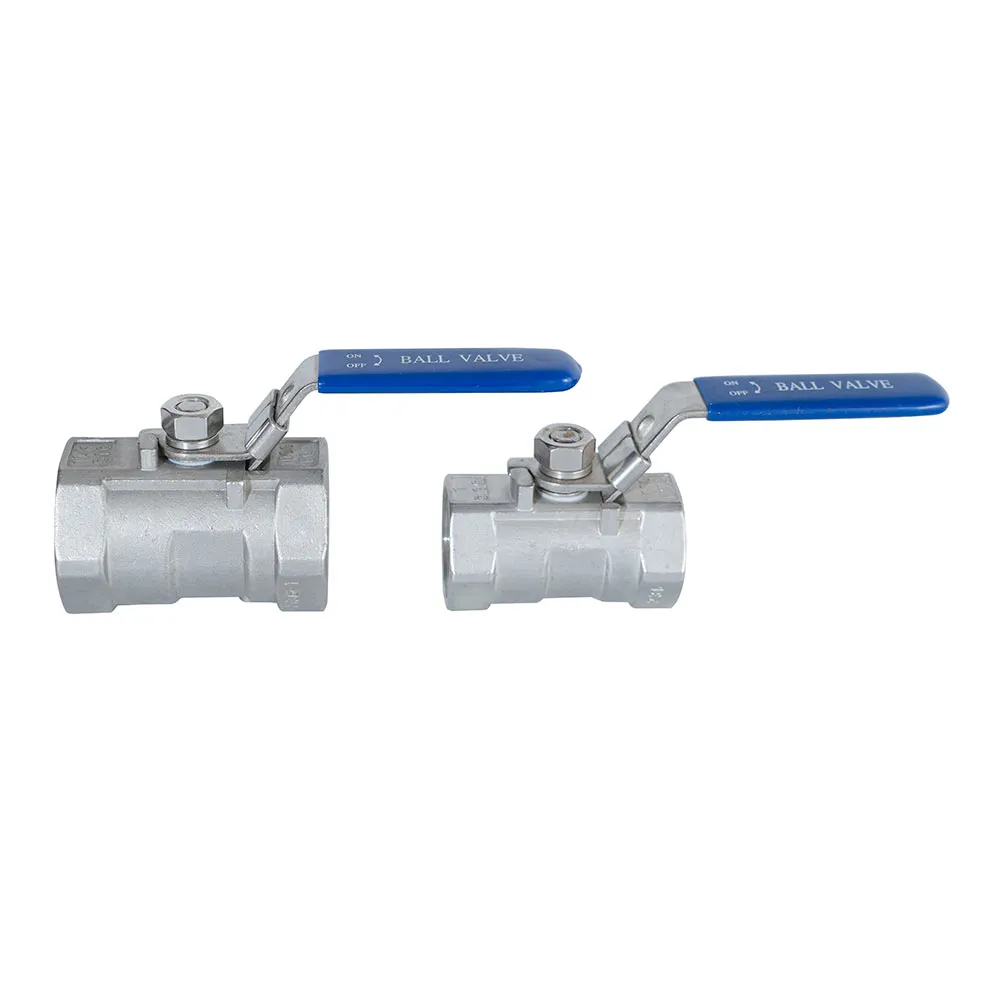
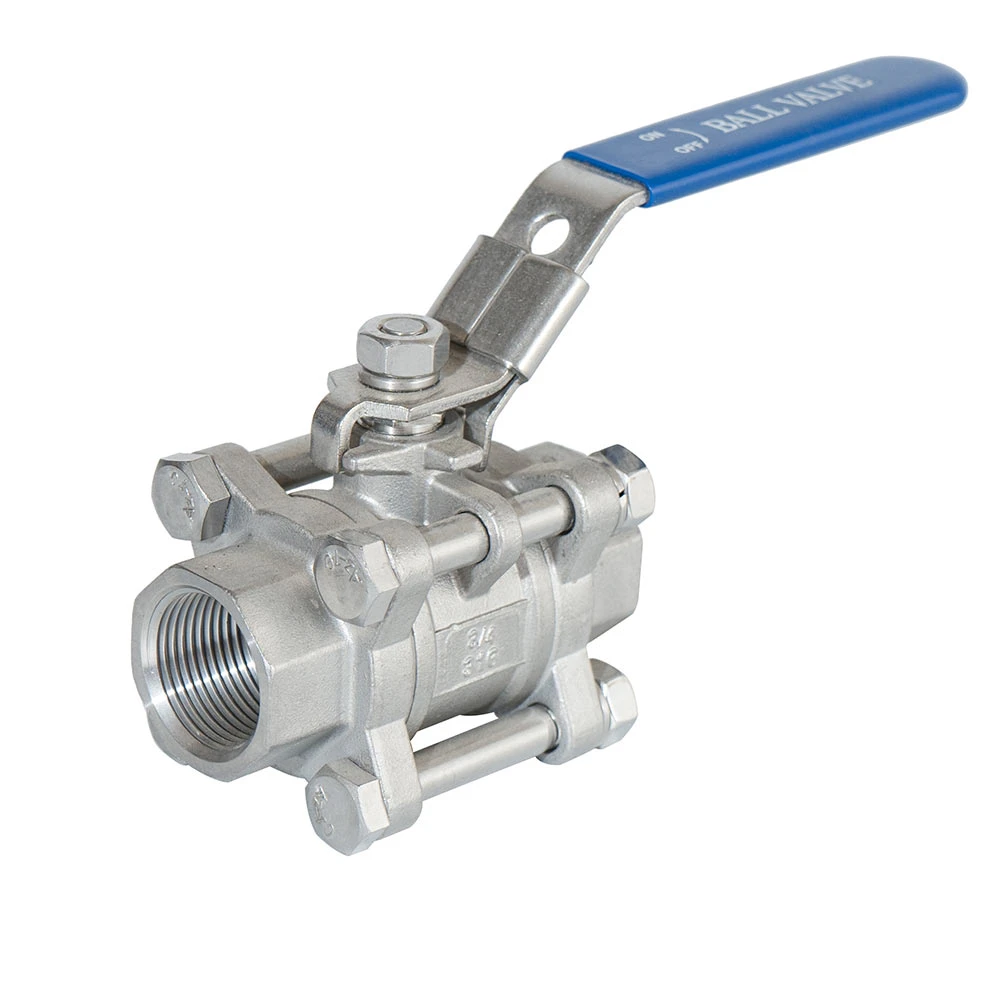
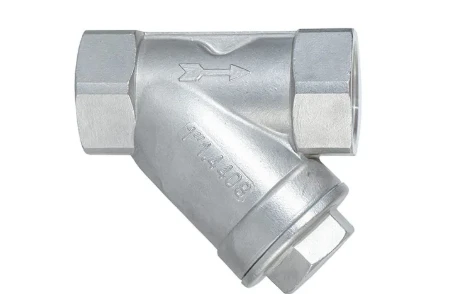
A range of one piece ball valve products showcasing design consistency.
| Feature | Houde Valve (Specialized Manufacturer) | Generic Supplier (Commodity Market) |
|---|---|---|
| Material Traceability | Full MTRs (Material Test Reports) available for all critical components, conforming to ASTM/EN standards, with lot number tracking. | Limited or no MTRs, generic material statements. Risk of substandard materials. |
| Testing & QA | 100% Hydrostatic and Seat Leakage tested to API 598/ISO 5208. Optional NDT (RT, UT), Fugitive Emissions (TA-Luft/ISO 15848-1) with verifiable data. | Basic pressure testing, often limited scope or batch testing, potentially with undocumented procedures. |
| Certifications | ISO 9001 (Quality Management), CE PED (Pressure Equipment Directive), ATEX (Explosive Atmospheres), Fire Safe API 607/6FA. | Often limited to basic CE marking, if any, with unclear scope or backing documentation. |
| Design & Engineering | In-house engineering team, CAD modeling, FEA (Finite Element Analysis) for stress optimization, custom solutions for unique challenges. Designs optimized for specific applications and longevity. | Standard catalog products, minimal design flexibility, often reverse-engineered without deep engineering analysis. |
| Service Life Expectancy | 10-20+ years under specified conditions due to quality materials, precision manufacturing, and robust design. | Variable, often lower due to material inconsistencies, poorer machining tolerances, or lack of rigorous testing. |
| After-Sales Support | Dedicated technical support, rapid spare parts availability, comprehensive warranty, installation/maintenance guides, training. | Limited or outsourced support, difficulty in obtaining specific spare parts or technical guidance. |
The clear distinction emphasizes that while a 1 pc ball valve might appear similar on the surface, the underlying quality, engineering, and support offered by a reputable manufacturer like Houde Valve significantly impacts its long-term performance and total cost of ownership.
Customized One Piece Ball Valve Solutions
Recognizing that standard products cannot always meet every unique industrial requirement, leading manufacturers like Houde Valve offer extensive customization options for the one piece ball valve. These bespoke solutions ensure optimal performance, safety, and compatibility within highly specialized processes, minimizing compromise and maximizing efficiency.
Customization Parameters Include:
- Material Modifications: Beyond standard stainless and carbon steel, options include Duplex stainless steel (e.g., 2205, 2507) for enhanced corrosion resistance and strength in chloride environments, Hastelloy or Monel for highly aggressive chemical media, and titanium for lightweight, high-strength applications in aerospace or marine environments.
- Special Seat and Seal Materials: For extreme temperatures (cryogenic applications down to -196°C or high-heat up to 450°C), abrasive media, or specific chemical compatibilities, custom seats from PEEK, PCTFE, metal seats with hard facings (e.g., Stellite), or specialized elastomers (e.g., Kalrez, Viton) can be engineered.
- End Connections: While NPT, BSP, and weld ends are standard, custom flange sizes (e.g., JIS, DIN), specialized proprietary connections, specific weld preparations (e.g., for orbital welding), or compression fittings can be provided to seamlessly integrate with existing piping.
- Actuation and Automation: Integration with specific pneumatic, electric, or hydraulic actuators, including fail-safe options (fail-open/fail-close), position indicators, limit switches, solenoid valves, and intelligent control systems for remote operation and monitoring.
- Surface Treatments and Coatings: Electropolishing for sanitary/pharmaceutical applications (improving Ra values to
- Testing and Certification: Additional non-destructive testing (NDT) like radiography, ultrasonic testing, magnetic particle testing, positive material identification (PMI), and specific third-party certifications (e.g., Lloyds Register, DNV, Bureau Veritas, ABS) can be arranged to meet project or regulatory mandates.
By collaborating closely with clients, our engineering teams can design and manufacture a ball valve one piece body that perfectly aligns with demanding operational parameters, ensuring both functionality and regulatory compliance for even the most niche applications.
Application Case Studies: Proving the Value of the one piece ball valve
The efficacy and reliability of the one piece ball valve are best demonstrated through its consistent performance in challenging real-world industrial applications, where its inherent design advantages translate directly into operational benefits.
Case Study 1: High-Purity Gas Distribution in Semiconductor Manufacturing
- Challenge: A major semiconductor fabrication plant required compact, highly reliable shut-off valves for critical process gas lines (e.g., Nitrogen, Argon, specialty dopant gases). Leakage, even minute (measured in ppm), could compromise product quality, safety, and operational uptime, leading to significant financial losses.
- Solution: Houde Valve supplied custom 316L SS 1 pc ball valves with ultra-high purity (UHP) electropolished internal surfaces (Ra
- Outcome: The integral body design ensured zero external leakage and minimal internal leakage, crucial for maintaining gas purity and preventing cross-contamination. The compact footprint allowed for denser piping configurations in highly constrained cleanroom environments, and the valves have operated flawlessly for over 8 years, significantly reducing maintenance intervals and improving overall process yield compared to previously used multi-piece alternatives. Customer feedback highlighted the "unmatched reliability and consistency" of the valves in a mission-critical environment.
Case Study 2: Corrosive Effluent Control in Specialty Chemical Production
- Challenge: A specialty chemical manufacturer needed to control the flow of highly corrosive chemical effluent containing strong acids and suspended solids at elevated temperatures (up to 150°C). Conventional multi-piece valves suffered from frequent body joint gasket failures due to chemical attack and thermal cycling, leading to hazardous leaks and production downtime.
- Solution: We provided custom Hastelloy C276 one piece ball valves with reinforced PTFE (RPTFE) seats, specifically selected for their chemical resistance and temperature capabilities. The solid body construction was chosen to eliminate external leakage paths associated with bolted body joints and their gaskets.
- Outcome: The single-body design proved impervious to the corrosive external environment and internal media, completely eliminating gasket failures and associated leaks. The plant reported a 90% reduction in unscheduled maintenance related to these valves within the first year of operation, leading to increased operational uptime, enhanced worker safety, and significant cost savings. The engineering team praised the "rugged construction and exceptional chemical resistance" of the supplied ball valve one piece body.
Ensuring Trust: FAQ, Fulfillment, and Support
Frequently Asked Questions (FAQ)
Q: What is the primary advantage of a 1 pc ball valve over a 2-piece design?
A: The primary advantage lies in its enhanced structural integrity. The one piece ball valve eliminates bolted body joints, minimizing potential external leakage paths and providing superior resistance to pipe stresses, thermal cycling, and vibrations. This generally leads to a longer, more reliable service life, especially in critical, zero-leakage applications.
Q: Can these valves be used for throttling applications?
A: While ball valves are excellent for on/off service, prolonged throttling (partially open position) is generally not recommended as it can cause erosion of the ball and seats due to high-velocity fluid impingement, leading to premature wear, leakage, and shortened service life. For precise flow control, specialized control valves (e.g., globe valves) are usually preferred. However, for occasional or minor throttling, the ball valve one piece body can suffice, but its longevity may be reduced.
Q: What certifications does Houde Valve hold for its 1 pc ball valves?
A: Our one piece ball valve products are manufactured under an ISO 9001 certified quality management system. They comply with various international standards including CE PED (Pressure Equipment Directive), ATEX (for explosive atmospheres), and can be supplied with Fire Safe API 607/6FA certifications as required for specific projects, demonstrating our commitment to quality and safety.
Lead Time and Fulfillment
At Houde Valve, we understand the critical importance of timely delivery for industrial projects. Our standard lead times for common configurations of the one piece ball valve typically range from 2-4 weeks, facilitated by efficient manufacturing processes and a robust inventory of standard components. For large volume orders or highly customized solutions requiring special materials or testing, lead times will be provided upon detailed quotation and project review, with transparent communication throughout the production schedule.
We utilize established global logistics partners to ensure safe, efficient, and cost-effective delivery to your specified location, whether domestic or international. Comprehensive tracking and documentation, including certificates of conformity and material test reports, are provided throughout the shipping process.
Warranty Commitments
Houde Valve stands firmly behind the quality and performance of every 1 pc ball valve we manufacture. All our valves come with a standard 12-month warranty from the date of installation or 18 months from the date of shipment, whichever comes first. This warranty covers defects in materials and workmanship under normal operating conditions and proper installation. Extended warranty options are available for specific projects, subject to agreement and detailed operational parameters. Our commitment is to ensure long-term operational reliability and minimize total cost of ownership for our clients.
Dedicated Customer Support
Our relationship with clients extends far beyond the initial sale. Houde Valve offers comprehensive after-sales support designed to maximize your investment and ensure continuous, trouble-free operation of our products, including:
- Technical Assistance: Our team of highly experienced application engineers is readily available to provide expert advice on valve selection, installation procedures, operational optimization, troubleshooting, and preventive maintenance of your ball valve one piece body.
- Spare Parts Supply: We maintain a readily available stock of critical spare parts (e.g., seats, stem packing) to ensure minimal downtime for any required repairs or replacements, supported by efficient logistics.
- On-site Support: For complex issues, commissioning of large-scale projects, or specialized training, on-site technical support can be arranged to provide hands-on assistance and expertise.
- Comprehensive Documentation: Detailed documentation, including installation manuals, maintenance guides, performance curves, and all required material and test certifications, is provided with every order to ensure full compliance and ease of reference.
Our unwavering goal is to build long-term partnerships based on trust, superior product quality, and exceptional customer service, supporting your operations every step of the way.
Conclusion
The one piece ball valve represents a pinnacle of reliable fluid control engineering, offering a robust, compact, and highly efficient solution for diverse industrial applications. Its singular body design inherently provides superior structural integrity and reduced leakage potential compared to multi-piece alternatives, translating into lower operational costs, enhanced environmental compliance, and improved safety. As industries continue to demand higher performance, greater reliability, and more stringent adherence to safety and environmental standards, the strategic selection of a meticulously manufactured one piece ball valve from a trusted vendor becomes paramount. Choosing a partner like Houde Valve, with its commitment to unparalleled quality, extensive customization options, and comprehensive customer support, ensures an investment that yields consistent, long-term performance and invaluable peace of mind for critical fluid handling systems.
References
- "Industrial Valves Market Size, Share & Trends Analysis Report By Product (Ball Valves, Gate Valves, Globe Valves, Butterfly Valves), By Material, By Application, By Region, And Segment Forecasts, 2021-2028." Grand View Research. (Accessed through industry market reports databases)
- "API 598 Valve Inspection and Testing." American Petroleum Institute. Standard for Valve Inspection and Testing, providing criteria for pressure testing and visual examination.
- "ISO 15848-1: Industrial valves – Measurement, test and qualification procedures for fugitive emissions – Part 1: Classification system and qualification procedures for type testing of valves." International Organization for Standardization. Global standard for testing and certifying the fugitive emissions performance of industrial valves.
- "ASME B16.34-2017: Valves—Flanged, Threaded, and Welding End." American Society of Mechanical Engineers. Standard covering pressure-temperature ratings, dimensions, materials, and other requirements for new valve construction.
- "NACE MR0175/ISO 15156: Petroleum and natural gas industries—Materials for use in H2S-containing environments in oil and gas production." National Association of Corrosion Engineers. Standard for materials used in environments with hydrogen sulfide (H2S), a highly corrosive gas.