Why a 2 Inch Pipe Strainer is Essential in Industrial Systems
Having spent over a decade in the industrial equipment world, I’ve come to appreciate the little things that keep big systems running smoothly — and oddly enough, a humble 2 inch pipe strainer often tops that list. It’s kind of the unsung hero in fluid handling and process lines. You don’t notice it when it’s working, but the moment it fails or is absent, well, that’s when things get messy — literally and financially.
In real terms, strainers protect pumps, valves, meters, and other sensitive equipment by catching debris, scale, and particles. Think about a steel mill or a chemical plant — if the fluid lines aren’t clean, the wear and tear multiply exponentially. I remember a client in petrochemical processing who used to replace pumps far too often until they upgraded to a robust 2 inch strainer. Downtime dropped, maintenance costs plummeted, and their operators actually had one less headache each day. That felt like a real win.
Design and Materials Matter
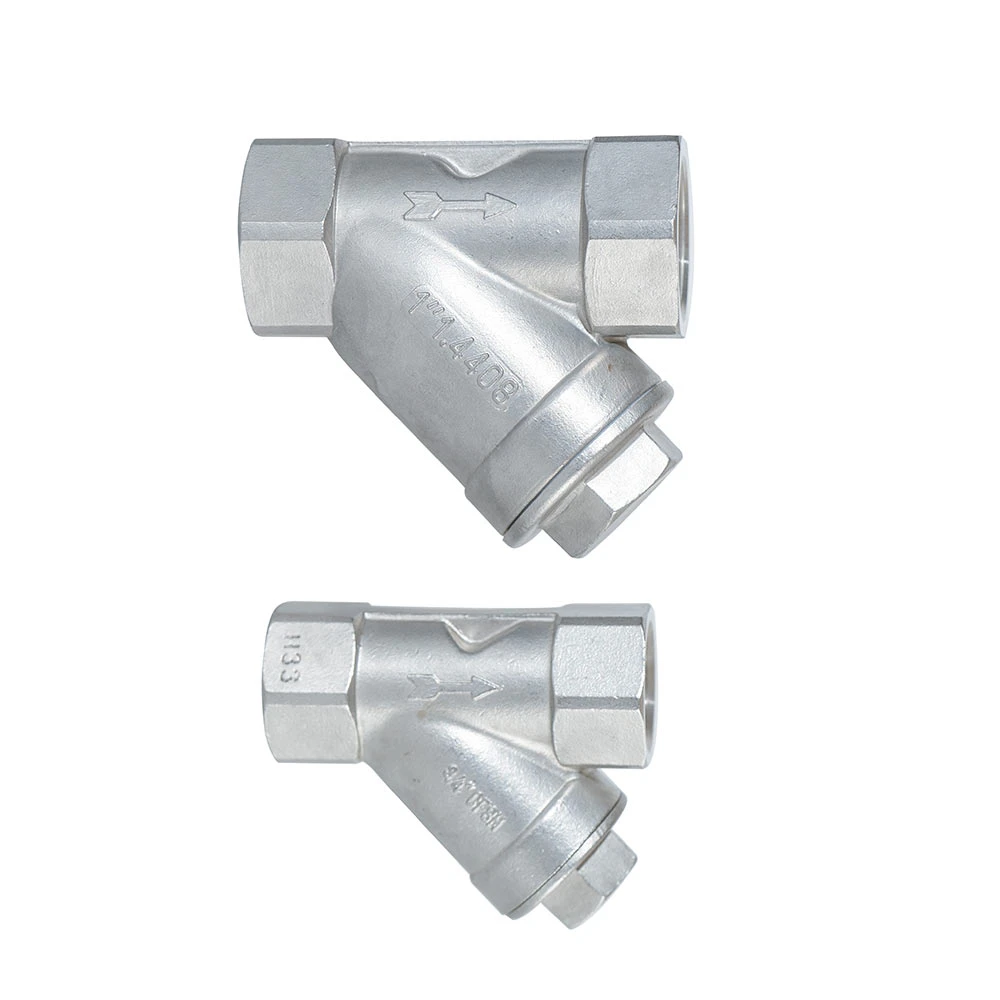
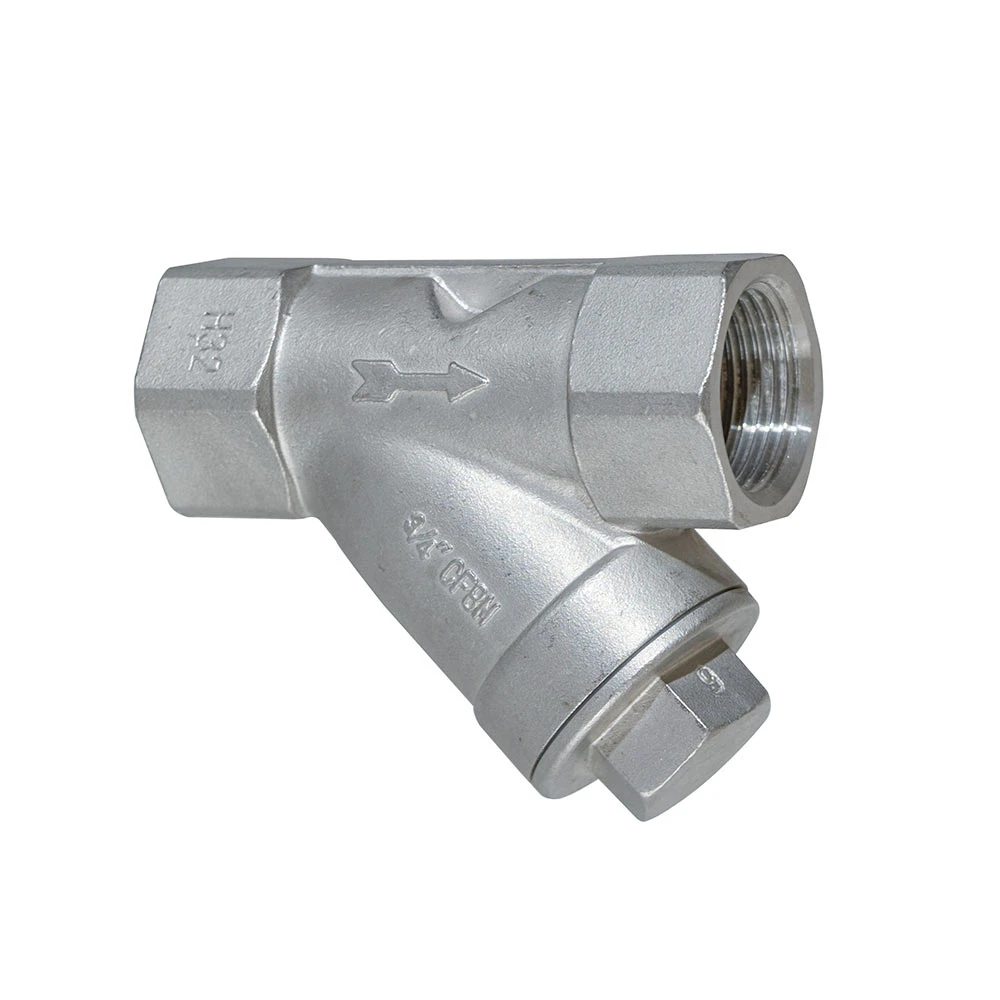
Pipe strainers come in various shapes and styles, but the 2 inch size hits a kind of sweet spot — large enough for moderate flow rates, small enough for tight spaces. Most are made from carbon steel, stainless steel, or alloy materials, depending on the industry. Stainless steel tends to be the go-to for corrosive environments, while carbon steel handles general industrial settings pretty well. I’ve noticed that many engineers also ask for custom perforation sizes on the screens — it’s not always “one size fits all,” even with a standard 2 inch pipe strainer.
On testing, reputable suppliers usually perform pressure drop tests and flow rate analysis to ensure their strainers don’t choke the system unnecessarily. In fact, watching how slight changes in screen mesh affect flow performance can be fascinating if you’re a bit of a flow nerd like me.
Product Specifications
| Specification | Details |
|---|---|
| Size | 2 inch (DN50) |
| Material | Carbon Steel / Stainless Steel |
| Connection Type | Flanged or Threaded |
| Screen Mesh Sizes | 10 to 200 micron (customizable) |
| Pressure Rating | 150 to 300 psi (PN10 - PN20) |
| Temperature Range | -20°C to 250°C |
Comparing Vendors: What to Look For
Let me be frank: not all pipe strainers are created equal. Price isn’t the only deciding factor here; durability, warranty, and after-sales support matter just as much. I’ve worked with manufacturers who promise “custom designs” but deliver cookie-cutter products, and others who stand behind their products with real engineering backup and fast shipping. Picking the right vendor can save you headaches down the line.
| Vendor | Material Options | Customization | Lead Time | Warranty |
|---|---|---|---|---|
| Houde Valve | Carbon Steel, Stainless Steel, Alloy | Full customization on screen mesh and body | 3-5 weeks | 1 year standard, extendable |
| Vendor B | Carbon Steel only | Limited customization | 6-8 weeks | Standard 6 months |
| Vendor C | Stainless Steel only | Custom screen mesh only | 2-3 weeks | 1 year |
Honestly, when I’m asked about a reliable manufacturer in this niche, I often point towards Houde Valve. They combine strong engineering knowledge with responsive customer service — the sort of mix that makes industrial professionals’ lives easier. And in this business, that’s invaluable.
Final Thoughts
So, next time you’re looking at piping systems, don’t overlook the role of a solid 2 inch pipe strainer. It feels like a modest addition, but in practice, it’s a vital safeguard that keeps systems efficient, prevents costly repairs, and ultimately prolongs equipment life. I suppose it’s a bit like the quiet apprentice who becomes the master craftsman over time.
And if you ever want to dig deeper or consider options, remember: choosing the right strainer vendor is as important as choosing the right product.
References:
1. Industry case studies from petrochemical plants (internal reports)
2. Material science guides for filtration equipment
3. Manufacturer datasheets and flow testing procedures