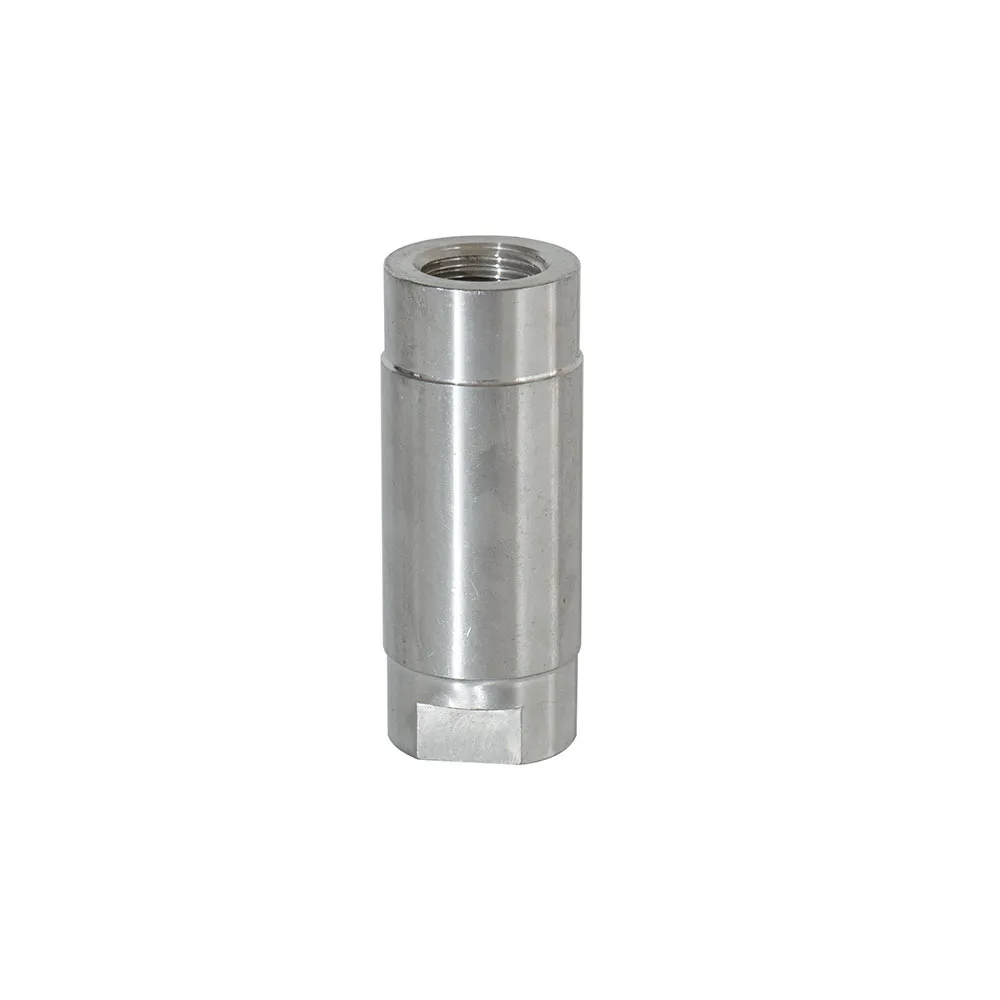
Understanding the Y Line Strainer: Industrial Essential for Clean Flow Systems
Strainers might seem like humble pieces of hardware, but when it comes to protecting pipelines and equipment globally, especially in water treatment, industrial processing, and HVAC systems, they’re absolutely vital. The y line strainer is a standout here — it’s designed for durability and effectiveness in filtering debris and particles, ensuring smooth operations and avoiding costly shutdowns. This article unpacks what y line strainers are, why they matter across industries worldwide, and how they’re evolving with technology and sustainability trends.
Introduction: Why the Y Line Strainer Matters on a Global Scale
Worldwide, industries depend on fluid systems to transport liquids and gases—think chemical plants in Europe, oil rigs in the Middle East, and water treatment facilities in Asia. According to the International Organization for Standardization (ISO), over 60% of fluid handling failures can be traced to contamination or blockage. That’s where y line strainers step in, filtering out unwanted particles. They prevent damage to pumps, valves, and other sensitive equipment, ensuring longevity and safety.
Industries face the ongoing challenge: How to keep their systems both efficient and reliable without incurring excessive maintenance costs or downtime? Y line strainers are often the unsung heroes answering this demand.
What Exactly Is a Y Line Strainer?
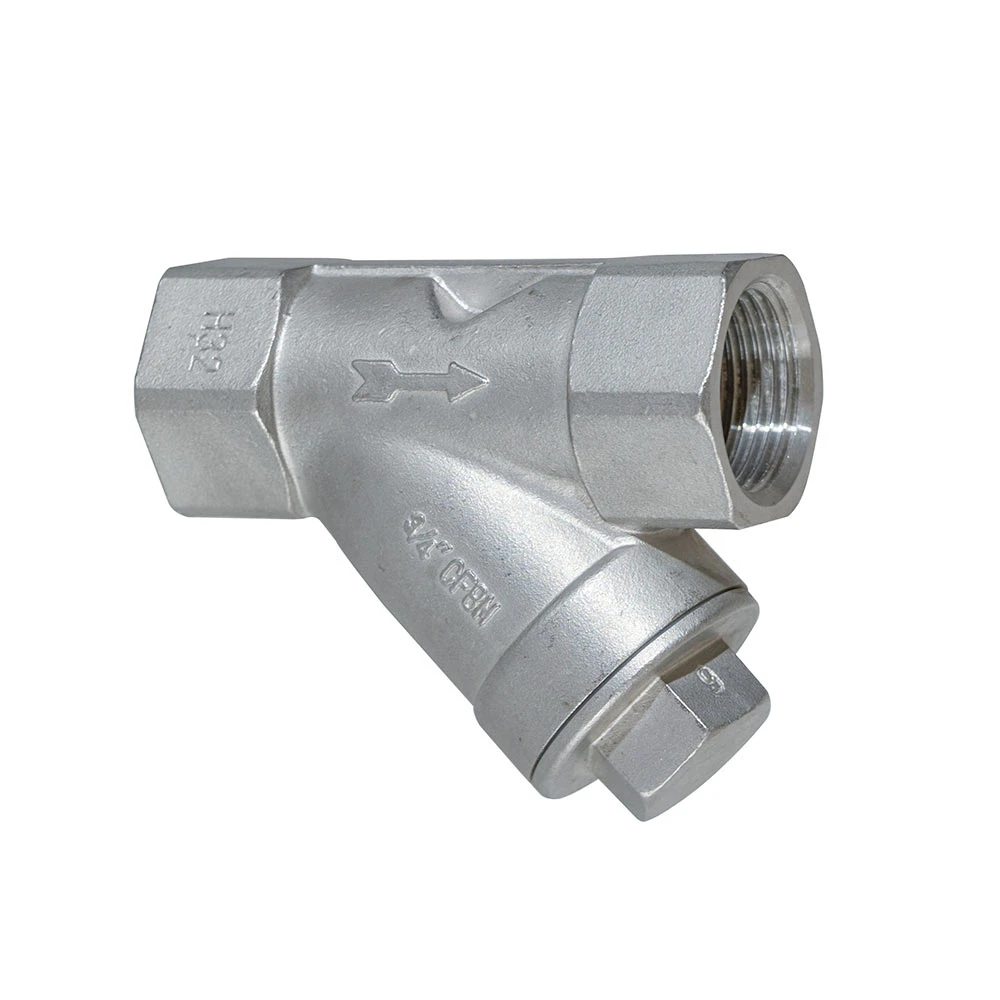
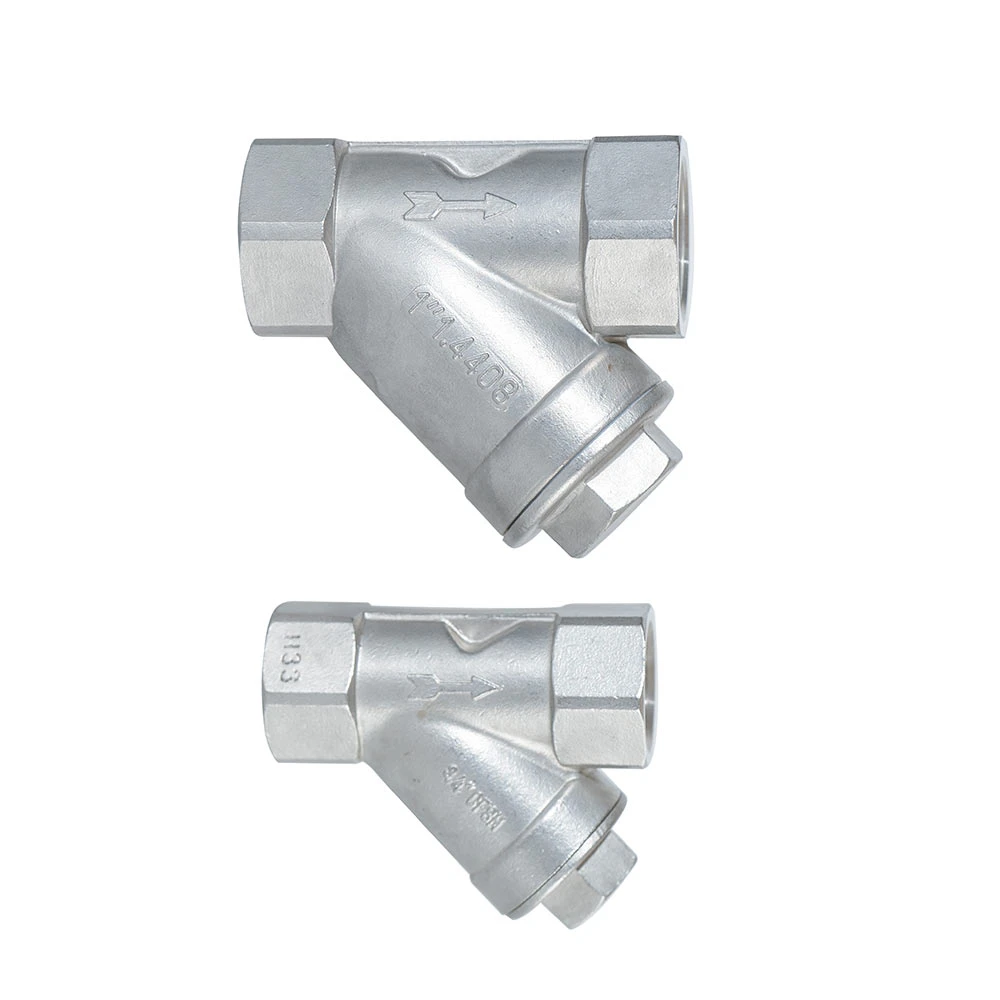
At its core, a y line strainer is a piping accessory that filters out solids from flowing liquids or gases. Its name comes from its shape — the strainer body looks like the letter "Y," allowing fluid to pass through the main pipeline while diverting debris through a screened chamber angled off to the side. This design makes it easier to remove the debris without dismantling the entire system.
In practical terms, they’re crucial for protecting pumps and valves downstream, especially in industries like chemical processing, water distribution, and even humanitarian water supply projects where reliable filtration can't be compromised.
Key Features and Components of Y Line Strainers
1. Durability and Material Choices
Strainers come in cast iron, stainless steel, brass, and sometimes exotic alloys for corrosive environments. Stainless steel options are favored for their corrosion resistance and longevity, especially essential in harsh chemical processing or seawater applications.
2. Mesh and Screen Sizes
The heart of a y line strainer is the mesh screen, ranging typically from 20 mesh (coarse) up to 400 mesh (fine). Selecting the right size depends on the particle size to filter—too coarse, and debris passes; too fine, and it restricts flow and requires more frequent cleaning.
3. Maintenance Accessibility
One neat feature is its angled design, which means operators can clean or replace the screen without shutting down entire systems. This reduces downtime and maintenance costs—crucial in industrial setups.
4. Pressure Handling Capability
Y strainers are rated for various pressure classes (ANSI 150, 300, etc.), reflecting the maximum system pressures they can withstand. Choosing appropriate ratings protects against failure under demanding conditions.
5. Connection Types and Sizes
They’re available in flanged, threaded, or welded ends, ranging in sizes from small ½ inch lines to much larger industrial pipelines. Versatility here means integration across a wide variety of systems, from residential boilers to massive chemical plants.
Product Specification Snapshot
| Feature | Specification |
|---|---|
| Material | Stainless Steel (304/316), Cast Iron |
| Connection Types | Threaded, Flanged, Welded |
| Screen Mesh Size | 20 - 400 Mesh |
| Pressure Rating | ANSI 150-300, PN 10-40 |
| Sizes Available | ½" to 12" |
Global Applications and Use Cases
Industries worldwide—from Southeast Asia’s burgeoning industrial parks to European water treatment plants—rely on y line strainers for clean, trouble-free operations.
- Water Treatment Plants: Protecting pumps and valves from sand and sediment.
- Chemical Processing: Filtering solid impurities out of corrosive fluid streams.
- Oil & Gas: Ensuring pipeline integrity by trapping particulates.
- Food and Beverage: Maintaining hygiene and filtering out solid contaminants in liquids.
- Disaster Relief and Remote Installations: In emergency water supply systems, y line strainers help keep supplies clean and equipment safe.
For example, during recent flood relief efforts in Southeast Asia, portable filtration units incorporating y line strainers ensured safe water reached marginalized communities without clogging pumps.
Vendor Comparison Table: Choosing the Right Y Line Strainer Supplier
| Vendor | Material Options | Pressure Range (PSI) | Customization | Lead Time |
|---|---|---|---|---|
| Houde Valve | Stainless Steel, Cast Iron | 150-300 PSI | Custom mesh, sizes on request | 4-6 weeks |
| Vendor B | Cast Iron only | Up to 150 PSI | Limited | 2-3 weeks |
| Vendor C | Stainless Steel and Exotic Alloys | 300 PSI and above | High customization | 8-10 weeks |
Advantages and Long-Term Value of Y Line Strainers
What many engineers highlight—and I tend to agree—is how y line strainers combine functionality with cost-efficiency. They extend system lifetime by preventing abrasive material from damaging components. This reduces unexpected downtime, which, frankly, can mean huge losses in industrial environments.
From an emotional standpoint, a reliable filtration system inspires trust—knowing equipment won’t fail suddenly or endanger worker safety adds peace of mind that’s not easily quantifiable. It also supports social responsibilities where clean operations mean fewer leaks or environmental harm from contaminants.
Future Trends and Innovations
With increasing legislative pushes for environmental responsibility, manufacturers are experimenting with greener materials for y line strainers, including recycled metals and advanced polymers that resist wear but have a lower carbon footprint. Digital innovation is creeping in, too: sensors that measure debris accumulation tell operators when cleaning is needed, reducing unnecessary maintenance.
Oddly enough, automation of filtration monitoring might be one of the biggest game-changers—especially for remote plants or offshore platforms where manual inspection is costly or risky.
Challenges & Solutions in Y Line Strainer Use
Common challenges include clogging from extremely fine debris or sediment with oily residues, which can foul the filter quickly. Sometimes, pressure drops caused by over-filtering lead to inefficiencies.
Expert solutions often involve combining y line strainers with pre-filters or backflushing systems, or opting for screen materials designed for easier cleaning or self-cleaning technologies. Selection of the right mesh size for the specific application really helps address these issues.
FAQ: Frequently Asked Questions About Y Line Strainers
- Q: How do I determine the correct mesh size for a y line strainer?
- A: Start by identifying the largest particle size in your system that must be filtered. Then, select a mesh size that filters slightly smaller particles to ensure protection without clogging. Consulting system specs or an expert often helps.
- Q: Can a y line strainer be used with corrosive fluids?
- A: Yes, provided it’s made from corrosion-resistant materials such as stainless steel 316 or special alloys. Always check chemical compatibility charts and vendor specifications.
- Q: How often should the y line strainer be cleaned?
- A: Cleaning frequency depends on operating conditions—particle concentration, flow rate, and mesh size. In harsh environments, weekly checks might be necessary; in cleaner systems, monthly or even quarterly cleaning is possible.
- Q: Are y line strainers suitable for extremely high-pressure systems?
- A: They are, but you must choose a strainer rated for the system’s pressure, often ANSI 300 or above. Custom heavy-duty designs may be required for specialized applications.
Conclusion: Why Y Line Strainers Are Here to Stay
In sum, the y line strainer stands as a quietly reliable piece of engineering that safeguards critical industrial processes globally. Their adaptability, cost-efficiency, and ongoing innovations ensure they remain essential as industries evolve towards smarter, cleaner operations.
If you’re looking to upgrade or install dependable filtration solutions, consider the wide options and customizations available—start by visiting Houde Valve’s website for detailed product info and expert support.
Mini takeaway: The y line strainer’s deceptively simple design masks a crucial role in maintaining clean, efficient, and safe fluid systems across countless industries worldwide.