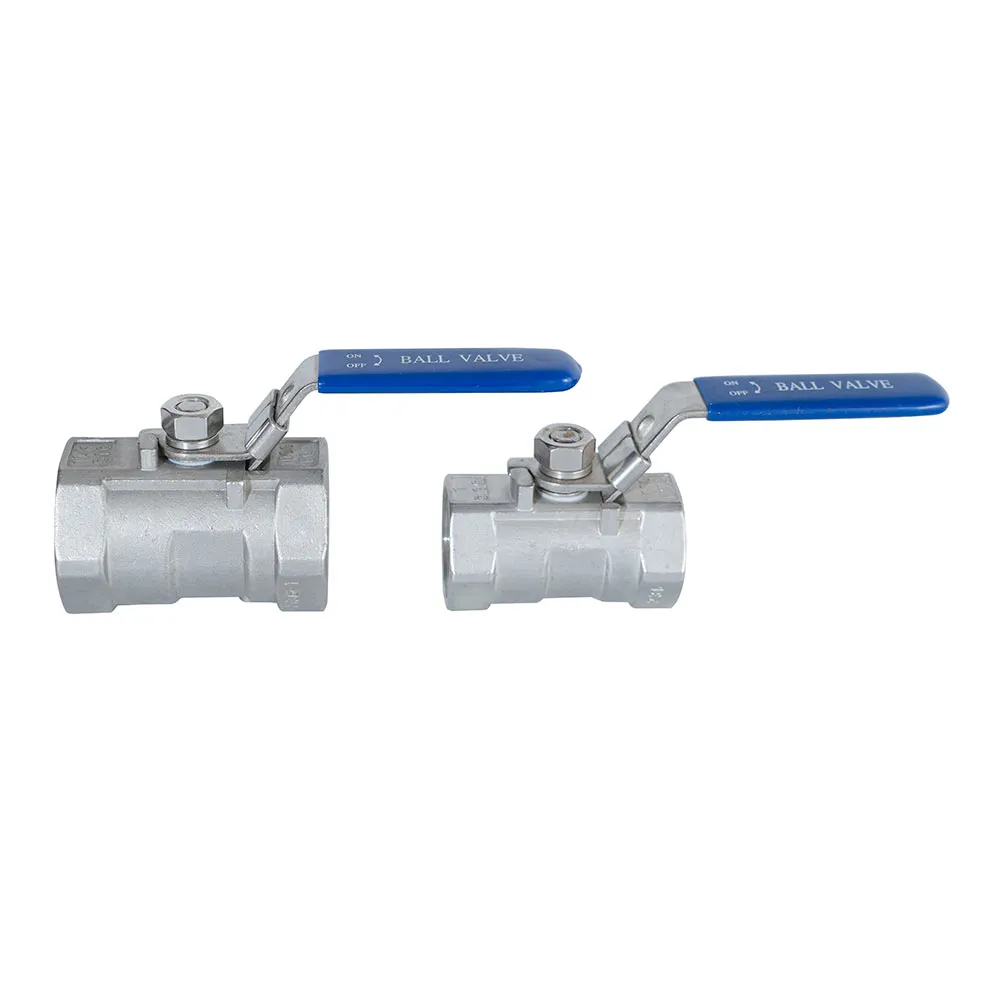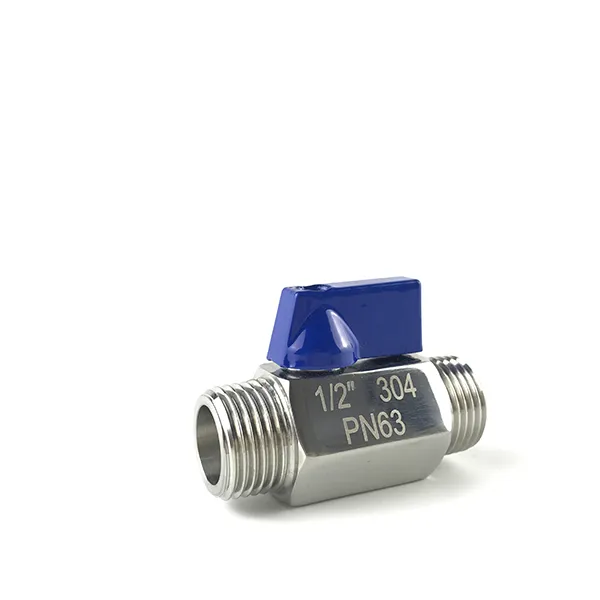
Understanding the 25mm Y Strainer: A Practical Look from Industry Experience
Having spent quite a few years in the industrial equipment game, I’ve had my fair share of encounters with various piping components. Among them, the 25mm Y strainer often pops up as a rather unassuming yet incredibly handy device. Oddly enough, it’s one of those things that you might overlook until it saves your system from disaster—or makes maintenance a breeze.
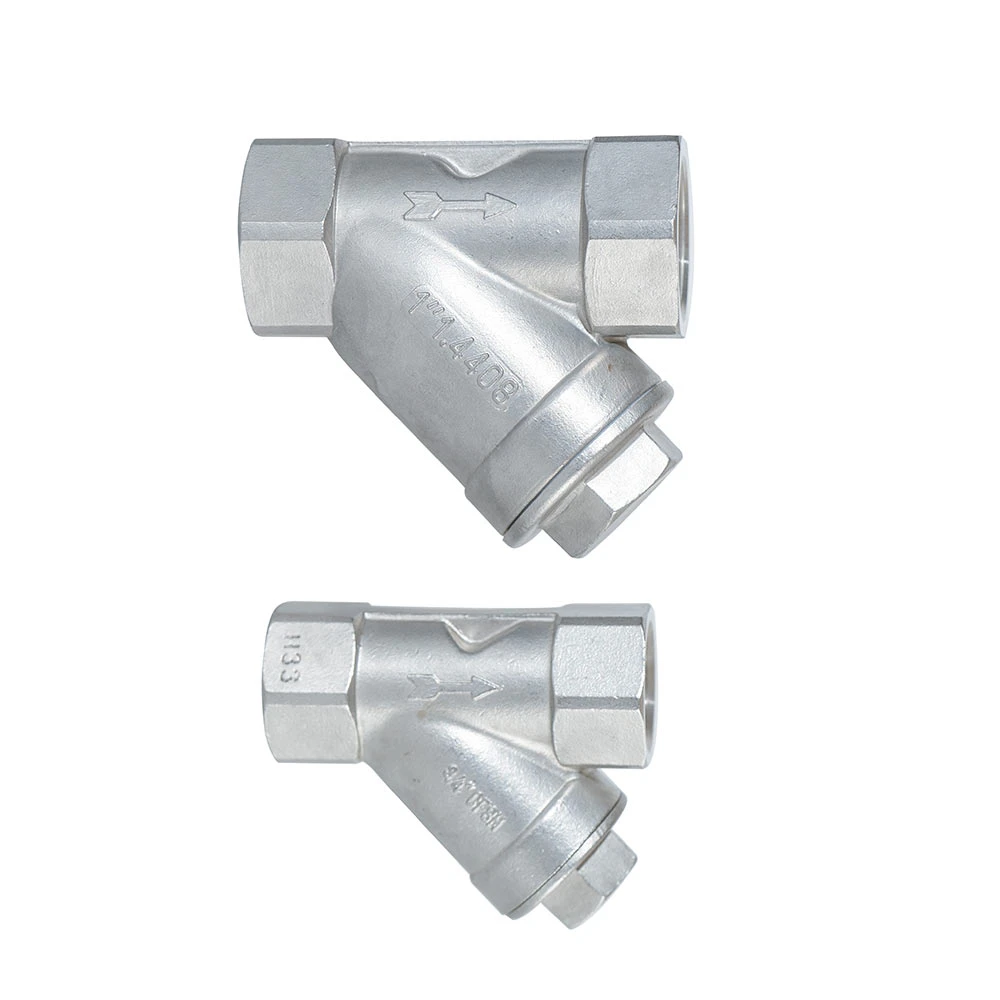
In real terms, a Y strainer is designed to trap debris in pipelines, protecting pumps, valves, and other critical equipment without causing a significant drop in pressure. The 25mm size, roughly equivalent to 1 inch, is a solid mid-range choice—versatile enough for many small to medium industrial and commercial applications. Over the years, I’ve noticed that many engineers appreciate this size because it hits a sweet spot between handling flow and maintaining manageable dimensions.
One thing I’ve always found interesting is how the construction material can make or break a strainer’s effectiveness. Typically, these strainers come in cast iron, stainless steel, or carbon steel. Stainless steel, for instance, offers excellent corrosion resistance—perfect if you’re working with aggressive fluids. On the other hand, cast iron keeps costs down for less demanding environments. Material choice really depends on your unique process needs.
Speaking of usability, the Y strainer’s design is pretty straightforward: the inlet leads the fluid through a perforated or mesh screen, which catches solids, and then the clean fluid flows on. The angled “Y” shape makes cleaning easier—you can isolate the strainer, remove the plug or cap, and clean out trapped debris without dismantling the whole pipeline. This saves a lot of downtime, especially in continuous processes like chemical manufacturing or HVAC systems.
For example, I recall a client in wastewater treatment who was struggling with frequent pump failures. After installing a well-chosen 25mm Y strainer, their maintenance intervals stretched significantly. It’s these real-world wins that underscore why such a “simple” piece of kit actually packs a lot of value.
| Specification | Detail |
|---|---|
| Connection Size | 25mm (1 inch) |
| Body Material | Cast Iron / Stainless Steel / Carbon Steel |
| Screen Material | Stainless Steel Mesh |
| Pressure Rating | Up to 16 bar (230 psi) |
| Temperature Range | -10°C to 200°C (depends on material) |
| Screen Mesh Sizes | 20 to 200 mesh options |
Of course, not all 25mm Y strainers are created equal, and vendor choice can influence everything from price to durability. Frankly, in my experience, the devil is in the details—like how tightly the screen fits, or how robust the sealing is on the cover.
| Feature | Houde Valve | Competitor A | Competitor B |
|---|---|---|---|
| Material Options | Cast Iron, Stainless Steel, Carbon Steel | Cast Iron, Bronze | Stainless Steel Only |
| Pressure Rating | Up to 16 bar | Up to 10 bar | Up to 12 bar |
| Screen Mesh Variety | 20–200 mesh | 80 mesh only | 50 and 100 mesh |
| Ease of Maintenance | Quick-opening cap with sealed plug | Standard bolted cover | Welded design (harder to maintain) |
| Approximate Price Range | $$ | $ | $$$ |
It’s worth mentioning that customization is often on the table with vendors like Houde Valve, who can tweak materials, mesh sizes, or connection types per your industrial specs. That kind of flexibility might sound like a "nice to have," but frankly, in complex processes, it often saves significant headaches down the line.
As an aside, I also noticed that accurately gauging pressure drops across the strainer is sometimes underestimated. Many engineers focus on filtration but forget that excessive clogging reduces flow efficiency, so regular cleaning schedules are key. You’ll want to track differential pressure and plan maintenance accordingly.
Honestly, the 25mm Y strainer may seem like a small piece of the puzzle, but it’s one that contributes noticeably to overall system reliability. Whether you’re in water treatment, HVAC, or chemical processing, it’s that dependable filtering function that keeps things running smoothly—and without surprise shutdowns.
If you seek a durable option with material versatility, pressure resilience, and a user-friendly design, the 25mm Y strainer from a reputable vendor could be your go-to. From what I’ve seen and tested, it’s a practical choice for many application demands.
To wrap things up, I suppose it’s fair to say that investing in a quality Y strainer, understanding your flow requirements, and scheduling consistent maintenance are the trifecta for long-term system health.
References:
- “Industrial Strainers & Filtration Systems Overview,” Process Engineering Resources, 2022.
- Personal field notes and maintenance logs, Industrial Equipment Sector, 2015–2023.
- Houde Valve Technical Datasheets and User Manuals, 2023.