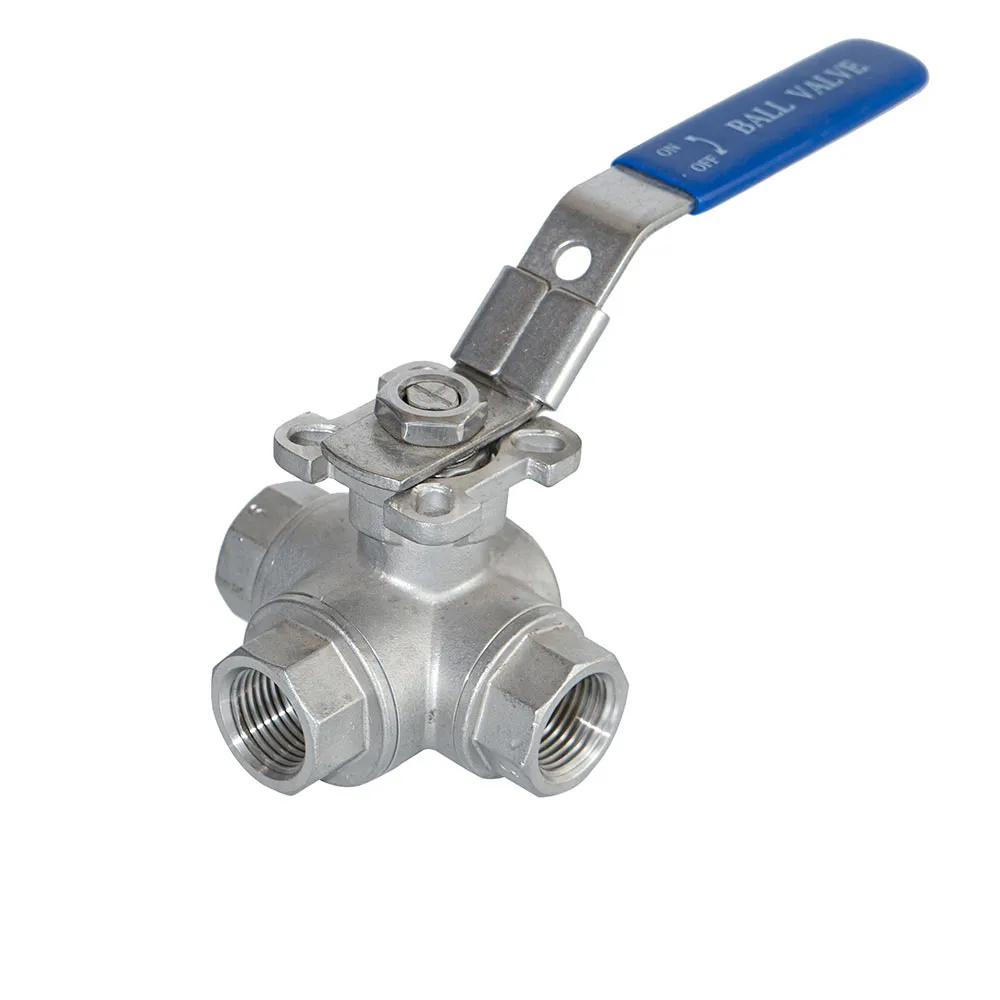
Understanding the 316 SS Y Strainer: A Veteran’s Perspective
Having spent well over a decade working around industrial piping and filtration equipment, I’ve come to appreciate the humble yet indispensable role that strainers play in plant operations. Among these, the 316 SS Y strainer holds a special place. It’s one of those components you don’t notice until it fails — and then suddenly, it’s the star of your troubleshooting saga.
So what makes the 316 stainless steel Y strainer a go-to choice in so many sectors? For starters, the material itself. Stainless steel grade 316 is famed for its corrosion resistance, especially against chlorides and other industrial chemicals. It’s why you often find these strainers employed in chemical plants, marine applications, and anywhere reliability under aggressive conditions is paramount.
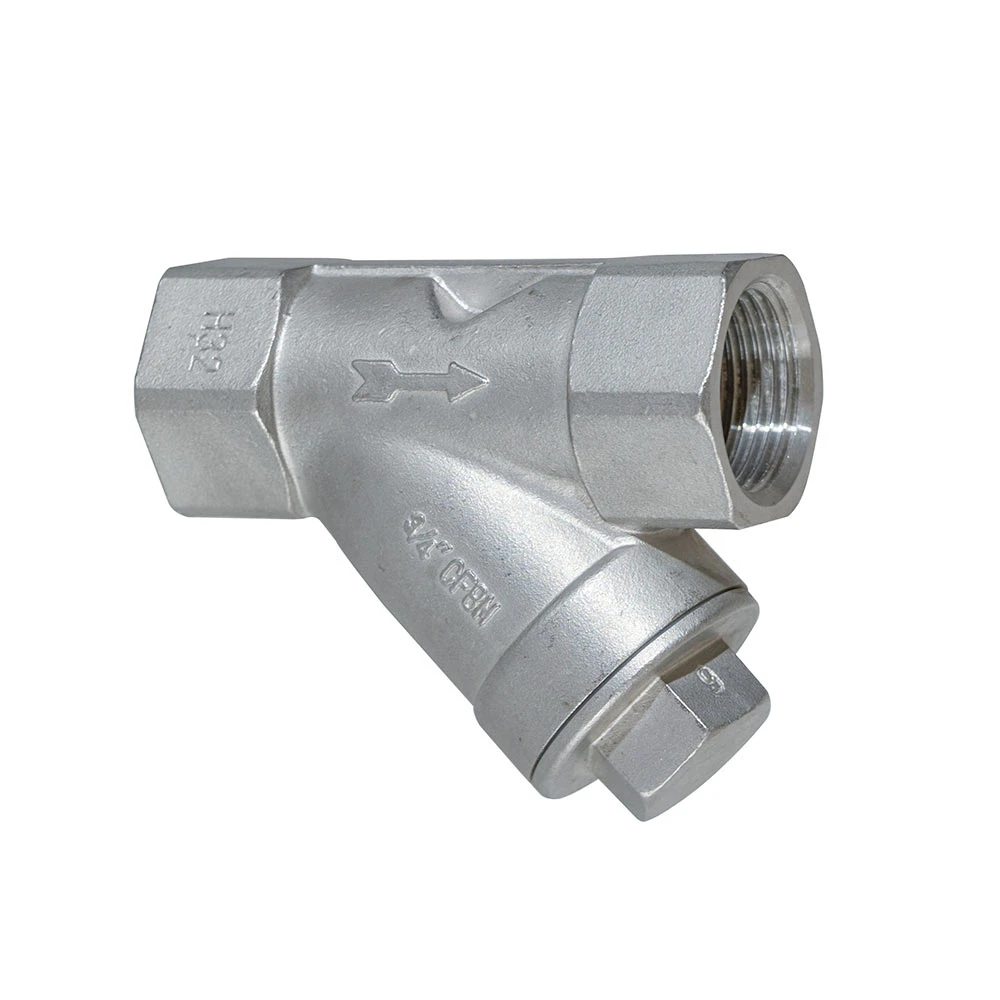
Design-wise, the Y strainer is elegant in its simplicity. As the name hints, it looks like a “Y” pipe fitting with a mesh filter inside that traps unwanted debris from your fluid stream. It’s more than just filtration — it’s about protecting costly pumps, valves, and other downstream equipment from grit and particle damage. You don’t want your expensive valve seats or seals getting nicked by rust flakes or weld slag.
One thing I noticed early on is that the 316 SS Y strainer balances durability with maintainability. The body is tough enough for harsh environments, but the screen is often designed to be easily removable for cleaning or replacement without cutting into the pipeline. This feature saves a lot of headaches during scheduled maintenance shuts.
| Parameter | Details |
|---|---|
| Material | 316 Stainless Steel (Body & Screen) |
| Size Range | ½” to 12” (DN15 to DN300) |
| Pressure Rating | 150 - 600 PSI (PN10 to PN40) |
| Connection Types | Threaded, Flanged, Butt Weld |
| Filter Mesh Sizes | 20 - 200 mesh |
| Temperature Range | -50°F to 1000°F (-45°C to 540°C) |
Oddly enough, despite the straightforward design, there are variations that matter. For example, the angle and length of the Y branch can impact pressure drop and ease of screen removal. I’ve seen some vendors offer “extended leg” designs for better accessibility — a subtle but welcome upgrade in tight spaces.
| Feature | Houde Valve | Vendor B | Vendor C |
|---|---|---|---|
| 316 SS Material Certification | Full Traceability & Mill Test Reports | Standard Certification | No Certification Provided |
| Customization Options | Wide range of mesh sizes and connections | Limited to common sizes | Fixed specs only |
| Lead Time | 2-4 weeks | 4-6 weeks | Variable, usually longer |
| After Sales Support | Responsive technical help | Basic support | Minimal assistance |
One quick story from the field — a chemical processing plant once reached out to me after repeatedly suffering from clogged strainers in a chloride-laden pipeline. They had tried generic Y strainers, but switching to a high-grade 316 SS Y strainer with a finer mesh screen made all the difference. The upgrade prevented frequent downtime and saved them quite a bit in replacement pump repairs. It’s a classic example of how investing upfront pays off later.
Lastly, it’s worth noting that the 316 SS Y strainer isn’t always a one-size-fits-all fix. Depending on your system’s flow rates, particulate size, and operating environment, customization becomes critical. Luckily, most reputable suppliers, like the one linked here, offer flexible options. From mesh size to pressure class, choosing a strainer that fits your exact needs optimizes system longevity and reduces headaches.
In real terms, this is a little component that speaks volumes about quality — stainless steel durability, straightforward design, and smart vendor partnerships. It feels like a reliable teammate in the industrial maze, quietly keeping your system clean and running smooth.
After all, in an industry where downtime costs can spiral, having dependable filtration matters more than you might realize.
References:
- ASM International. “Stainless Steels,” 2021.
- API Standards for Industrial Strainers, 2022.
- Case study from a US chemical plant, personal communication, 2019.