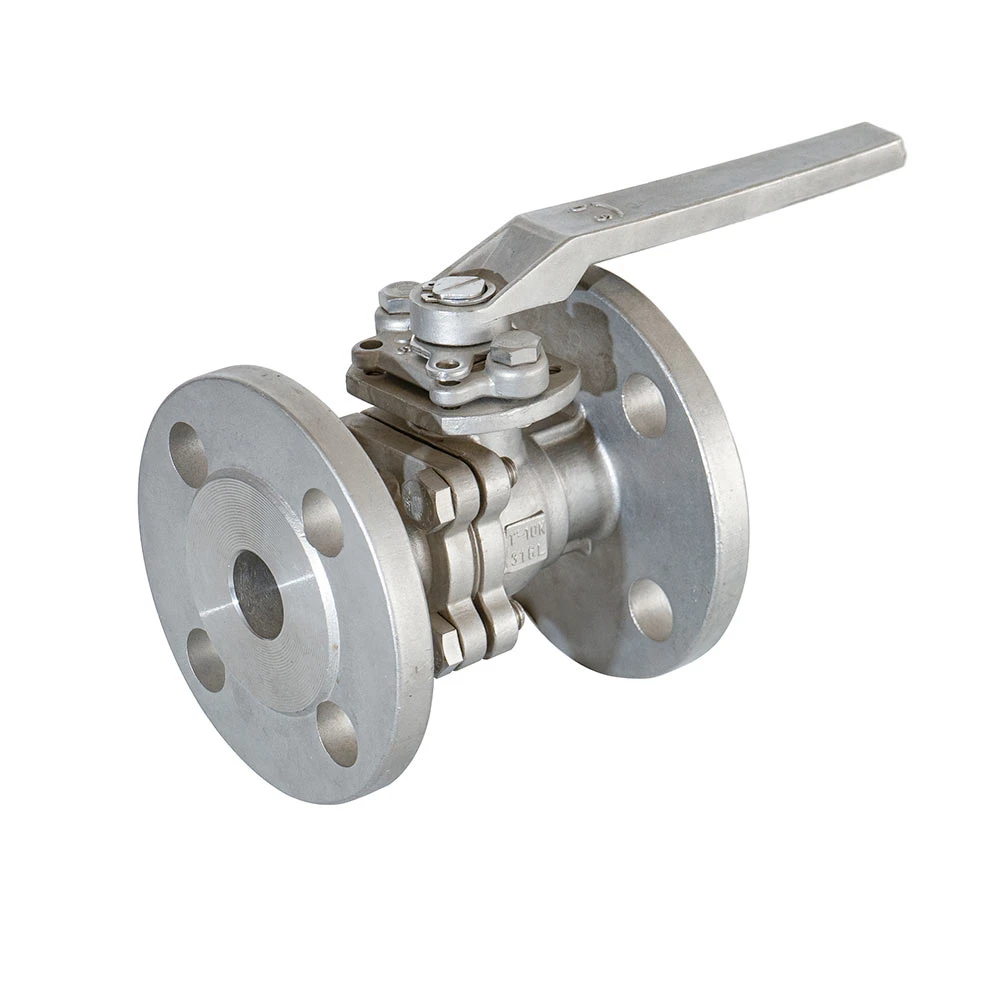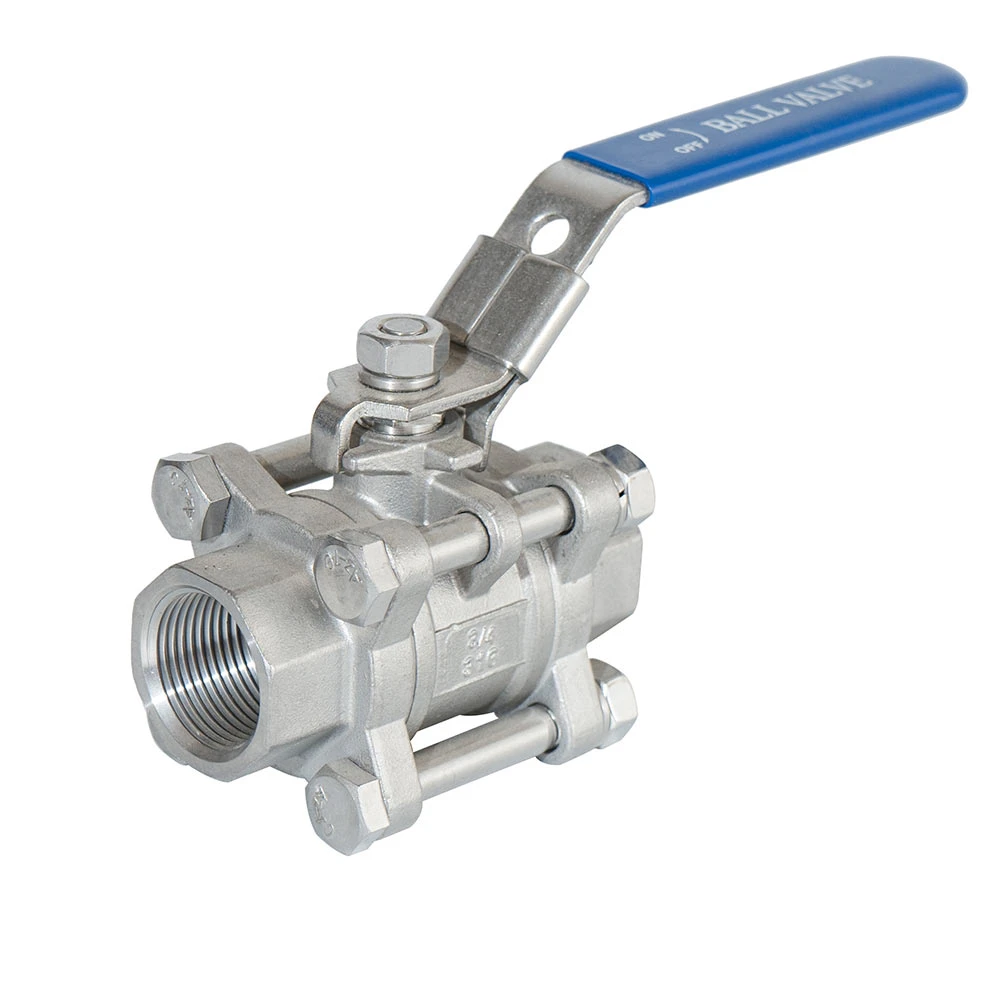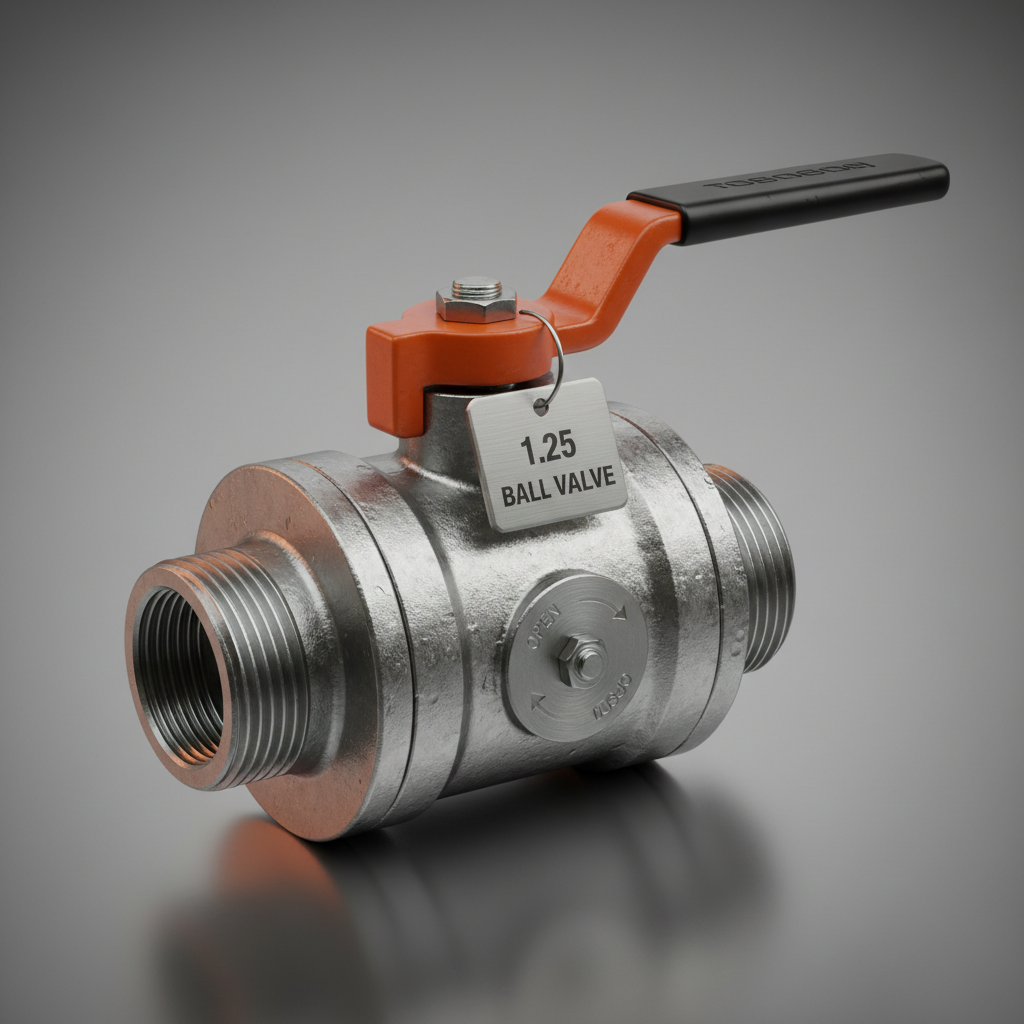
Understanding the 3 way valve l type: An Essential Component in Modern Industrial Systems
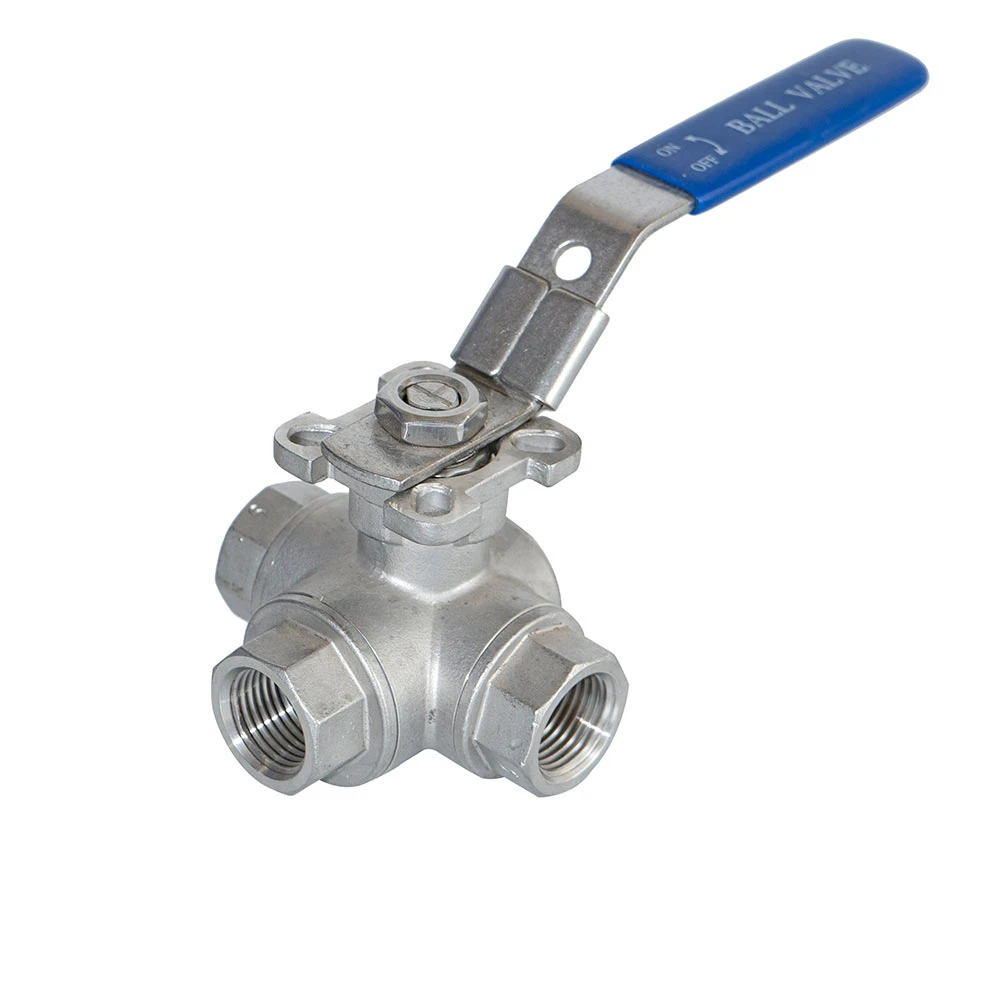
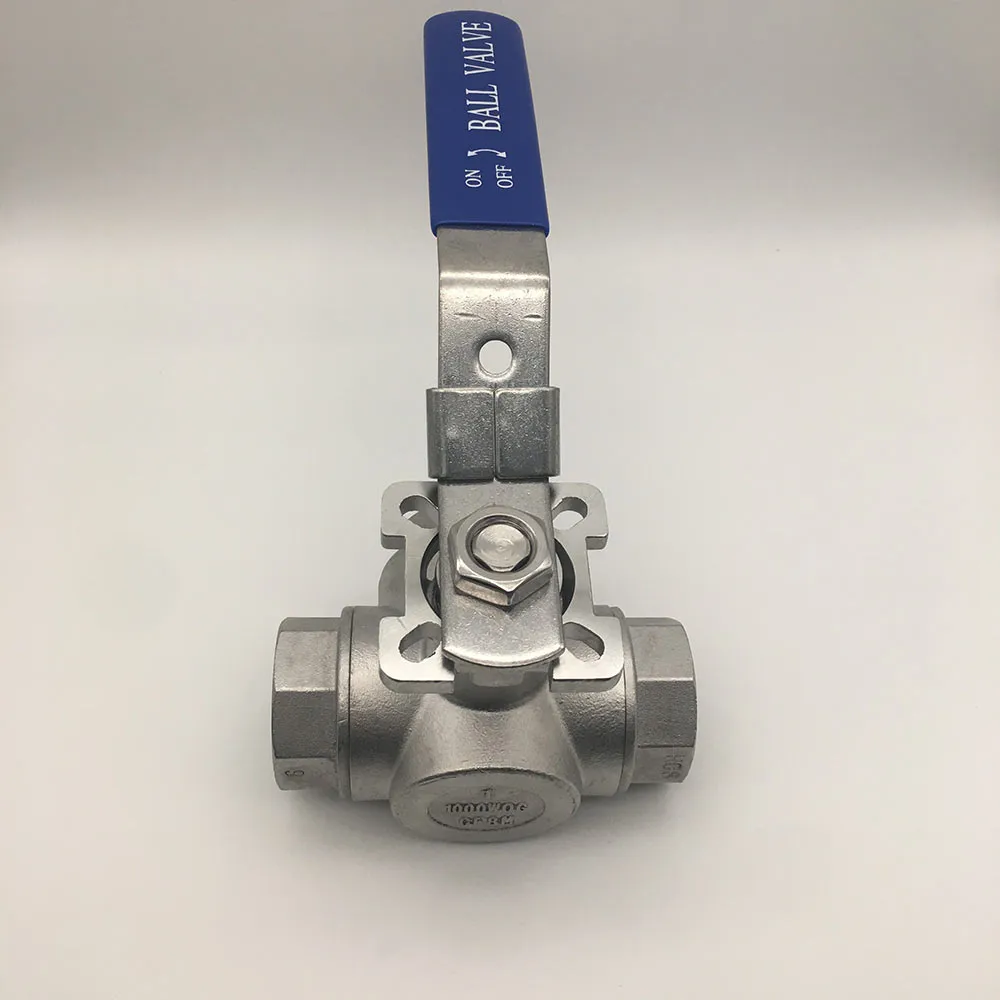
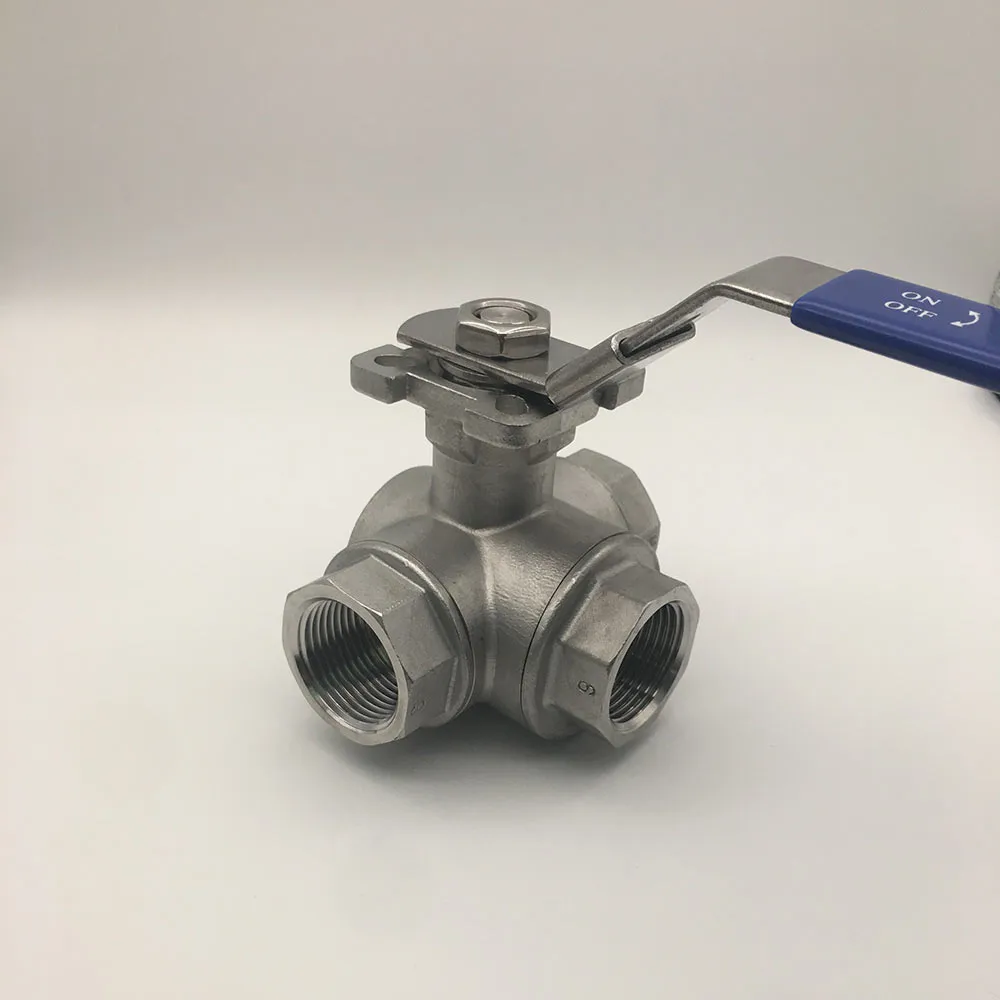
The industrial landscape's relentless pursuit of efficiency and precise control has cemented the role of specialized fluid handling components. Among these, the 3 way valve l type stands out as a critical device for diverting or mixing flow in complex piping networks. Unlike their 3 way valve t type counterparts, L-type valves feature an L-shaped bore that allows flow to be directed between two ports, shutting off the third. This specific port configuration makes the L-type indispensable for applications requiring clear, distinct flow path redirection without mixing, offering a robust solution for industries ranging from petrochemicals to water treatment. Our focus here delves into the intricate details, technological advancements, and practical applications that define this essential piece of equipment.
Modern 3-way ball valves, particularly those with a direct mounting pad, streamline automation by allowing actuators to be mounted directly, reducing overall height and eliminating the need for costly brackets and couplings. This integration significantly improves operational reliability and simplifies maintenance. The demand for high-performance 3 way ball valve for sale solutions continues to grow, driven by stringent regulatory requirements, the need for enhanced safety, and the optimization of process flows. We explore the design principles, material science, and operational benefits that underscore the value of the L-type configuration in today’s demanding industrial environments.
Manufacturing Process of the 3 way valve l type: Precision Engineering and Quality Assurance
The production of a high-quality 3 way valve l type is a multi-stage process demanding meticulous attention to detail, adherence to international standards, and advanced manufacturing techniques. This ensures the valve's structural integrity, operational reliability, and extended service life in critical applications.
Step 1: Material Selection
Materials are chosen based on the intended service conditions, including fluid compatibility, temperature, and pressure. Common materials for the body and ball include Stainless Steel (e.g., 304, 316, 316L) for corrosion resistance, Carbon Steel (e.g., A216 WCB) for general industrial use, and specialized alloys for aggressive media. Seats are typically PTFE (Polytetrafluoroethylene) for broad chemical resistance and lower friction, or PEEK (Polyether Ether Ketone) for higher temperatures and pressures. Seals are selected from materials like Viton, EPDM, or FKM.
Step 2: Casting or Forging
Valve bodies are either cast or forged. Casting involves pouring molten metal into a mold to form the desired shape, suitable for complex geometries. Forging, which involves shaping metal under extreme pressure, offers superior material strength and reduced porosity, making it ideal for high-pressure or critical applications. Both processes require stringent quality control to prevent defects.
Step 3: CNC Machining
After casting or forging, components undergo precise CNC (Computer Numerical Control) machining. This ensures accurate dimensions, smooth surface finishes, and tight tolerances for the bore, stem, and mounting pad. The L-port configuration requires specialized machining to ensure precise alignment for flow diversion. This stage is critical for achieving tight shut-off and optimal flow characteristics.
Step 4: Assembly & Testing
Individual components are thoroughly cleaned, inspected, and then assembled in a controlled environment. Post-assembly, each valve undergoes rigorous testing to meet international standards such as ISO 5208 (pressure testing) and ANSI B16.34 (valves-flanged, threaded, and welding end). Hydrostatic testing ensures pressure boundary integrity, while pneumatic seat leakage tests verify bubble-tight shut-off. Cryogenic or fire-safe tests (e.g., API 607) are performed for specialized valves.
The typical service life of a well-maintained 3 way valve l type can exceed 10-15 years, particularly when manufactured to high standards. Target industries include petrochemical, oil & gas, chemical processing, metallurgy, power generation, water supply & drainage, and HVAC. Advantages in these scenarios include energy saving through optimized flow control, superior corrosion resistance when appropriate materials are selected, and enhanced operational safety.
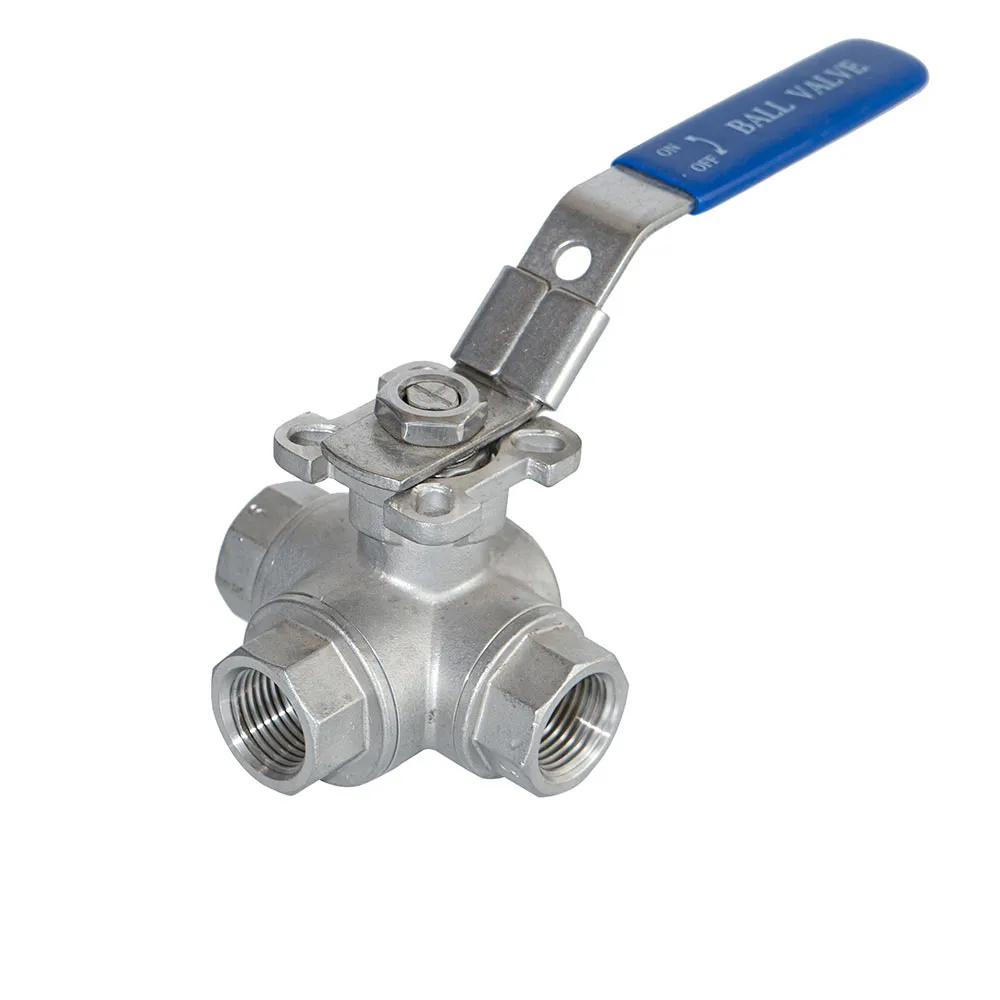
Industry Trends and Market Dynamics for 3-Way Ball Valves
The market for 3-way ball valves is dynamic, reflecting broader trends in industrial automation, sustainability, and digitalization. Key trends include:
- Increased Automation and Smart Integration: There's a growing demand for valves with direct mounting pads, facilitating easy integration with pneumatic, electric, or hydraulic actuators. This supports remote operation, predictive maintenance, and connection to SCADA systems, improving overall process efficiency and reducing manual intervention.
- Emphasis on Sustainability and Energy Efficiency: Industries are prioritizing components that reduce energy consumption. Valves designed for minimal pressure drop, optimized flow paths, and tighter shut-off contribute to energy savings. Furthermore, the adoption of more durable and recyclable materials aligns with environmental goals.
- Demand for Specialized Materials: As processes become more aggressive (higher temperatures, more corrosive media), the need for exotic materials like Hastelloy, Monel, and Titanium for 3 way valve l type applications is on the rise. This extends service life and enhances safety in challenging environments.
- Miniaturization and Compact Design: Space constraints in modern plants drive the development of more compact valve designs, especially for the 3 piece ball valve and 3-way configurations, without compromising performance or flow capacity.
- Stringent Safety and Compliance Standards: Compliance with international standards such as API 607 (fire-safe), ISO 15848-1 (fugitive emissions), and SIL (Safety Integrity Level) certification is becoming mandatory, pushing manufacturers to invest in advanced design and testing.
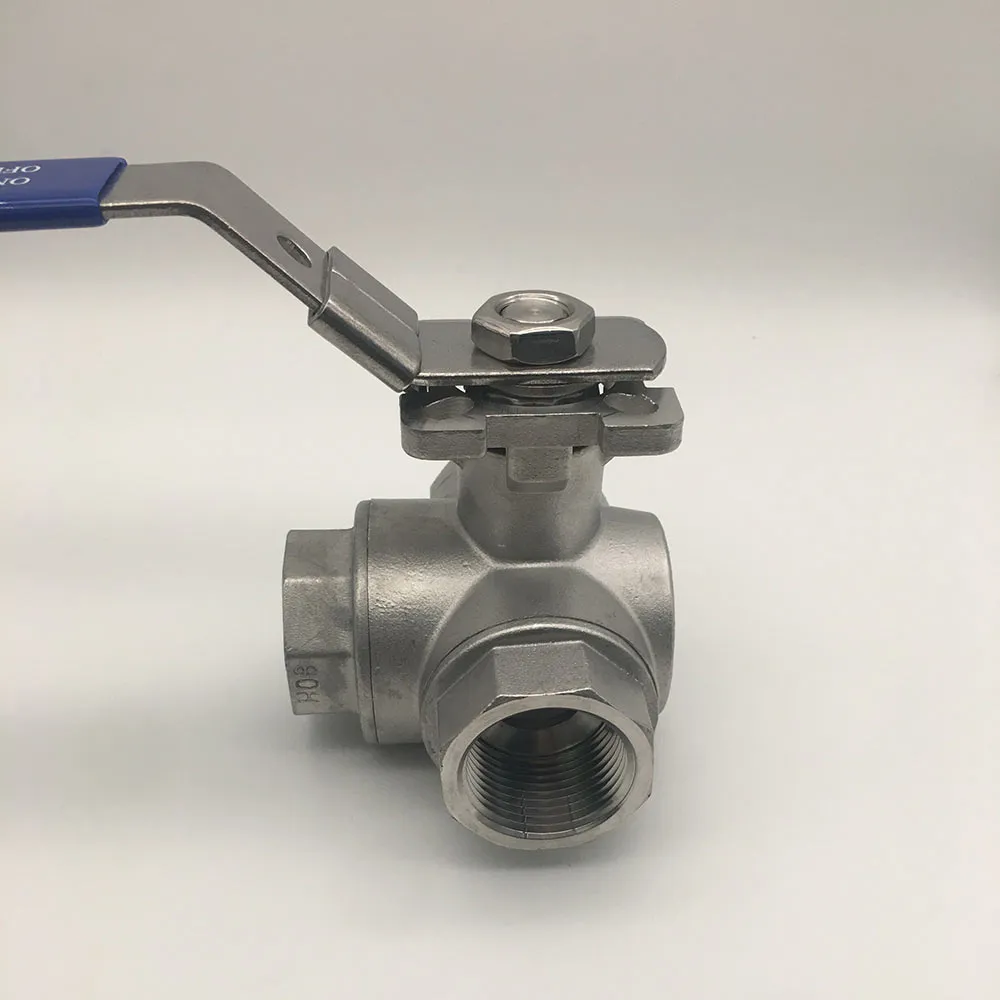
Technical Specifications of a High-Performance 3 way valve l type
Understanding the technical parameters is crucial for selecting the correct 3 way valve l type for specific industrial applications. Here’s a detailed overview, often complemented by features like a direct mounting pad conforming to ISO 5211 for actuator integration.
| Parameter | Description/Value Range |
|---|---|
| Valve Type | 3-Way Ball Valve, L-Port Configuration |
| Body Material | Stainless Steel (CF8M/316, CF8/304), Carbon Steel (WCB), Duplex Stainless Steel, etc. |
| Ball Material | Stainless Steel (316, 304), Hard Chrome Plated Carbon Steel |
| Seat Material | PTFE, RPTFE (Reinforced PTFE), PEEK, Delrin, PCTFE |
| Nominal Size (DN/NPS) | DN15 - DN200 (NPS 1/2" - 8") |
| Pressure Rating | PN16, PN25, PN40 (Class 150, Class 300, Class 600) |
| Temperature Range | -29°C to +200°C (Material Dependent) |
| End Connections | Flanged (ANSI B16.5, DIN), Threaded (NPT, BSP), Weld End (BW, SW) |
| Bore Type | Full Bore or Reduced Bore |
| Actuation | Manual (Lever), Pneumatic, Electric, Hydraulic (ISO 5211 Direct Mount Pad) |
| Certifications | ISO 9001, CE, API 607 Fire Safe, TA-Luft (Fugitive Emissions) |
The L-port configuration allows for a 90-degree turn of the ball to switch flow between two outlets, with the third port typically remaining closed. This makes it ideal for diverting flow from a common inlet to one of two outlets, or from one of two inlets to a common outlet. This distinct operational mode differentiates it from the T-port, which can also allow mixing or flow to all three ports simultaneously.
Application Scenarios and Technical Advantages
The versatility of the 3 way valve l type makes it a cornerstone in numerous industrial applications requiring precise fluid diversion.
- Chemical Processing: In chemical plants, L-port valves are used to switch between different reactor feed lines, divert waste streams, or manage catalyst flow, ensuring process integrity and preventing contamination. Their robust construction and material options offer excellent corrosion resistance.
- Petrochemical and Oil & Gas: Critical for diverting refined products to different storage tanks or processing units. The L-type configuration prevents backflow and ensures precise redirection, which is vital for safety and product quality. The ability to specify fire-safe designs (API 607) is paramount here.
- Water Treatment and HVAC: Used for switching between filtration lines, bypass loops, or directing water flow in heating and cooling systems. The positive shut-off capability minimizes leakage and improves system efficiency.
- Pharmaceutical and Food & Beverage: In sanitary applications, special designs of 3 way valve l type are used for directing CIP (Clean-In-Place) solutions, managing product flow, and ensuring sterile environments. The cleanability and robust sealing are key advantages.
Technical Advantages:
- Clear Flow Path Diversion: The L-port design ensures distinct redirection, preventing unintended mixing or cross-contamination. This is a primary differentiator from the 3 way valve t type which can facilitate mixing.
- Positive Shut-off: Ball valves generally offer excellent sealing capabilities, ensuring minimal leakage and maximizing efficiency, particularly with advanced seat materials like PEEK or RPTFE.
- Durability and Longevity: With robust construction from materials like stainless steel and proper maintenance, these valves offer a long operational life, even in harsh conditions.
- Ease of Automation: Direct mounting pads (ISO 5211 compliant) significantly simplify the integration of actuators, reducing installation costs and enabling seamless automation.
- Low Maintenance: Ball valves are generally low-maintenance devices, with minimal parts susceptible to wear when properly selected for the application.
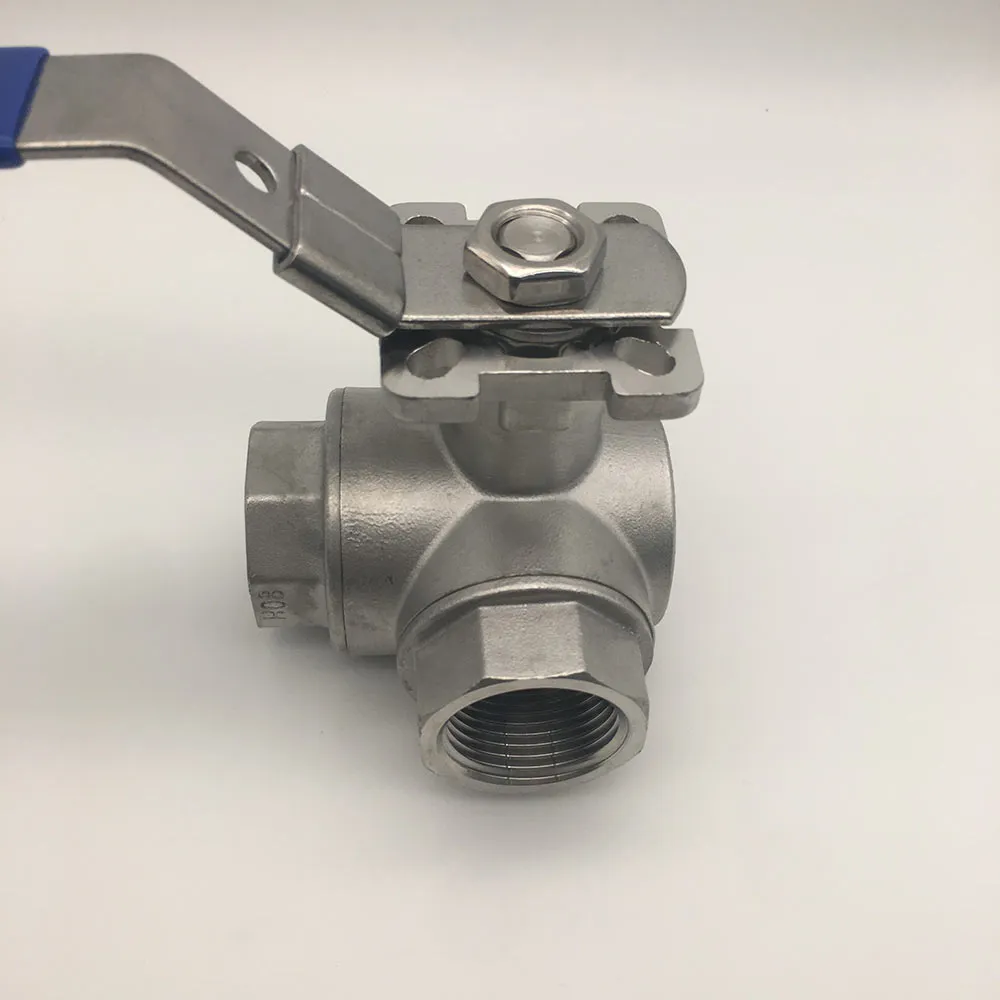
Vendor Comparison and Customization Options
Selecting the right vendor for a 3 way valve l type is as crucial as selecting the valve itself. Key differentiators often lie in manufacturing expertise, quality control, certifications, and post-sales support.
| Feature/Service | Vendor A (e.g., Houde Valve) | Vendor B (Competitor) |
|---|---|---|
| ISO 5211 Direct Mount | Standard on most models | Optional, sometimes requires adapter plate |
| Certifications | ISO 9001, CE, API 607, TA-Luft | ISO 9001, CE (limited additional) |
| Material Options | Extensive: SS, CS, Duplex, Hastelloy, Monel | Standard: SS, CS |
| Custom Bore Design | Available upon request | Limited to standard configurations |
| Testing & QA | 100% factory tested, traceable records | Batch testing, standard reports |
| Lead Time for Custom | Competitive, project-based | Often longer |
| Technical Support | Dedicated engineering support | Standard support hours |
Customized Solutions: Many industrial applications require more than off-the-shelf valves. Reputable manufacturers offer extensive customization capabilities for their 3 way valve l type products, including:
- Material Adaptation: Beyond standard stainless and carbon steels, customization extends to exotic alloys for extreme temperature, pressure, or corrosive environments.
- Specific End Connections: While standard flanged, threaded, and welded ends are common, specialized connections (e.g., clamp-end for sanitary applications, specific dimensions for retrofit) can be manufactured.
- Actuator Integration: While ISO 5211 pads are standard, specific actuator types (e.g., smart actuators with diagnostic capabilities) can be pre-mounted and tested.
- Surface Treatments: Coatings (e.g., hard chrome, PTFE lining) can enhance corrosion resistance, reduce friction, or improve non-stick properties for specific media.
- Testing Protocols: Custom testing beyond standard requirements, such as extended pressure holds, low-temperature operations, or specific cycle testing, can be performed to meet project-specific demands.
Application Case Studies: 3 way valve l type in Action
Real-world applications demonstrate the tangible benefits and reliability of the 3 way valve l type in demanding industrial settings.
Case Study 1: Petrochemical Plant Flow Diversion
A major petrochemical facility faced challenges in efficiently diverting crude oil streams to different refining units while ensuring zero cross-contamination. Traditional valve arrangements were complex and prone to leakage. By implementing DN150 (6-inch) stainless steel 3 way valve l type units with pneumatic actuators and a direct mounting pad, the plant achieved precise, automated flow redirection. The L-port configuration provided reliable shut-off to the unused path, eliminating mixing issues. This upgrade resulted in a 15% reduction in product loss due to contamination and significantly enhanced operational safety. Customer feedback highlighted improved process control and reduced maintenance hours for valve adjustments.
Case Study 2: Municipal Water Treatment Facility
A large municipal water treatment plant required a robust solution for diverting treated water between two main distribution lines or to a bypass for maintenance. They previously used a combination of two 2-way valves, which increased complexity and potential points of failure. The installation of a PN10 (Class 150) flanged carbon steel 3 way valve l type for sale, coupled with an electric actuator, streamlined this process. The valve allowed for seamless switching of flow paths, ensuring continuous water supply while facilitating scheduled maintenance without service interruptions. This simplification reduced footprint, installation costs by 20%, and minimized the risk of operational errors.
Frequently Asked Questions (FAQ)
Q: What is the primary difference between an L-type and a T-type 3-way ball valve?
A: An 3 way valve l type allows flow to be diverted from a common port to one of two other ports, blocking the third. It primarily functions for diversion. A 3 way valve t type allows for flow from one port to be directed to either or both of the other two ports simultaneously, enabling mixing or distribution, as well as diversion.
Q: Can a 3-way ball valve be used for throttling applications?
A: While ball valves are generally designed for on/off service, a 3-way ball valve can be used for limited throttling. However, continuous throttling can cause wear on the seats and ball, potentially leading to leakage. For precise and continuous throttling, globe valves or specialized control valves are generally recommended.
Q: What does "direct mounting pad" mean for a 3 piece ball valve?
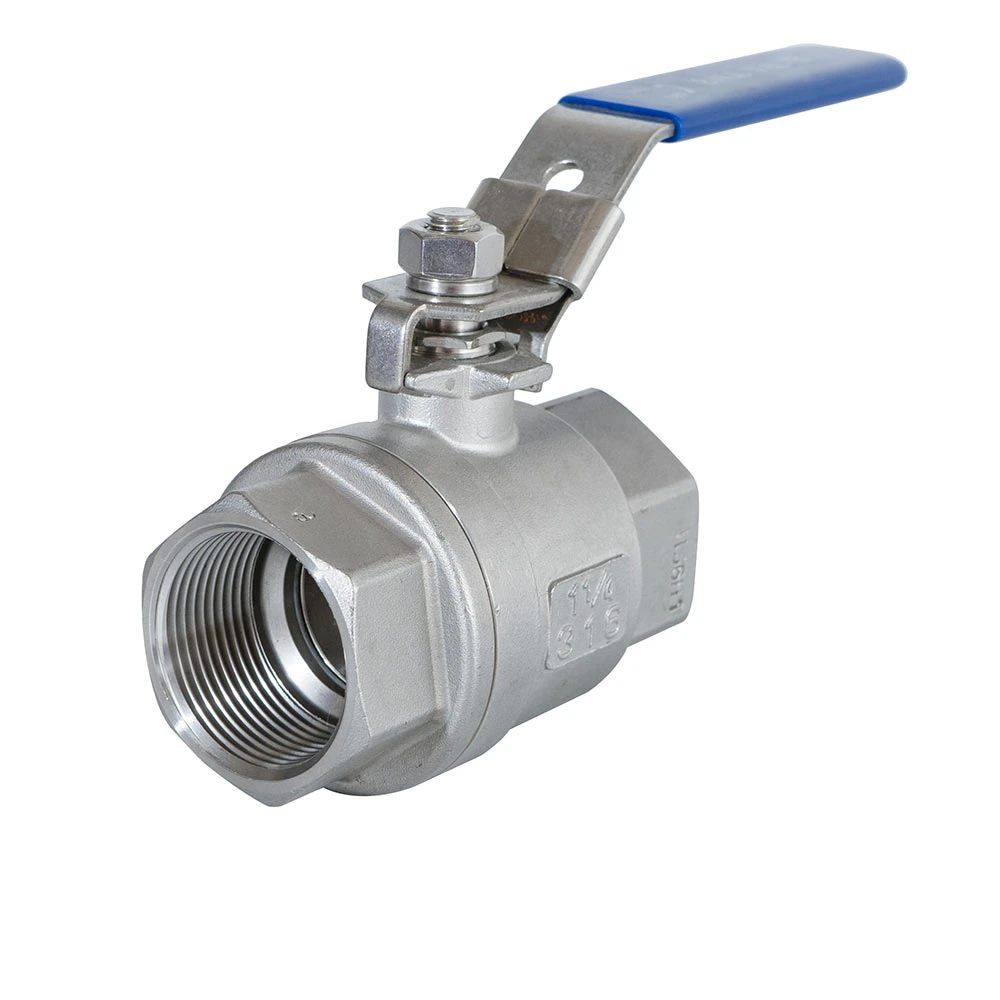
A: A direct mounting pad, typically compliant with ISO 5211 standards, means that an actuator (pneumatic, electric, or hydraulic) can be mounted directly onto the valve stem without the need for additional brackets or couplings. This simplifies installation, reduces component count, minimizes hysteresis, and often leads to a more compact assembly.
Q: What factors should be considered when choosing seat materials?
A: Key factors include fluid compatibility, operating temperature, pressure, and the desired level of tightness. PTFE and RPTFE are common for general-purpose applications due to broad chemical resistance and lower cost. PEEK and Metal Seats are used for high-temperature, high-pressure, or abrasive services.
Lead Time, Warranty, and Customer Support
At Houde Valve, we understand that timely delivery, reliable support, and robust warranties are critical to our B2B partners.
- Lead Time & Fulfillment: Standard configurations of our 3 way valve l type are typically available with a lead time of 2-4 weeks, depending on quantity and current stock levels. Custom engineered solutions may require 6-10 weeks, project-dependent. We maintain efficient supply chain logistics to ensure prompt delivery worldwide. For urgent requirements, expedited options are available.
- Warranty Commitments: All Houde Valve products, including our 3-way ball valves, come with a standard 12-month warranty from the date of installation or 18 months from the date of shipment, whichever comes first. This warranty covers manufacturing defects and material failures under normal operating conditions. Extended warranty options are available for critical applications.
- Customer Support & After-Sales Service: Our dedicated technical support team comprises experienced engineers available to assist with product selection, installation guidance, troubleshooting, and maintenance advice. We offer comprehensive after-sales support, including spare parts availability, on-site assistance (where applicable), and training programs to ensure the long-term performance and reliability of our valves. Our goal is to forge lasting partnerships through exceptional product quality and unwavering support.
References
- American Petroleum Institute. API Standard 607: Fire Test for Quarter-Turn Valves.
- International Organization for Standardization. ISO 5211: Industrial valves – Part-turn valve actuator attachments.
- International Organization for Standardization. ISO 9001: Quality management systems – Requirements.
- Manufacturers Standardization Society of the Valve and Fittings Industry. MSS SP-110: Ball Valves Threaded, Socket-Welding, Solder Joint, Grooved and Flared Ends.
- Valve Manufacturers Association of America (VMA). Valve Magazine.