Why a 40 Mesh Y Strainer is an Industrial Game-Changer
Having spent a good chunk of my career amid the hum and clatter of industrial plants, I can tell you that a 40 mesh y strainer isn’t just a bulky piece of equipment sitting in pipelines. Oddly enough, it’s often the unsung hero, quietly protecting pumps, valves, and instrumentation from unexpected debris.
Now, when I first encountered these strainers, I was frankly a bit skeptical—was the 40 mesh screen fine enough, or just another layer of potential clogging risk? Over time, working on projects ranging from chemical processing to water treatment, I saw exactly how that 40 mesh mesh strikes a practical balance: it filters out pretty fine particles without too much pressure drop, allowing systems to hum along smoothly.
In real terms, a 40 mesh means the screen has 40 openings per linear inch – or about 420 microns. This size is small enough to catch sand, rust flakes, and scale remnants that sneak into fluid lines, but not so fine that you end up with constant clogging headaches. Many engineers I’ve spoken with say they rely heavily on this gauge for process fluids where particulate contamination can cause costly equipment damage.
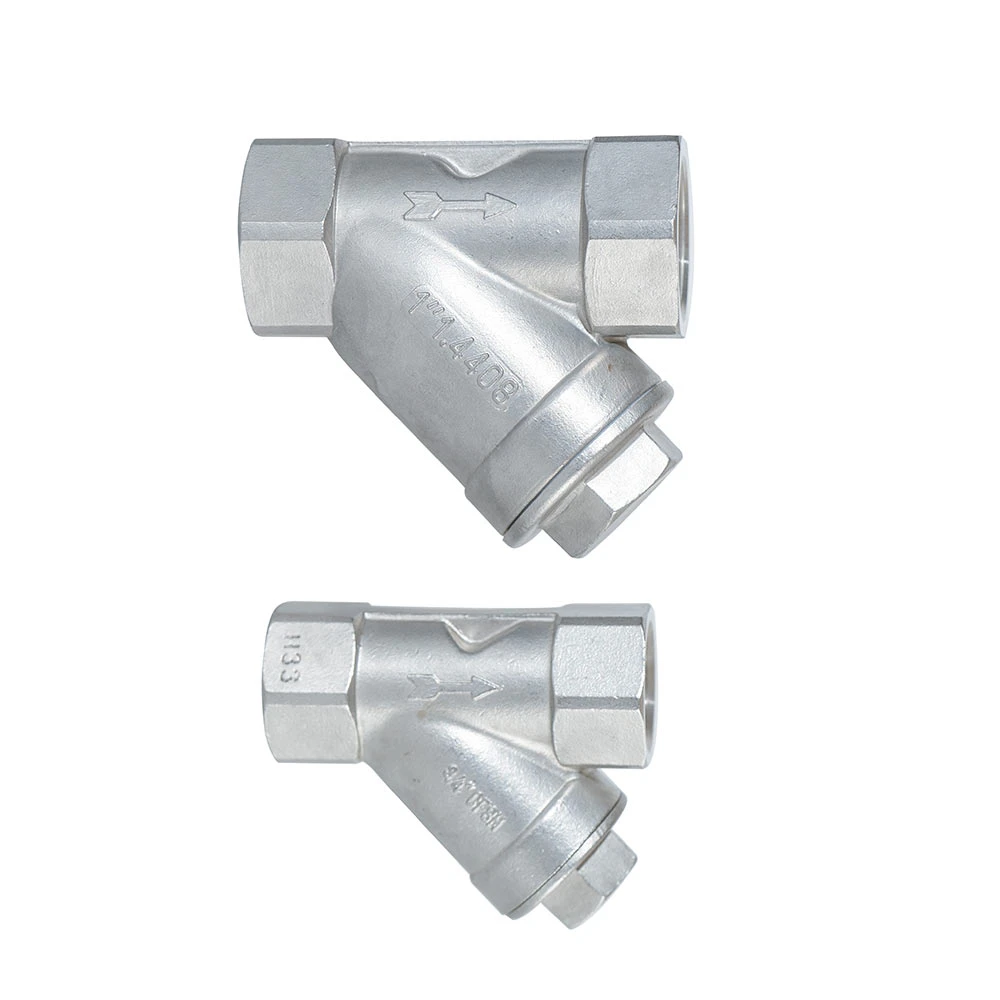
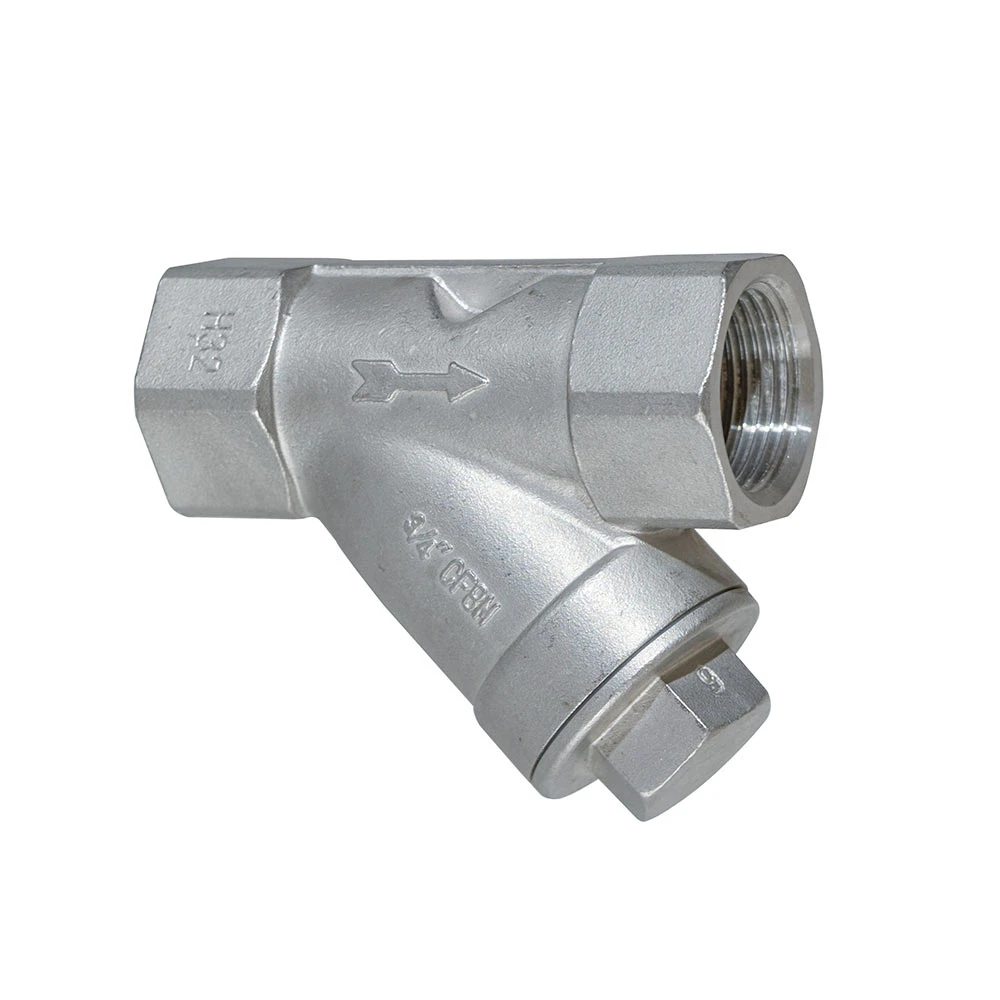
The “Y” shape design also impressed me during installation. Unlike a traditional T-strainer, the angled strainer body allows easier cleaning and maintenance. You just remove the cap and pop out the screen, no complicated disassembly needed. Plus, the compact footprint suits tight industrial spaces – something I noticed firsthand while retrofitting an old plant’s filtration system.
Material-wise, stainless steel is typically the go-to for these strainers—especially 304 or 316 grades—due to its corrosion resistance and strength under high temperatures and pressures. Certainly, I’ve seen custom housings made with carbon steel or brass in less demanding environments. But if your process fluid is aggressive, stick with stainless; it’s kind of a no-brainer.
Before you trust any supplier, remember that quality testing and certifications matter. Personally, I always look for vendors adhering to ASME standards or offering third-party testing for pressure and leak resistance. It ensures that what you buy won’t fail unexpectedly, which in industrial setups, is nothing short of critical.
Speaking of vendors, I once worked on a project where delays caused by a cheap strainer failure led to significant downtime. From that day, I became a bit choosy about who I buy from. Here’s a quick rundown comparing typical 40 mesh y strainer providers based on my experience and industry reputation:
| Vendor | Material Options | Pressure Rating (psi) | Certification | Lead Time |
|---|---|---|---|---|
| Houde Valve | 304/316 Stainless Steel, Carbon Steel | Up to 300 psi | ASME, ISO 9001 | 2-4 weeks |
| Vendor A | Stainless Steel only | Up to 250 psi | CE Certified | 3-5 weeks |
| Vendor B | Carbon Steel, Brass | Up to 150 psi | No formal certification | 1-3 weeks |
As for specs, here is a typical profile of a 40 mesh y strainer selected from Houde Valve’s catalog – the one I tend to recommend based on my industrial experience:
| Specification | Details |
|---|---|
| Mesh Size | 40 mesh (420 microns) |
| Body Material | 304 Stainless Steel |
| Connection Type | NPT threaded or flanged |
| Max Pressure | 300 psi |
| Operating Temp | -20°C to 200°C |
| Screen Removal | Bolt-on cap for quick cleaning |
I recall one plant where the installation of these strainers cut down pump maintenance calls by nearly half. The operators were thrilled because it meant fewer shutdowns and less firefighting — which, frankly, everyone prefers. It feels like such a simple fix but plays a crucial role in system reliability.
Of course, no equipment is “one size fits all.” Customizations such as screen materials or housing coatings can matter for harsh chemicals or extreme temperatures. But if you’re looking for a solid starting point, a stainless steel 40 mesh y strainer from a reputable vendor is tough to beat.
So, if you find yourself specifying filtration in your next project, don’t overlook this gem. At first glance, it might just seem like a piece of pipe with a screen, but in practice, it’s a frontline defender that could save you time, downtime, and dollars.
One small piece of advice from someone who's been there: always check the specs carefully and don’t skimp on quality. It’s the details that keep the plant running smoothly.
That’s my take—hope it helps you as you consider this essential industrial component.
References:
1. ASME B16.34 – Valves – Flanged, Threaded and Welding End
2. Houdevalve.com product datasheets (accessed 2024)
3. Practical Industrial Filtration, Edited by N. J. D. Graham