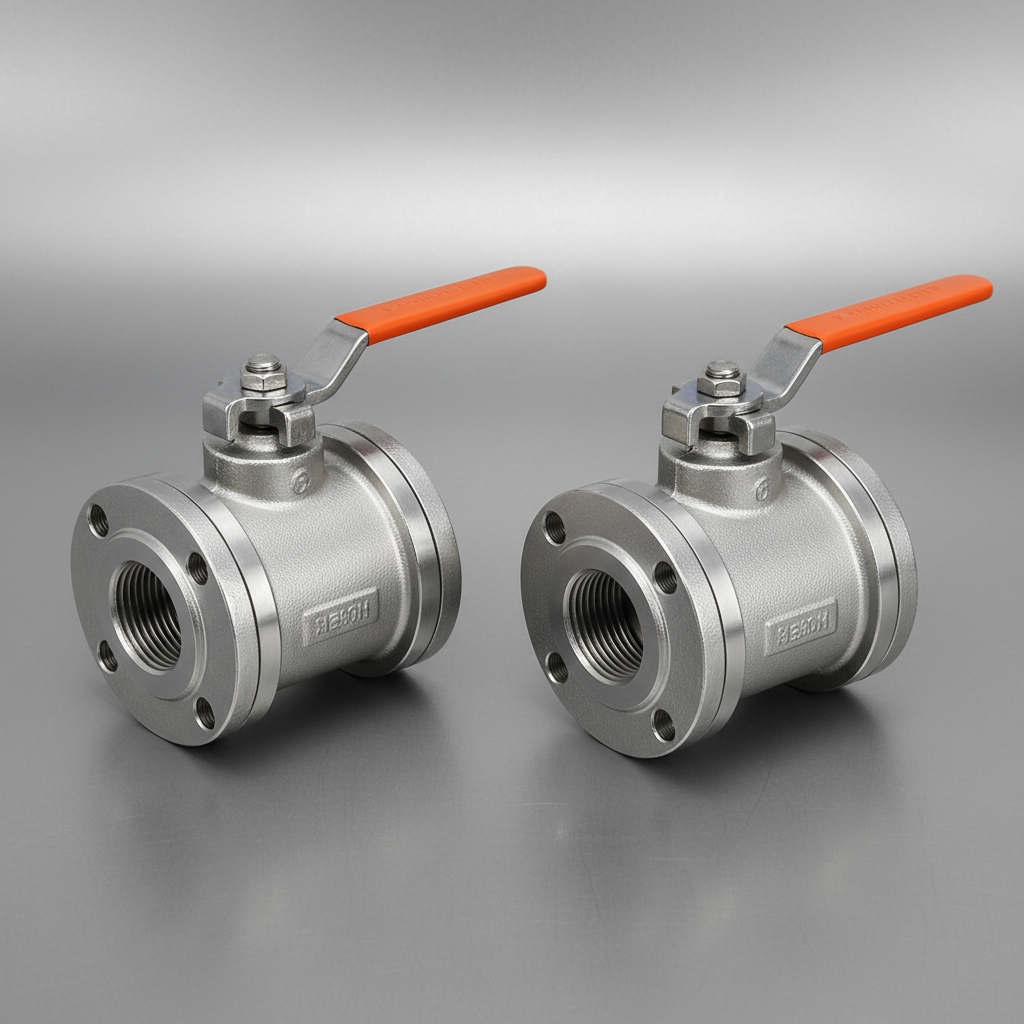
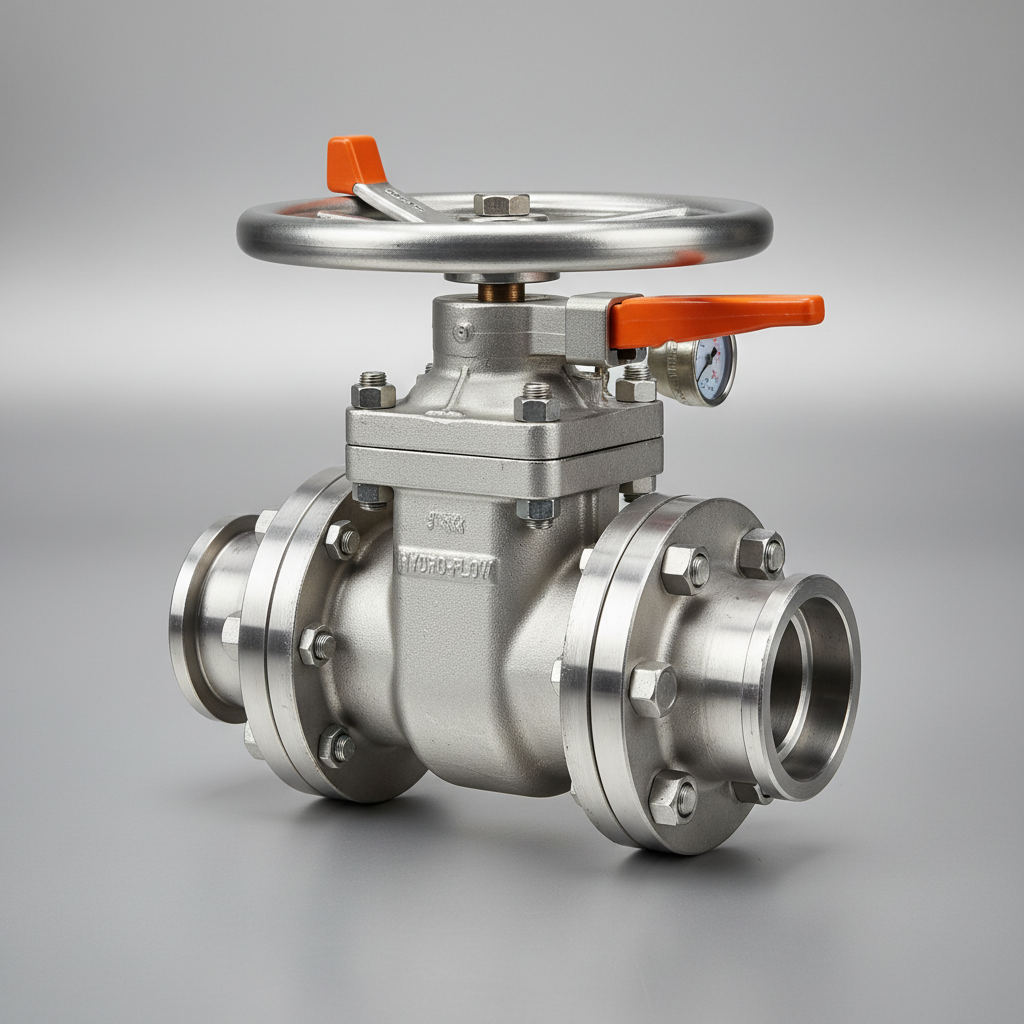
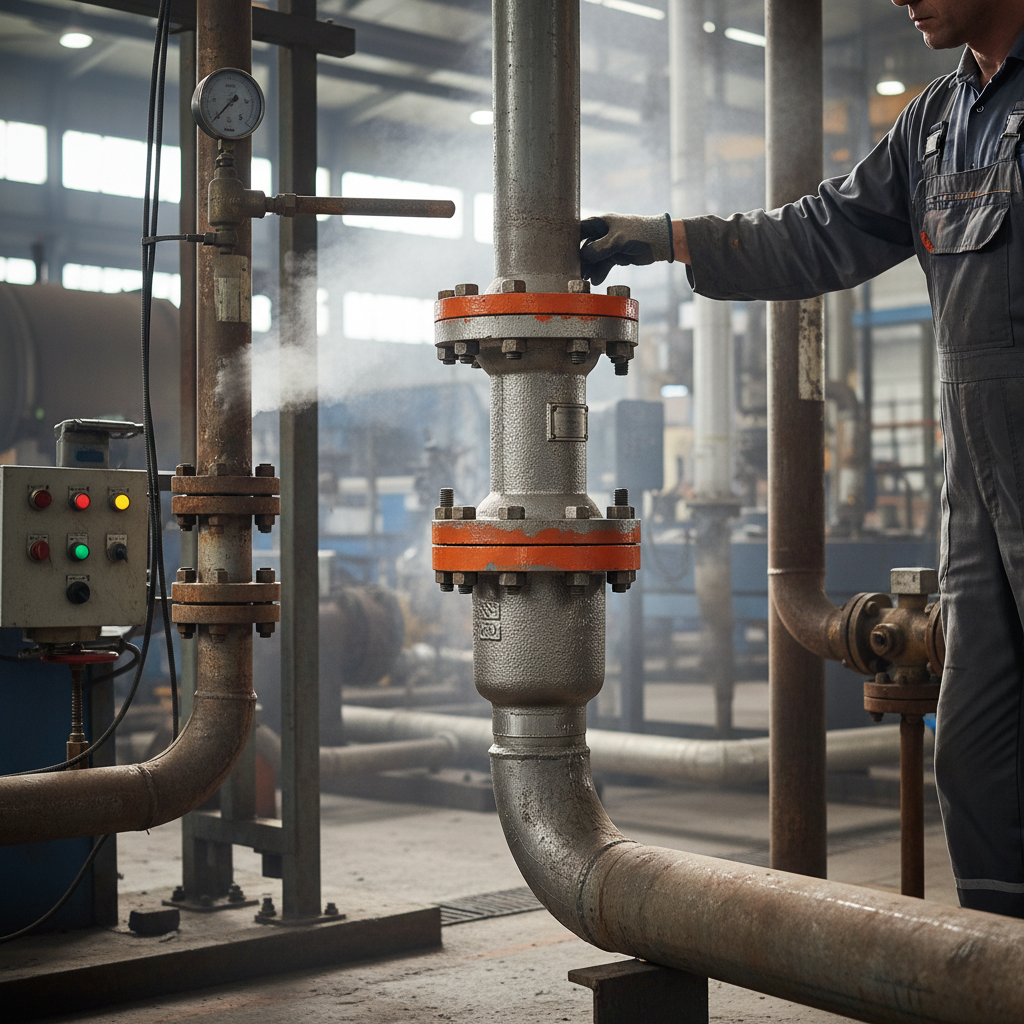
Look, I’ve been wrestling with valves on job sites for twenty years – everything from water mains to chemical processing. You quickly learn what holds up, and what doesn't. The 2pc stainless steel ball valve? It's a workhorse. It's not the flashiest piece of kit, but it’s reliable, and on a construction site, reliability is everything. We’re talking about minimizing downtime, preventing leaks that can shut down a whole operation, and frankly, keeping everyone safe. 2pc stainless steel ball valve are becoming increasingly common because they offer a sweet spot between cost and performance.
What I've noticed is that guys are moving away from carbon steel options, especially in corrosive environments. Stainless steel just lasts longer, requires less maintenance, and ultimately saves money. It's about the total cost of ownership, not just the initial price tag. Plus, these 2-piece designs are easier to install and service, which means less labor cost and quicker turnaround times. That’s huge when you’re on a tight schedule and budget.
I've seen plenty of projects where cutting corners on valve quality led to major headaches down the line. A failed valve can mean costly repairs, delays, and even environmental issues. Investing in a quality 2pc stainless steel ball valve from the start is a proactive approach that pays dividends in the long run. It’s about building something that lasts, and that’s what we all strive for.
The Importance of 2pc stainless steel ball valve in Modern Industry
You look around any major construction or industrial site, and you’ll see valves everywhere. They're critical for controlling flow, isolating systems, and ensuring safety. The demand for reliable flow control is massive. According to the International Organization for Standardization (ISO), industrial valve markets are projected to experience sustained growth, driven by infrastructure development in emerging economies and the need for modernization in developed nations. 2pc stainless steel ball valve are a significant part of that market.
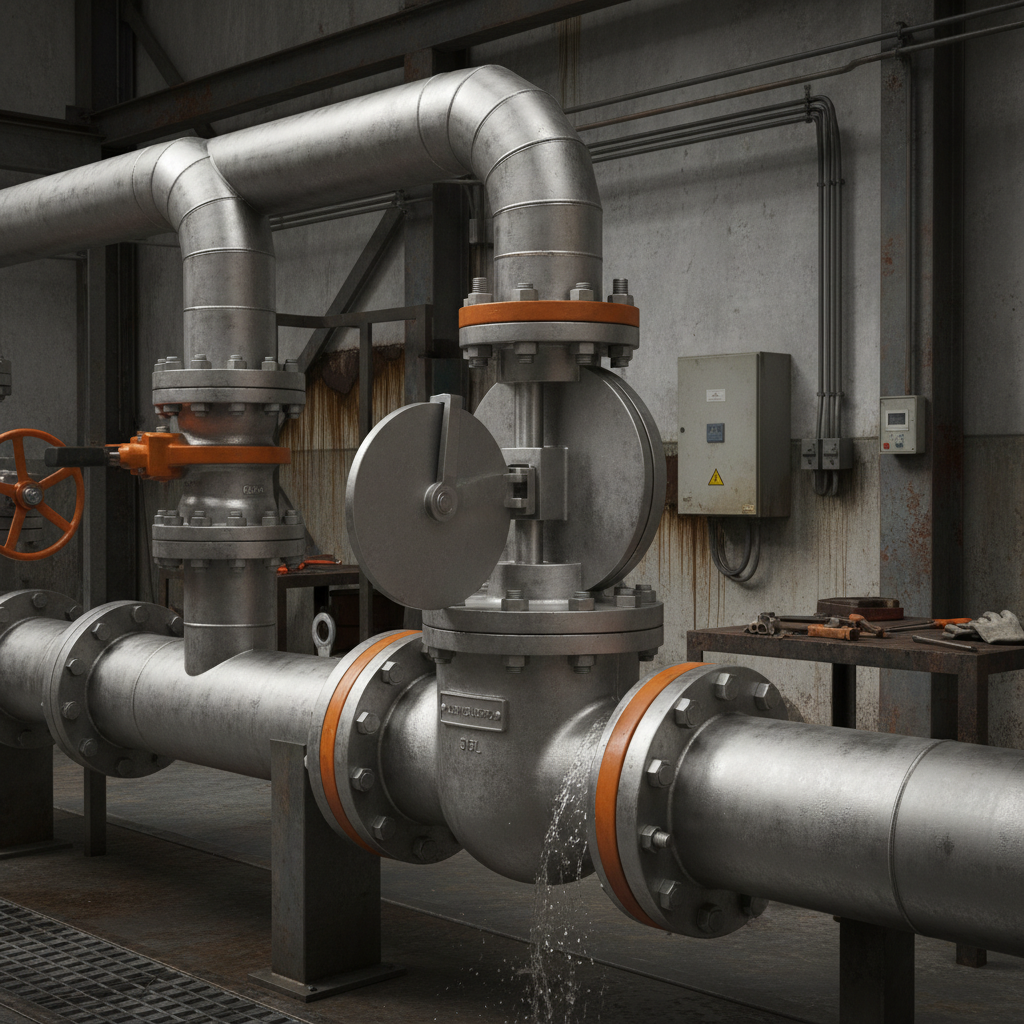
The biggest issue I see consistently is corrosion. Especially near coastal areas or in chemical plants. Carbon steel valves just don't cut it long-term in those conditions. That’s where the 2pc stainless steel ball valve comes in. It’s about preventing costly failures and keeping operations running smoothly. It's a simple equation: preventative maintenance and quality components equal reduced downtime and increased profitability.
Defining 2pc stainless steel ball valve : A Practical Perspective
Okay, let’s break it down. A 2pc ball valve means it’s constructed from two pieces – the valve body and the ball itself with its stem. Compared to 3-piece designs, it's generally simpler, making it easier and quicker to install and maintain. “Stainless steel” means the body and ball are made from a corrosion-resistant alloy, typically 304 or 316 stainless steel. This is crucial for handling everything from clean water to aggressive chemicals.
It's not about replacing every valve with stainless steel, it's about being smart about where you need that extra level of protection. These valves are fundamentally used to start, stop, or regulate the flow of fluids. They’re common in pipelines, industrial processes, and water distribution systems.
From a practical standpoint, this translates to less downtime, lower maintenance costs, and a longer service life. On a large-scale project, those savings add up fast. It’s an investment that pays for itself, plain and simple.
Key Characteristics of High-Quality 2pc stainless steel ball valve
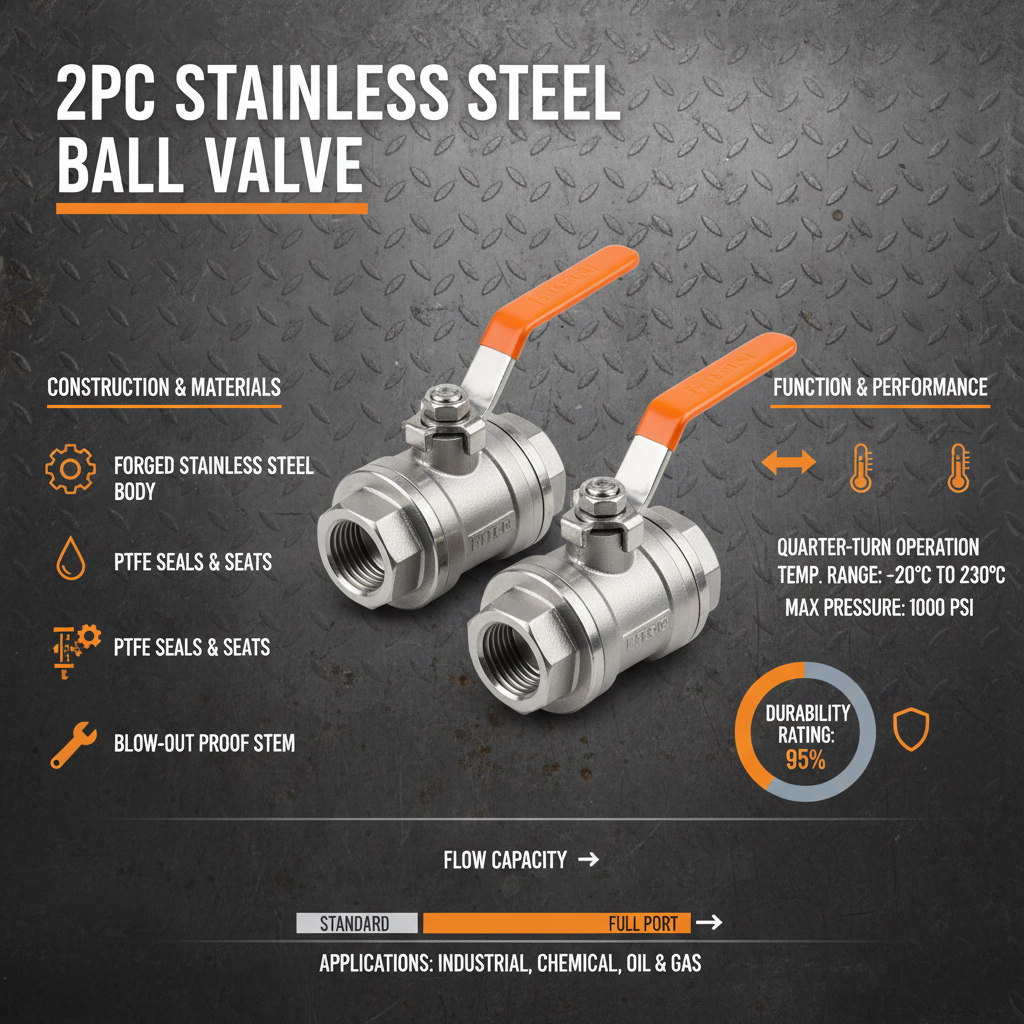
First off, the material is critical. You need to verify the grade of stainless steel. 316 is superior to 304 in highly corrosive environments, but it also comes at a higher price. Understanding your application is key. Another crucial aspect is the ball and seat material. PTFE (Teflon) is a common choice for the seats because of its excellent chemical resistance and low friction, ensuring a tight seal. 2pc stainless steel ball valve quality relies on these materials.
Look at the pressure rating. You need a valve that can handle the maximum pressure of your system with a safety margin. Also, check the temperature rating – will it hold up in extreme heat or cold? Don’t skimp on these specs; it’s a recipe for disaster. I always tell the younger engineers: "Underestimate the forces at your peril!"
Finally, pay attention to the valve’s actuation method. Manual lever operation is common, but pneumatic or electric actuators are used for remote control or automated systems. Choosing the right actuation method depends on the specific requirements of your application. And ensure the valve meets all relevant industry standards and certifications.
Performance Metrics for 2pc stainless steel ball valve Applications
When assessing performance, we look at things like flow coefficient (Cv), which indicates how much fluid can pass through the valve at a given pressure drop. Lower pressure drop means less energy consumption. Leakage rate is another critical metric; a tight shut-off is essential to prevent waste and ensure safety. 2pc stainless steel ball valve performance is measured by these.
We also evaluate cycle life – how many times the valve can be opened and closed without failure. A high-quality valve should withstand thousands of cycles. Corrosion resistance is paramount, especially in harsh environments. Regular inspections and testing are essential to maintain optimal performance.
2pc stainless steel ball valve Performance Comparison
Global Applications and Real-World Use Cases
I’ve seen these valves used everywhere from oil refineries in Texas to water treatment plants in Europe. They are essential in chemical processing, pharmaceutical manufacturing, and food and beverage production, anywhere a sanitary, reliable, and corrosion-resistant valve is needed. They’re even becoming more common in renewable energy projects, like geothermal plants.
In post-disaster relief operations, quick deployment of clean water systems is critical. 2pc stainless steel ball valves are ideal for these applications because of their durability and ease of installation. In remote industrial zones, where maintenance resources are limited, their long service life is a huge advantage.
Advantages and Long-Term Value Proposition
The big one is reduced lifecycle costs. Yes, they might be a bit more upfront, but the reduced maintenance, longer lifespan, and decreased downtime pay for themselves many times over. There's also the safety aspect. A reliable valve prevents leaks, minimizing the risk of accidents and environmental contamination.
From a sustainability standpoint, choosing durable, long-lasting components reduces waste and minimizes the need for frequent replacements. That’s a win for everyone. It’s about building a future where infrastructure is reliable, efficient, and environmentally responsible.
Ultimately, investing in a quality 2pc stainless steel ball valve isn't just about buying a component; it's about investing in peace of mind, knowing that your system is safe, reliable, and built to last.
Future Trends and Innovations in 2pc stainless steel ball valve Technology
We’re seeing a move towards smart valves with integrated sensors that provide real-time data on flow rate, pressure, and temperature. This data can be used for predictive maintenance, optimizing system performance, and preventing failures. Also, there’s ongoing research into new materials and coatings to further enhance corrosion resistance and extend valve life.
Digital transformation is playing a huge role. Remote monitoring and control are becoming increasingly common, allowing operators to manage valves from anywhere in the world. Automation is also driving demand for valves with integrated actuators and control systems.
Sustainability is another major trend. Manufacturers are focusing on using recycled materials and reducing their carbon footprint. And with the growth of green energy, there’s a demand for valves specifically designed for renewable energy applications.
Core Challenges and Solutions for 2pc Stainless Steel Ball Valve Implementation
| Challenge Area |
Impact on 2pc stainless steel ball valve Operation |
Potential Solutions |
Implementation Cost (Scale 1-10) |
| Corrosion in Harsh Environments |
Reduced valve lifespan, increased maintenance |
Utilize higher grade stainless steel (316), apply protective coatings |
7 |
| High Pressure Applications |
Valve failure, leakage |
Select valves with appropriate pressure ratings, regular inspections |
6 |
| Seal Degradation |
Leakage, reduced flow control |
Use high-quality seat materials (PTFE), implement preventative maintenance |
5 |
| Installation Errors |
Leakage, valve malfunction |
Proper training for installers, detailed installation guidelines |
4 |
| Lack of Data for Predictive Maintenance |
Unexpected failures, increased downtime |
Implement smart valves with sensor integration, data analytics |
8 |
| Supply Chain Disruptions |
Delays, increased costs |
Diversify suppliers, maintain buffer stock |
5 |
FAQS
The primary difference is construction and ease of maintenance. 2-piece valves are simpler, having a body and a ball assembly. This makes them quicker to install and service. 3-piece valves have a middle section that allows for in-line repair without removing the valve from the pipeline, but they are generally more expensive and complex. For most applications, a 2-piece valve offers a good balance of performance and cost.
For highly corrosive environments, 316 stainless steel is the preferred choice over 304. 316 contains molybdenum, which significantly enhances its resistance to chloride corrosion, making it ideal for saltwater, chemical processing, and marine applications. While more expensive than 304, the increased longevity and reduced maintenance costs often justify the investment.
You need to consider the maximum operating pressure of your system and add a safety margin. Valve pressure ratings are typically expressed in PSI or bar. Always choose a valve with a rating that exceeds the highest pressure it will experience. Ignoring this can lead to catastrophic failure and safety hazards.
With proper maintenance and operation within its specified limits, a high-quality 2pc stainless steel ball valve can last for 20-30 years or even longer. Regular inspection, lubrication of moving parts, and timely replacement of seals are crucial for maximizing its lifespan. Harsh environments will naturally reduce this timeframe.
It depends on the specific temperature rating of the valve. Stainless steel generally handles higher temperatures better than other materials, but PTFE seats have temperature limitations. Always check the valve’s temperature rating to ensure it’s appropriate for your application. Specialized high-temperature seats are available for certain valves.
Regular maintenance typically includes visual inspection for leaks or corrosion, lubrication of the valve stem, and replacement of seals and packing. The frequency of maintenance depends on the operating conditions. Keeping a log of inspections and maintenance activities is a good practice for tracking valve performance and identifying potential issues before they escalate.
Conclusion
Ultimately, the 2pc stainless steel ball valve isn’t glamorous, but it’s a foundational component of countless industrial and commercial systems. Its durability, reliability, and relatively low maintenance requirements make it a smart choice for a wide range of applications. Focusing on quality materials, proper installation, and routine maintenance will ensure long-term performance and prevent costly downtime.
Looking ahead, we’ll continue to see advancements in valve technology, driven by the demand for greater efficiency, automation, and sustainability. Embracing these innovations will be crucial for building a more resilient and environmentally responsible infrastructure. For reliable flow control solutions, visit our website: www.houdevalve.com