Sanitary Stainless Steel Fittings and Valves: The Backbone of Clean Industrial Fluid Systems
Having spent quite a few years in the industrial equipment sector, I can say there’s something oddly satisfying about sanitary stainless steel fittings and valves. They’re the unsung heroes in industries where cleanliness isn’t just a preference — it’s mandatory. Dairy, pharmaceuticals, food processing... you name it. When your product passes through pipes, if even a tiny nook isn’t perfectly smooth and corrosion-resistant, contamination can creep in, ruining both product and reputation.
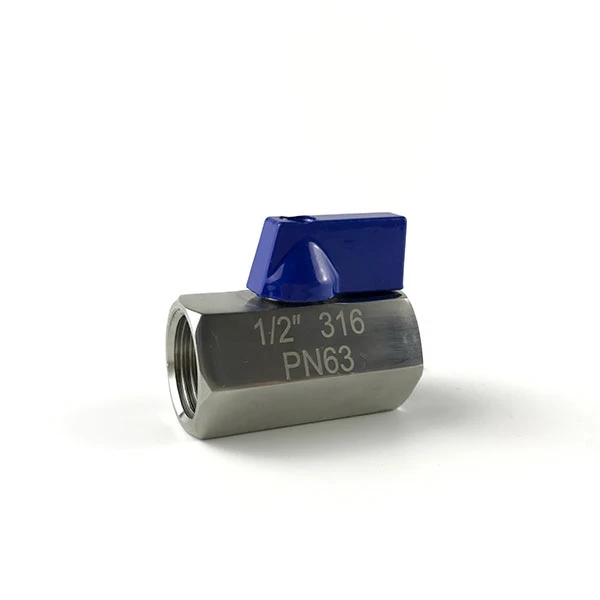
Now, you’d think all stainless steel is created equal, but frankly, that’s far from the truth. Sanitary stainless steel isn’t just ordinary metal—it’s specifically designed with smooth, polished surfaces and typically made from 304 or 316 grades. The latter, 316, is quite common when your system deals with more aggressive cleaning chemicals or corrosive products because it has molybdenum additions that beef up its corrosion resistance. I recall a customer in the pharmaceutical space who switched to 316 sanitary fittings and saw maintenance downtime drop by almost 30%. That’s real impact.
What’s also fascinating is how these fittings and valves are tested — hygienic design standards aren’t an afterthought. Most manufacturers follow stringent guidelines (think 3-A Sanitary Standards or EHEDG certifications). Testing involves verifying surface finish roughness (Ra values typically need to be 0.8 microns or less) and ensuring no crevices where bacteria might hide. Honestly, working alongside engineers discussing these specs felt like decoding a secret code at first — smoothness isn’t just about aesthetics; it’s about food safety and product purity.
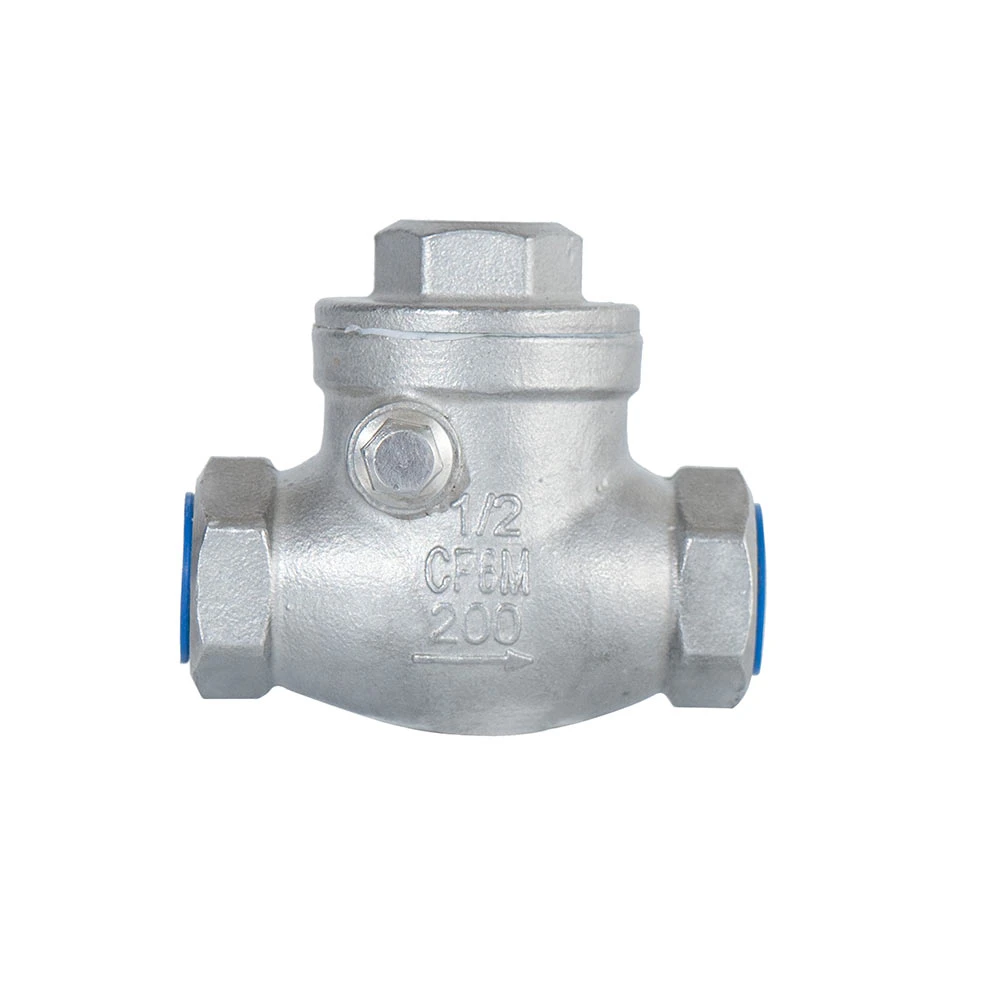
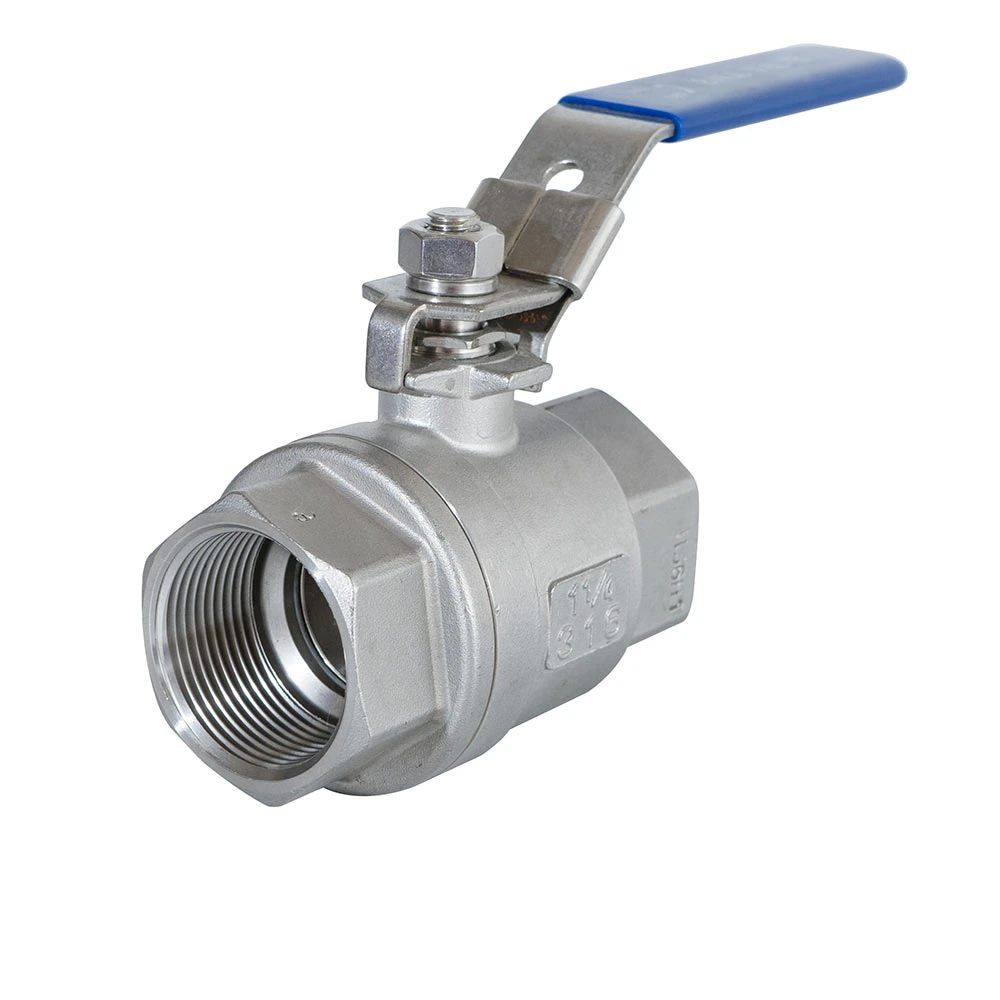
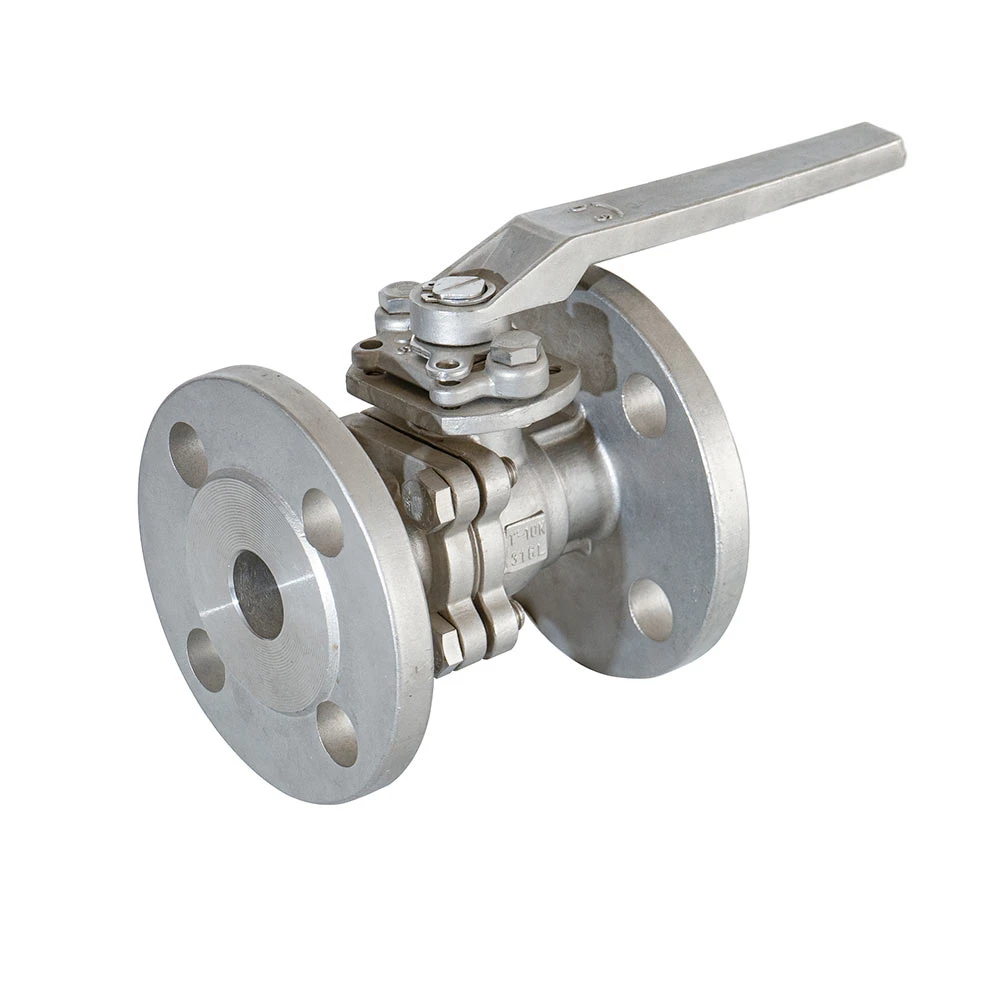
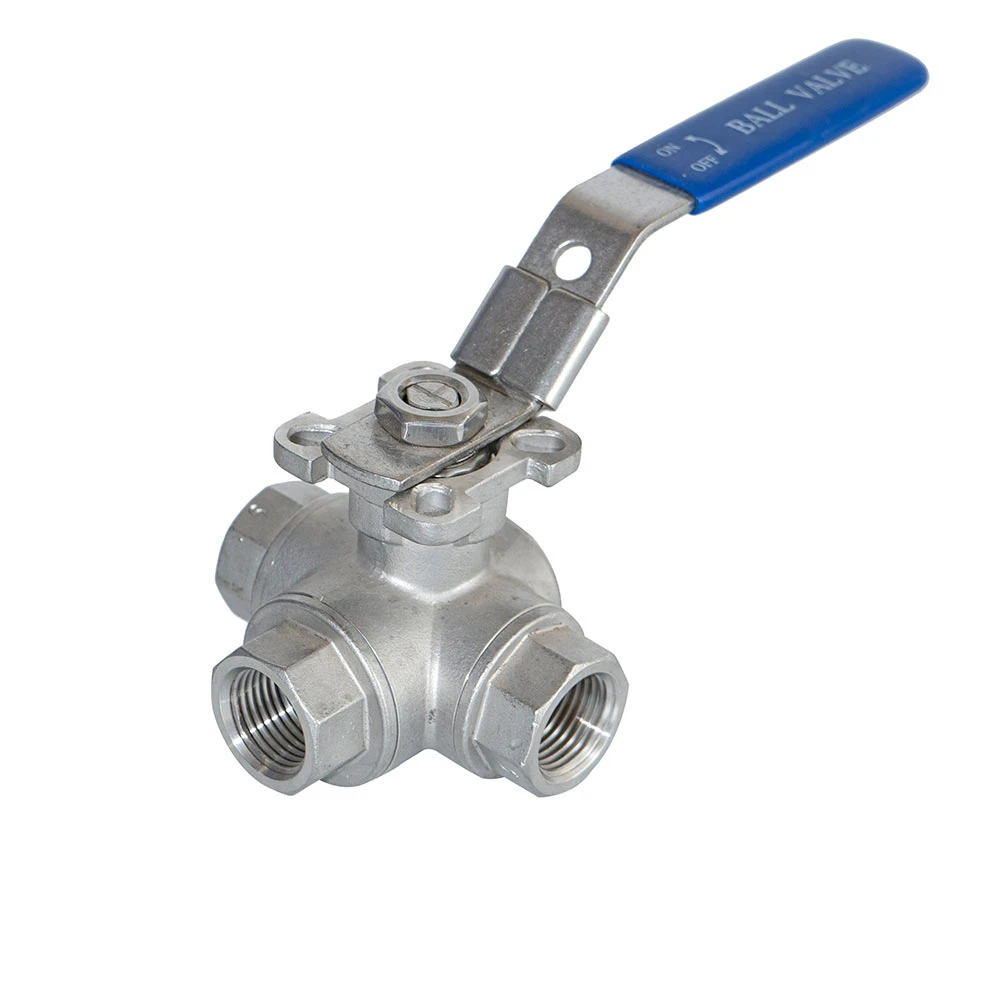
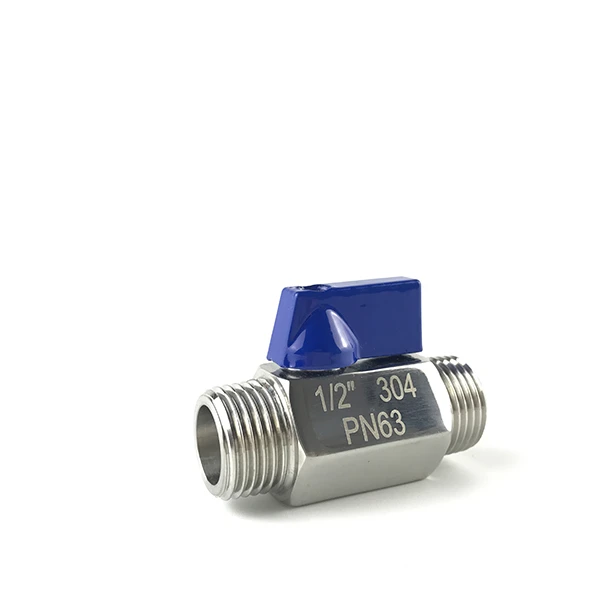
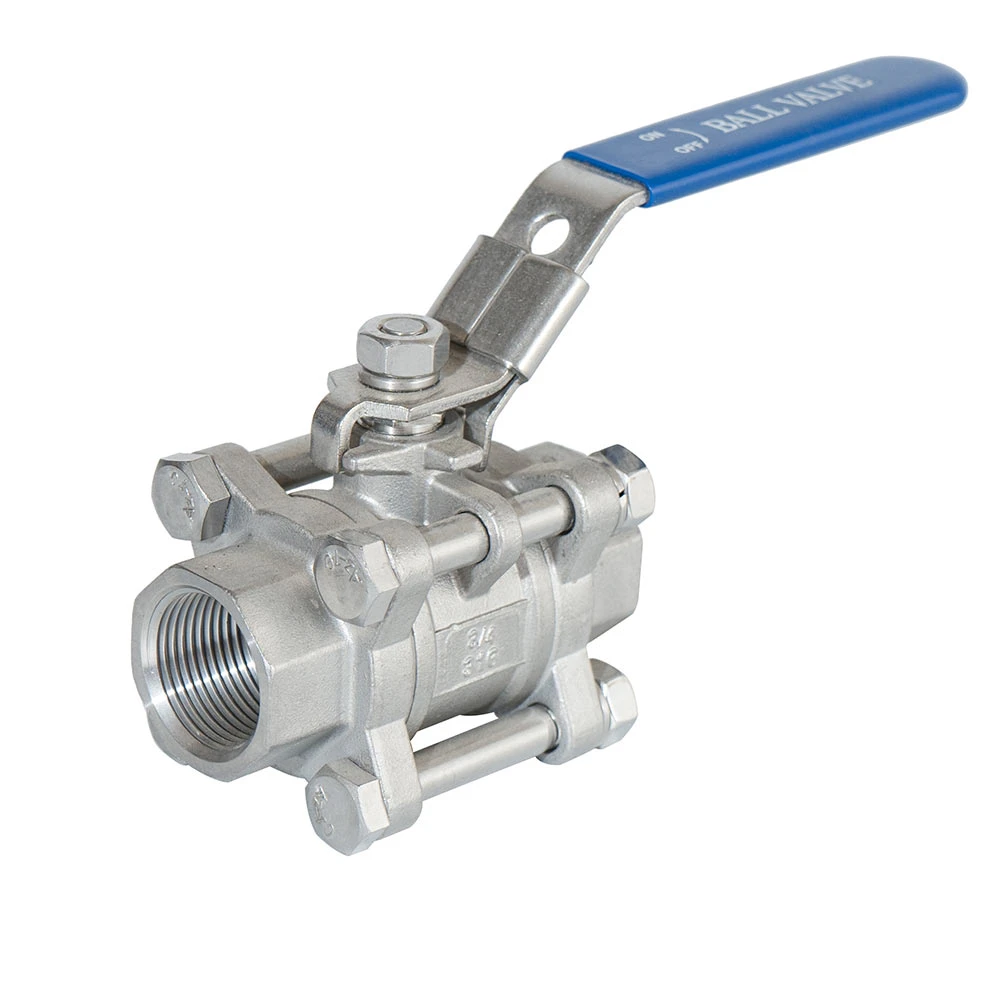
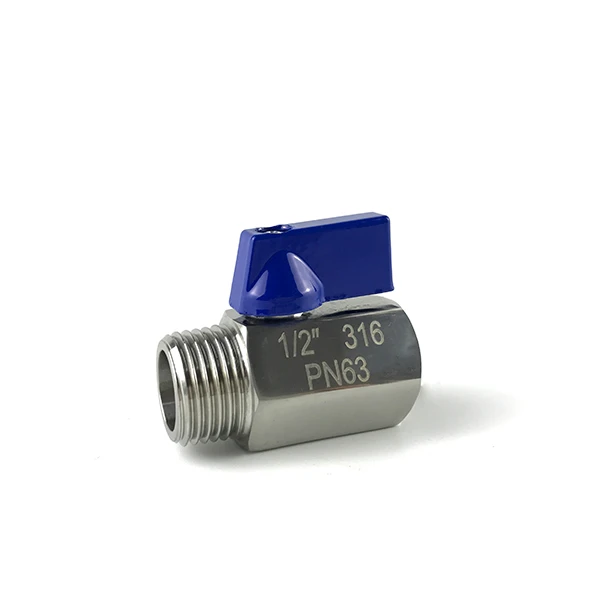
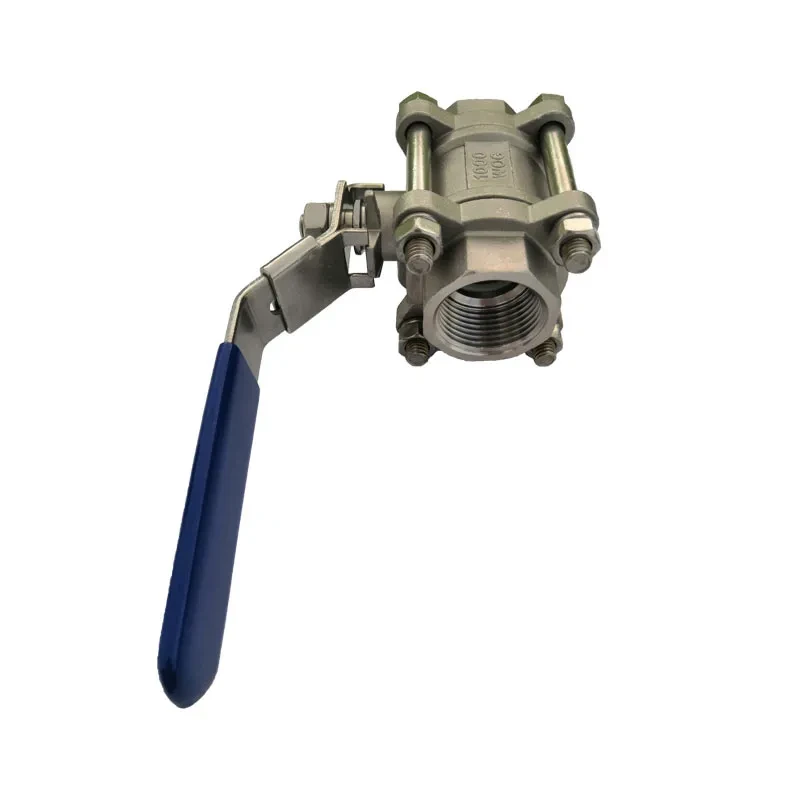
Speaking of design, variations abound: clamp (tri-clamp) fittings dominate as they’re easy to dismantle for cleaning. Valves come in ball, butterfly, diaphragm, even pinch valve styles — each chosen based on flow control needs and cleanability. One curious takeaway I’ve noticed is that many engineers favor diaphragm valves in pharmaceutical lines since their internal parts can be sterilized without contamination.
You might also want to think about custom machining or electropolishing services. Customization isn’t rare; oddly enough, most facilities have unique piping layouts or product formulations that require tailor-made solutions. Plus, a nice electropolish finish can reduce surface roughness even further, increasing the efficacy of clean-in-place (CIP) procedures.
| Parameter | Specification | Notes |
|---|---|---|
| Material Grade | 304 / 316L Stainless Steel | 316L preferred for corrosive environments |
| Surface Finish | #4 Mirror Finish or Electropolished | Ra ≤ 0.8 µm for sanitary grade |
| Connection Types | Tri-clamp, Butt Weld, Threaded | Clamp is most common for ease of cleaning |
| Pressure Rating | Up to 150 psi (typical) | Varies with valve type and fitting size |
| Testing Standards | 3-A, EHEDG Certified | Assures hygienic design and cleanability |
Vendor Comparison: Choosing the Right Sanitary Stainless Steel Supplier
| Feature | Vendor A | Vendor B | Vendor C |
|---|---|---|---|
| Material Quality | 316L SS, fully traceable mill certificates | 304 SS, no traceability | 316 SS, limited traceability |
| Certification | 3-A, EHEDG | None | 3-A only |
| Customization | Full custom machining & finishes available | Standard catalog only | Limited customization options |
| Lead Times | 2–4 weeks (custom products) | 1–2 weeks (stock items) | 3–6 weeks |
| Pricing | Mid-to-high range | Low range, lower quality | Mid-range |
So if you’re on the hunt for reliable sanitary fittings and valves that won’t let you down, I’ve got to recommend checking out Houde Valve. They offer a pretty robust selection with quality certifications and excellent customer support. Oddly enough, sometimes the nuance of quality doesn’t show up in the datasheet alone, but it becomes clear after you start running the equipment for months.
In real terms, investing in the right sanitary stainless steel components means smoother operations, fewer contamination headaches, and ultimately, safer products going out the door. It’s an imperfect science but years in the field have taught me one thing: don’t cut corners on fittings and valves when cleanliness is crucial.
Reflection? Just a small note: many of my peers in the industrial field often gloss over how much these “little parts” impact the big picture. I suppose it’s because they’re so reliable when chosen right — you only think about them when something goes wrong.
References:
- 3-A Sanitary Standards official documentation
- EHEDG hygiene design guidelines
- Industry case studies from food processing plants