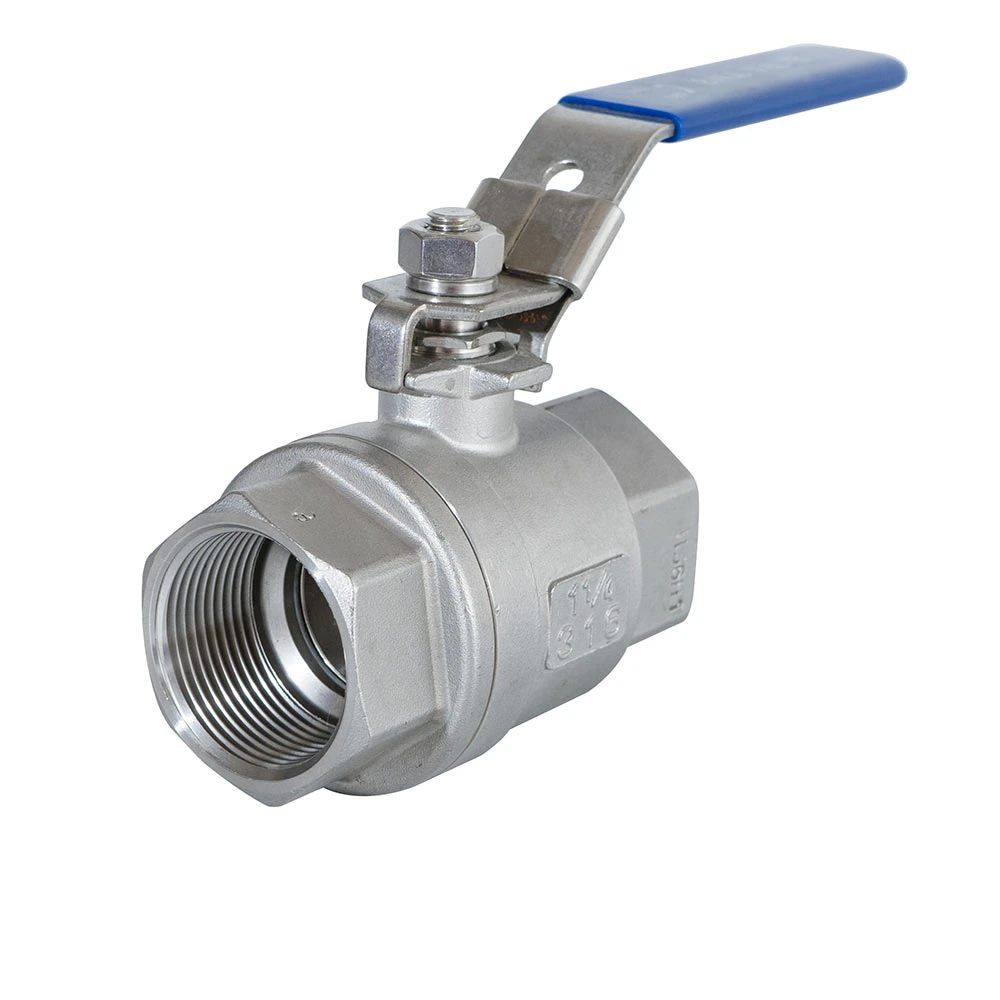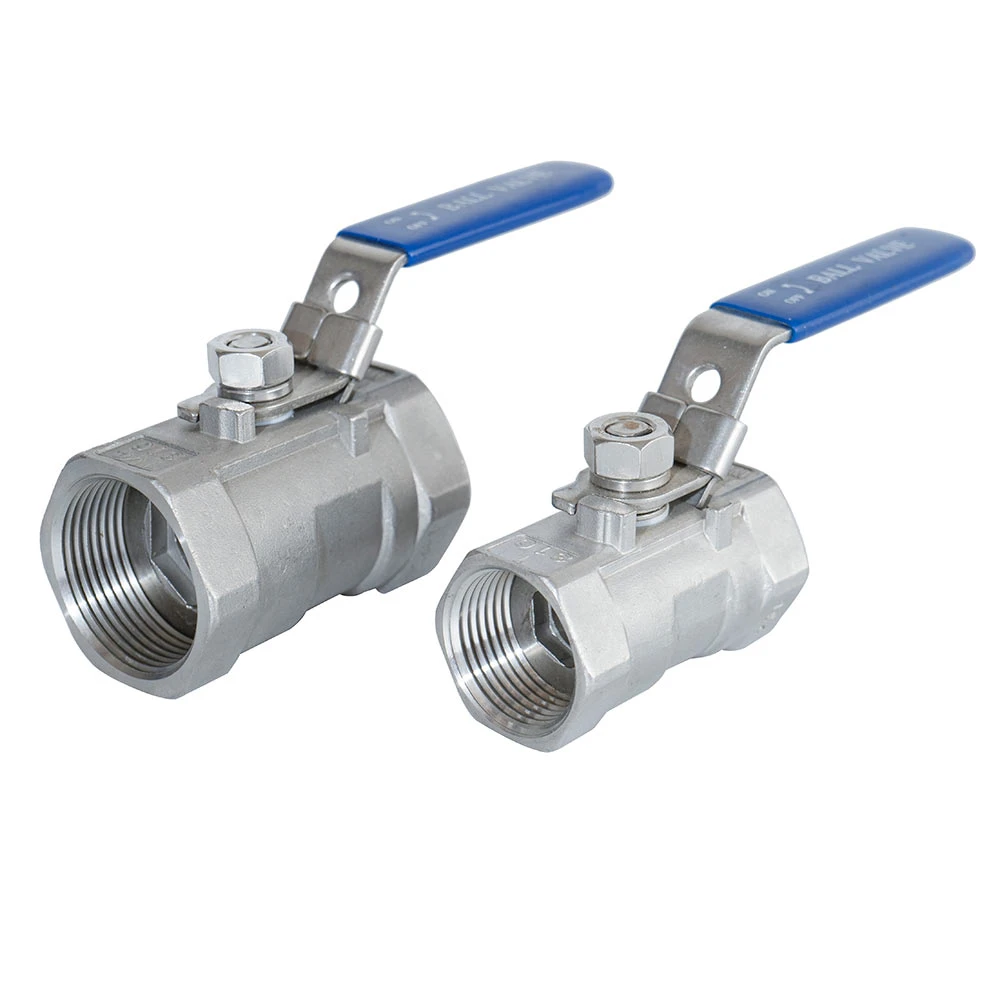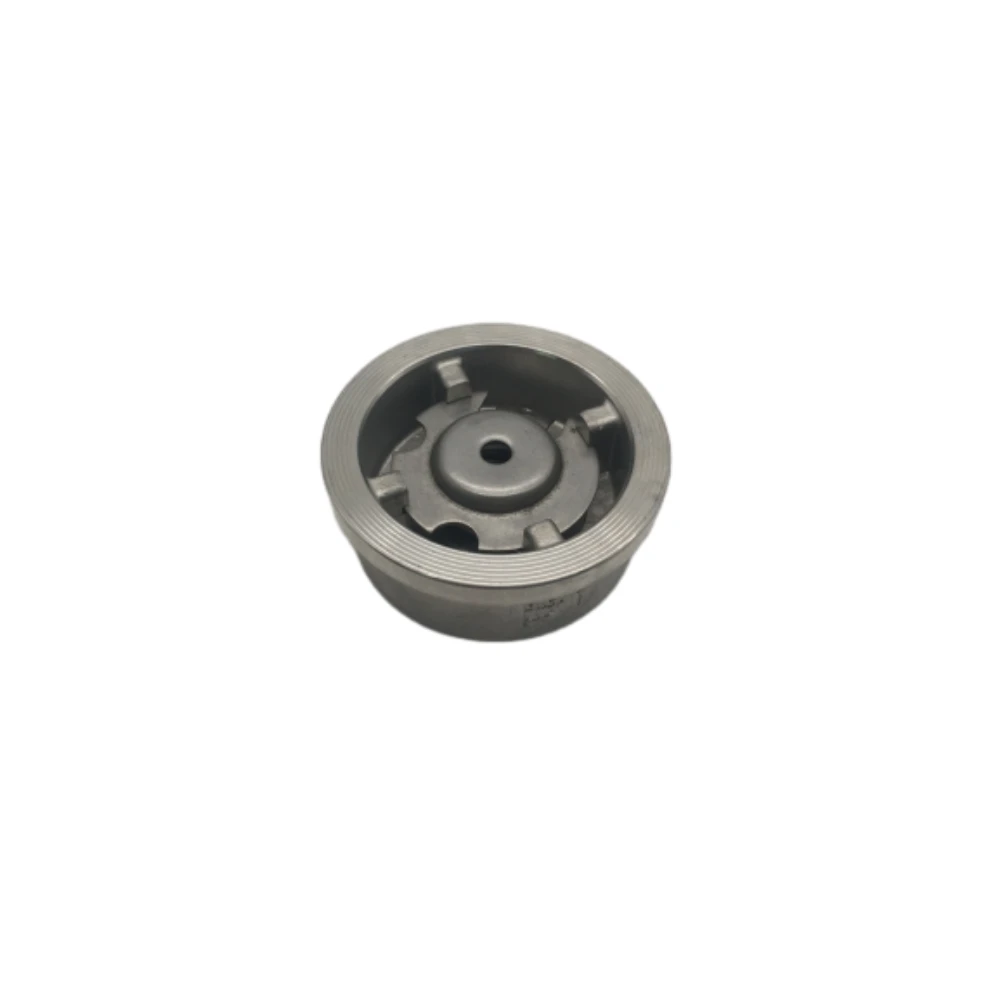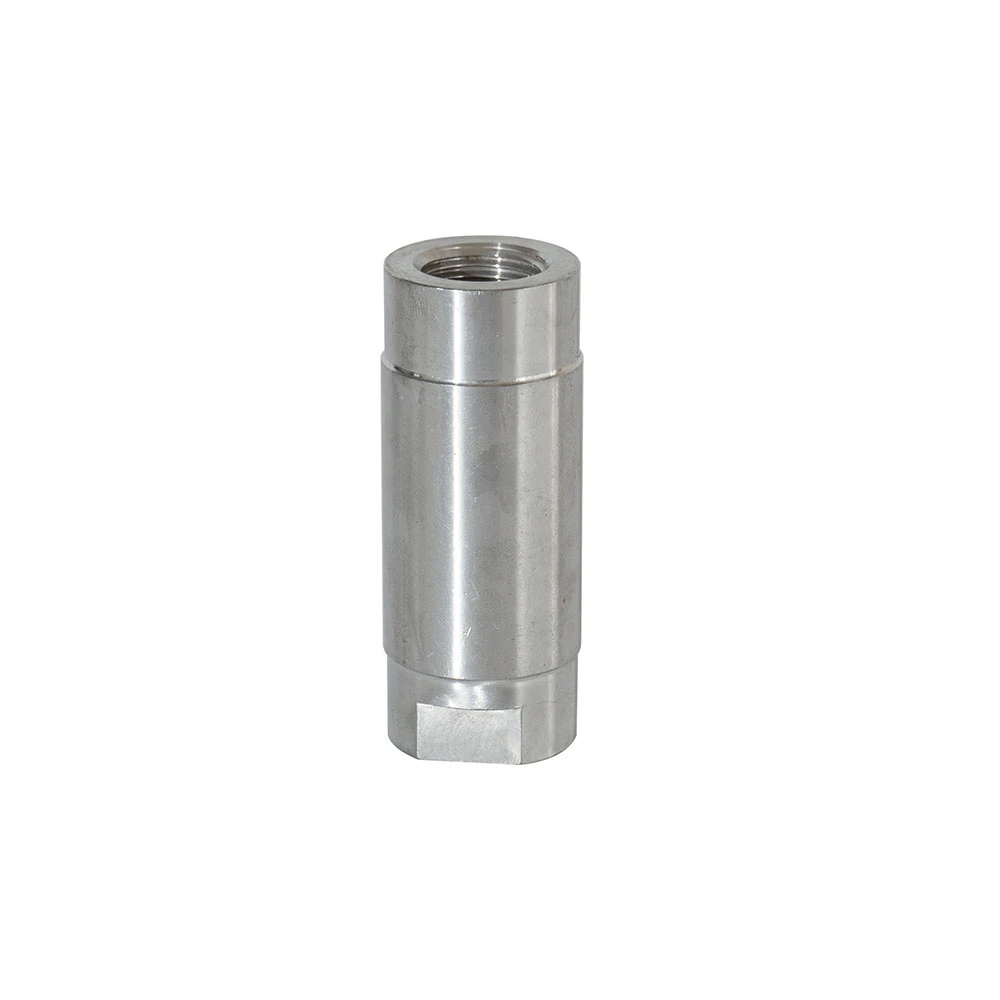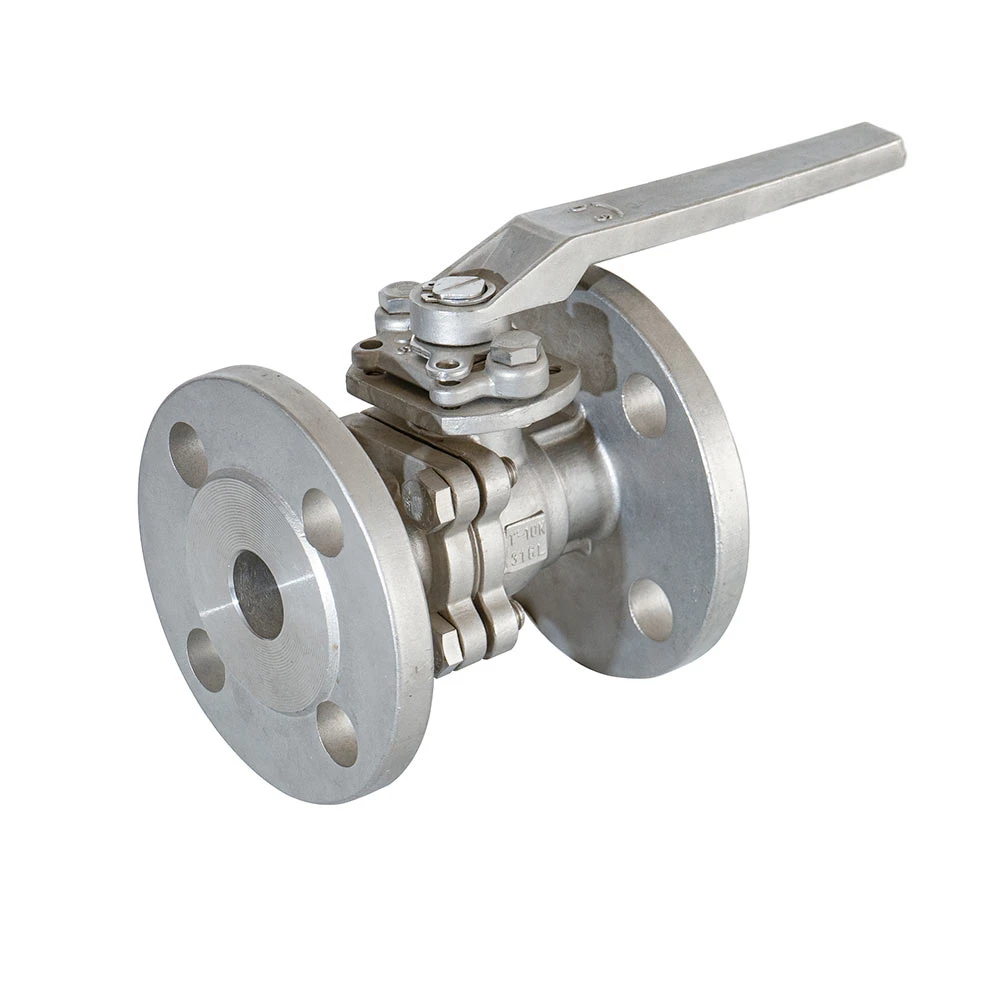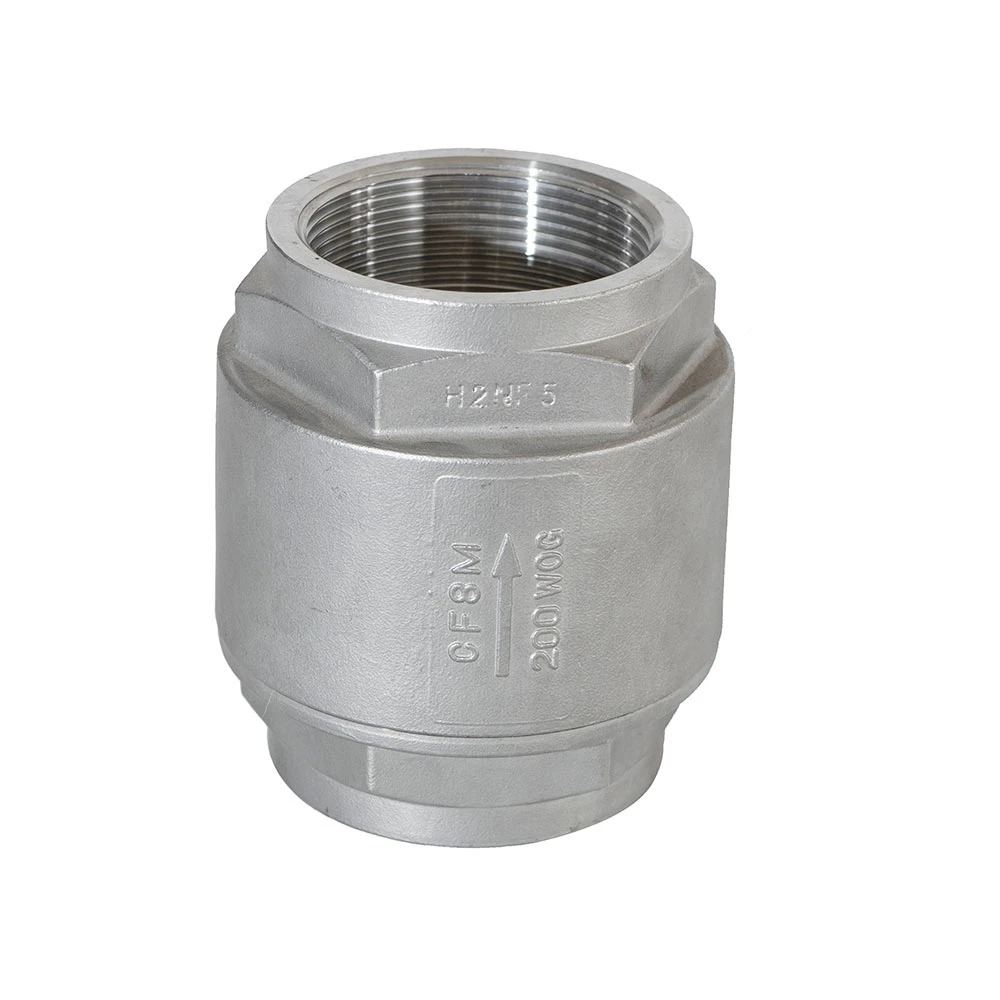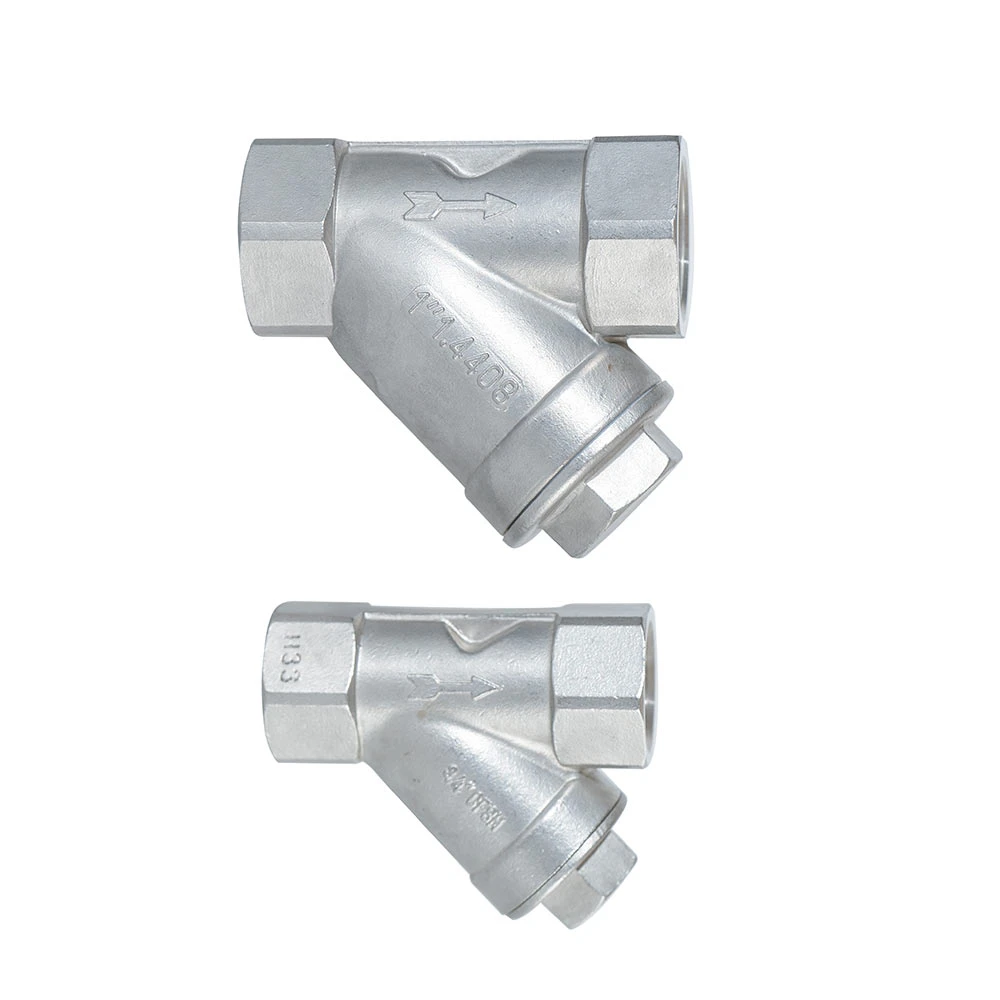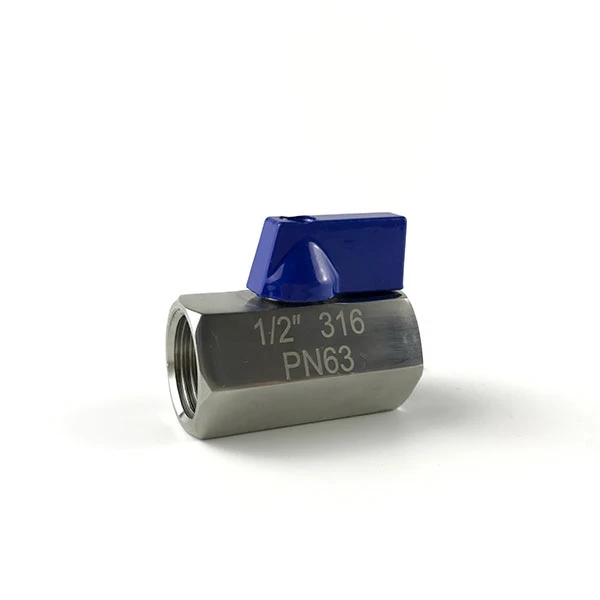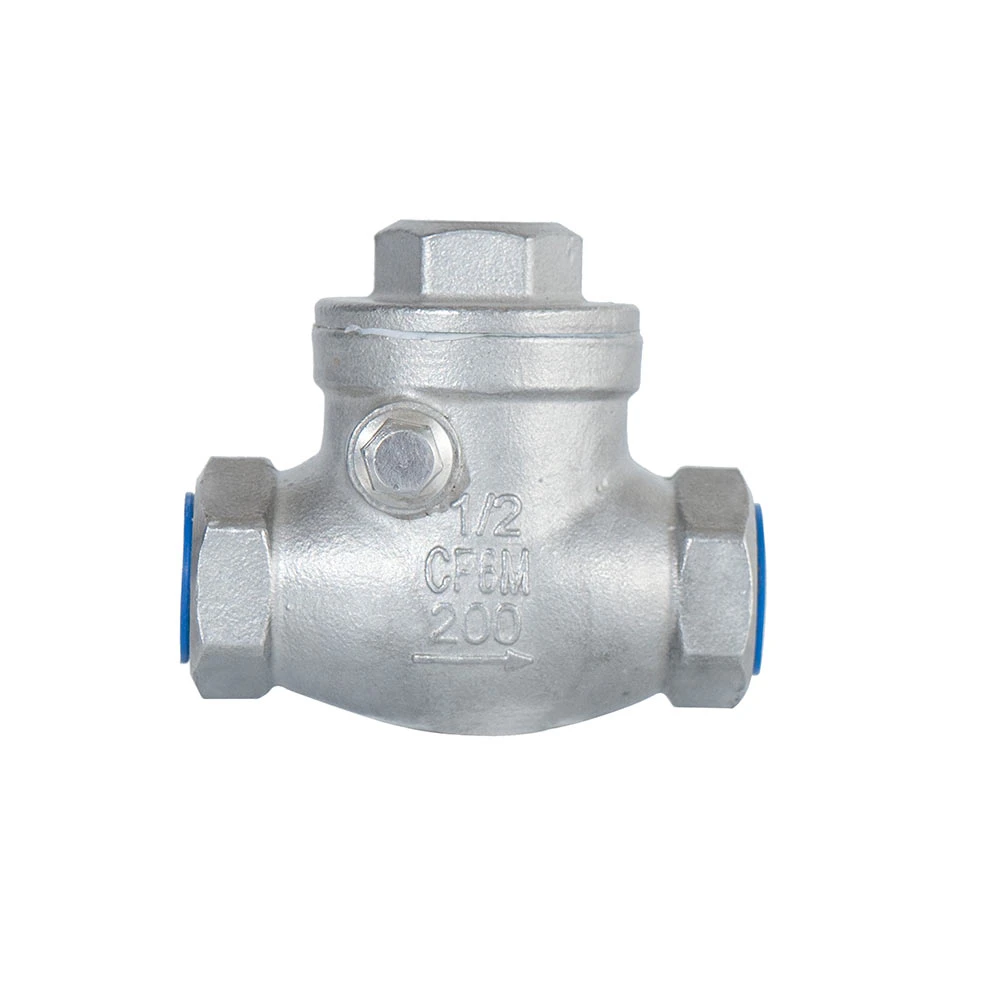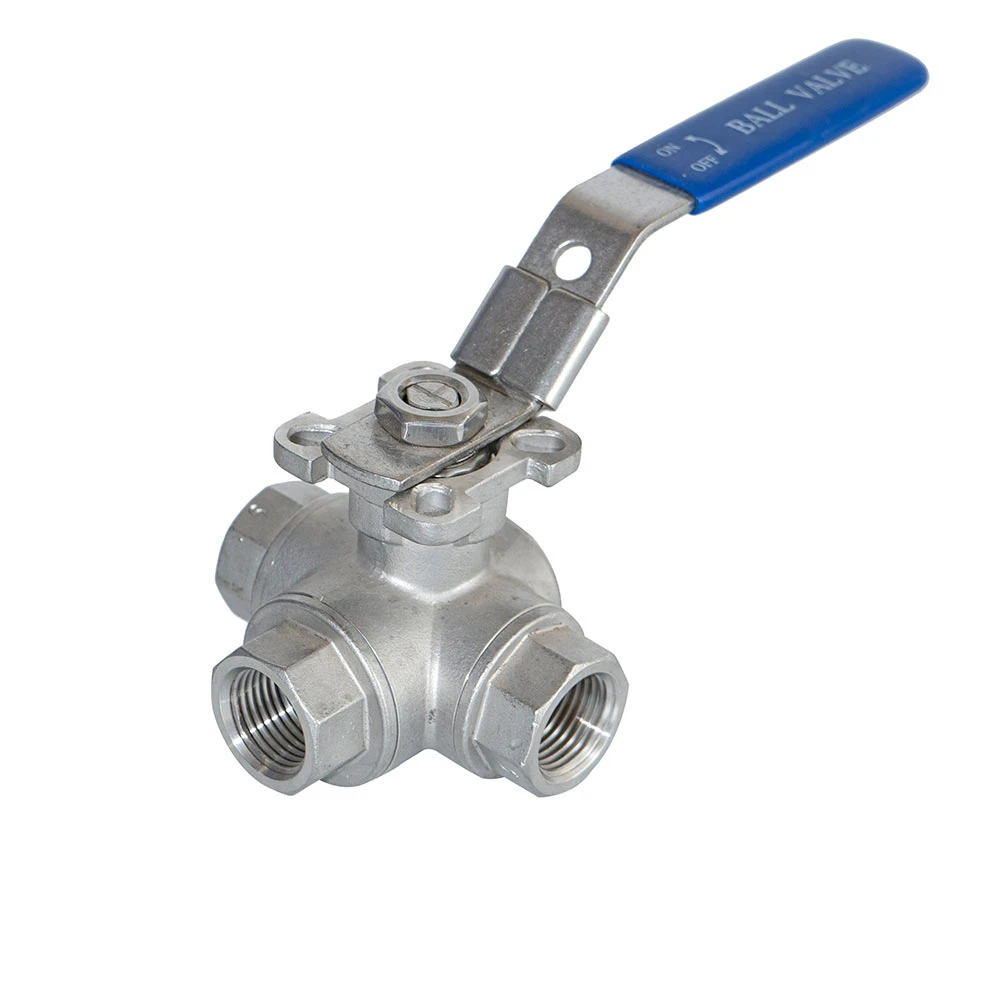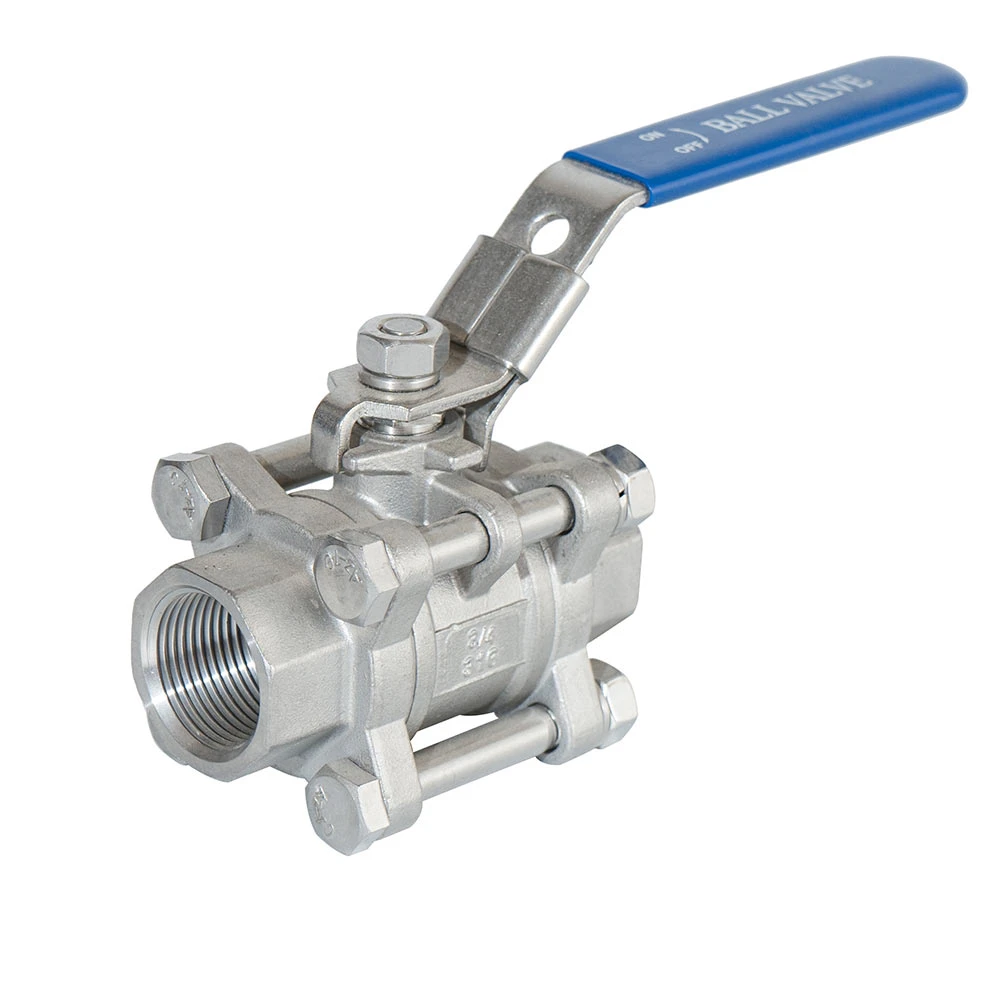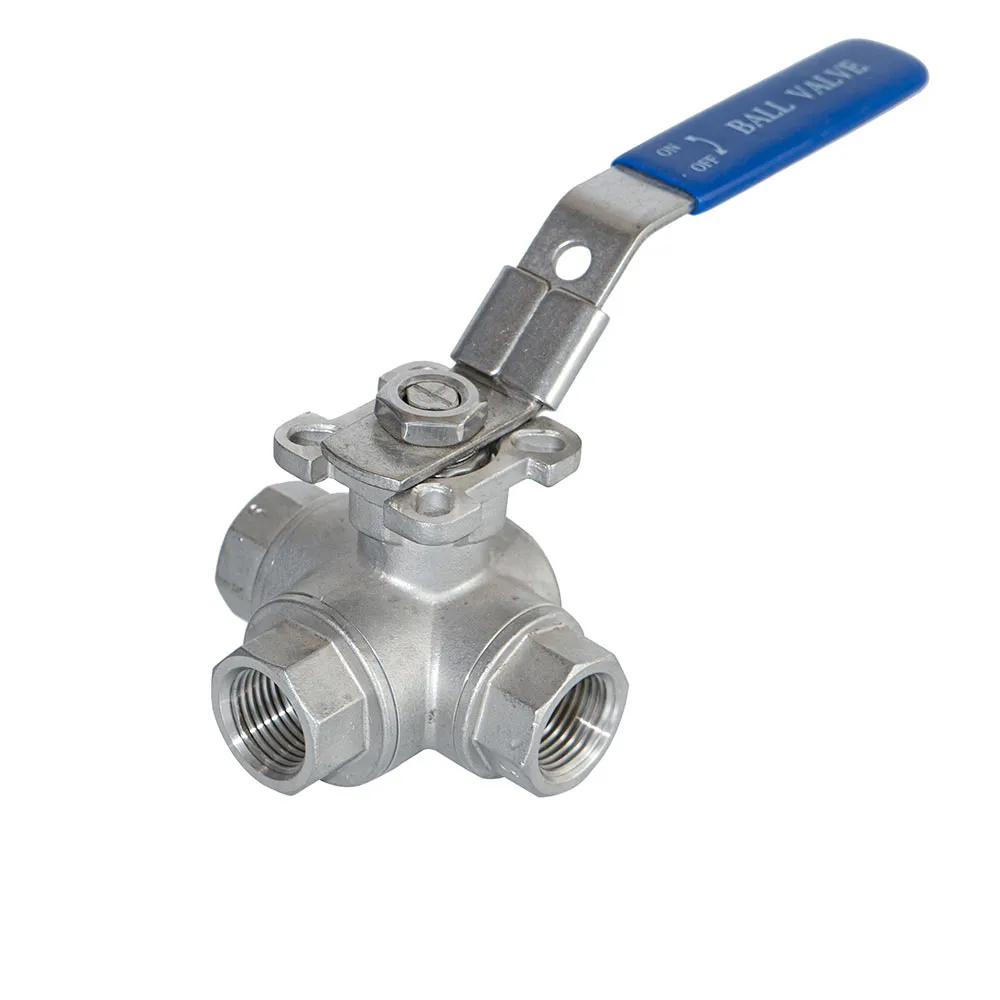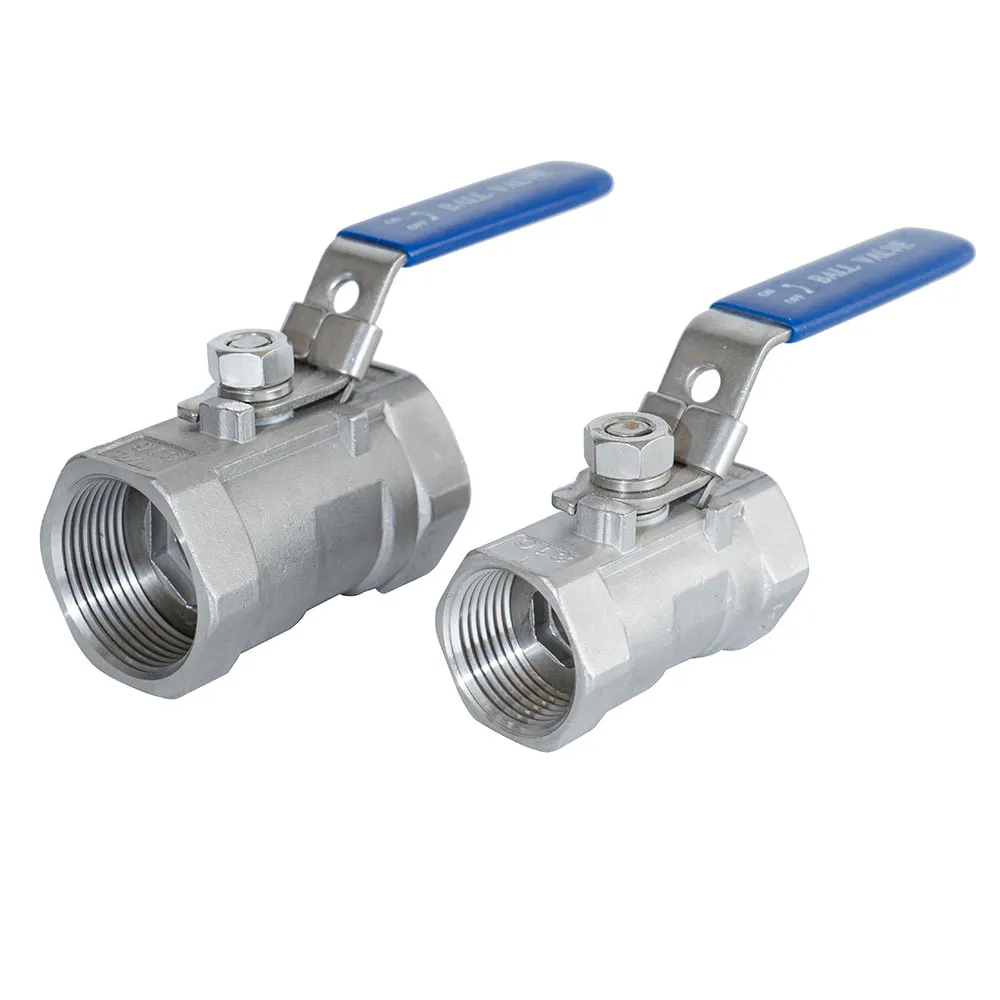
Metal Hose Valve is a key solution in the industrial valve sector, specifically within manufacturing, petrochemical, and energy industries. This article explores how https://www.houdevalve.com supports professionals with durable, high-performance products, and explains why this product is an ideal choice for businesses in these sectors.
Table of Contents
- Metal Hose Valve Overview
- Benefits & Use Cases of Metal Hose Valve
- Cost, Maintenance & User Experience
- Sustainability & Market Trends
- Frequently Asked Questions
- Conclusion on Metal Hose Valve from China
Metal Hose Valve Overview
When we talk about a Metal Hose Valve, we essentially refer to a robust valve integrated directly with a flexible metal hose, crafted to handle harsh fluids and extreme conditions. It’s sort of a hybrid between the flexibility of a hose and the control precision of a valve, which makes it indispensable in sectors that demand both maneuverability and reliability.
Technically, these valves often feature stainless steel construction with braided metal hose layers designed for vibration absorption and pressure resistance. Oddly enough, many engineers appreciate how the metal hose valve minimizes leak risks while allowing easier installation in tight or dynamic spaces — something a rigid pipe valve simply can’t do.
| Specification | Details |
|---|---|
| Material | 304 / 316 Stainless Steel |
| Operating Pressure | Up to 300 PSI |
| Temperature Range | -40°C to 400°C |
| Connection Size | 1/2" to 4" |
Benefits & Use Cases of Metal Hose Valve
The industrial usage of metal hose valves is, frankly, quite broad — from petrochemical plants governing corrosive fluids to power stations managing steam lines. One standout benefit is their inherent flexibility, enabling installers and maintenance teams to work around tight pipe layouts without compromising flow control.
You also find these valves excel in vibration-prone environments, where traditional rigid pipes might crack or loosen over time. Thanks to their stainless steel design, they resist rust and contamination — key features for food processing or pharmaceutical industries craving sanitary, long-lasting equipment.
The competitive edge here? Durability paired with adaptability. Many users report fewer leaks, simpler installation, and easier replacement compared to separate hose and valve assemblies. It’s sort of the “all-in-one” solution when reliability meets practicality.
Cost, Maintenance & User Experience
From a financial perspective, the total cost of ownership of metal hose valves can be quite reasonable. Yes, the upfront price may exceed simple hose solutions, but consider the classic trade-off: durability saves downtime and costly repairs. Many B2B buyers I spoke with remark that the ROI is clear after a few months of operation thanks to fewer replacements.
Maintenance routines are generally straightforward: periodic inspections for wear and tear suffice, without the frequent tightening or realignment required by rigid piping. Real user feedback reveals that operational disruptions become less frequent — which frankly, every operations manager appreciates.
| Vendor | Product Range | Lead Time | Customization |
|---|---|---|---|
| Houde Valve | Extensive (Various Sizes/Pressure) | 2–4 Weeks | High (Materials, Ends) |
| Competitor A | Medium | 3–6 Weeks | Limited |
| Competitor B | Basic Range | 1–2 Weeks | None |
Sustainability & Market Trends
Sustainability is, no doubt, becoming central to industrial procurement decisions. Metal hose valves, especially those from environmentally conscious manufacturers, help reduce waste by lasting longer and requiring less frequent replacement. Plus, with tightening regulations on leak prevention and hazardous material handling, they fit well into compliance frameworks.
Market trends indicate rising demand for corrosion-resistant, high-temperature valves, especially in Asia-Pacific and Middle East energy sectors. Oddly enough, customization for specific fluid types or pressure conditions is growing more important than ever — which players like Houde Valve are adapting to with tailored solutions.
Frequently Asked Questions about Metal Hose Valve
- What is Metal Hose Valve and how does it work?
- It’s a valve connected directly to a flexible metal hose, designed to control flow in difficult environments by providing flexibility and durability. The hose absorbs vibrations while the valve regulates fluid flow.
- What are the main benefits of using Metal Hose Valve in industrial applications?
- Key benefits include resistance to corrosion, vibration absorption, ease of installation in tight spaces, reduced leakage risk, and longer service life compared to separate hose-valve setups.
- How does Metal Hose Valve compare to traditional alternatives?
- Compared to rigid pipe valves or separate hose and valve assemblies, metal hose valves offer improved flexibility, fewer failure points, and enhanced fit in confined layouts, ultimately lowering maintenance costs.
- What industries can benefit most from Metal Hose Valve implementation?
- Industries such as petrochemical, power generation, pharmaceuticals, food processing, and manufacturing benefit substantially, especially where high temperatures, corrosive media, or vibrations are common.
Conclusion on Metal Hose Valve from China
To wrap it up, the Metal Hose Valve stands out as a flexible, reliable, and cost-effective flow control solution for demanding industrial environments. Its durability, combined with customization options, makes it a go-to choice for many sectors navigating complex operational challenges.
- Recap the value of Metal Hose Valve.
- - Visit our website: https://www.houdevalve.com
Reflecting on this, it’s clear that metal hose valves are not just another valve variant but a thoughtfully engineered bridge between flexibility and resilience — something that, frankly, keeps many industries running smoothly in often unforgiving conditions.