2 PC Spring Vertical Check Valve: Field Notes, Specs, and Where It Truly Shines
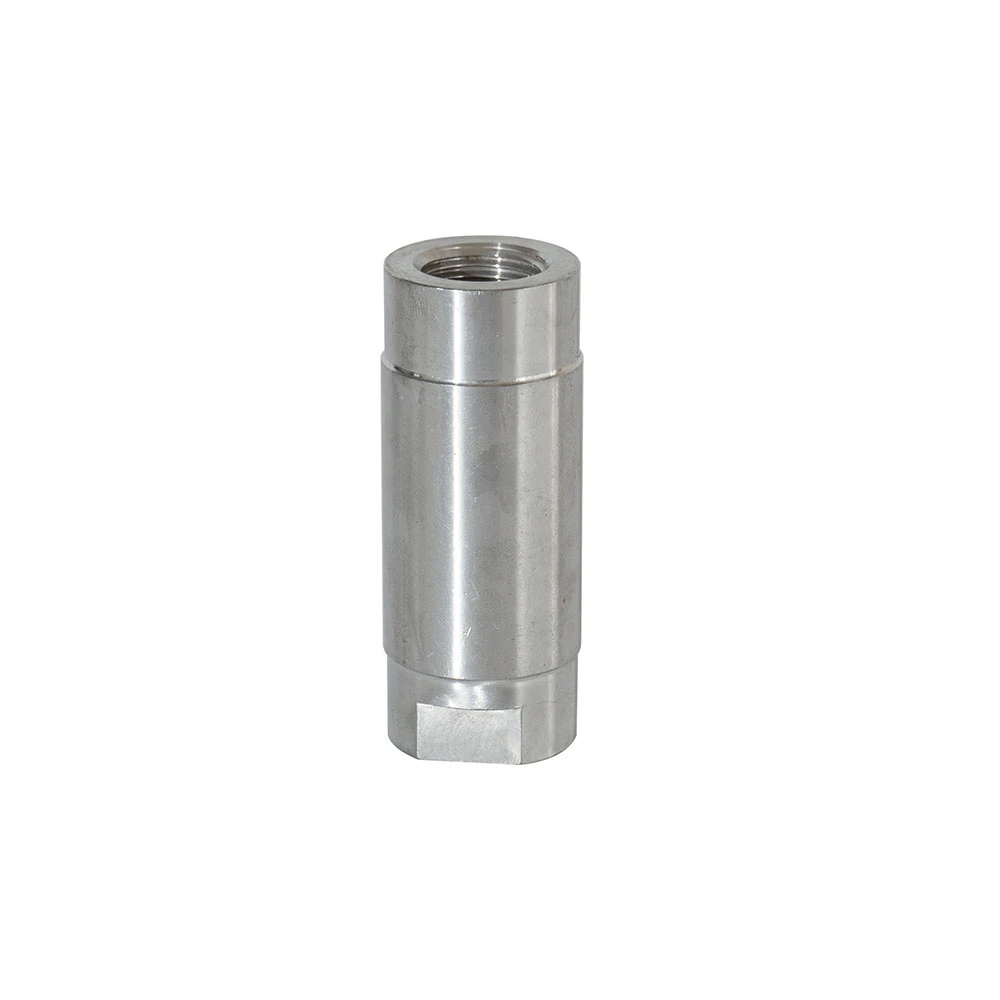
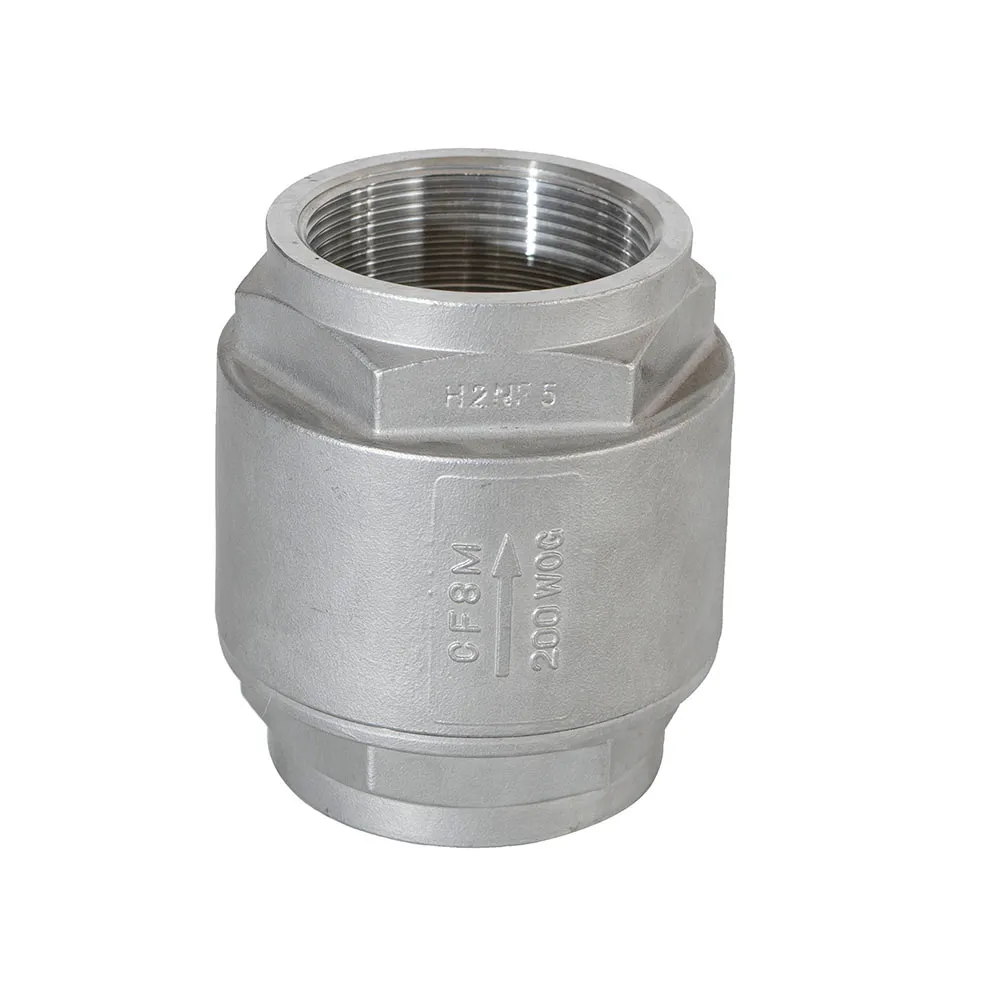
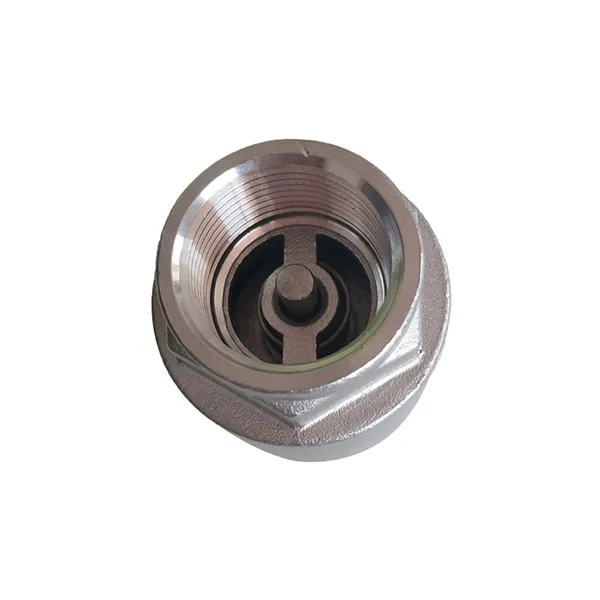
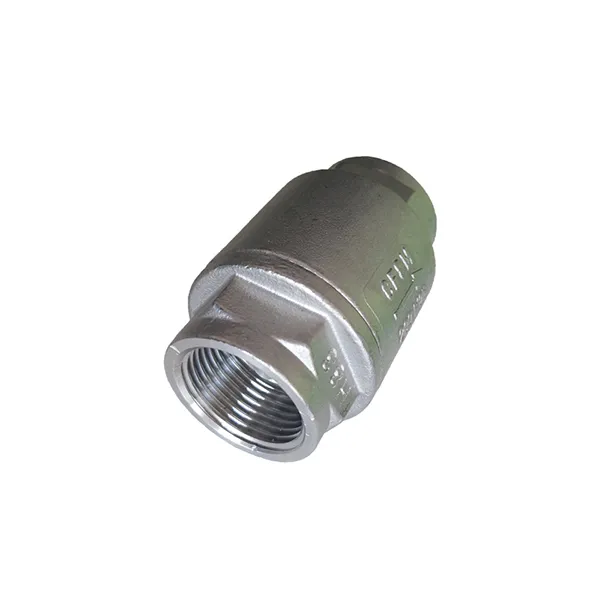
If you’re evaluating a spring check valve, here’s the quick story. This model—made in Liupangzhuang Village, Nanchentun Town, Yunhe District, Cangzhou, Hebei, China—leans on a compact two-piece body and a low cracking pressure. In plain English: it opens easily, resists corrosion (stainless/bronze/alloy options), and doesn’t choke your flow. Many customers say it’s a quiet fix for nuisance backflow and pump short-cycling. I’ve seen that too, honestly.
Why vertical matters (and where it fits)
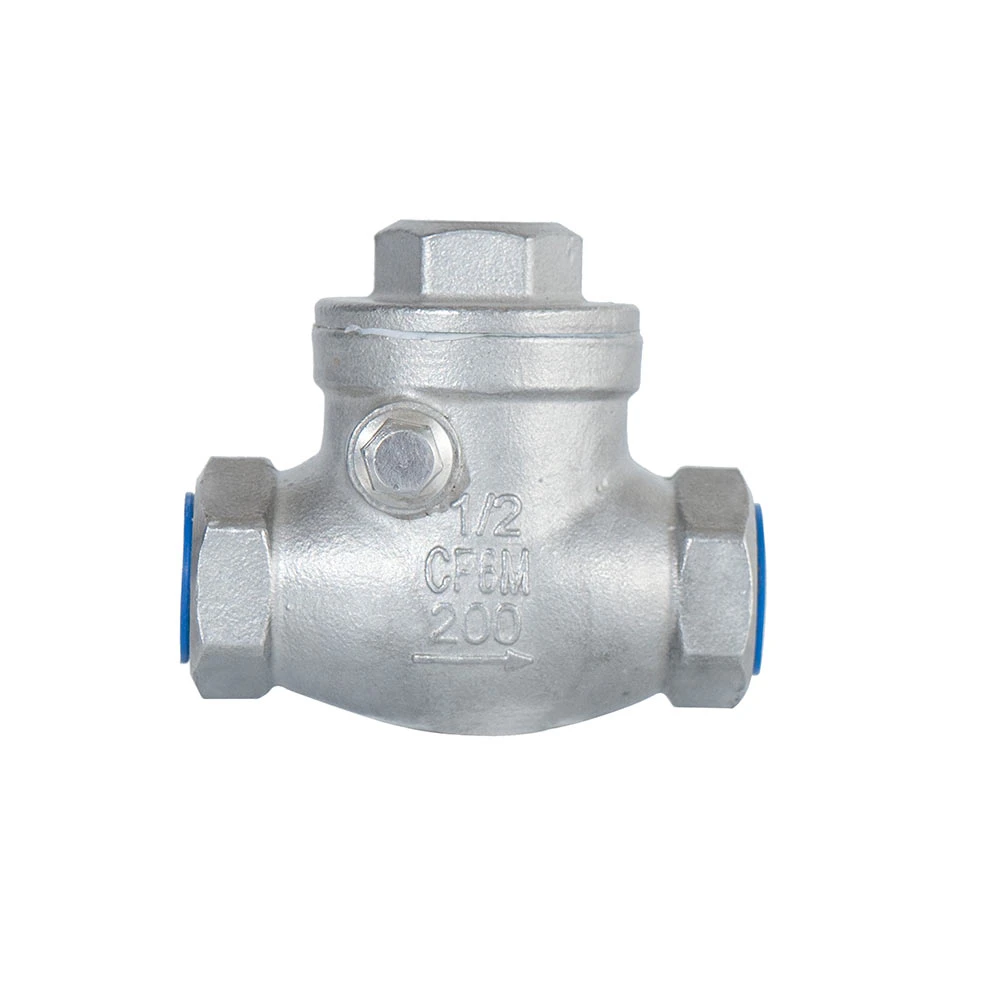
The vertical layout helps when space is tight and you want gravity to help the spring. In HVAC risers, boiler rooms, or CIP loops, a spring check valve cuts reverse flow without the slam you sometimes hear from swing checks. And yes, that low opening pressure saves a bit of pump energy—small, but over a year, not nothing.
Product snapshot: core specifications
| Model | 2 PC Spring Vertical Check Valve |
| Body Materials | Stainless steel (e.g., 304/316), Bronze, Alloy steel (pick per media & temperature) |
| Nominal Sizes | DN15–DN100 (≈ 1/2"–4") |
| Pressure Rating | PN16–PN40 / Class 150–300 (real-world use may vary) |
| Temp Window | -20°C to around 425°C, depending on material and seals |
| Cracking Pressure | ≈ 0.02–0.05 MPa (low, by design) |
| End Connections | Threaded (NPT/BSPP/BSPT), Socket Weld, or Flanged options (on request) |
| Standards & Tests | API 598 or EN 12266-1 leak tests; design to ASME B16.34 guidance |
| Service Life | 5–10 years typical under clean-service conditions (maintenance-dependent) |
Manufacturing flow, briefly
- Materials: SS/bronze/alloy steel sourced with mill test certificates; elastomers/graphite picked per media and temp.
- Methods: CNC machining of two-piece body; guided disc and polished seat for low friction.
- Spring: stainless or Inconel (for hotter/acidic service); preload set with fixture.
- Finishing: lapping of seat, surface passivation for stainless.
- Testing: shell and seat to API 598 or EN 12266-1; 100% traceable QC records.
- Marking/pack: heat numbers on body; export crating, desiccant for sea-freight.
Real-world applications
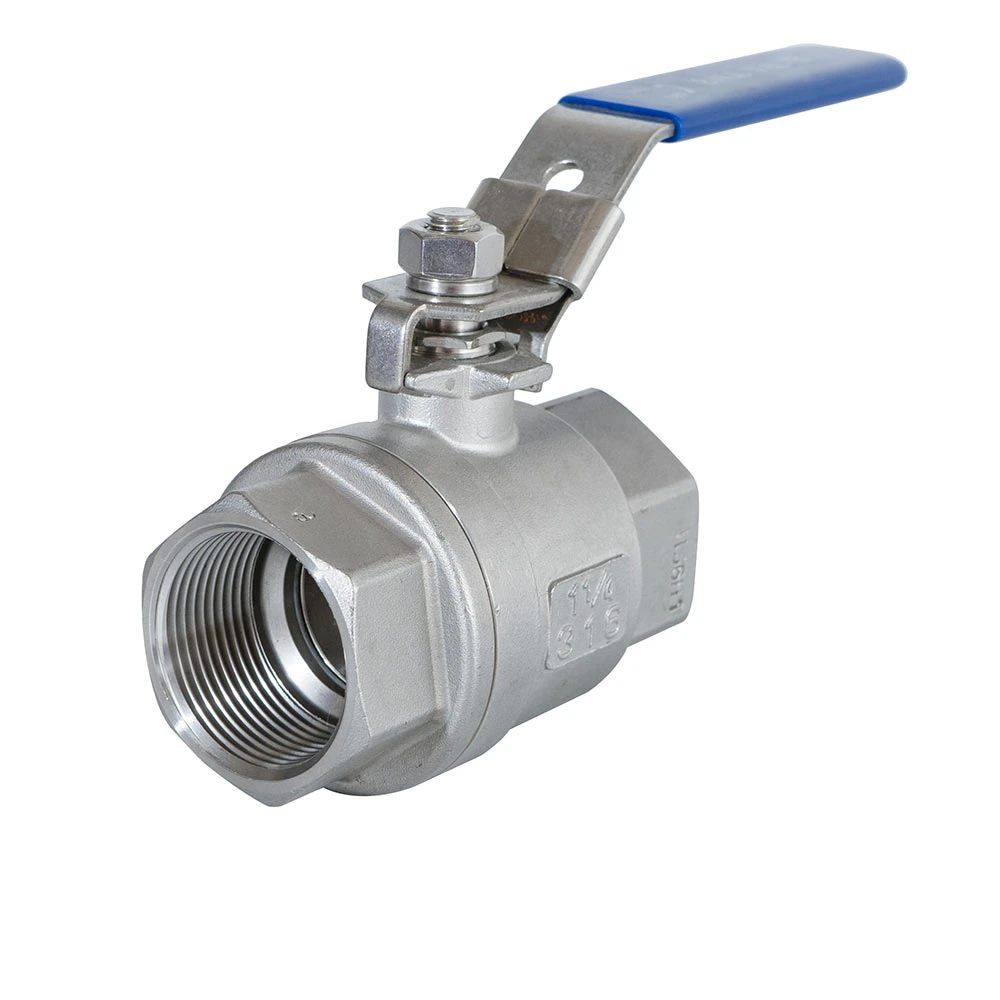
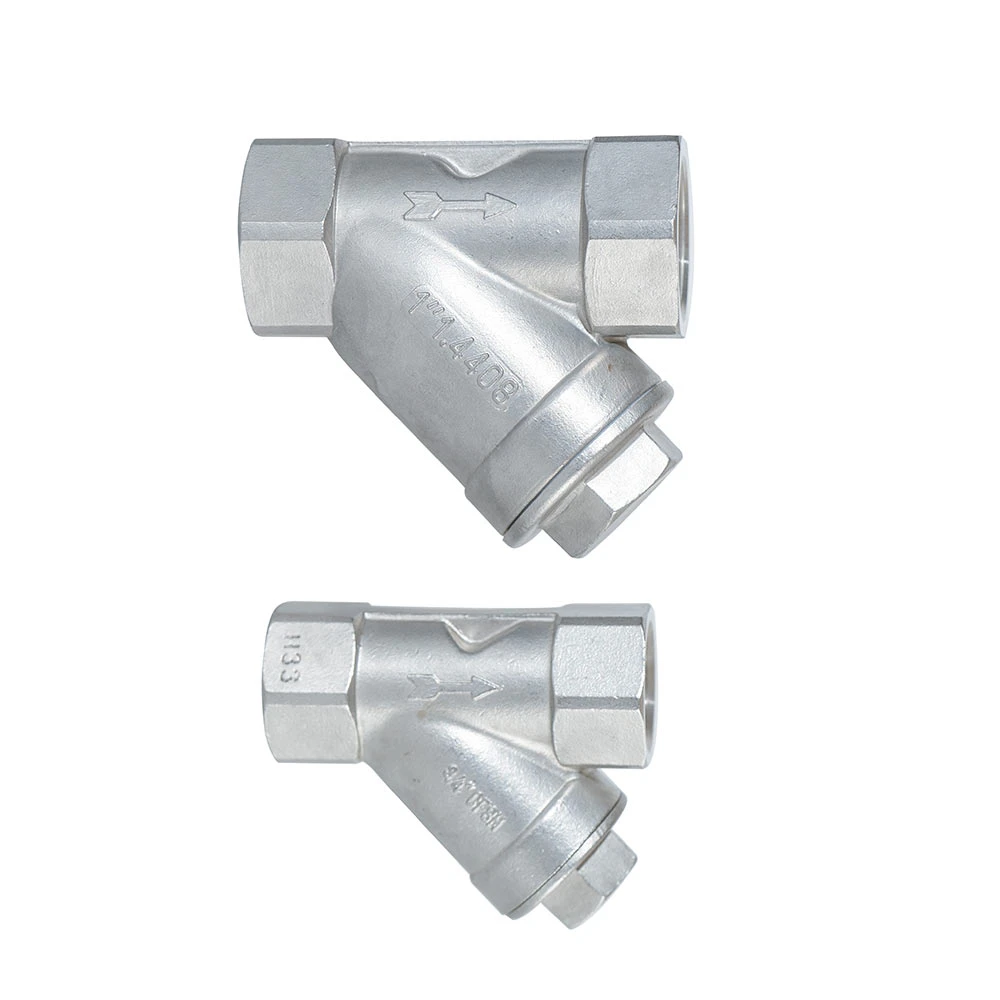
You’ll find a spring check valve in booster pump risers, chilled water loops, steam condensate returns, chemical transfer skids, food & beverage CIP lines, and fuel gas trains. It’s there to stop reverse flow, mitigate water hammer, and keep pumps happy.
Test data (typical, DN25)
Seat leakage: 0 bubbles/min at 1.1× rated pressure (EN 12266-1, Rate A).
Opening ΔP: ≈0.03 MPa. Cycle endurance: 200,000 open/close with no measurable seat wear beyond 10 μm.
Vendor comparison (quick take)
| Vendor | Certs | Lead Time | Customization | Notes |
|---|---|---|---|---|
| Houde Valve (Cangzhou, China) | ISO 9001; PED on request | ≈2–4 weeks | Materials, ends, springs | Low cracking pressure; solid seat finish |
| Regional Vendor A | ISO 9001 | 3–6 weeks | Limited | Good local stock, fewer alloy options |
| Offshore Vendor B | ISO 9001, CE | 5–8 weeks | Moderate | Competitive price; variable QA |
Customization and compliance
Options include trim materials for corrosives, Inconel springs, FDA-grade elastomers, and PED documentation. For sour service, specify NACE MR0175/ISO 15156 compatibility early—saves headaches later. A spring check valve with the right trim is worth more than two standard ones, as the saying goes (okay, not really a saying, but you get it).
Mini case study
A mid-size brewery swapped older swing checks for these in vertical CIP returns. Result: reverse flow incidents dropped to zero, pump current draw fell ≈3–4% at steady state, and the maintenance team reported “no chatter” after 90 days. Not glamorous, but effective.
Customer feedback
“Cracks open easily; we stopped the start-stop surges.” — Facilities Supervisor, chilled water plant.
“Seat finish looked better than catalog shots, surprisingly.” — OEM skid builder.
Final takeaway
If you need a compact, energy-conscious spring check valve with decent customization and verifiable testing, this two-piece vertical unit is a safe, practical pick.
Authoritative citations
- API 598: Valve Inspection and Testing.
- EN 12266-1: Industrial valves—Testing of metallic valves—Part 1: Pressure tests, test procedures and acceptance criteria.
- ASME B16.34: Valves—Flanged, Threaded, and Welding End.
- ISO 9001: Quality Management Systems—Requirements.
- NACE MR0175/ISO 15156: Materials for use in H2S-containing environments in oil and gas production.