Introduction to Advanced Stainless Steel Flanged Ball Valves
In critical industrial applications, the reliability and performance of fluid control components are paramount. Among these, the stainless steel flanged ball valve stands out as a superior choice for its exceptional durability, corrosion resistance, and efficient flow control capabilities. Designed to meet the rigorous demands of various process industries, these valves provide a secure, leak-tight seal, making them indispensable in environments where safety and operational continuity are non-negotiable. This article delves into the intricate world of these robust valves, exploring their market trends, technical prowess, diverse applications, and the strategic advantages they offer to B2B decision-makers and engineers.
The integration of stainless steel with a flanged connection design offers a powerful combination. Stainless steel ensures longevity and resistance to aggressive media, while flanged ends provide a strong, bolted connection to piping systems, facilitating easy installation and maintenance. This comprehensive overview aims to equip professionals with the knowledge needed to make informed decisions when specifying or procuring high-performance fluid control solutions.
Key Industry Trends and Market Dynamics
The market for industrial valves, particularly high-performance options like the stainless steel flanged ball valve, is experiencing steady growth driven by global industrial expansion, infrastructure development, and increasing automation. Key trends include a heightened focus on energy efficiency, stricter environmental regulations, and the demand for smart valve technologies. Industries such as petrochemicals, oil and gas, power generation, water treatment, and pharmaceuticals are continuously upgrading their systems, necessitating valves that offer superior performance, longer service life, and reduced maintenance.
- Emphasis on Sustainability: Manufacturers are increasingly developing valves that minimize leakage and reduce fugitive emissions, aligning with global environmental protection initiatives.
- Digitalization and IoT Integration: The advent of smart valves equipped with sensors and actuators allows for remote monitoring, predictive maintenance, and enhanced operational control, significantly improving process efficiency and safety.
- Advanced Materials: While stainless steel remains a staple, research into advanced alloys and specialized coatings continues, aimed at further enhancing corrosion, erosion, and high-temperature resistance for extreme applications.
- Modularity and Customization: The demand for modular designs and highly customized solutions is growing, enabling engineers to tailor valves precisely to specific process requirements, thereby optimizing performance and cost-effectiveness.
The global industrial valve market is projected to reach approximately USD 100 billion by 2027, with a significant portion attributed to high-grade metal valves, underscoring the enduring importance of robust solutions like the flange valve.
Manufacturing Process of Stainless Steel Flanged Ball Valves
The production of a high-quality stainless steel flanged ball valve is a meticulous process involving several critical stages, each contributing to the valve's overall integrity and performance. Adherence to strict material selection, precise manufacturing techniques, and rigorous testing ensures a product that meets international standards and operational demands.
Process Flow Overview:
1. Material Selection
Utilizing high-grade stainless steel alloys such as SS304, SS316, or Duplex Stainless Steel, chosen for specific corrosion resistance and mechanical strength requirements. Material certifications (e.g., EN 10204 3.1) are crucial.
2. Body & End Piece Production
Casting: Molten stainless steel poured into molds for complex body shapes. Requires precise temperature control and cooling.
Forging: Heating and shaping stainless steel under high pressure for enhanced strength and density, particularly for critical components like the ss flanged ball valve body and end connections.
3. CNC Machining
High-precision Computer Numerical Control (CNC) machining to achieve exact dimensions, smooth internal surfaces, and accurate flange drilling patterns. This ensures perfect fitment and minimizes flow resistance.
4. Ball & Stem Fabrication
The spherical ball and stem are precisely machined and polished. The ball's surface finish is critical for sealing performance. Often, a trunnion-mounted design is employed for larger valves to reduce operating torque.
5. Seat & Seal Manufacturing
Manufacturing of high-performance seats (e.g., PTFE, RPTFE, PEEK) and seals (e.g., Viton, EPDM) to ensure tight shut-off and compatibility with diverse media and temperatures.
6. Assembly
Careful assembly of all components in a clean environment, ensuring proper alignment and torque settings for bolts and packing glands.
7. Testing & Quality Control
Comprehensive testing including hydrostatic pressure tests (API 598, ASME B16.34), pneumatic seat leakage tests, and functional tests. Adherence to standards like ISO 9001 ensures consistent quality.
8. Surface Treatment & Packaging
Passivation and cleaning to enhance corrosion resistance, followed by protective packaging for safe transit. Each valve with flange is marked with material, pressure, and size specifications.
The rigorous manufacturing process ensures a service life often exceeding 10-15 years, even in demanding conditions. This longevity, coupled with exceptional corrosion resistance from the stainless steel, translates directly into energy savings by preventing leakage and maintaining efficient flow control, reducing the total cost of ownership for industries such as petrochemical, metallurgy, and water supply & drainage.
Technical Specifications and Parameters
Understanding the technical specifications of a stainless steel flanged ball valve is crucial for proper selection and integration into fluid systems. These parameters define the valve's operational limits and performance characteristics.
Key Structural and Performance Parameters:
- Body Material: Typically ASTM A351 CF8M (SS316) or ASTM A351 CF8 (SS304) for corrosion resistance.
- Ball & Stem Material: Often SS316 or SS304 for durability and smooth operation.
- Seat Material: PTFE (Polytetrafluoroethylene) for excellent chemical resistance and low friction, RPTFE (Reinforced PTFE) for higher pressure/temperature, or PEEK for extreme conditions.
- End Connections: Flanged ends conforming to ASME B16.5 (ANSI 150/300/600), DIN, JIS standards for secure pipeline integration.
- Pressure Class: ANSI Class 150, 300, 600, 900, 1500, 2500, or PN16, PN25, PN40, PN64, PN100 for European standards, dictating maximum operating pressure.
- Temperature Range: -20°C to 200°C (-4°F to 392°F) for standard PTFE seats; wider ranges with specialized seat materials.
- Bore Type: Full bore (full port) for unrestricted flow, minimal pressure drop, and easy pigging; reduced bore for cost-effectiveness where full flow is not critical.
- Operation: Manual (lever/gear operated), pneumatic, or electric actuated for automated control.
- Design Standards: API 6D (Pipeline Valves), API 608 (Metal Ball Valves – Flanged, Threaded & Welding Ends), ASME B16.34 (Valves Flanged, Threaded, and Welding End).
- Testing Standards: API 598 (Valve Inspection and Testing), ensuring leak-tightness and operational integrity.
Typical Product Specifications Table (2 PC Flanged Ball Valve):
| Parameter | Specification |
|---|---|
| Product Name | 2 PC Flanged Ball Valve |
| Body Material | ASTM A351 CF8M (SS316), ASTM A351 CF8 (SS304) |
| Ball & Stem | SS316, SS304 |
| Seat Material | PTFE, RPTFE, PEEK |
| Size Range | DN15 - DN300 (1/2" - 12") |
| Pressure Rating | ANSI Class 150 / 300 / 600, PN16 / PN25 / PN40 / PN64 |
| Temperature Range | -29°C to 200°C (standard), up to 300°C with PEEK seats |
| End Connection | Flanged ASME B16.5, EN 1092-1, JIS B2220 |
| Bore Type | Full Bore or Reduced Bore |
| Operation | Lever, Gear, Pneumatic, Electric Actuator |
| Design Standard | API 6D, API 608, ASME B16.34, EN12516 |
| Testing Standard | API 598 |
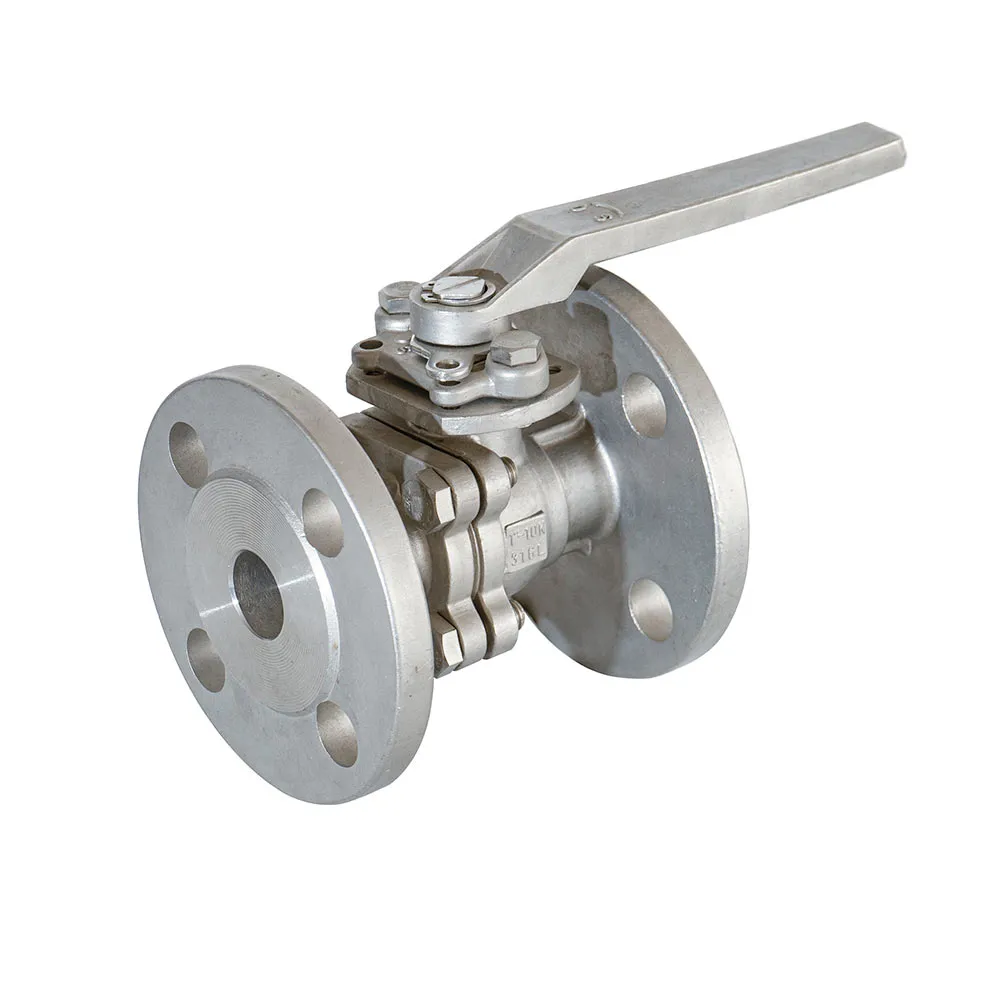
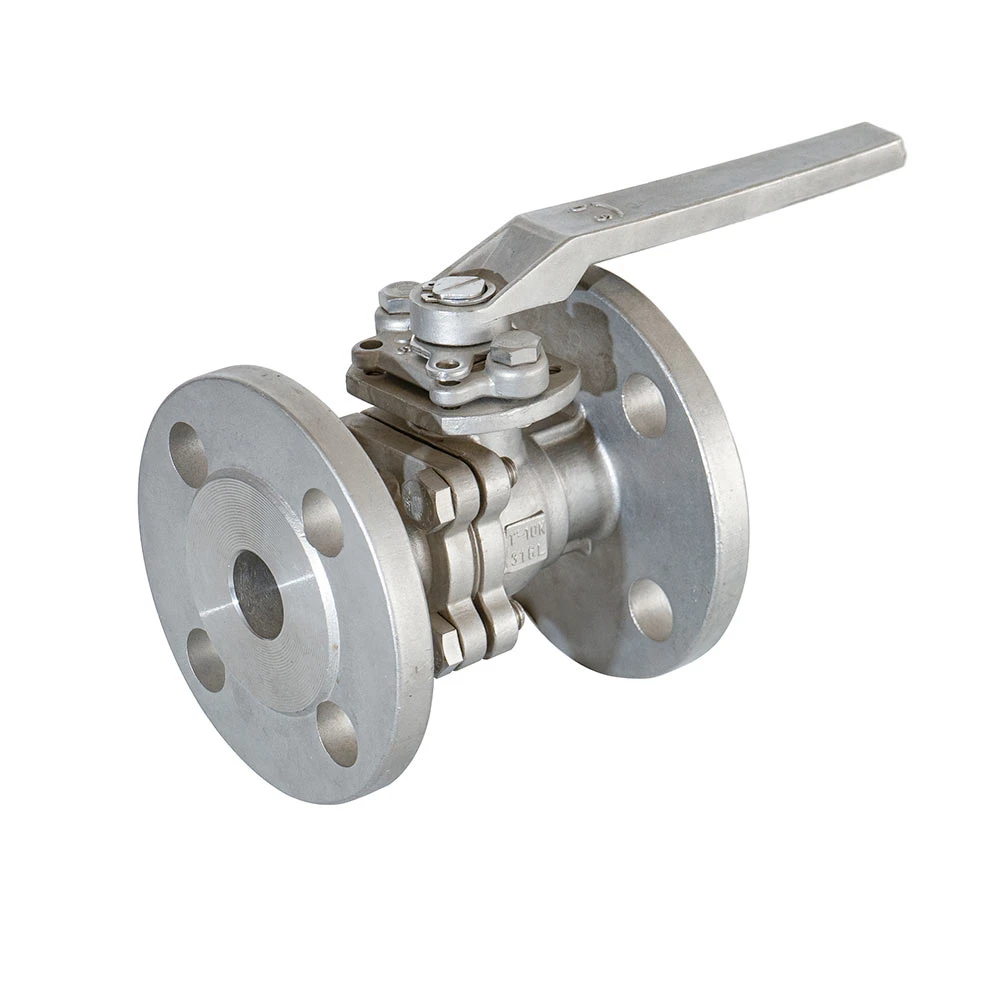
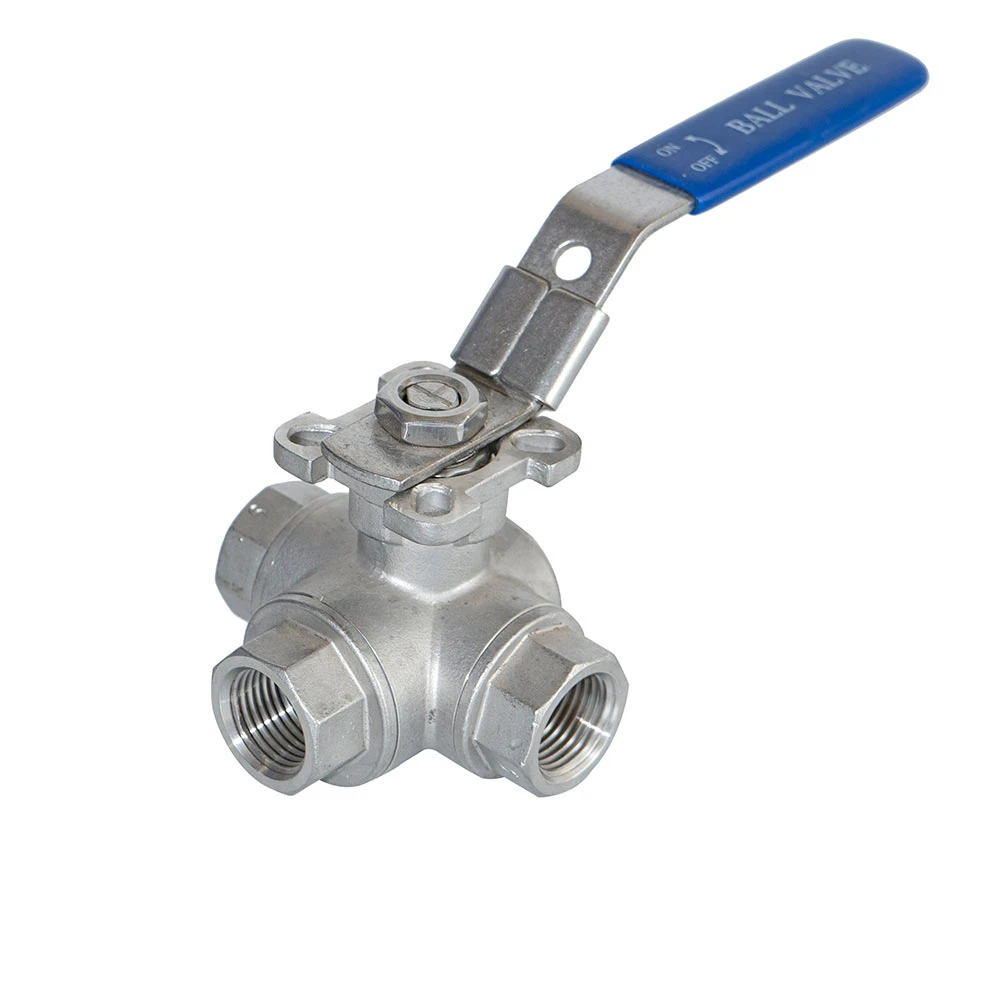
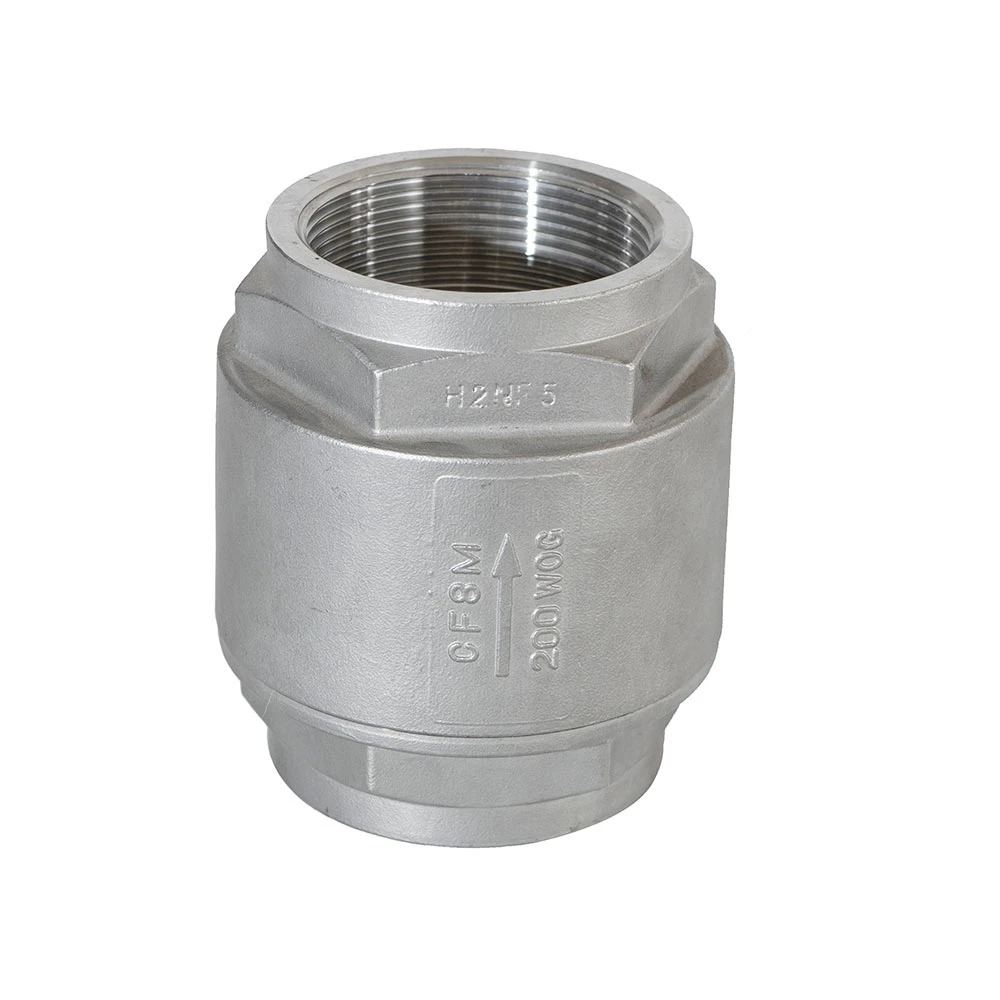
Image: A robust stainless steel flanged ball valve, ready for heavy-duty industrial applications.
Application Scenarios and Technical Advantages
The versatility and robustness of the ss flanged ball valve make it ideal for a wide array of demanding industrial applications where reliable shut-off and precise flow control are critical. Its technical advantages are particularly pronounced in challenging environments.
Typical Application Industries & Scenarios:
- Petrochemical and Oil & Gas: For handling crude oil, refined products, natural gas, and various corrosive chemicals in pipelines, processing units, and storage facilities. The corrosion resistance of stainless steel is paramount here.
- Chemical Processing: Controlling aggressive acids, alkalis, and solvents. The choice of SS316 or specialized alloys with appropriate seat materials ensures longevity and prevents contamination.
- Water Treatment and Desalination: Managing treated water, wastewater, and brine solutions. Stainless steel prevents rust and maintains water purity, outperforming cast iron flange valve types in these areas.
- Power Generation: Used in cooling water systems, fuel lines, and auxiliary systems in thermal, nuclear, and hydroelectric power plants.
- Pulp and Paper: Handling corrosive slurries and chemicals involved in paper manufacturing processes.
- Pharmaceutical and Food & Beverage: Where strict hygiene standards and resistance to cleaning agents are required. Polished stainless steel surfaces prevent bacterial growth.
- Mining and Metallurgy: For controlling abrasive slurries and process fluids in ore processing and metal refining.
Key Technical Advantages:
- Exceptional Corrosion Resistance: Stainless steel, particularly SS316, offers superior resistance to a wide range of corrosive media, including acids, chlorides, and saline solutions, ensuring long operational life and reduced maintenance.
- High Durability and Longevity: Robust construction, often employing forged bodies, provides high mechanical strength, capable of withstanding high pressures and temperatures, extending the valve's service life.
- Tight Shut-Off Capability: Ball valves are renowned for their quarter-turn operation and excellent shut-off characteristics, providing a bubble-tight seal that minimizes leakage and enhances operational safety and efficiency.
- Low-Pressure Drop & High Flow Capacity: Full bore designs of the valve with flange offer minimal resistance to flow, leading to lower energy consumption for pumping and improved system efficiency.
- Easy Automation: The quarter-turn operation is highly compatible with pneumatic or electric actuators, enabling easy integration into automated control systems for remote operation and enhanced process control.
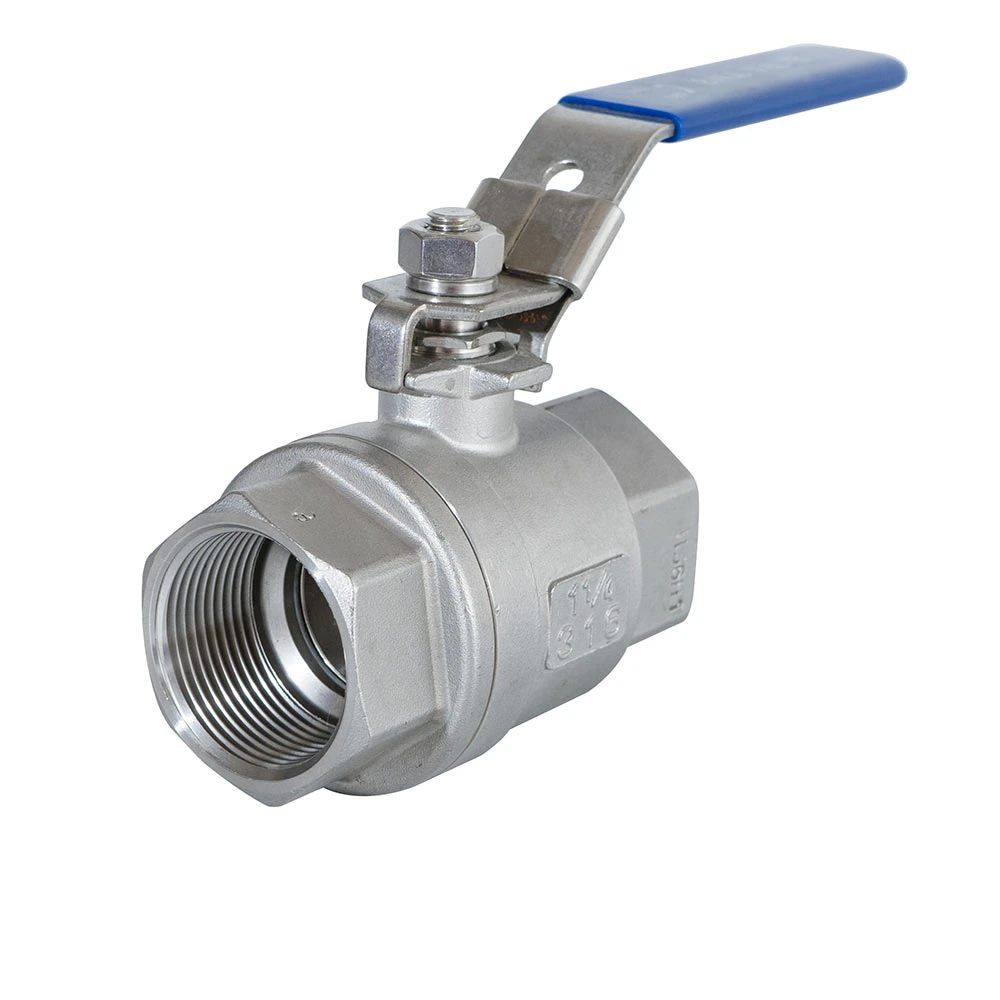
- Ease of Maintenance: The 2-piece body design facilitates easier disassembly for inspection and maintenance, reducing downtime.
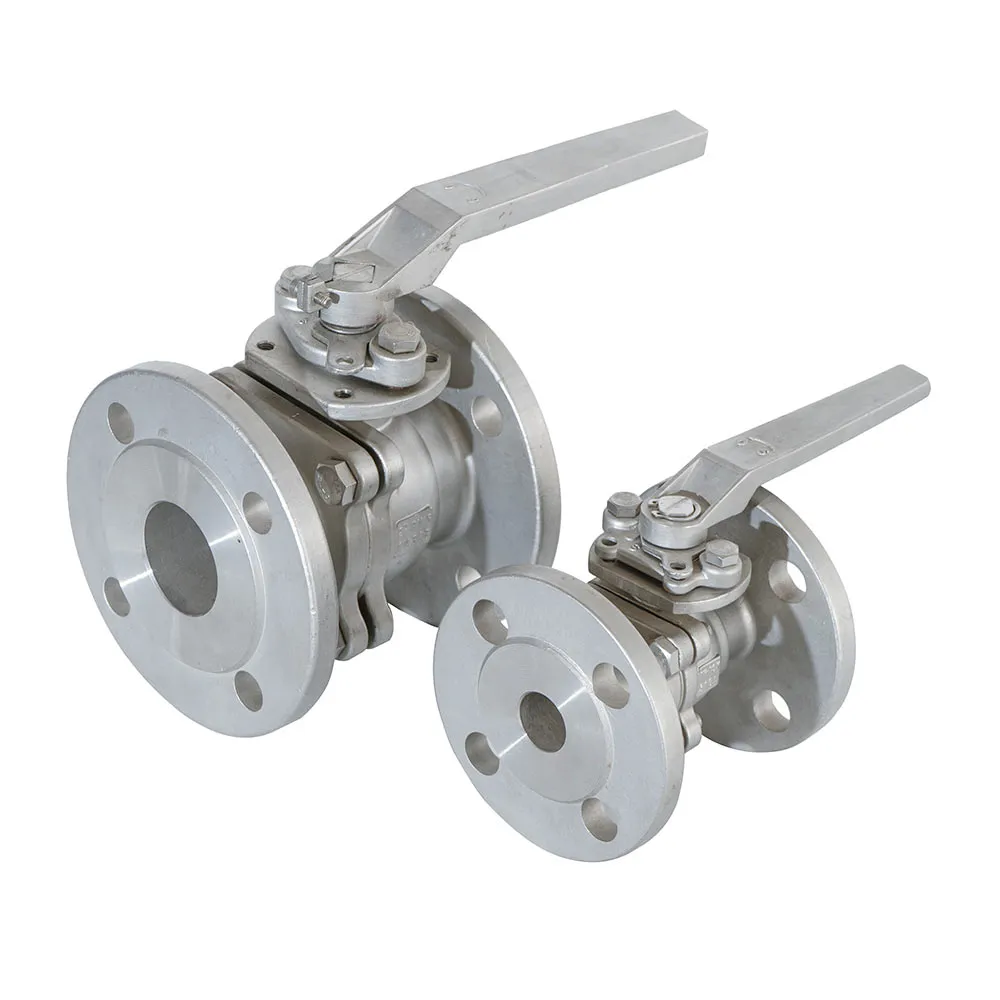
Image: Detailed view of a stainless steel flanged ball valve, showcasing its robust construction.
Vendor Comparison and Customized Solutions
Selecting the right vendor for stainless steel flanged ball valve solutions is as critical as the product itself. B2B purchasers must evaluate vendors not just on price, but on a comprehensive set of criteria that ensures product quality, reliability, and long-term support. Furthermore, modern industrial applications often require solutions tailored to specific, unique operational challenges, making customization a significant advantage.
Vendor Evaluation Criteria:
| Criterion | Importance | Description |
|---|---|---|
| Certifications & Standards Adherence | High | ISO 9001, CE, API 6D, ASME B16.34, PED compliance demonstrates quality and safety. |
| Material Traceability | High | Verifiable material test reports (MTRs) for body, ball, stem, and seats. Essential for critical applications. |
| Manufacturing Capabilities | Medium-High | In-house casting, forging, and CNC machining ensures control over quality and lead times. |
| Testing & QA Protocols | High | Hydrostatic, pneumatic, fugitive emissions testing (e.g., ISO 15848-1) and comprehensive QA. |
| Experience & Track Record | High | Years in business, client testimonials, successful project implementations, and industry reputation. |
| Technical Support & After-sales | High | Availability of expert technical assistance, spare parts, and warranty support. |
| Customization Capabilities | Medium-High | Ability to modify materials, coatings, end connections, or automation for specific applications. |
Customized Solutions for Unique Challenges:
Off-the-shelf valves may not always suffice for highly specialized applications. Leading manufacturers offer comprehensive customization services, allowing clients to specify precise requirements for their flange valve needs. This can include:
- Material Upgrades: Utilizing exotic alloys like Hastelloy, Monel, or Duplex Stainless Steel for extreme corrosion or temperature resistance.
- Special Coatings: Applying hard coatings (e.g., hard chrome, tungsten carbide) for abrasive media or low-friction requirements.
- Extended Stems: For cryogenic services or applications where the valve is buried or insulated.
- NACE Compliance: Valves designed and manufactured to meet NACE MR0175/ISO 15156 for sour service applications, preventing sulfide stress cracking.
- Specific Actuation: Integration with specific pneumatic, electric, or hydraulic actuators, positioners, and control accessories.
- Fugitive Emission Control: Enhanced stem packing designs to meet stringent fugitive emission standards (e.g., ISO 15848-1, API 622).
These customized solutions ensure optimal performance, extended operational life, and compliance with the most stringent industry regulations, ultimately reducing operational risks and lifecycle costs.
Application Case Studies and Customer Experience
Real-world applications powerfully demonstrate the reliability and efficacy of stainless steel flanged ball valve technology. Companies like Houde Valve have partnered with diverse industries to provide robust and effective fluid control solutions, fostering high levels of customer satisfaction and operational efficiency.
Case Study 1: Chemical Plant Expansion Project
A major chemical manufacturing facility undertook an expansion to increase production of a highly corrosive organic acid. The existing carbon steel valves in parts of the plant were experiencing rapid degradation, leading to frequent maintenance and safety concerns. Houde Valve supplied 2 PC flanged ball valves, specifically designed with SS316L body and ball, and PEEK seats, for enhanced chemical resistance and temperature stability. Over 50 units ranging from DN50 to DN200 were installed. Post-installation, the plant reported a 90% reduction in unscheduled valve maintenance within the expanded section and zero instances of leakage over a two-year period, significantly improving both safety and operational uptime. The client specifically lauded the valves' robust construction and the precise quarter-turn operation which integrated seamlessly with their new automated control system.
Case Study 2: Municipal Water Treatment Plant Upgrade
A municipal water treatment facility required an upgrade to its filtration and chlorination system. The existing cast iron flange valve components were showing signs of corrosion and required frequent seal replacements. The project demanded valves capable of handling chlorinated water without degradation and providing reliable shut-off for maintenance routines. Houde Valve provided a series of full bore ss flanged ball valve units (DN100-DN300) with SS304 body, ball, and stem, and RPTFE seats. The valves were chosen for their superior corrosion resistance in chlorinated environments and their proven long-term sealing performance. The plant manager noted the ease of installation due to standard ASME B16.5 flange dimensions and the immediate improvement in system reliability. The valves have been in continuous service for three years with no reported issues, contributing to consistent water quality and reduced operational costs.
Case Study 3: Offshore Oil Platform – High-Pressure Gas Line
An offshore oil platform needed high-pressure valve with flange solutions for a new gas processing module. The application involved high-pressure natural gas with potential for H2S and CO2 content, requiring NACE MR0175 compliance. Houde Valve engineered customized trunnion-mounted stainless steel flanged ball valve units (Class 600, DN150) from Duplex Stainless Steel (ASTM A890 Grade 4A) with PEEK seats and extended stems for insulation. Each valve underwent rigorous API 6D and API 598 testing, including fugitive emissions testing to ISO 15848-1 Class B. The specialized material and design ensured resistance to sour gas and offshore corrosive conditions. The client praised the exceptional engineering support and the flawless performance of the valves under extreme conditions, highlighting the critical role of robust components in maintaining safety and productivity in harsh marine environments.
Ensuring Trust: FAQ, Fulfillment, Warranty & Support
Frequently Asked Questions (FAQ):
Q: What is the primary advantage of a stainless steel flanged ball valve over other materials?
A: The primary advantage is superior corrosion resistance to a wide range of media, extended service life, and excellent mechanical properties, making it ideal for harsh industrial environments where carbon steel or cast iron would fail.
Q: How do flanged connections enhance valve performance?
A: Flanged connections provide a robust, bolted, and easily maintainable joint to piping systems. They ensure a leak-tight seal, facilitate straightforward installation and removal, and offer excellent pressure retention compared to threaded connections for larger sizes and higher pressures.
Q: What inspection and testing standards do your valves meet?
A: Our ss flanged ball valve products are manufactured and tested to stringent international standards including API 6D, API 608, ASME B16.34 for design, and API 598 for inspection and testing. We also comply with ISO 9001 quality management systems and PED 2014/68/EU where applicable.
Q: Can these valves be automated?
A: Absolutely. Our flange valve designs are engineered for easy integration with various actuation options, including pneumatic, electric, and hydraulic actuators, providing precise remote control and automation capabilities.
Lead Time and Fulfillment:
Standard lead times for common configurations of stainless steel flanged ball valve typically range from 4-8 weeks, depending on quantity and current production schedules. For urgent requirements or highly customized solutions, expedited manufacturing and delivery options can be discussed with our sales team. We maintain a robust supply chain and efficient logistics to ensure timely fulfillment globally, minimizing project delays for our clients.
Warranty Commitments:
We stand behind the quality and reliability of our products. All 2 PC Flanged Ball Valves come with a standard 12-month warranty from the date of installation or 18 months from the date of shipment, whichever comes first. This warranty covers manufacturing defects and material failures under normal operating conditions. Extended warranty options are available upon request for specific projects.
Customer Support and After-Sales Service:
Our commitment to our clients extends beyond delivery. We offer comprehensive after-sales support, including technical consultation, troubleshooting, and spare parts availability. Our team of experienced engineers is ready to provide guidance on installation, operation, and maintenance, ensuring optimal performance and longevity of our products. Training programs for client personnel can also be arranged to maximize operational efficiency and safety.
Conclusion
The stainless steel flanged ball valve is an essential component for effective and safe fluid management across a multitude of industries. Its inherent strengths—corrosion resistance, durability, precise control, and adaptability to high-pressure/temperature conditions—make it a preferred choice for engineers and procurement specialists. By understanding the intricate manufacturing processes, adhering to rigorous technical specifications, and leveraging strategic vendor partnerships for customized solutions, industries can ensure optimal operational efficiency and significantly reduce lifecycle costs. Investing in high-quality valve with flange technology is an investment in reliability, safety, and long-term industrial success.
Authoritative References:
- API 6D: Specification for Pipeline and Piping Valves. American Petroleum Institute.
- ASME B16.34: Valves—Flanged, Threaded, and Welding End. American Society of Mechanical Engineers.
- ISO 9001: Quality management systems—Requirements. International Organization for Standardization.
- NACE MR0175/ISO 15156: Petroleum and natural gas industries—Materials for use in H2S-containing environments in oil and gas production. National Association of Corrosion Engineers.
- Valve Industry Research & Analysis Reports (e.g., Grand View Research, MarketsandMarkets on Industrial Valves Market Size).